

CoolRooms Palacio de Luces
Luces
Hotel in Luces, Spain
 Book with Pearl
The Read
Rural Palace Gastronomy
Why go
Book CoolRooms Palacio de Luces if you want a quiet Asturias hotel where the setting and stay experience matter more than city convenience. Michelin 1 Key recognition, Small Luxury Hotels of the World membership, and Mr & Mrs Smith approval make it a strong special-occasion pick, but it suits drivers and slow weekends better than business travelers needing an urban base.
About CoolRooms Palacio de Luces
Is CoolRooms Palacio de Luces worth booking in Luces? It can be, especially for travelers who want a hotel with recognized hospitality credentials. CoolRooms Palacio de Luces holds a Michelin 1 Key recognition for 2024, is a Small Luxury Hotels of the World member for 2025, and has a Mr & Mrs Smith Seal of Approval for 2026.
A Luces hotel with confirmed recognition
CoolRooms Palacio de Luces is best evaluated on its location in Luces and its hotel accolades. The Michelin 1 Key recognition is the strongest quality signal here, while the Small Luxury Hotels of the World membership and Mr & Mrs Smith Seal of Approval add further context for travelers comparing premium stays.
If your trip depends on specific facilities, dining plans, room features, transportation logistics, or a particular style of stay, check those details with the hotel before committing.
Book it when hotel recognition matters
This is a sensible shortlist option for travelers who value hospitality signals. The confirmed recognitions make CoolRooms Palacio de Luces stand out, but they should not be used to assume details about service style, amenities, food, or room layout.
The dress code is smart casual. For planning, keep the decision grounded: confirm availability, room details, rates, and any on-site arrangements directly with the hotel, then compare it with other options such as ARTIEM Asturias, El Gran Sueño B&B;, Eurostars Palacio de Cristal, Helguera Palacio Boutique & Antique, or Solo Palacio if you are still deciding where to stay.
Planning details
- Location
- Carretera, AS-257, s/n, 33328 Luces, Asturias
- Website
- coolrooms.com/palaciodeluces
- Phone
- +34 985 85 00 80
The take
The Take
The Vibe
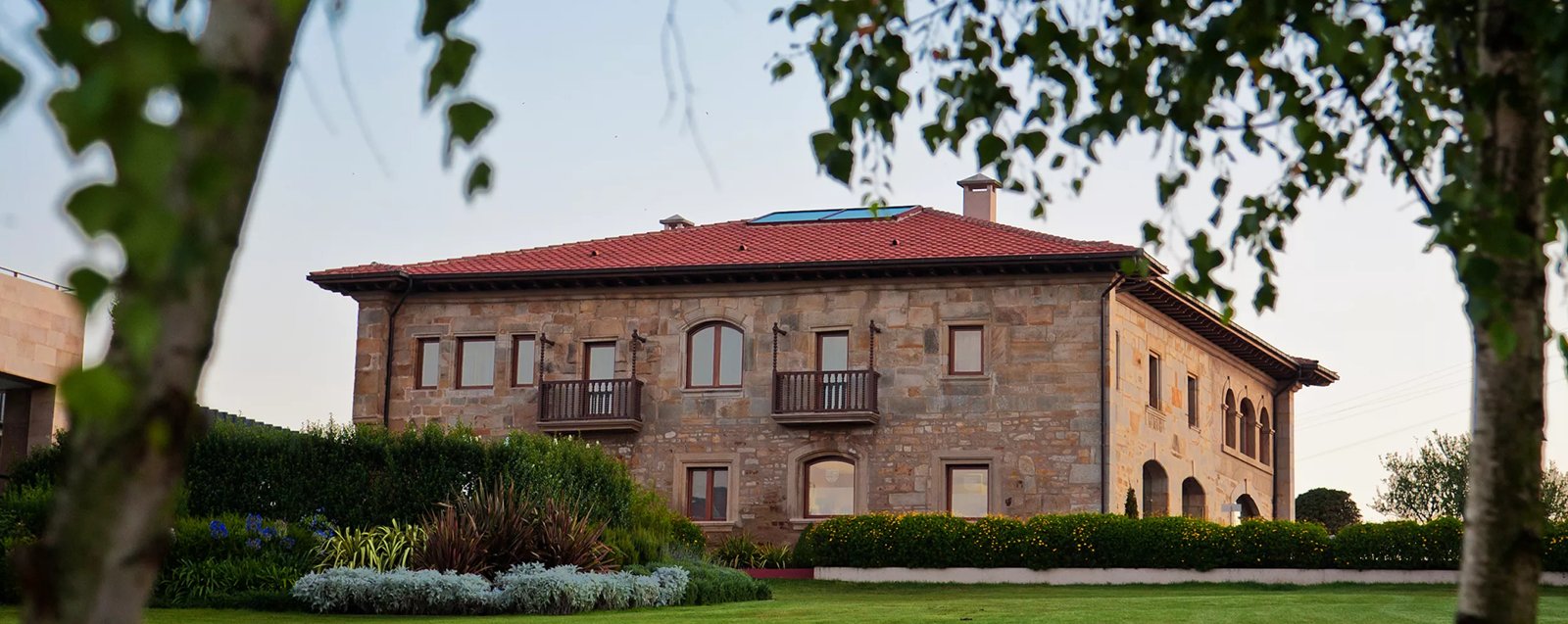
CoolRooms Palacio de Luces leans into its 16th-century origins, presenting a hotel that reads first as an historic palace and second as accommodation. Thick stone walls, tall narrow windows and broad exterior steps create a tactile sense of age and scale; a modern annex joins that established volume, producing a quiet dialogue between old and new. The result is a restrained, classic character that emphasises provenance and materiality over flash—an atmospheric place where the region's rugged mountains and rain-softened coastline feel integral to the experience.
Best For
This is a place for travellers who prize architecture, calm and regional authenticity. Located between the Sierra del Sueve and the Atlantic, the property suits couples and small groups seeking a contemplative escape with strong ties to local culture—cider, aged cheeses and Cantabrian seafood figure in the sense of place. It also appeals to those who want to base themselves in a quieter, design-minded hotel while exploring Asturias’ coastline and mountain terrain rather than visitors seeking boisterous nightlife or urban bustle.
Stay Tips
Pack for changeable Atlantic weather—the text highlights a green, rain-softened coast—and be prepared to spend time appreciating the building itself: approach the palace on foot to take in the ancient walls and broad stone steps. Lean into the region’s culinary identity by sampling local cider, aged cheeses and seafood in nearby villages rather than expecting Mediterranean-style lightness. If the distinction between the original palace and the modern annex matters to you, mention a preference at booking so staff can advise on rooms that best match your interest in historic fabric versus newer accommodation.
Venue details
Ambiance
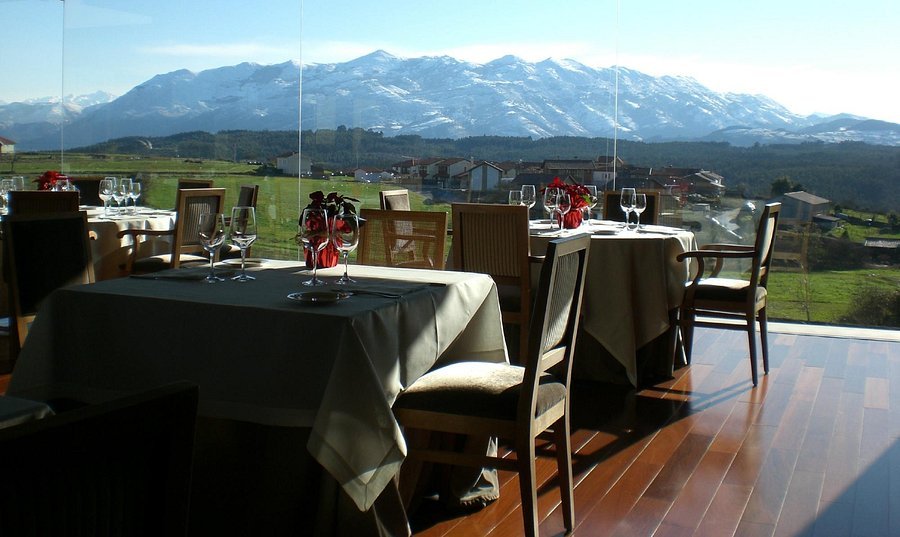
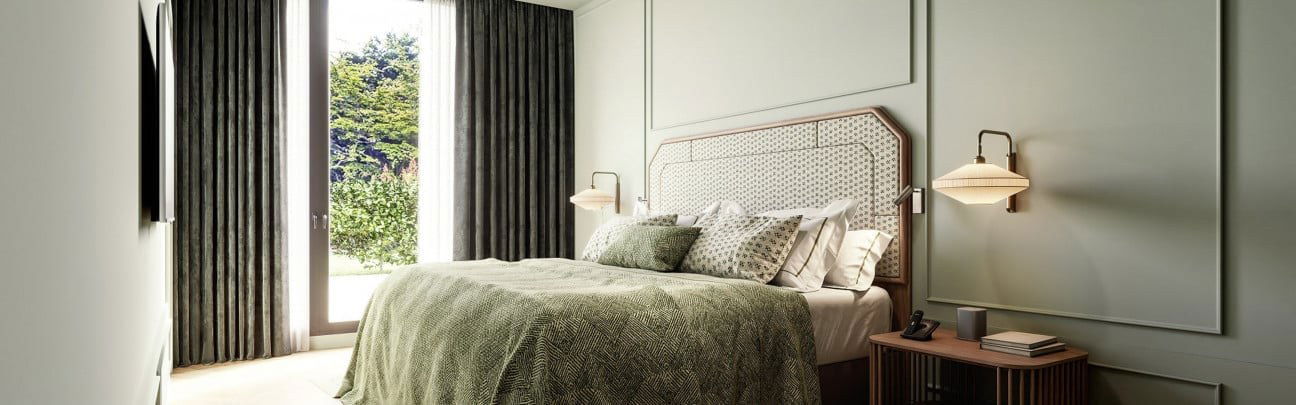
Tranquil and restorative with light-filled spaces, plush furnishings, and relaxing spa atmosphere praised for peace and comfort.
Tags
Vibe
Best For
Experience
Amenities
View
Accessibility
About the Stay
- Rooms
- 0
- Check-in
- 16:00
- Check-out
- 12:00
- Property Style
- Historic Palace with Modern Extensions Offering Personalized Luxury Service
- Design Style
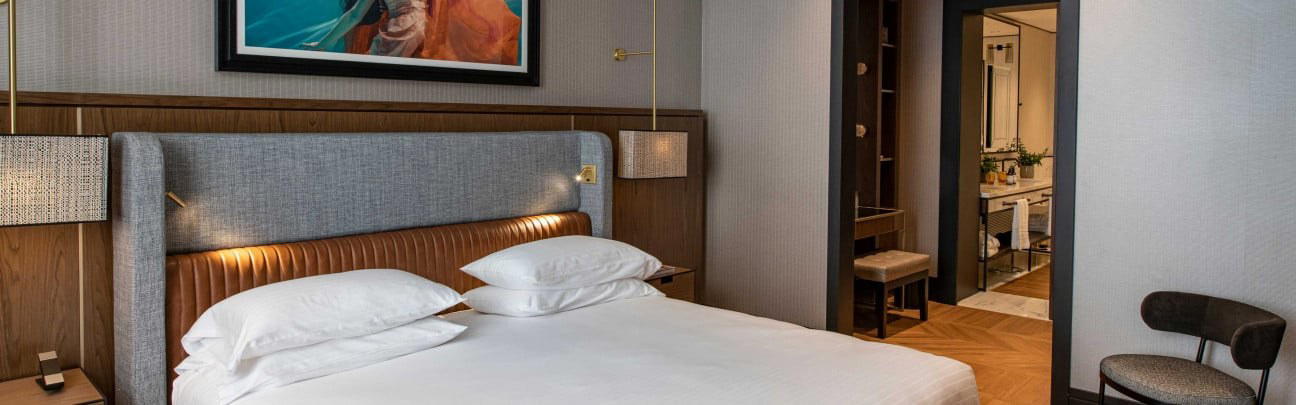
- Rustic Contemporary Blending Traditional Palace Atmosphere with Sleek Modern Furnishings
Know before you go
Know Before You Go
- Getting there
- Carretera, AS-257, s/n, 33328 Luces, Asturias
Planning details
Location
Carretera, AS-257, s/n, 33328 Luces, Asturias · Directions

Also consider
Also Consider
- El Gran Sueño B&B, Notable alternative
- ARTIEM Asturias, Notable alternative
- Eurostars Palacio de Cristal, Notable alternative
- Solo Palacio, Notable alternative
- Helguera Palacio Boutique & Antique, Notable alternative
Hotel context
How it compares with nearby hotel options
Choose CoolRooms Palacio de Luces over El Gran Sueño B&B; if the trip calls for a more formal hotel stay with stronger recognition signals. El Gran Sueño B&B; is the more intimate-sounding alternative from the name alone, while CoolRooms is the safer occasion choice because its Michelin 1 Key, Small Luxury Hotels of the World membership, and Mr & Mrs Smith approval give clearer quality reassurance.
ARTIEM Asturias is the more practical cross-shop for travelers who want a wellness-leaning or contemporary hotel feel, while CoolRooms is better for a countryside celebration where atmosphere carries the stay. Eurostars Palacio de Cristal reads as the stronger option for a more urban, business-friendly base; pick it if convenience matters more than retreat value.
For palace-style comparisons, Solo Palacio and Helguera Palacio Boutique & Antique are the natural alternatives. CoolRooms Palacio de Luces is the one to prioritize when third-party luxury recognition reduces the risk of a special-occasion booking. If availability is tight, ARTIEM Asturias is the cleaner backup for ease, while Helguera Palacio Boutique & Antique is the closer mood match for guests focused on heritage-style ambiance.
Explore Luces
Around this place
Discover more on Pearl
Unlock the full CoolRooms Palacio de Luces guide in Pearl, including awards, comparisons, FAQs, planning details, and nearby places.
Compare CoolRooms Palacio de Luces
| Venue | Location | Awards |
|---|---|---|
| CoolRooms Palacio de Luces | Luces | 2026 Mr & Mrs Smith Luxury Hotels2026 Michelin 1 KeyMichelin 1 Key 20252025 Michelin 1 KeySmall Luxury Hotels Member 20252024 Michelin 1 Key |
| El Gran Sueño B&B | Pintueles | No published awards |
| ARTIEM Asturias | Quintueles | 2025 Michelin Selected HotelsPreferred Hotels Member 2025 |
| Eurostars Palacio de Cristal | Oviedo | No published awards |
| Solo Palacio | Quiros | No published awards |
| Helguera Palacio Boutique & Antique | Santander | 2026 Relais Chateaux Hotels2026 Michelin 1 Key2025 Michelin 1 Key2025 Relais Chateaux Award2024 Michelin 1 Key |




How CoolRooms Palacio de Luces compares with similar nearby venues.
FAQ
Frequently Asked Questions
What is check-in like at CoolRooms Palacio de Luces?
Is CoolRooms Palacio de Luces good for business travel?
Compare current hotel details directly if work-trip needs are important. The confirmed signals are its Michelin 1 Key recognition, Small Luxury Hotels of the World membership, and Mr & Mrs Smith Seal of Approval.
How is the location of CoolRooms Palacio de Luces?
The location is Luces. More specific address, access, and transport details should be confirmed directly with the hotel before booking.
How does CoolRooms Palacio de Luces compare to other hotels?
CoolRooms Palacio de Luces stands out here for its confirmed Michelin 1 Key recognition, Small Luxury Hotels of the World membership, and Mr & Mrs Smith Seal of Approval. ARTIEM Asturias, Eurostars Palacio de Cristal, El Gran Sueño B&B;, Solo Palacio, and Helguera Palacio Boutique & Antique are other hotel options to compare depending on your needs.
Do loyalty programs work at CoolRooms Palacio de Luces?
The confirmed signals are its Small Luxury Hotels of the World membership, Michelin 1 Key status, and Mr & Mrs Smith Seal of Approval.