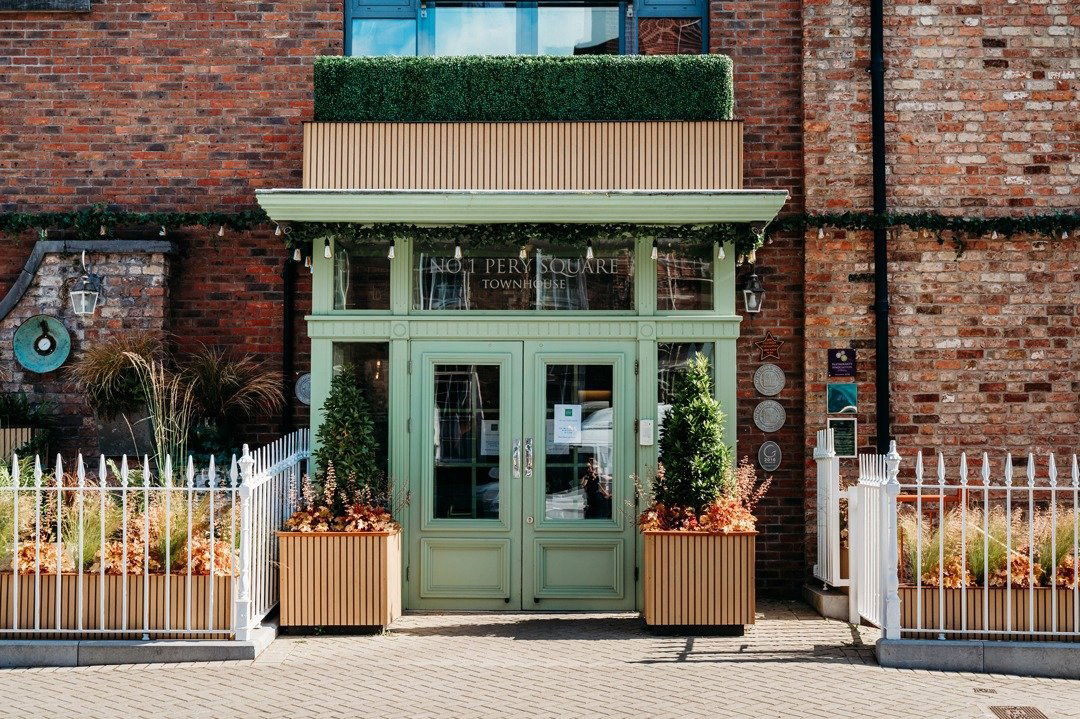

No. 1 Pery Square
Georgian Quarter, Limerick
Hotel in Limerick, Ireland
 Book with Pearl
The Read
Georgian Townhouse Precision
Why go
No. 1 Pery Square is the Limerick choice for travellers who want a Michelin 1 Key city stay rather than an out-of-town resort. Book it for Georgian Quarter convenience and recognized lodging quality; cross-shop Adare Manor or Dromoland Castle if the trip needs estate scale, grounds, or a destination-hotel feel.
About No. 1 Pery Square
Book No. 1 Pery Square if the goal is a Limerick stay with Michelin 1 Key recognition. This is a recognized Limerick hotel for travellers who want to stay in the city itself.
Judge the value case against your own itinerary rather than assumptions about specific amenities. If you want to compare the broader local scene, use our full Limerick restaurants guide and check current details directly with the venue before booking.
Choose the room tier by how much time will be spent in the hotel
Book the category that gives the space and bed setup needed for the trip, then upgrade only if the hotel will be a major part of the stay. The Michelin 1 Key recognition is a meaningful signal for the overall stay, while room size, layout, view, and amenities should be checked directly with the hotel before booking.
For travellers comparing styles of stay, the decision is whether a Limerick base is the right fit. Adare Manor, Dromoland Castle, Cashel Palace, Gregans Castle Hotel, and Trump International Golf Links & Hotel Ireland, Doonbeg may suit different trip priorities, while No. 1 Pery Square keeps the focus on staying in Limerick.
Who should book, and who should look elsewhere
This is a sensible fit for guests who want a Michelin 1 Key-recognized stay in Limerick and are comfortable confirming practical details directly before booking. Travellers who need specific facilities, dining arrangements, room layouts, or activity-led resort features should confirm those details before committing or consider alternatives.
Booking should be handled with the same care as any date-specific hotel stay: confirm availability, room type, policies, and any on-site services directly with the property. The dress code is smart casual, so plan accordingly where it applies.
Planning details
- Location
- Georgian Quarter, 1 Pery Square, Prior's-Land, Limerick, V94 EKP9
- Website
- oneperysquare.com
- Phone
- +35361402402
The take
The Take
The Vibe
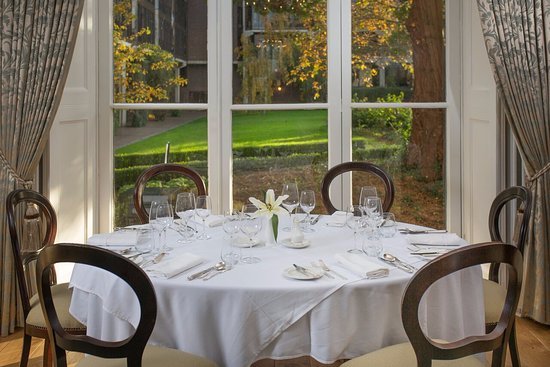
No. 1 Pery Square reads as a disciplined Georgian townhouse where period proportions and restraint drive the design. The 1830 building receives a careful restoration that preserves an ornate marble hearth and gilt-framed mirrors while allowing rooms to breathe rather than feel staged. With just 20 rooms and expansive sash windows, the hotel emphasizes light, scale and domestic calm; interiors feel fresh and measured rather than theatrical. The result is an intimate, historically rooted property that favors considered finishes and a quiet, refined atmosphere over spectacle.
Best For
This boutique hotel is best for travelers seeking a quiet, characterful stay in Limerick’s Georgian Quarter. Its small scale and intimate rooms make it particularly well suited to romantic getaways, anniversaries, honeymoons and relaxed weekend escapes that prioritize privacy and architectural atmosphere. Guests who value light-filled period rooms, careful restoration and a domestic, townhouse feel will appreciate the property; travelers wanting large-scale amenities or resort-style facilities should expect a more restrained, house‑like experience focused on workmanship and place.
Venue details
Ambiance
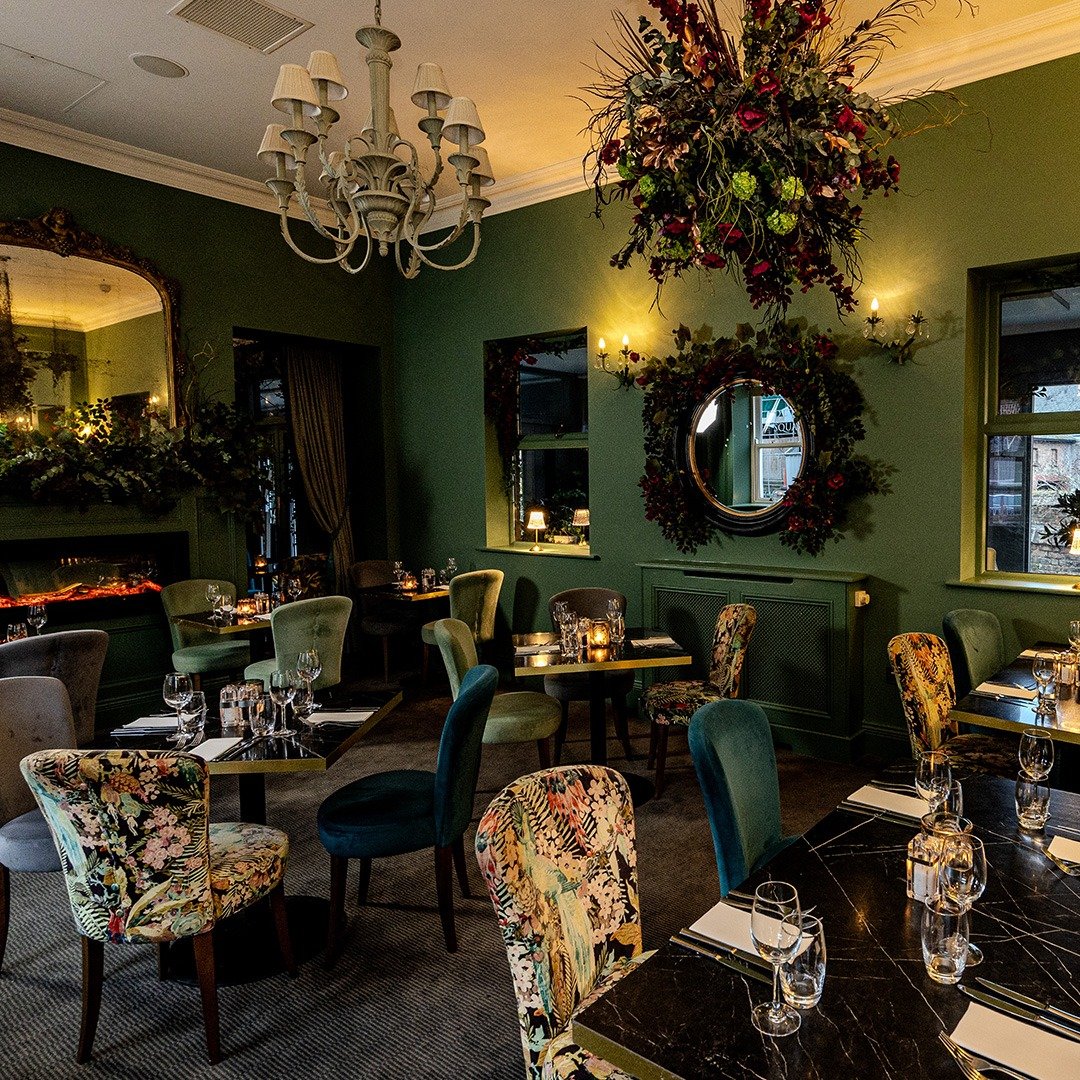
Opulent with plush velvets, floral tapestries, elaborate moldings, and warm lighting creating a serene, luxurious heritage atmosphere.
Tags
Vibe
Best For
Experience
Amenities
View
Accessibility
About the Stay
- Rooms
- 20
- Property Style
- Restored Georgian Townhouse Blending Period Charm with Modern Luxury
- Design Style
- Heritage with Antique Furnishings, Botanic Fabrics, and Exposed Brick
Know before you go
Know Before You Go
- Getting there
- Georgian Quarter, 1 Pery Square, Prior's-Land, Limerick, V94 EKP9
Planning details
Location
Georgian Quarter, 1 Pery Square, Prior's-Land, Limerick, V94 EKP9 · Directions
Recognition and awards
Also consider
Where to look if dates do not work
If No. 1 Pery Square is full, check Adare Manor for a higher-touch country-house alternative near the region, or Dromoland Castle if the trip can shift toward a castle-hotel stay outside Limerick.
Hotel context
How it compares
No. 1 Pery Square is the practical Limerick-city pick in this set: better for guests who want to stay in town and keep the trip efficient. Adare Manor and Dromoland Castle are stronger choices when the hotel is the destination and the budget allows for a fuller country-house experience.
Cashel Palace sits closer to the heritage-hotel lane, so choose it over No. 1 Pery Square when the itinerary is built around a slower, more destination-led stay outside Limerick. For golf-led trips, Trump International Golf Links & Hotel Ireland, Doonbeg is the clearer fit; for a quieter rural base, Gregans Castle Hotel makes more sense.
On value for money, the Limerick address is the advantage: less resort theater, more city utility. Treat booking as hard if dates are fixed, and decide early whether location or destination-hotel atmosphere matters more.
Explore Limerick
Around this place
Discover more on Pearl
Unlock the full No. 1 Pery Square guide in Pearl, including awards, comparisons, FAQs, planning details, and nearby places.
Compare No. 1 Pery Square
| Venue | Location | Awards |
|---|---|---|
| No. 1 Pery Square | Limerick | Michelin 1 Key 20252025 Michelin 1 Key |
| Adare Manor | Adare | 2026 Forbes 5-Star2026 Virtuoso Luxury Hotel CollectionLeading Hotels of the World 20262026 La Liste Top Hotels2025 Michelin 3 Keys2025 Forbes 5-Star2025 Conde Nast Hotels Gold List |
| Dromoland Castle | Newmarket On Fergus | 2026 Virtuoso Luxury Hotel CollectionTravel + Leisure T+L 500 Hotels 2026 Featured StandoutsWorld Luxury Hotel Awards 2025Preferred Hotels Preferred Residences 20252025 Michelin 1 Key |
| Cashel Palace | Cashel | 2026 Mr & Mrs Smith Luxury Hotels2026 Relais Chateaux Hotels2026 La Liste Top Hotels2025 Michelin 2 Keys2025 Relais Chateaux Award |
| Trump International Golf Links & Hotel Ireland, Doonbeg | Doonberg | 2026 Forbes Recommended2025 Forbes Recommended |
| Gregans Castle Hotel | Ballyvaughan | 2025 Michelin 1 KeySmall Luxury Hotels Member 2025 |













How No. 1 Pery Square Limerick compares with similar nearby venues.
FAQ
Frequently Asked Questions
How is the location of No. 1 Pery Square?
No. 1 Pery Square is in Limerick. If you specifically want to stay in Limerick, compare that against options such as Adare Manor or Dromoland Castle, which may suit different trip plans.
When is the best time to book No. 1 Pery Square?
How is the dining at No. 1 Pery Square?
If food is a major part of the trip, compare current information directly with the hotel and with other dining in Limerick before deciding.
Is No. 1 Pery Square family-friendly?
Do loyalty programs work at No. 1 Pery Square?
Which room category is best at No. 1 Pery Square?
Choose based on the space, bed setup, and terms confirmed by the hotel for your dates.
What is check-in like at No. 1 Pery Square?
Confirm arrival time, required documents, and any special instructions directly with No. 1 Pery Square before travelling.