
Bouquerie Lagrasse
Lagrasse
Hotel in Lagrasse, France
 Book with Pearl
The Read
Price
$200–300per night
Why go
Bouquerie Lagrasse is worth considering if the priority is staying in Lagrasse rather than driving in from a larger hotel outside town. It is a practical village-base choice, especially for repeat visitors who care more about location and ease than a full pool-and-spa resort setup.
About Bouquerie Lagrasse
Bouquerie Lagrasse is a Lagrasse stay with MICHELIN Guide Hotels Selected (2025) recognition. It is best considered for travelers who want to stay in Lagrasse itself rather than for any assumed restaurant, wellness, room, or service profile.
The practical case is simple: choose Bouquerie Lagrasse if the priority is staying in Lagrasse. Confirm any specific needs such as parking, breakfast, accessibility, wellness facilities, or dining directly before you book.
Pick this for Lagrasse access, not extras
Bouquerie Lagrasse has MICHELIN Guide Hotels Selected (2025) recognition and is in Lagrasse. It should not be presented as a resort, restaurant-led hotel, spa retreat, or amenity-driven property unless your booking source confirms those details.
For travelers comparing options, the main reason to consider Bouquerie Lagrasse is the Lagrasse setting. Keep the decision anchored to confirmed information, and verify any needs such as parking, breakfast, accessibility, wellness facilities, or dining directly before committing.
Who should choose it, and who should cross-shop
Choose it if the brief is a smart-casual Lagrasse stay with a MICHELIN Guide Hotels Selected (2025) signal. It is a better fit for travelers comfortable making the final decision from confirmed booking details rather than from assumptions about a larger hotel program.
Cross-shop if the hotel itself needs to carry the trip or if facilities or a specific service setup is central to the stay. Auberge du Vieux Puits, Hôtel Le Parc - La Table de Franck Putelat, Hôtel de la Cité - MGallery, Hôtel du Château, and Bloc G may be worth comparing depending on the kind of stay you want. Bouquerie Lagrasse remains the Lagrasse pick when the location and hotel recognition are the main priorities.
Planning details
- Location
- Pl. de la Bouquerie, 11220 Lagrasse, France
- Website
- bouquerielagrasse.com
- Phone
- +33 6 77 20 34 43
The take
The Take
The Vibe
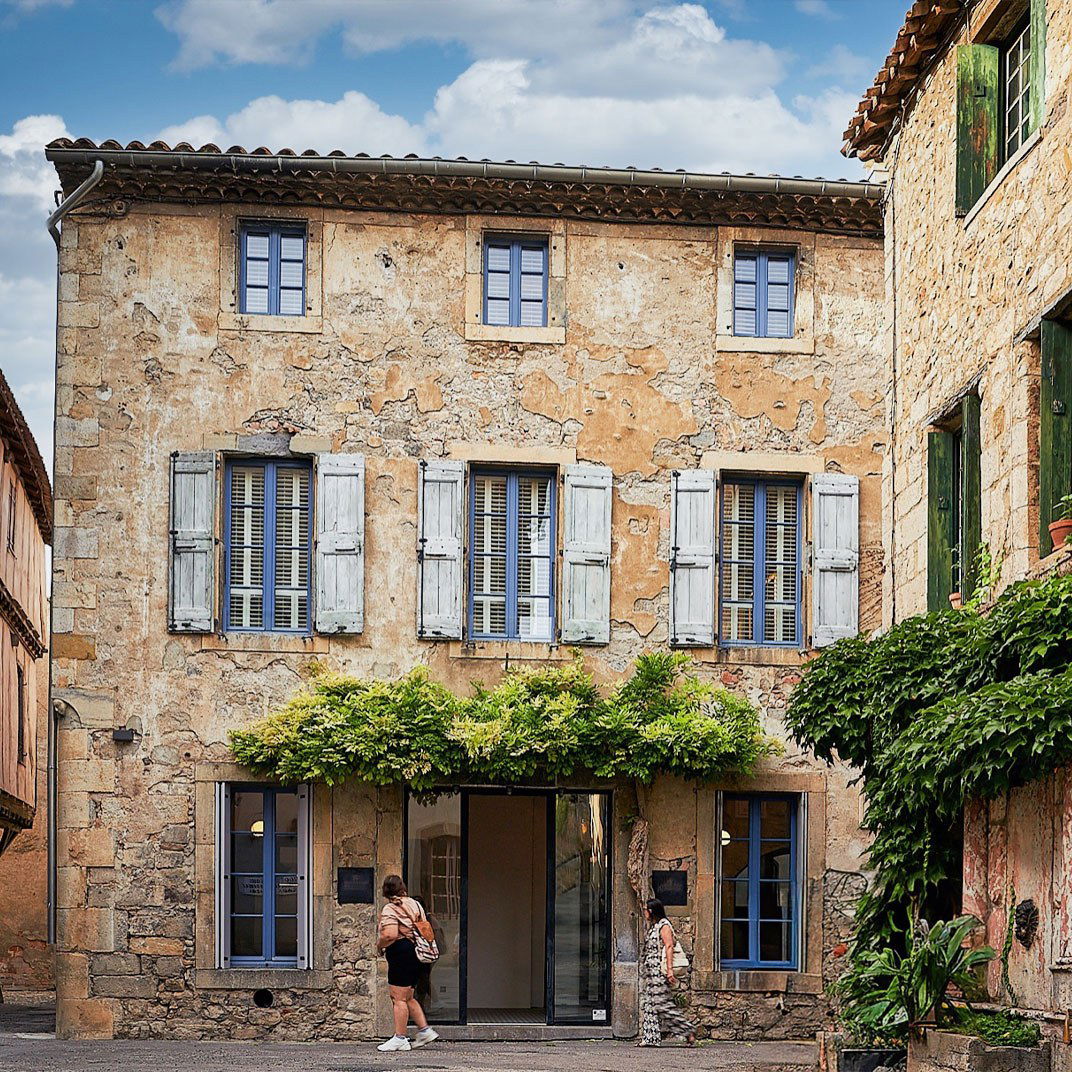
Bouquerie Lagrasse reads like an extension of the village itself: stone façades, arcaded lanes and a medieval market square set the tone long before the hotel signage appears. The property deliberately resists destination-style bravura, folding into Place de la Bouquerie as part of a continuous frontage rather than announcing itself. That embedded quality produces an intimate, quietly historic atmosphere—think ochre stone, the distant sound of the Orbieu and the steady presence of a Carolingian abbey. It feels less like a standalone resort and more like a lived-in corner of one of France’s most picturesque villages.
Best For
This hotel suits travelers who prize architectural authenticity and village life over resort spectacle. It is ideal for short, restorative stays—weekend escapes and anniversary or romantic getaways—when the goal is to stroll arcaded lanes, linger in the covered market square and soak up medieval ambiance. The property’s low-key presence on Place de la Bouquerie makes it a good match for guests who want immersion in Lagrasse’s historic fabric rather than a self-contained hotel experience; cultural exploration and quiet evenings in a storied setting are its strengths.
Stay Tips
Expect a low-key, village-centered stay: the square is the focal point, and the hotel is integrated into the continuous stone frontage rather than standing apart. Plan to spend time outdoors in Place de la Bouquerie and on the surrounding lanes—visit the covered market hall and walk toward the abbey—because much of the experience is the village itself. Arrive prepared for a quietly historic setting rather than resort-style amenities, and allow extra time simply to wander the ochre-stone streets and listen for the Orbieu as part of the stay.
Venue details
Ambiance
Natural light-filled spaces with pale wood flooring, minimalist decor, high beamed ceilings, leather chairs, colorful artwork, and cozy lounge with honesty bar.
Tags
Vibe
Best For
Experience
Amenities
View
About the Stay
- Rooms
- 7
- Check-in
- 15:00
- Check-out
- 12:00
- Property Type
- Boutique hotel
- Property Style
- Historic Building with Modern Scandinavian Influences
- Design Style
- Minimalist Contemporary with Light Woods, Art, and Natural Light
- Breakfast
- Included
Know before you go
Know Before You Go
- Getting there
- Pl. de la Bouquerie, 11220 Lagrasse, France
Planning details
Location
Recognition and awards
Also consider
Also Consider
- Auberge du Vieux Puits, Notable alternative
- Hôtel du Château, Notable alternative
- Hôtel Le Parc - La Table de Franck Putelat, Notable alternative
- Hôtel de la Cité - MGallery, Notable alternative
- Bloc G, Notable alternative
Hotel context
How Bouquerie Lagrasse compares with nearby stays
Bouquerie Lagrasse is the choice for travelers who want to stay in Lagrasse itself and keep the trip simple. Auberge du Vieux Puits and Hôtel Le Parc - La Table de Franck Putelat are stronger cross-shops if the stay is being planned around a destination restaurant-hotel format rather than village access.
Hôtel de la Cité - MGallery and Hôtel du Château make more sense for travelers who want a larger, more established hotel setting outside Lagrasse. They are less useful if the goal is to avoid extra transfers and keep Lagrasse as the center of the stay.
Bloc G is the cleaner comparison for travelers who want a simpler design-led base rather than a formal countryside hotel. Bouquerie Lagrasse wins when location inside Lagrasse is the deciding factor; cross-shop the others when the hotel, dining program, or broader setting matters more than being in the village.
Explore Lagrasse
Around this place
Discover more on Pearl
Unlock the full Bouquerie Lagrasse guide in Pearl, including awards, comparisons, FAQs, planning details, and nearby places.
Compare Bouquerie Lagrasse
| Venue | Location | Awards |
|---|---|---|
| Bouquerie Lagrasse | Lagrasse | 2025 Michelin Selected Hotels |
| Auberge du Vieux Puits | Fontjoncouse | No published awards |
| Hôtel du Château | Carcassonne | No published awards |
| Hôtel Le Parc - La Table de Franck Putelat | Carcassonne | 2025 Michelin Selected Hotels2025 Gault & Millau Exceptional Hotel |
| Hôtel de la Cité - MGallery | Carcassonne | 2026 Virtuoso Luxury Hotel Collection2025 Gault & Millau Exceptional Hotel2025 Michelin Selected Hotels |
| Bloc G | Carcassonne | No published awards |


How Bouquerie Lagrasse compares with similar nearby venues.
FAQ
Frequently Asked Questions
When is the best time to book Bouquerie Lagrasse?
Book early if your dates are fixed, especially for busy travel periods in Lagrasse. Bouquerie Lagrasse has MICHELIN Guide Hotels Selected (2025) recognition, and availability and booking conditions should be checked through the property or your booking channel.
Is Bouquerie Lagrasse good for business travel?
It can work if you mainly need a base in Lagrasse. Specific business-travel needs, such as meeting space, desk setup, parking, or late arrival arrangements, should be confirmed directly before booking.
Do loyalty programs work at Bouquerie Lagrasse?
Do not count on loyalty perks unless your booking channel confirms them. The trust signal here is MICHELIN Guide Hotels Selected (2025), which is not the same as a chain rewards program.
How does Bouquerie Lagrasse compare to other hotels?
Choose Bouquerie Lagrasse if you want a Lagrasse stay with a MICHELIN Guide Hotels Selected (2025) signal. Compare it with Hôtel du Château, Hôtel de la Cité - MGallery, Auberge du Vieux Puits, Hôtel Le Parc - La Table de Franck Putelat, or Bloc G if you are weighing other options.
How is the dining at Bouquerie Lagrasse?
Do not assume a specific dining format. If meals are central to the stay, confirm the current dining details directly with Bouquerie Lagrasse or compare with other options such as Bloc G or Hôtel Le Parc - La Table de Franck Putelat.
How is the pool and spa at Bouquerie Lagrasse?
Which room category is best at Bouquerie Lagrasse?
Choose based on the room details shown by the property or booking channel, and confirm any needs such as space, outlook, accessibility, or quietness before booking.