
Orli La Jolla
La Jolla
Hotel in La Jolla, United States
 Book with Pearl
The Read
Residential-Scale Landmark Hospitality
Why go
Orli La Jolla is the stronger choice for travelers who want a quieter, more intimate La Jolla hotel with Michelin 1 Key recognition rather than a resort-style campus. It suits couples, business travelers, and polished weekend stays; families should book only if they value a calm village base over larger-property amenities.
About Orli La Jolla
For La Jolla travelers considering Orli La Jolla, the venue is in La Jolla, has a casual dress code, and holds a Michelin 1 Key for 2025. Those facts make it a hotel to include on a La Jolla shortlist when recognized hotel quality is a priority.
The strongest case for booking is the recognition: a Michelin 1 Key in 2025 gives Orli La Jolla a clear quality signal. Beyond that, travelers should confirm current room, amenity, service, and booking details directly with the hotel before making a decision.
A better fit for polished La Jolla stays than resort-heavy trips
Book here if the priority is a La Jolla stay with Michelin Key recognition. If specific amenities, room types, dining, spa, pool, or family programming are important, verify those details before booking.
The practical comparison is simple: Orli La Jolla belongs on the same research list as other premium options such as Estancia La Jolla Hotel & Spa, Fairmont Grand Del Mar, The Lodge at Torrey Pines, TOWER23 Hotel, and Cosmopolitan Hotel and Restaurant. Choose based on the details that matter for the trip rather than assuming a specific service style or amenity set.
Who should book, and who should look elsewhere
For travelers who value Michelin recognition, Orli La Jolla is worth considering because of its Michelin 1 Key in 2025. For families, business travelers, couples, or groups with specific needs, the safer approach is to verify room layout, amenities, accessibility, dining, and on-property services directly with the hotel before booking.
Use our full La Jolla hotels guide to compare the local hotel set, and check our full La Jolla restaurants guide, our full La Jolla bars guide, our full La Jolla wineries guide, and our full La Jolla experiences guide if the stay is part of a wider weekend plan.
Planning details
- Location
- 7753 Draper Ave, La Jolla, CA 92037
- Website
- stayorli.com
- Phone
- +1 858-727-2776
The take
The Take
The Vibe
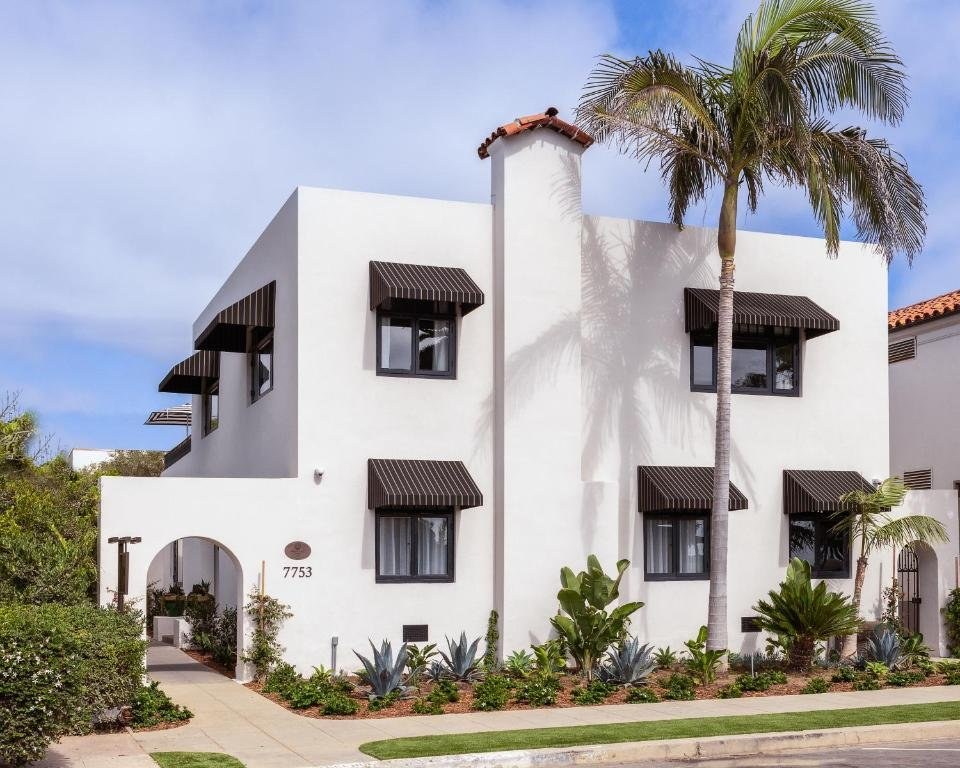
Orli reads as architecture first and hotel second. Housed in an Irving Gill landmark, the property foregrounds stripped-down Mission Revival details and proto‑Modernist restraint—smooth stucco, arched openings and clean geometries—so the interiors and exteriors feel deliberately minimal. The scale is intimate: just thirteen rooms gathered around a courtyard on a quiet residential block. That measured restraint produces a serene, quietly charming atmosphere for guests who prefer considered design over spectacle. The overall effect is a small, contemplative hotel where historical materiality and minimalist lines set the tone more than flashy amenities or resort theatrics.
Best For
This is a stay for people who prize architecture, quiet streets and a compact, independent hotel experience. Guests transitioning from larger coastal resorts to something more low-key will appreciate Orli’s neighborhood intimacy and thoughtful restoration. Couples seeking a restrained, design-forward romantic getaway and solo travelers wanting a peaceful base in La Jolla both find the hotel’s 13-room scale appealing. Architecture lovers and anyone who enjoys calm courtyard settings and minimal, historically grounded design are especially well served by Orli’s singular focus on place and proportion.
Stay Tips
Orli’s small scale matters: with just thirteen rooms, availability can be limited, so book well in advance, especially for weekend stays. Expect a residential, understated setting rather than large resort facilities—plan logistics accordingly since the description emphasizes neighborhood pace and a compact property footprint. Use your reservation to confirm arrival details and any on-site access to the courtyard. Above all, go in with an appetite for architecture and quiet; the building and its proportions are the main draw rather than extensive hotel programming or big public spaces.
Venue details
Ambiance
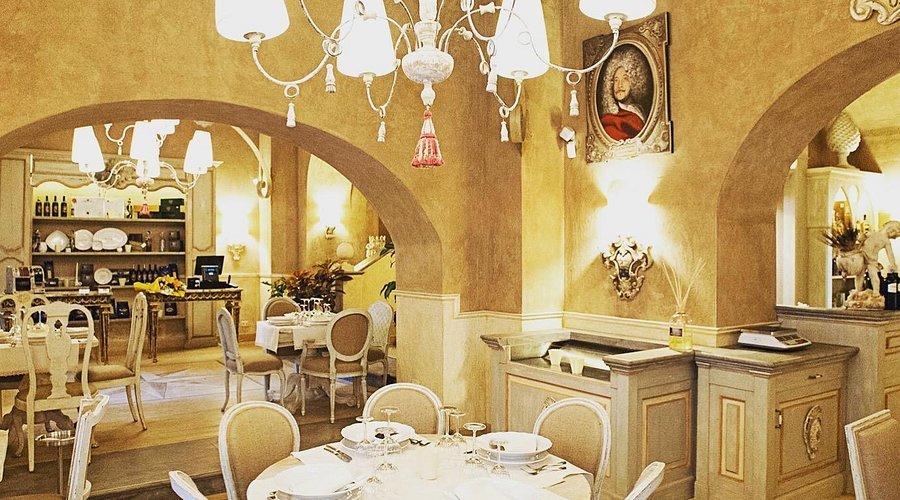
Warm, inviting, and design-forward with clean high-contrast interiors blended with warm design elements; guests describe it as peaceful, spotlessly clean, and feeling more like a home than a hotel room.
Tags
Vibe
Best For
Experience
Amenities
View
Accessibility
About the Stay
- Rooms
- 9
- Property Style
- Boutique Hotel Pairing Finesse with Homestay Spirit, Delivering Elevated Design and Tap Away Convenience Through Mobile Customization and Local Inspired Experiences.
- Design Style
- Clean High Contrast Modern Interiors with Warm Design Elements Embracing La Jolla's Rich History and Coastal Landscape; Eclectic and Individually Decorated Rooms.
Know before you go
Know Before You Go
- Getting there
- 7753 Draper Ave, La Jolla, CA 92037
Planning details
Location
Recognition and awards
Also consider
Where to Look If It Is Full
If Orli La Jolla is unavailable, try Estancia La Jolla Hotel & Spa for a broader resort-and-spa stay that works better for families. For a more classic luxury splurge with deeper amenities, cross-shop Fairmont Grand Del Mar.
For travelers who mainly want a coastal hotel mood, TOWER23 Hotel is the more direct alternative. For golf-focused stays, The Lodge at Torrey Pines is the more logical pivot.
Hotel context
How It Compares
Choose Orli La Jolla over Estancia La Jolla Hotel & Spa if the trip calls for a smaller, more contained stay in La Jolla rather than a broader resort-and-spa setup. Estancia is the easier family or spa-weekend answer; Orli is better for couples, solo business travelers, and guests who want a quieter base with Michelin 1 Key recognition.
TOWER23 Hotel is the better cross-shop for travelers who want a more overt beach-hotel mood, while Orli is the calmer pick for a special occasion where the hotel should feel less scene-driven. The Lodge at Torrey Pines is the stronger choice for golf-oriented trips or guests who want a larger, classic luxury property; Orli is better when La Jolla village access and a smaller footprint matter more.
For a bigger splurge with resort depth, Fairmont Grand Del Mar is the more complete stay, especially for families who want amenities built into the property. Cosmopolitan Hotel and Restaurant is a different kind of historic cross-shop; pick it for character and a restaurant-led stay, not for the same La Jolla positioning.
Explore La Jolla
Around this place
Discover more on Pearl
Unlock the full Orli La Jolla guide in Pearl, including awards, comparisons, FAQs, planning details, and nearby places.
Compare Orli La Jolla
| Venue | Location | Awards |
|---|---|---|
| Orli La Jolla | La Jolla | Michelin 1 Key 20252025 Michelin 1 Key |
| Estancia La Jolla Hotel & Spa | San Diego | 2026 Forbes RecommendedStar Wine Lists 20262026 Condé Nast Traveler Best Hotels in California2025 Michelin Selected Hotels2025 Forbes Recommended |
| TOWER23 Hotel | San Diego | No published awards |
| The Lodge at Torrey Pines | San Diego | 2026 Forbes Recommended2026 Virtuoso Luxury Hotel CollectionStar Wine Lists 20262026 La Liste Top Hotels2025 Michelin Selected Hotels2025 Forbes 4-Star2025 AAA 5 Diamond Hotel |
| Cosmopolitan Hotel and Restaurant | San Diego | No published awards |
| Fairmont Grand Del Mar | San Diego | 2026 Virtuoso Luxury Hotel Collection2026 Forbes 4-Star2026 Condé Nast Traveler Best Hotels in California2026 La Liste Top Hotels2025 AAA 5 Diamond Hotel2025 Forbes 4-Star |







How Orli La Jolla Hotel Review: Michelin Key in La Jolla compares with similar nearby venues.
FAQ
Frequently Asked Questions
Is Orli La Jolla good for business travel?
It may be. Orli La Jolla is in La Jolla and has a Michelin 1 Key for 2025, so business travelers should confirm room setup, workspace, parking, and other practical needs directly before booking.
How does Orli La Jolla compare to nearby hotels?
Orli La Jolla is a Michelin 1 Key hotel in La Jolla. Travelers can compare it with Estancia La Jolla Hotel & Spa, Fairmont Grand Del Mar, The Lodge at Torrey Pines, TOWER23 Hotel, and Cosmopolitan Hotel and Restaurant, then choose based on current rates, availability, amenities, and trip needs.
Which room category is best at Orli La Jolla?
How is the pool and spa at Orli La Jolla?
If those features are important, verify current amenities directly with the hotel before booking.
When is the best time to book Orli La Jolla?
Book when the rate, availability, and cancellation terms fit your trip. Orli La Jolla has a Michelin 1 Key for 2025.