
Grand Hôtel Henri
L'Isle-sur-la-Sorgue
Hotel in L'Isle-sur-la-Sorgue, France
 Book with Pearl
Why go
For spring and summer Provence planning, Grand Hôtel Henri is the practical yes if staying inside L'Isle-sur-la-Sorgue matters more than resort-style facilities. Its Michelin hotel selection gives it a useful trust signal, but loyalty-program value is not the reason to choose it. Compare direct rates and cancellation terms before committing.
About Grand Hôtel Henri
Grand Hôtel Henri is a hotel in L'Isle-sur-la-Sorgue with a MICHELIN Guide hotel selection for 2025.
Stay in L'Isle-sur-la-Sorgue if the town itself is the priority
Grand Hôtel Henri is best considered by travelers who specifically want to base themselves in L'Isle-sur-la-Sorgue. It is a MICHELIN-selected hotel, but detailed claims about facilities, dining, room categories, or on-property services should be confirmed directly.
That makes the decision direct: choose it if the combination of L'Isle-sur-la-Sorgue and a confirmed MICHELIN Guide hotel selection fits the trip. If the stay depends on specific amenities, room layouts, or services, confirm those details with the venue before booking.
Direct-booking value matters because the details should be confirmed
Compare booking options carefully and confirm practical details directly with Grand Hôtel Henri. Cancellation terms, included services, room descriptions, and any special requests should be checked before payment.
Travelers comparing hotel styles may also look at L'Isle de Leos - MGallery, La Maison sur la Sorgue, Les Bories & Spa, Airelles Gordes, La Bastide, or La Bastide de Gordes, depending on the wider itinerary. Grand Hôtel Henri remains the relevant choice when the goal is specifically a stay in L'Isle-sur-la-Sorgue.
Use travel planning resources to build the trip around the stay: compare hotel alternatives, plan meals around other dining in L'Isle-sur-la-Sorgue, and check relevant experiences separately if this is part of a wider route.
Planning details
- Location
- 1 Cr René Char, 84800 L'Isle-sur-la-Sorgue, France
- Website
- grandhotelhenri.com
- Phone
- +33 4 90 38 10 52
The take
The Take
The Vibe
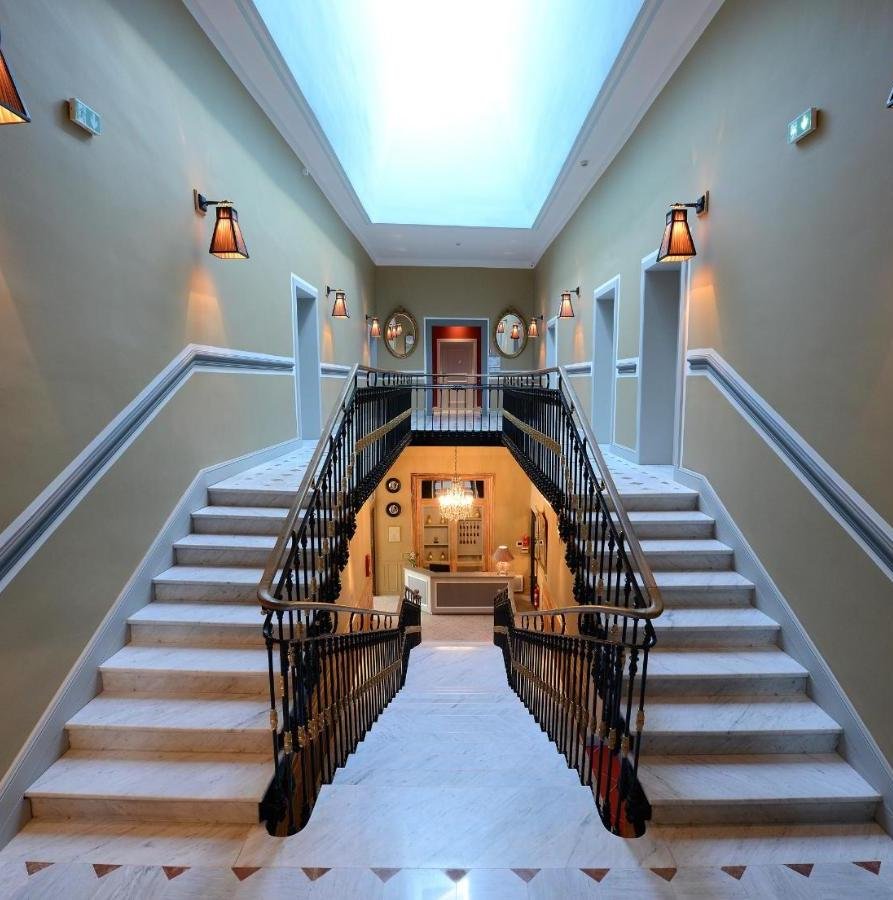
Grand Hôtel Henri sits squarely within the market quarter of L'Isle-sur-la-Sorgue, leaning on heritage fabric and deliberate restraint rather than Provençal cliché. The writing emphasizes converted mills, arcaded courtyards and a cours-facing address, so the property reads as an urbane, historic base for soaking up the town's visual pleasures. Interiors and detailing are described in terms of restraint and context rather than bravura, making the hotel feel like a tasteful extension of the surrounding antiques trade. Guests experience the slow rhythms of market mornings and canal-side life while remaining embedded in a compact, textured Provençal town.
Best For
This hotel is best for travelers who want to be at the center of L'Isle-sur-la-Sorgue's weekly commerce and antique culture. Staying here keeps you steps from the Saturday market, the cours and quais, galleries and the seasonal antiques fairs that swell the town on holiday weekends. It's a practical pick for cultural explorers, collectors and anyone who plans to spend mornings wandering market stalls and afternoons visiting dealers or nearby galleries. The editorial point of the stay is town access rather than landscape seclusion, so guests prioritizing local immersion get the clearest return.
Venue details
Ambiance
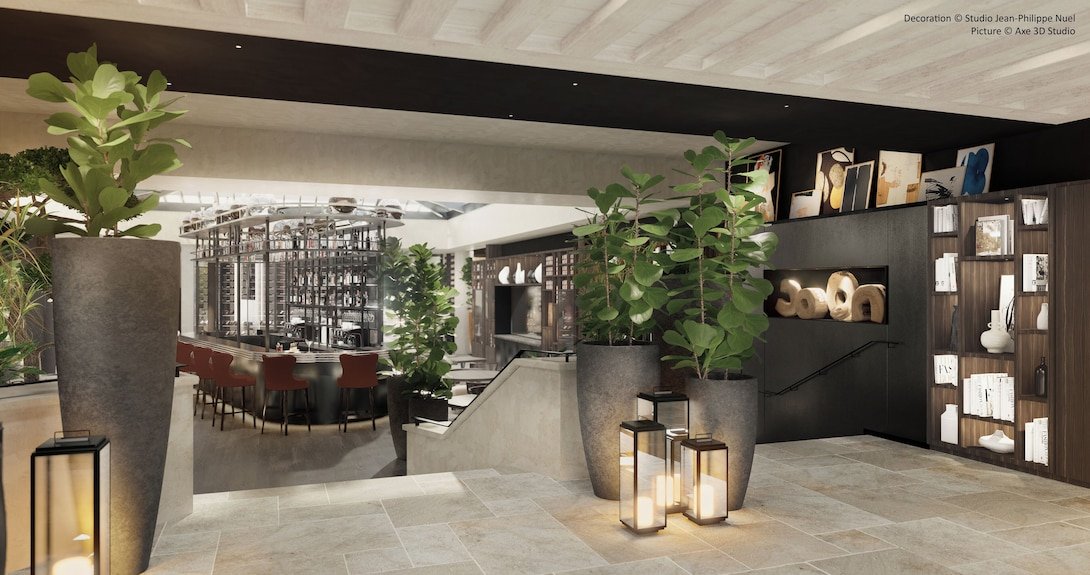
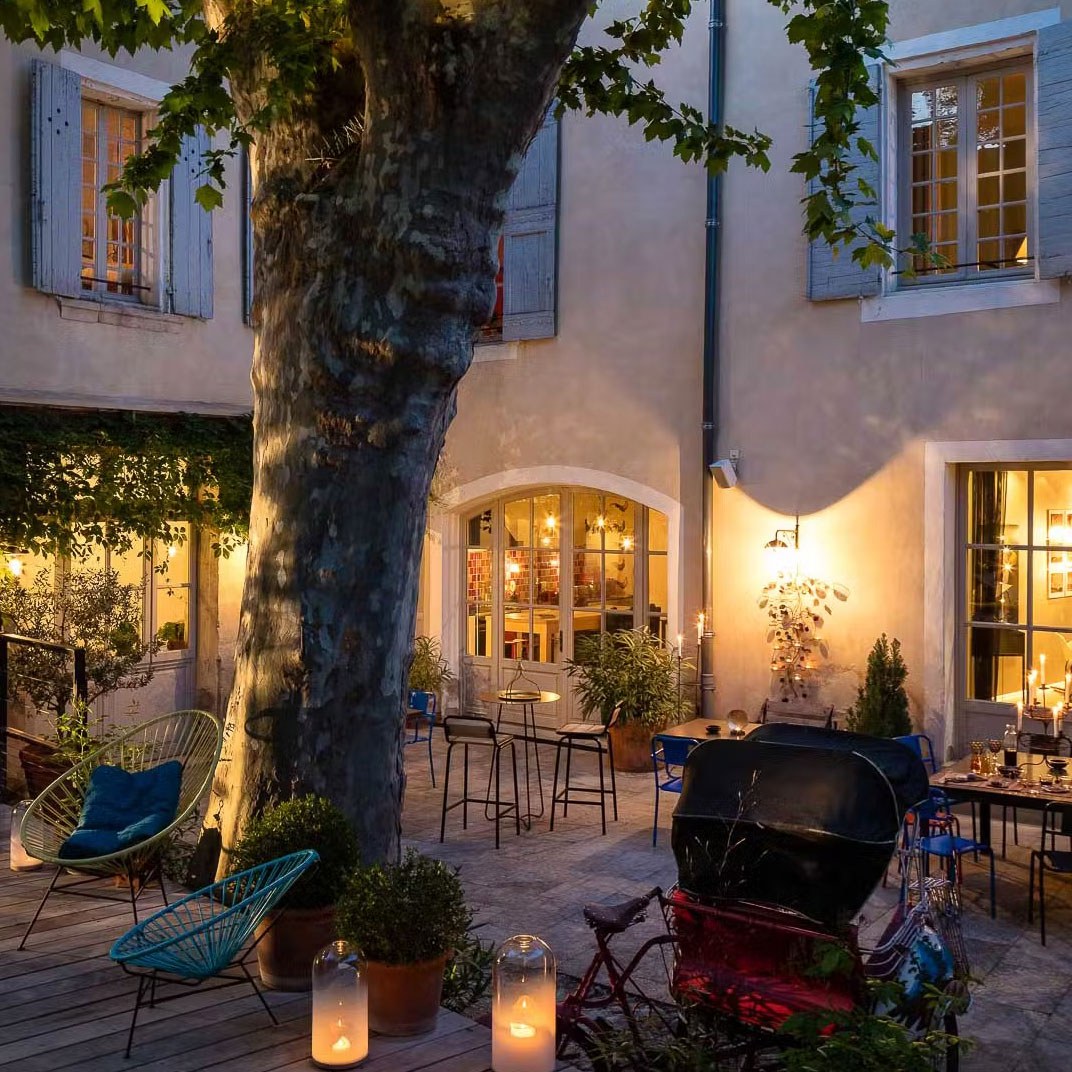
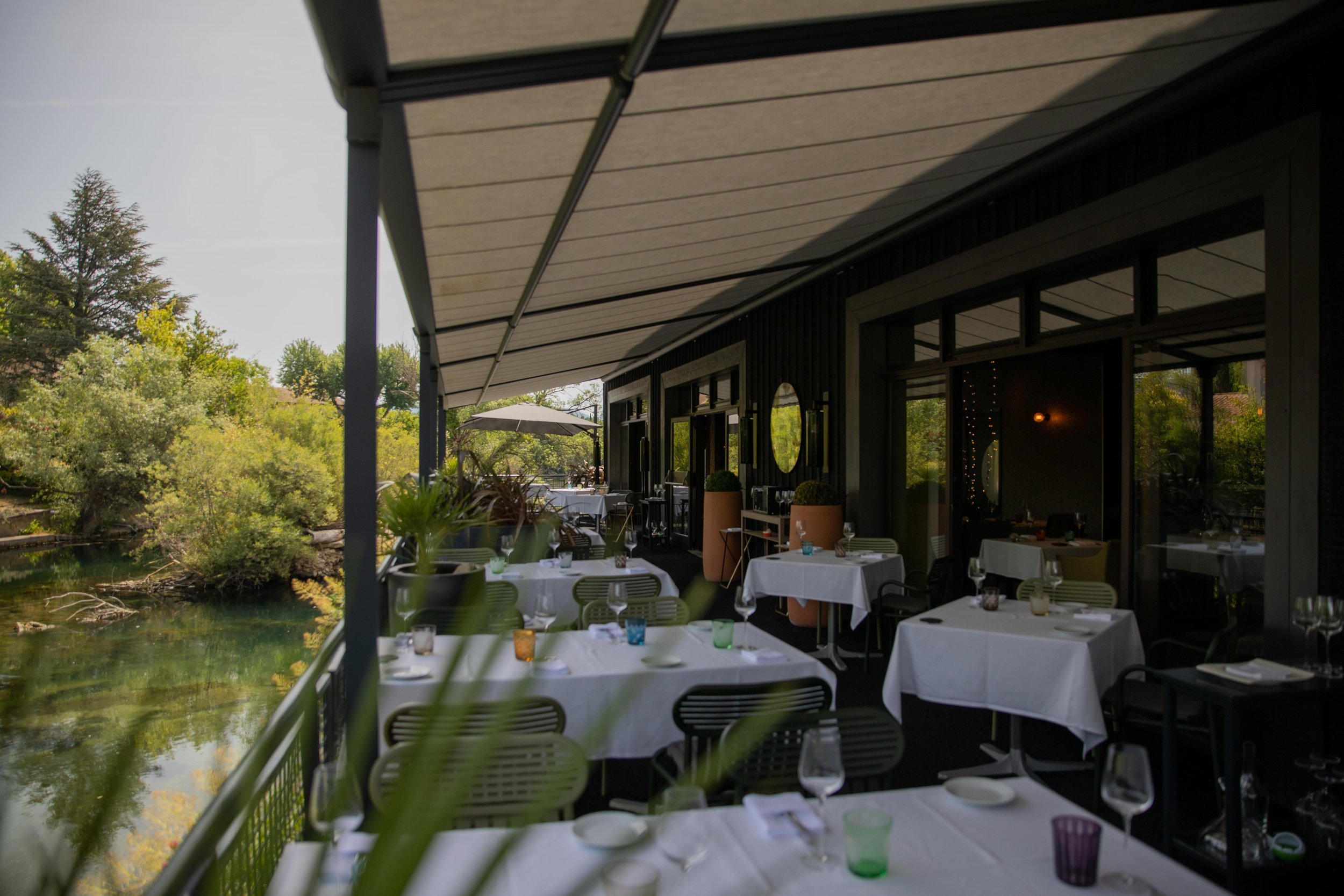
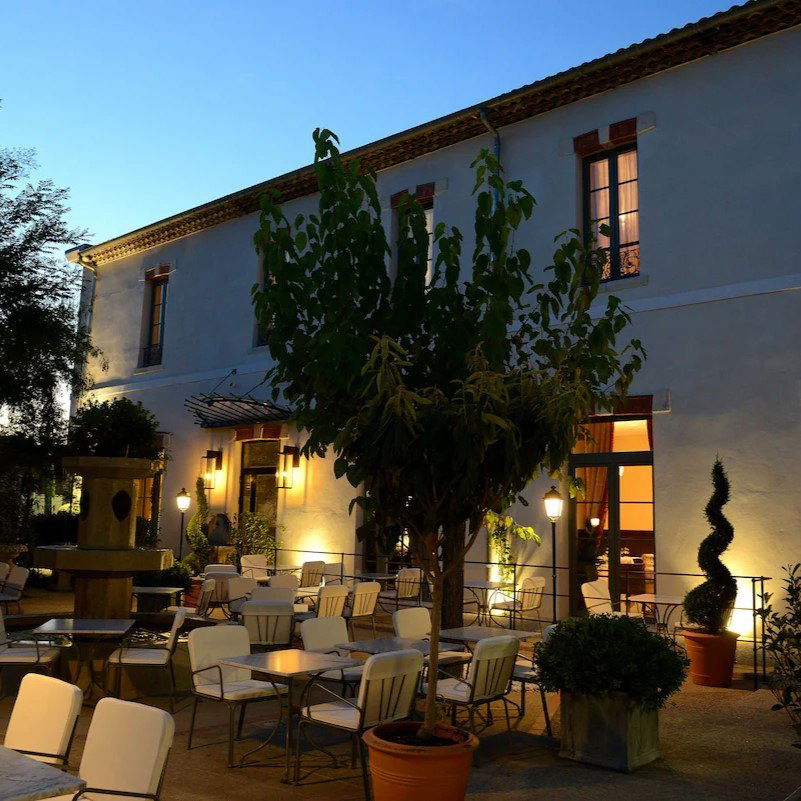
Sophisticated Napoleon III and Provençal interiors with warm lighting, tranquil garden terrace, and intimate bistronomic dining atmosphere.
Tags
Vibe
Best For
Experience
Amenities
View
Accessibility
About the Stay
- Rooms
- 17
- Check-in
- 15:00
- Check-out
- 11:00
- Property Style
- Historic Boutique Hotel with French Chic and Provençal Authenticity
- Design Style
- Art Deco Napoleon Iii with Provençal Elements
Know before you go
Know Before You Go
- Getting there
- 1 Cr René Char, 84800 L'Isle-sur-la-Sorgue, France
Planning details
Location
Recognition and awards
Also consider
Also Consider
- L'Isle de Leos - MGallery, Notable alternative
- La Maison sur la Sorgue, Notable alternative
- Les Bories & Spa, Notable alternative
- Airelles Gordes, La Bastide, Notable alternative
- La Bastide de Gordes, Notable alternative
Hotel context
How It Compares
Grand Hôtel Henri is the town-base choice: useful for first-timers who want L'Isle-sur-la-Sorgue on foot, especially around market and antiques-focused weekends. L'Isle de Leos - MGallery is the stronger cross-shop for travelers who prefer brand structure and loyalty-program mechanics, while La Maison sur la Sorgue is the more intimate alternative if ambiance matters more than a conventional hotel setup.
For a spa-led Provence stay, look outside town. Les Bories & Spa is the better fit if the day is meant to revolve around wellness and property time rather than walking in and out of L'Isle-sur-la-Sorgue. Airelles Gordes, La Bastide and La Bastide de Gordes make more sense for a splurge stay in Gordes, with a more destination-hotel mood and a higher-expectation trip structure.
Booking difficulty should be easiest at Grand Hôtel Henri relative to the bigger-name Gordes options, but the tradeoff is clear: less resort theater, more town convenience. Choose it for value and access in L'Isle-sur-la-Sorgue; choose Gordes if the hotel itself is the main event.
Explore L'Isle-sur-la-Sorgue
Around this place
Discover more on Pearl
Unlock the full Grand Hôtel Henri guide in Pearl, including awards, comparisons, FAQs, planning details, and nearby places.
Compare Grand Hôtel Henri
| Venue | Location | Awards |
|---|---|---|
| Grand Hôtel Henri | L'Isle-sur-la-Sorgue | 2025 Michelin Selected Hotels |
| L'Isle de Leos - MGallery | L'Isle-sur-la-Sorgue | No published awards |
| La Maison sur la Sorgue | L'Isle-sur-la-Sorgue | No published awards |
| Les Bories & Spa | Gordes | 2025 Michelin Selected Hotels2025 Gault & Millau Exceptional HotelSmall Luxury Hotels Member 2025 |
| Airelles Gordes, La Bastide | French Riviera | 2026 Forbes 5-Star2026 Vogue Best Hotels in Provence2026 Virtuoso Luxury Hotel Collection2026 La Liste Top Hotels2026 Michelin 3 KeysMichelin 3 Keys 20252025 Forbes 5-Star2024 Michelin 3 Keys |
| La Bastide de Gordes | Gordes | No published awards |








How Grand Hôtel Henri L'Isle-sur-la-Sorgue Review compares with similar nearby venues.
FAQ
Frequently Asked Questions
How is the location of Grand Hôtel Henri?
Grand Hôtel Henri is in L'Isle-sur-la-Sorgue. Specific arrival details should be confirmed directly with the venue before arrival. If you are comparing a different style of stay, Les Bories & Spa is another option to consider.
Is Grand Hôtel Henri family-friendly?
Grand Hôtel Henri is confirmed as a MICHELIN Guide hotel selection for 2025, but guests traveling with children should check room setup, bedding, and service details directly with the hotel. La Bastide de Gordes may also be worth comparing for a different hotel experience.
How does Grand Hôtel Henri compare to other hotels?
Grand Hôtel Henri is a MICHELIN-selected hotel in L'Isle-sur-la-Sorgue. La Maison sur la Sorgue, Les Bories & Spa, Airelles Gordes, La Bastide, and La Bastide de Gordes may also suit travelers considering a broader hotel search.