
SHIGUCHI
Hanazono, Kutchan
Hotel in Kutchan, Japan
 Book with Pearl
The Read
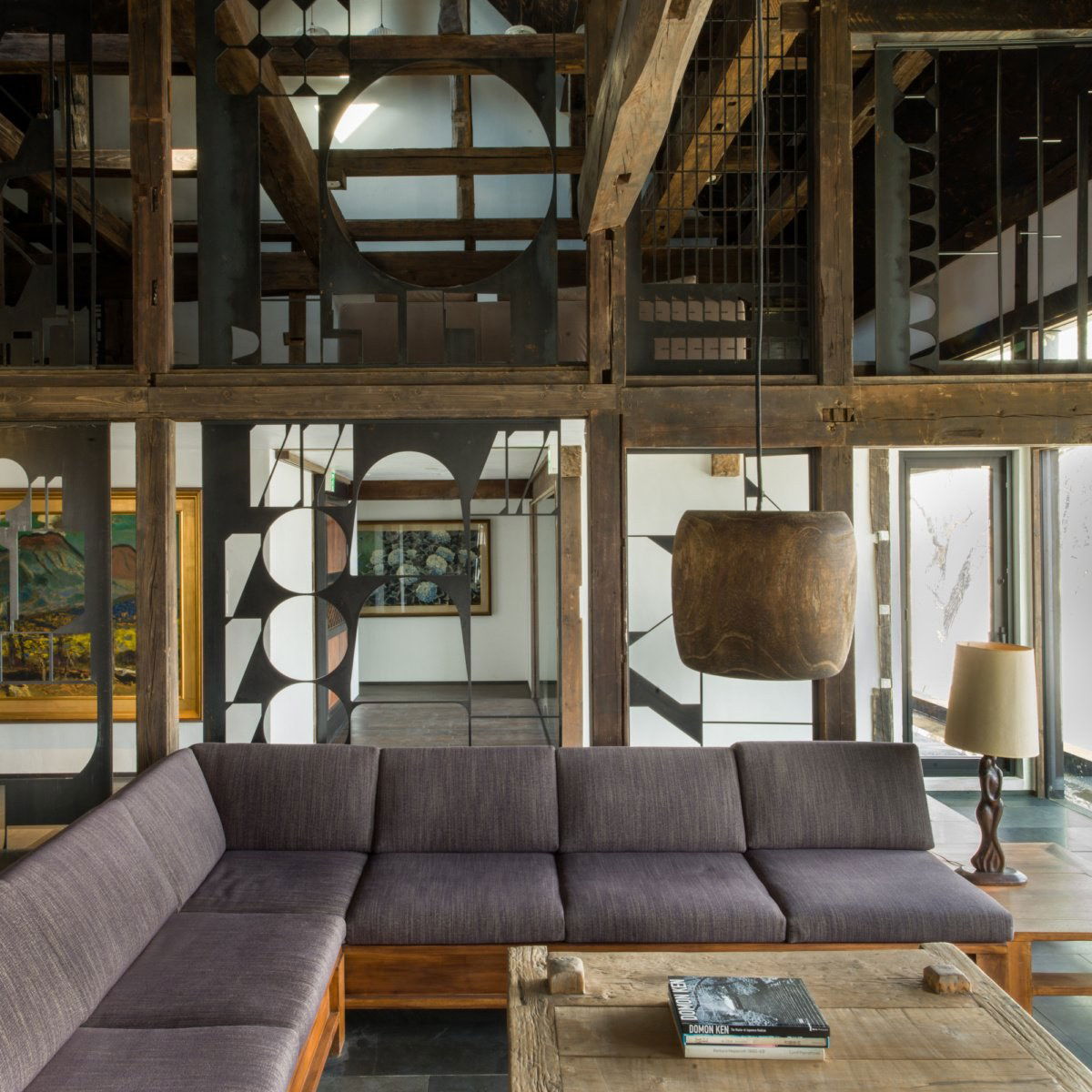
Nail-Free Kominka Architecture
Why go
SHIGUCHI is the Kutchan pick for travelers who want a quieter Hanazono stay over a conventional resort setup. It suits couples, small celebration trips, and business travelers who value privacy, but those needing fuller hotel infrastructure should compare Park Hyatt Niseko Hanazono, Nikko Style Niseko HANAZONO, or Sansui Niseko.
About SHIGUCHI
SHIGUCHI is a venue in Kutchan. Approach it on its own terms rather than assuming a specific service style, setting, room type, dining format, or hotel-style amenity set. In practical terms, that means checking the venue’s current details rather than relying on expectations created by other Kutchan properties. The dress code is smart casual, which gives visitors a useful planning point when deciding what to pack or wear.
If you are comparing options for a Kutchan trip, treat SHIGUCHI as one name to check directly before booking. Confirm the details that matter for your trip, such as availability, services, dining arrangements, accessibility, and any stay-specific requirements, with the venue itself. This is especially important if your plans depend on particular arrangements. A direct check can help you make a more confident booking decision.
Choose it only after confirming the details you need
The smart approach is to start with the basics: SHIGUCHI is in Kutchan and uses a smart-casual dress code. From there, build your comparison around the specific needs of your trip rather than around assumptions. If your trip requires a broader comparison, you may also look at Park Hyatt Niseko Hanazono or Nikko Style Niseko HANAZONO. For another option to compare, Zaborin may also be relevant.
For readers building a shortlist, also compare Sansui Niseko and other unnamed local options. Use broader Kutchan guides for lodging, dining, bars, and experiences if the trip depends on specific services or activities. Those wider guides can help frame the area, while direct confirmation with SHIGUCHI remains the best way to resolve the practical details for this specific venue.
Planning details
- Location
- 78-5 Hanazono, Kutchan, Abuta District, Hokkaido 044-0084
- Website
- shiguchi.com
- Phone
- +81 136-55-5235
The take
The Take
The Vibe
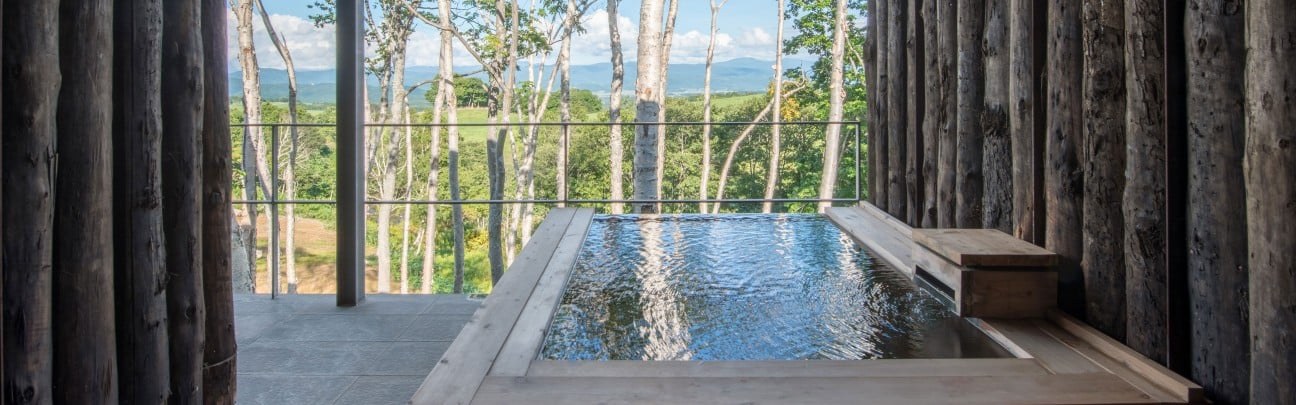
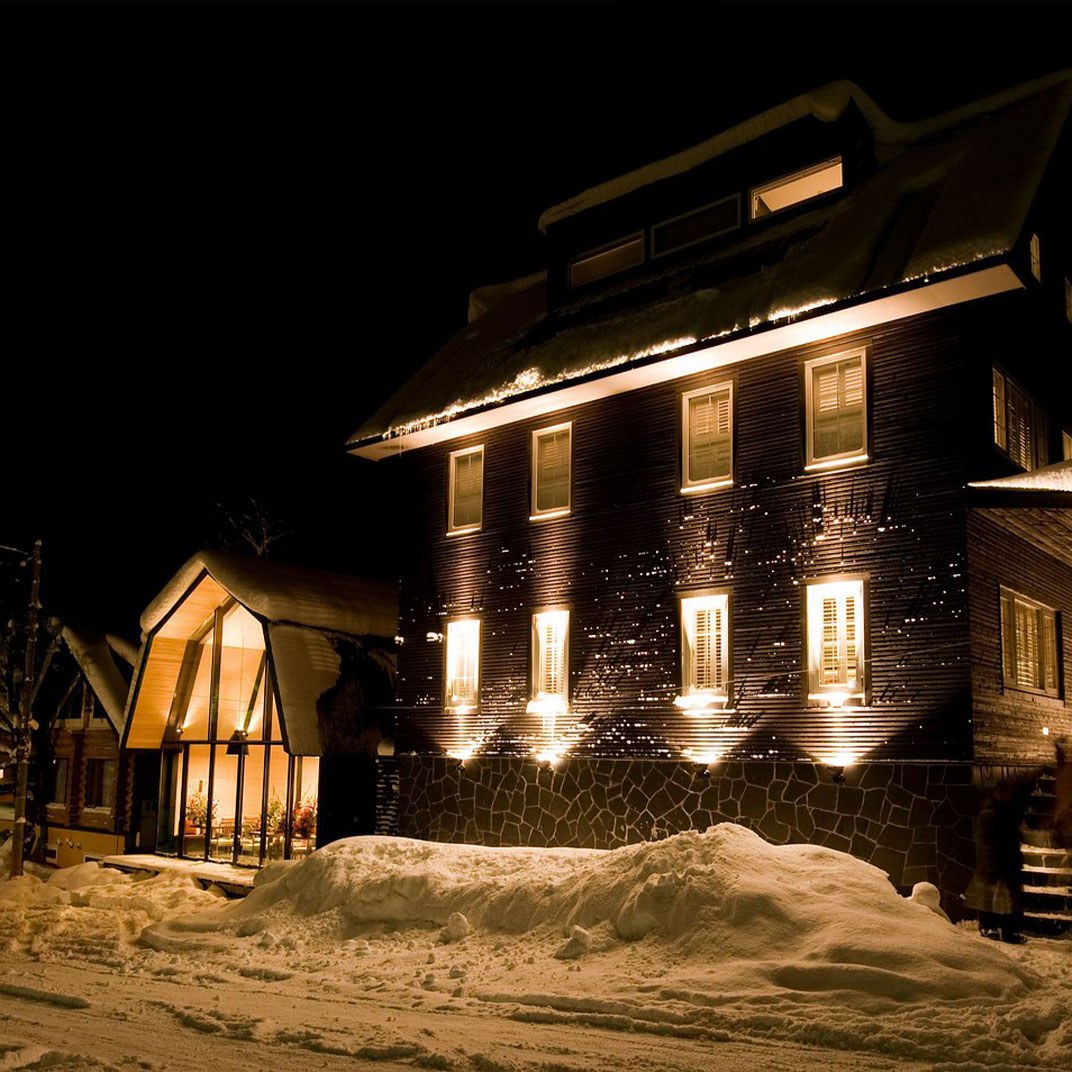
SHIGUCHI reads as an exercise in architectural restraint and quiet craft. Five A-frame kominka — traditional Hokkaido farmhouses — are dismantled, moved and reassembled with old joinery, and that labor-intensive process informs the property’s aesthetic: natural timber, precise joinery and an emphasis on material honesty. Set in a small private valley outside Niseko, the retreat foregrounds landscape over resort infrastructure. The result is a small, intimate collection of rooms where rustic, historic building fabric meets a considered, design-led sensibility, producing a quietly charming and secluded escape.
Best For
SHIGUCHI is best for travelers seeking intimacy, privacy and a landscape-led retreat. The five-room scale and secluded valley setting make it well suited to honeymooners, couples on romantic getaways and anniversaries, as well as guests drawn to wellness- and design-focused stays. Rather than a slope-adjacent, amenity-heavy resort, it operates as a contemplative alternative where craft, place and seasonal produce — rather than mass amenities — define the experience. Guests come for quiet immersion in Hokkaido’s mountain context and thoughtful architecture.
Stay Tips
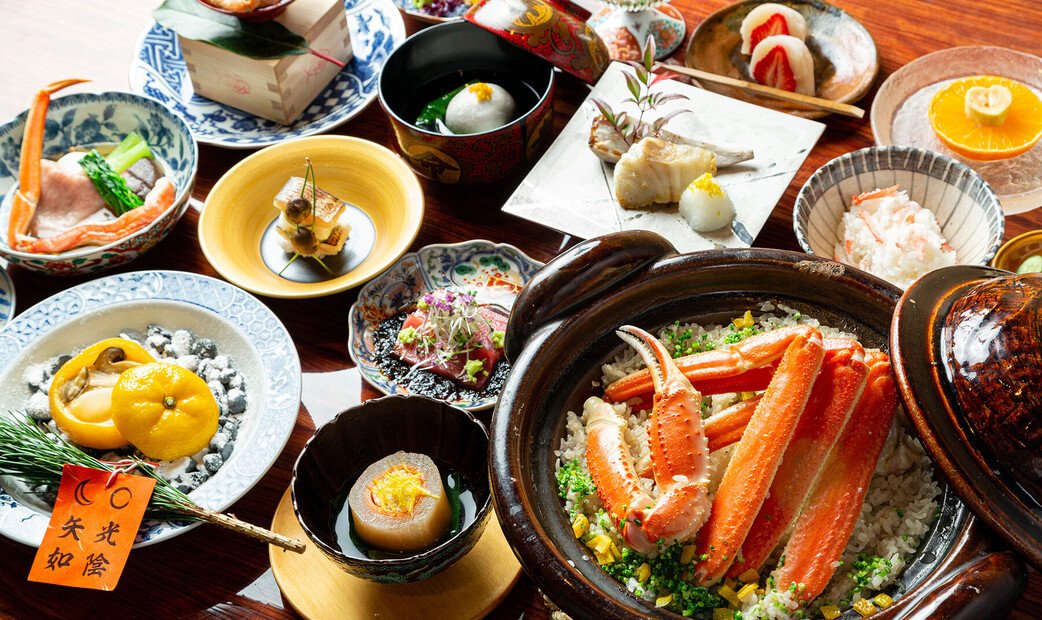
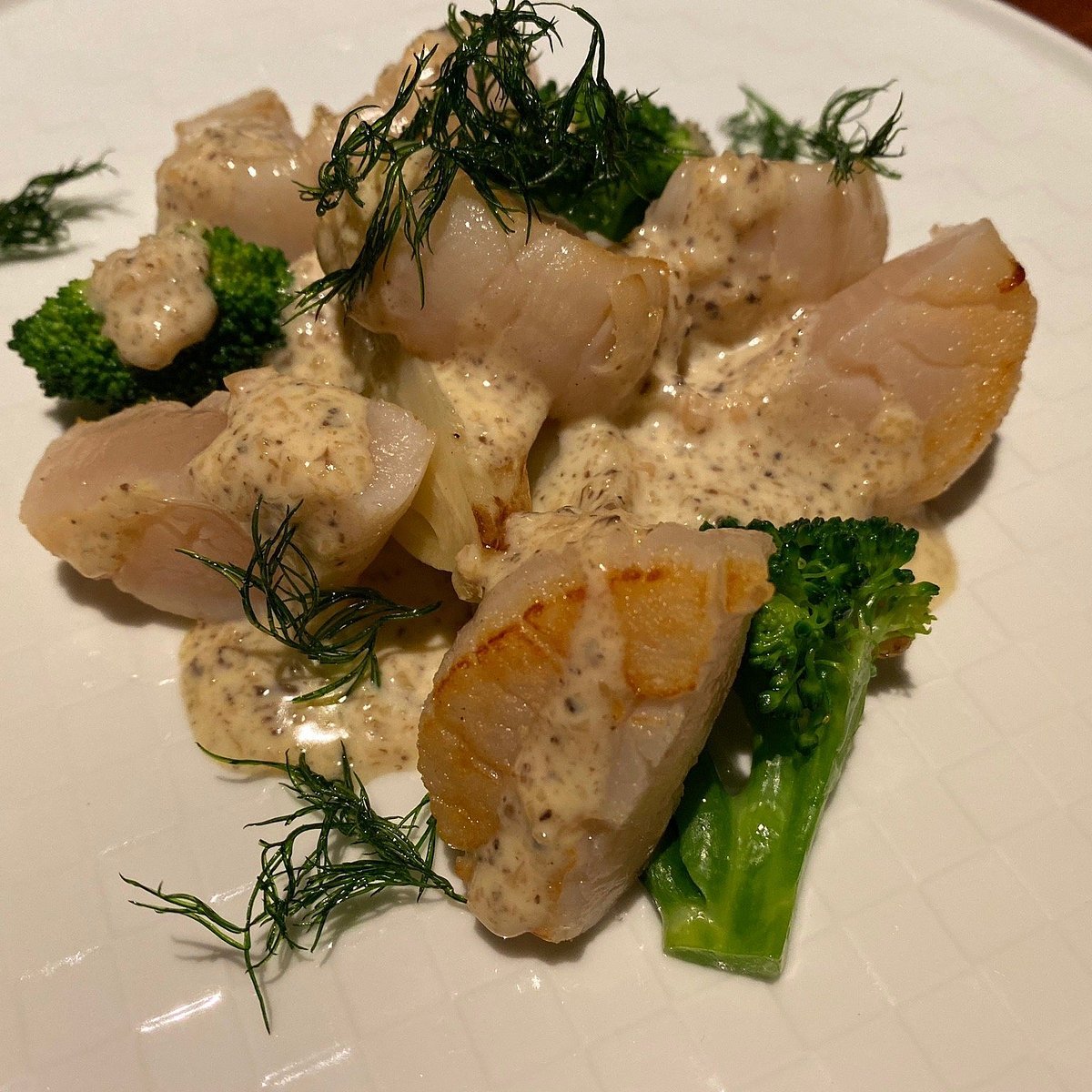
The restaurant at SHIGUCHI is explicitly rooted in Hokkaido produce and mountain context; expect cooking that showcases local dairy, seafood and cold-climate vegetables. When dining here, lean into dishes that highlight regional ingredients and ask about seasonal sourcing — the programme is described as operating with a clear geographic logic. Because the property frames landscape and craft as primary amenities, meals are presented as part of the site-specific experience rather than standalone, destination dining.
Venue details
Ambiance
Tranquil and reflective atmosphere with natural light through high ceilings and exposed timber beams, fostering profound peace amid forest and mountain views.
Tags
Vibe
Best For
Experience
Amenities
View
About the Stay
- Rooms
- 5
- Check-in
- 15:00
- Check-out
- 11:00
- Property Style
- Renovated Historic Kominka Farmhouses with Modern Minimalist Interiors
- Design Style
- Japanese Minimalist Blending Traditional Tatami and Timber with Contemporary Art
Know before you go
Know Before You Go
- Getting there
- 78-5 Hanazono, Kutchan, Abuta District, Hokkaido 044-0084
Planning details
Location
Also consider
Where to look if this is not the right fit
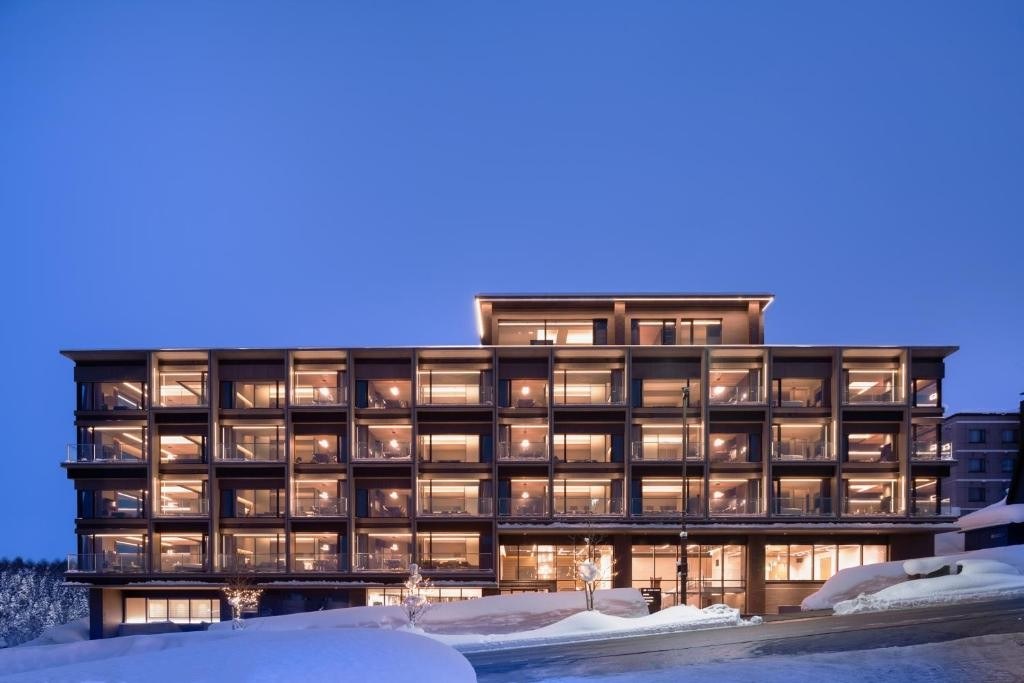
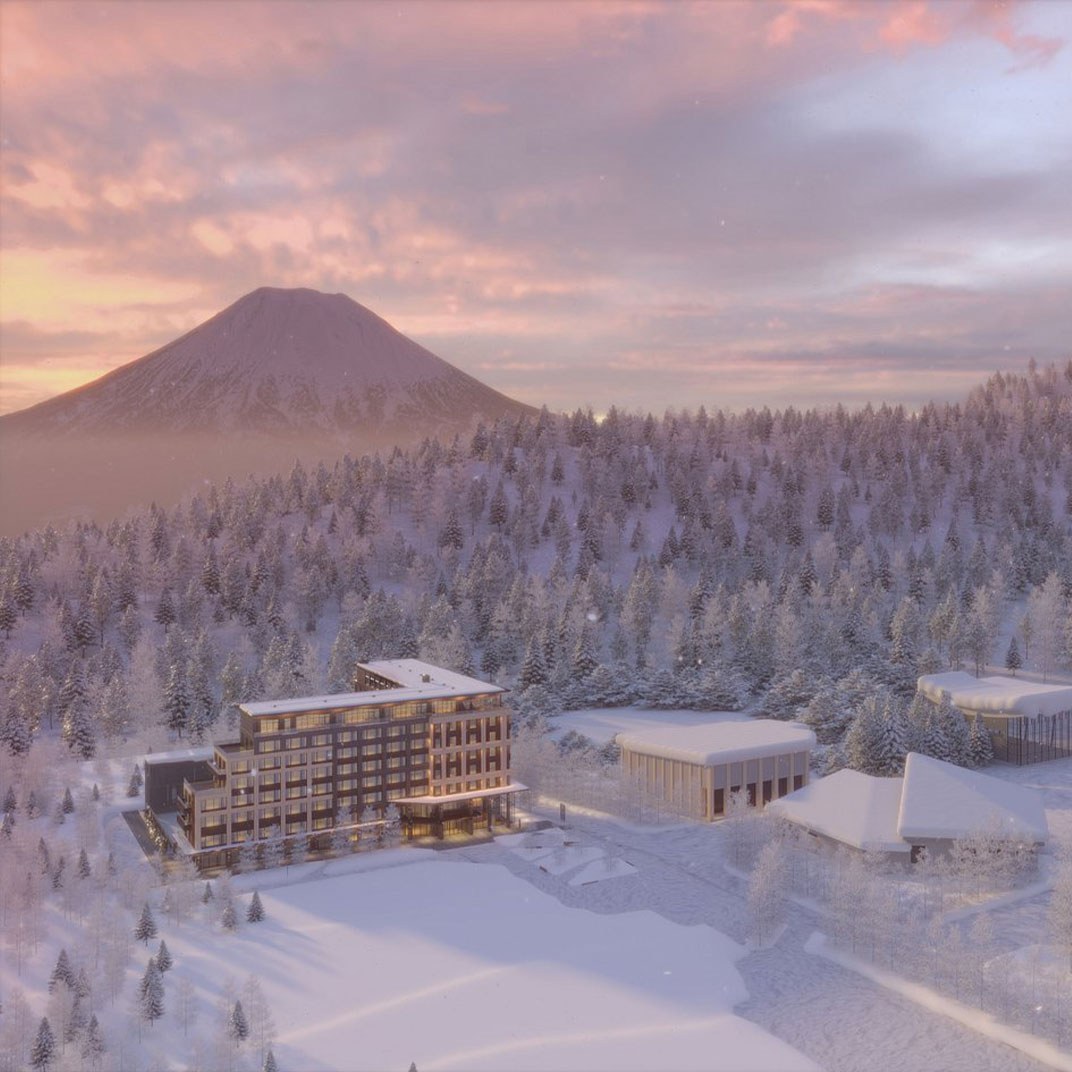
Choose Park Hyatt Niseko Hanazono if the trip needs resort services, work-friendly predictability, and a larger-property setup. Choose Zaborin if the goal is another calm, destination-style stay in the Kutchan area.
Hotel context
How it compares in Kutchan
SHIGUCHI is the quieter, more retreat-led choice in this set. Zaborin is the closest alternative for travelers who want a destination stay with a similarly calm mood, while Park Hyatt Niseko Hanazono is the better fit for guests who want resort infrastructure, broader services, and easier work-trip logistics.
Nikko Style Niseko HANAZONO should be the value-minded comparison if the goal is Hanazono access without committing to a retreat-style stay. Muwa Niseko and Sansui Niseko make more sense for travelers who want a livelier resort base and a more conventional hotel feel.
Booking difficulty is listed as easy here, so this can work as a practical fallback when the larger-name Niseko properties are tighter. The tradeoff is simple: choose SHIGUCHI for ambiance and privacy; choose Park Hyatt Niseko Hanazono, Muwa Niseko, or Sansui Niseko for fuller resort convenience.
Explore Kutchan
Around this place
Discover more on Pearl
Unlock the full SHIGUCHI guide in Pearl, including awards, comparisons, FAQs, planning details, and nearby places.
Compare SHIGUCHI
| Venue | Location | Awards |
|---|---|---|
| SHIGUCHI | Kutchan | 2025 Michelin 1 Key |
| Zaborin | Kutchan | 2026 Mr & Mrs Smith Luxury Hotels2025 Michelin 2 Keys2024 Michelin 2 Keys |
| Park Hyatt Niseko Hanazono | Niseko | 2026 Virtuoso Luxury Hotel Collection2026 Forbes RecommendedStar Wine Lists 2026Michelin 1 Key 20252025 Michelin 1 Key2024 Michelin 1 Key |
| Nikko Style Niseko HANAZONO | Kutchan | No published awards |
| Muwa Niseko | Niseko | 2025 Michelin 1 Key2024 Michelin 1 Key |
| Sansui Niseko | Kutchan | 2025 Michelin 1 Key2024 Michelin 1 Key |




How SHIGUCHI Kutchan compares with similar nearby venues.
FAQ
Frequently Asked Questions
How is the location of SHIGUCHI?
SHIGUCHI is in Kutchan. More specific location details should be confirmed directly with the venue before you travel.
Do loyalty programs work at SHIGUCHI?
Which room category is best at SHIGUCHI?
Ask the venue directly which option best fits your party size, privacy needs, and travel dates.
When is the best time to book SHIGUCHI?
How does SHIGUCHI compare to other options?
SHIGUCHI is a Kutchan venue with a smart-casual dress code. Sansui Niseko, Muwa Niseko, Park Hyatt Niseko Hanazono, and Nikko Style Niseko HANAZONO may be useful comparisons depending on the kind of stay you want.