
Sansui Niseko
Niseko Hirafu, Kutchan
Hotel in Kutchan, Japan
 Book with Pearl
The Read
Alpine Onsen Precision
Why go
Sansui Niseko is worth shortlisting for a calmer Hirafu stay where location quality matters more than chasing the lowest rate. It suits couples and smaller families comparing premium Kutchan hotels, especially in peak snow season when staying close to the village reduces transport friction.
About Sansui Niseko
Sansui Niseko is a hotel in Kutchan with a Michelin 1 Key recognition in 2025. Beyond that accolade and its location, the most useful approach is a careful one. This page therefore avoids making specific claims about facilities, dining, room types, service style, pricing, or exact address, because those points should be confirmed from a direct, current source rather than inferred from the Michelin distinction alone.
Use Sansui Niseko as a Kutchan option to consider if the Michelin 1 Key distinction is relevant to your hotel search. In practical terms, that recognition can help it stand out during an initial review of places to stay, especially for travelers who are filtering hotels by confirmed recognition. For a broader comparison, you can also look at Kimamaya by Odin, Muwa Niseko, Setsu Niseko, and The Vale Niseko, then weigh each option against your own priorities.
Consider Sansui Niseko for a Michelin-recognized Kutchan stay
The clearest point is its 2025 Michelin 1 Key status. That makes Sansui Niseko notable within a Kutchan hotel shortlist, but it should still be checked directly for current availability, services, amenities, and booking terms before you commit. The Key recognition is a meaningful signal, but it does not replace the need to confirm the details that shape an actual stay, from what is included to how reservations are handled.
For a fuller scan, compare Sansui Niseko with Kimamaya by Odin, Muwa Niseko, Setsu Niseko, and The Vale Niseko. This kind of side-by-side review is especially useful when the public information for one property is intentionally narrow. Sansui Niseko is best framed here as a confirmed Michelin 1 Key hotel in Kutchan rather than as a venue with details on dining, wellness, pricing, or specific room categories. Treat it as a credible candidate, then let up-to-date confirmation guide the final decision.
Planning details
- Location
- 4-chōme-5-32 Nisekohirafu 1 Jō, Kutchan, Abuta District, Hokkaido 044-0080
- Website
- sansuiniseko.com
- Phone
- +81 136-22-2000
The take
The Take
The Vibe
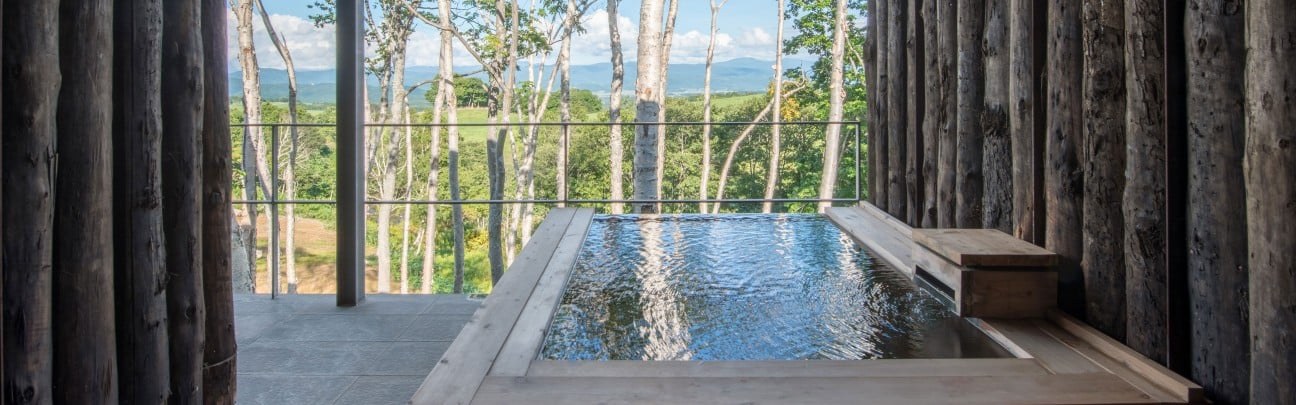
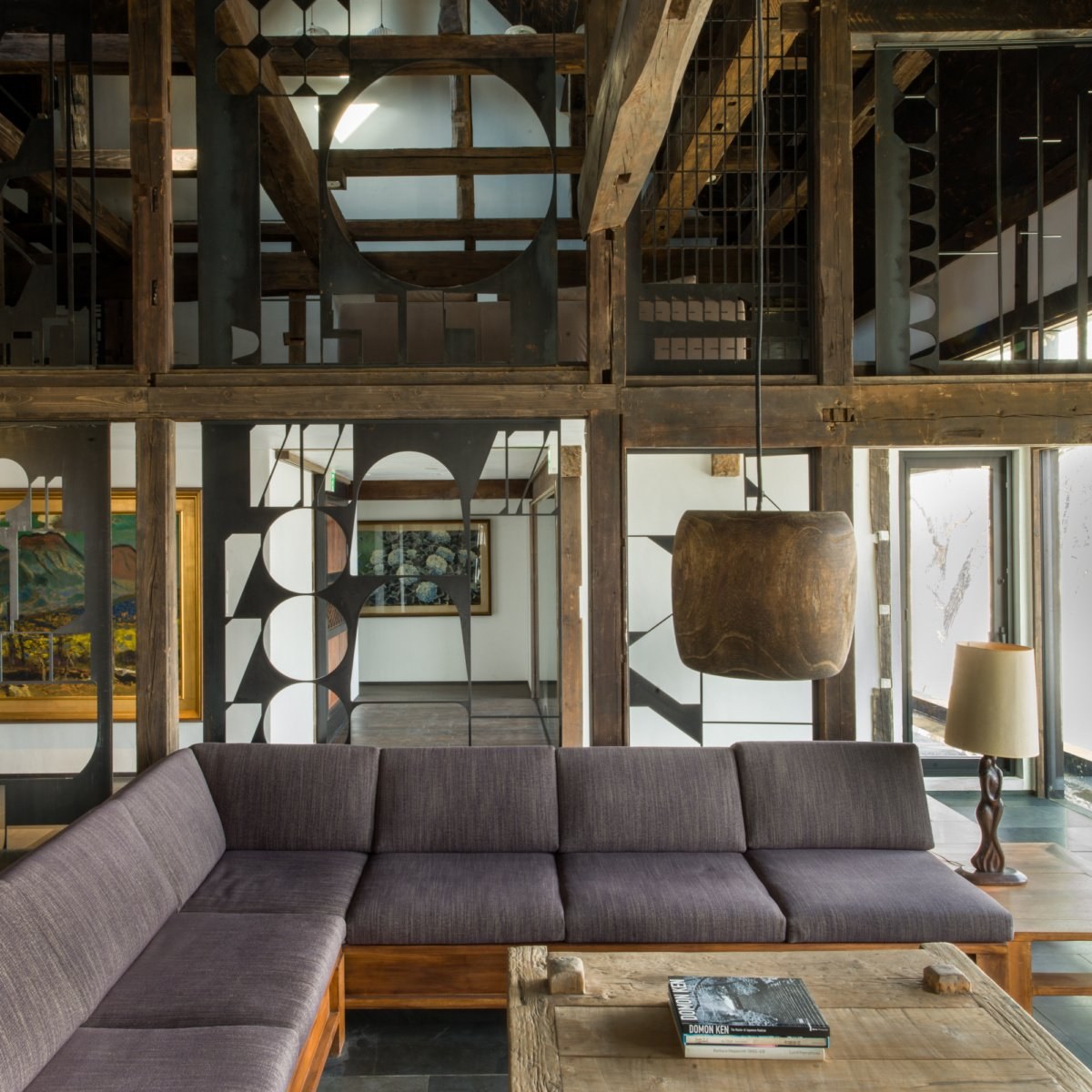
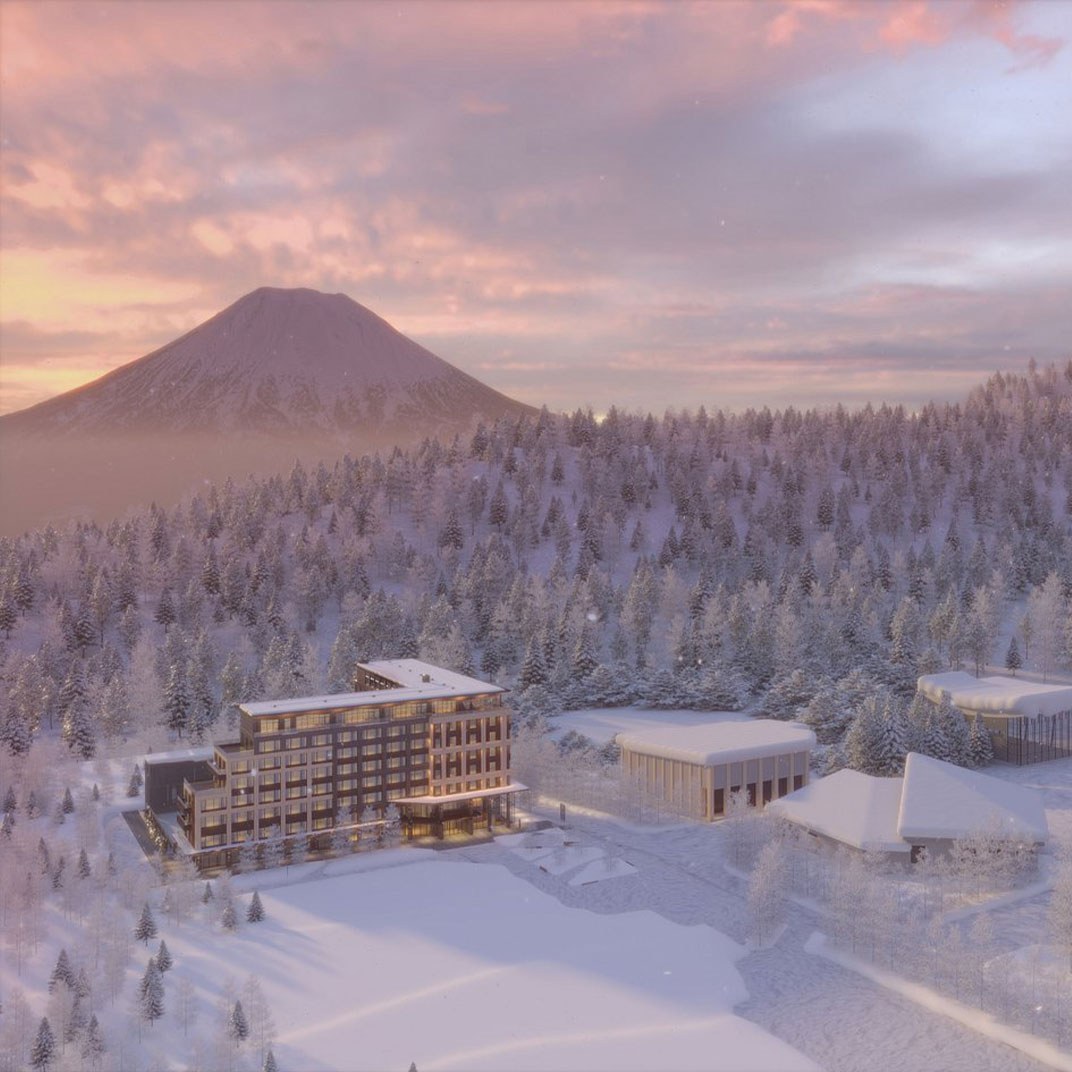
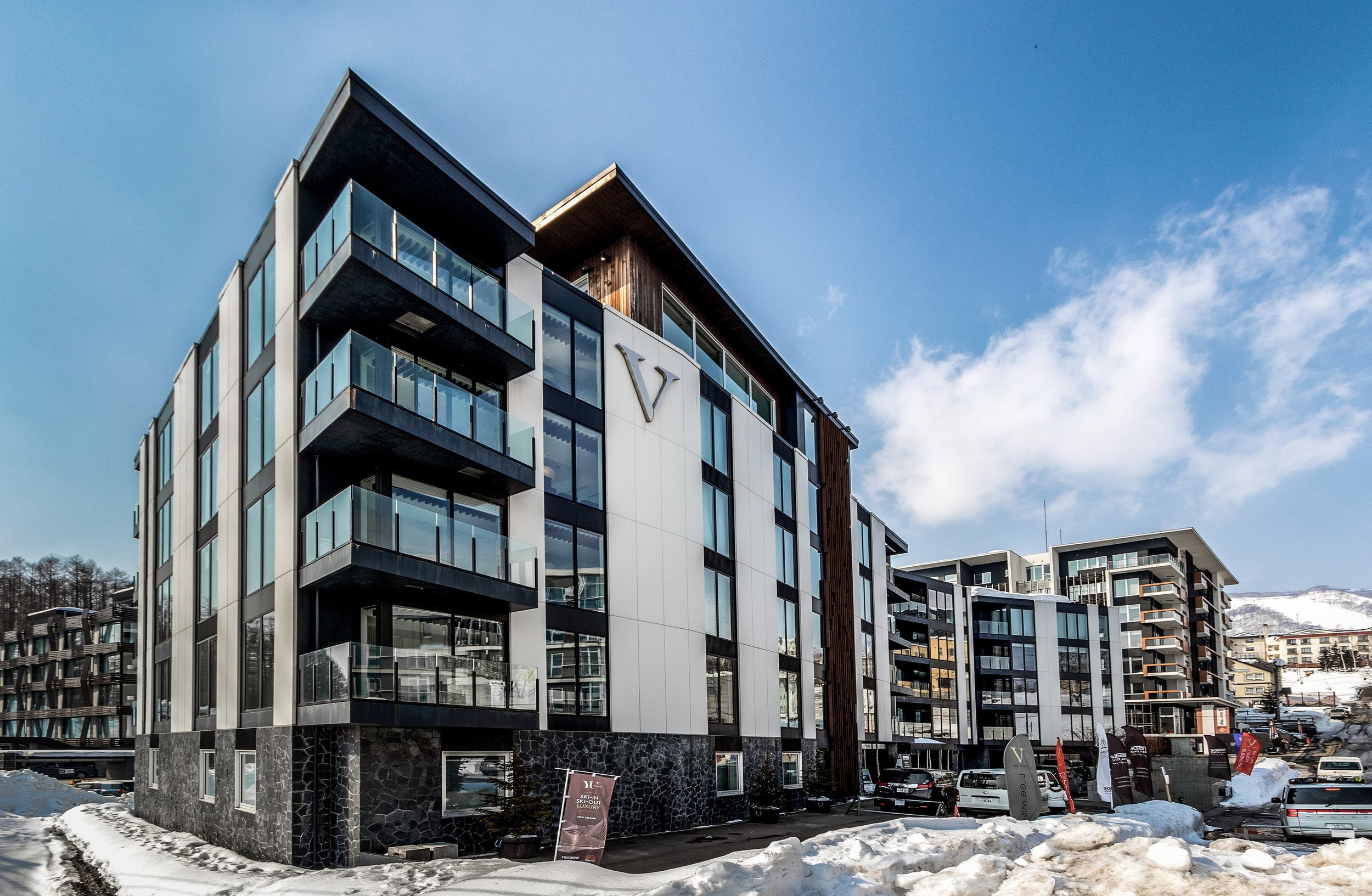
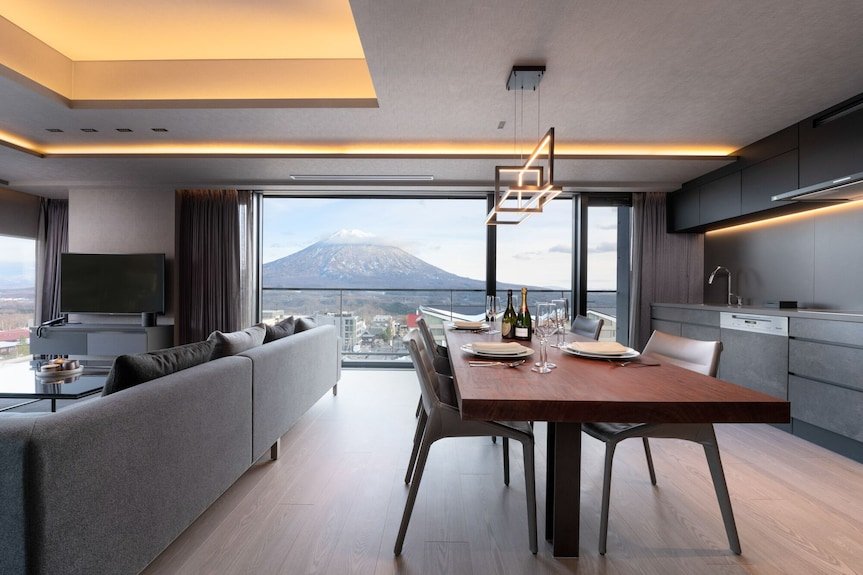
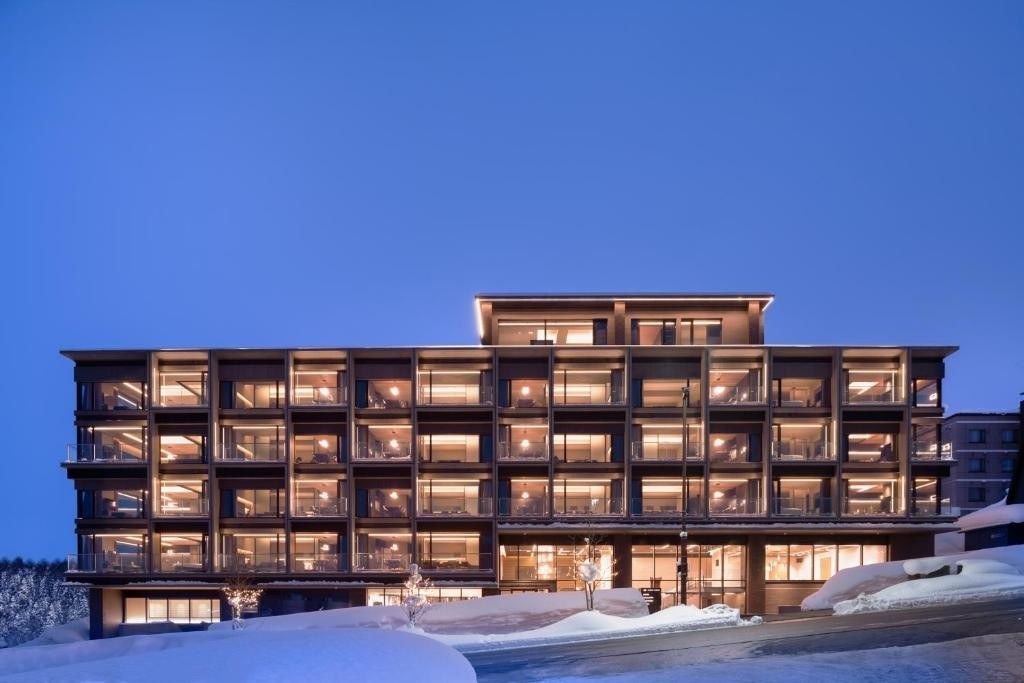
Sansui Niseko presents architecture as its central offering. The hotel's restrained material palette, clean lines and contemporary detailing position design ahead of spectacle; every space is composed to frame Mount Yōtei rather than compete with it. With just 53 rooms the property feels intimate, and careful placement of conventional bathtubs with countryside orientations turns simple rituals—like bathing—into deliberate moments of connection with the landscape. That quiet, minimalist confidence, paired with Michelin 1 Key recognition, gives Sansui a refined, serene character that privileges composure and the view over busy resort theatrics.
Best For
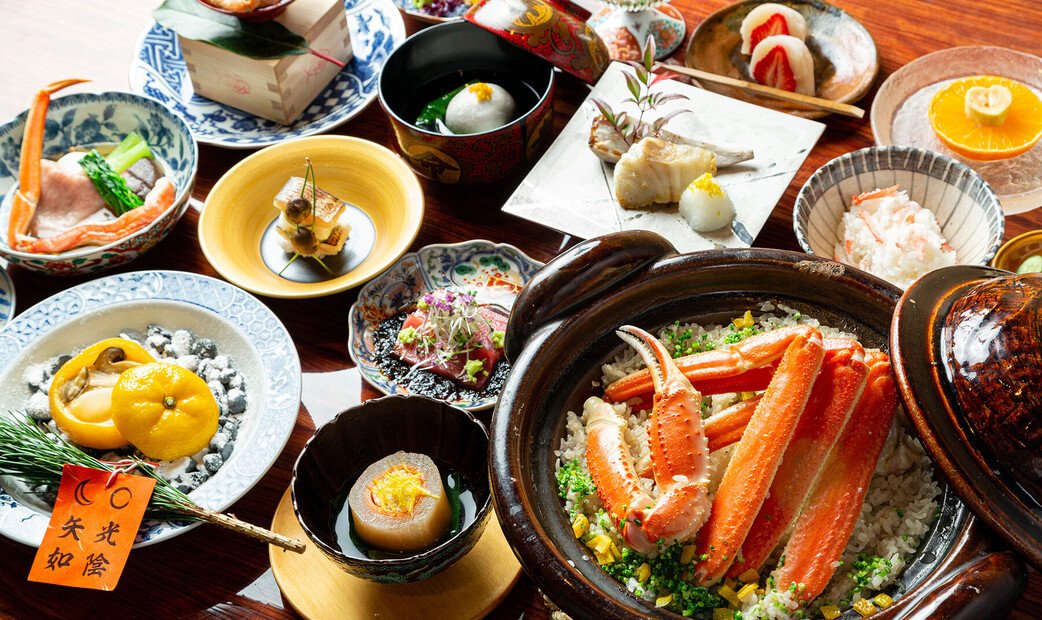
Sansui is best for travelers seeking a design-forward mountain retreat: couples on romantic getaways, small groups on weekend escapes, and families who value contemplative views over high-activity programming. Its boutique scale and architectural focus suit guests who prioritize privacy and a strong relationship to the outdoors—the rooms are composed to make the landscape part of daily life. The hotel's Michelin-recognized dining also makes it a solid pick for travelers for whom meals are a central part of the stay, turning evenings into a curated experience rather than an afterthought.
Stay Tips
When booking, prioritize rooms described as having window-placed bathtubs or those that reference countryside or Mount Yōtei views—those design choices are explicitly noted in the description and materially shape the stay. Make dinner reservations early for the hotel's Michelin-recognized restaurant, as the property positions dining as part of the full guest experience. Because the hotel emphasizes consistent design quality across room types, you can expect architectural coherence throughout; still, requesting a room that faces the volcano ensures you get the signature landscape framing the property emphasizes.
Venue details
Ambiance
Modern and elegant with sleek, spacious rooms, soundproofing, and relaxing onsen atmosphere praised for tranquility and luxury.
Tags
Vibe
Best For
Experience
Amenities
View
Accessibility
About the Stay
- Rooms
- 53
- Check-in
- 15:00
- Check-out
- 12:00
- Property Style
- Ultra Stylish Luxury Boutique Tailored for Contemporary Travelers.
- Design Style
- Modern Elegance with Minimalist, Sleek Furnishings and Panoramic Views.
Know before you go
Know Before You Go
- Getting there
- 4-chōme-5-32 Nisekohirafu 1 Jō, Kutchan, Abuta District, Hokkaido 044-0080
Planning details
Location
4-chōme-5-32 Nisekohirafu 1 Jō, Kutchan, Abuta District, Hokkaido 044-0080 · Directions
Recognition and awards
Also consider
If Sansui Niseko is full
Try The Vale Niseko first if lift access is the priority. Try Kimamaya by Odin if the trip would benefit from a more intimate Kutchan stay.
Hotel context
How Sansui Niseko compares in Kutchan
Sansui Niseko is the cleaner pick for travelers who want a premium Hirafu base with a quieter feel and a Michelin 1 Key signal behind it. The Vale Niseko is the stronger choice if slope convenience is the deciding factor, while Sansui makes more sense when the stay needs to feel calmer after the lifts close.
Muwa Niseko and Setsu Niseko are better cross-shops for guests who want a larger resort-style setup. Sansui is easier to justify for design-led travelers who would rather pay for a composed atmosphere than a busier amenity profile.
Kimamaya by Odin is the value-seeker's contrast: smaller in feel and likely a better emotional fit if intimacy matters more than polished hotel infrastructure. During peak winter, book Sansui earlier than feels comfortable; hard booking conditions make fallback planning useful.
Explore Kutchan
Around this place
Discover more on Pearl
Unlock the full Sansui Niseko guide in Pearl, including awards, comparisons, FAQs, planning details, and nearby places.
Compare Sansui Niseko
| Venue | Location | Awards |
|---|---|---|
| Sansui Niseko | Kutchan | Michelin 1 Key 20252025 Michelin 1 Key2024 Michelin 1 Key |
| Muwa Niseko | Niseko | 2025 Michelin 1 Key2024 Michelin 1 Key |
| The Vale Niseko | Kutchan | 2026 Forbes Recommended2025 Forbes Recommended |
| Setsu Niseko | Niseko | 2025 Michelin 1 Key2024 Michelin 1 Key |
| Kimamaya by Odin | Niseko Hokkaido | No published awards |
| Kimamaya by Odin | Kutchan | No published awards |

How Sansui Niseko compares with similar nearby venues.
FAQ
Frequently Asked Questions
How is the dining at Sansui Niseko?
Dining details are not described here. If dining is important to your stay, confirm current dining and booking information directly with Sansui Niseko before reserving.
How is the location of Sansui Niseko?
Is Sansui Niseko family-friendly?
Family-specific facilities and policies are not described here. If you are booking for children or a larger group, check directly with Sansui Niseko for current room configurations, policies, and services.
How does Sansui Niseko compare to other hotels?
Sansui Niseko stands out here for its Michelin 1 Key status in 2025. For comparison, travelers can also review Kimamaya by Odin, Muwa Niseko, Setsu Niseko, and The Vale Niseko, while confirming each property's current details directly.
Which room category is best at Sansui Niseko?
Specific room categories are not described here. Choose based on the current room information from Sansui Niseko, including layout, occupancy, and cancellation terms.