
Widmann's Löwen
Königsbronn-Zang, Königsbronn
Hotel in Königsbronn, Germany
 Book with Pearl
The Read
Regional Recipes Reconsidered
Price
$1–100per night
Why go
Widmann's Löwen is the Königsbronn pick for a quiet, recognition-backed stay rather than a large resort or city hotel. Its Michelin 1 Key signal makes it worth targeting for a composed countryside overnight; cross-shop Meiser SPA Resort for a spa-led trip or Le Méridien Stuttgart for city logistics.
About Widmann's Löwen
For a trip to Königsbronn, Widmann's Löwen is best assessed on the facts rather than on assumptions about amenities, cuisine, or service format. The confirmed quality signal is a Michelin 1 Key in 2025, and the noted dress code is smart casual.
Because the available detail is limited, this guide does not assume a specific restaurant style, spa program, room count, price point, or transport setup. Treat it as a Königsbronn stay with a confirmed Michelin Key recognition, then confirm any trip-specific requirements directly before booking.
Book this for Königsbronn, with expectations kept specific
The decision is direct: choose Widmann's Löwen if Königsbronn is the right stop and a Michelin 1 Key (2025) matters to your hotel choice. If your plans depend on particular facilities, dining formats, wellness services, or meeting infrastructure, verify those details before committing.
For a broader look at the area, use Our full Königsbronn hotels guide alongside Our full Königsbronn restaurants guide. Wider itinerary planning should stay separate from any assumptions about what Widmann's Löwen itself offers.
Where it sits against regional hotel choices
For comparison, travelers may also look at Bischoffs Hotel, Hotel Goldene Rose Dinkelsbühl, LAGO hotel & restaurant am see, Le Méridien Stuttgart, and Meiser SPA Resort. The right choice depends on route, availability, and the specific facilities each traveler needs, so avoid treating any one property as interchangeable without checking current details.
The practical verdict: Widmann's Löwen is a Königsbronn option with a confirmed Michelin 1 Key (2025). Beyond that, keep planning grounded in confirmed information: smart casual dress code is noted, while specific claims about cuisine, pricing, spa facilities, room style, or service format should be checked directly.
Inside Widmann's Löwen
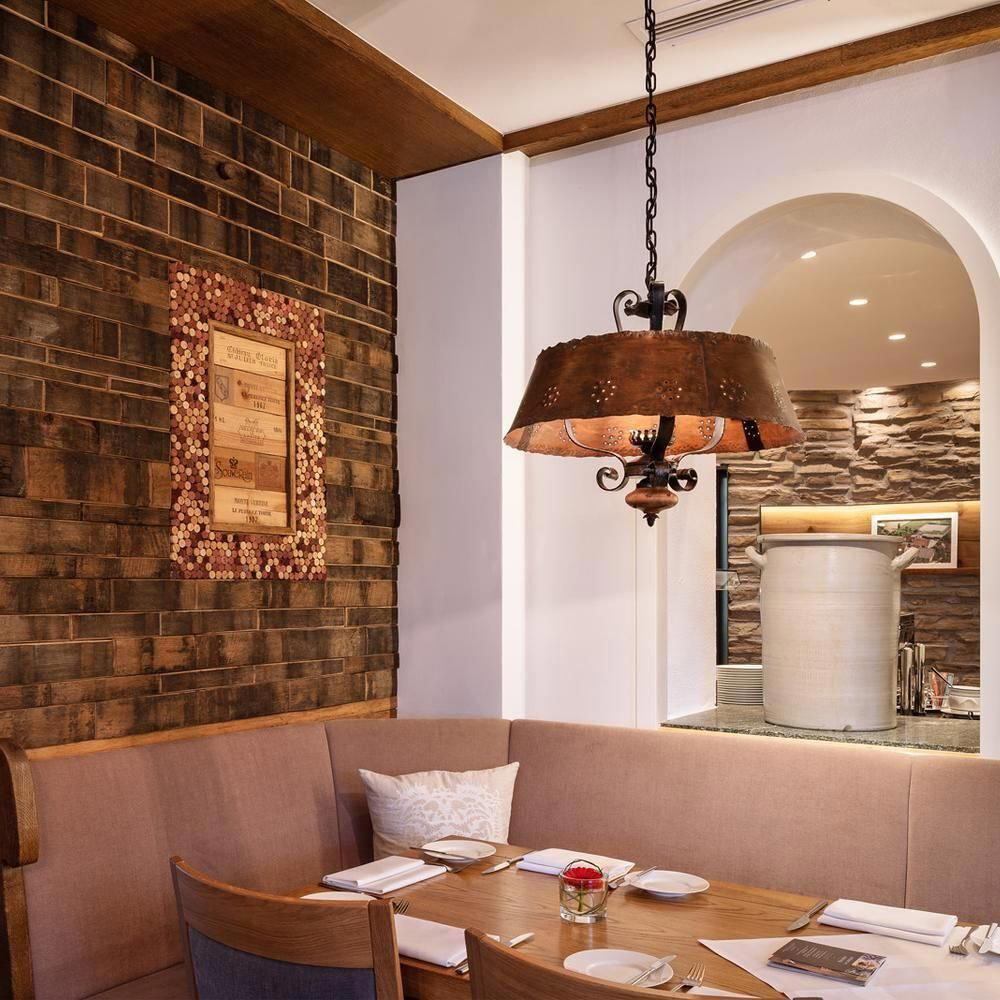 restaurantGasthaus Widmann's LöwenGasthaus Widmann's Löwen holds consecutive Michelin Bib Gourmand recognition for 2024 and 2025, placing it among Germany's most consistent value-driven traditional kitchens. Located in Königsbronn on Struthstraße 17, chef Andreas Widmann runs a kitchen grounded in regional German cooking at a mid-range price point. With 1,054 Google reviews averaging 4.7 stars, the room earns its reputation through repetition, not occasion.
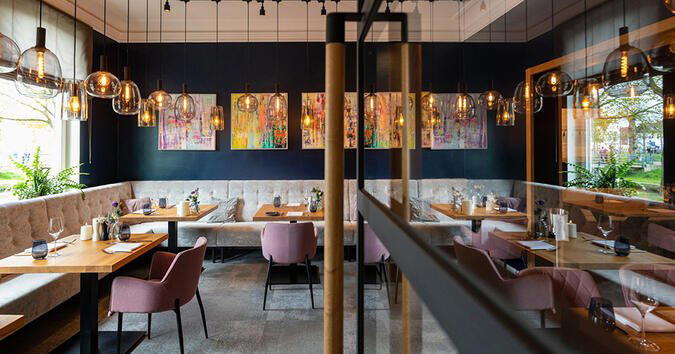 restaurantUrsprungUrsprung holds a Michelin star for the second consecutive year in 2025, operating out of Königsbronn in the Swabian Alb under chef Jan Boddenberg. The creative menu format signals a kitchen rooted in regional sourcing traditions, placing it firmly outside Germany's metropolitan fine-dining circuit. A 4.6 Google rating from early reviewers suggests strong execution for a destination this remote.
Planning details
- Location
- Struthstraße 17, 89551 Königsbronn
- Website
- widmanns-albleben.de
- Phone
- +49 7328 96270
The take
The Take
The Vibe
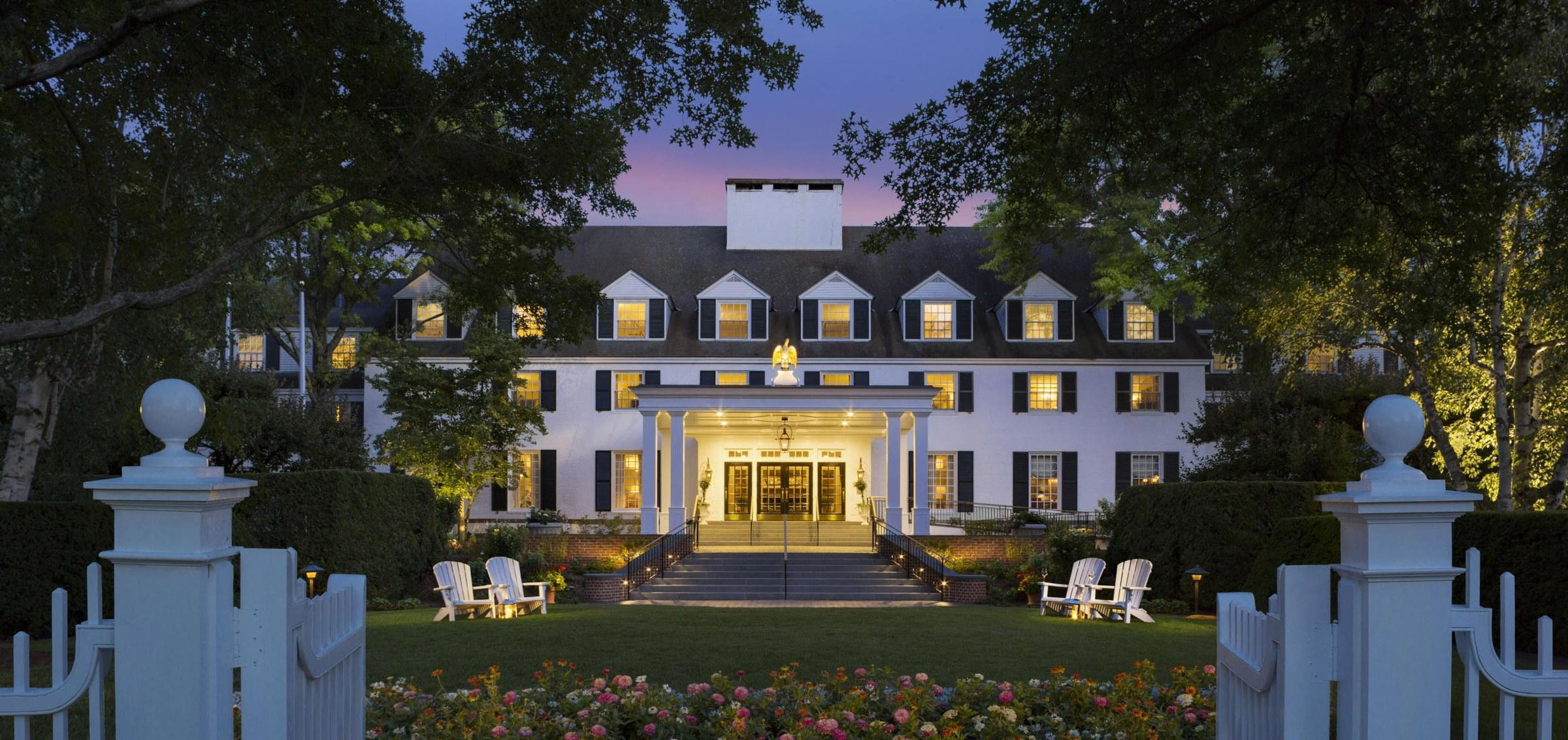
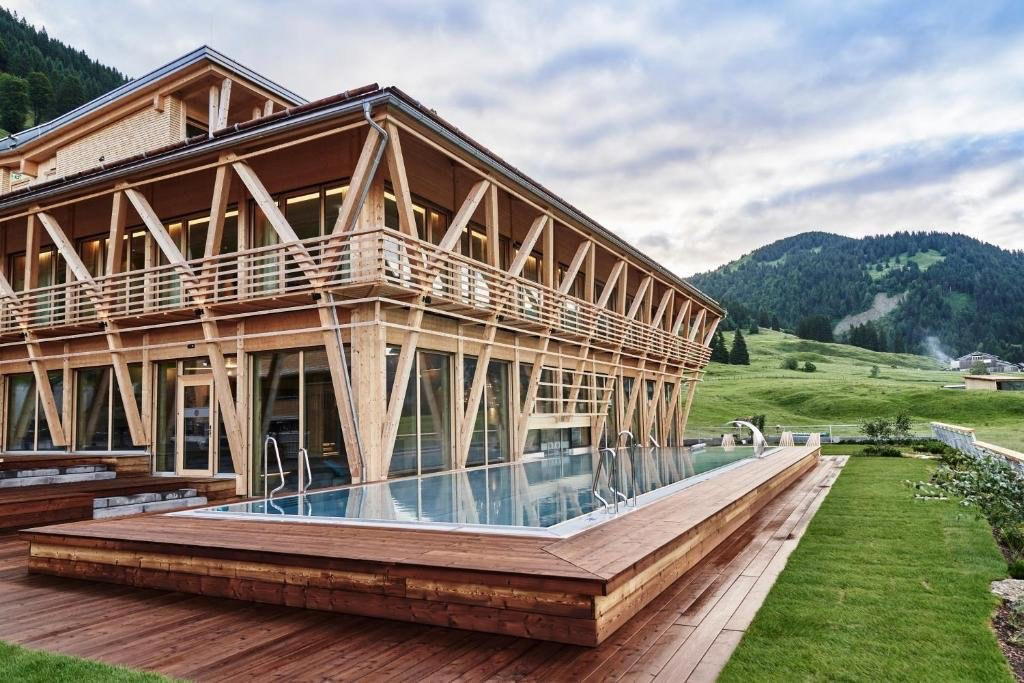
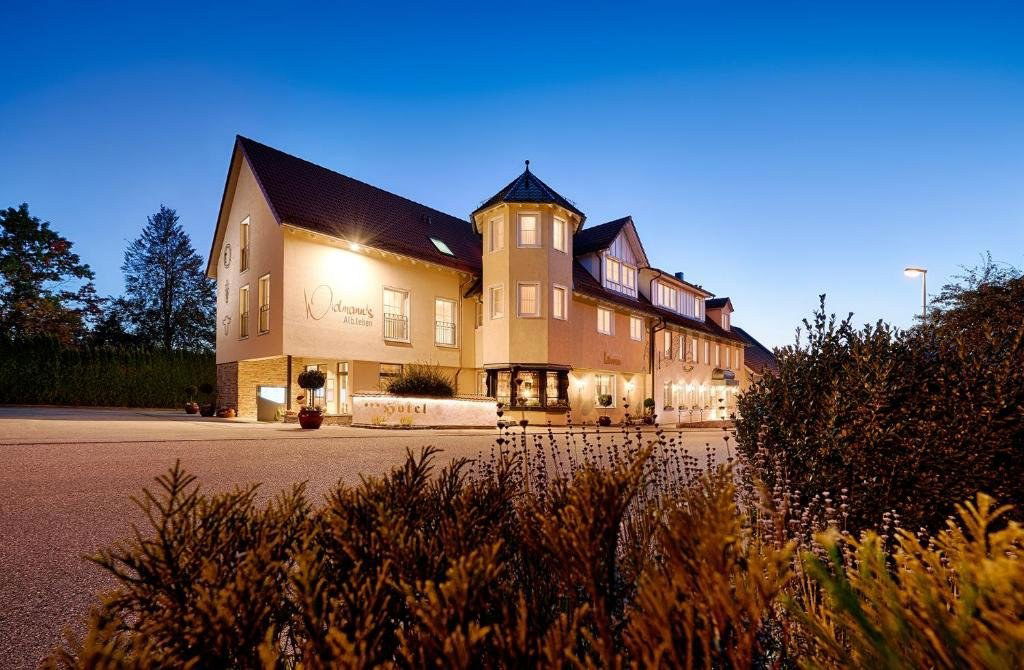
Widmann's Löwen sits at the intersection of alpine tradition and contemporary lodge design, favouring a considered middle ground rather than pastiche or urban transplant. The chalet silhouette and ubiquitous blond wood are tempered by a contemporary finish and a warm red fabric palette that reads purposeful instead of decorative. Public areas and guest rooms feel inviting without tipping into heaviness; the two freestanding chalets amplify that intimacy by leaning into a more rustic, private-lodge aesthetic. Overall the hotel reads as a serene, design-conscious retreat that balances heritage cues with modern comfort.
Best For
This property works best for travellers seeking a quiet, design-forward rural escape—think weekenders and couples who want an intimate hideaway rather than a busy resort. Its location in the Swabian Jura and the dispersed chalet arrangement make it especially suited to visitors who value calm, architectural character and a warm, lodge-like interior. The restrained, contemporary approach to classic mountain-lodge motifs makes Widmann's a good fit for guests who appreciate thoughtful design and a relaxed pace.
Venue details
Ambiance
Warm and inviting with cozy traditional tiled stove in the main restaurant, charming beer garden atmosphere, and modern alpine-inspired interiors blending classic mountain lodge aesthetics with contemporary design.
Tags
Vibe
Best For
Experience
Amenities
View
About the Stay
- Rooms
- 27
- Property Type
- Boutique hotel
- Property Style
- Family Run Heritage Hotel Blending Traditional Swabian Hospitality with Contemporary Luxury, Positioned as a Culinary Destination in the Countryside.
- Design Style
- Classic Mountain Lodge Inspiration with Chalet Style Main Structure, Blond Wood Interiors, Red Fabric Accents, and Modern Alpine Aesthetics; Brand New Chalets Feature Pure Contemporary Luxury.
- Breakfast
- Included
- Spa
- Yes
- Families
- Welcome
Know before you go
Know Before You Go
- Getting there
- Struthstraße 17, 89551 Königsbronn
Planning details
Location
Recognition and awards
Also consider
Where to look if this is full
If the goal is a spa-forward stay, cross-shop Meiser SPA Resort first. If the trip is tied to Stuttgart meetings or transport, Le Méridien Stuttgart is the more practical backup.
Hotel context
How it compares
Widmann's Löwen is the more destination-led choice in this set: quieter, smaller in feel, and better suited to a deliberate Königsbronn overnight than a flexible regional base. LAGO hotel & restaurant am see is the stronger cross-shop if a waterside setting is the draw, while Hotel Goldene Rose Dinkelsbühl makes more sense when Dinkelsbühl is the route anchor.
For amenities, Meiser SPA Resort is the safer pick if the trip is spa-first. For business travel or rail-and-city convenience, Le Méridien Stuttgart is the cleaner option. Bischoffs Hotel is the practical backup if availability or routing is the main constraint.
Book Widmann's Löwen when atmosphere and a recognized stay matter more than facility breadth. Choose the peers when the trip needs a larger hotel footprint, easier city logistics, or a more explicit resort setup.
Explore Königsbronn
Around this place
Discover more on Pearl
Unlock the full Widmann's Löwen guide in Pearl, including awards, comparisons, FAQs, planning details, and nearby places.
Compare Widmann's Löwen
| Venue | Location | Awards |
|---|---|---|
| Widmann's Löwen | Königsbronn | 2026 Michelin 1 KeyMichelin 1 Key 20252025 Michelin 1 Key |
| LAGO hotel & restaurant am see | Ulm | No published awards |
| Hotel Goldene Rose Dinkelsbühl | Dinkelsbühl | No published awards |
| Meiser SPA Resort | Fichtenau | No published awards |
| Bischoffs Hotel | Bad Urach | No published awards |
| Le Méridien Stuttgart | Stuttgart | No published awards |

How Widmann's Löwen Königsbronn compares with similar nearby venues.
FAQ
Frequently Asked Questions
How is the dining at Widmann's Löwen?
If dining is central to the trip, check current details directly with Widmann's Löwen before booking. The confirmed recognition is a Michelin 1 Key (2025), which applies as a hotel quality signal.
What is check-in like at Widmann's Löwen?
The location information should be kept to Königsbronn. Specific check-in style, arrival flow, and on-site service details are not confirmed here, so confirm timing and arrival instructions directly before travel.
Do loyalty programs work at Widmann's Löwen?
No loyalty-program details are available here. Plan around the confirmed facts: Widmann's Löwen is in Königsbronn, has a smart casual dress code noted, and received a Michelin 1 Key in 2025.
Is Widmann's Löwen good for business travel?
If those factors matter, compare current information with options such as Bischoffs Hotel or Le Méridien Stuttgart before booking.
How is the pool and spa at Widmann's Löwen?
No pool or spa details are available here. If wellness facilities are important, confirm directly with Widmann's Löwen or compare current information with another regional option such as Meiser SPA Resort.