


Hotel Tennerhof
Kitzbühel
Hotel in Kitzbühel, Austria
 Book with Pearl
The Read
Alpine Chalet Hospitality
Why go
Hotel Tennerhof is the Kitzbühel pick for a quieter luxury stay where privacy, occasion value, and hotel recognition matter more than a busy resort atmosphere. It suits couples, celebration weekends, and business travelers who want calm; value-led travelers should compare it with Schwarzer Adler or Q! Hotel Maria Theresia before committing.
About Hotel Tennerhof
Hotel Tennerhof is a Kitzbühel hotel with a smart casual dress code and recognition including Relais Chateaux Award 2026, Virtuoso Luxury Hotel Partner 2026, and MICHELIN Guide, Hotels Selected 2025.
Those signals can help travelers who want a vetted hotel option in Kitzbühel. For details on amenities, room categories, restaurant style, family services, business facilities, or transport convenience, check the hotel directly before booking.
Book for recognition, then confirm the practical details
The strongest case for Hotel Tennerhof is its recognition profile. Relais Chateaux Award 2026, Virtuoso Luxury Hotel Partner 2026, and MICHELIN Guide, Hotels Selected 2025 give the property clear credibility among Kitzbühel hotel options.
The profile does not confirm specific prices, room sizes, suite value, dining formats, service inclusions, transport details, family facilities, business amenities, or a precise position within Kitzbühel. If any of those points will determine the booking, verify them with the hotel before committing.
The confirmed dress code is smart casual. Beyond that, avoid assuming a particular restaurant concept, bar program, menu structure, or occasion package from the recognition alone.
How to choose it against Kitzbühel peers
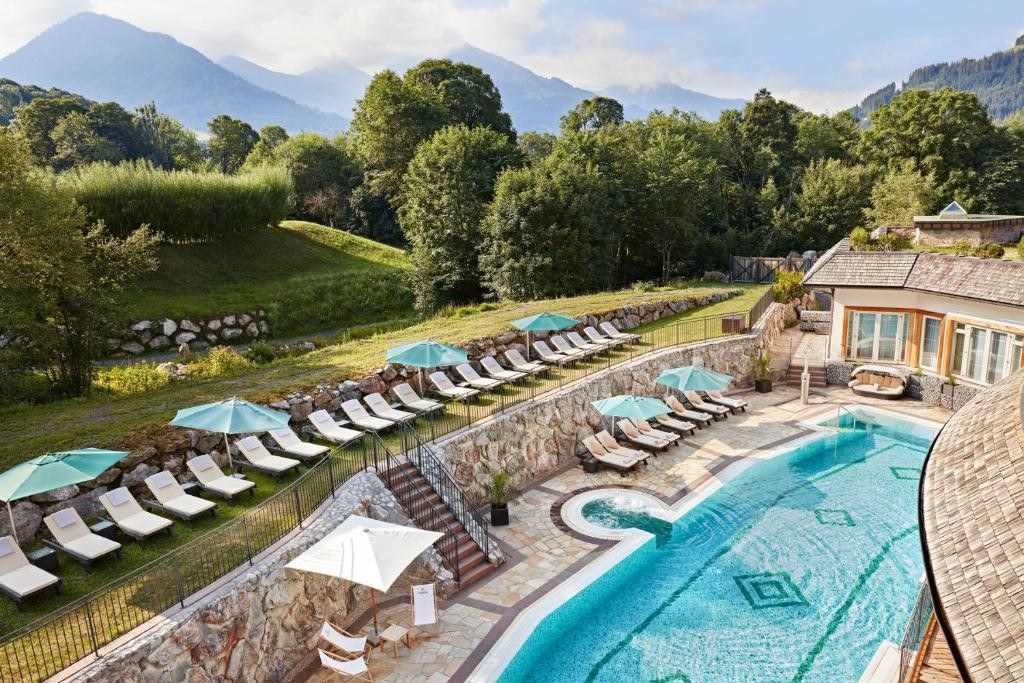
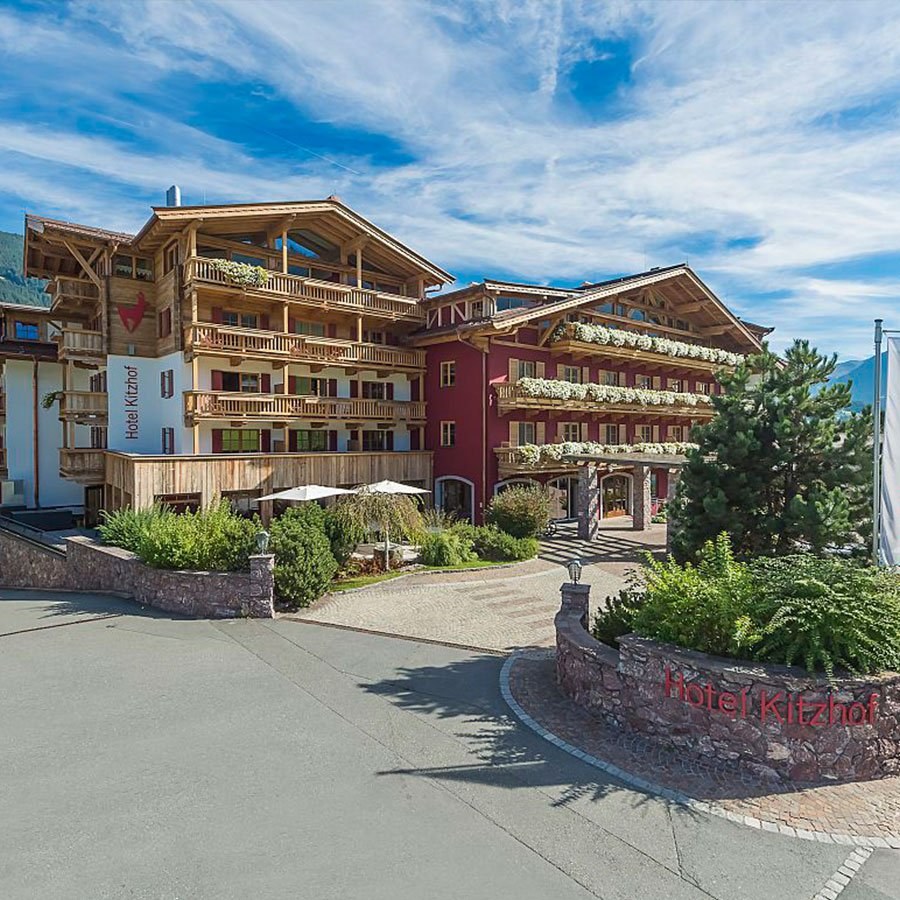
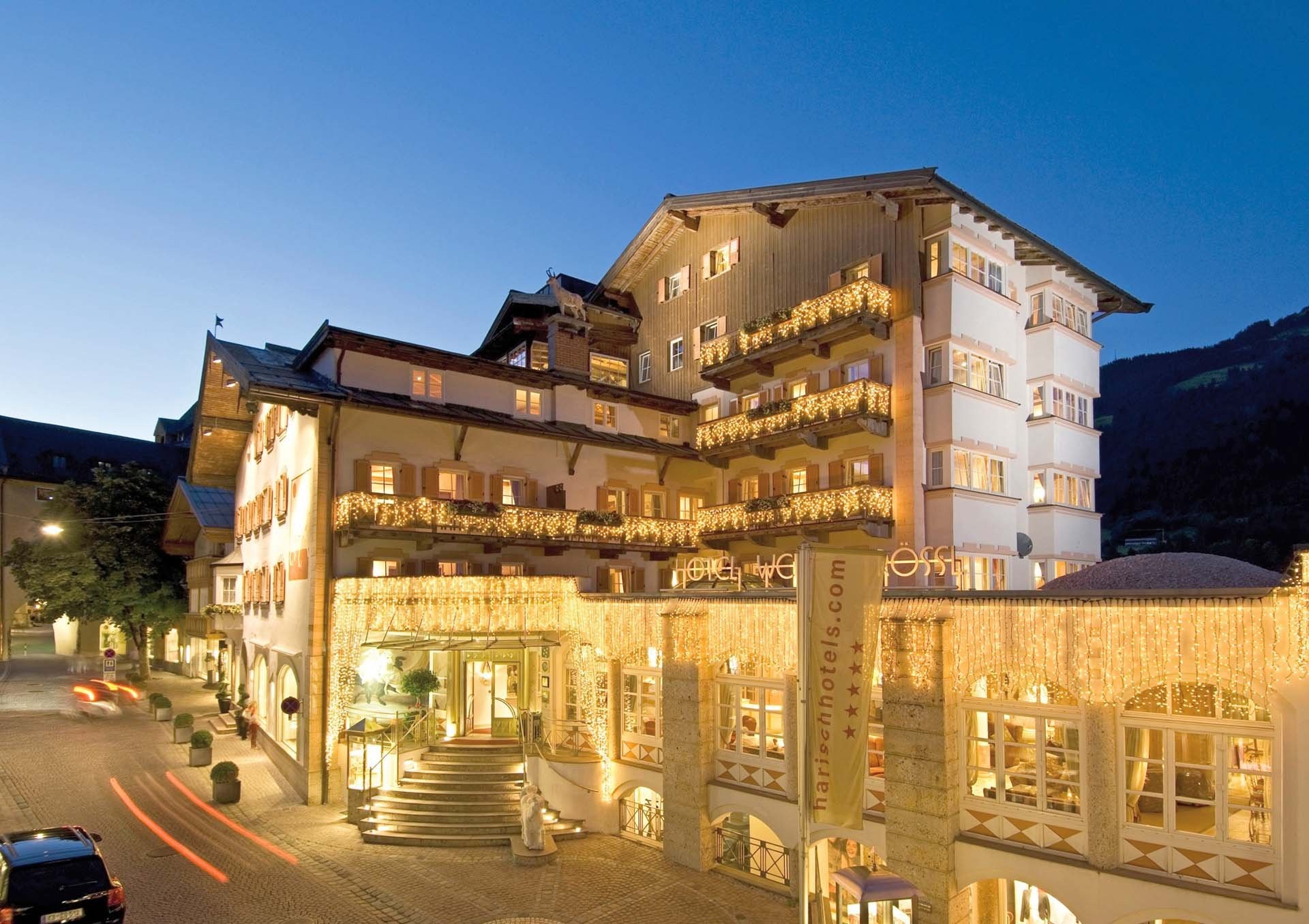
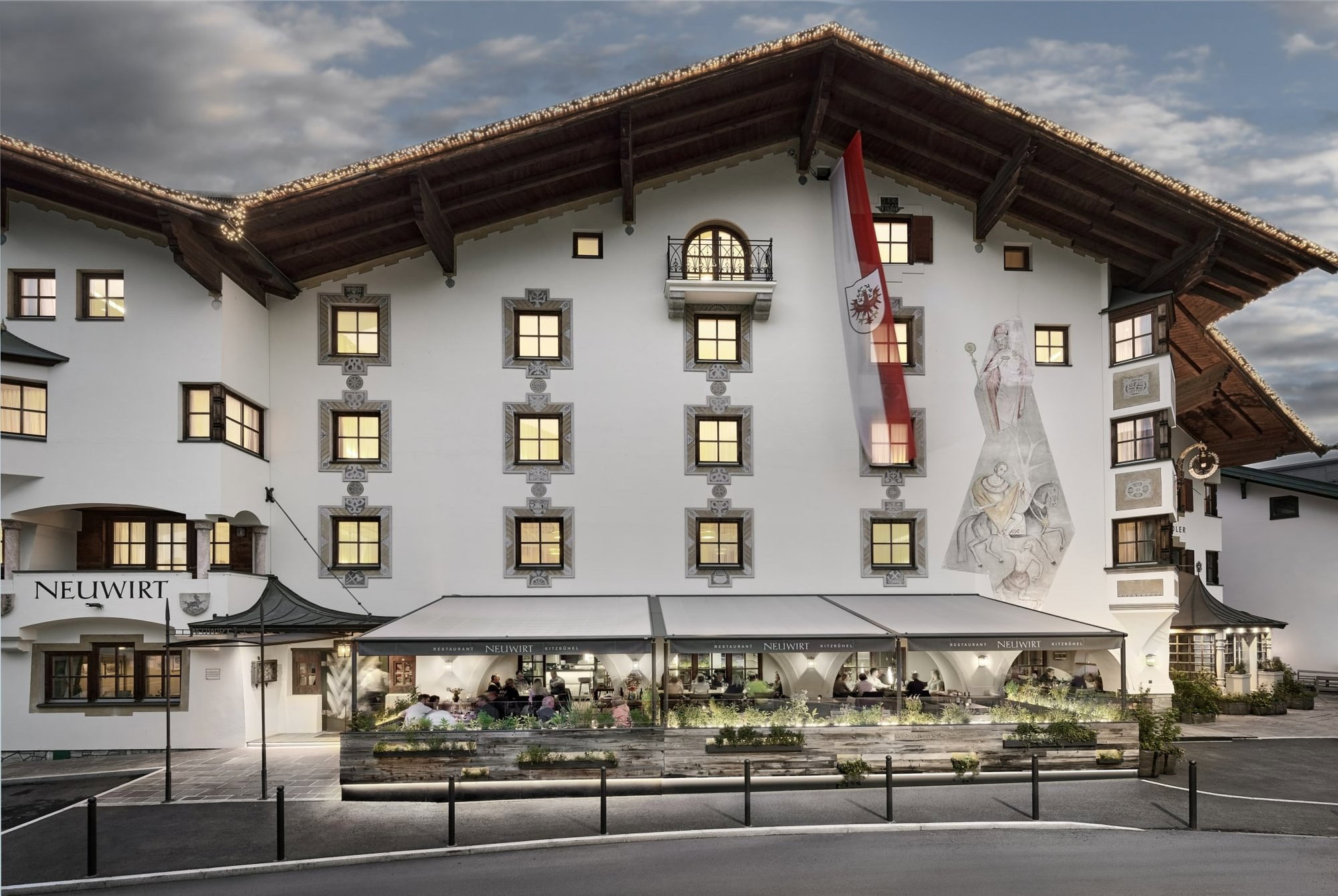
Use Hotel Tennerhof as one Kitzbühel option to compare with A-ROSA Kitzbühel, Hotel Kitzhof Mountain Design Resort, Hotel Weisses Roessl, Q! Hotel Maria Theresia, and Schwarzer Adler. The right choice depends on the trip requirements you can confirm directly: room type, availability, price, location preferences within Kitzbühel, and any services you need.
For broader planning, use the relevant Kitzbühel hotel research, then cross-check meals separately in Our full Kitzbühel restaurants guide. Dining, bars, wineries, and experiences should be treated as separate planning decisions rather than assumptions attached to the hotel.
Inside Hotel Tennerhof
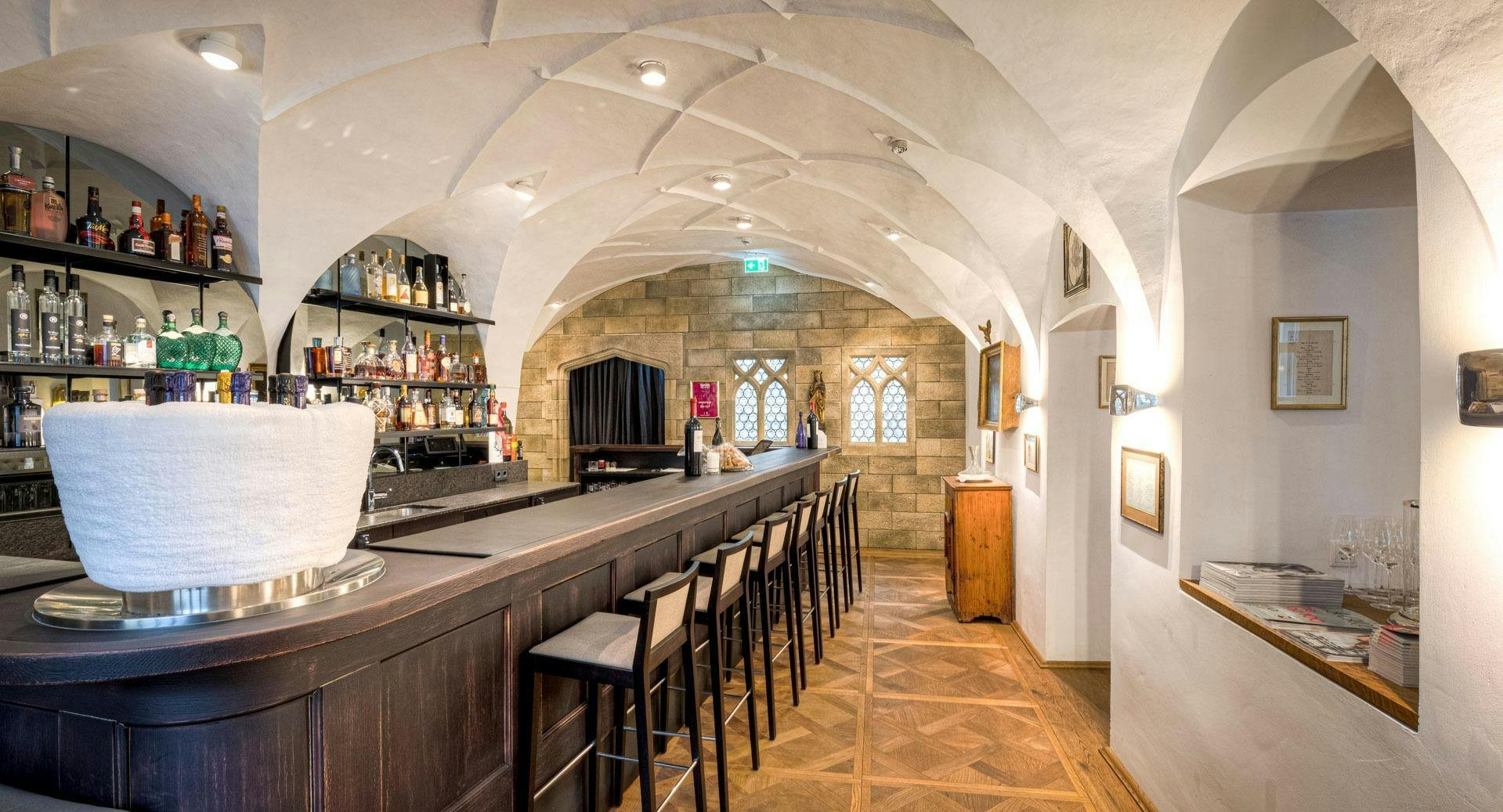
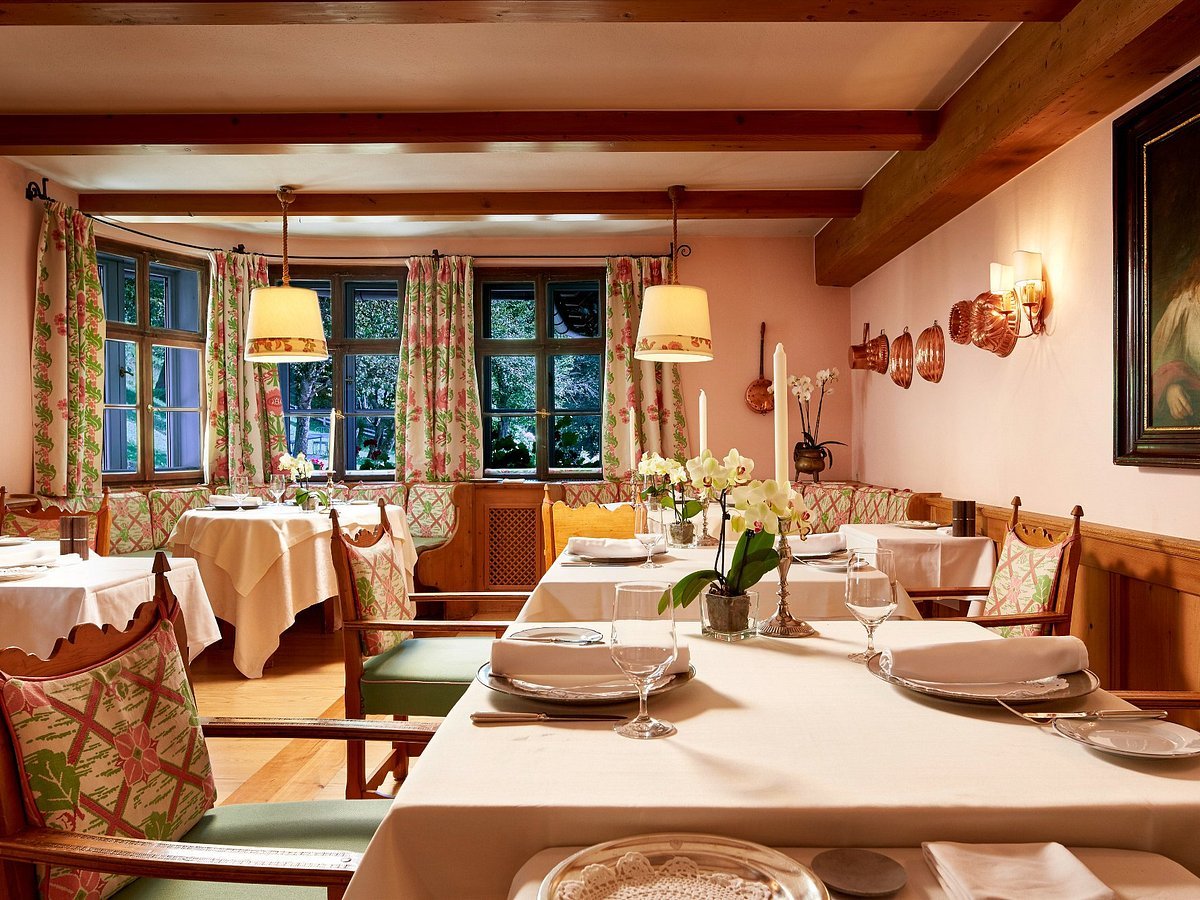
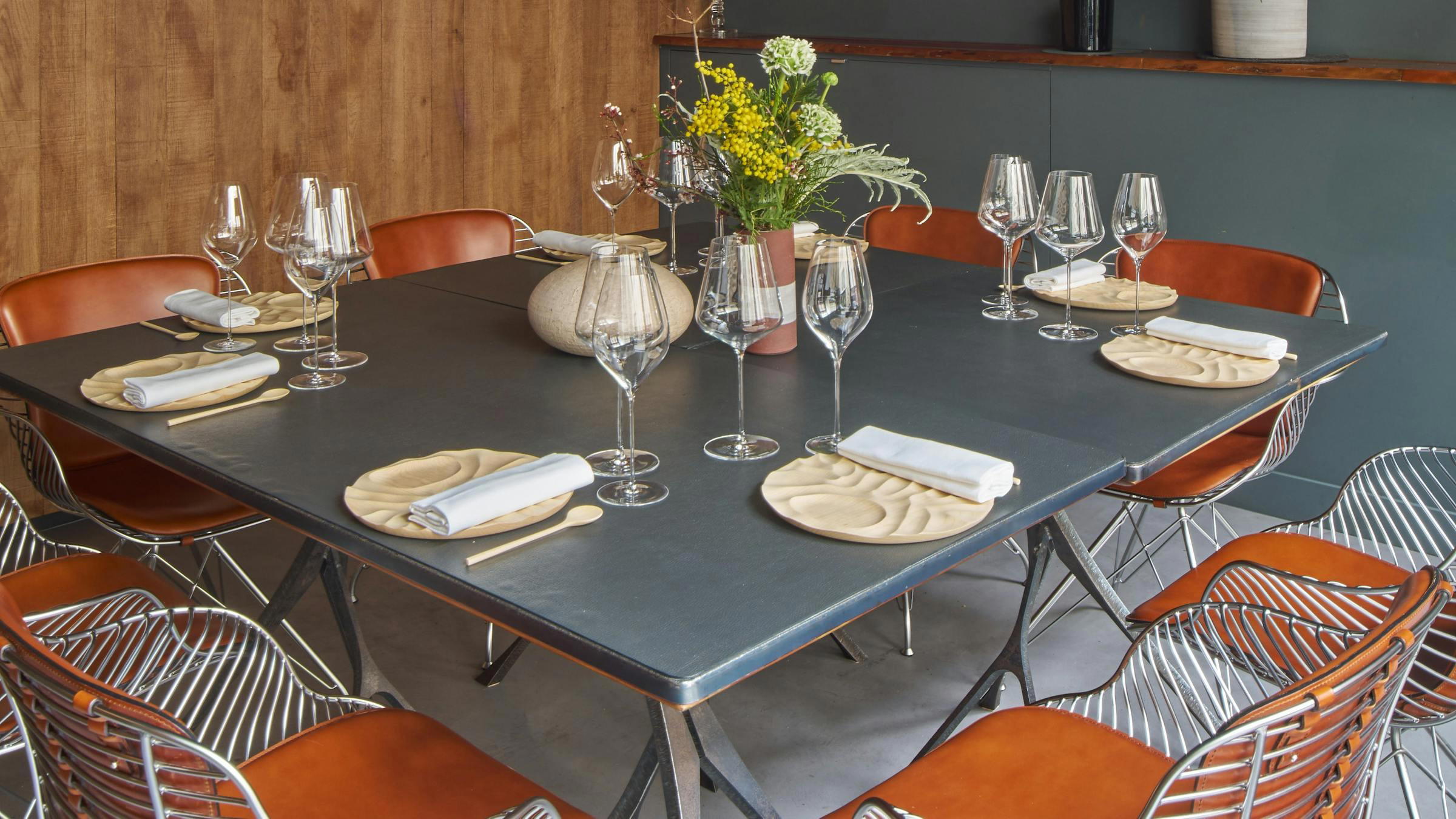
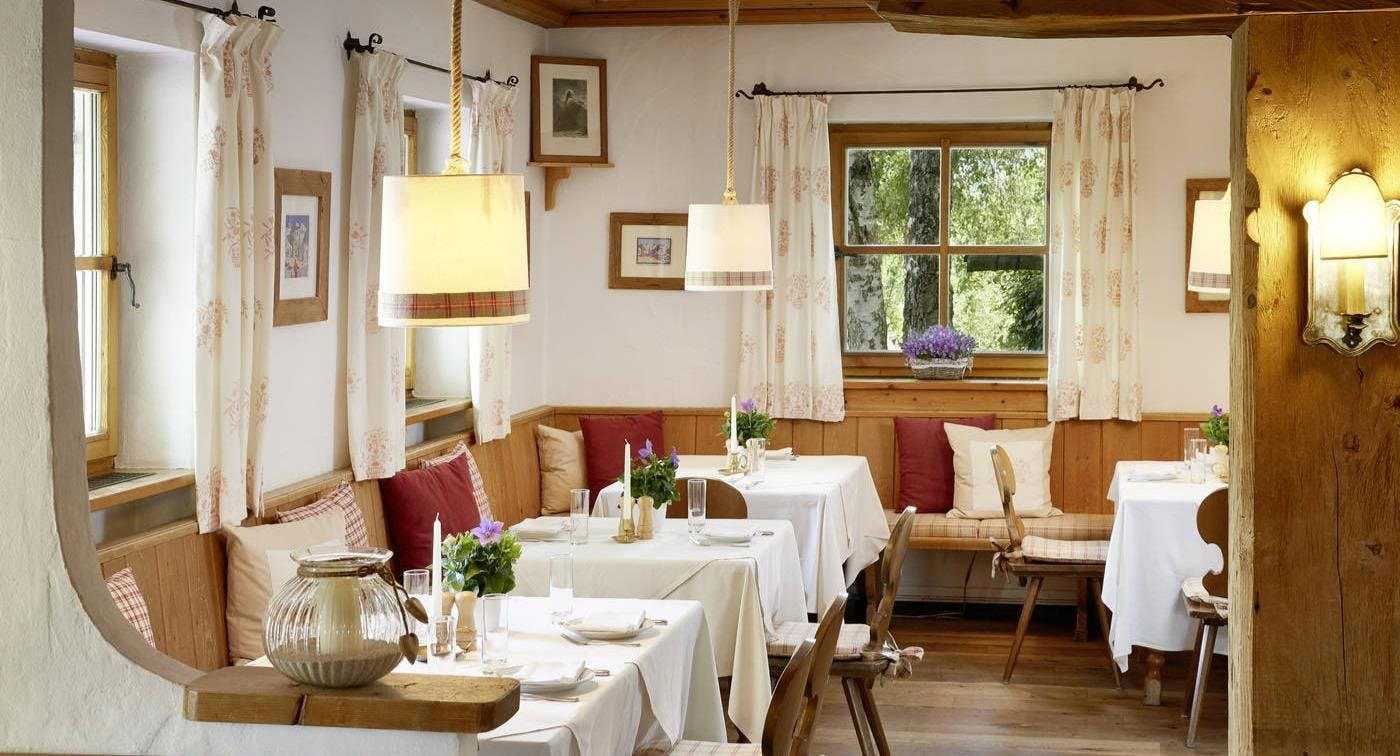 restaurantRömerhof StüberlRömerhof Stüberl brings Kitzbühel’s alpine dining language into a smaller, more tradition-led register: Tyrolean comfort dishes, hotel-cellar wines, and a rustic room rather than resort spectacle. Chef Kai Horitzky’s cooking is framed around terroir and classic regional recipes, making it a useful counterpoint to the town’s louder luxury dining circuit.
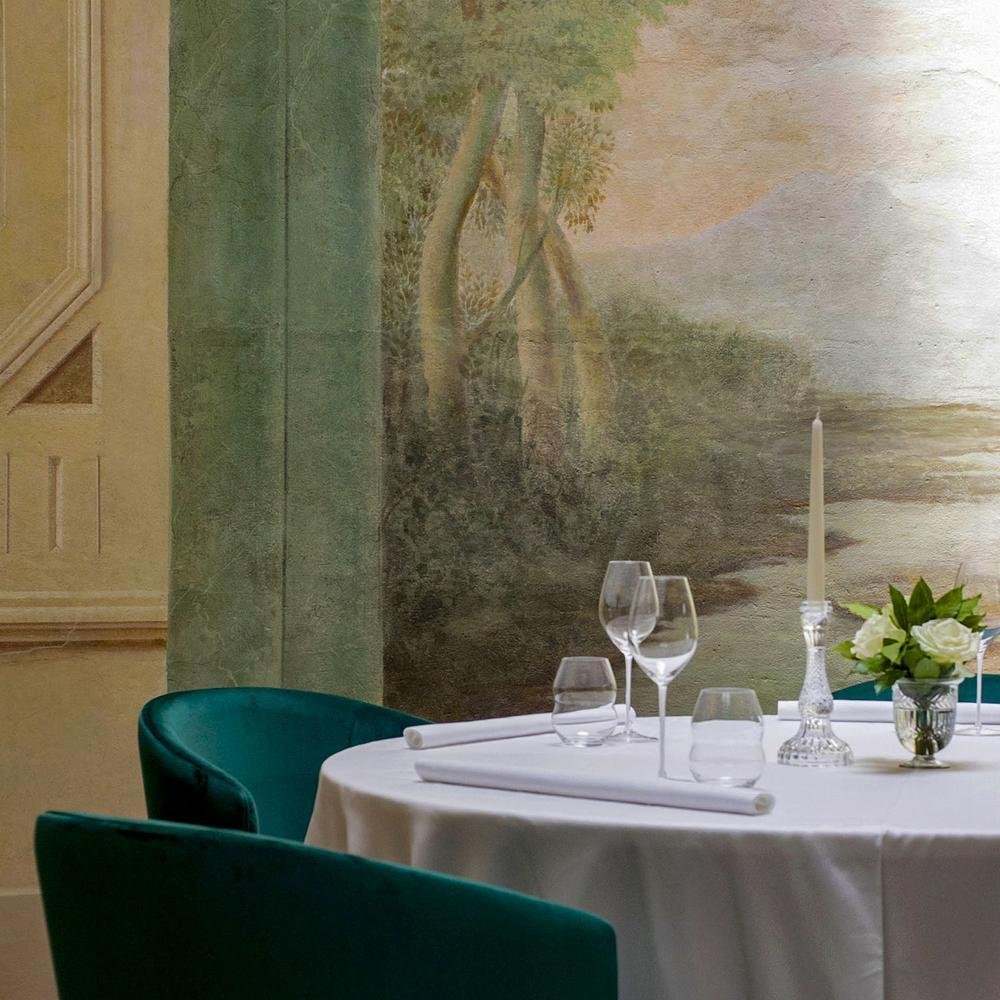
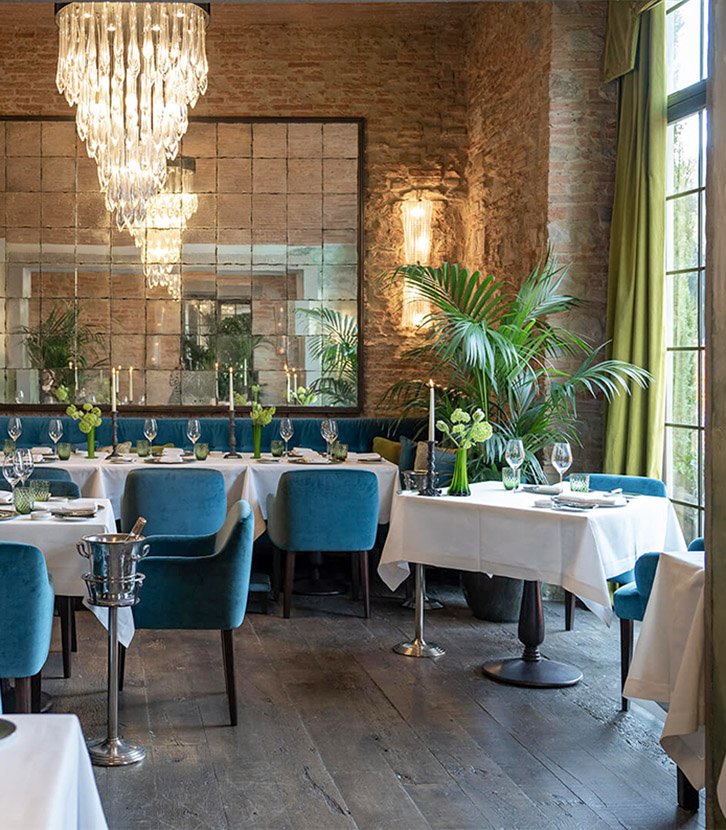
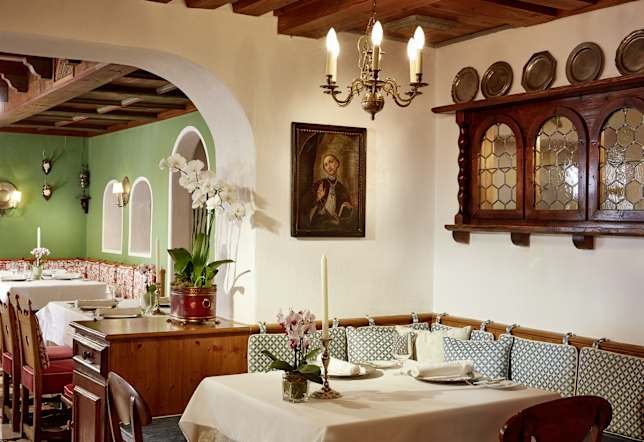 restaurantTennerhof RestaurantTennerhof Restaurant at Griesenauweg 26 sits within Kitzbühel's fine dining tier, where Austrian classics are handled with formal precision under chef Buriphat. Recognised with a Cooking Classics highlight and carrying a Google rating of 4.8, the kitchen works in a tradition that prioritises technique and restraint over novelty. The address is a short approach from the town centre, suited to guests already staying in the area.
Planning details
- Location
- Griesenauweg 26, 6370 Kitzbühel
- Website
- tennerhof.com
- Phone
- +43 5356 63181
The take
The Take
The Vibe
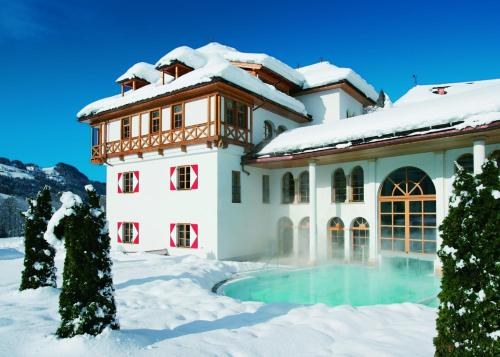
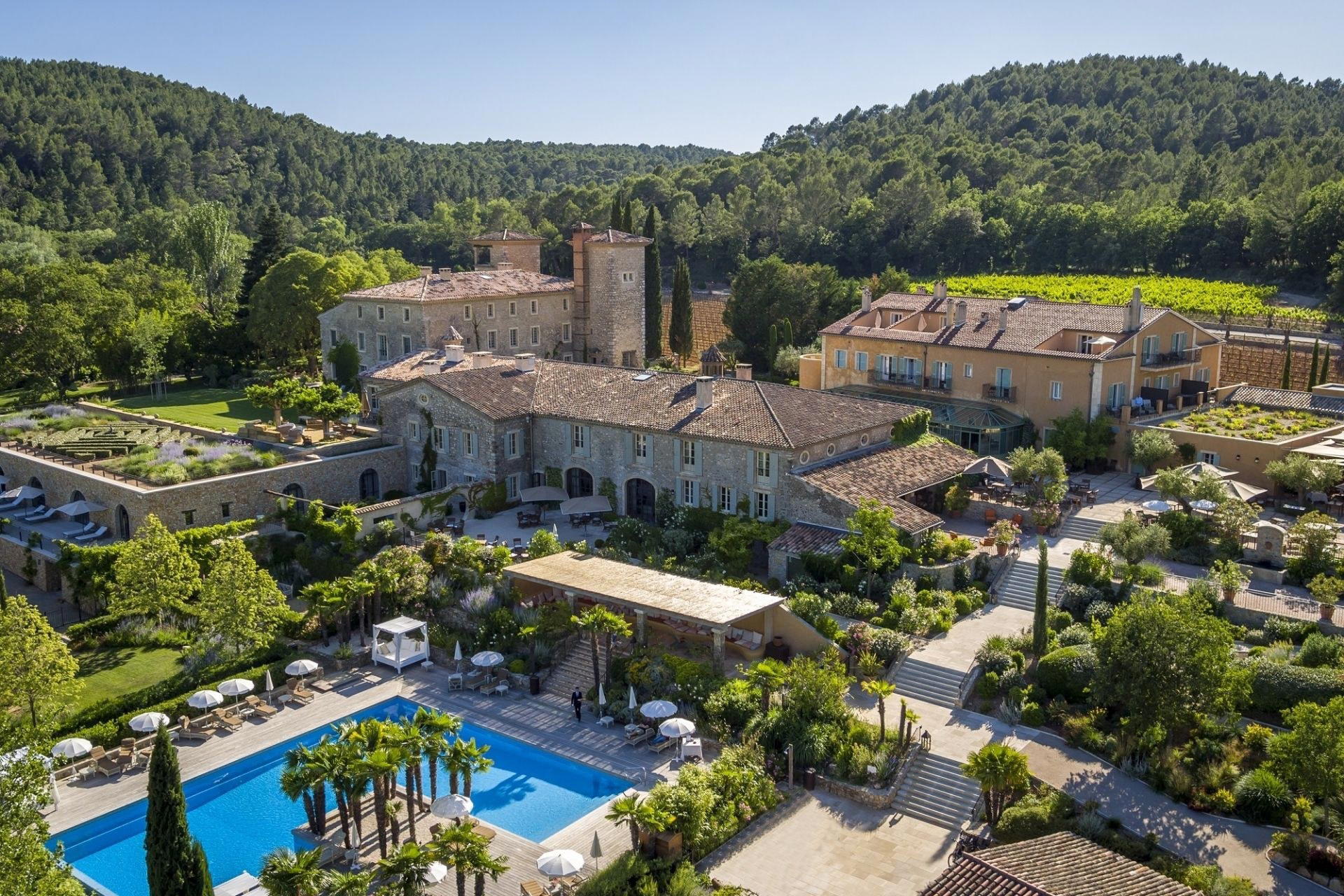
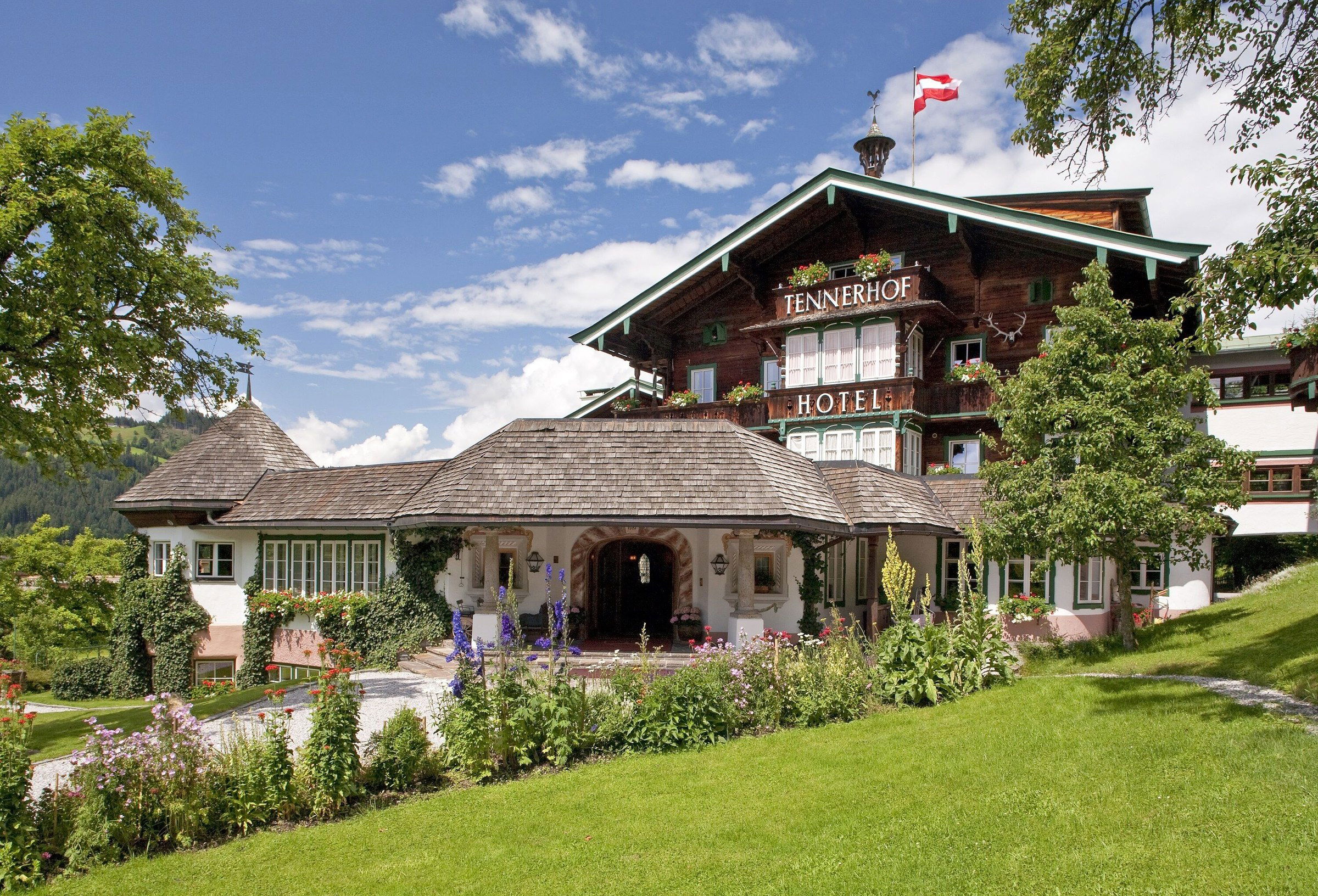
Hotel Tennerhof presents as a small, hillside chalet that favors atmosphere over scale. The property sits on a gardened slope above Kitzbühel, and panoramic views of the Kitzbühel Alps are visible from much of the hotel; that landscape presence does a lot of the hospitality work here. Arrival feels domestic and considered rather than busy and transactional, and the overall tone is relaxed and intimate. With a privately owned, garden-surrounded structure and a measured Alpine character, the hotel reads as quietly charming and ideal for guests seeking a calm, scenic stay rather than a large-resort experience.
Best For
This is a hotel for travelers who prioritize scenery and serious dining. Because the Restaurant Tennerhof enjoys long-standing Gault Millau recognition, evenings here are a focal point of the stay; meals carry more weight than at properties where dining is secondary. The hillside position and surrounding garden make the Tennerhof well suited to couples and small groups after a restorative break, and its quieter, domestic rhythm particularly appeals to guests who want to unwind with mountain views rather than the bustle of town-centre hotels.
Stay Tips
Treat dining at the Tennerhof as a core part of the visit: the restaurant’s decades-long Gault Millau recognition signals consistent, considered cooking rather than trend-chasing experimentation. Plan time for dinner and expect a measured, high-quality experience. Take advantage of the hotel’s position: panoramic views of the Kitzbühel Alps are a constant backdrop, present from much of the property, so allow for leisurely moments outdoors in the garden. Arrivals tend to be calm here, which sets a different tempo for meals and service than busier town-centre properties.
Venue details
Ambiance
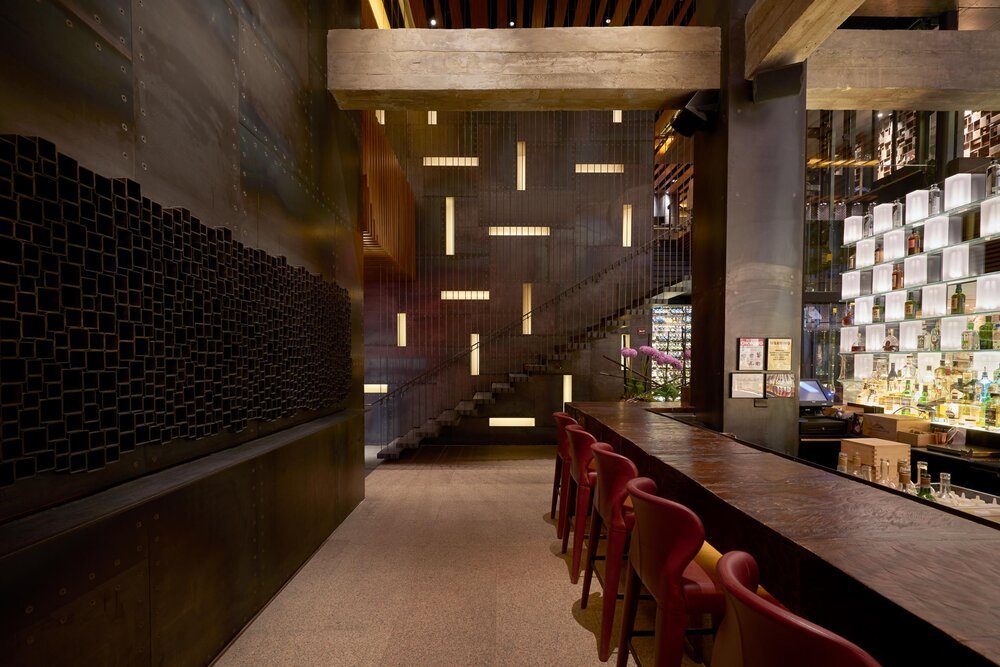
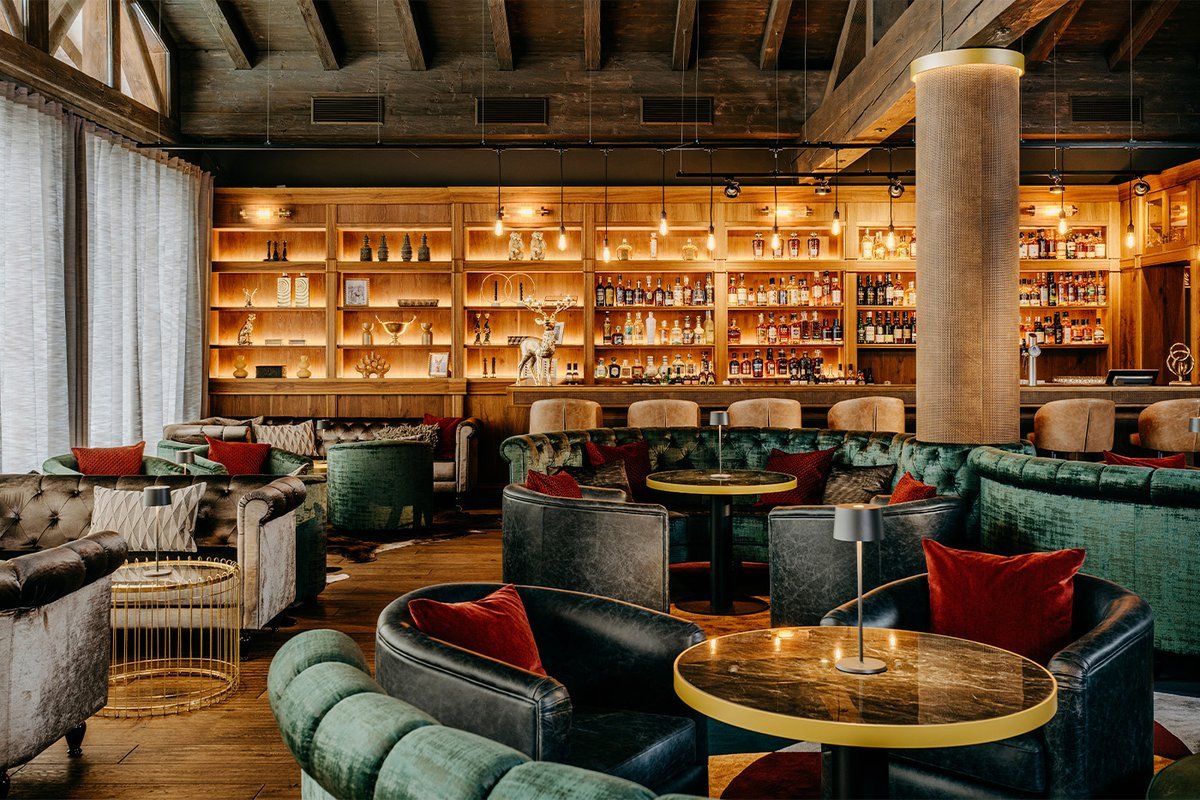
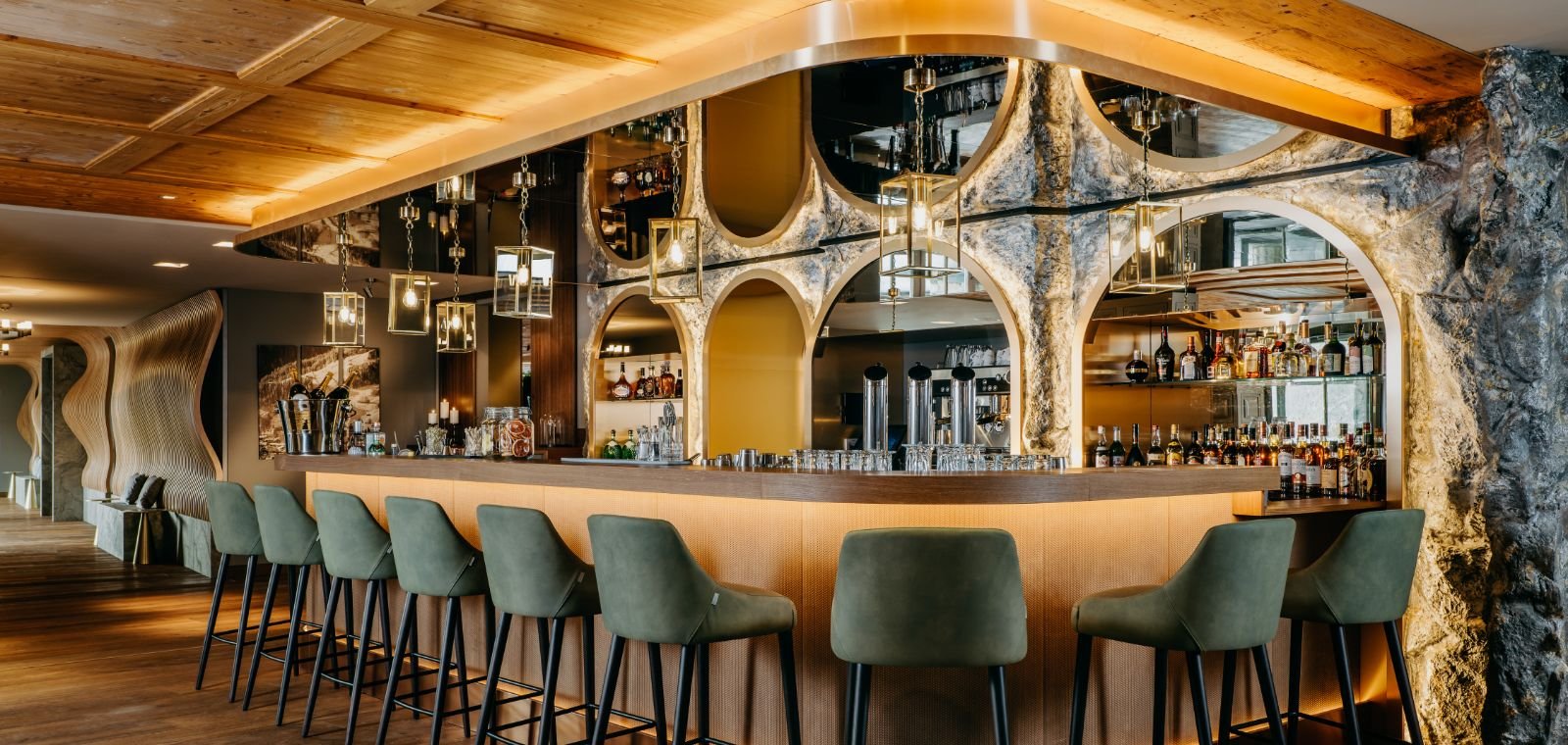
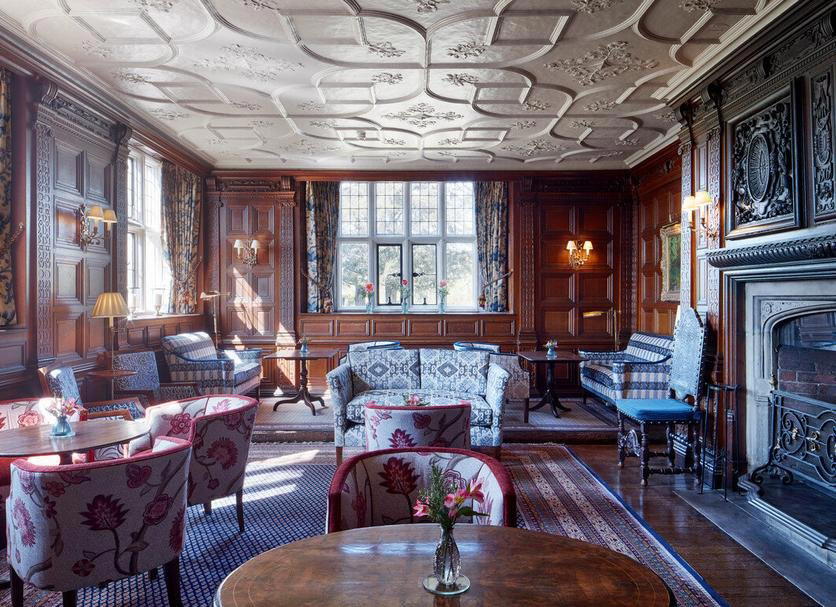
Warm and inviting with classical Tyrolean design, intimate spaces filled with flowers and fragrances, cozy fireplaces, and serene spa areas overlooking mountain vistas.
Tags
Vibe
Best For
Experience
Amenities
View
Accessibility
About the Stay
- Rooms
- 39
- Check-in
- 14:00
- Check-out
- 11:00
- Property Style
- Family Owned Luxury Boutique Hotel Blending Tyrolean Heritage with Contemporary Alpine Resort Amenities, Emphasizing Individuality and Personal Service.
- Design Style
- Classical Tyrolean with Individually Furnished Rooms Featuring Family Owned Antiques, Selected Fabrics, and Personal Details Creating a Homelike Yet Luxurious Atmosphere.
Know before you go
Know Before You Go
- Getting there
- Griesenauweg 26, 6370 Kitzbühel
Planning details
Location
Recognition and awards


Also consider
Also Consider
- Hotel Weisses Roessl, Notable alternative
- Schwarzer Adler, Notable alternative
- Hotel Kitzhof Mountain Design Resort, Notable alternative
- Q! Hotel Maria Theresia, Notable alternative
- A-ROSA Kitzbühel, Notable alternative
Hotel context
How Hotel Tennerhof Compares
Hotel Tennerhof is the better choice for a quieter, occasion-led Kitzbühel stay, especially when the room and atmosphere matter as much as access to town. Hotel Weisses Roessl is the closer cross-shop for travelers who want a more central-feeling classic hotel decision, while Tennerhof reads as the calmer luxury pick.
For value, compare against Schwarzer Adler and Q! Hotel Maria Theresia. Those make more sense when the hotel is mainly a practical base in Kitzbühel. Tennerhof is easier to justify when the stay itself is part of the occasion, backed by Relais & Châteaux, Virtuoso, and MICHELIN Guide hotel recognition.
If the trip needs a larger resort mood, put A-ROSA Kitzbühel and Hotel Kitzhof Mountain Design Resort higher on the list. They are the stronger cross-shops for guests who want more energy around the hotel experience; Tennerhof is the pick for lower-volume luxury and a more private celebration stay.
Explore Kitzbühel
Around this place
Discover more on Pearl
Unlock the full Hotel Tennerhof guide in Pearl, including awards, comparisons, FAQs, planning details, and nearby places.
Compare Hotel Tennerhof
| Venue | Location | Awards |
|---|---|---|
| Hotel Tennerhof | Kitzbühel | 2026 Virtuoso Luxury Hotel Collection2026 Relais Chateaux Hotels2025 Michelin Selected Hotels2025 Relais Chateaux Award |
| Hotel Weisses Roessl | Kitzbühel | Leading Hotels of the World 20262026 Michelin 1 Key2025 Michelin 1 Key |
| Schwarzer Adler | Kitzbühel | 2026 Michelin 1 Key2025 Michelin 1 Key |
| Hotel Kitzhof Mountain Design Resort | Kitzbühel | 2026 Michelin 1 Key2025 Michelin 1 KeyPreferred Hotels L.V.X. Collection 2025 |
| Q! Hotel Maria Theresia | Kitzbühel | No published awards |
| A-ROSA Kitzbühel | Kitzbühel | No published awards |




How Hotel Tennerhof Kitzbühel compares with similar nearby venues.
FAQ
Frequently Asked Questions
Is Hotel Tennerhof family-friendly?
Hotel Tennerhof is in Kitzbühel and has a smart casual dress code, with recognition including Relais Chateaux Award 2026, Virtuoso Luxury Hotel Partner 2026, and MICHELIN Guide, Hotels Selected 2025. Confirm family requirements directly with the hotel before booking.
How is the location of Hotel Tennerhof?
Hotel Tennerhof is in Kitzbühel. If location within Kitzbühel is important, compare location and access details directly with Hotel Weisses Roessl or Schwarzer Adler before booking.
Is Hotel Tennerhof good for business travel?
Virtuoso Luxury Hotel Partner 2026, Relais Chateaux Award 2026, and MICHELIN Guide, Hotels Selected 2025 are useful recognition signals, but business-specific needs should be confirmed directly. A-ROSA Kitzbühel and Hotel Kitzhof Mountain Design Resort are other Kitzbühel options to compare.
How does Hotel Tennerhof compare to nearby hotels?
Hotel Tennerhof should be compared with A-ROSA Kitzbühel, Hotel Kitzhof Mountain Design Resort, Hotel Weisses Roessl, Q! Hotel Maria Theresia, and Schwarzer Adler on the details that matter for your trip: availability, confirmed rates, room category, location within Kitzbühel, and required services. This profile highlights Hotel Tennerhof's smart casual dress code and recognition.