
GAJOEN
Kirishima, Kagoshima
Hotel in Kagoshima, Japan
 Book with Pearl
The Read
Private Onsen Seclusion
Why go
GAJOEN is worth targeting for a special-occasion Kagoshima stay when the goal is a quiet Kirishima retreat rather than an urban hotel base. Michelin 2 Keys recognition in 2025 gives useful confidence in the experience and service level, but travelers focused on city dining, bars, or fast logistics should compare Kagoshima hotel options first.
About GAJOEN
For a Kagoshima stay, GAJOEN is a notable hotel choice thanks to its Michelin 2 Keys recognition in 2025.
Choose it for a confirmed 2-Key hotel stay in Kagoshima
GAJOEN's Michelin 2 Keys recognition in 2025 is the main reason to put it on a Kagoshima hotel shortlist. If your trip depends on specific facilities, schedules, menus, or transportation convenience, confirm those details with the property before committing.
For broader planning, compare GAJOEN with other Kagoshima options generically, or start with our full Kagoshima restaurants guide and our full Kagoshima hotels guide. The safest way to use GAJOEN in an itinerary is to build around the accolade while checking all practical details directly.
Planning details
- Location
- 宿窪田-4230 牧園町 Kirishima, Kagoshima 899-6507
- Website
- gajoen.jp
- Phone
- +81 995-77-2114
The take
The Take
The Vibe
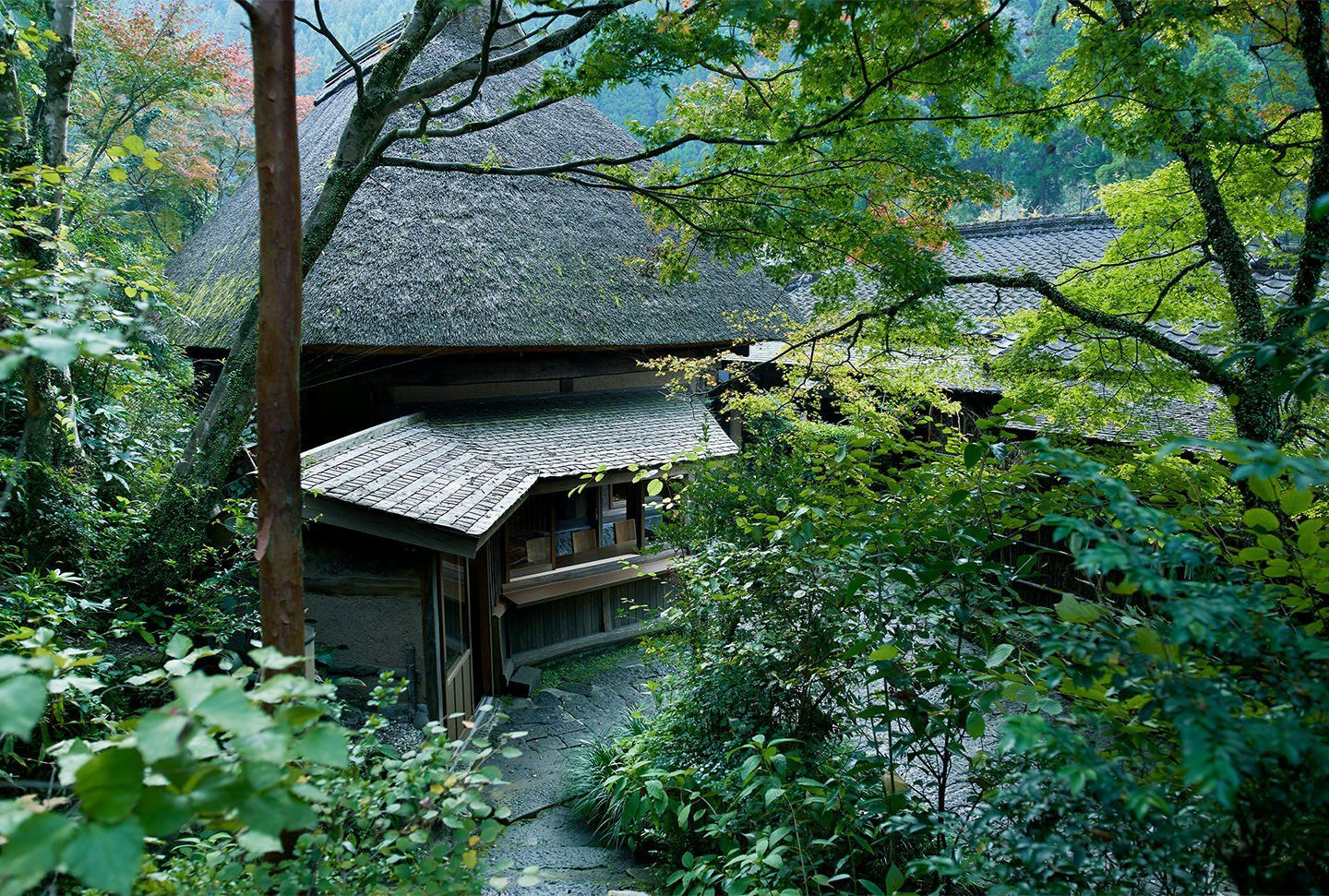
Gajoen presents as a quietly authoritative expression of rural Japanese inn culture, where architecture and landscape are inseparable. Thatched rooflines rise from the tree canopy and the building reads as if it has grown out of the forest; the Amorigawa River is audible from arrival and threads through the experience. Carved-stone onsen baths and open terraces make water part of both program and atmosphere. The property favors traditional materiality and restrained presence over city-centre gloss, producing an intimate, serene place that foregrounds craft, seclusion and a sustained relationship with its mountain setting.
Best For
This is a stay for people seeking solitude, restorative bathing and quietly distinctive architecture. With just eight rooms and a private onsen, Gajoen suits couples on a romantic getaway, travelers prioritizing wellbeing and anyone wanting a short weekend escape from urban life. The forested peaks, river frontage and terraces reward slow arrival and time spent outdoors; guests come to listen to the water, soak in carved-stone baths and inhabit a building that deliberately emphasizes traditional construction and rural calm over metropolitan spectacle.
Stay Tips
Rooms are deliberately few—Gajoen holds eight rooms across its site—so plan ahead and expect limited availability. When booking, note the property's relationship to the Amorigawa River and the open terraces: request accommodation that offers terrace access or river frontage if you want the fullest waterside experience. Allow time in your schedule for onsen bathing—carved-stone baths are central to the stay—and aim for a relaxed arrival so you can orient to the quietly layered soundscape and architecture rather than rush through it.
Venue details
Ambiance
Rustic and tranquil with natural lighting from wooden terraces and open-air spaces, evoking old Japan amid river sounds and lush greenery.
Tags
Vibe
Best For
Experience
Amenities
View
About the Stay
- Rooms
- 10
- Check-in
- 14:00
- Check-out
- 12:00
- Property Style
- Traditional Japanese Ryokan Village
- Design Style
- Rustic Thatched Roof Cottages with Tatami Interiors
Know before you go
Know Before You Go
- Getting there
- 宿窪田-4230 牧園町 Kirishima, Kagoshima 899-6507
Planning details
Location
Recognition and awards
Also consider
Where to look if this is not the right fit
If GAJOEN is too hard to arrange or too retreat-focused, look first at Myoken Ishiharaso for another hot-spring stay in the broader area. For a more private, destination-led splurge, compare Tenku no Mori.
If the trip needs easier city movement, OMO5 Kumamoto by Hoshino Resorts is the cleaner logistical choice, though it serves a different purpose from a Kirishima retreat.
Hotel context
How GAJOEN compares in the Kagoshima and Kyushu retreat set
GAJOEN is the pick for travelers who want a service-led Kirishima retreat and are willing to plan around availability. Myoken Ishiharaso is the closest cross-shop for a similar hot-spring escape; choose it if the priority is a classic ryokan-feeling stay rather than chasing the strongest recognition signal.
Tenku no Mori should be on the shortlist for a higher-privacy, destination-resort mood, while TAYUTA amakusa and L'isola THE BIRD make more sense for travelers building a coastal or island-style Kyushu trip instead of staying inland near Kirishima.
If convenience and predictable city access matter more than atmosphere, OMO5 Kumamoto by Hoshino Resorts is the easier practical choice. It is not the same kind of celebration stay, but it suits travelers who want lighter logistics and a more urban base.
Explore Kagoshima
Around this place
Discover more on Pearl
Unlock the full GAJOEN guide in Pearl, including awards, comparisons, FAQs, planning details, and nearby places.
Compare GAJOEN
How it compares
Choose GAJOEN over Myoken Ishiharaso when Michelin 2 Keys recognition and a service-forward special-occasion stay matter most. Choose Myoken Ishiharaso if the brief is a more traditional hot-spring escape and the recognition signal is less central to the decision.
Tenku no Mori is the stronger cross-shop for privacy and a destination-resort feel. TAYUTA amakusa and L'isola THE BIRD fit travelers who want a coastal Kyushu route rather than Kirishima. OMO5 Kumamoto by Hoshino Resorts is the practical fallback for a city stay with simpler logistics.
FAQ
Frequently Asked Questions
Do loyalty programs work at GAJOEN?
Do not plan around loyalty perks unless you can confirm them before booking. GAJOEN's standout accolade is Michelin 2 Keys recognition in 2025.
Which room category is best at GAJOEN?
Choose only after checking the current room options directly with GAJOEN and matching them to your trip needs.
Is GAJOEN good for business travel?
If the stay is for business, confirm location logistics, workspace needs, and any required services before booking.