

Le Phébus
Joucas
Hotel in Joucas, France
 Book with Pearl
The Read
Provençal Mas Gastronomy
Why go
Le Phébus is worth booking if the trip calls for a quiet Luberon base where dinner at the hotel is part of the plan. It is better for couples and first-time Provence travelers with a car than for guests who want a walkable village-center stay or a high-energy evening scene.
About Le Phébus
Le Phébus in Joucas has a smart-casual dress code, Michelin 1 Key recognition from 2024, and a Relais Chateaux Award from 2025. Travelers should confirm practical details directly before building an itinerary around the stay.
For a first-timer in Joucas, consider whether those credentials match the kind of trip you want. If you need exact information on services, dining format, room categories, hours, pricing, or amenities, check directly with the property rather than making assumptions. For broader planning, use our full Joucas restaurants guide and our full Joucas bars guide before committing.
Choose it when the confirmed credentials matter
The clearest reason to keep Le Phébus on the shortlist is its recognition: Michelin 1 Key in 2024 and a Relais Chateaux Award in 2025. Those are useful trust signals for travelers comparing stays, especially when the decision depends on recognized accolades.
The smarter play is to use the accolades and smart-casual dress code as a starting point, then check operational details such as cuisine, service style, room inventory, amenities, pricing, and meal periods directly with Le Phébus before booking.
Book with Joucas in mind, and verify the practical details
Le Phébus is in Joucas. Plan around that local context, and confirm exact logistics directly if address, neighborhood, walkability, transfers, or nearby landmarks will affect the trip.
If timing is important, ask the property about booking pressure, availability, room types, meal times, and specific services rather than relying on assumptions. Start with our full Joucas hotels guide, then compare the broader set of stays if the trip needs a different fit.
For travelers focused on the wider area rather than a single property, the useful question is whether the recognition is enough to anchor the stay. If not, compare Le Phébus with other options such as Airelles Gordes, La Bastide; Coquillade Provence; La Bastide de Gordes; Le Mas des Herbes Blanches; and Les Bories & Spa, or use our full Joucas experiences guide and our full Joucas wineries guide to shape the rest of the itinerary.
Inside Le Phébus
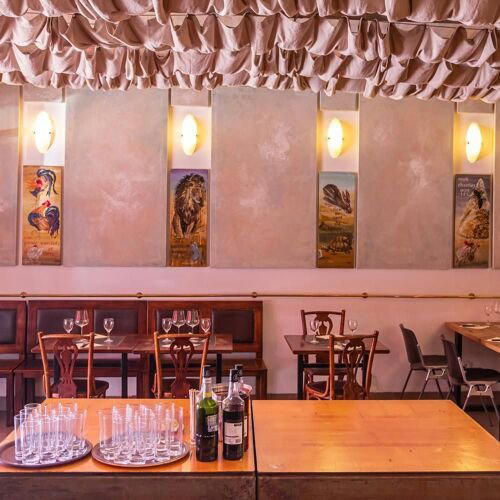 restaurantLe Café de la FontaineLe Café de la Fontaine holds consecutive Michelin Plate recognition (2024 and 2025) for its Mediterranean cooking in the Luberon village of Joucas. Sitting in the €€€ tier, it shares a price point with several serious neighbours while occupying a more relaxed register than the haute-Provençal dining rooms nearby. The address on the Route de Murs places it at the quiet edge of the village, a few minutes from the busier perch of the Phébus hotel cluster.
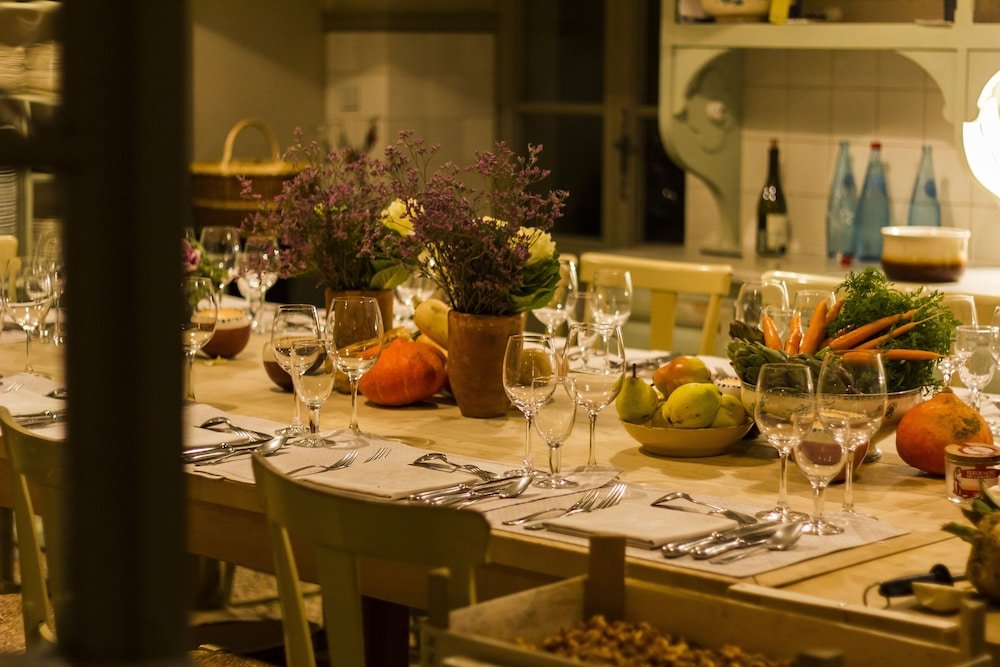
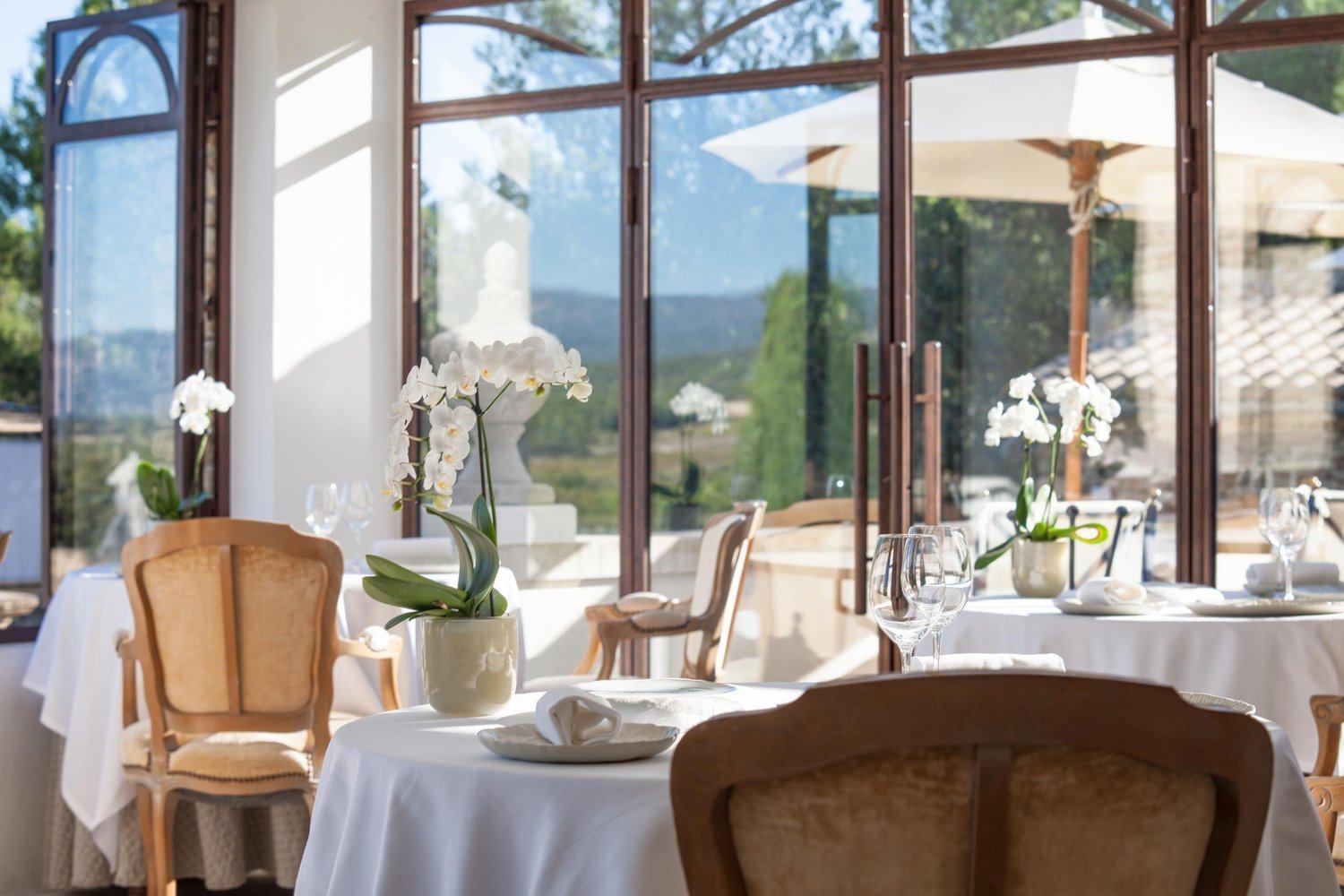
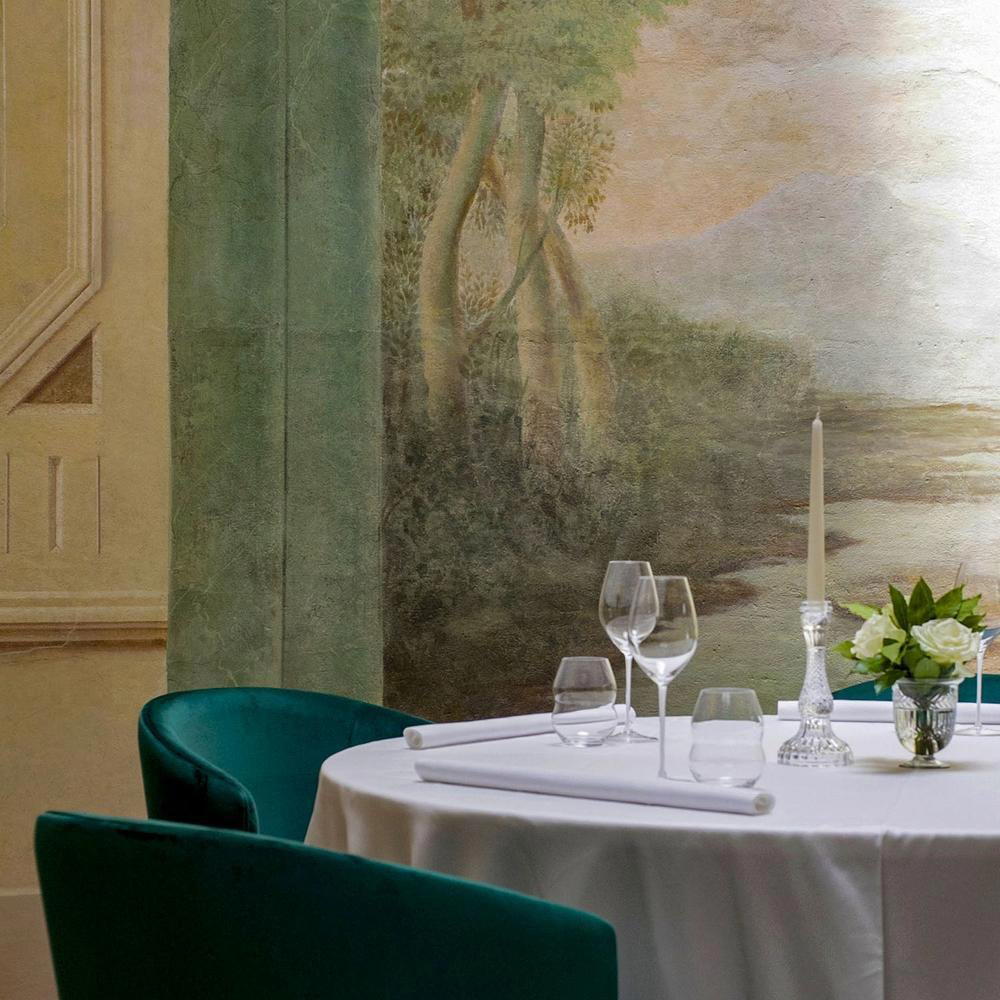 restaurantLa Table de Xavier MathieuHolding a Michelin star since 2024 and set within a drystone bastide at Le Phébus in Joucas, La Table de Xavier Mathieu anchors its cooking in Provençal tradition while pushing each dish toward something more considered. Vegetables from the surrounding garrigue share the menu with Alpilles lamb and Marseille-rooted classics, all framed by olive oil, aromatics, and a kitchen that treats regional produce as the argument, not the decoration.
Planning details
- Location
- 508 Rte de Murs, 84220 Joucas
- Website
- lephebus.com
- Phone
- +33 4 90 05 78 83
The take
The Take
The Vibe
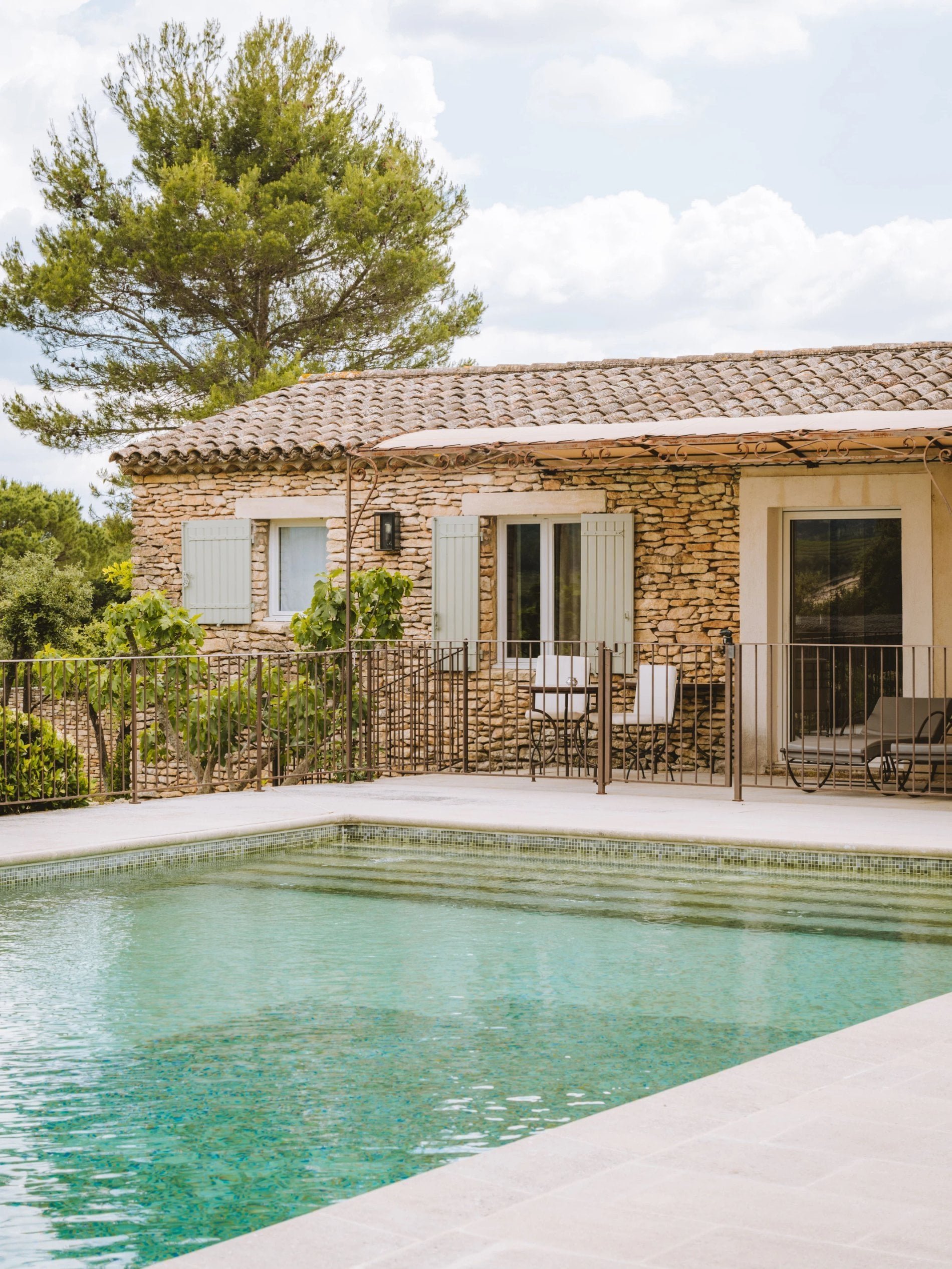
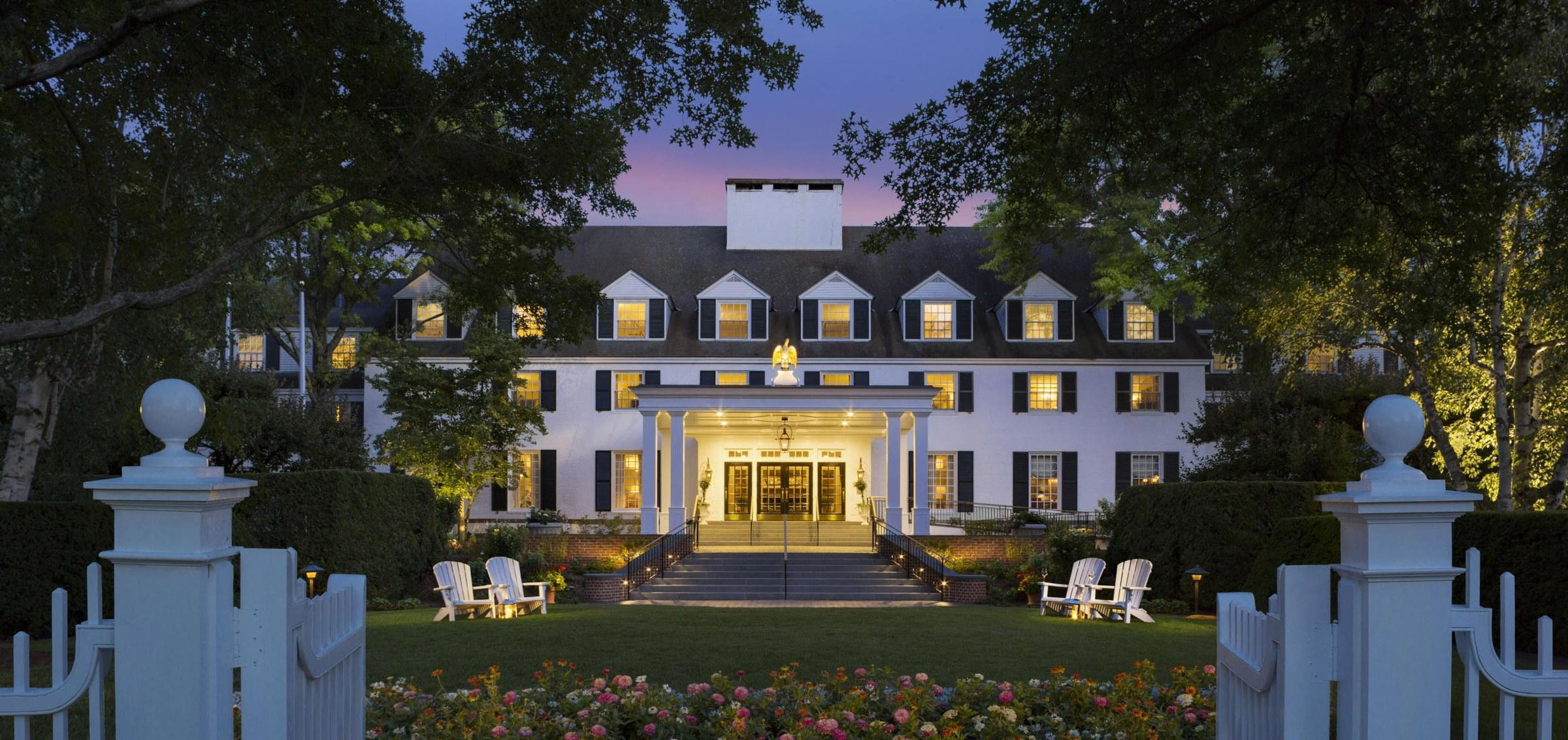
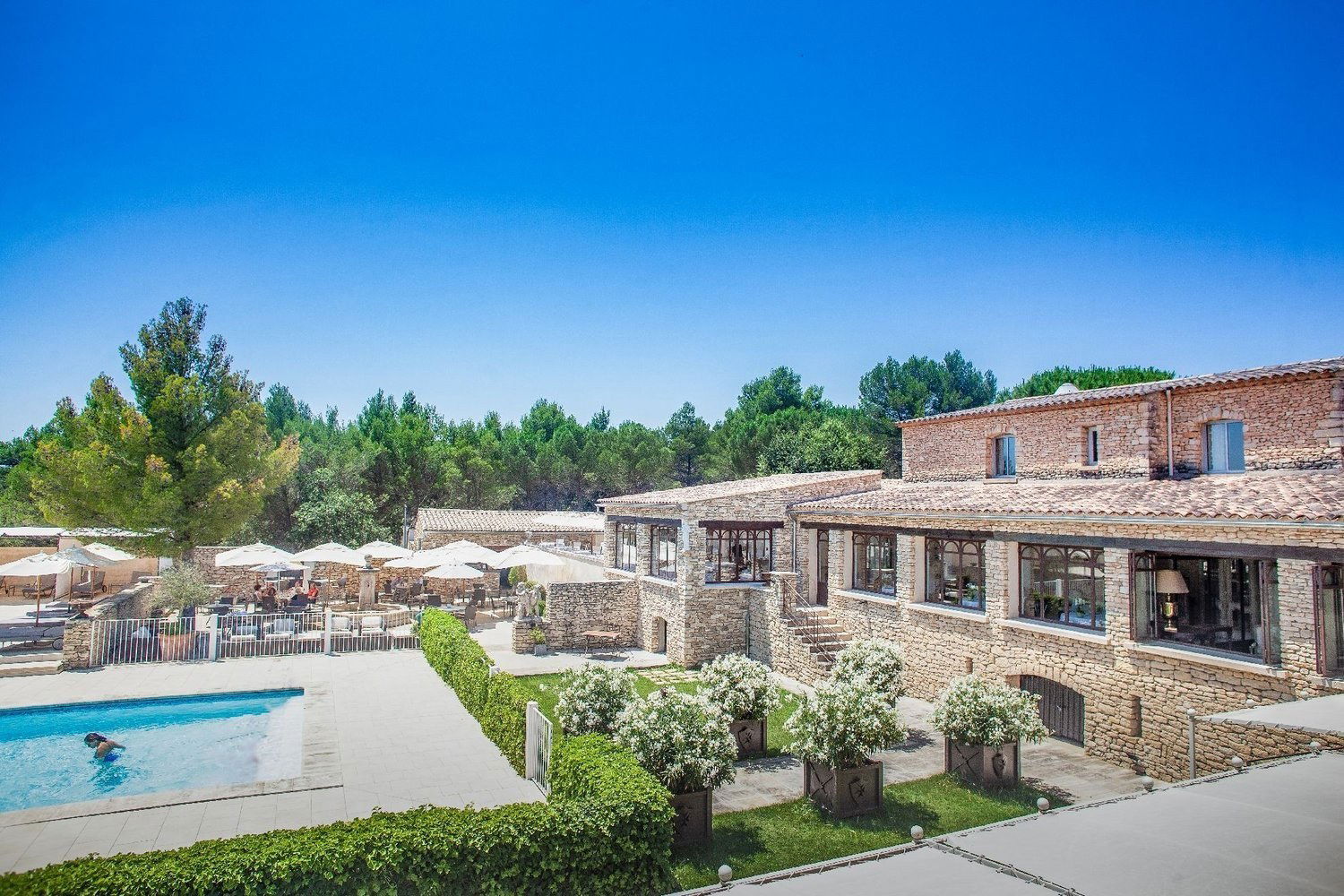
Le Phébus reads like a preserved Provençal mas rather than a staged boutique renovation. The narrative here is one of material authenticity — terracotta tile floors, thick-plastered walls and stone-lined outdoor rooms are the building's original fabric rather than costume. That restraint, paired with the ridge-top setting and slender cypress punctuating the skyline, gives the hotel a quietly composed, classical character. With just 30 rooms and suites, the place feels intentionally small and intimate; silence and restrained design choices make it especially appealing to travelers looking for a serene, historic Provençal hideaway.
Best For
This is a stay for travelers who prize setting and cuisine in equal measure. Le Phébus’s Relais & Châteaux designation and a 2024 Michelin Key underline a gastronomic focus that shapes the experience, making it particularly suited to dinner-driven, food-minded stays. The small scale, ridge-top seclusion and suites with private terraces also make it a natural choice for romantic getaways, honeymoons and anniversary stays, as well as short weekend escapes when you want to step away from the city into a composed, rural Provençal atmosphere.
Stay Tips
Book early and plan meals in advance: the property’s Michelin recognition and tight size (30 rooms) mean dinner service is likely in demand. When reserving, request a suite that opens onto a private terrace to secure the outdoor vantage the hotel emphasizes. Arrive mindful of the approach — the drive up from the D2 winds through scrub oak and dry-stone walls — and pack for relaxed, pared-back comfort; rooms supply quiet conveniences (Nespresso machines and complimentary iPads) so you can settle in without ceremony.
Venue details
Ambiance
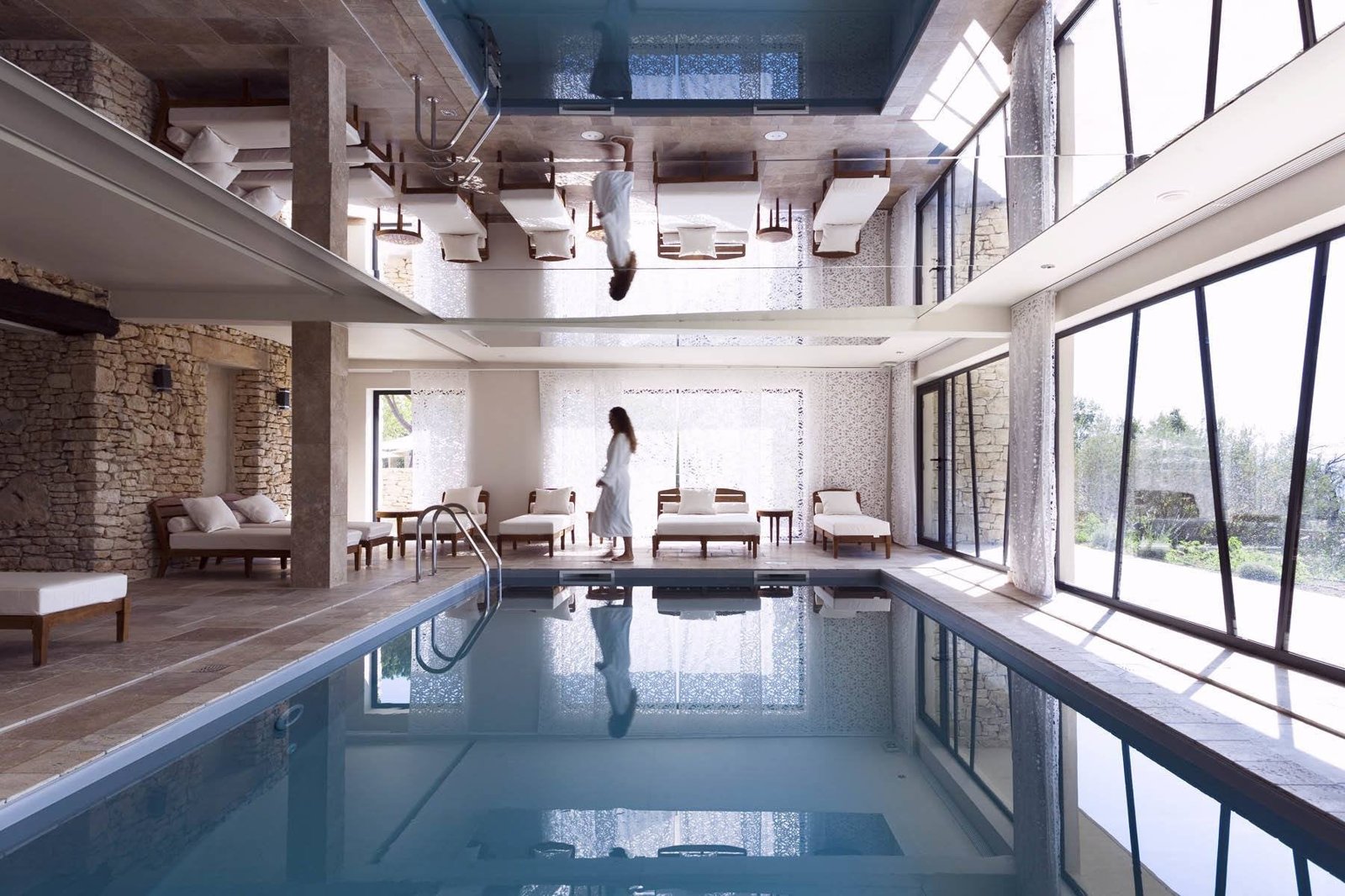
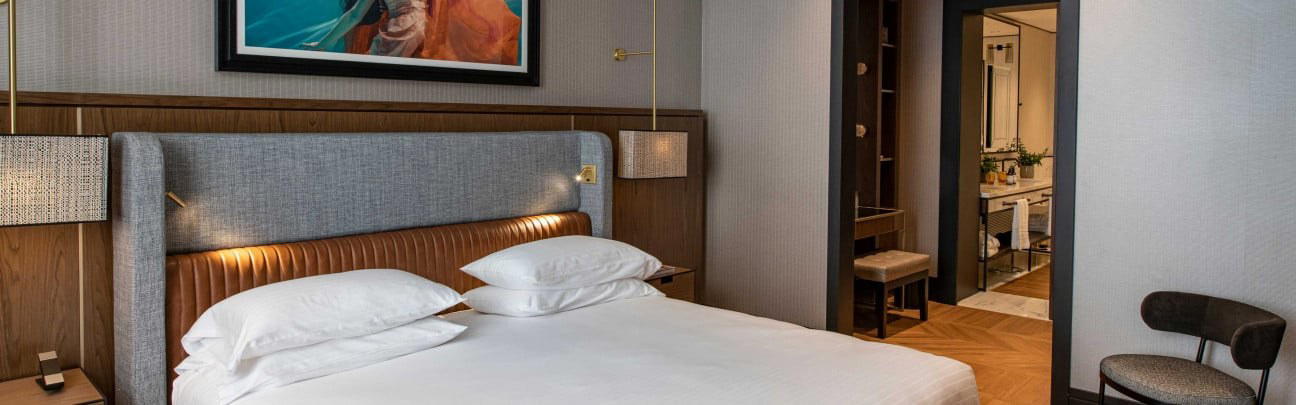
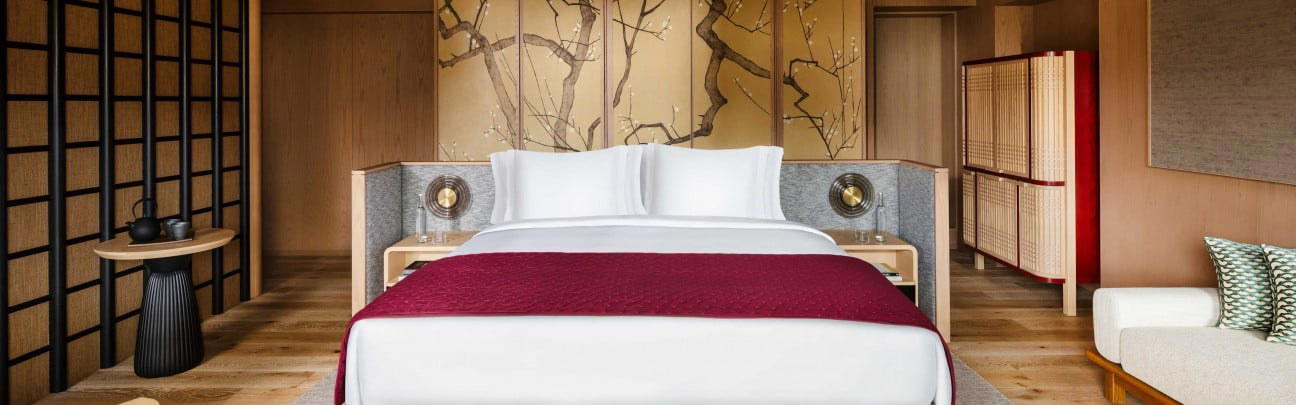
Warm, elegant Provençal atmosphere with relaxing poolside areas, soundproofed cozy rooms, and serene spa settings praised for discretion and attention to detail.
Tags
Vibe
Best For
Experience
Amenities
View
About the Stay
- Rooms
- 24
- Property Style
- Converted Provençal Stone Farm Buildings with Modern Comforts
- Design Style
- Individually Decorated Provençal Rustic Elegance
Know before you go
Know Before You Go
- Getting there
- 508 Rte de Murs, 84220 Joucas
Planning details
Location
Recognition and awards

Also consider
Also Consider
- Le Mas des Herbes Blanches, Notable alternative
- Airelles Gordes, La Bastide, Notable alternative
- La Bastide de Gordes, Notable alternative
- Les Bories & Spa, Notable alternative
- Coquillade Provence, Notable alternative
Hotel context
How it compares in the Luberon hotel set
Choose Le Phébus when the priority is a quieter Joucas base with dinner built into the stay. Le Mas des Herbes Blanches is the closest cross-shop for travelers who want a similar countryside mood, but Le Phébus is the cleaner pick when on-site dining is central to the decision rather than just a convenience.
Airelles Gordes, La Bastide and La Bastide de Gordes are stronger choices for travelers who want the address and atmosphere of Gordes itself. Expect those to feel more destination-driven and likely harder to secure in peak periods. Le Phébus makes more sense for a calmer stay where the hotel does not need to be in the middle of the village action.
Les Bories & Spa is the better comparison for spa-led downtime, while Coquillade Provence suits travelers who want a larger resort-style Provence stay. Pick Le Phébus if the decision turns on a contained hotel-and-dinner evening; pick the alternatives if the trip needs more resort breadth or a Gordes-first address.
Explore Joucas
Around this place
Discover more on Pearl
Unlock the full Le Phébus guide in Pearl, including awards, comparisons, FAQs, planning details, and nearby places.
Compare Le Phébus
| Venue | Location | Awards |
|---|---|---|
| Le Phébus | Joucas | 2026 Michelin 1 KeyMichelin 1 Key 20252025 Michelin 1 Key2025 Relais Chateaux Award2024 Michelin 1 Key |
| Le Mas des Herbes Blanches | Lieu-dit Toron | 2026 Relais Chateaux Hotels2025 Relais Chateaux Award |
| Airelles Gordes, La Bastide | French Riviera | 2026 Forbes 5-Star2026 Vogue Best Hotels in Provence2026 Virtuoso Luxury Hotel Collection2026 La Liste Top Hotels2026 Michelin 3 KeysMichelin 3 Keys 20252025 Forbes 5-Star2024 Michelin 3 Keys |
| La Bastide de Gordes | Gordes | No published awards |
| Les Bories & Spa | Gordes | 2025 Michelin Selected Hotels2025 Gault & Millau Exceptional HotelSmall Luxury Hotels Member 2025 |
| Coquillade Provence | Gargas | 2026 Virtuoso Luxury Hotel Collection2026 Forbes Recommended2026 Relais Chateaux Hotels2026 La Liste Top Hotels2026 Michelin 2 Keys2025 Michelin 2 Keys2025 Forbes Recommended2025 Relais Chateaux Award2024 Michelin 2 Keys |











How Le Phébus Joucas compares with similar nearby venues.
FAQ
Frequently Asked Questions
Do loyalty programs work at Le Phébus?
Ask Le Phébus directly about loyalty-program participation. The main trust signals to weigh are Michelin 1 Key recognition from 2024 and a Relais Chateaux Award from 2025. If points, status benefits, or loyalty earnings matter, confirm directly with Le Phébus before booking.
When is the best time to book Le Phébus?
Is Le Phébus good for business travel?
How is the location of Le Phébus?
Which room category is best at Le Phébus?
Ask Le Phébus directly which room category best matches your needs for space, outlook, accessibility, or quiet.
How is the dining at Le Phébus?
Le Phébus has a smart-casual dress code, Michelin 1 Key recognition from 2024, and a Relais Chateaux Award from 2025. Confirm cuisine, meal periods, reservations, and any dietary needs directly with the property.