
Greenity Iwata
Iwata
Hotel in Iwata, Japan
 Book with Pearl
Why go
Greenity Iwata is the practical choice for travelers who need to stay in Iwata but want a more polished, design-aware base than a purely functional hotel. The Michelin hotel selection is the key trust signal; book it for convenience and atmosphere, not for a destination-resort experience.
About Greenity Iwata
Greenity Iwata is a hotel option in Iwata with MICHELIN Guide, Hotels Selected (2025) recognition. It is best considered as an Iwata stay with an external hotel-selection signal rather than as a property defined by specific amenities, dining, or room features.
That recognition gives travelers a useful starting point when comparing stays, but it should not be read as proof of a specific service style, restaurant program, wellness setup, or room category. The grounded case for Greenity Iwata is direct: it is an Iwata hotel with MICHELIN hotel selection recognition.
Book it for an Iwata base, not for extras
The right fit is a traveler who needs to stay in Iwata and wants a hotel with a confirmed quality signal. If the trip depends on detailed dining, spa, or other specific facilities, those details should be checked directly before booking.
Greenity Iwata is best framed as an Iwata base. That keeps expectations clear: choose it for the city and the recognition, not for claims about a particular menu, service format, room layout, or on-property itinerary.
What is confirmed about the stay
Greenity Iwata is in Iwata, has a smart casual dress code, and is listed in the MICHELIN Guide, Hotels Selected (2025).
Travelers should compare current booking details directly, including room types, rates, and any services that matter for the trip. Avoid assuming lunch, dinner, transport, wellness, or special dietary arrangements unless they are confirmed by the hotel at the time of booking.
Where it sits against regional alternatives
Against broader regional options, Greenity Iwata is the Iwata choice. Gamagori Classic Hotel, Fugaku Gunjo, Oyado The Earth, and Arcana Izu may be worth comparing when the trip can be planned around a different location or a different style of stay.
The booking recommendation is therefore simple: choose Greenity Iwata when the itinerary is anchored in Iwata and a MICHELIN hotel-selection signal matters. Look elsewhere if the priority is a destination-led stay or a specific hotel feature.
Planning details
- Location
- 2280 Iwai, Iwata, Shizuoka 438-0016, Japan
- Website
- greenity.jp
- Phone
- +81 538-34-1211
The take
The Take
The Vibe
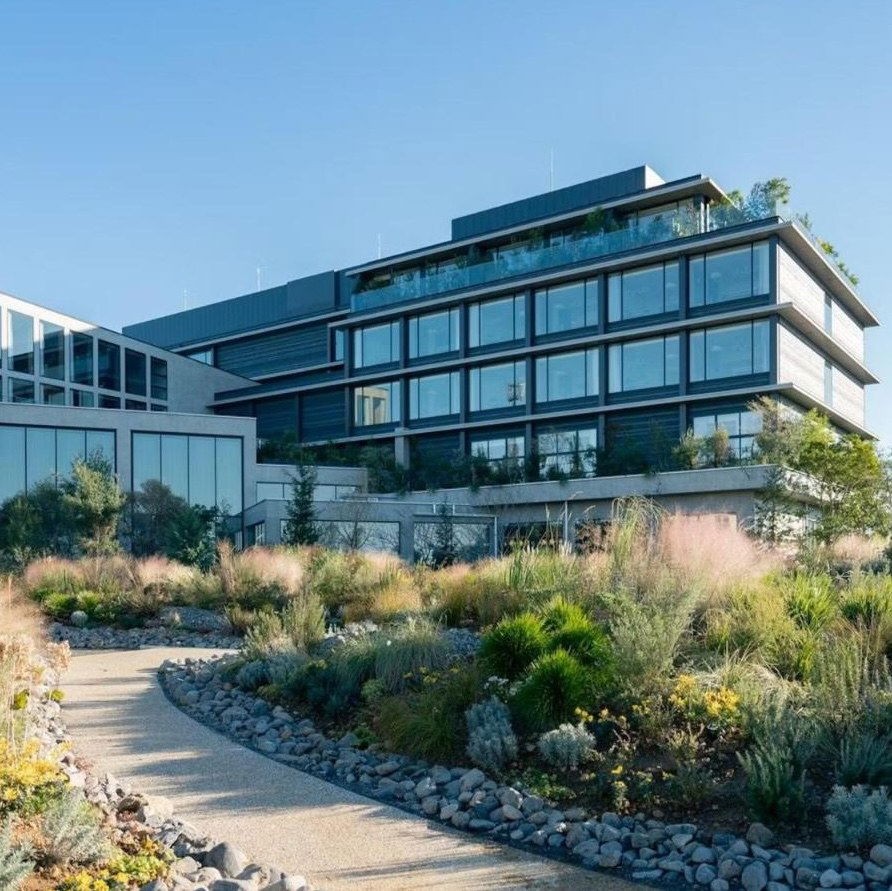
Greenity Iwata presents a quietly confident regional hotel profile: low-rise, deliberately sited and aligned with its greenery rather than city spectacle. As a Michelin Selected property it emphasizes consistent comfort and service precision over architectural showmanship, and the writing stresses a design logic that treats the surrounding landscape as part of the experience. The result is an understated, serene retreat for travelers who prefer minimalism and careful attention to place—an unflashy, thoughtfully composed stay that privileges landscape immersion and the calm of a secondary-city setting.
Best For
This is a clear choice for travelers moving along the Tokaido corridor—particularly domestic guests and business travelers passing between Nagoya and Shizuoka—who want a reliable, well-considered stopover. The hotel also suits visitors exploring the nearby Enshunada coast or Shizuoka’s tea-growing zones, and anyone seeking a low-density, landscape-forward alternative to urban high-rises. Michelin selection signals dependable hospitality, so it appeals to guests who value consistency, attention to service, and a quieter base for short stays and regional exploration.
Stay Tips
Treat Greenity Iwata as an intentional regional stop: its address (Iwai 2280) places it conveniently between larger hubs, so plan it as a mid-journey overnighter or base for local outings. Rely on the Michelin Selected cue as an indicator of consistent comfort and service rather than big-city amenities. Because the property emphasizes its grounds and a lower-density siting, expect a quieter, landscape-oriented experience; book with that purpose in mind if you prefer calm, design-led accommodations on a domestic route.
Venue details
Ambiance
Serene and tranquil with biophilic design, high ceilings, lush surroundings, and peaceful hilltop setting blending nature and minimalist interiors.
Tags
Vibe
Best For
Experience
Amenities
View
Accessibility
About the Stay
- Rooms
- 55
- Property Style
- Nature Inspired Luxury Retreat on Scenic Green Hill
- Design Style
- Minimalist Biophilic Design with Green Elements
Know before you go
Know Before You Go
- Getting there
- 2280 Iwai, Iwata, Shizuoka 438-0016, Japan
Planning details
Location
Recognition and awards
Also consider
Also Consider
- B&B Itadaki, Notable alternative
- Gamagori Classic Hotel, Notable alternative
- Fugaku Gunjo, Notable alternative
- Oyado The Earth, Notable alternative
- Arcana Izu, Notable alternative
Hotel context
Greenity Iwata is the better fit if the trip is anchored in Iwata and convenience matters more than resort atmosphere. B&B; Itadaki reads as the simpler alternative, while Greenity Iwata has the stronger external recognition thanks to its Michelin hotel selection.
If the stay can move out of Iwata, Gamagori Classic Hotel is the more heritage-led comparison, better for travelers who want old-hotel character over city practicality. Fugaku Gunjo and Oyado The Earth are stronger choices when the hotel is meant to be the main event, though they ask for more commitment in both itinerary and likely spend.
Arcana Izu is the better cross-shop for a quieter retreat feel. Greenity Iwata wins on ease for Iwata-based plans; the others make more sense when ambiance, seclusion, or a destination-style stay outweigh location efficiency.
Explore Iwata
Around this place
Discover more on Pearl
Unlock the full Greenity Iwata guide in Pearl, including awards, comparisons, FAQs, planning details, and nearby places.
Compare Greenity Iwata
| Venue | Location | Awards |
|---|---|---|
| Greenity Iwata | Iwata | 2025 Michelin Selected Hotels |
| B&B Itadaki | Shizuoka City | No published awards |
| Gamagori Classic Hotel | Gamagori | No published awards |
| Fugaku Gunjo | Izu | 2025 Michelin 1 Key |
| Oyado The Earth | Toba-shi | World Luxury Hotel Awards 2025Michelin 1 Key 20252025 Michelin 1 Key2024 Michelin 1 Key |
| Arcana Izu | Izu | 2025 Michelin 1 Key2024 Michelin 1 Key |


How Greenity Iwata compares with similar nearby venues.
FAQ
Frequently Asked Questions
How is the location of Greenity Iwata?
Greenity Iwata is in Iwata. It makes the most sense for travelers whose plans are centered on the city.
Is Greenity Iwata good for business travel?
It can be considered if you need to stay in Iwata, and the MICHELIN Guide, Hotels Selected (2025) recognition gives it an external hotel-selection signal.
How does Greenity Iwata compare to nearby hotels?
Greenity Iwata is the option to consider when staying in Iwata itself matters. Gamagori Classic Hotel is another regional option to compare if your plans are flexible.
What is check-in like at Greenity Iwata?
How is the dining at Greenity Iwata?
If meals are central to the stay, confirm current dining options directly with the hotel or compare other regional stays such as Fugaku Gunjo or Oyado The Earth.
Which room category is best at Greenity Iwata?
Review the current room descriptions at booking and choose based on the space, bedding, and features you need for an Iwata stay.