
Paradise City Incheon
Jung-gu, Incheon
Hotel in Incheon, South Korea
 Book with Pearl
Why go
Paradise City Incheon is easiest to recommend for business travelers or stopover guests who want a full-service base in Jung-gu rather than a Seoul-centered stay. Its 2025 MICHELIN Guide hotel selection helps justify the choice when rates are competitive, but the value is weaker if the trip will mostly happen outside Incheon.
About Paradise City Incheon
Paradise City Incheon is a hotel option in Incheon with a smart casual dress code and MICHELIN Guide Hotels Selected recognition for 2025. This makes it a useful choice to consider if you are planning a stay in the city and want a hotel with a recognized guide signal. Before booking, check the room details, facilities, dining options, prices, service hours, and transport arrangements that matter most to your trip.
A hotel choice to evaluate around your Incheon plans
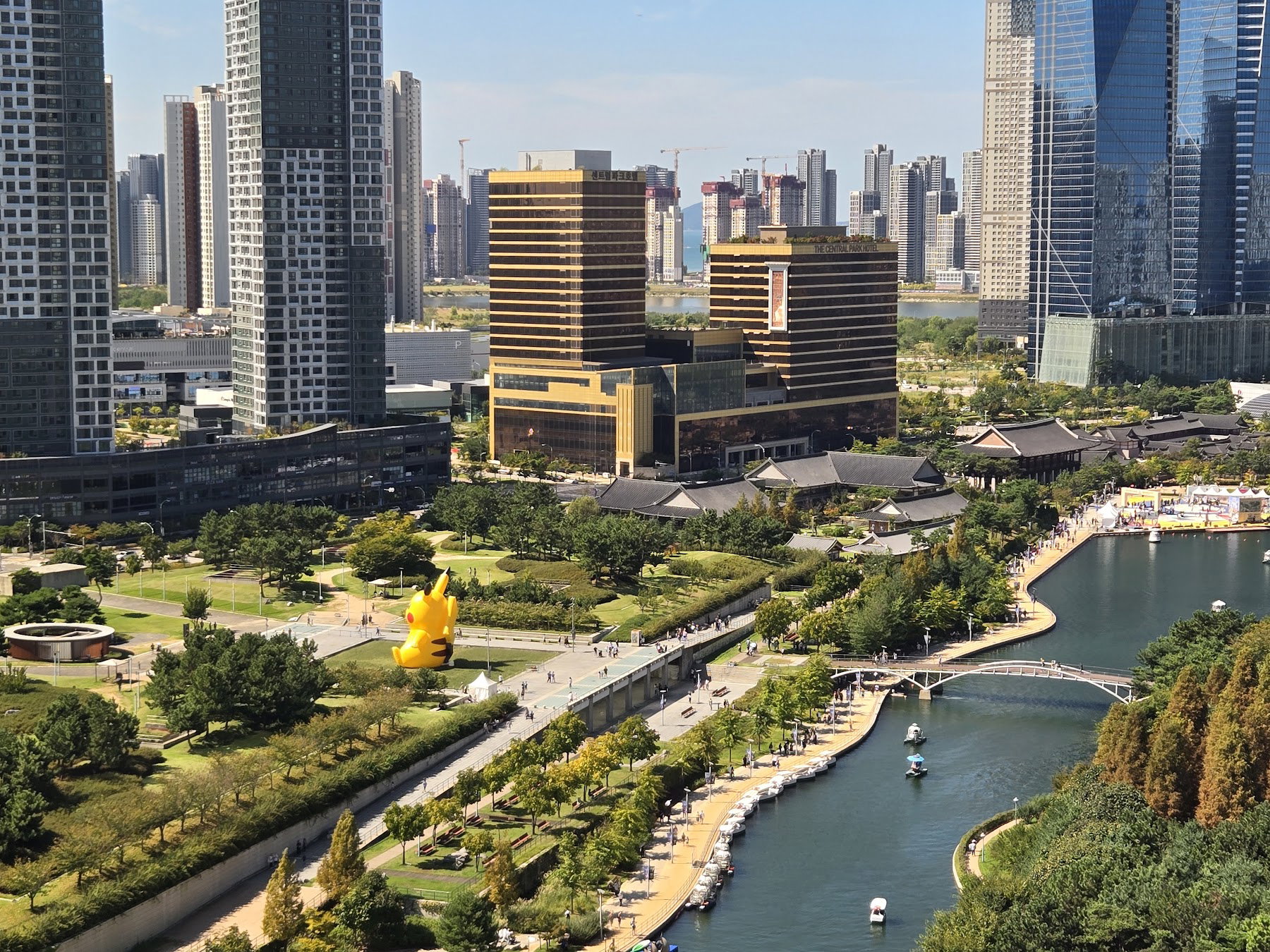
The practical appeal depends on whether Incheon is the right base for your trip. If your schedule is centered on Incheon, Paradise City Incheon may be worth considering alongside other hotels in the city. If your plans are mostly elsewhere, compare the location and travel time carefully before committing.
The 2025 MICHELIN Guide hotel selection gives the property a useful quality signal. It does not confirm specific room categories, amenities, dining options, or price value, so it should not be treated as a guarantee that every stay will suit every traveler. Use the recognition as one factor, then check current rates, room details, and policies directly with the hotel.
Who should book, and who should look elsewhere
Book this if you want to stay in Incheon and are looking for a hotel with MICHELIN Guide Hotels Selected recognition. It may be less compelling if your itinerary is not focused on Incheon or if you need specific details on particular facilities, dining, accessibility, or room configurations before choosing a property.
For broader planning, use Our full Incheon hotels guide to compare the city's hotel options, and check Our full Incheon restaurants guide if meals will drive the itinerary. Travelers building a Korea-wide shortlist should compare other options generically based on location, current rates, and services.
Quick reference: best considered as an Incheon hotel with smart casual dress code guidance and MICHELIN Guide Hotels Selected 2025 recognition.
Planning details
- Location
- 186, Yeongjonghaeannam-ro 321beon-gil, Jung-gu, Incheon, Korea
- Phone
- (+82)032-729-2000
The take
The Take
The Vibe
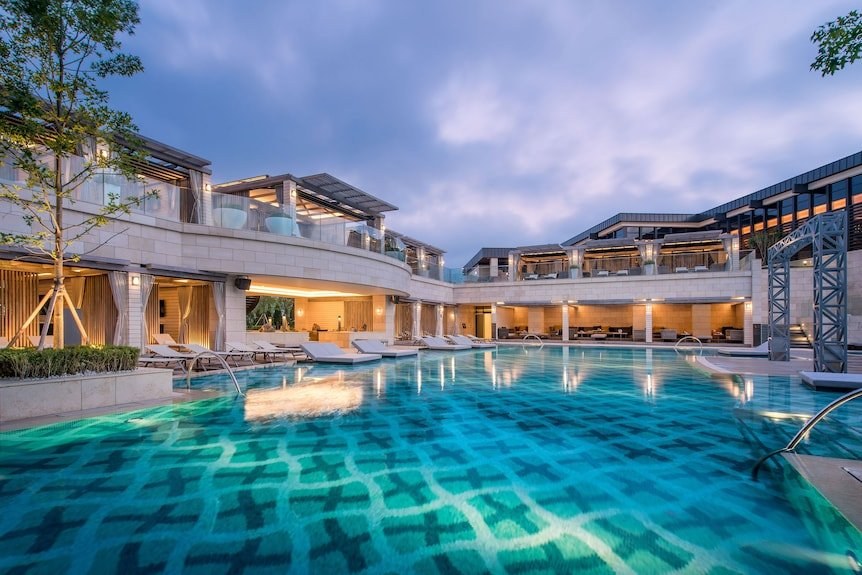
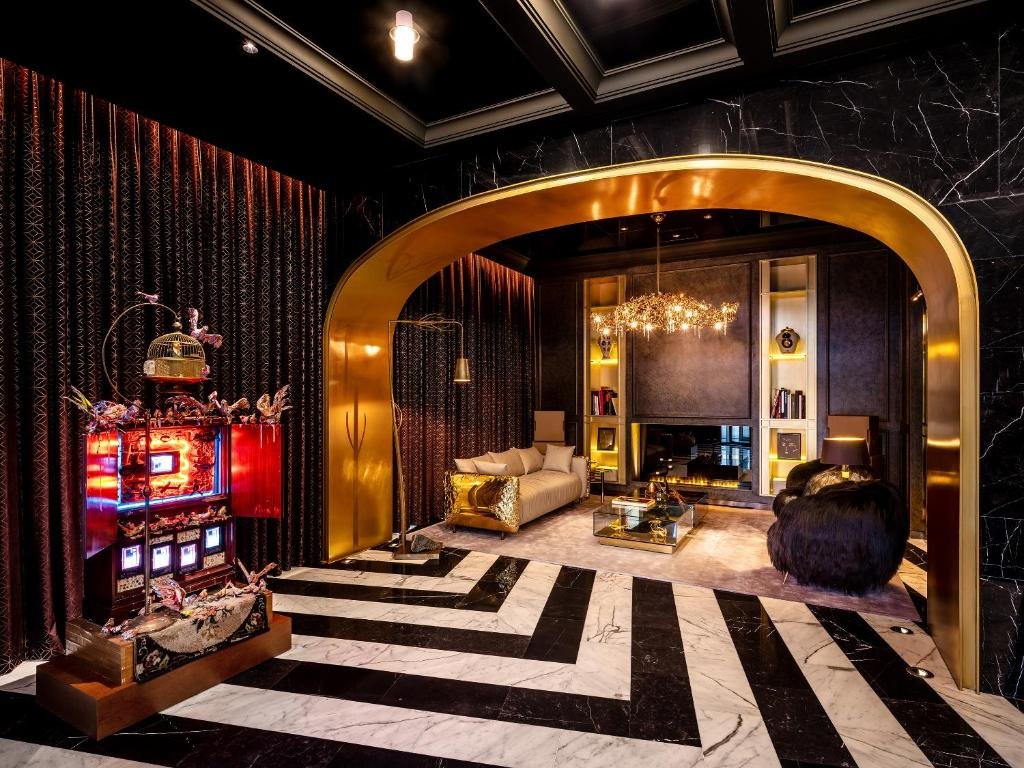
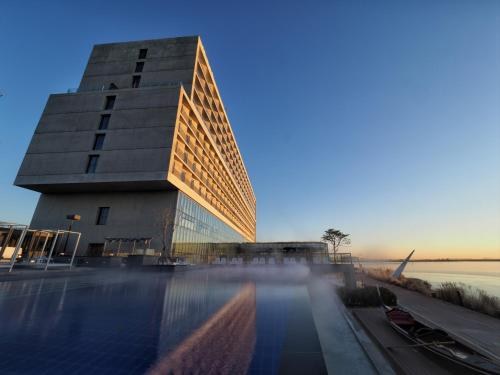
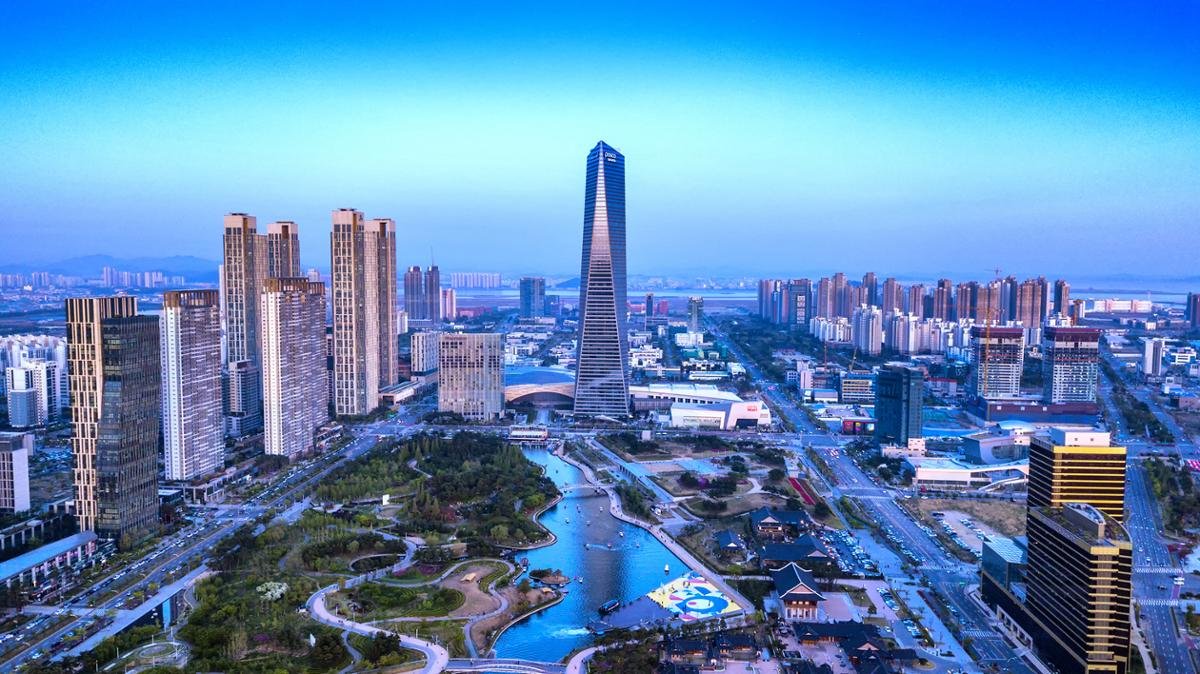
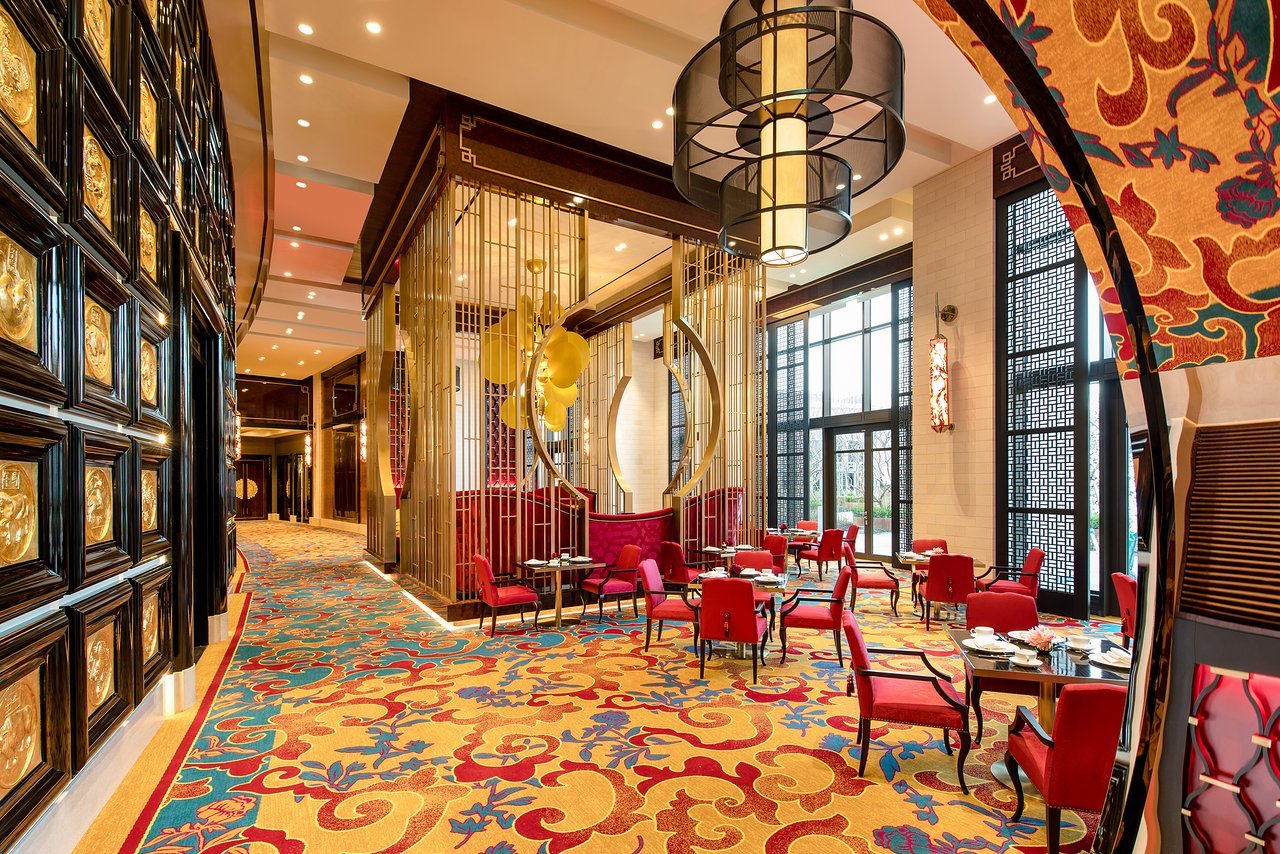
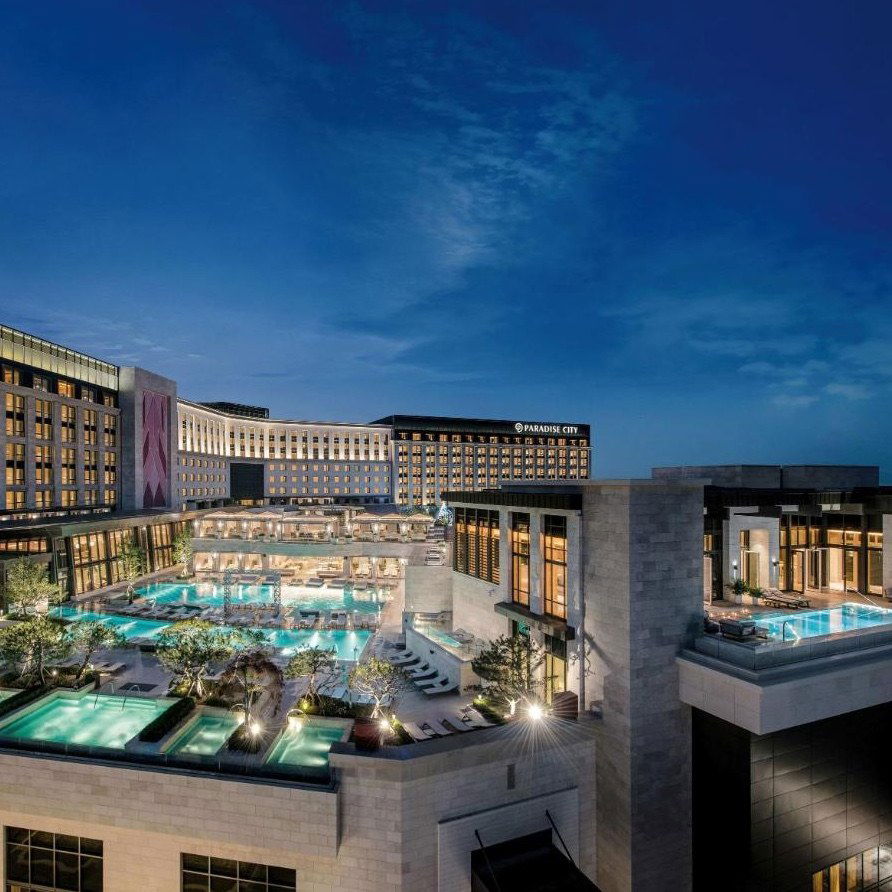
Paradise City reads more like a cultural campus than a standard airport hotel: large-format sculpture, curated public art and a design language that borrows from contemporary museum architecture arrive well before the lobby. The scale of the compound and the breadth of food-and-beverage concepts give the place an energetic, resort‑level momentum that feels intentionally elevated rather than purely convenient. Michelin Selected recognition underlines that the property is being judged on hospitality and dining quality, not just proximity to the runway, so the overall impression is one of an iconic, design-forward destination that rewards time spent on site.
Best For
This property suits travelers who treat a layover or overnight near Incheon as an opportunity rather than a necessity. It is ideal for guests arriving with time to spare or departing with a night to fill, and for families or weekend visitors who want resort-scale dining and entertainment on-site. Business travelers who prefer a more ambitious hospitality programme than a typical transit hotel will also find its breadth of restaurants and venues useful. In short, Paradise City is for anyone looking for a reason to stay in the airport zone rather than simply a place to sleep.
Stay Tips
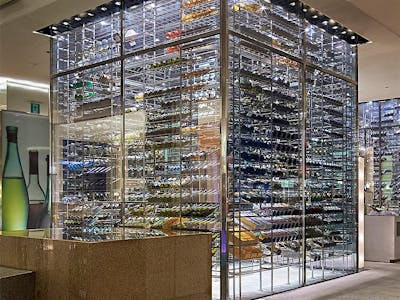
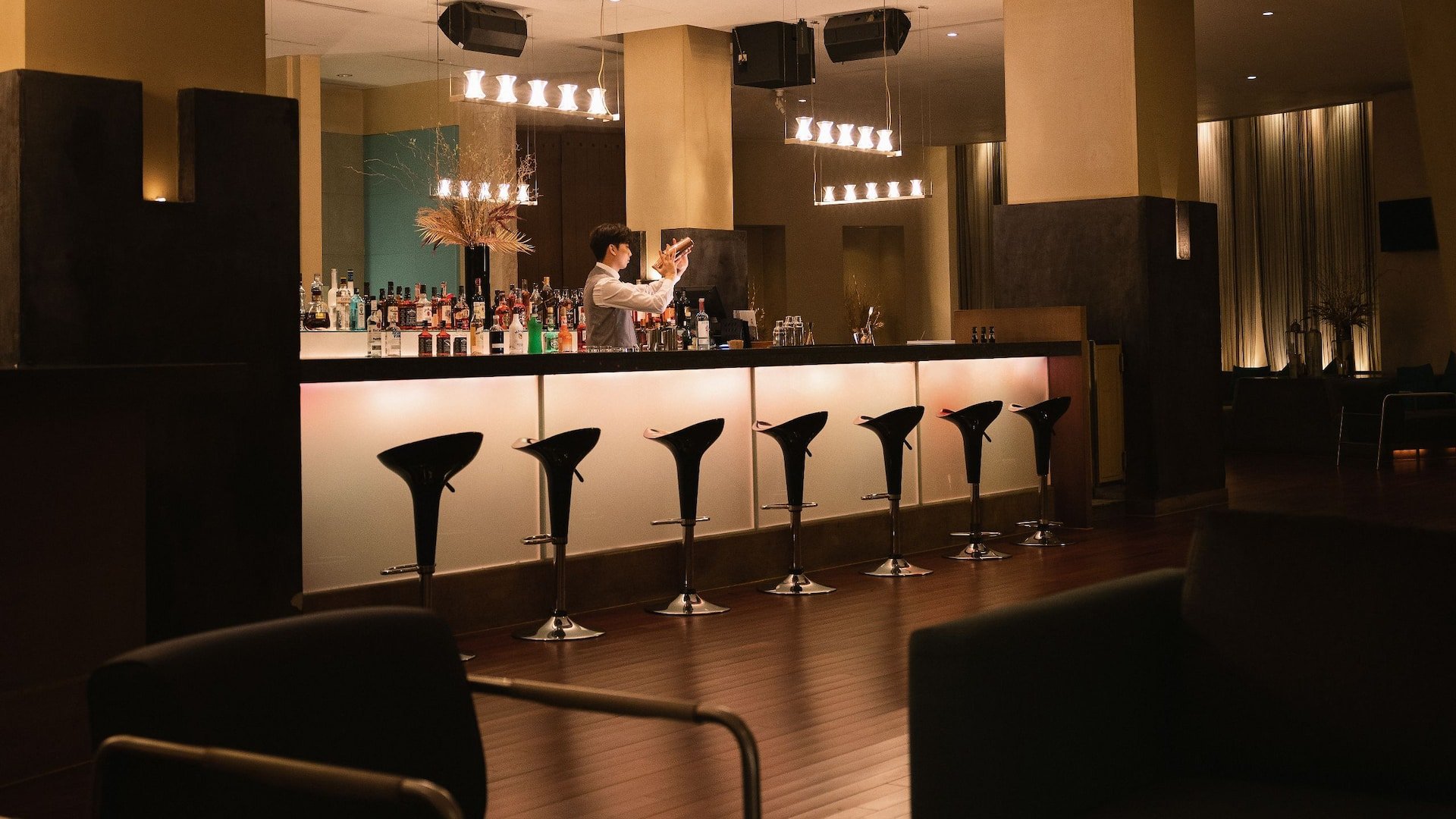
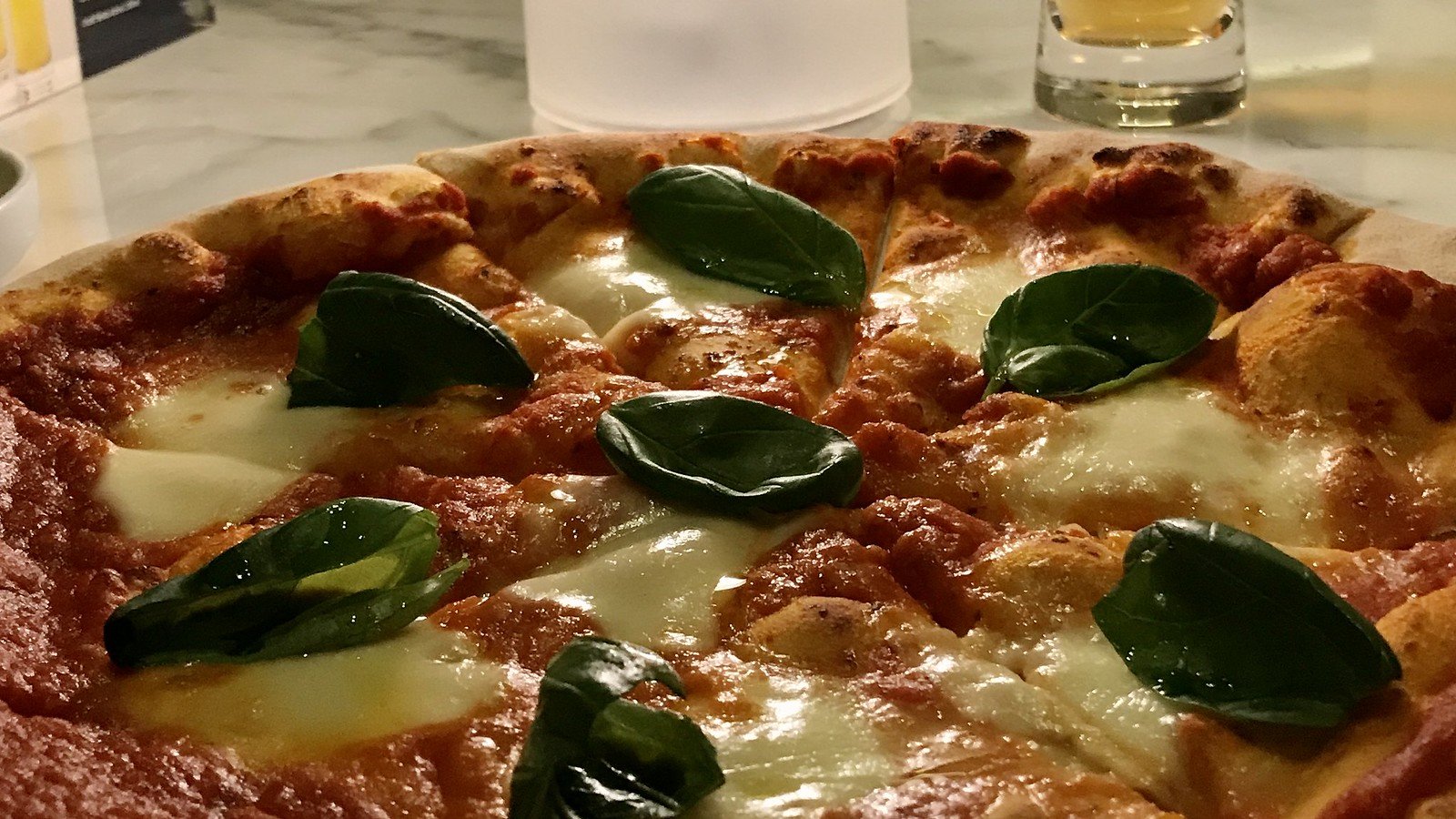
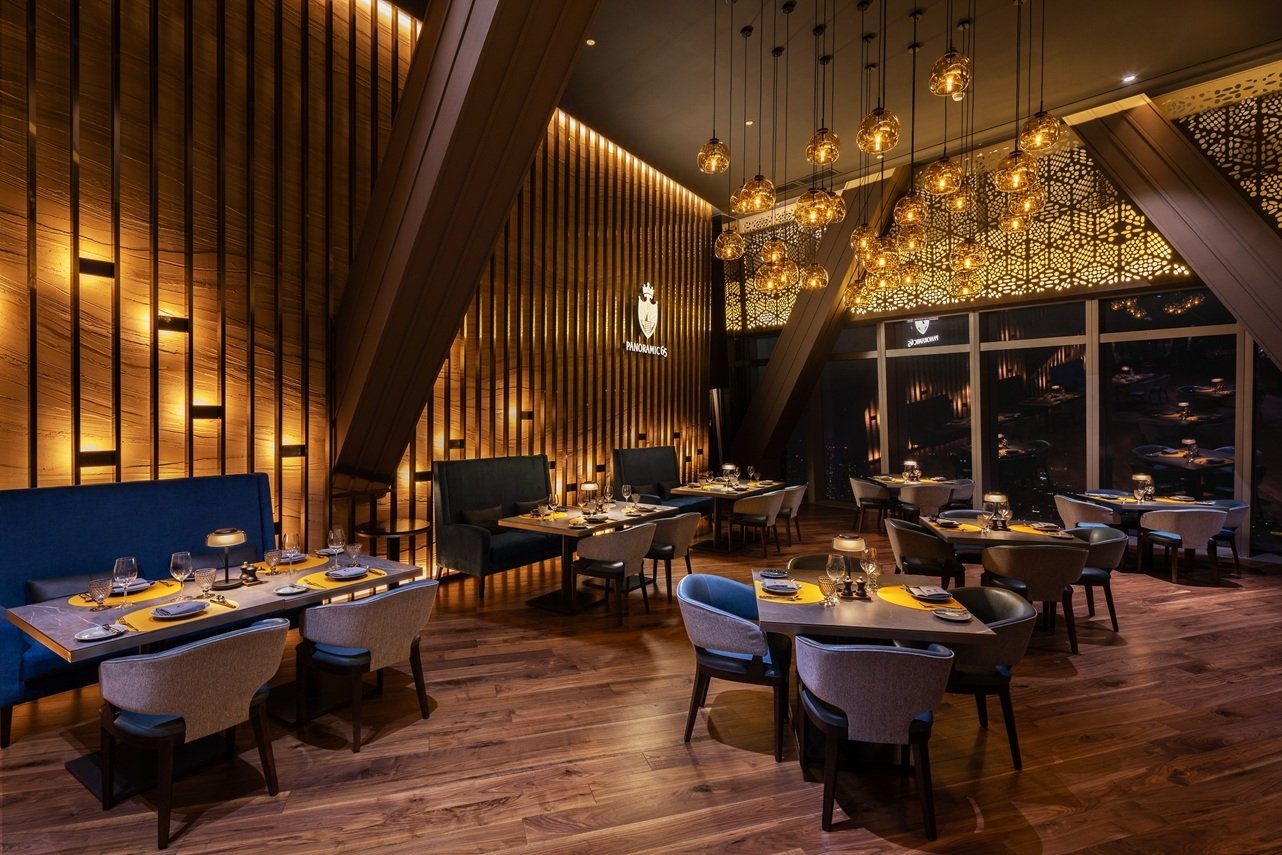
Expect a broad dining roster rather than a single signature option: the resort houses multiple concepts across cuisines and formats, including casual pool-adjacent options and Michelin-recognized dining. Reserve in advance for the notable restaurants—Michelin Selected status suggests limited seating and higher demand for dinner. Leave time to explore several venues across the compound instead of narrowing in on one, and plan at least one relaxed meal by the poolside concept for a contrast with evening dining.
Venue details
Ambiance
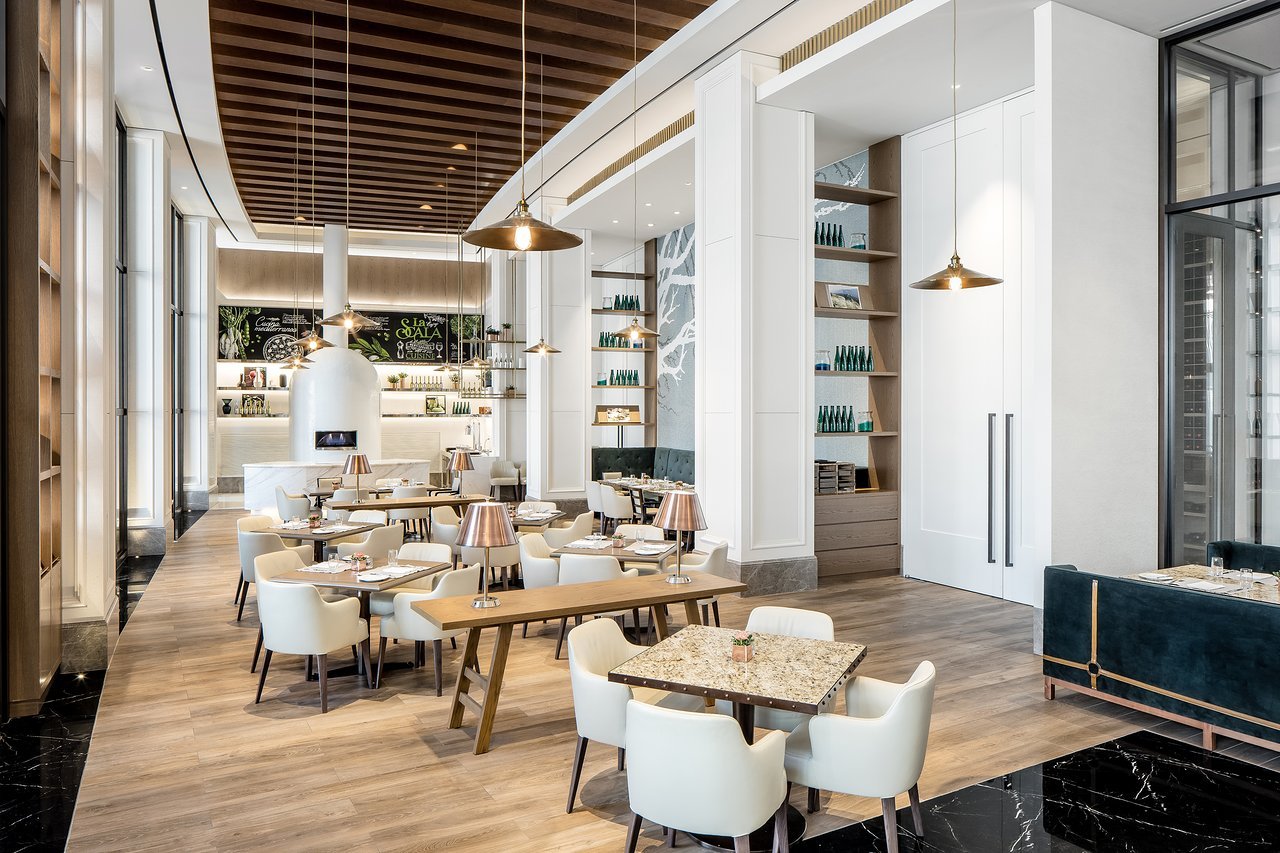
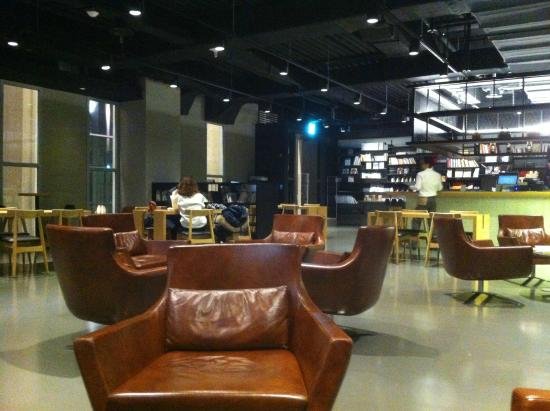
Artistic and relaxed with high ceilings, lofty public spaces, and a harmonious blend of arts and entertainment that feels uncrowded even when busy.
Tags
Vibe
Best For
Experience
Amenities
About the Stay
- Rooms
- 711
- Check-in
- 15:00
- Check-out
- 11:00
- Property Style
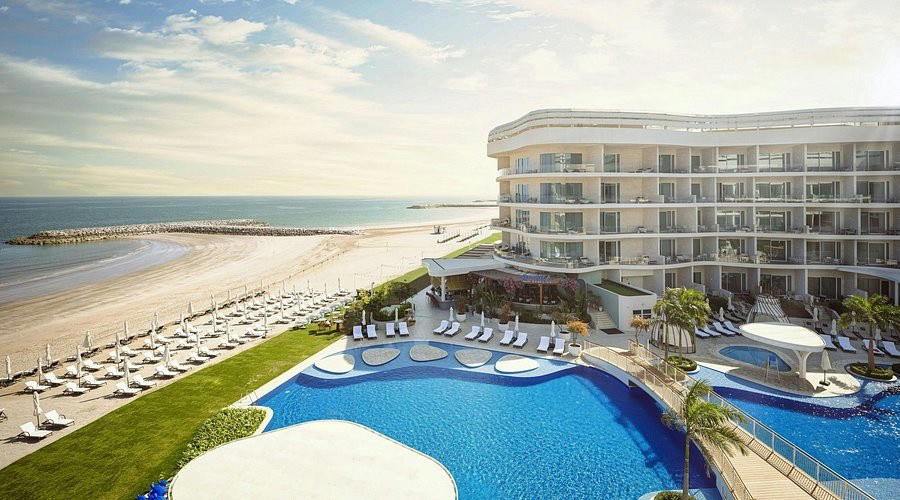
- Contemporary Luxury Resort with Artistic Mood and Integrated Entertainment.
- Design Style
- Modern White and Gold Aesthetic with Trendy, Stylish Interiors Inspired by European Boutique Design.
Know before you go
Know Before You Go
- Getting there
- 186, Yeongjonghaeannam-ro 321beon-gil, Jung-gu, Incheon, Korea
Planning details
Location
186, Yeongjonghaeannam-ro 321beon-gil, Jung-gu, Incheon, Korea
Recognition and awards
Explore Incheon
Around this place
Discover more on Pearl
Unlock the full Paradise City Incheon guide in Pearl, including awards, comparisons, FAQs, planning details, and nearby places.
FAQ
Frequently Asked Questions
When is the best time to book Paradise City Incheon?
Book once your Incheon travel dates are fixed and you have confirmed the current rate and room details directly with the hotel. Paradise City Incheon has MICHELIN Guide Hotels Selected 2025 recognition, and demand patterns may vary by season and dates.
Is Paradise City Incheon good for business travel?
Paradise City Incheon may suit travelers who need a hotel in Incheon. Confirm the location, room setup, meeting needs, and any required services directly before booking.
How is the location of Paradise City Incheon?
Paradise City Incheon is in Incheon. Verify the address, neighborhood positioning, and transport logistics against your itinerary before booking.