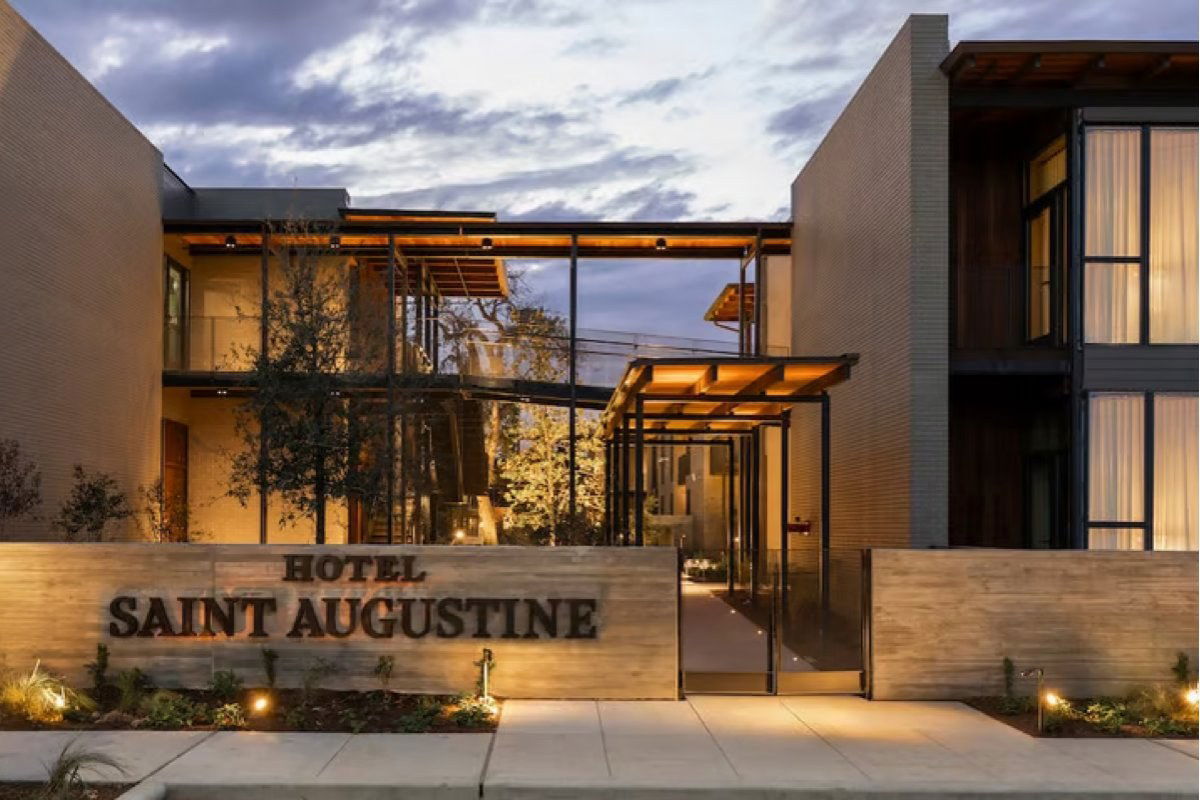



Hotel Saint Augustine
Museum District, Houston
Hotel in Houston, United States
 Book with Pearl
The Read
Multi-Building Design Composition
Why go
Hotel Saint Augustine is the right Houston pick for travelers who want a quieter, design-led stay near the Museum District rather than a large downtown hotel. The 2025 Michelin 1 Key and Esquire 2025 recognition make it a safer bet than many style-first openings, but fixed-date travelers should plan early.
About Hotel Saint Augustine
Hotel Saint Augustine is a Houston hotel with two notable recognition points: Michelin 1 Key in 2025 and inclusion in Esquire Best New Hotels in 2025. For travelers comparing premium Houston stays, those are the strongest reasons to keep it on the shortlist.
A recognized Houston hotel for premium stays
Hotel Saint Augustine's Michelin 1 Key recognition gives it a meaningful quality signal within Houston. Esquire's 2025 Best New Hotels recognition reinforces that it has drawn notable attention among hotels.
For a first stay, that matters because awards can help narrow a crowded hotel search. Travelers should check room categories, dining, facilities, and exact location details directly before booking.
Who should compare alternatives? Travelers who need a specific amenity set, loyalty-program structure, or meeting-focused hotel setup should check those details in advance and compare other Houston options before committing.
Plan around Houston weather and fixed dates
Houston conditions can affect how travelers experience a stay, especially when a trip involves moving around the city. If Hotel Saint Augustine is the main reason for choosing the trip, confirm availability and practical details before setting plans around it.
Because premium hotel demand can vary by date, fixed-date travelers should not treat any specific Houston property as a guaranteed last-minute fallback. For a broader scan of alternatives, use Our full Houston hotels guide; for meals around the stay, Our full Houston restaurants guide is the better companion.
Quick reference: choose this if Michelin 1 Key recognition and Esquire Best New Hotels recognition are meaningful to your Houston hotel search; compare other hotels if your decision depends on specific amenities, loyalty benefits, or room setup.
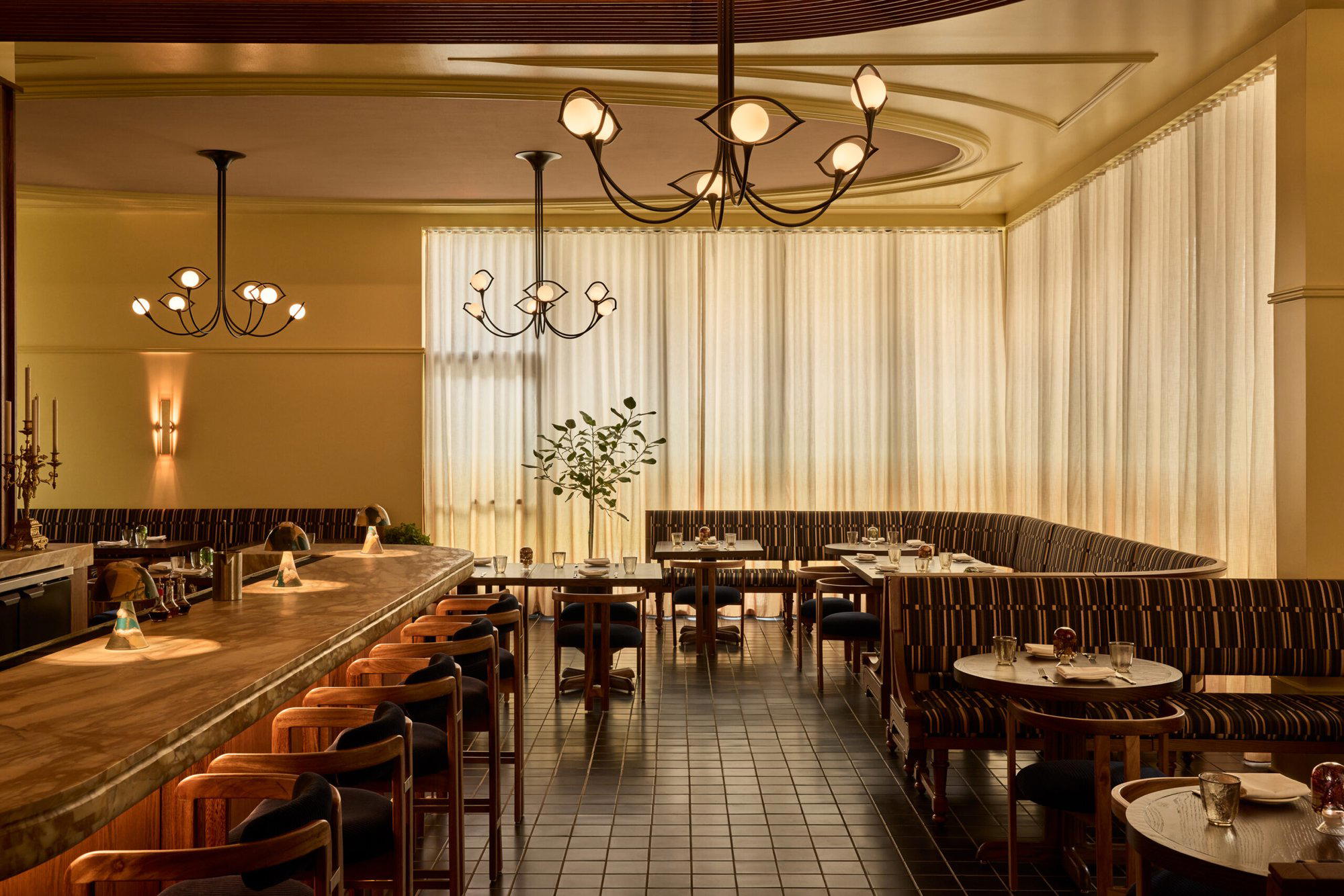
Inside Hotel Saint Augustine
Planning details
- Location
- 4110 Loretto Dr, Houston, TX 77006
- Website
- hyatt.com/bunkhouse-hotels/en-US/iahkb-hotel-saint-augustine?src=corp_lclb_google_seo_iahkb
- Phone
- +1 832-844-0057
The take
The Take
The Vibe
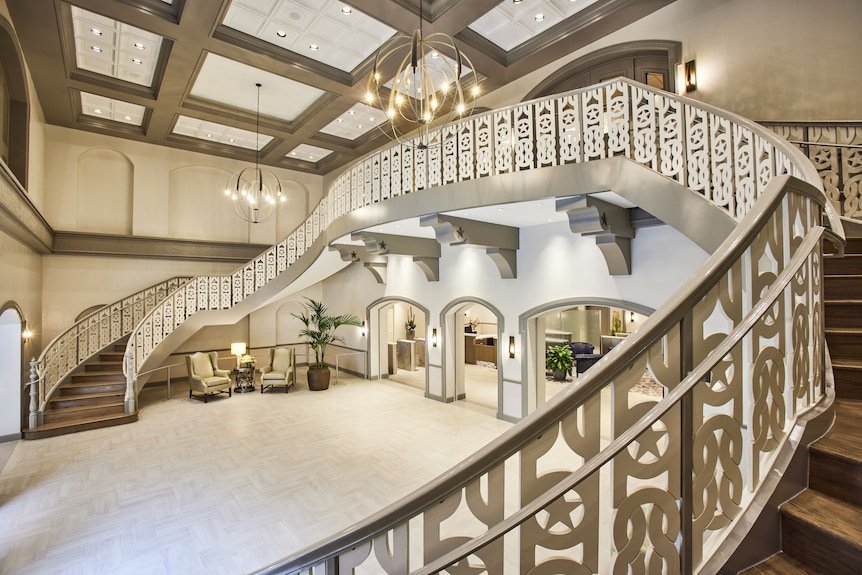
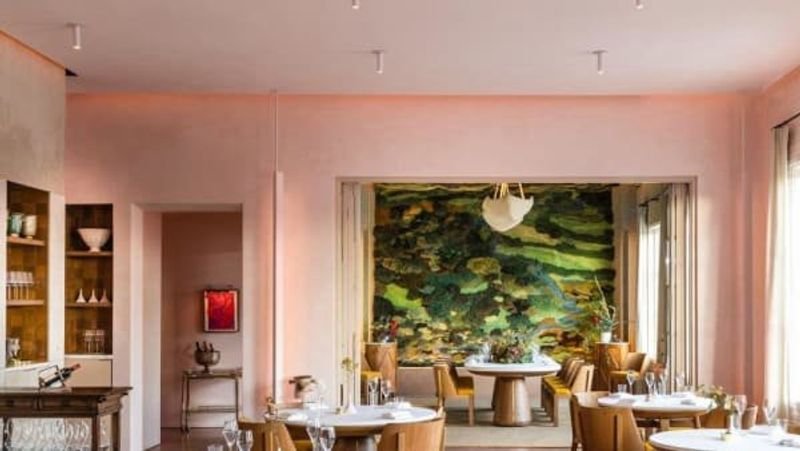
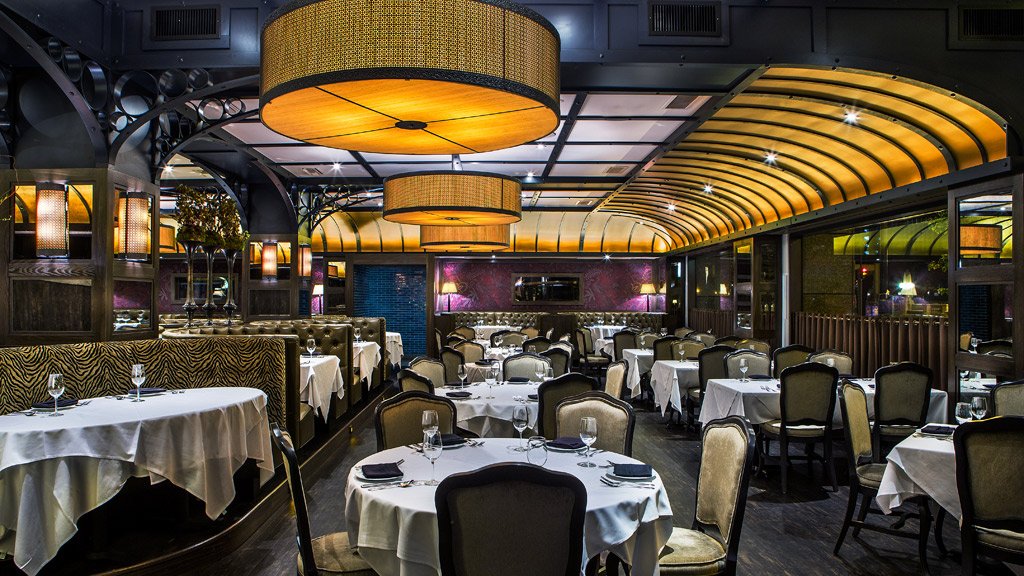
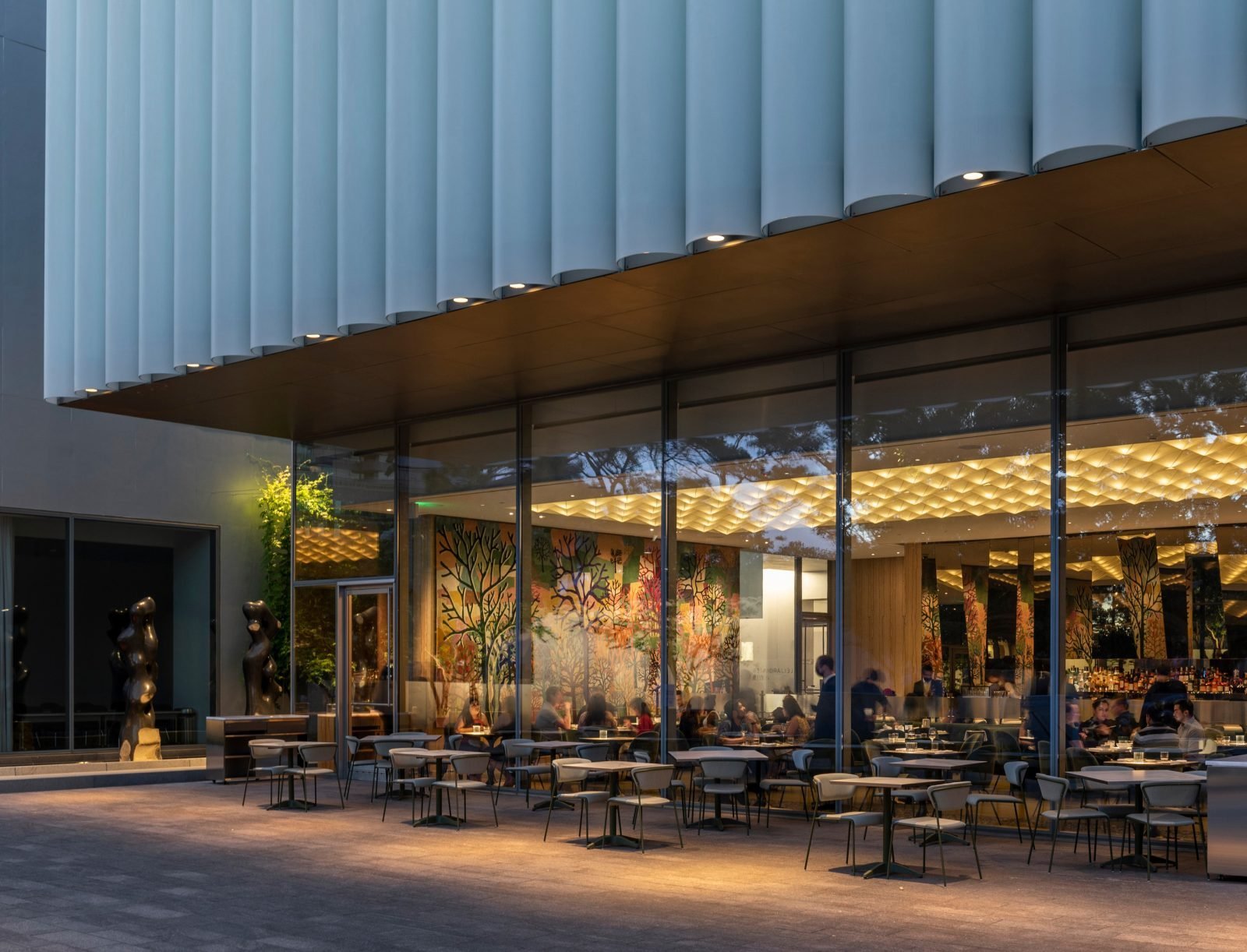
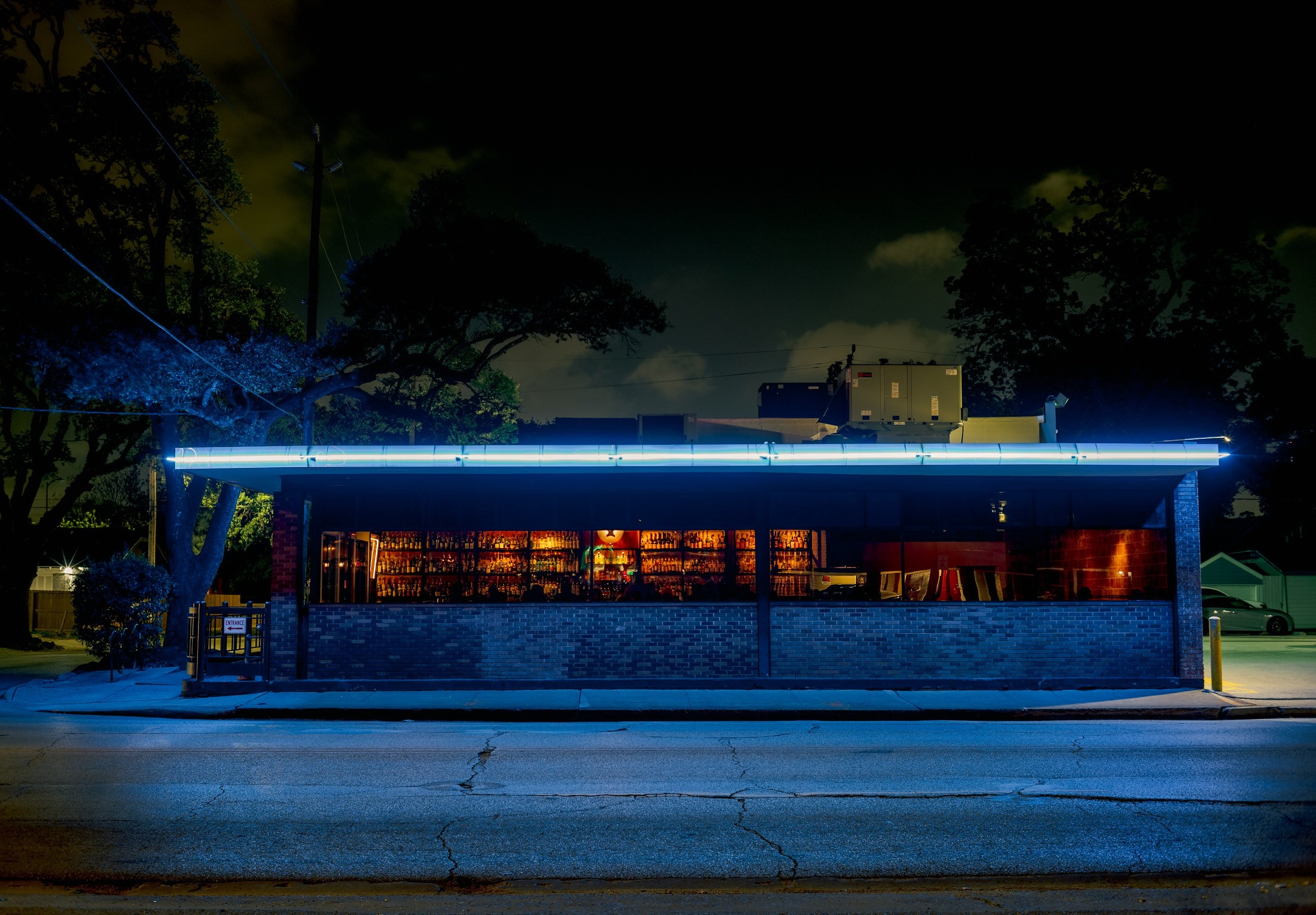
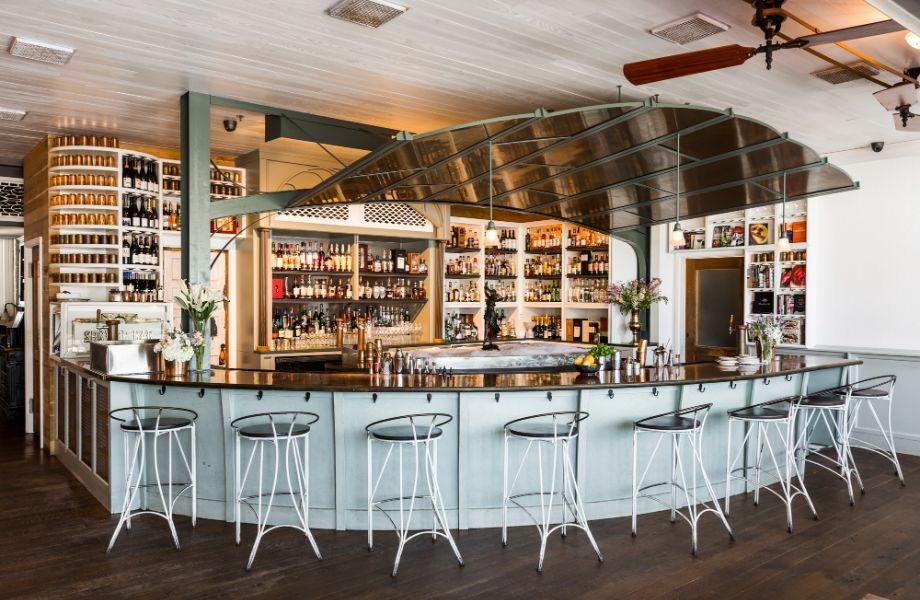
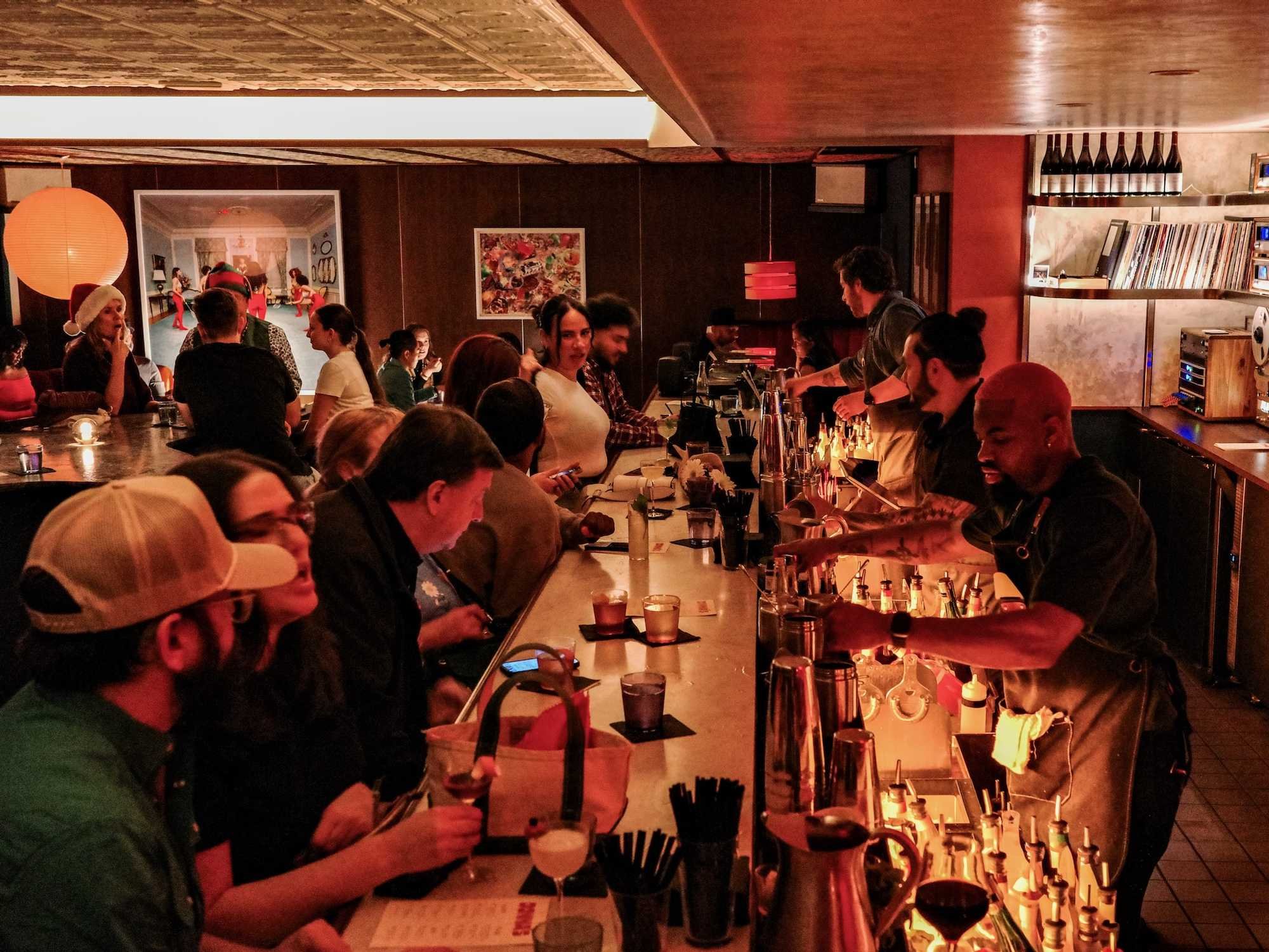
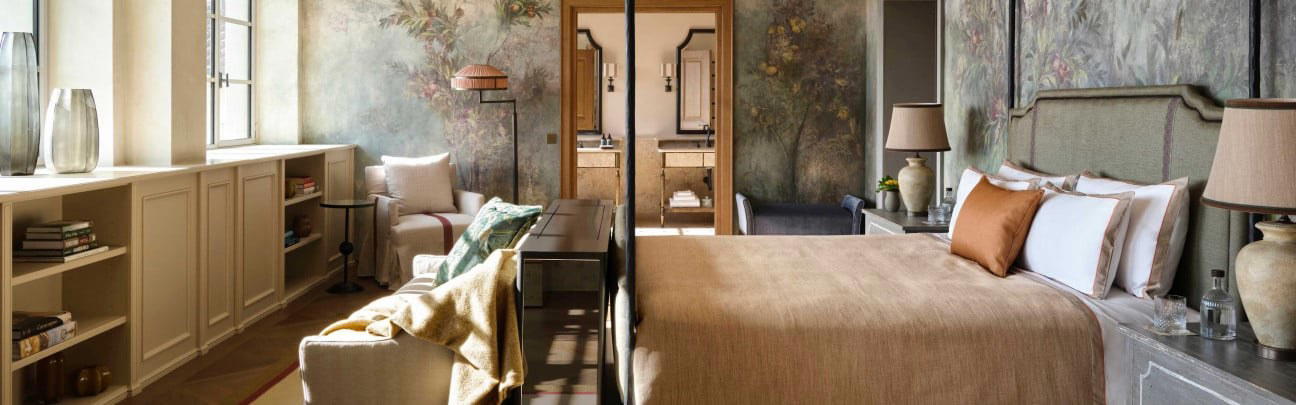
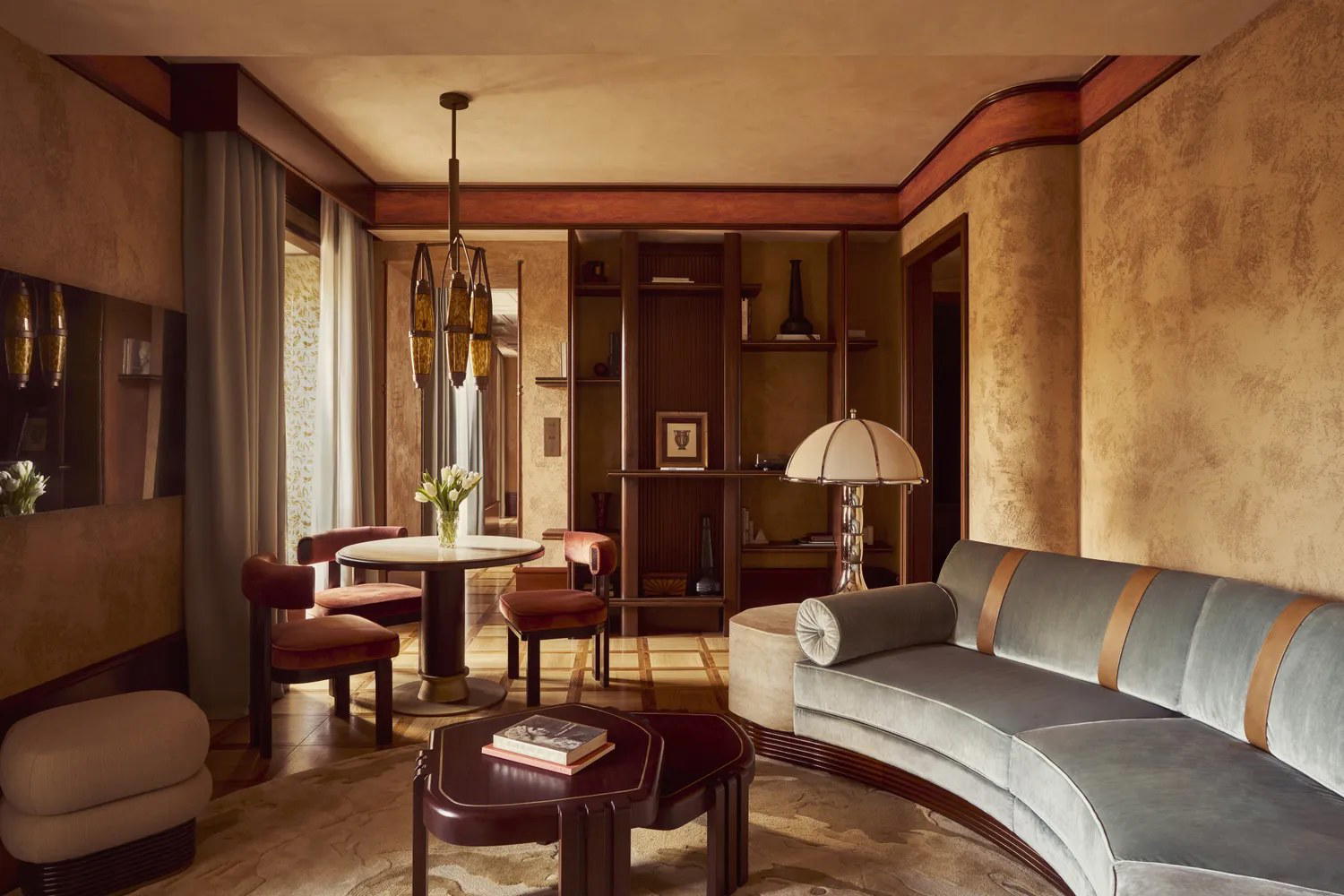
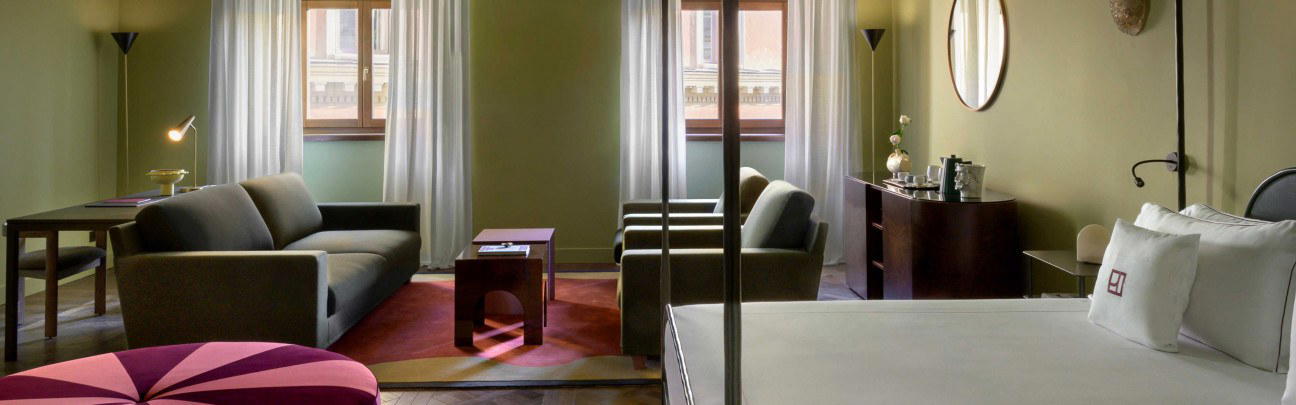
Hotel Saint Augustine reads less like a standardized brand and more like a neighborhood collection: five buildings assembled into a single property where layers of material and objects accumulate. Public rooms are rich with burled walnut, red lacquer and Calacatta Viola marble, punctuated by sculptural furniture and vintage finds, creating a curated, collected atmosphere. Guest rooms pull back in volume and tone, offering a quieter counterpoint; several open onto screened porches and the tree canopy along Loretto Drive. The overall effect is an intimate, design-forward hideaway that feels rooted in Montrose's walkable, arts-inflected streets.
Best For
This hotel suits travelers who prize independent, design-focused stays over large, formulaic towers: design-minded visitors, neighborhood explorers and anyone looking for a quieter, boutique-feel base in Montrose. The property's assembled layout and materially dense public spaces appeal to guests who enjoy interiors with personality, while screened porches and subdued guest rooms reward those who value calm and greenery. It's a strong choice for short urban getaways where walking the local streets and experiencing a place that feels like it has a past matter more than brand amenities or scale.
Stay Tips
When booking, request a room with a screened porch or one that opens onto Loretto Drive's tree canopy if you want direct contact with the hotel's leafy setting. Because the property is made up of five distinct buildings, ask which building your room will occupy—the public spaces are deliberately more layered and lively, while certain guest-room buildings are described as quieter. Note the hotel's design focus and mention any preference for characterful, vintage-accented interiors so front-desk staff can steer you to a room that matches the collected aesthetic.
Venue details
Ambiance
Charming and serene with beautiful architecture, lush gardens, and an inviting, peaceful atmosphere.
Tags
Vibe
Best For
Experience
Amenities
Accessibility
About the Stay
- Rooms
- 71
- Check-in
- 15:00
- Check-out
- 11:00
- Property Style
- Luxury Boutique with Museum Inspired Design
- Design Style
- Eclectic Modern with Artful Furnishings
Know before you go
Know Before You Go
- Getting there
- 4110 Loretto Dr, Houston, TX 77006
Planning details
Location
4110 Loretto Dr, Houston, TX 77006 · Directions
hyatt.com/bunkhouse-hotels/en-US/iahkb-hotel-saint-augustine?src=corp_lclb_google_seo_iahkb
Recognition and awards


Also consider
Where to look if dates do not work
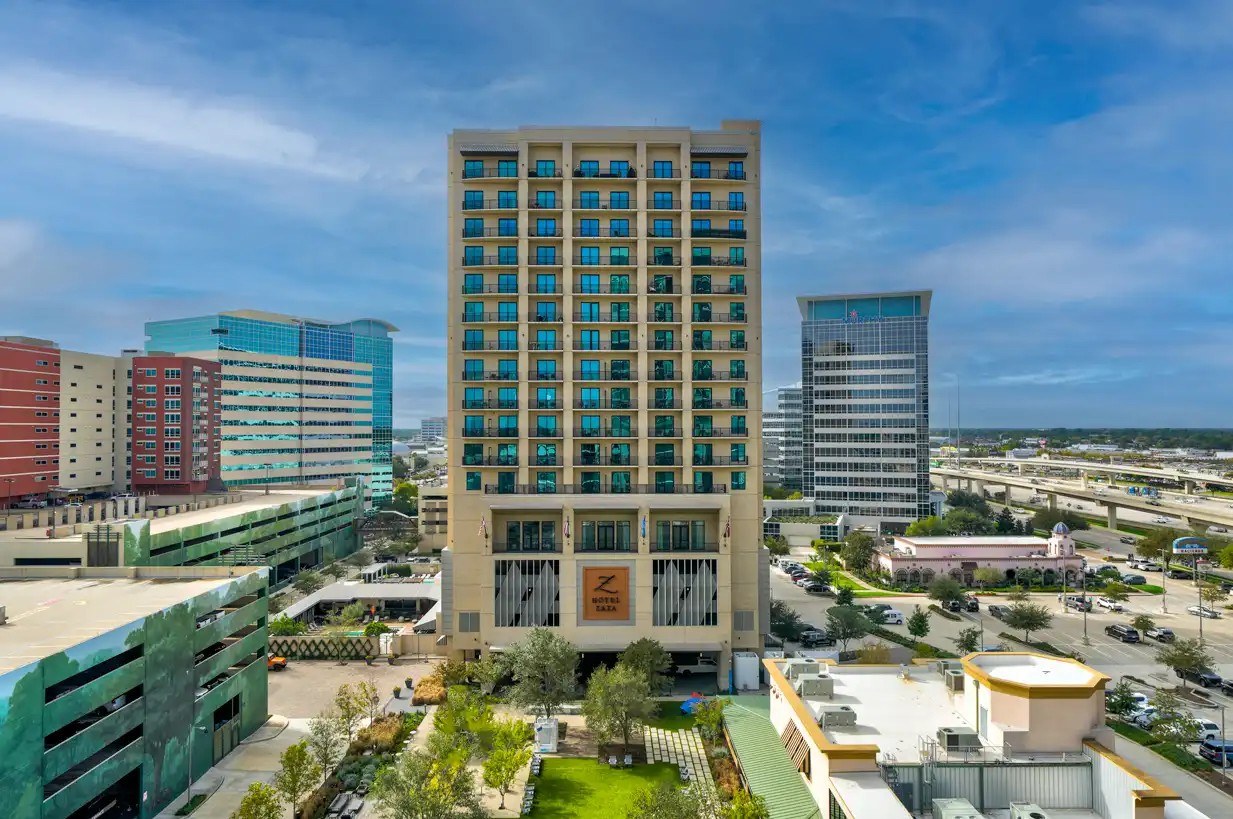
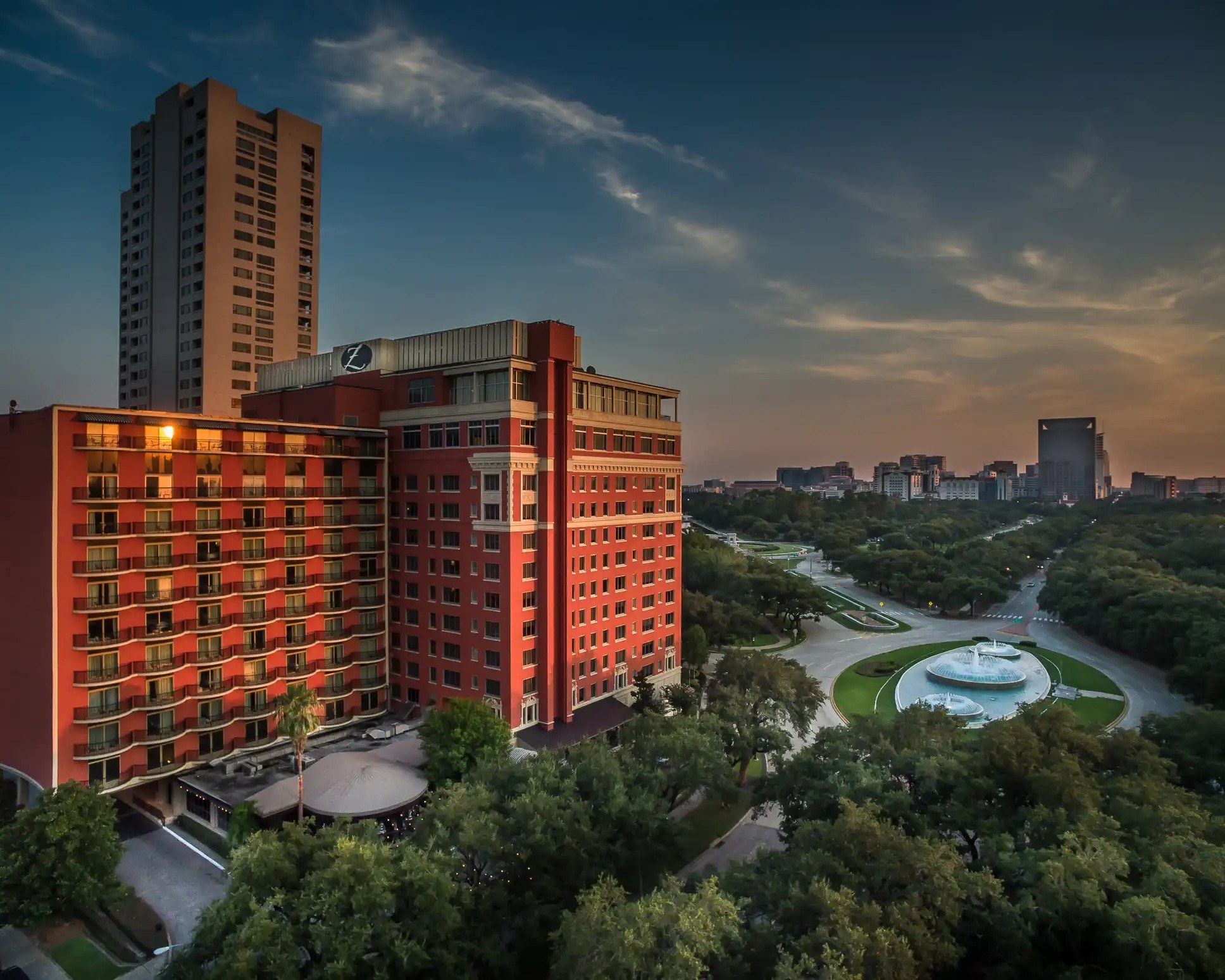
If Hotel Saint Augustine is full, try Hotel ZaZa Museum District first for the closest overlap in area and personality. If the trip is more corporate or downtown-heavy, Four Seasons Hotel Houston is the cleaner fallback.
Hotel context
How it compares in Houston
Choose Hotel Saint Augustine over Hotel ZaZa Museum District if the priority is a quieter, more design-focused stay near the cultural core. ZaZa is the better cross-shop for travelers who want a more theatrical hotel mood and an established Museum District name; Saint Augustine is the cleaner choice for a calmer first visit.
Thompson Houston is the stronger fit for travelers who want a bigger, more scene-driven luxury hotel experience, while Four Seasons Hotel Houston is the safer pick for classic service depth and downtown convenience. Saint Augustine competes less on scale and more on atmosphere, which makes it better for couples and design-led weekends than conventional business travel.
For easier corporate logistics, compare C. Baldwin, Curio Collection By Hilton. For a more traditional Houston stay with historic character, The Lancaster Hotel is the better alternative. Saint Augustine is the one to prioritize when the hotel's physical feel is central to the trip.
Around this place
Discover more on Pearl
Unlock the full Hotel Saint Augustine guide in Pearl, including awards, comparisons, FAQs, planning details, and nearby places.
Compare Hotel Saint Augustine
| Venue | Location | Awards |
|---|---|---|
| Hotel Saint Augustine | Houston | 2025 Esquire Best New Hotels2025 Architectural Digest Great Design Hotel Award WinnersMichelin 1 Key 20252025 Michelin 1 Key |
| Hotel ZaZa Museum District | Houston | 2025 Michelin 1 Key2024 Michelin 1 Key |
| Thompson Houston | Houston | No published awards |
| C. Baldwin, Curio Collection By Hilton | Houston | No published awards |
| Four Seasons Hotel Houston | Houston | 2026 Forbes 4-Star2025 Forbes 4-StarFour Seasons Hotels |
| The Lancaster Hotel | Houston | 2026 Michelin Guide New Hotels2025 Michelin Selected HotelsPreferred Hotels L.V.X. Collection 2025 |




How Hotel Saint Augustine Houston compares with similar nearby venues.
FAQ
Frequently Asked Questions
Is Hotel Saint Augustine good for business travel?
It may work for business travel, but travelers who need a specific meeting setup, business-service package, or corporate-hotel format should check those details before booking. The clearest planning anchors are its Houston location, Michelin 1 Key recognition, and Esquire Best New Hotels recognition. For comparison, consider Four Seasons Hotel Houston as another Houston option.
Which room category is best at Hotel Saint Augustine?
Choose based on the room descriptions available through the hotel or booking channel, especially if you need extra space for work, family travel, or a longer stay.
When is the best time to book Hotel Saint Augustine?
Book when the hotel fits your Houston travel dates and confirm availability early if the property is a priority. Its Michelin 1 Key and Esquire Best New Hotels (2025) recognition make it worth checking ahead rather than assuming last-minute space will be available.
Is Hotel Saint Augustine family-friendly?
It may work for some family trips, but families should check amenities, room setups, and policies directly before booking. For comparison, Four Seasons Hotel Houston is another Houston option.