Hotel Mawimbi
Isla Holbox, Holbox
Hotel in Holbox, Mexico
 Book with Pearl
The Read
Sand-Road Seclusion
Why go
Hotel Mawimbi is a practical Holbox pick for travelers who value a central base over a full resort setup. Book it if the rate reflects that simplicity; cross-shop more design-led island hotels if the room, pool, spa, or dining program is meant to carry the trip.
About Hotel Mawimbi
Hotel Mawimbi is a hotel in Holbox.
Because specific information such as room types, amenities, dining, pricing, service format, ratings, and awards is not included, the safest booking approach is to confirm the details that matter directly before committing.
Book only after confirming the details you need
The grounded takeaway is simple: Hotel Mawimbi is in Holbox. If you are considering it, verify current room options, rates, policies, amenities, and any on-property dining or wellness facilities before treating it as the right fit for your trip.
Without star rating, award information, room hierarchy, dining format, or pricing detail, this should not be framed as a luxury, resort, budget, or design-led choice on the basis of this page alone. Compare current listings and choose based on confirmed information.
Who should cross-shop before deciding
If the hotel stay is an important part of the trip, start with our full Holbox hotels guide and compare against Nomade Holbox, Awa Holbox Hotel Boutique, Casa Las Tortugas Petit Beach Hotel & Spa, Hotel Punta Caliza, or Ser Casasandra. For planning around the stay, use our full Holbox restaurants guide, along with other Holbox planning resources.
Planning details
- Location
- Av. Damero 1, Centro, 77310 Holbox, Q.R.
- Website
- mawimbi.com
- Phone
- +52 984 316 2830
The take
The Take
The Vibe
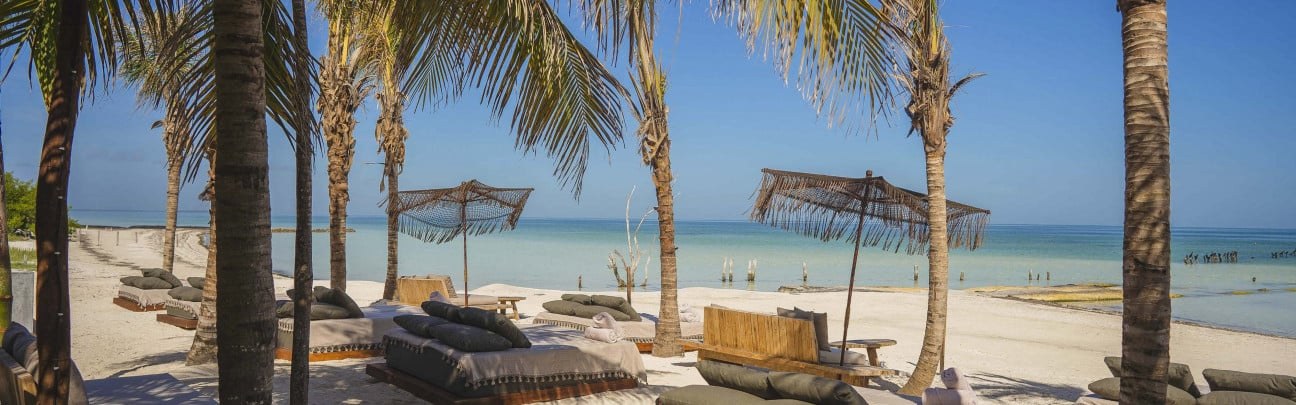
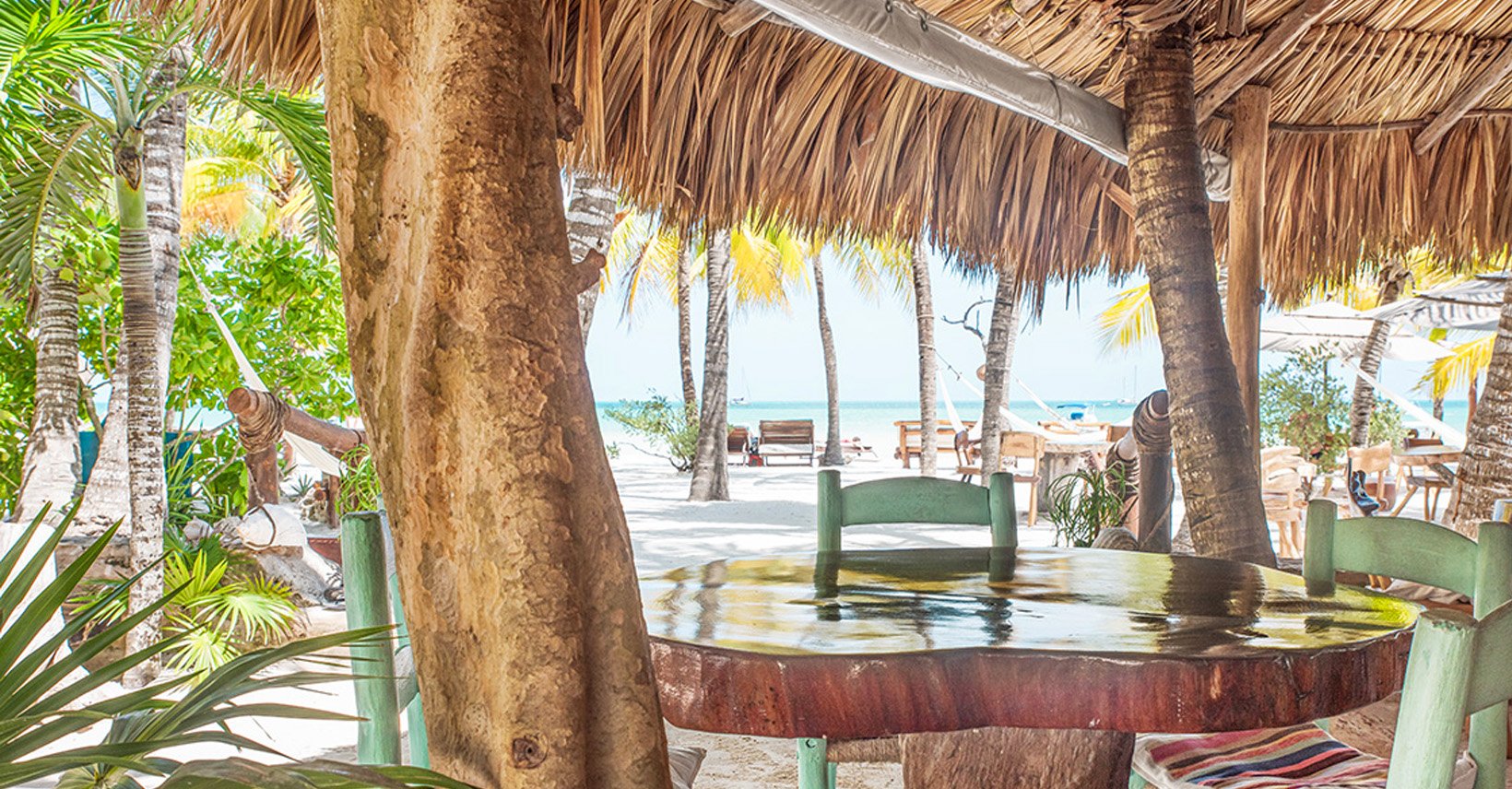
Hotel Mawimbi reads as a restrained, contemporary island stay that prioritizes horizontality and material honesty over vertical spectacle. The design leans on open-sided, palapa-like construction and natural materials so that interiors feel porous to the breeze rather than sealed and air-conditioned. The property's orientation toward the sea and the shallow, lagoon-edged landscape produce a calm, low-key atmosphere — quiet and considered rather than dramatic. Guests experience a modern, relaxed sensibility that respects Holbox's car-free, small-scale character, favoring subtle craftsmanship and daylighted, permeable spaces over showy resort gestures.
Best For
Mawimbi is best for travelers who want a low‑fuss Holbox base: couples and solo travelers seeking a quiet island pause, and anyone who prefers strolling to nearby restaurants and bars rather than relying on resort infrastructure. Its close proximity to the main plaza makes it convenient for evening walks, while the property's seaward orientation gives easy access to the lagoon-edge calm that defines the island. The hotel suits short getaways and weekend escapes where a relaxed, low-density setting is the main draw.
Venue details
Ambiance
Peaceful and relaxing beachfront atmosphere with magical evening lighting, bonfires, and a tranquil vibe praised in guest reviews.
Tags
Vibe
Best For
Experience
Amenities
View
Accessibility
About the Stay
- Rooms
- 14
- Check-in
- 15:00
- Check-out
- 12:30
- Property Style
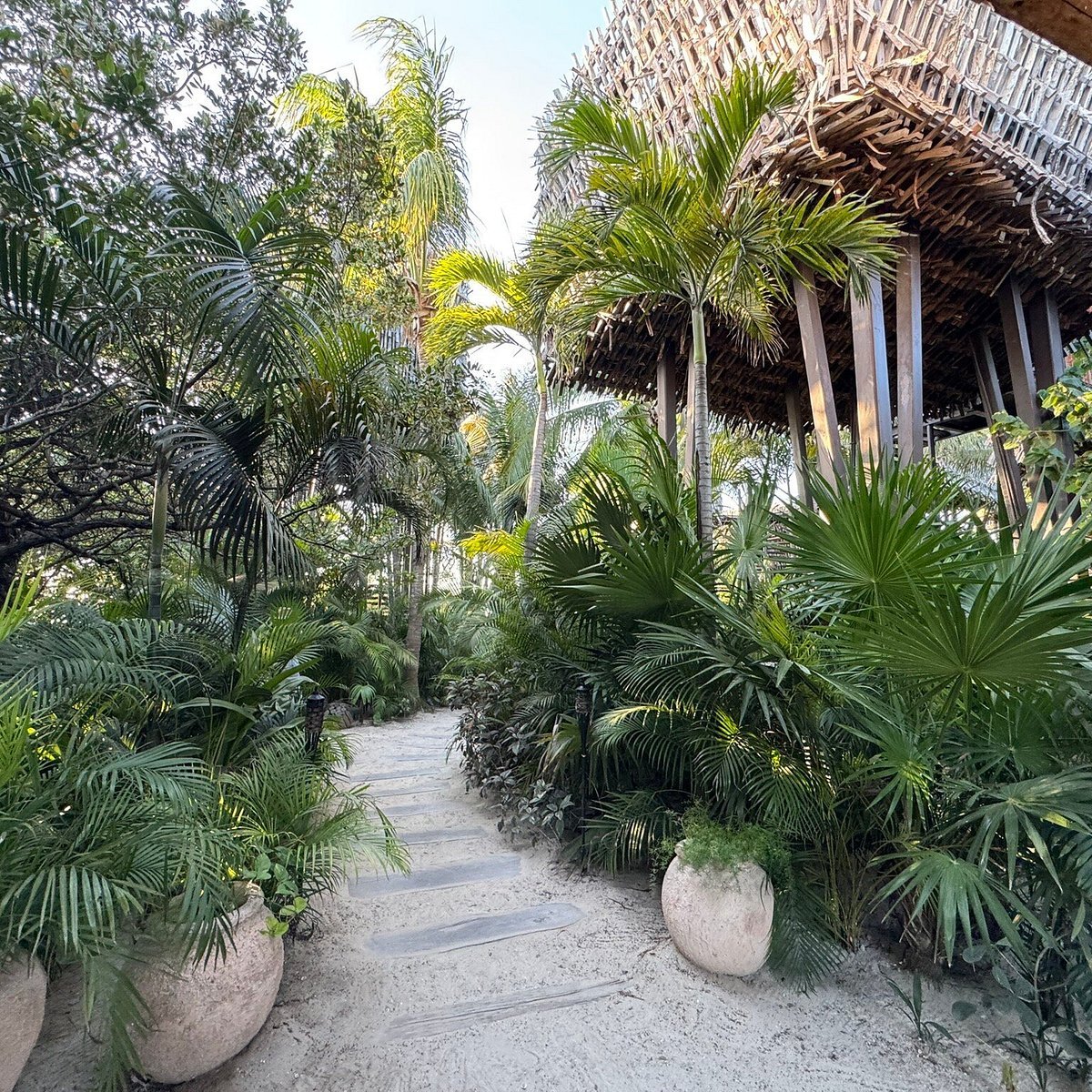
- Beachfront Boutique with Lush Garden and Private Beach.
- Design Style
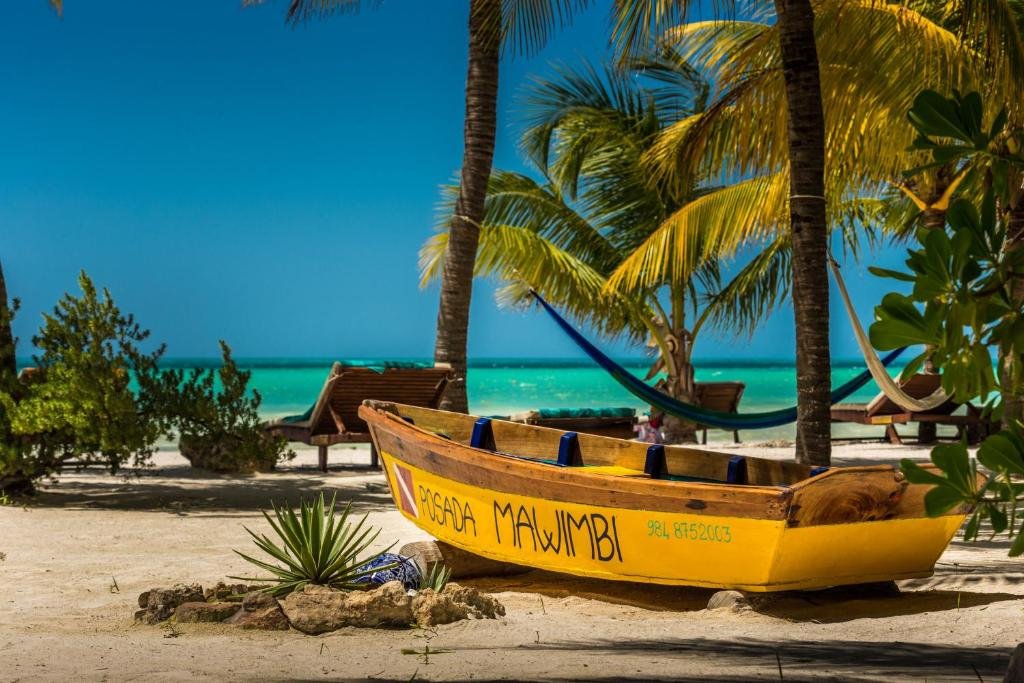
- Boho Chic with Local Style, Comfortable Furnishings, and Beachy Decor.
Know before you go
Know Before You Go
- Getting there
- Av. Damero 1, Centro, 77310 Holbox, Q.R.
Planning details
Location
Also consider
Also Consider
- Casa Las Tortugas Petit Beach Hotel & Spa, Notable alternative
- Ser Casasandra, Notable alternative
- Hotel Punta Caliza, Notable alternative
- Awa Holbox Hotel Boutique, Notable alternative
- Nomade Holbox, Notable alternative
Hotel context
How Hotel Mawimbi compares in Holbox
Hotel Mawimbi is the practical choice if location and ease matter more than a heavily packaged hotel experience. Against Casa Las Tortugas Petit Beach Hotel & Spa and Ser Casasandra, it reads as the simpler bet: better for travelers who want a base near the center, less convincing for a trip built around the hotel's design, service rhythm, or spa time.
Hotel Punta Caliza and Awa Holbox Hotel Boutique are stronger cross-shops if the pool, architecture, and room experience are central to the decision. If prices are close, those peers are likely the more satisfying splurge; if Hotel Mawimbi comes in lower, its value improves because the saved budget can go toward meals, beach clubs, and excursions.
Nomade Holbox is the better fit for travelers who want more of a scene and a property with stronger identity. Hotel Mawimbi is easier to recommend for first-timers who want Holbox to feel simple: arrive, walk, eat nearby, and avoid over-planning.
Explore Holbox
Around this place
Discover more on Pearl
Unlock the full Hotel Mawimbi guide in Pearl, including awards, comparisons, FAQs, planning details, and nearby places.
Compare Hotel Mawimbi
| Venue | Location | Awards |
|---|---|---|
| Hotel Mawimbi | Holbox | No published awards |
| Casa Las Tortugas Petit Beach Hotel & Spa | Isla Holbox | No published awards |
| Ser Casasandra | Isla Holbox | Conde Nast Gold List 20262025 Michelin Selected Hotels |
| Hotel Punta Caliza | Lazaro Cardenas | No published awards |
| Awa Holbox Hotel Boutique | Isla Holbox | No published awards |
| Nomade Holbox | Holbox | 2026 Mr & Mrs Smith Luxury Hotels2026 Michelin 1 KeyMichelin 1 Key 20252025 Michelin 1 Key |




How Hotel Mawimbi Holbox compares with similar nearby venues.
FAQ
Frequently Asked Questions
Which room category is best at Hotel Mawimbi?
How is the dining at Hotel Mawimbi?
Is Hotel Mawimbi good for business travel?
How is the pool and spa at Hotel Mawimbi?
Do not choose it for a wellness-focused stay unless those facilities are confirmed directly.