

COMO Maalifushi
Thaa Atoll, Guraidhoo
Hotel in Guraidhoo, Maldives
 Book with Pearl
Why go
COMO Maalifushi is worth considering for a quieter Maldives stay where design, privacy, and resort atmosphere matter more than nonstop programming. Its Virtuoso Luxury Hotel Partner recognition for 2026 gives it a useful trust signal, and easy booking makes it more approachable than many high-demand island resorts.
About COMO Maalifushi
COMO Maalifushi is a premium hotel option in Guraidhoo. Use it as a starting point for comparison while checking current details directly with the property for rooms, dining, service format, prices, and on-property programming.
COMO Maalifushi is listed as a Virtuoso Luxury Hotel Partner for 2026. Travelers should confirm current practical details directly with the property before booking, especially if a specific room type, dining arrangement, transfer plan, or amenity is important to the trip.
Use this as a starting point for Guraidhoo planning
The main decision is whether COMO Maalifushi fits your Guraidhoo itinerary and budget once you have checked the property's latest official information. If you are comparing premium Maldives stays, you can also look at COMO Maalifushi alongside Niyama Private Islands Maldives, Pullman Maldives Maamutaa, Six Senses Laamu, and Mercure Maldives Kooddoo Resort.
For restaurant details, room categories, service inclusions, prices, or operating policies, avoid treating those points as fixed. Confirm the latest details with COMO Maalifushi and compare them with other Guraidhoo dining and hotel options if your trip depends on a particular feature.
Planning details
- Location
- Thaa Atoll
- Phone
- +960 678 0008
The take
The Take
The Vibe
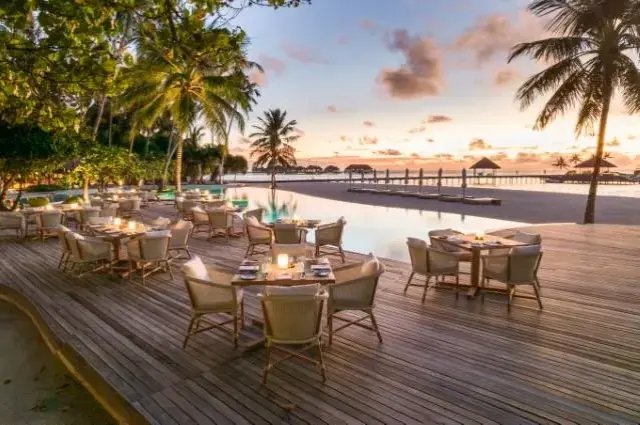
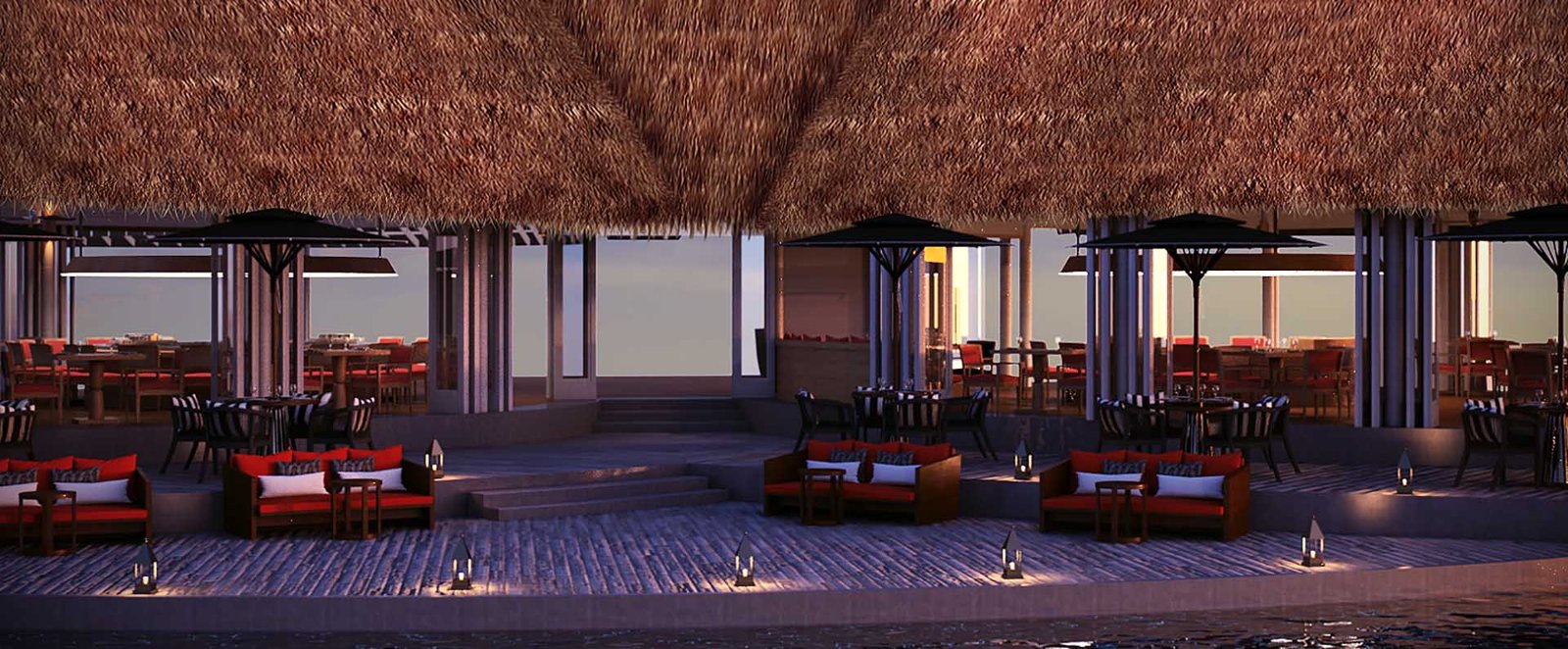
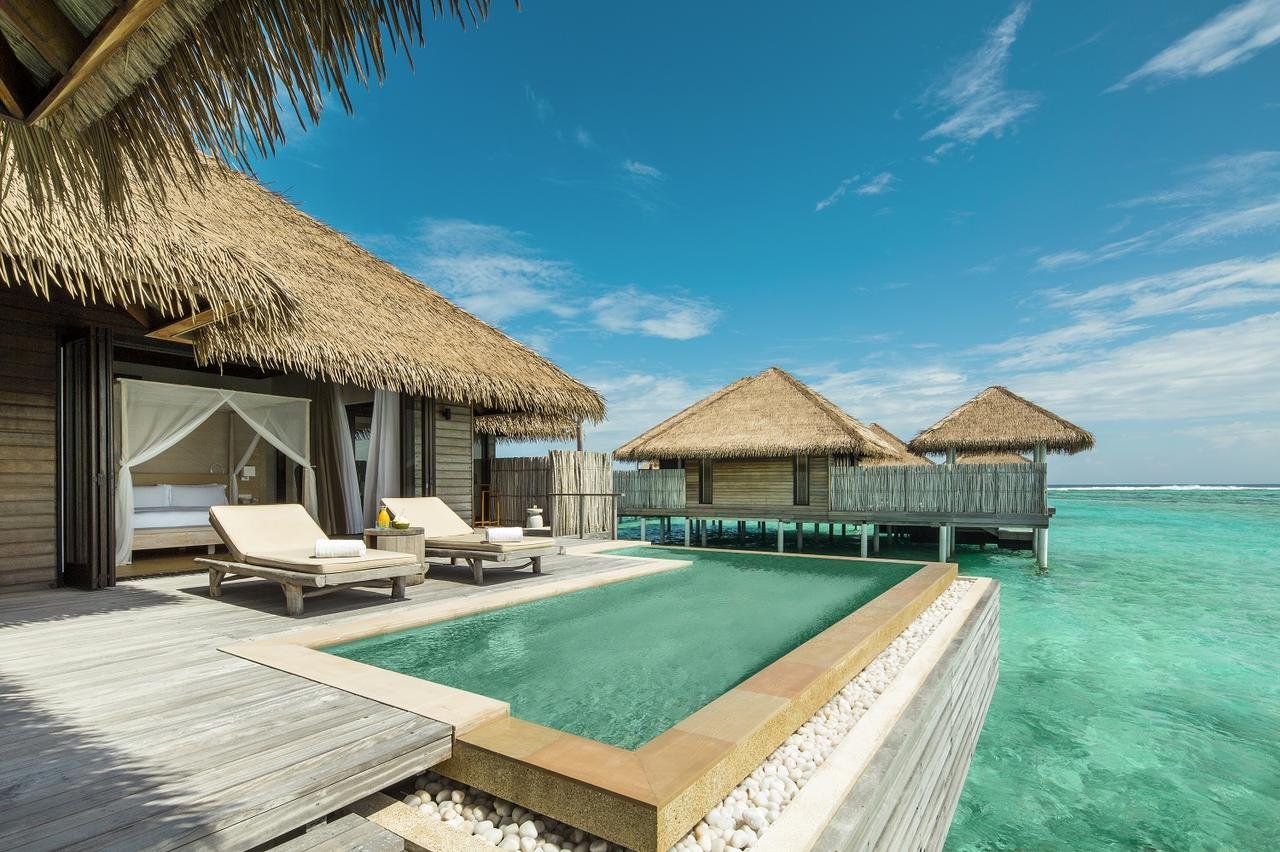
COMO Maalifushi reads like an exercise in deliberate restraint: arriving by seaplane immediately underscores the property’s remoteness, and the architecture follows suit. Rooflines stay low, materials feel locally attuned, and interior and exterior blur so the island, lagoon and horizon remain the visual focus. The resort’s placement—the first in Thaa Atoll—means villas enjoy uncrowded sight lines and a private relationship with reef, surf breaks and sand. The overall effect is quietly luxurious: composed, unostentatious and serene, with an intimate pace that favors contemplation over spectacle.
Best For
This is a destination for guests seeking privacy and a slow, restorative stay. Couples find it ideal for romantic getaways and honeymoons thanks to secluded beaches, overwater pavilions and unobstructed lagoon views. The quiet, low-key design and sense of geographic remove also suit wellness-minded travelers who want minimal distraction. Families looking for private villa accommodation and direct beach or overwater access will appreciate the variety of villa formats and the uncrowded setting around reef and lagoon.
Stay Tips
When planning a stay, think first about villa placement: the property separates its offer into beach villas and overwater pavilions, and the review explicitly flags sight lines and the depth of water beneath overwater decks as distinguishing factors—choose overwater accommodation if you prioritize immediate access to clear lagoon water. If privacy matters, request beach units with denser vegetation screening. Factor in the seaplane transfer when timing arrivals and departures, since seaplane logistics shape the first and last impressions of the island’s remoteness.
Venue details
Ambiance
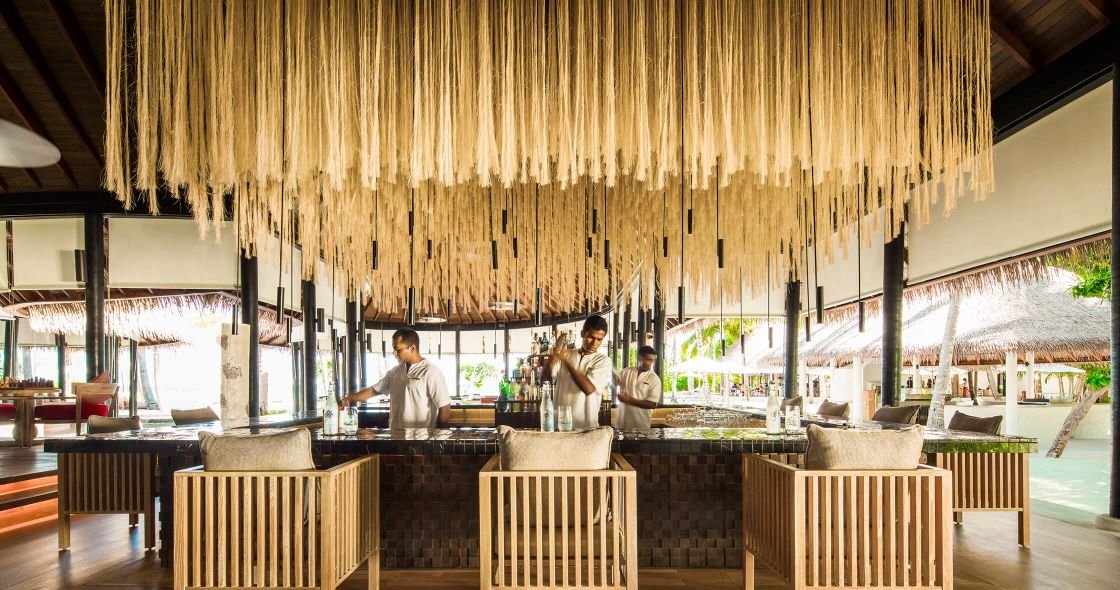
Elegant barefoot-chic atmosphere with relaxed deserted island vibe, comfortable furnishings, and serene oceanfront settings.
Tags
Vibe
Best For
Experience
Amenities
View
About the Stay
- Rooms
- 65
- Property Style
- Laid Back Boutique Resort Reflecting Maldivian Culture with Spacious Land and Over Water Villas.
- Design Style
- Elegant Barefoot Chic with Contemporary Living Areas and Minimalist Luxury.
Know before you go
Know Before You Go
- Getting there
- Thaa Atoll
Planning details
Location
Thaa Atoll · Directions
Recognition and awards

Also consider
Where to look if this is not the right fit
If COMO Maalifushi feels too quiet, compare Niyama Private Islands Maldives for a livelier resort setup or Pullman Maldives Maamutaa for a larger, more activity-driven stay. If the goal is a similar sense of calm with a different sustainability-and-wellness angle, Six Senses Laamu is the closest serious cross-shop.
Hotel context
How COMO Maalifushi compares in the Maldives set
Choose COMO Maalifushi if the priority is calm, design restraint, and a stay that feels less driven by constant resort activity. Niyama Private Islands Maldives is the better comparison for travelers who want a broader, higher-energy resort feel, while Six Senses Laamu is the sharper cross-shop for wellness-minded guests deciding between low-key luxury formats.
Mercure Maldives Kooddoo Resort is the value-led alternative in this set, especially for travelers who care more about access and simplicity than a quieter design language. Pullman Maldives Maamutaa is the stronger pick for guests who want a larger resort feel and more built-in activity.
Booking difficulty is the practical separator: COMO Maalifushi is listed as easy, so it works better for shorter planning windows than resorts where demand can force the decision months ahead. For ambiance, it sits closer to Six Senses Laamu than to Pullman or Mercure: calmer, more retreat-oriented, and better for travelers who want the room and island mood to carry the trip.
Explore Guraidhoo
Around this place
Discover more on Pearl
Unlock the full COMO Maalifushi guide in Pearl, including awards, comparisons, FAQs, planning details, and nearby places.
Compare COMO Maalifushi
Practical comparison
| Hotel | Best for | Booking read | Atmosphere | Awards |
|---|---|---|---|---|
| COMO Maalifushi | Quiet design-led Maldives stay | Easy | Calm, retreat-focused | 2026 Virtuoso Luxury Hotel Collection2025 Michelin Selected Hotels |
| Niyama Private Islands Maldives | Higher-energy resort choice | Plan earlier for key dates | Broader resort feel | No published awards |
| Mercure Maldives Kooddoo Resort | Value-minded island stay | Usually the simpler cross-shop | More practical than rarefied | No published awards |
| Pullman Maldives Maamutaa | Activity-forward resort trip | Better with advance planning | Larger-resort energy | No published awards |
| Six Senses Laamu | Wellness and low-key luxury | Plan around room preference | Quiet, nature-led | No published awards |
FAQ
Frequently Asked Questions
How does COMO Maalifushi compare to other hotels?
COMO Maalifushi is a premium hotel option in Guraidhoo and is confirmed as a Virtuoso Luxury Hotel Partner for 2026. For a broader comparison, consider it alongside Niyama Private Islands Maldives, Pullman Maldives Maamutaa, Six Senses Laamu, and Mercure Maldives Kooddoo Resort, while checking each property's current official details.
What is check-in like at COMO Maalifushi?
Is COMO Maalifushi good for business travel?
When is the best time to book COMO Maalifushi?
If your dates are fixed, compare current availability and terms directly with COMO Maalifushi and, if useful, with Mercure Maldives Kooddoo Resort or Pullman Maldives Maamutaa.
How is the dining at COMO Maalifushi?
Which room category is best at COMO Maalifushi?
Choose only after reviewing the latest room descriptions, inclusions, and policies directly with COMO Maalifushi.