
Le Clair de la Plume
Grignan village center, Grignan
Hotel in Grignan, France
 Book with Pearl
The Read
Village-Absorbed Hospitality
Price
$200–300per night
Why go
Le Clair de la Plume is worth shortlisting for a special-occasion stay in Grignan if location and Michelin 1 Key recognition matter more than a long confirmed amenity list. It is stronger for couples than for business travelers or families needing detailed room, spa, or pool certainty before choosing.
About Le Clair de la Plume
For a stay in Grignan, consider Le Clair de la Plume for its Grignan setting, smart casual dress code, and Michelin 1 Key recognition in 2024.
The clear reason to consider it is the combination of Grignan location and Michelin 1 Key recognition. If specifics such as room count, price band, restaurant format, spa facilities, parking, or meeting services matter, check directly before booking. The verdict is positive for travelers who want a hotel anchor in Grignan and are comfortable confirming practical details before committing.
Book for the Grignan location, not for a long amenity list
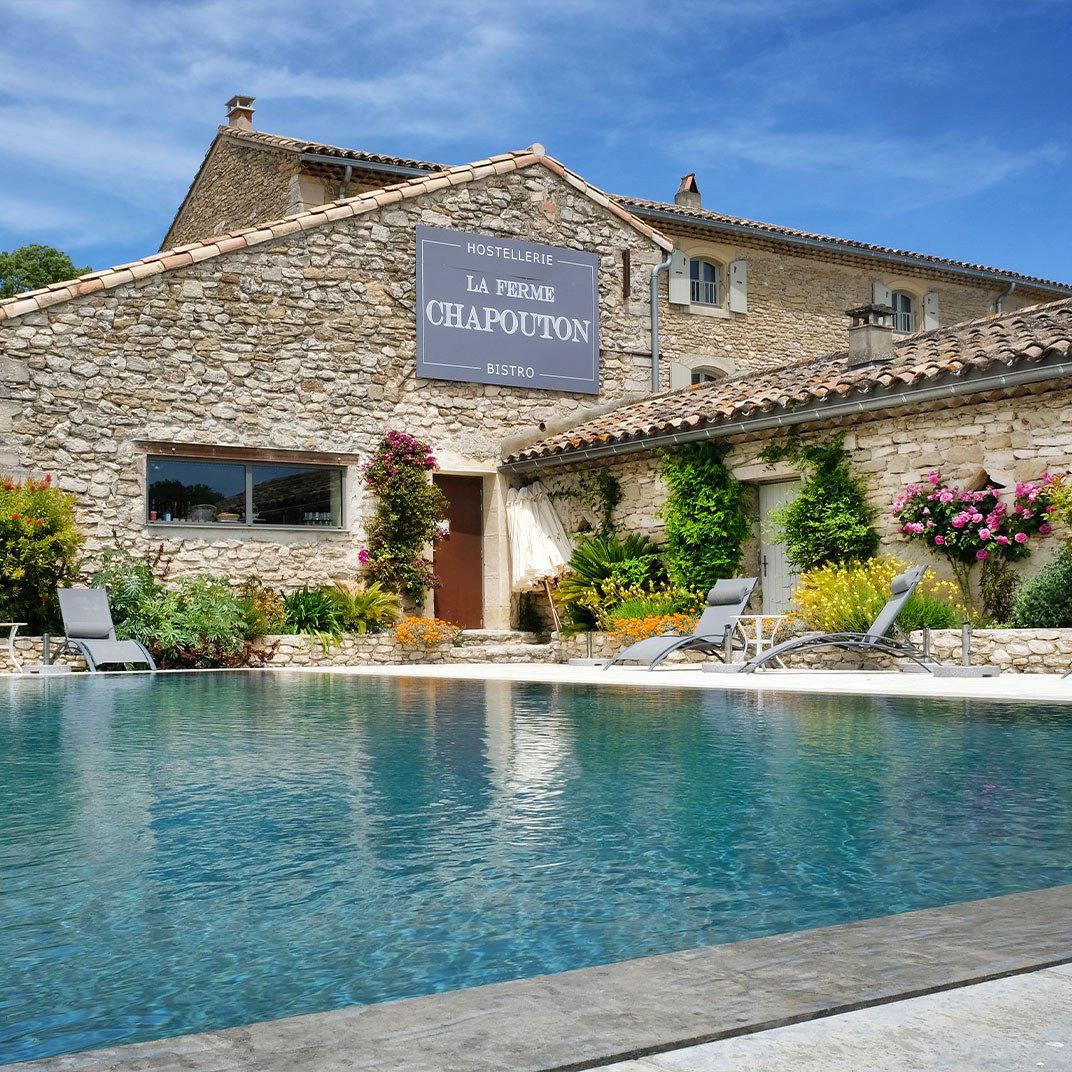
This is the stronger choice if the trip is about being in Grignan itself. If the priority is comparing hotel styles and practical features, the comparison set matters more than amenity assumptions. La Ferme Chapouton is a natural cross-shop, while Château les Oliviers de Salettes, Chateau de Massillan, Château de Montcaud, and Crillon le Brave make sense to compare for travelers considering alternatives beyond Le Clair de la Plume.
For travelers focused on Grignan, the setting and Michelin 1 Key recognition do useful work. For trips with specific practical requirements, it is a narrower recommendation. If you need meeting facilities, specific room categories, parking, or work-focused services, verify those details directly for your dates.
Who should choose it, and who should cross-shop
Choose it if the Michelin 1 Key signal, smart casual tone, and Grignan location are enough to justify considering the stay. Cross-shop if the trip depends on a pool, spa, family facilities, or a guaranteed resort setup. Families and groups should verify room configuration and practical needs before committing.
Quick reference: book for a Grignan stay with Michelin 1 Key recognition; cross-shop for resort amenities, countryside scale, or more specific group logistics.
Inside Le Clair de la Plume
Planning details
- Location
- 2 Pl. du Mail, 26230 Grignan
- Website
- clairplume.com
- Phone
- +33 4 75 00 01 01
The take
The Take
The Vibe
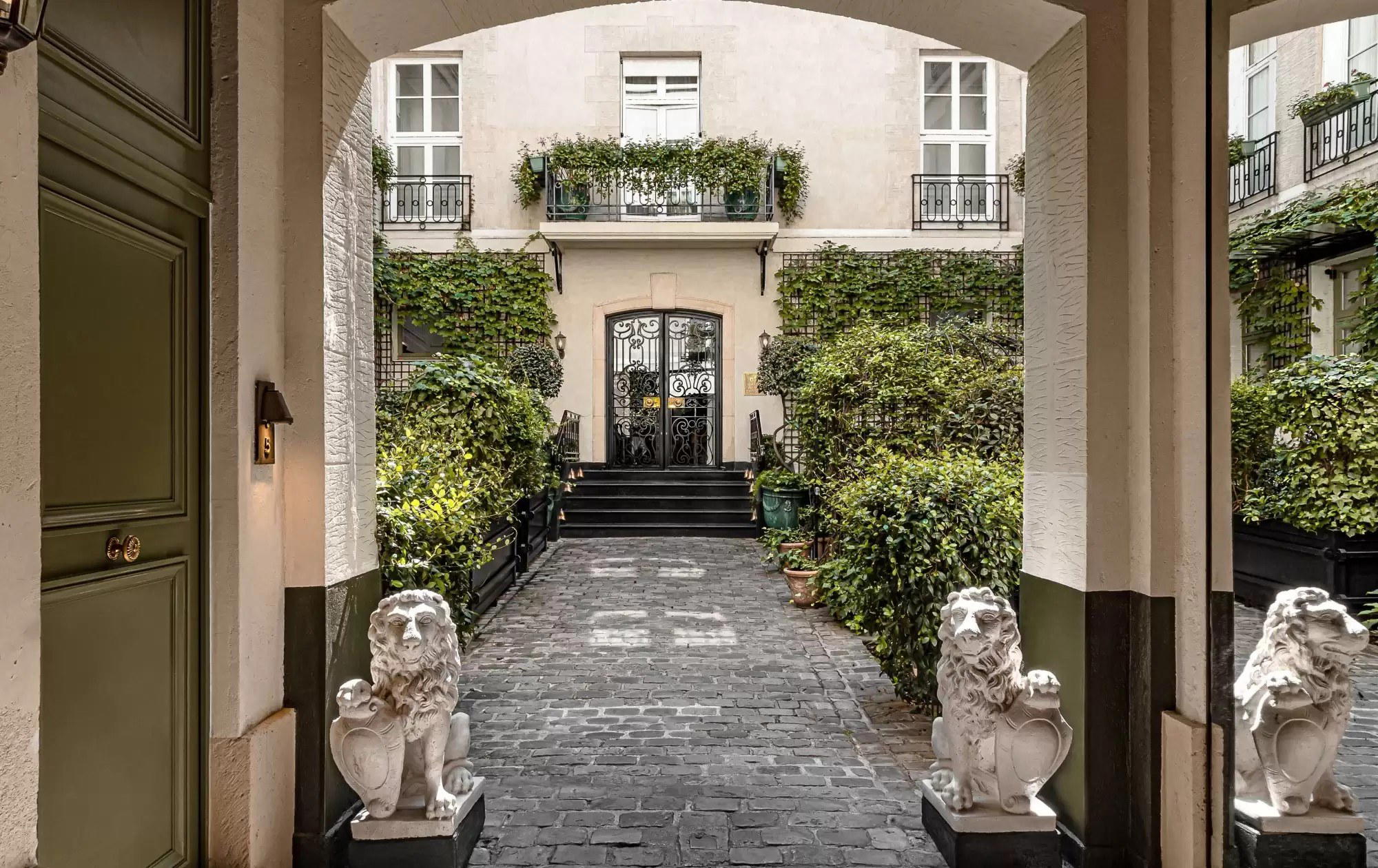
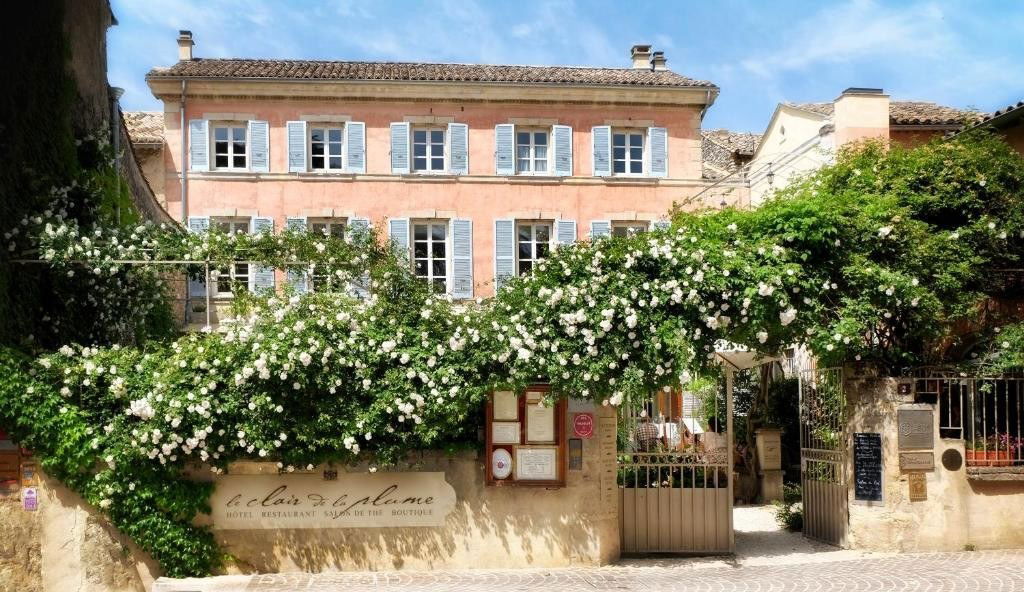
Le Clair de la Plume slips into Grignan’s honey‑coloured tiers as if it had always been part of the village. The property occupies several historic buildings and a freestanding Lovers’ Pavilion, so guests move through real village streets rather than a gated compound. Lavender fields and the silhouette of a Renaissance castle frame late‑afternoon light that feels almost painterly, and the hotel’s distributed architecture fosters a quiet, intimate sense of place. The result is a serene, historic hideaway that emphasizes subtle elegance and the timeless character of Provençal village life.
Best For
This hotel is ideal for slow, romantic escapes and milestone celebrations that centre on atmosphere as much as comfort. Couples and small parties seeking an intimate weekend will appreciate the privacy of separate houses and the single‑room Lovers’ Pavilion, while food‑minded travelers come for the on‑site gastronomic restaurant. Days are for wandering village streets, visiting the castle silhouette above the town and taking in lavender‑season light; evenings settle into measured dinners and the quietly refined rhythms of a historic Provençal setting.
Stay Tips
Plan visits around seasonality: June through August brings lavender fields and the garden at its most evocative, and late afternoon delivers the distinctive warm light the text highlights. Reserve a table at the hotel’s gastronomic restaurant in advance, and consider booking different room types across the Main House, Private House or the Lovers’ Pavilion to experience the property’s distributed architecture. Allow time for slow walks through Grignan’s streets so you can move between the hotel buildings as intended and fully appreciate the village setting.
Venue details
Ambiance
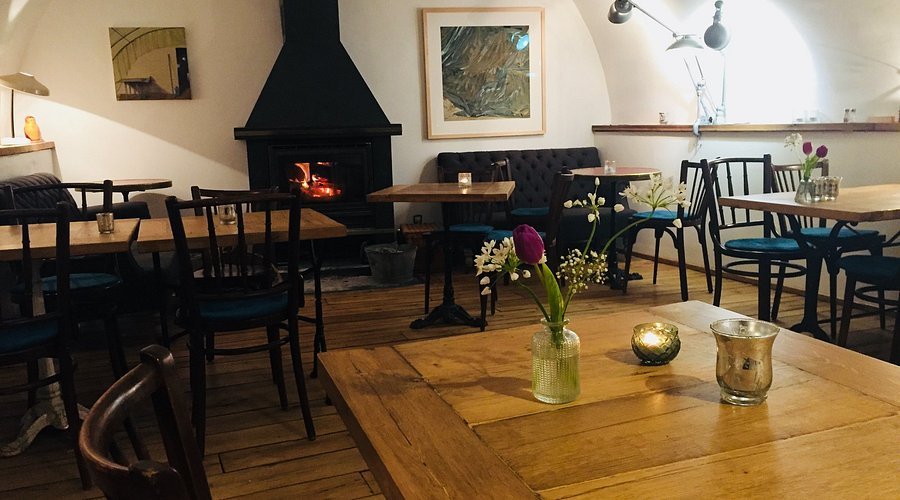
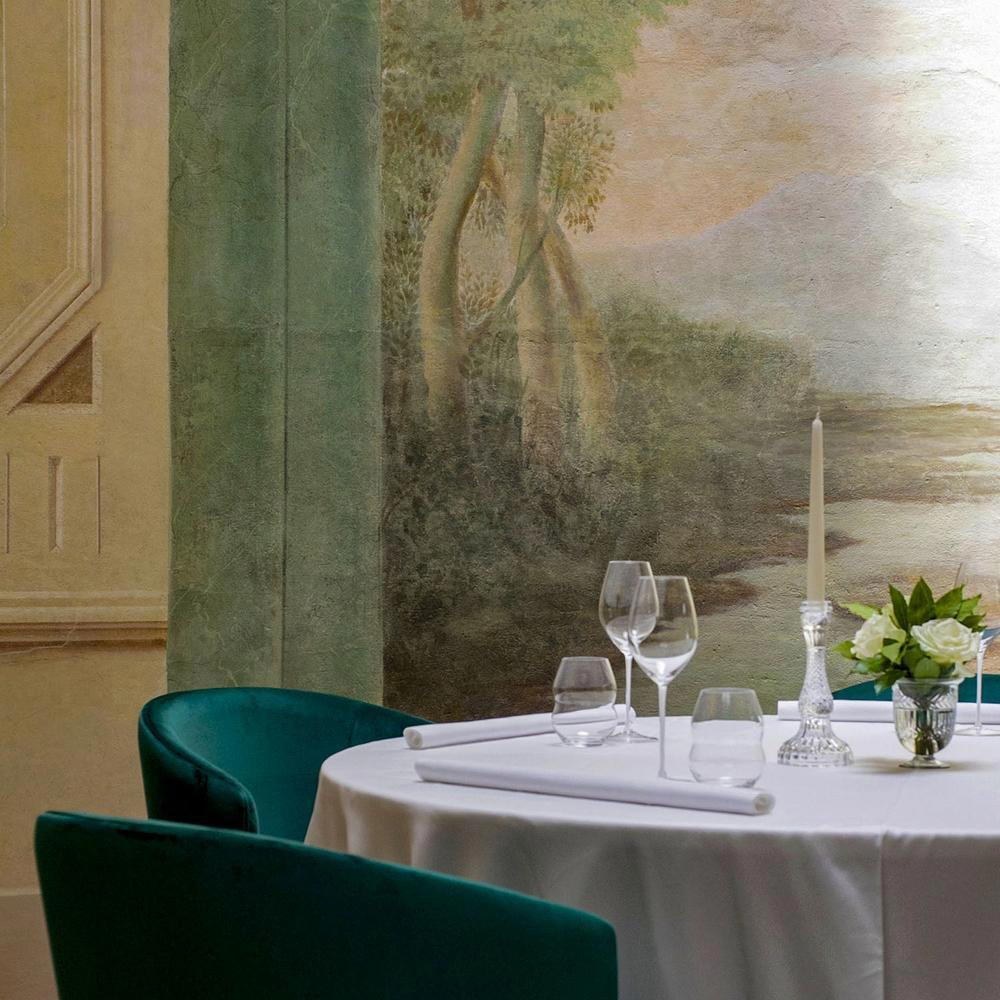
Soft afternoon light filtering through 19th-century verrière and salon spaces, with candlelit dinners and intimate garden settings creating a timeless, romantic atmosphere reminiscent of 18th-century Provence.
Tags
Vibe
Best For
Experience
Amenities
View
About the Stay
- Rooms
- 28
- Property Type
- Boutique hotel
- Property Style
- Historic Provençal Charm with Contemporary Comfort, Distributed Across Multiple 17th and 18th Century Buildings in a Preserved Village Setting.
- Design Style
- 19th Century Furnishings with Period Antiques, Lavender Accents, and Traditional Provençal Décor Emphasizing Authenticity and Timeless Elegance.
- Pool
- Yes
- Spa
- Yes
- Pets
- Allowed
- Cancellation
- Moderate
Know before you go
Know Before You Go
- Getting there
- 2 Pl. du Mail, 26230 Grignan
Planning details
Location
Recognition and awards
Also consider
Where to Look If Dates Do Not Work
Start with La Ferme Chapouton if staying in Grignan remains the priority. For a broader countryside stay, compare Château les Oliviers de Salettes and Crillon le Brave, especially if the trip is more about downtime than village access.
Hotel context
How It Compares
Le Clair de la Plume is the Grignan-first choice: book it when the value is being in the village rather than commuting in from a countryside estate. La Ferme Chapouton is the closest alternative for travelers who want to stay in Grignan but compare ambiance and availability before committing.
Château les Oliviers de Salettes, Chateau de Massillan, Château de Montcaud, and Crillon le Brave are better cross-shops if the trip needs a more rural hotel rhythm outside Grignan. Choose those if pool, spa, grounds, or estate atmosphere matter more than immediate village access.
The Michelin 1 Key gives Le Clair de la Plume the strongest formal recognition signal in this set from the supplied details, but booking difficulty is marked hard, so it is not the easiest fallback. If dates are fixed, compare La Ferme Chapouton first; if the trip is flexible and occasion-led, keep Le Clair de la Plume at the front of the shortlist.
Explore Grignan
Around this place
Discover more on Pearl
Unlock the full Le Clair de la Plume guide in Pearl, including awards, comparisons, FAQs, planning details, and nearby places.
Compare Le Clair de la Plume
| Venue | Location | Awards |
|---|---|---|
| Le Clair de la Plume | Grignan | 2026 Michelin 1 KeyMichelin 1 Key 20252025 Michelin 1 Key2024 Michelin 1 Key |
| La Ferme Chapouton | Grignan | No published awards |
| Château les Oliviers de Salettes | Charols | No published awards |
| Chateau de Massillan | Uchaux | No published awards |
| Château de Montcaud | Sabran | 2026 La Liste Top Hotels2026 Michelin 2 Keys2025 Michelin 2 Keys2024 Michelin 2 Keys |
| Crillon le Brave | Crillon Le Brave | 2026 Virtuoso Luxury Hotel Collection2026 Vogue Best Hotels in Provence2026 Mr & Mrs Smith Luxury Hotels2026 Michelin 1 Key2025 Travel + Leisure 100 Favorite Hotels in the World · #322025 Michelin 1 Key2024 Michelin 1 Key |






How Le Clair de la Plume Grignan compares with similar nearby venues.
FAQ
Frequently Asked Questions
How is the dining at Le Clair de la Plume?
If dining is the focus, check cuisine, menu format, prices, and service details directly before building a trip around it. Le Clair de la Plume is in Grignan, has a smart casual dress code, and holds Michelin 1 Key recognition from 2024. If you want another hotel to compare, consider La Ferme Chapouton.
How is the pool and spa at Le Clair de la Plume?
Do not choose it for pool-and-spa priorities alone; check facility details directly before booking. The reasons to consider Le Clair de la Plume are its Grignan setting, smart casual tone, and Michelin 1 Key recognition. If leisure amenities are central to the trip, compare details directly with Château les Oliviers de Salettes or Chateau de Massillan instead.
Which room category is best at Le Clair de la Plume?
Choose only after checking the current room descriptions directly with the hotel or booking channel, including categories, views, layouts, and noise levels. For more comparison points, Château de Montcaud or Crillon le Brave may be useful alternatives to review.
Is Le Clair de la Plume good for business travel?
It can be considered if you want a base in Grignan with Michelin 1 Key recognition, but business travelers should check meeting rooms, parking, workspace features, and other work-related services before booking. Chateau de Massillan is another option to compare.
How does Le Clair de la Plume compare to other hotels?
Le Clair de la Plume is the better pick when you specifically want the combination of Grignan location, smart casual tone, and Michelin 1 Key recognition. La Ferme Chapouton is a natural comparison, while Château les Oliviers de Salettes, Chateau de Massillan, Château de Montcaud, and Crillon le Brave are useful alternatives if you are weighing a broader hotel shortlist.
When is the best time to book Le Clair de la Plume?
If your dates are fixed, check current availability directly before making plans. If you are choosing between hotels, La Ferme Chapouton is an easy direct cross-check.
Is Le Clair de la Plume family-friendly?
It may suit travelers who want a Grignan base, but families should check bedding, room setup, family facilities, and practical needs directly before booking. For a different style of stay, Château les Oliviers de Salettes or Chateau de Massillan are worth comparing.