

Weeshuis Gouda
historic center, Gouda
Hotel in Gouda, Netherlands
 Book with Pearl
The Read
Civic Monument Hospitality
Why go
Weeshuis Gouda is the Gouda hotel to consider for a celebration stay where setting and polish matter more than loyalty points. Its 2026 Relais & Châteaux recognition and 2025 Michelin hotel selection make it a stronger occasion pick than a generic regional base, but compare direct rates carefully if upgrades or rewards benefits are part of the decision.
About Weeshuis Gouda
Weeshuis Gouda is a Gouda venue with two clear trust signals: a Relais Chateaux Award in 2026 and selection in the MICHELIN Guide hotel listings in 2025. Those facts make it a candidate to consider when you want a stay in Gouda, while amenities, room types, service formats, and loyalty benefits should be checked with the venue directly before booking.
The practical decision is therefore direct: consider it if you specifically want to stay in Gouda and that recognition matters to your booking choice. If you are comparing broader hotel options in the region, Rotterdam gives more alternatives, including Hotel nhow Rotterdam, citizenM Rotterdam, The Social Hub Rotterdam, and Suite Hotel Pincoffs Rotterdam. Stadshotel Woerden is another regional option to compare depending on your route and plans.
A Gouda base for your trip needs
Weeshuis Gouda is a Gouda hotel with recognized hotel-guide credentials. For facilities, room count, dining format, wellness features, neighborhood details, or exact location within the city, guests should check the current room details, inclusions, access needs, and any on-property services directly before booking.
Recognition from Relais Chateaux in 2026 and the MICHELIN Guide hotel selection in 2025 gives it useful credibility, but the practical value still depends on the rate available for the dates and what is included at the time of booking. Those signals help frame the hotel as a considered choice, yet they do not replace careful comparison. If the price becomes a concern, compare it against Rotterdam hotels before committing, because the better decision may depend on whether you want to be in Gouda or prefer the broader hotel field elsewhere in the region.
Value depends on what is included for your dates
Do not assume a loyalty program, upgrade policy, amenity set, or package structure. Compare the direct rate against other booking options and check what is actually included. Treat the booking as a property-specific choice rather than relying on assumptions about points, status benefits, room upgrades, or standardized chain-hotel systems.
For guests who care about room comfort, the safer move is to choose a room category they would be happy to keep, rather than counting on an upgrade or benefit. That matters for any trip where the stay itself is important: a lower-priced room only works if the room itself fits the plan. It is better to be clear about what would make the stay feel complete before booking, and then check those details with the hotel.
Use Gouda as the anchor if the plan includes time in the city. For broader planning around dining in the city, see our full Gouda restaurants guide.
Inside Weeshuis Gouda
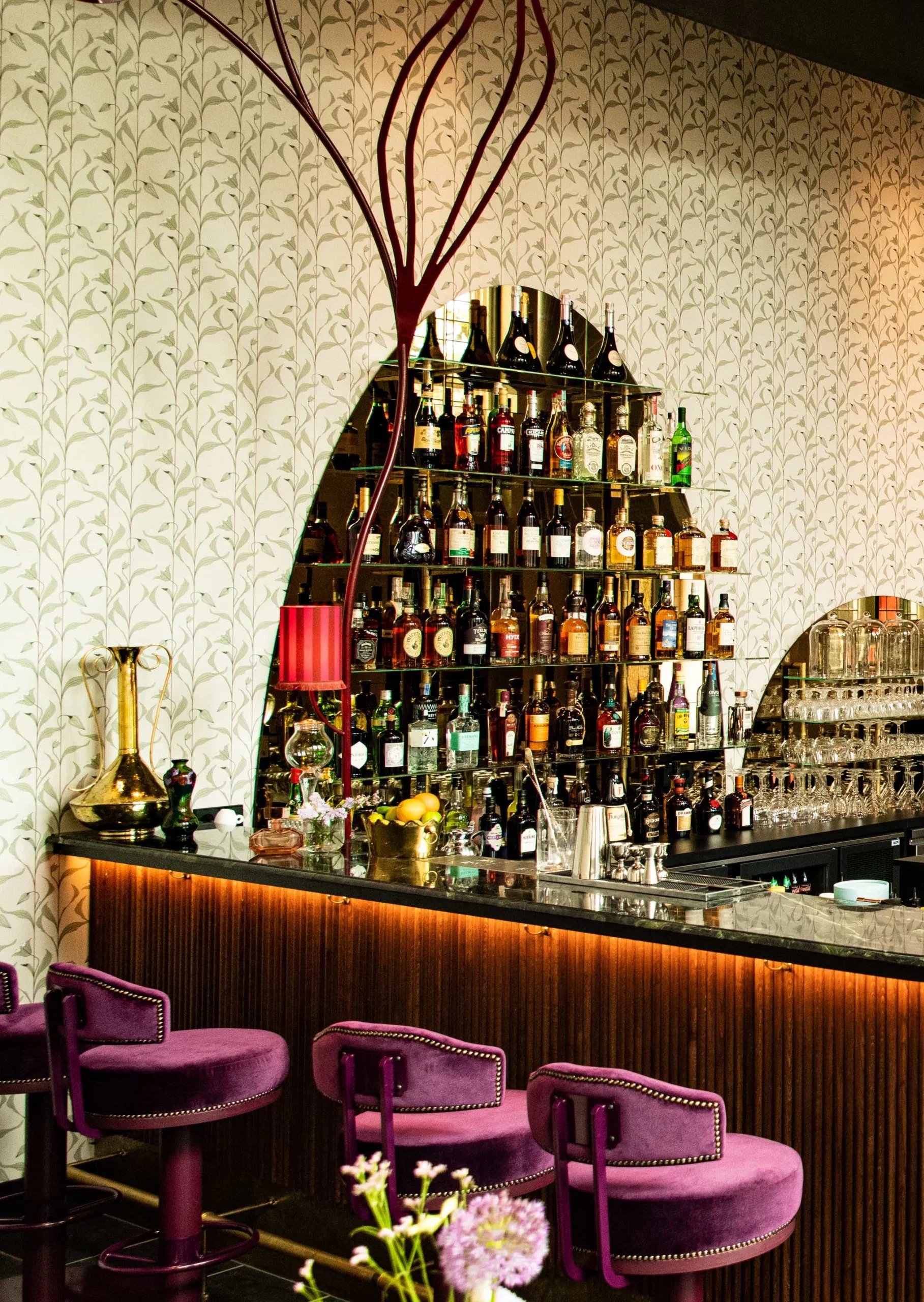
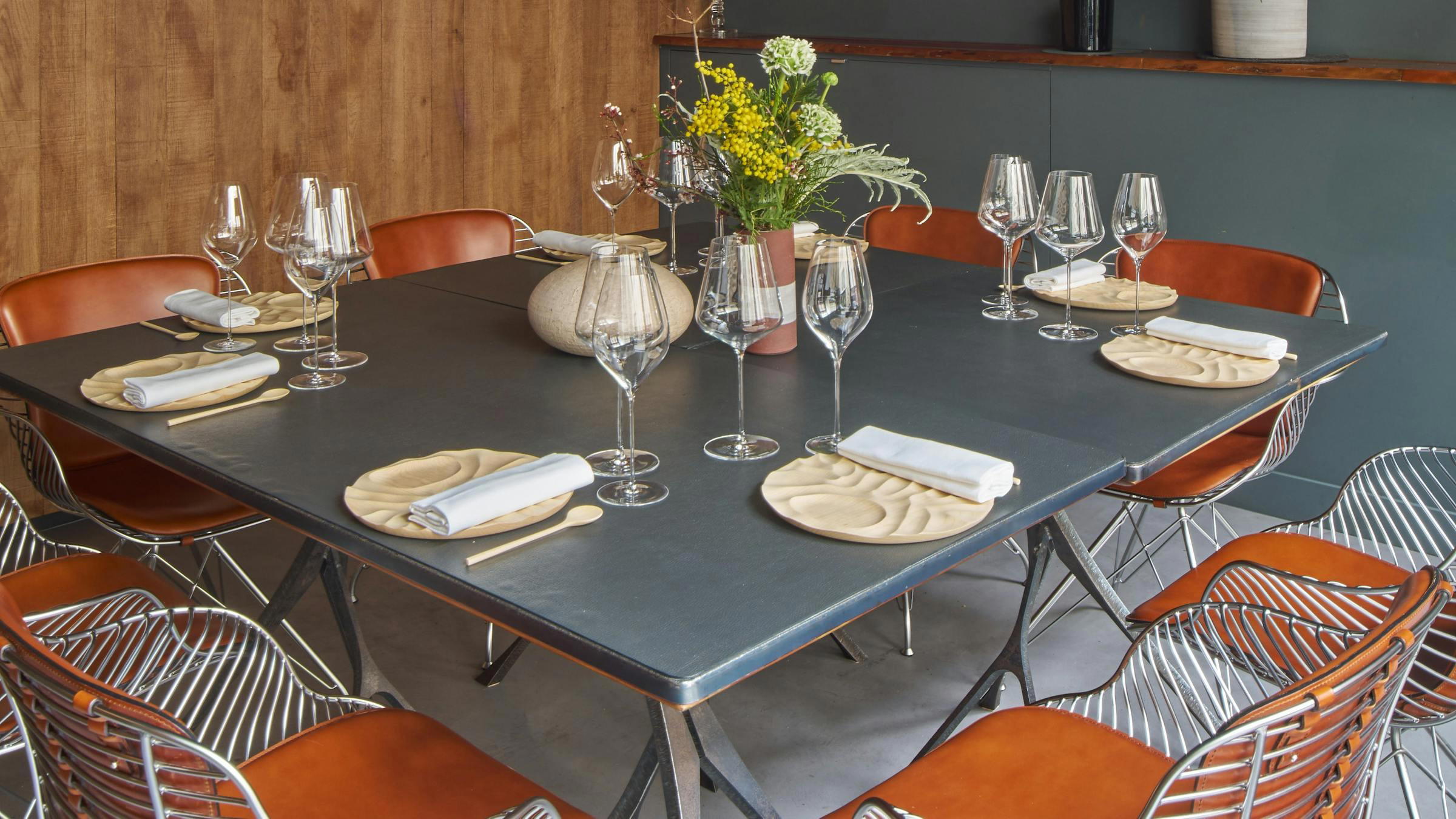
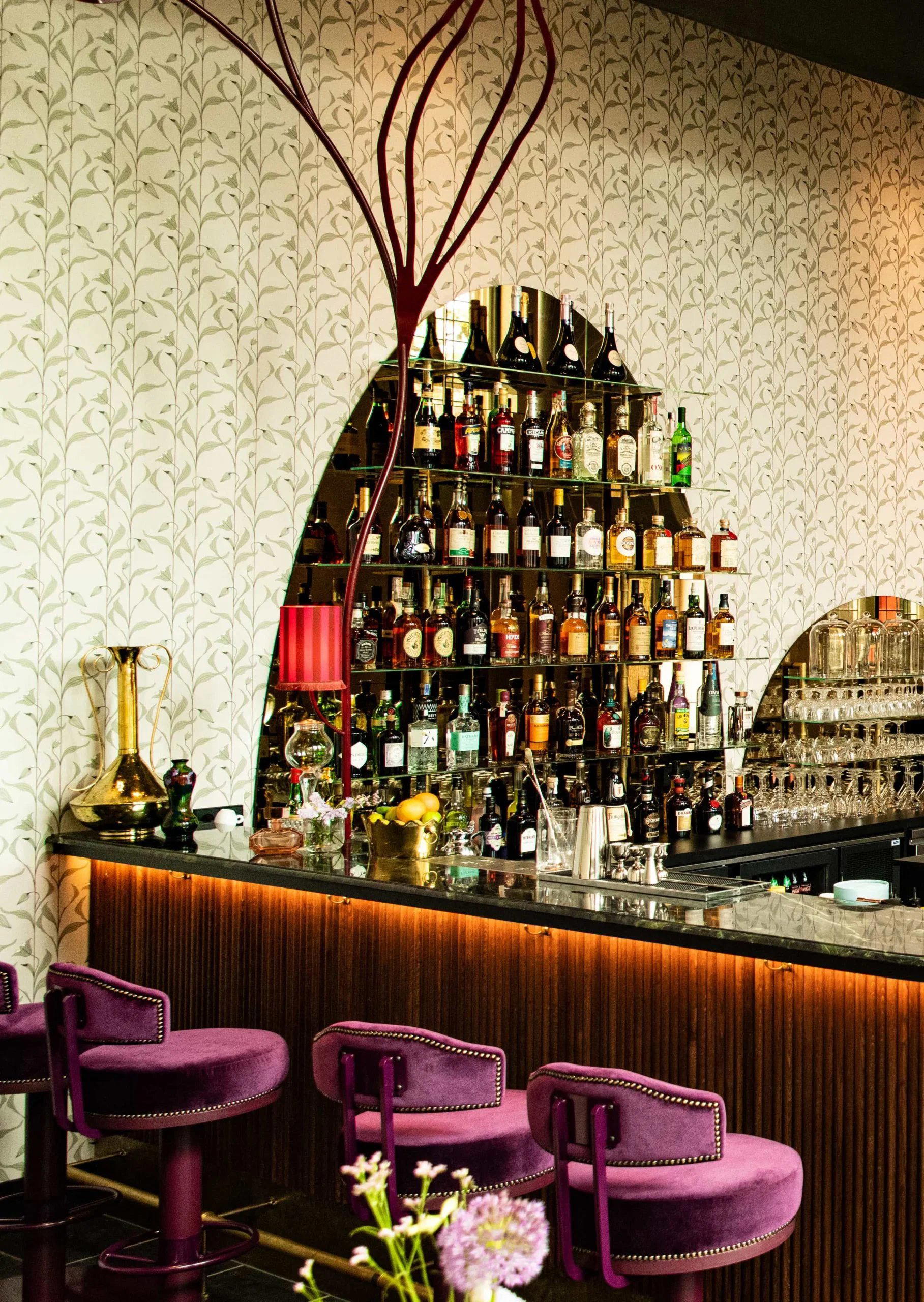 restaurantCOCOCOCO reads as Gouda’s all-day bistro address rather than a single-purpose restaurant: coffee, breakfast, patisserie-led afternoon tea and champagne-hour drinking sit under one roof. In a city better known internationally for cheese and market-square history, its appeal is the way it folds patisserie, café rhythm and bistro-style cooking into the old centre.
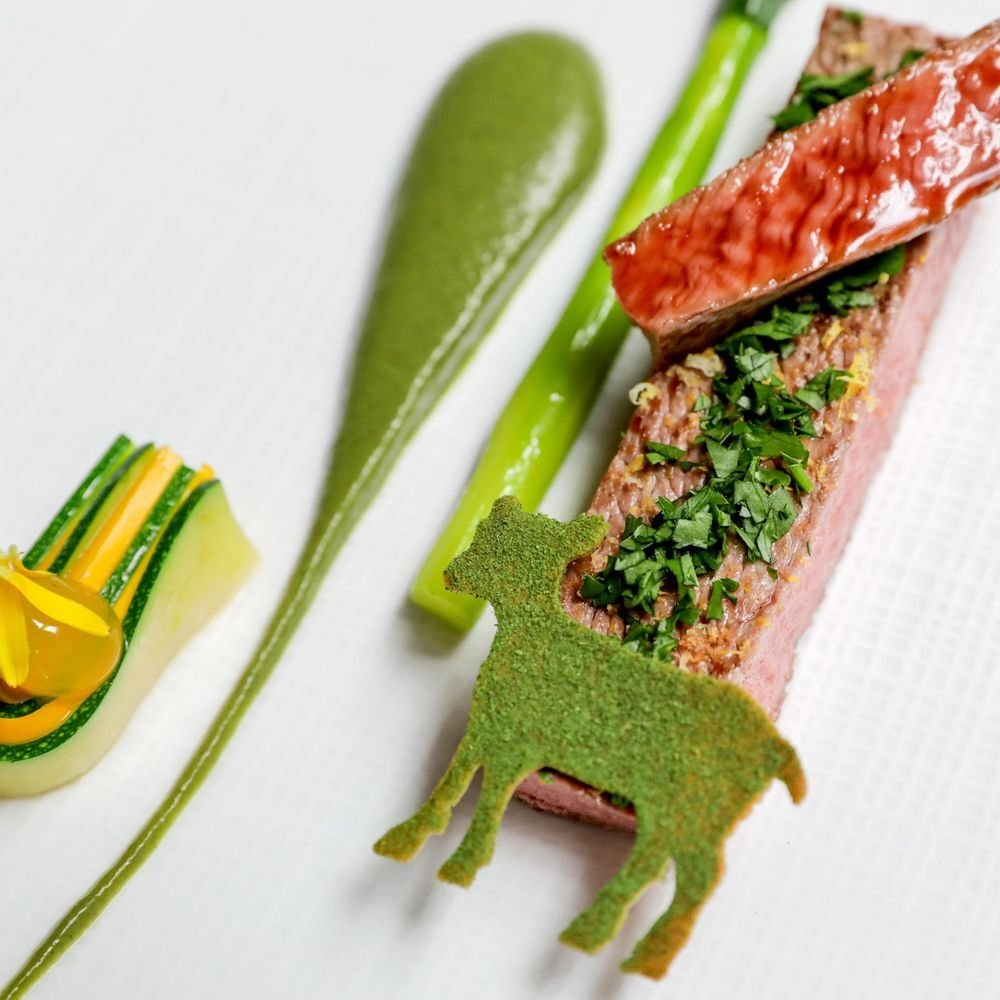
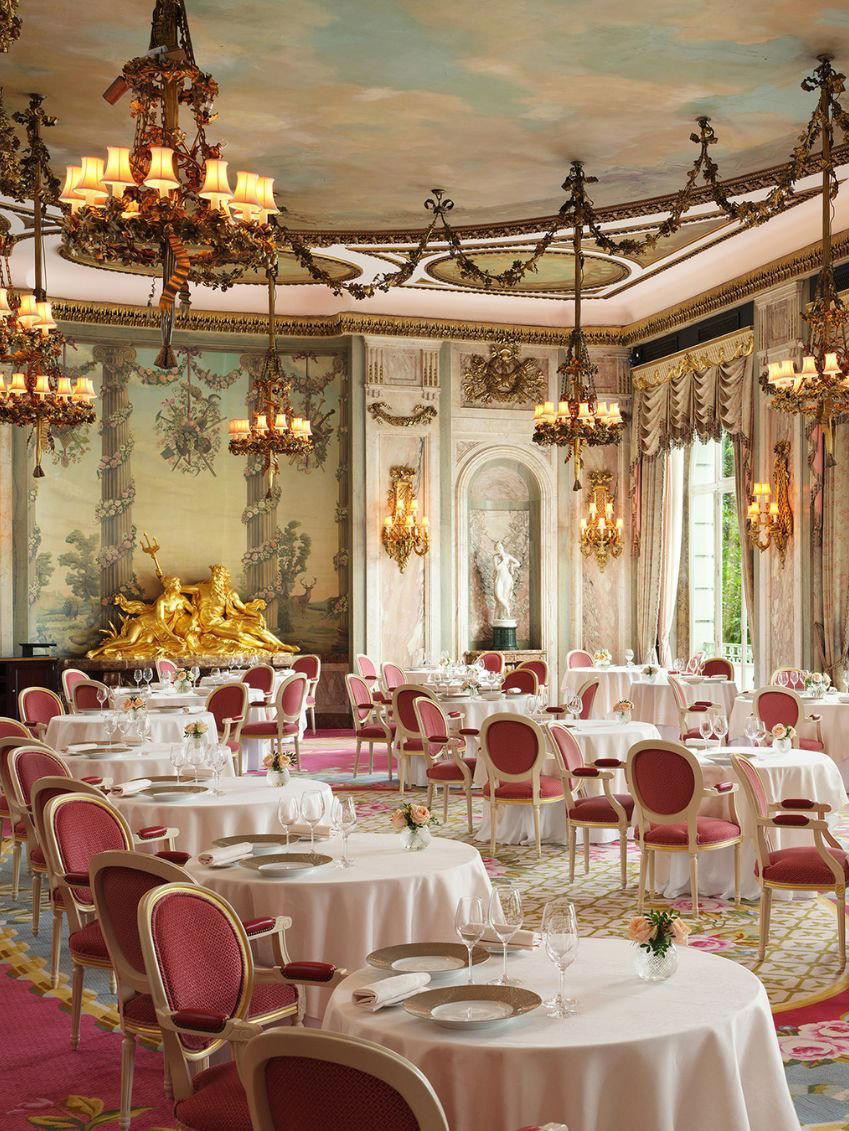 restaurantLIZZHoused inside Gouda's historic Weeshuis Hotel, LIZZ holds a Michelin star (2024) for chef Remco Kuijpers's creative French cooking rooted in Dutch produce. Spices and Asian acidity lift first-class local ingredients into something genuinely surprising, while the COCO champagne bar and attentive service make the full visit worth the trip from Amsterdam or Rotterdam.
Planning details
- Location
- Spieringstraat 1, 2801 ZH Gouda
- Website
- wshs.nl
- Phone
- +31 182 231 253
The take
The Take
The Vibe
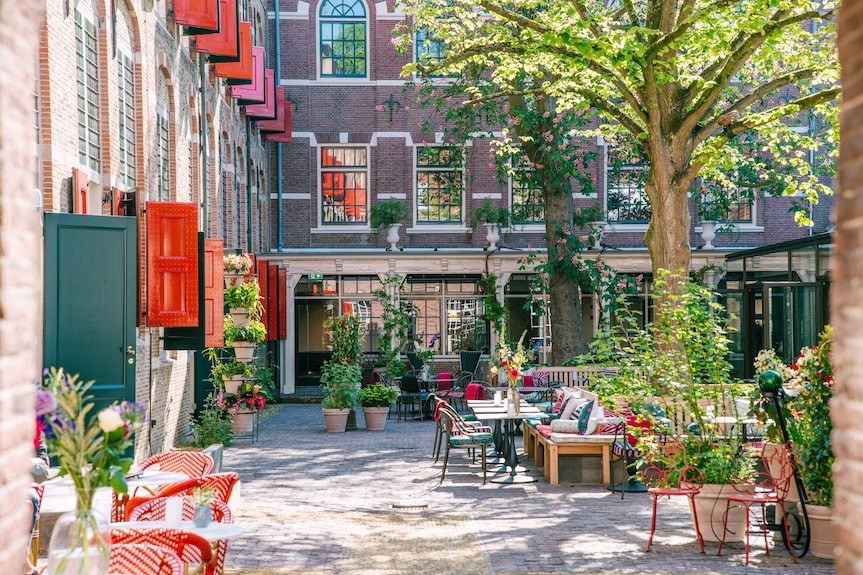
Weeshuis Gouda presents itself as a boutique, historically rooted stay where the building’s seventeenth‑century identity is the central attraction. The conversion maintains a dialogue between original civic fabric and contemporary comfort, so guests experience the weight and rhythm of Dutch municipal architecture — brick, proportion and gabled symmetry — rather than a neutral, modern overhaul. Located on a coherent canal‑lined streetscape, the property feels measured and quietly refined: it leans classic and charming, with an emphasis on place and history rather than flash. The stay reads as an architectural encounter as much as a hotel visit.
Best For
This is a hotel for travelers who want to slow down and engage with Gouda beyond a day trip. History lovers and design‑minded visitors benefit most, since the building’s civic provenance and thoughtful adaptive reuse are the point of the visit. It also suits couples seeking a considered, intimate getaway and travellers planning a weekend escape from nearby Rotterdam or Amsterdam. Practical proximity to Gouda’s main train station makes it a convenient base for guests arriving by rail who prefer to linger and explore the town’s markets, church windows and hofjes.
Stay Tips
Plan for more than a single afternoon: the copy stresses that Gouda rewards longer attention, so book a night or two to experience the building and town at an unhurried pace. Arrive by train if convenient — the Weeshuis sits roughly a kilometre from Gouda’s main station with direct connections to Rotterdam and Amsterdam — and allow time to walk the canal‑lined streets and visit the cheese market and medieval sights. Expect a boutique conversion that foregrounds historic fabric alongside modern comforts; advance booking is sensible during popular travel periods.
Venue details
Ambiance
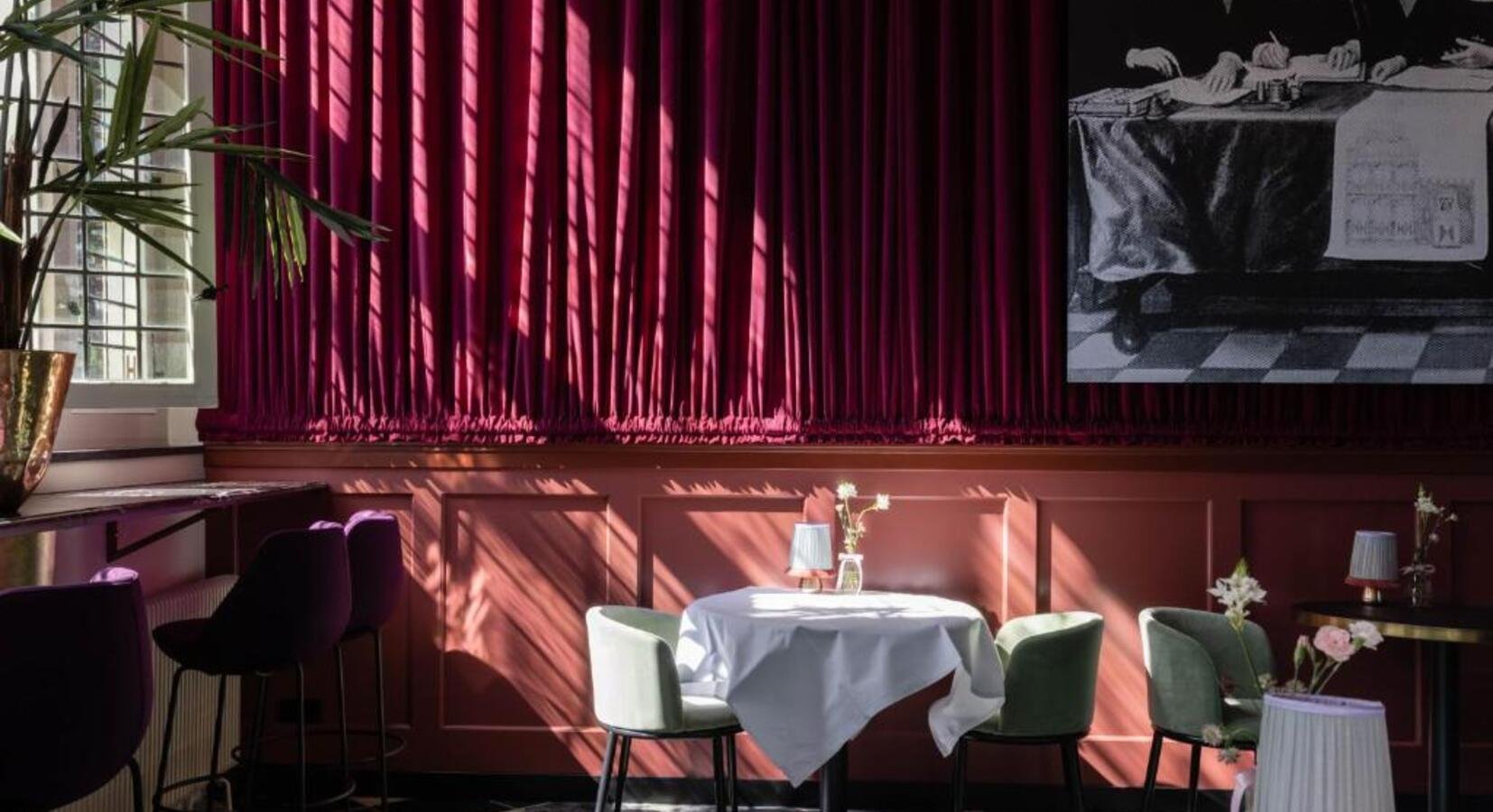
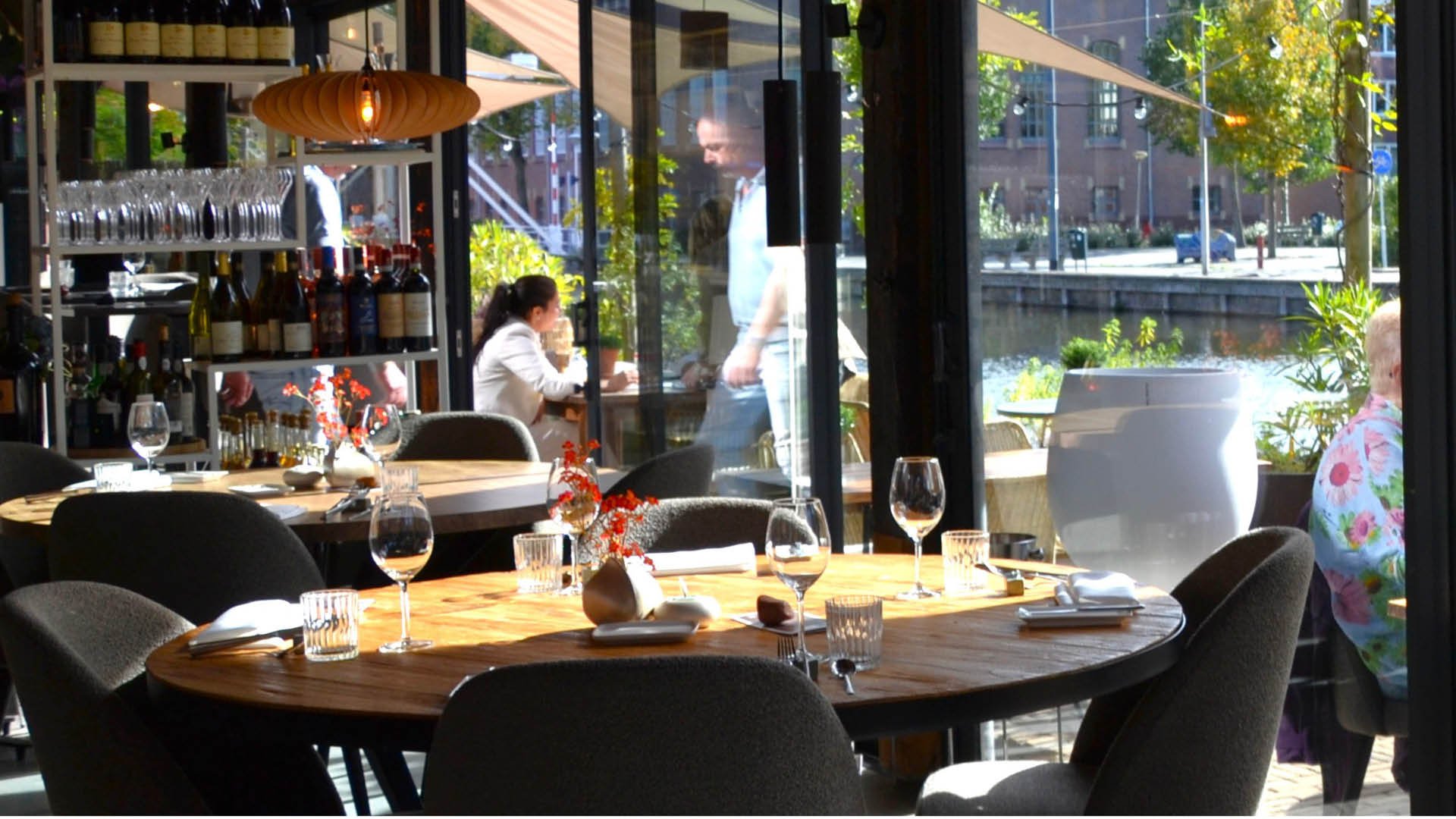
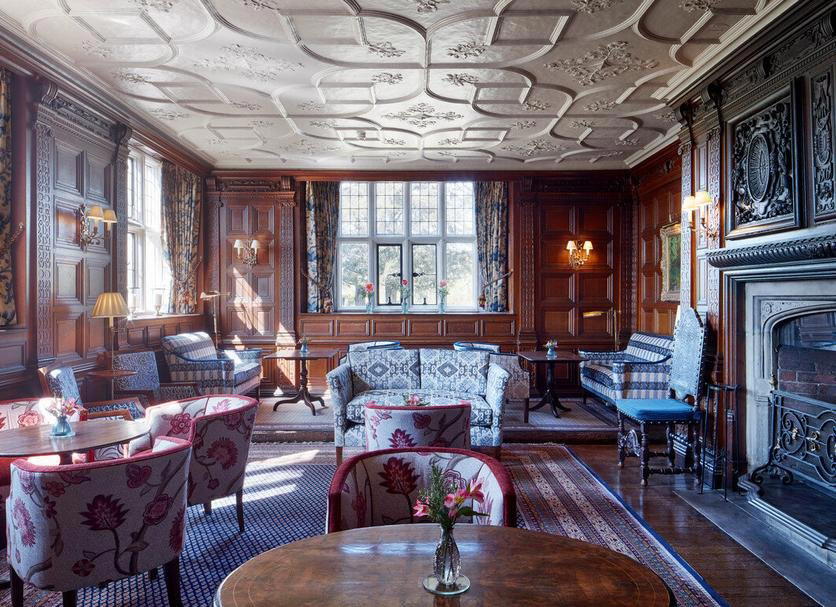
Warm, sophisticated atmosphere with artistic lighting, cozy rooms, and serene courtyard terrace amid a lively historic area.
Tags
Vibe
Best For
Experience
Amenities
View
Accessibility
About the Stay
- Rooms
- 25
- Property Type
- Boutique hotel
- Property Style
- Boutique Townhouse in a 16th Century Orphanage with Contemporary Elegance.
- Design Style
- Art Nouveau Inspired Ceramics, Eclectic Modern with Historic Details.
- Breakfast
- Included
- Pets
- Allowed
- Families
- Welcome
Know before you go
Know Before You Go
- Getting there
- Spieringstraat 1, 2801 ZH Gouda
Planning details
Location
Recognition and awards

Also consider
Also Consider
- Stadshotel Woerden, Notable alternative
- The Social Hub Rotterdam, Notable alternative
- citizenM Rotterdam, Notable alternative
- Suite Hotel Pincoffs Rotterdam, Notable alternative
- Hotel nhow Rotterdam, Notable alternative
Hotel context
How It Compares
Choose Weeshuis Gouda if the trip is built around Gouda itself and the hotel needs to feel occasion-worthy. Stadshotel Woerden is the more practical small-city alternative, but it makes less sense if the plan is centered on Gouda's historic core.
For a Rotterdam base, The Social Hub Rotterdam is better for casual value and a younger, busier feel, while citizenM Rotterdam is the easier choice for efficient short stays where compact rooms and self-service systems are acceptable. Those are stronger functional picks, not stronger celebration picks.
If ambiance is the deciding factor, compare rates with Suite Hotel Pincoffs Rotterdam and Hotel nhow Rotterdam. Pincoffs is the closer cross-shop for character; nhow is better for a bigger Rotterdam design-hotel feel. Book Weeshuis Gouda when the point is Gouda, slower pacing, and a more intimate stay.
Explore Gouda
Around this place
Discover more on Pearl
Unlock the full Weeshuis Gouda guide in Pearl, including awards, comparisons, FAQs, planning details, and nearby places.
Compare Weeshuis Gouda
| Venue | Location | Awards |
|---|---|---|
| Weeshuis Gouda | Gouda | 2026 Relais Chateaux Hotels2025 Michelin Selected Hotels2025 Relais Chateaux Award |
| Stadshotel Woerden | Woerden | No published awards |
| The Social Hub Rotterdam | Rotterdam | No published awards |
| citizenM Rotterdam | Rotterdam | No published awards |
| Suite Hotel Pincoffs Rotterdam | Rotterdam | No published awards |
| Hotel nhow Rotterdam | Rotterdam | No published awards |
How Weeshuis Gouda compares with similar nearby venues.
FAQ
Frequently Asked Questions
How is the pool and spa at Weeshuis Gouda?
Check directly with Weeshuis Gouda for current pool and spa details. The hotel has a Relais Chateaux Award (2026) and MICHELIN Guide, Hotels Selected (2025).
How is the location of Weeshuis Gouda?
Weeshuis Gouda is in Gouda. Check the venue directly for the specific address, arrival details, and neighborhood context. If you are comparing regional stays, citizenM Rotterdam and The Social Hub Rotterdam are Rotterdam options rather than Gouda options.
Which room category is best at Weeshuis Gouda?
Choose based on the room details published by the venue for your dates, and check anything important before booking. If you are comparing other regional stays, citizenM Rotterdam is another hotel option to consider.
Do loyalty programs work at Weeshuis Gouda?
Check directly with Weeshuis Gouda for any loyalty-program terms. Its trust signals include Relais Chateaux Award (2026) and MICHELIN Guide, Hotels Selected (2025). If loyalty value is central to the trip, compare it with options such as citizenM Rotterdam or Hotel nhow Rotterdam and check the terms directly.