
GOTO RETREAT by Onko Chishin
Kamisakiyamacho, Goto
Hotel in Goto, Japan
 Book with Pearl
The Read
Archipelago Contemplative Hospitality
Why go
GOTO RETREAT by Onko Chishin is the Goto Islands choice for travelers who want the hotel to anchor the trip, not just support it. Book it for a quiet, design-led retreat stay with Michelin 1 Key recognition; skip it if the priority is Nagasaki city convenience, dense sightseeing, or fully predictable resort infrastructure.
About GOTO RETREAT by Onko Chishin
GOTO RETREAT by Onko Chishin is a venue in Goto. It has a smart casual dress code and is recognized with a Michelin 1 Key (2025).
The useful way to think about GOTO RETREAT by Onko Chishin is as a Goto stay. If the goal is to stay in Goto and make the property part of the reason for going, it may be relevant to consider; if the trip depends on details not mentioned here, confirm those details directly before booking.
A Goto stay with limited detail
The appeal should be evaluated around its basics: GOTO RETREAT by Onko Chishin is in Goto and carries Michelin 1 Key recognition for 2025. Specific room layouts, views, dining details, spa facilities, rates, and service formats are not available, so they should not be assumed.
Because detailed room, dining, and rate information is not listed, the safer recommendation is to book only after confirming the details that matter to your trip. Do not choose it solely for a named restaurant, a published spa menu, a specific room feature, or a guaranteed family setup unless those details are confirmed during booking. Choose it for the Goto location and its recognition signal.
For planning around the area, treat meals and off-property time as details to confirm separately. Other dining in Goto can be considered generically, but specific restaurant, bar, winery, or activity recommendations for the stay are not provided.
Who should book it, and who should not
Book this if Goto is the point of the trip and you want a venue with Michelin 1 Key recognition in 2025. Skip it if the trip depends on confirmed amenities or logistics not listed, such as a specific dining format, spa facility, room configuration, transfer arrangement, or family setup.
The verdict: GOTO RETREAT by Onko Chishin belongs on the shortlist for a Goto stay where the property choice matters and recognition is important. If this is just one night between transfers, confirm the practical details before committing. For a convenience-first traveler, another venue that better matches the itinerary may be the easier tool.
Planning details
- Location
- 2877 Kamisakiyamachō, Goto, Nagasaki 853-0023
- Website
- goto.by-onko-chishin.com
- Phone
- +81 959-78-5551
The take
The Take
The Vibe
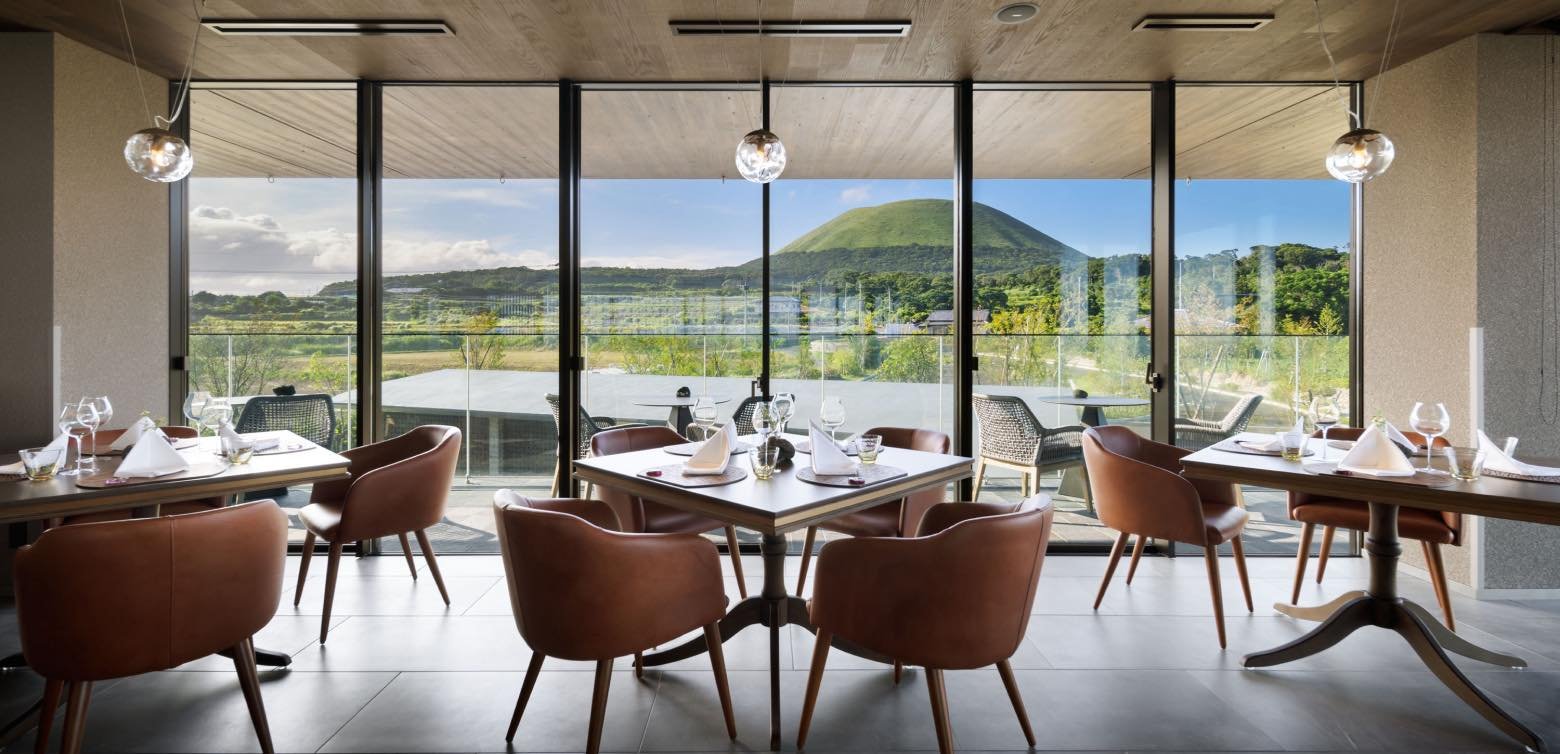
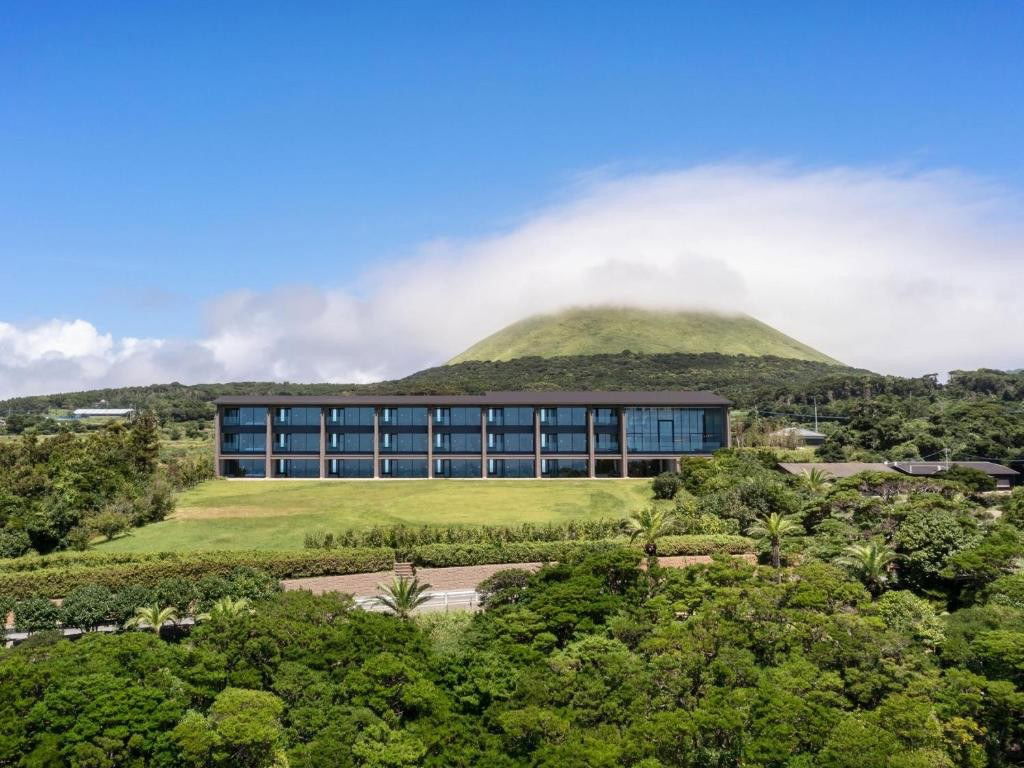
GOTO RETREAT by Onko Chishin presents itself as a quietly rigorous design-led escape. The architecture mediates sea, light and topography so that views and natural illumination feel like structural elements rather than decoration. The property leans into tradition—referencing a classical Japanese maxim and continuity with traditional hospitality—while remaining deliberately contemporary in its spatial logic. Its modest 26-room scale and the island's history of pilgrimage create an atmosphere of contemplation and calm; stays are defined as much by what you can see through carefully composed openings as by what happens inside the buildings.
Best For
This is a retreat for travelers seeking calm, design focus and a deliberate sense of distance from the mainland. The property's contemplative posture and small scale make it well suited to wellness retreats, romantic getaways and honeymoons, as well as weekend escapes that center on solitude and reflection. The island setting and the emphasis on light and seascape reward guests who want to slow down, tune into place and experience architecture that frames both landscape and stillness.
Stay Tips
Reaching the Gotō Islands requires planning—guests arrive by a roughly 90-minute high-speed ferry from Nagasaki port or by a short regional flight—so build travel connections into your itinerary. The property’s 26-room scale and remote location mean availability can be limited during peak periods; book travel and accommodation together where possible and allow extra time for transfers. Expect an experience shaped by daylight and landscape, so consider arrival and departure times that maximize your first and last views of the seascape.
Venue details
Ambiance
Tranquil and elegant with natural light flooding modern Japanese-Western style rooms, soundproofed for serenity, and ocean views creating a peaceful, restorative atmosphere.
Tags
Vibe
Best For
Experience
Amenities
View
Accessibility
About the Stay
- Rooms
- 26
- Check-in
- 15:00
- Check-out
- 11:00
- Property Style
- Luxury Oceanfront Retreat Harmonizing Modern Design with Goto's Natural and Spiritual Heritage.
- Design Style
- Modern Japanese Western Fusion with Minimalist Elegance, Natural Materials, and Expansive Ocean Views.
Know before you go
Know Before You Go
- Getting there
- 2877 Kamisakiyamachō, Goto, Nagasaki 853-0023
Planning details
Location
Recognition and awards
Also consider
Also Consider
- Hotel Indigo Nagasaki Glover Street, Notable alternative
- Nagasaki Marriott Hotel, Notable alternative
- Kikka Hirado, Notable alternative
- Onyado Chikurintei, Notable alternative
- RYOTEI HANZUIRYO, Notable alternative
Hotel context
How It Compares
Choose GOTO RETREAT by Onko Chishin over Hotel Indigo Nagasaki Glover Street or Nagasaki Marriott Hotel when the trip is built around the Goto Islands rather than Nagasaki city. The Indigo and Marriott make more sense for urban convenience, transit, and a mainland itinerary; GOTO RETREAT is the better fit when ambiance and removal from the city are the point.
Against Kikka Hirado, Onyado Chikurintei, and RYOTEI HANZUIRYO, the decision is about setting and intent. Those are better cross-shops if a traditional ryokan-style stay or a different Kyushu base is the priority. GOTO RETREAT is the cleaner recommendation for travelers specifically choosing Goto and wanting a retreat-format hotel with Michelin 1 Key recognition.
Value is strongest when the room and setting will be used, not when the hotel is treated as a place to sleep between transfers. If availability is tight, cross-shop Kikka Hirado for another destination-stay mood, or Nagasaki Marriott Hotel for the easier city fallback.
Explore Goto
Around this place
Discover more on Pearl
Unlock the full GOTO RETREAT by Onko Chishin guide in Pearl, including awards, comparisons, FAQs, planning details, and nearby places.
Compare GOTO RETREAT by Onko Chishin
| Venue | Location | Awards |
|---|---|---|
| GOTO RETREAT by Onko Chishin | Goto | Michelin 1 Key 20252025 Michelin 1 Key2024 Michelin 1 Key |
| Hotel Indigo Nagasaki Glover Street | Nagasaki | No published awards |
| Nagasaki Marriott Hotel | Nagasaki | No published awards |
| Kikka Hirado | Hirado | No published awards |
| Onyado Chikurintei | Takeo | 2025 Michelin 2 Keys |
| RYOTEI HANZUIRYO | Unzen | 2025 Michelin 1 Key |

How GOTO RETREAT by Onko Chishin compares with similar nearby venues.
FAQ
Frequently Asked Questions
How does GOTO RETREAT by Onko Chishin compare to other regional hotels?
Choose this if you want a stay in Goto with Michelin 1 Key recognition in 2025. Hotel Indigo Nagasaki Glover Street and Nagasaki Marriott Hotel are different options for travelers considering Nagasaki, while Kikka Hirado, Onyado Chikurintei, and RYOTEI HANZUIRYO are regional alternatives to compare based on your route and priorities.
How is the pool and spa at GOTO RETREAT by Onko Chishin?
Pool and spa details are not available. If those facilities are important to the trip, confirm the current offering directly before booking. GOTO RETREAT by Onko Chishin is in Goto and has a Michelin 1 Key (2025).
Is GOTO RETREAT by Onko Chishin family-friendly?
Family-specific facilities and policies are not available. If you are traveling with children, confirm room setup, bedding, meals, and any age-related policies directly before booking. Travelers who need Nagasaki options can also compare Hotel Indigo Nagasaki Glover Street or Nagasaki Marriott Hotel.
What is check-in like at GOTO RETREAT by Onko Chishin?
Specific check-in details are not available. Confirm arrival time, transfer needs, and any service requirements directly with the hotel before booking. The location is Goto.
Which room category is best at GOTO RETREAT by Onko Chishin?
Room-category details are not available, so the best choice depends on what the hotel confirms at booking. Ask directly about layout, occupancy, view, bedding, and any inclusions before committing. If you are comparing different regional stays, Kikka Hirado, Onyado Chikurintei, and RYOTEI HANZUIRYO may also be relevant to your route.