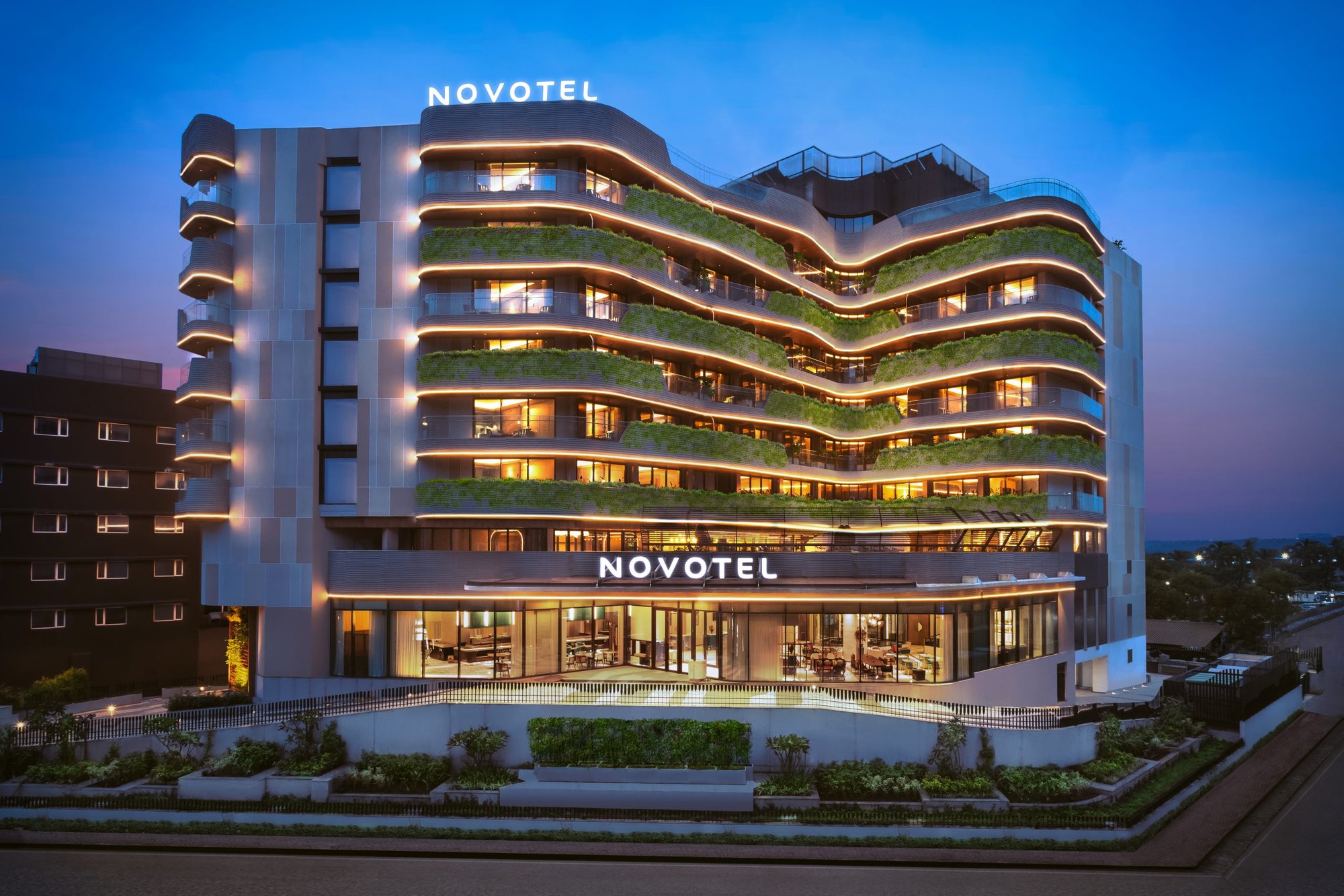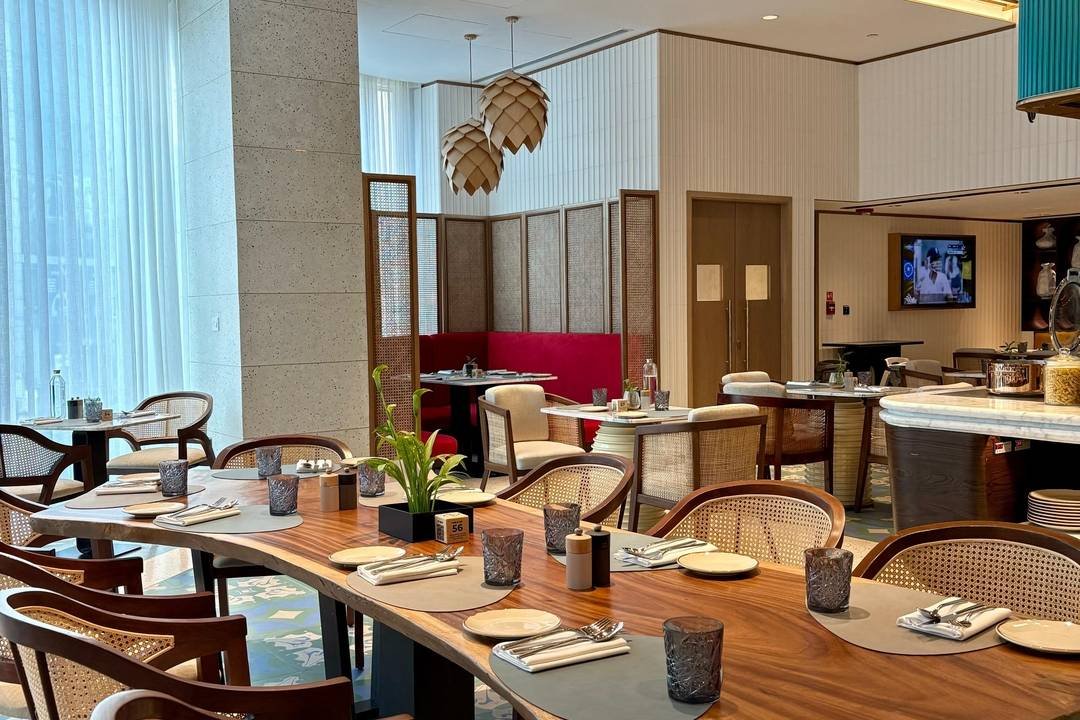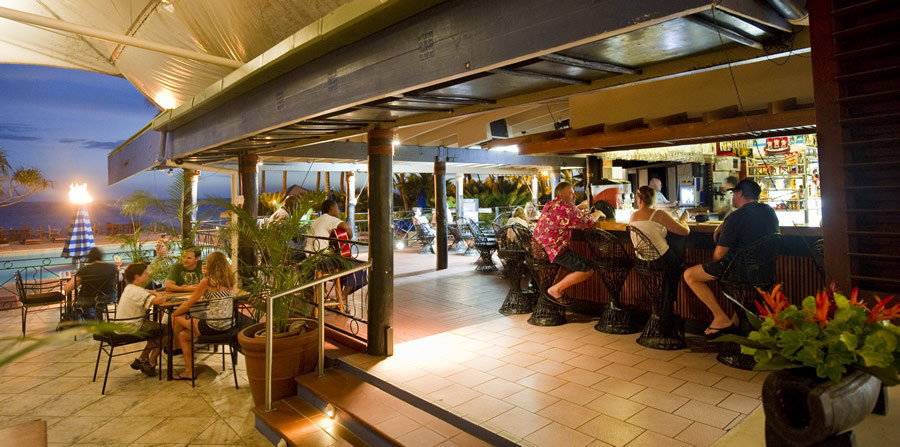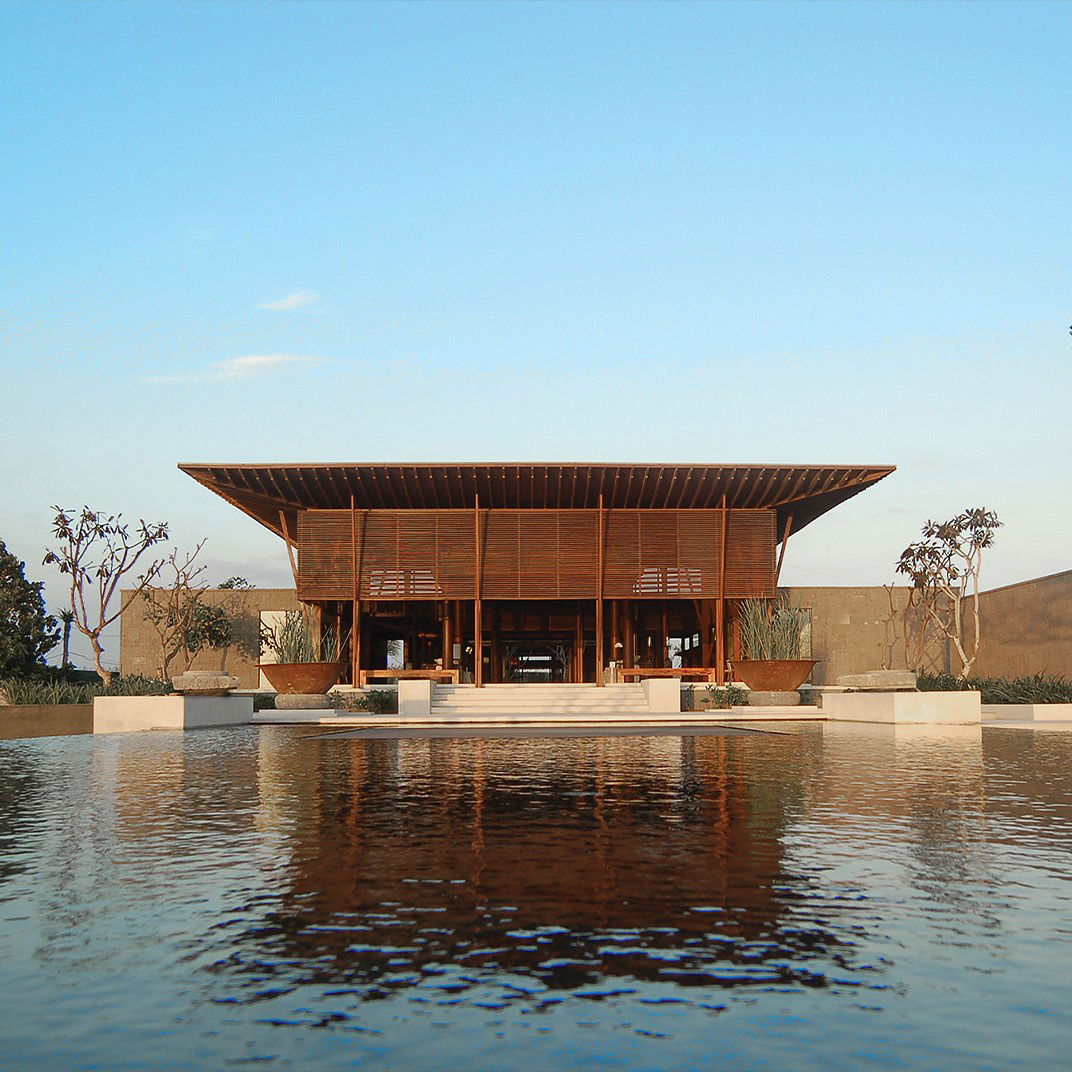

Alila Diwa Goa
Majorda, Goa
Hotel in Goa, India
 Book with Pearl
Why go
Alila Diwa Goa is worth booking if the priority is a calm South Goa resort base rather than a city-convenience hotel. The strongest fit is couples or families who want space, slower days, and a design-led atmosphere; business travelers with frequent Panjim meetings should compare Novotel Goa Panjim instead. MICHELIN Guide — Hotels Selected (2025) adds a useful trust signal.
About Alila Diwa Goa
For first-timers considering Goa, Alila Diwa Goa is a smart-casual hotel in Goa listed as MICHELIN Guide, Hotels Selected (2025). It is worth considering, with the final decision depending on current booking details and the kind of Goa stay you want.
The clearest way to evaluate Alila Diwa Goa is as a Goa hotel option with MICHELIN Guide hotel recognition. Before booking, review practical details directly, including exact location, room category, facilities, dining arrangements, and transport plans. If you are comparing hotel stays in Goa, consider it alongside Novotel Goa Panjim, Baale Resort Goa, Brij Paraiso Goa, Taj Holiday Village Resort and Spa, Goa, and The Postcard Saligao.
Choose it if the MICHELIN Guide hotel recognition matters
The strongest reason to keep Alila Diwa Goa on a shortlist is its MICHELIN Guide, Hotels Selected (2025) recognition. Use that as one factor alongside amenities, service style, dining identity, and guest profile when reviewing current hotel information.
For trip planning, keep Alila Diwa Goa as one Goa hotel candidate. Cross-check the current booking page, cancellation terms, room descriptions, and transport needs before committing. Other Goa dining and hotel options can help frame the trip, but the practical choice should come down to the details that matter for the dates you are booking.
Who should book, and who should cross-shop
Book Alila Diwa Goa if you want a Goa hotel with MICHELIN Guide hotel selection recognition and you are comfortable checking the remaining practical details directly. The smart casual dress code is a useful style note, so check current hotel information before assuming a particular level of formality, dining format, or resort routine.
Cross-shop it with Novotel Goa Panjim, Taj Holiday Village Resort and Spa, Goa, The Postcard Saligao, Baale Resort Goa, and Brij Paraiso Goa when deciding among Goa hotel stays. Quick reference: choose Alila Diwa Goa for a Goa hotel with MICHELIN Guide, Hotels Selected (2025) recognition; compare the others based on the details that matter most for your trip.
Planning details
- Location
- 48/10, Adao Waddo, Pacheco Vaddo, Majorda, Gansua, Goa 403713, India
- Website
- hyatt.com/alila-hotels-and-resorts/en-US/goial-alila-diwa-goa?src=corp_lclb_google_seo_goial
- Phone
- +91 832 695 1234
The take
The Take
The Vibe
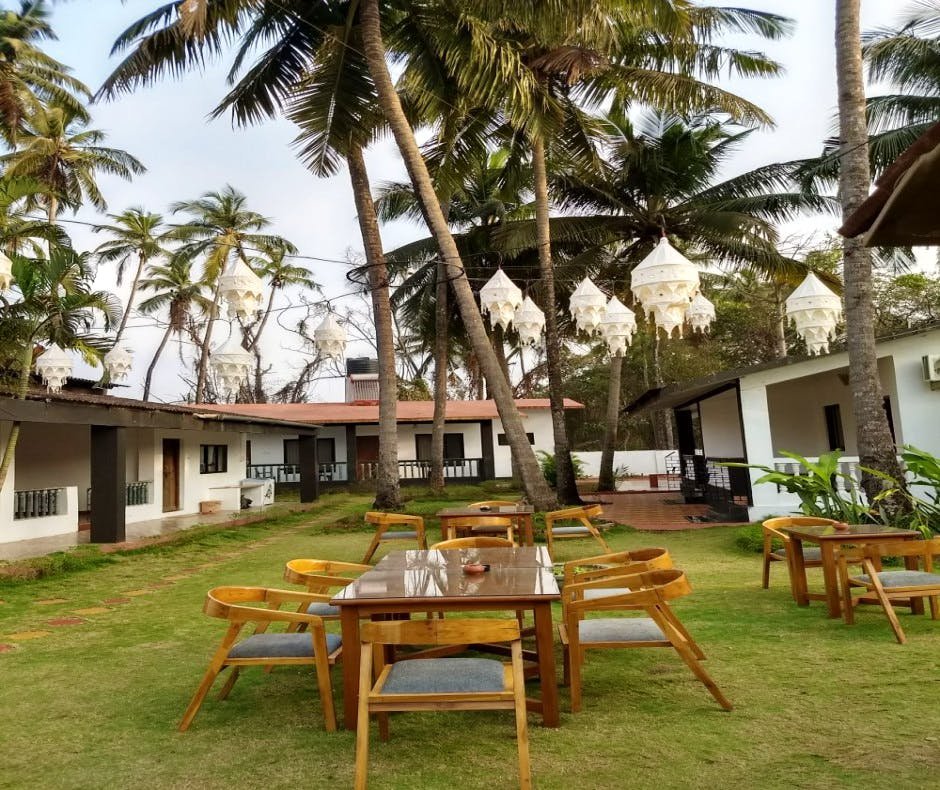
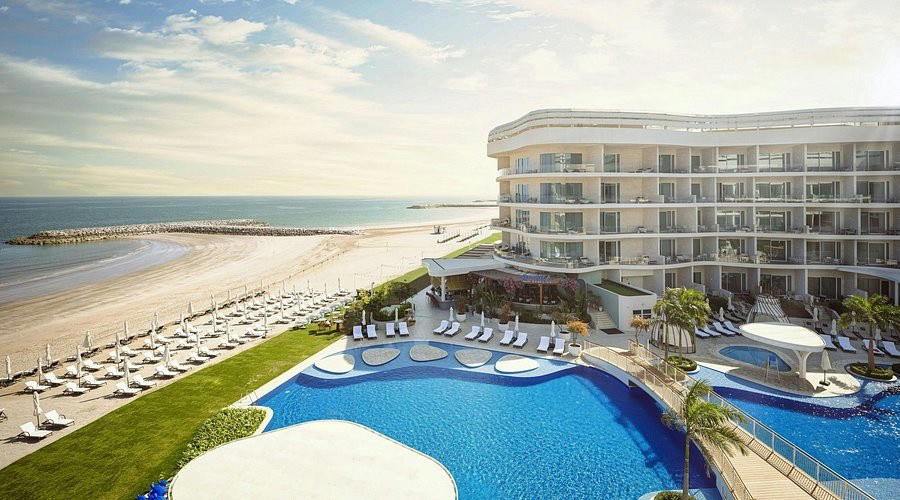
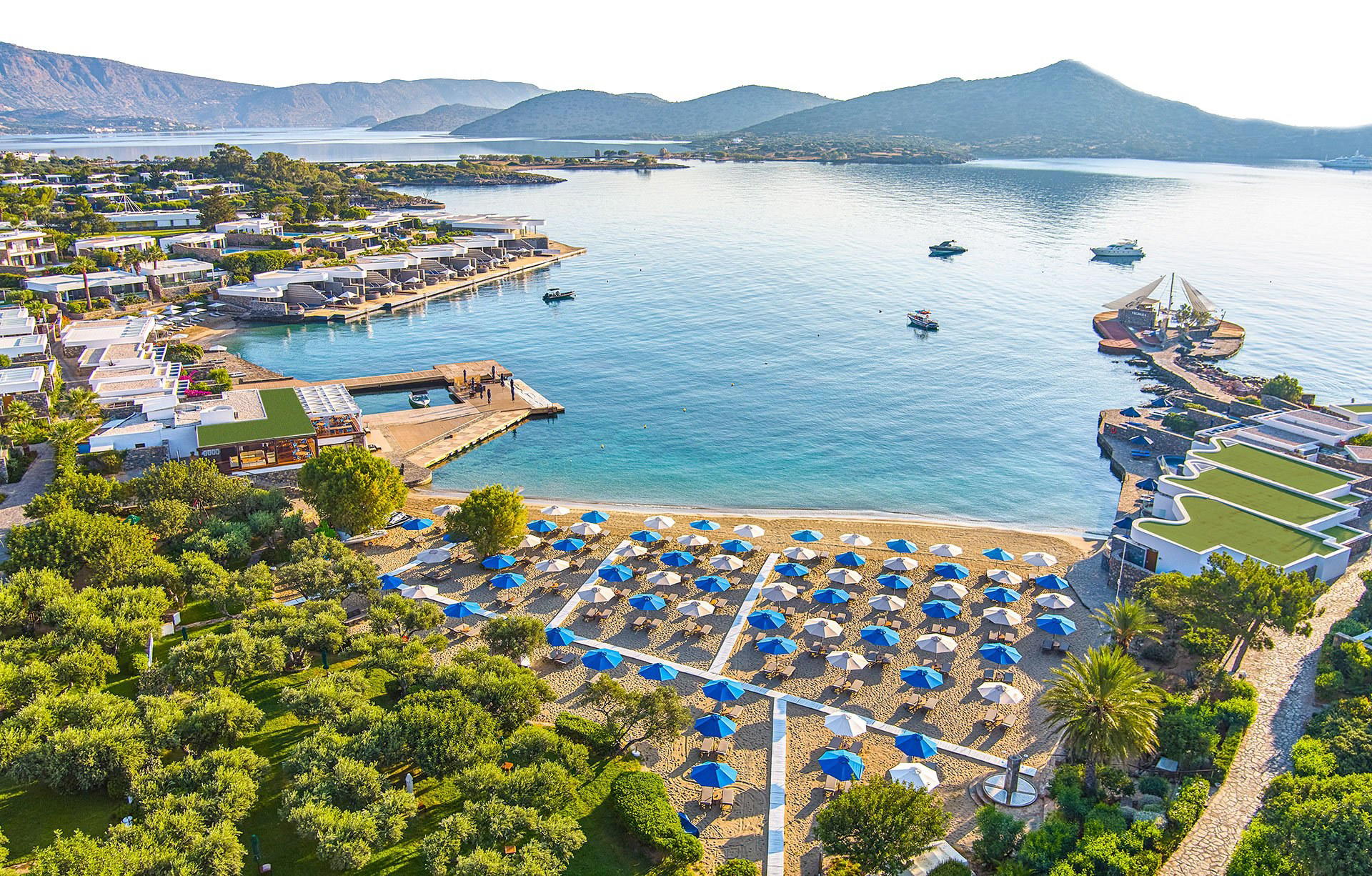
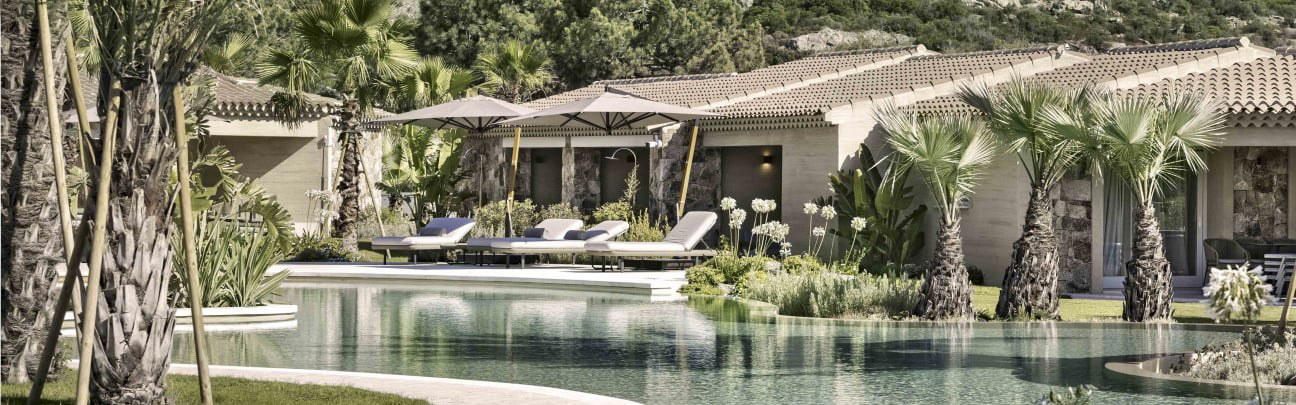
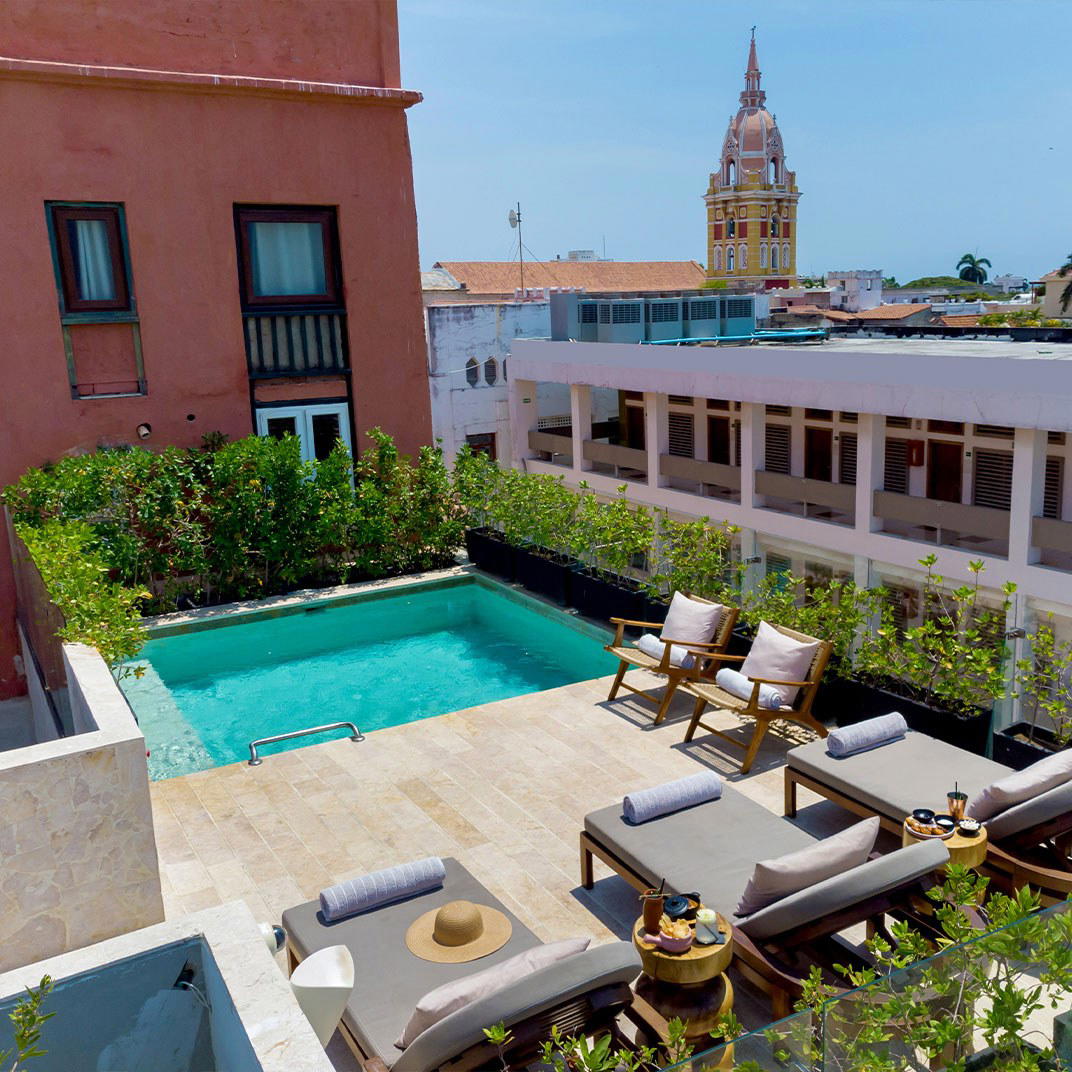
Alila Diwa Goa reads like a study in regional restraint: architecture and materials take center stage rather than theatrical resort gestures. The property interprets Goa’s Portuguese-Goan vernacular through pitched laterite walls, wide verandah overhangs and internal courtyard geometries that perform in the monsoon climate as well as they please the eye. That design-first approach produces a classic, quietly refined atmosphere—low in flash, high in considered details—well suited to travelers who prefer architecture and place-making to branded spectacle. Michelin Selected status reinforces the sense of consistent, mature hospitality rather than headline-grabbing excess.
Best For
This hotel is best for travelers seeking a relaxed, design-minded stay in South Goa rather than a high-energy, volume-driven beach scene. The write-up emphasizes the area’s lower-density character and 'longer dwell times,' so the property suits weekend escapes, multi-night stays and guests who value architecture that responds to climate—courtyards and verandahs that channel monsoon airflow. Michelin Selected recognition signals reliable quality across touchpoints, making it a good pick for discerning visitors who want a calm base with strong local design identity rather than a buzzy party resort.
Venue details
Ambiance
Serene and tranquil atmosphere with natural light flooding spacious, elegantly designed spaces featuring high roofs, verandas, and lush greenery.
Tags
Vibe
Best For
Experience
Amenities
View
About the Stay
- Rooms
- 153
- Check-in
- 15:00
- Check-out
- 12:00
- Property Style
- Contemporary Goan Resort with Low Rise Architecture Amid Rice Paddies and Near the Beach
- Design Style
- Minimalist with Goan Portuguese and Balinese Influences, Featuring Teak, Laterite Stone, High Roofs, and Earthy Tones
Know before you go
Know Before You Go
- Getting there
- 48/10, Adao Waddo, Pacheco Vaddo, Majorda, Gansua, Goa 403713, India
Planning details
Location
48/10, Adao Waddo, Pacheco Vaddo, Majorda, Gansua, Goa 403713, India · Directions
hyatt.com/alila-hotels-and-resorts/en-US/goial-alila-diwa-goa?src=corp_lclb_google_seo_goial
Recognition and awards
Also consider
Also Consider
- Novotel Goa Panjim, Notable alternative
- Taj Holiday Village Resort and Spa, Goa, Notable alternative
- The Postcard Saligao, Notable alternative
- Brij Paraiso Goa, Notable alternative
- Baale Resort Goa, Notable alternative
Hotel context
How it compares in Goa
Alila Diwa Goa is the pick for travelers who want a quieter South Goa resort rhythm and do not need to be in Panjim every day. Novotel Goa Panjim is the more practical choice for business travel, city access, and shorter stays where convenience matters more than resort atmosphere. If the trip is mainly about slowing down, Alila Diwa Goa has the stronger leisure case.
Against Taj Holiday Village Resort and Spa, Goa, the decision is about mood. Taj is the better cross-shop for guests who want a classic Goa resort feel and a more established holiday-village style stay. Alila Diwa Goa is better for travelers who prefer a calmer, design-led setting without making the hotel feel formal.
The Postcard Saligao, Brij Paraiso Goa, and Baale Resort Goa are stronger alternatives when privacy, smaller-scale hospitality, or villa-style space is the main goal. For an easier first Goa resort decision, Alila Diwa Goa is the safer middle path: more resort structure than a small retreat, less city-focused than Panjim, and calmer than a stay built around North Goa's busier pockets.
Explore Goa
Around this place
Discover more on Pearl
Unlock the full Alila Diwa Goa guide in Pearl, including awards, comparisons, FAQs, planning details, and nearby places.
Compare Alila Diwa Goa
| Venue | Location | Awards |
|---|---|---|
| Alila Diwa Goa | Goa | 2025 Michelin Selected Hotels |
| Novotel Goa Panjim | Goa | No published awards |
| Taj Holiday Village Resort and Spa, Goa | Candolim | 2026 La Liste Top Hotels |
| The Postcard Saligao | Saligao | No published awards |
| Brij Paraiso Goa | Saligao | No published awards |
| Baale Resort Goa | North Goa | Small Luxury Hotels Member 2025 |


How Alila Diwa Goa compares with similar nearby venues.
FAQ
Frequently Asked Questions
How is the location of Alila Diwa Goa?
Alila Diwa Goa is in Goa. Check the specific street, neighborhood, or landmark details directly before booking, especially if transport time or local convenience is important.
How is the pool and spa at Alila Diwa Goa?
For pool and spa arrangements, check the hotel's current information before booking. Alila Diwa Goa is listed as MICHELIN Guide, Hotels Selected (2025).
Is Alila Diwa Goa good for business travel?
It may be worth considering for a Goa stay, but business suitability depends on meeting locations, transport needs, and current hotel facilities. If business travel is central to the trip, compare Alila Diwa Goa with options such as Novotel Goa Panjim.
Do loyalty programs work at Alila Diwa Goa?
If loyalty benefits are important, check them directly before booking and compare the overall value with options such as Taj Holiday Village Resort and Spa, Goa.
How is the dining at Alila Diwa Goa?
Check current cuisine, chef, menu, pricing, and service details directly with the hotel. Compare the overall stay with The Postcard Saligao or Baale Resort Goa if the property choice depends on food plans.
How does Alila Diwa Goa compare to nearby hotels?
Alila Diwa Goa has MICHELIN Guide, Hotels Selected (2025) recognition and a smart casual dress code. For comparison, look at Novotel Goa Panjim, Taj Holiday Village Resort and Spa, Goa, Baale Resort Goa, Brij Paraiso Goa, and The Postcard Saligao based on the details that matter for your stay.