
1898 The Post
Binnenstad, Ghent
Hotel in Ghent, Belgium
 Book with Pearl
The Read
Gothic Civic Conversion
Why go
Choose 1898 The Post if the Ghent trip should feel anchored in the historic center rather than built around hotel amenities. Its Graslei address and Michelin 1 Key recognition make it a strong pick for couples, design-minded travelers, and first-time visitors; value-focused guests should compare Ghent Marriott Hotel, Hotel Harmony, or Ganda Rooms & Suites before paying up.
About 1898 The Post
For travelers comparing hotels in Ghent, 1898 The Post is a stay to consider when the hotel choice is meant to be part of the trip rather than only a place to sleep. The hotel has clear external recognition: Michelin 1 Key in 2025 and a Mr & Mrs Smith Seal of Approval in 2026.
Book it if those accolades and a smart-casual dress code are meaningful to your Ghent stay. If the decision depends on loyalty-program earning, specific services, or a broader comparison of hotel details, Ghent Marriott Hotel is one option to cross-shop, while Pillows Grand Boutique Hotel Reylof Ghent is another Ghent hotel to compare.
Choose it for a recognized Ghent stay rather than a standard hotel pick
The clearest reason to keep 1898 The Post on the shortlist is its recognition. Michelin 1 Key signals that the hotel has been singled out within Michelin's hotel selection, while the Mr & Mrs Smith Seal of Approval adds another layer of travel-platform validation.
The hotel may suit travelers who want a recognized Ghent base. If space, specific services, or a particular hotel setup will decide the booking, compare Hotel Harmony and Ganda Rooms & Suites before committing. B&B; The Verhaegen also belongs on the shortlist for a Ghent hotel comparison.
The recognition helps justify choosing it for a Ghent stay
Practical case is strongest for travelers who value a hotel with external validation. Michelin's Key system is useful because it identifies hotels that stand out in the guide's hotel selection. That does not mean every guest should choose 1898 The Post, but it does make the hotel a credible option when the stay itself matters.
For business travel, choose it only if the style and recognition fit the trip. If the main need is to compare hotel services, room types, and booking terms, Ghent Marriott Hotel may be a useful reference point. If the trip allows time to enjoy the hotel as part of a Ghent visit, 1898 The Post becomes easier to justify.
Dining should not be the deciding factor unless a meal plan is part of the booking. Treat the hotel as a stay-first choice, then use Our full Ghent restaurants guide and Our full Ghent bars guide to build the rest of the trip. For broader planning, keep Our full Ghent hotels guide, Our full Ghent experiences guide, and Our full Ghent wineries guide open while comparing the stay against the rest of the city.
Planning details
- Location
- Graslei 16, 9000 Gent
- Website
- 1898thepost.com
- Phone
- +32 9 391 53 79
The take
The Take
The Vibe
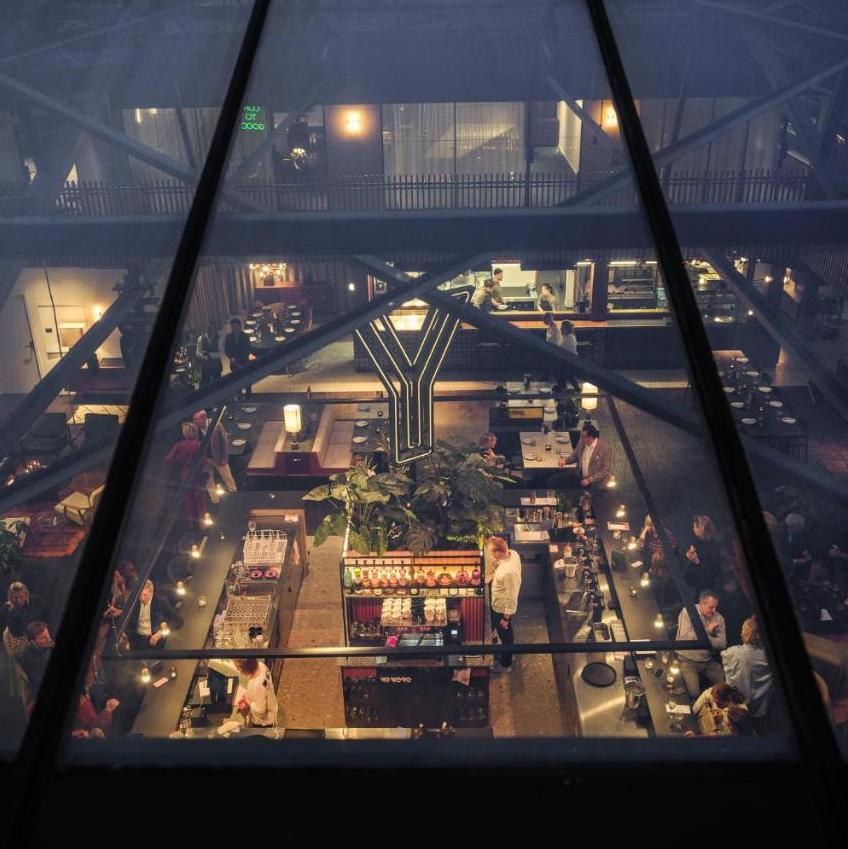
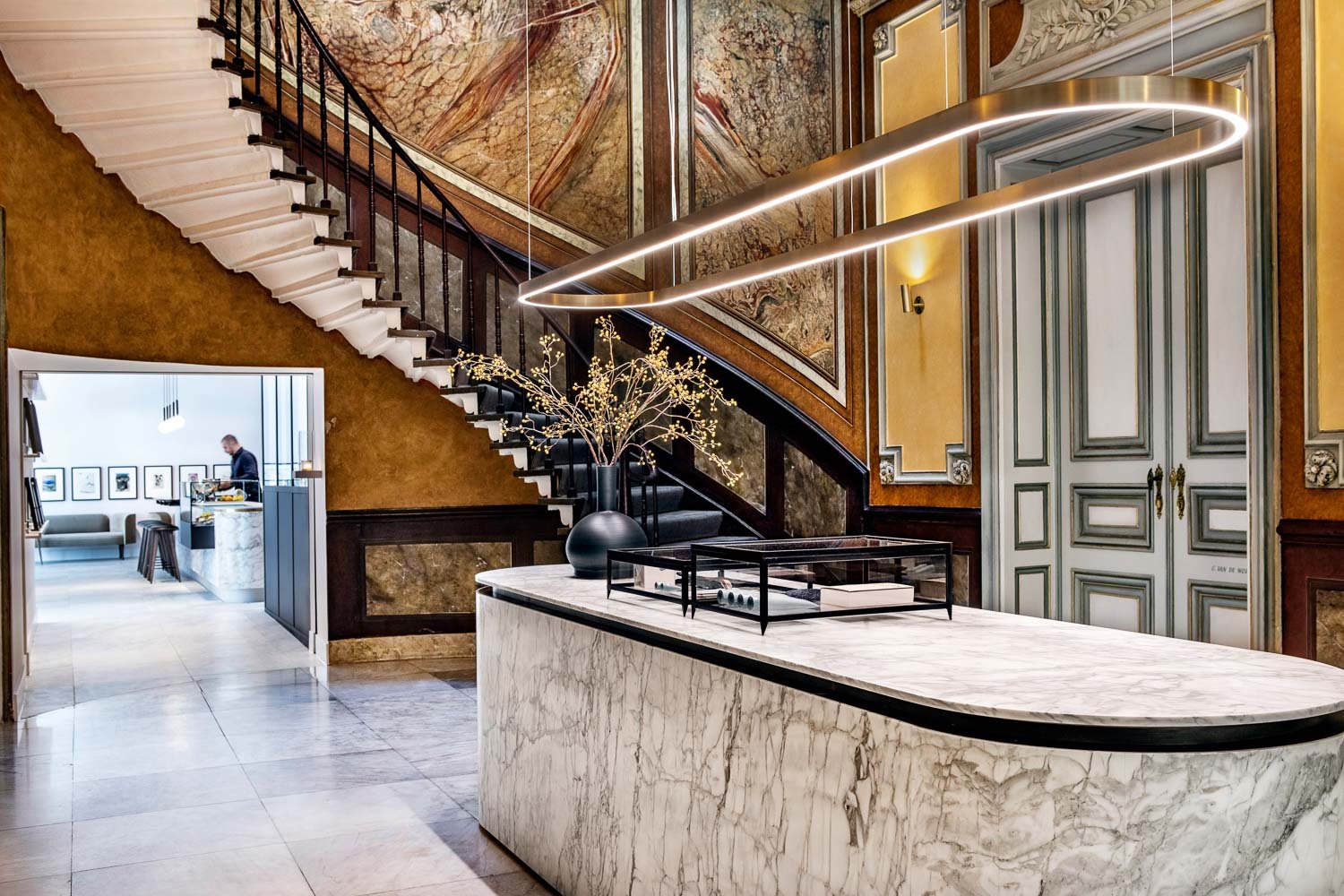
1898 The Post leans hard on its setting: a turn-of-the-century, neo‑Gothic former post office that deliberately converses with the guild houses lining the Graslei. The result is an architecture-forward hotel where the building itself sets the tone — dramatic stonework, arched fenestration and a canal‑side approach create an unmistakable sense of place. Interiors are framed by that exterior promise, so guests arrive expecting history rendered through careful design rather than museum quietude. The property feels like an emblem of Ghent’s waterfront, offering an atmospheric, design-led stay that foregrounds the city’s medieval character without feeling gimmicky.
Best For
Placed directly on the Graslei waterfront, 1898 The Post is best for travelers who prioritize location and character. It suits couples seeking a romantic getaway or anniversary escape, thanks to the building’s dramatic presence and canal-side setting. The hotel also appeals to visitors who prefer an independent, design-led stay over chain infrastructure: it’s a logical base for a weekend in Ghent, a short walk from the city’s central historic sights on the Graslei and Korenlei. Guests arrive expecting architecture and context to be part of the experience as much as the rooms themselves.
Venue details
Ambiance
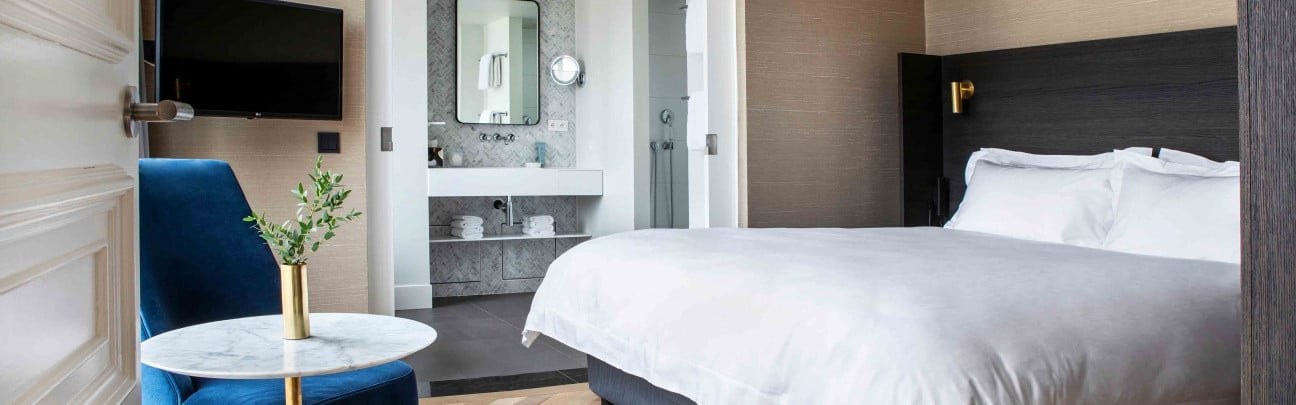
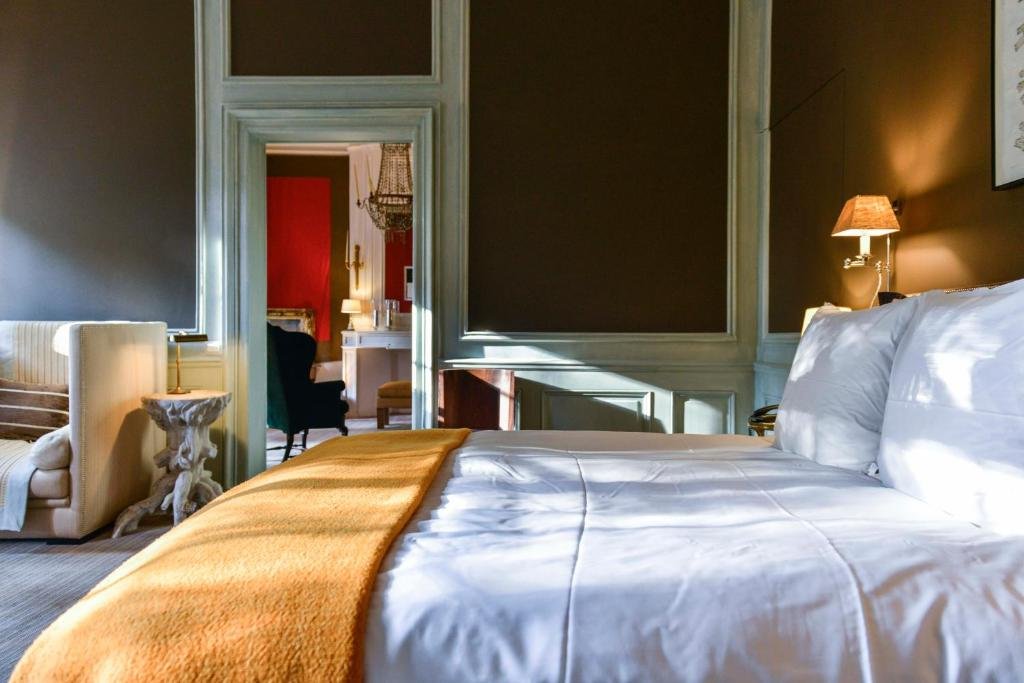
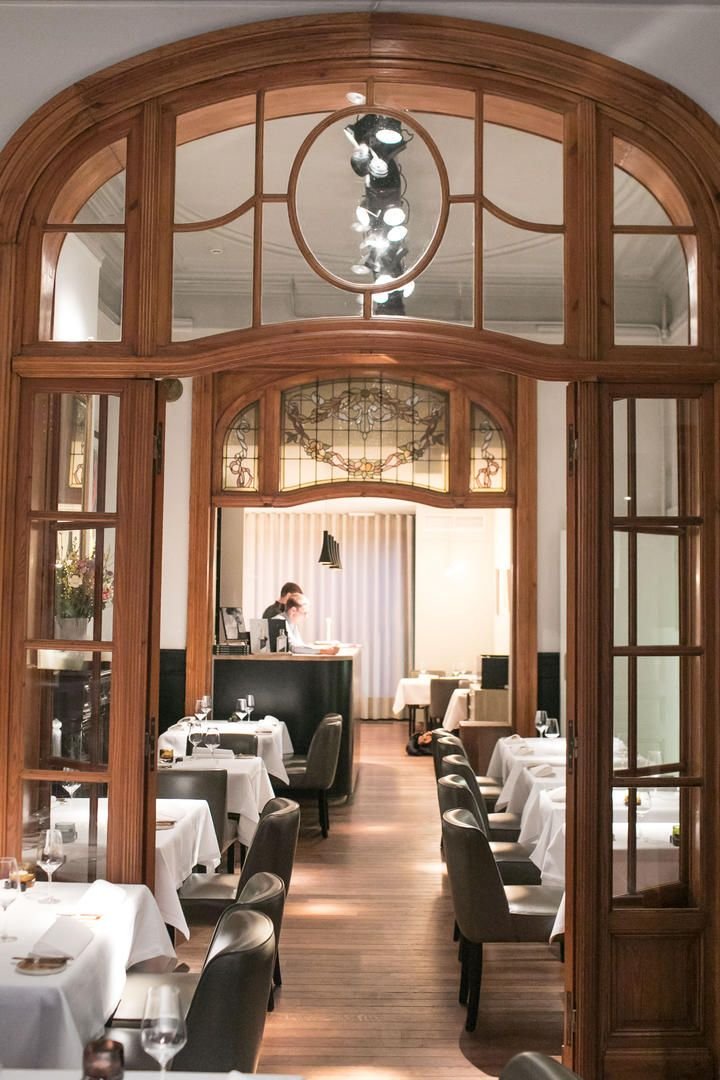
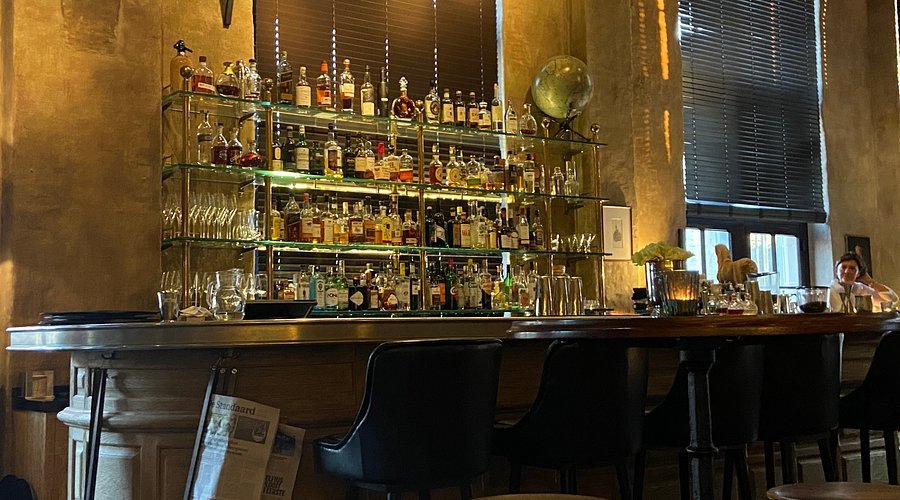
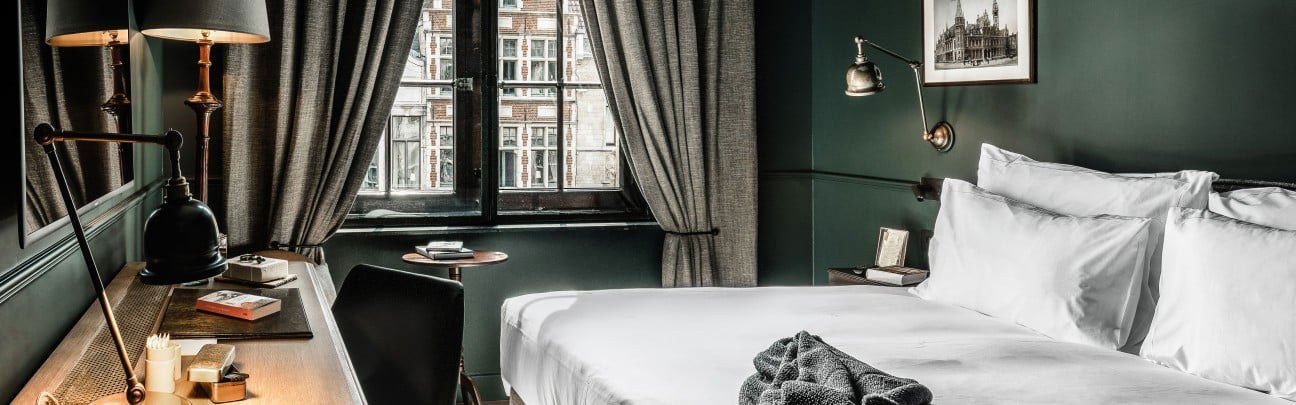
Cozy atmosphere with indirect lighting, dark earth tones, restored wood, and a romantic historic feel enhanced by modern luxury touches.
Tags
Vibe
Best For
Experience
Amenities
View
Accessibility
About the Stay
- Rooms
- 38
- Property Style
- Neo Gothic Heritage Boutique
- Design Style
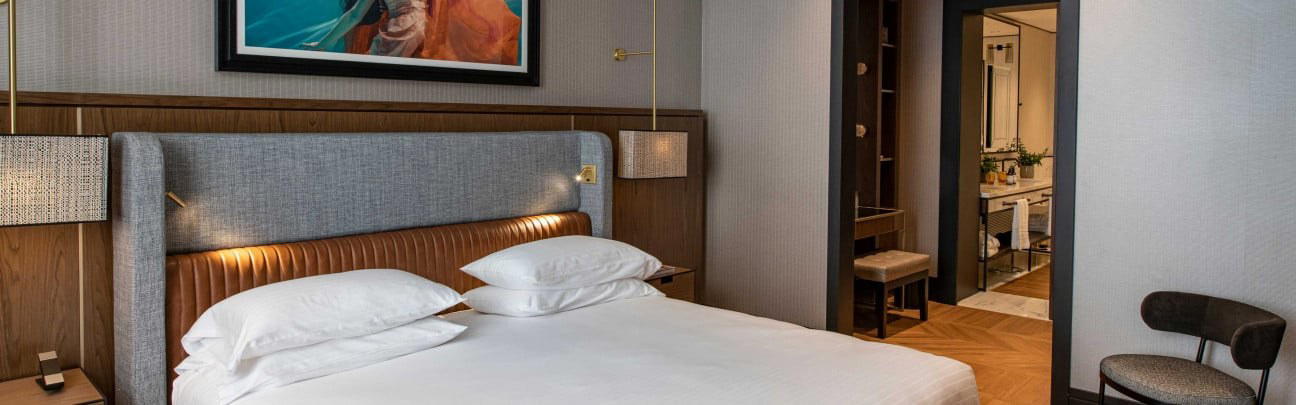
- Dark Palette with Rustic Wood, Antique Furniture, and Industrial Textures
Know before you go
Know Before You Go
- Getting there
- Graslei 16, 9000 Gent
Planning details
Location
Recognition and awards
Also consider
Also Consider
- Ghent Marriott Hotel, Notable alternative
- Hotel Harmony, Notable alternative
- B&B The Verhaegen, Notable alternative
- Pillows Grand Boutique Hotel Reylof Ghent, Notable alternative
- Ganda Rooms & Suites, Notable alternative
Hotel context
How It Compares
1898 The Post is the stronger pick when atmosphere and location carry the stay. Compared with Ghent Marriott Hotel, it feels less like a predictable full-service option and more like a trip-defining Ghent address. Choose Marriott if loyalty benefits, meeting logistics, or familiar operations matter more than character.
Hotel Harmony and Ganda Rooms & Suites are the better value cross-shops for travelers who want central Ghent without paying mainly for recognition and setting. They make more sense for families, longer stays, or guests who plan to spend little time at the hotel.
B&B; The Verhaegen is the closer rival for romance and personality, while Pillows Grand Boutique Hotel Reylof Ghent is the better alternative for travelers who want a broader boutique-hotel setup. If 1898 The Post is unavailable, start with Pillows for comfort or B&B; The Verhaegen for intimacy.
Explore Ghent
Around this place
Discover more on Pearl
Unlock the full 1898 The Post guide in Pearl, including awards, comparisons, FAQs, planning details, and nearby places.
Compare 1898 The Post
| Venue | Location | Awards |
|---|---|---|
| 1898 The Post | Ghent | 2026 Mr & Mrs Smith Luxury Hotels2026 Michelin 1 KeyMichelin 1 Key 20252025 Michelin 1 Key |
| Ghent Marriott Hotel | Ghent | No published awards |
| Hotel Harmony | Ghent | No published awards |
| B&B The Verhaegen | Ghent | No published awards |
| Pillows Grand Boutique Hotel Reylof Ghent | Ghent | 2026 Mr & Mrs Smith Luxury Hotels2026 Michelin 1 Key2025 Michelin 1 Key |
| Ganda Rooms & Suites | Ghent | No published awards |

How 1898 The Post Ghent compares with similar nearby venues.
FAQ
Frequently Asked Questions
Is 1898 The Post family-friendly?
It may work for some travelers visiting Ghent, but families should check room layouts, policies, and services directly before booking.
Is 1898 The Post good for business travel?
It can be considered for business travel in Ghent if the hotel's style and recognition fit the trip. Compared with Ghent Marriott Hotel, it is the more recognition-led choice; compare current room details, services, and booking terms before deciding.
Do loyalty programs work at 1898 The Post?
Do not choose it for loyalty-program value first. Its recognition is Michelin 1 Key in 2025 and a Mr & Mrs Smith Seal of Approval in 2026, not a specific hotel chain program. If points matter more, compare the relevant booking terms with Ghent Marriott Hotel instead.
How does 1898 The Post compare to other Ghent hotels?
1898 The Post stands out in this set for its Michelin 1 Key recognition and Mr & Mrs Smith Seal of Approval. Compare it with Ghent Marriott Hotel, B&B; The Verhaegen, Hotel Harmony, Pillows Grand Boutique Hotel Reylof Ghent, and Ganda Rooms & Suites based on the services, room types, and booking terms that matter most to your Ghent trip.