
Staudacherhof
Garmisch-Partenkirchen
Hotel in Garmisch-Partenkirchen, Germany
 Book with Pearl
The Read
Century-Old Bavarian Wellness Lodge
Why go
Staudacherhof is worth prioritizing if town access in Garmisch-Partenkirchen matters as much as hotel polish. The Michelin 1 Key signal supports the quality case, but the rate makes the most sense for repeat visitors who want flexible mountain days rather than a fully remote resort stay.
About Staudacherhof
Staudacherhof is a Garmisch-Partenkirchen hotel with a confirmed Michelin 1 Key recognition for 2025. Beyond that quality signal and a casual dress code, the public detail here is limited, so the safest way to assess it is as a hotel to compare carefully against other premium stays in and around the area rather than as a property with a fully documented set of amenities or formats.
Choose it for a confirmed Garmisch-Partenkirchen hotel stay
The clearest grounded reason to keep Staudacherhof on a shortlist is simple: it is in Garmisch-Partenkirchen and carries a Michelin 1 Key. That gives the booking a confirmed recognition point without needing to make unsupported claims about room categories, dining style, spa facilities, views, or resort programming.
The Michelin 1 Key matters because it separates this from a purely generic hotel listing. It gives the booking a quality signal, but it should not be stretched into assumptions about specific services. If comparing rates with larger retreat-style properties, judge Staudacherhof on what is and confirm any must-have amenities directly before booking.
Where the rate makes sense, and where it does not
For travelers who specifically want to stay in Garmisch-Partenkirchen, Staudacherhof belongs in the conversation. It is less possible to verify from the supplied data whether it is the right choice for a healthcare-led retreat, a cultural-program stay, or a remote wellness break, so those priorities should be checked against properties that more clearly present themselves around those themes.
When comparing options, look at Staudacherhof alongside Werdenfelserei for another Garmisch-Partenkirchen stay, and compare it more broadly with Das Graseck Mountain Hideaway & Healthcare, Das Kranzbach Hotel & Wellness Retreat, and Schloss Elmau Luxury Spa Retreat & Cultural Hideaway if the trip could work outside a direct Garmisch-Partenkirchen hotel choice.
Reservations: confirm availability and any must-have details directly before booking. Dress: casual. Budget: judge the rate against the confirmed Michelin 1 Key recognition and the need to be in Garmisch-Partenkirchen. Good fit: travelers considering a recognized hotel in Garmisch-Partenkirchen. Less ideal: travelers who need details on specific amenities before committing.
For broader planning, use Our full Garmisch-Partenkirchen hotels guide alongside Our full Garmisch-Partenkirchen restaurants guide, Our full Garmisch-Partenkirchen bars guide, Our full Garmisch-Partenkirchen wineries guide, and Our full Garmisch-Partenkirchen experiences guide.
Planning details
- Location
- Höllentalstraße 48, 82467 Garmisch-Partenkirchen
- Website
- staudacherhof.de
- Phone
- +49 8821 9290
The take
The Take
The Vibe
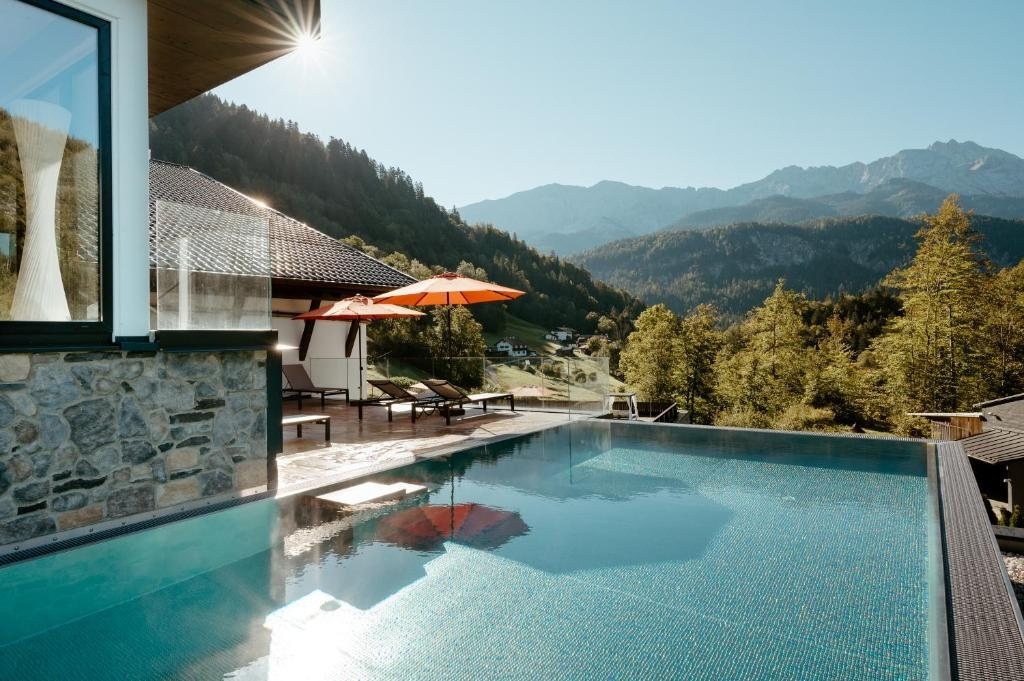
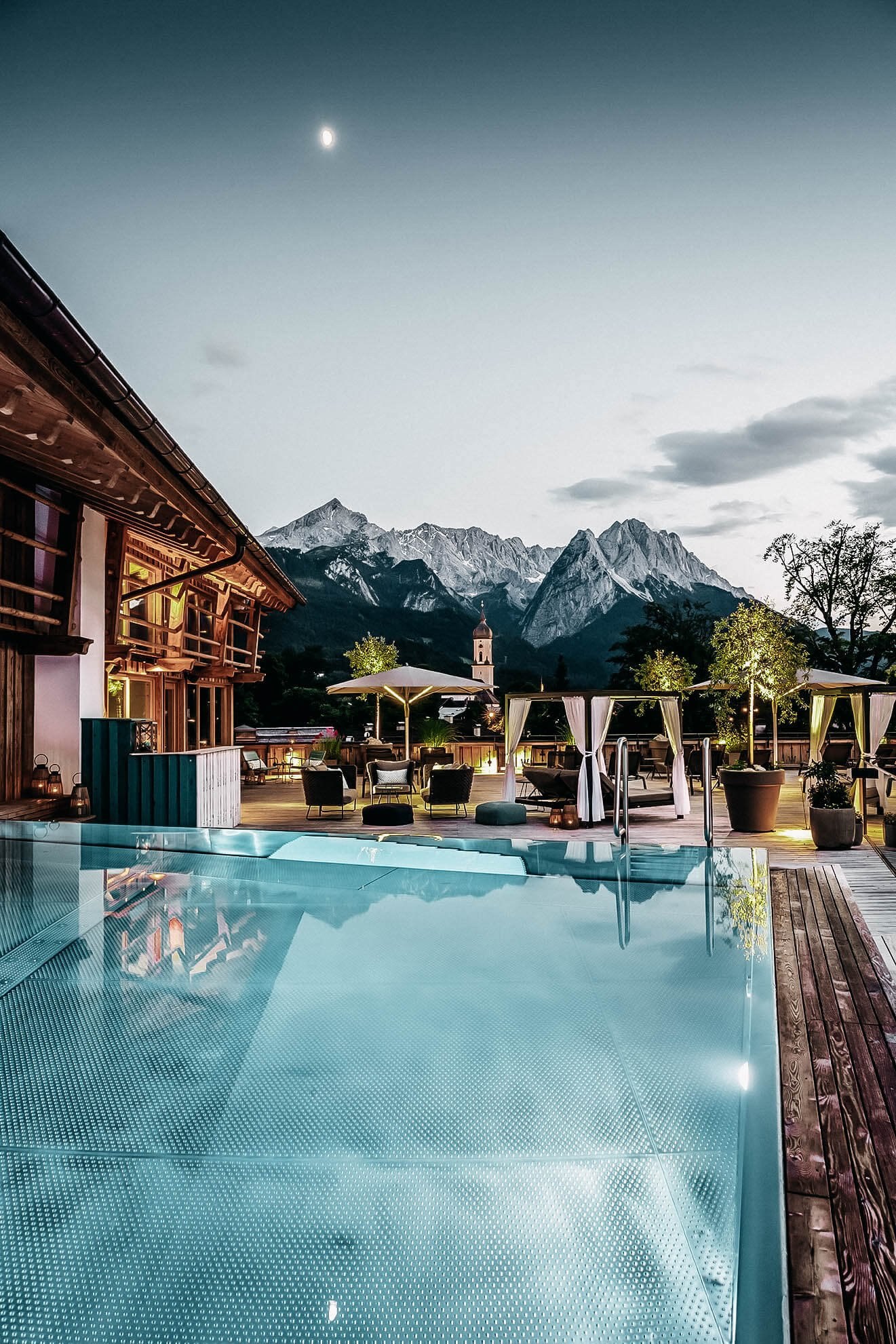
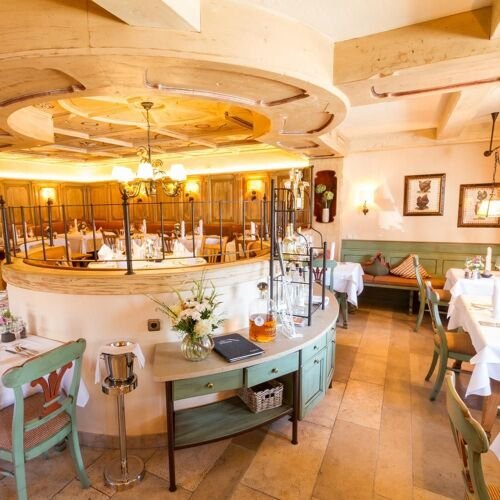
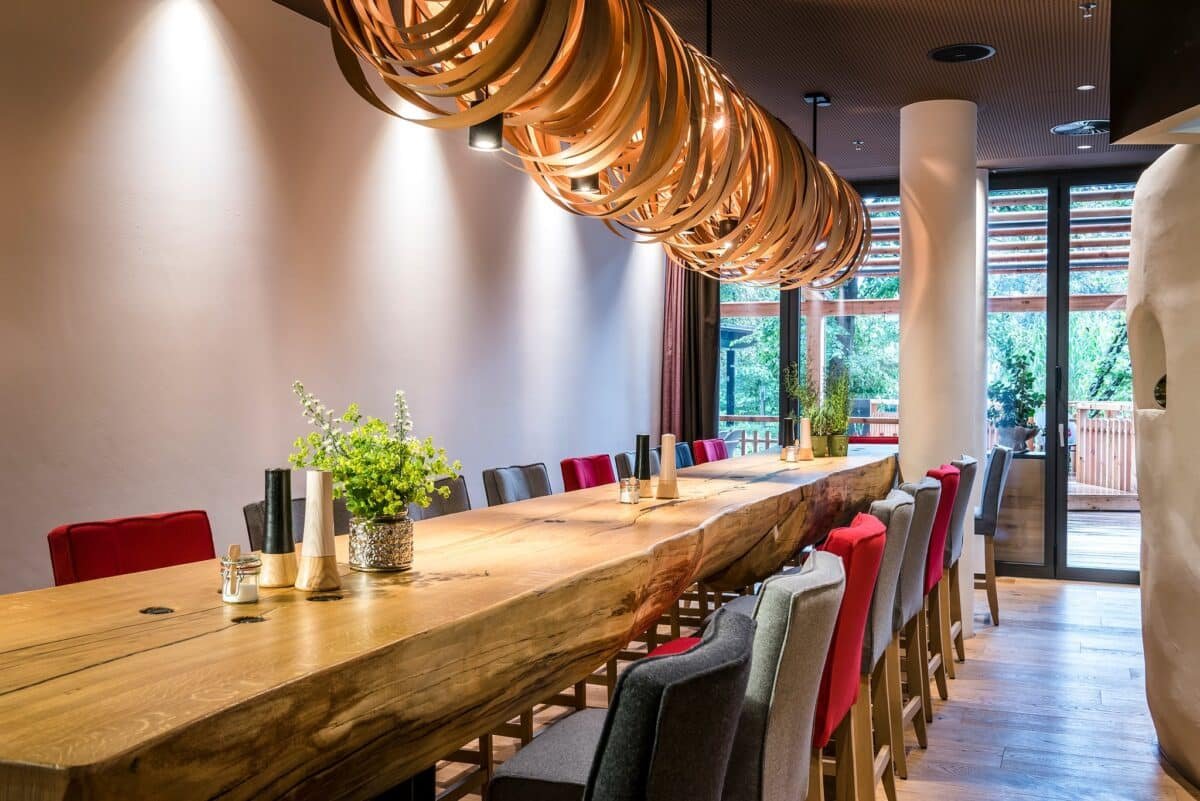
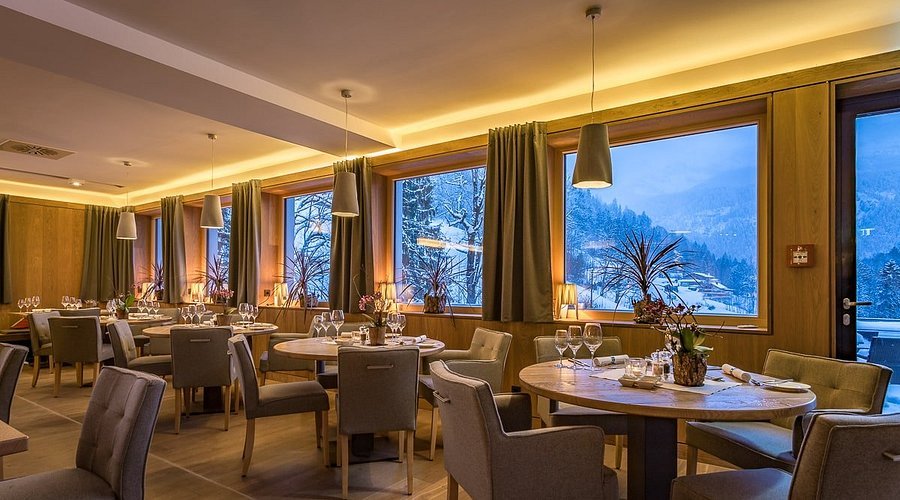
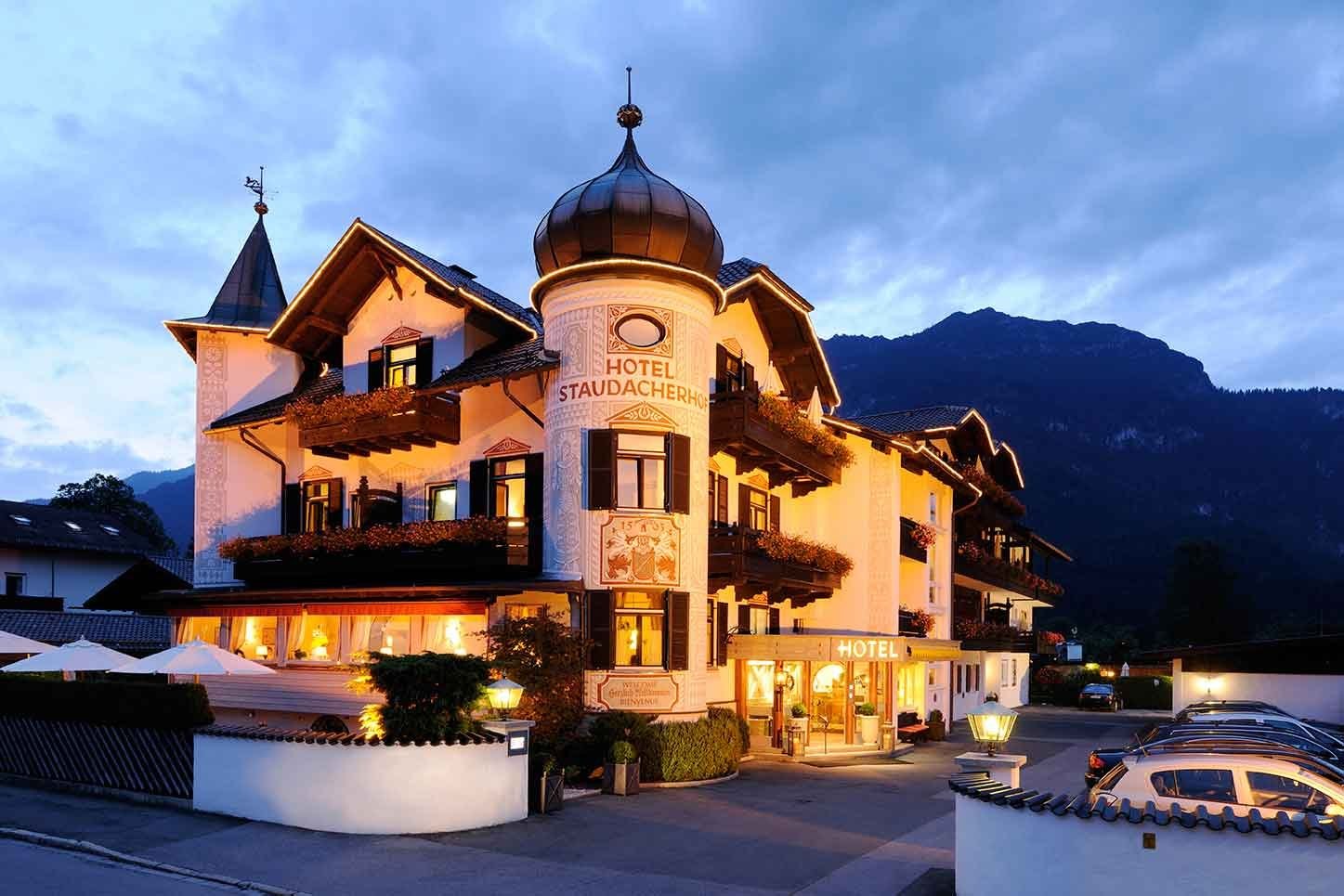
Staudacherhof reads as a refined Bavarian mountain lodge that balances lineage and quiet reinvention. The property’s century-long family ownership and the way the Zugspitze dominates the approach give it a rooted, historic atmosphere, while a careful mix of delicately traditional rooms, modern-rustic chambers and straighter-lined modern suites prevents the place from feeling museum-like. Craftsmanship and locally anchored materials show through in the furnishings and finishes, so the overall impression is one of composed authenticity: comfortable and charming, with a restrained sophistication that suits the Alpine setting rather than stylizing it.
Best For
This is a hotel for mountain travelers who come for the peaks and the infrastructure that serves them: hikers, skiers and anyone chasing short escapes to the Alps. Its location and the surrounding trails, ski lifts and après-culture make it especially convenient for weekend getaways, and the family-run, lodge-like character is well suited to couples seeking a romantic alpine interlude. With deep local roots and a small, established scale, Staudacherhof also appeals to travelers who value a quiet, traditional base from which to explore Garmisch-Partenkirchen.
Stay Tips
With just 49 rooms spread across three distinct design approaches, let your stylistic preference guide your room choice: traditional, modern-rustic or the more modern suites. If the mountain view matters, mention the Zugspitze when booking — the approach and framing of the peaks are a defining feature of the property. Note the hotel’s family-run history and modest scale when planning peak-season travel; the description emphasizes the century-long continuity and the property’s place in a busy alpine destination, so booking early for high-demand periods is prudent.
Venue details
Ambiance
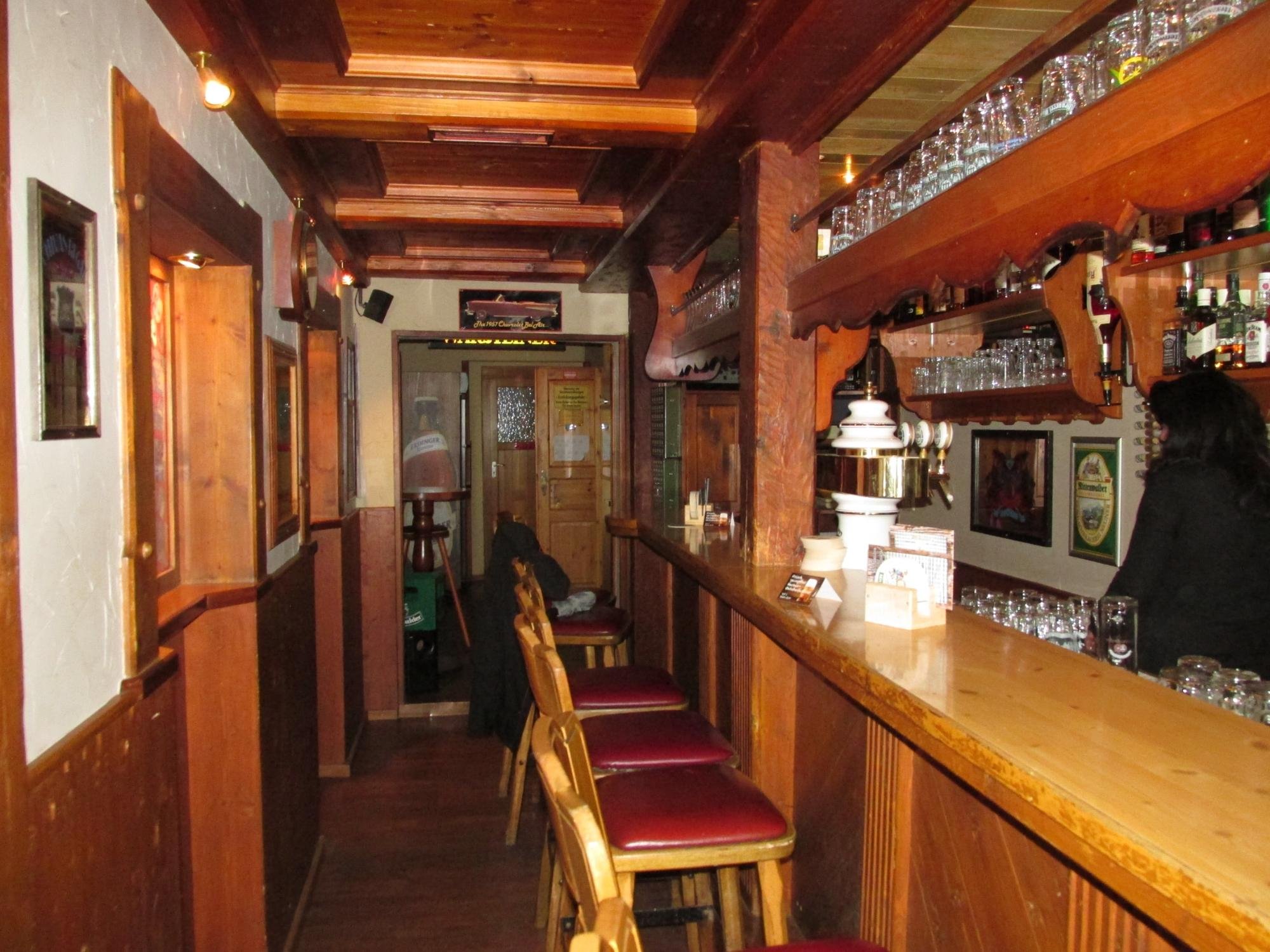
Warm, welcoming family atmosphere with relaxing spa lighting, cozy bar, and serene mountain surroundings praised for tranquility.
Tags
Vibe
Best For
Experience
Amenities
View
About the Stay
- Rooms
- 49
- Check-in
- 15:00
- Check-out
- 11:00
- Property Style
- Family Run Wellness Residence Blending Tradition and Modern Luxury
- Design Style
- Mix of Traditional Alpine, Modern Rustic Wood, and Modernist Styles
Know before you go
Know Before You Go
- Getting there
- Höllentalstraße 48, 82467 Garmisch-Partenkirchen
Planning details
Location
Recognition and awards
Also consider
Where to look if this is full
If the preferred dates are unavailable, check Werdenfelserei first for another Garmisch-Partenkirchen stay with town access. If the trip can shift toward a more retreat-led format, Das Graseck Mountain Hideaway & Healthcare is the stronger alternative.
Hotel context
How it compares in and around Garmisch-Partenkirchen
Staudacherhof is the practical town-base choice: strongest for travelers who want Garmisch-Partenkirchen access without giving up a serious hotel signal. Werdenfelserei is the closest cross-shop for a similar town-focused decision, so compare rates and room availability first if the main goal is easy local movement rather than retreat-style isolation.
Das Graseck Mountain Hideaway & Healthcare is the better fit if the trip is built around a more removed wellness or healthcare angle. Staudacherhof makes more sense when the reader wants flexibility; Das Graseck makes more sense when the hotel program is the reason for the trip.
For a bigger out-of-metro splurge, Schloss Elmau Luxury Spa Retreat & Cultural Hideaway, Das Kranzbach Hotel & Wellness Retreat, and Das Kranzbach are more retreat-led choices. Pick those when ambiance and on-property time outweigh town convenience; stay with Staudacherhof when access and a lower-friction Garmisch base are the point.
Explore Garmisch-Partenkirchen
Around this place
Discover more on Pearl
Unlock the full Staudacherhof guide in Pearl, including awards, comparisons, FAQs, planning details, and nearby places.
Compare Staudacherhof
| Venue | Location | Awards |
|---|---|---|
| Staudacherhof | Garmisch-Partenkirchen | Michelin 1 Key 20252025 Michelin 1 Key |
| Werdenfelserei | Garmisch-Partenkirchen | 2026 Michelin 1 Key2025 Michelin 1 Key |
| Das Graseck Mountain Hideaway & Healthcare | Garmisch-Partenkirchen | 2026 Michelin 1 Key2025 Michelin 1 Key |
| Schloss Elmau Luxury Spa Retreat & Cultural Hideaway | Elmau | 2026 Virtuoso Luxury Hotel Collection2026 La Liste Top HotelsLeading Hotels of the World 20262026 MICHELIN Guide Hotel Special Awards2026 Michelin 3 Keys2025 Michelin 3 Keys2024 Michelin 3 Keys |
| Das Kranzbach Hotel & Wellness Retreat | Kranzbach | 2026 The Longevity Hotels Collection2026 Michelin 2 Keys2025 Michelin 2 Keys2024 Michelin 2 Keys |
| Das Kranzbach | Krün | No published awards |







How Staudacherhof Garmisch-Partenkirchen compares with similar nearby venues.
FAQ
Frequently Asked Questions
Which room category is best at Staudacherhof?
The supplied data does not identify specific room categories, views, or layouts at Staudacherhof. If room type matters, confirm the available categories directly with the hotel before booking. The grounded facts to rely on are that Staudacherhof is in Garmisch-Partenkirchen and has a Michelin 1 Key recognition for 2025.
How is the pool and spa at Staudacherhof?
The data does not specify pool or spa facilities at Staudacherhof. The Michelin 1 Key recognition is a confirmed hospitality signal, but it should not be treated as confirmation of any particular wellness setup. If spa facilities are a priority, compare the details directly with options such as Das Kranzbach Hotel & Wellness Retreat.
How does Staudacherhof compare to nearby hotels?
Staudacherhof is a confirmed Michelin 1 Key hotel in Garmisch-Partenkirchen. Werdenfelserei is another Garmisch-Partenkirchen option to compare, while Schloss Elmau Luxury Spa Retreat & Cultural Hideaway, Das Kranzbach Hotel & Wellness Retreat, and Das Graseck Mountain Hideaway & Healthcare may be relevant if the trip can extend beyond a simple Garmisch-Partenkirchen hotel choice.
How is the location of Staudacherhof?
Staudacherhof is in Garmisch-Partenkirchen. No more specific address or neighborhood detail should be assumed from the supplied data. If exact positioning within the city matters for a trip, confirm it directly when comparing Staudacherhof with options such as Das Graseck Mountain Hideaway & Healthcare.