

Octant Furnas
Furnas
Hotel in Furnas, Portugal
 Book with Pearl
The Read
Price
$100–200per night
Why go
Octant Furnas is the right choice if the trip is about a calm Azores base rather than a coastal-resort scene. It suits couples and special occasions, with 2026 recognition from Mr & Mrs Smith and Virtuoso adding confidence. For value, pick the room tier based on how much time will be spent at the hotel, not just on the category name.
About Octant Furnas
Recognition includes the Mr & Mrs Smith Seal of Approval (2026) and Virtuoso Luxury Hotel Partner (2026). The dress code is casual. Other specifics, including room tiers, dining format, spa facilities, prices, hours, and service details, should be checked directly with the venue before booking.
Choose the room tier based on current booking details
If choosing among room types, use the venue's current booking information and confirm what is included before paying for a higher category.
For a stay in Furnas, the practical question is what the venue currently offers and what is included in the rate. Confirm room descriptions, inclusions, and booking terms directly before deciding.
Who should choose Octant Furnas
Choose Octant Furnas if the priority is staying in Furnas. It is a casual-dress venue with recognition from Mr & Mrs Smith and Virtuoso; confirm specific facilities, dining programs, views, and transportation details directly before booking.
Travelers comparing options can also look at Aqua Pópulo - Eco Village, Pedras do Mar Resort & SPA, Santa Barbara Eco-Beach Resort, Villa Sal, and White Exclusive Suite & Villas. Check each venue's current location, facilities, and booking terms directly before deciding.
Quick reference: Octant Furnas is in Furnas, has a casual dress code, and has 2026 recognition from Mr & Mrs Smith and Virtuoso.
Planning details
- Location
- AV. Dr. Manuel de Arriaga, Azores
- Website
- journey.com/hotels/octant-furnas
- Phone
- +351 296 249 200
The take
The Take
The Vibe
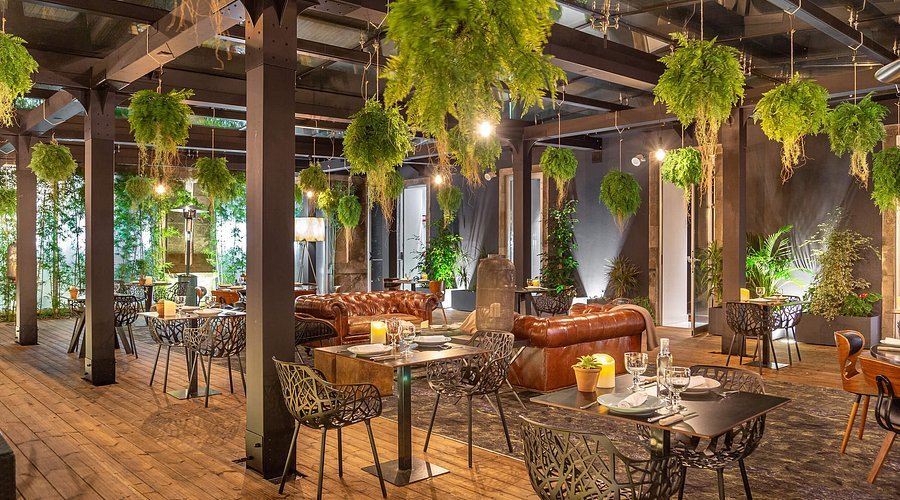
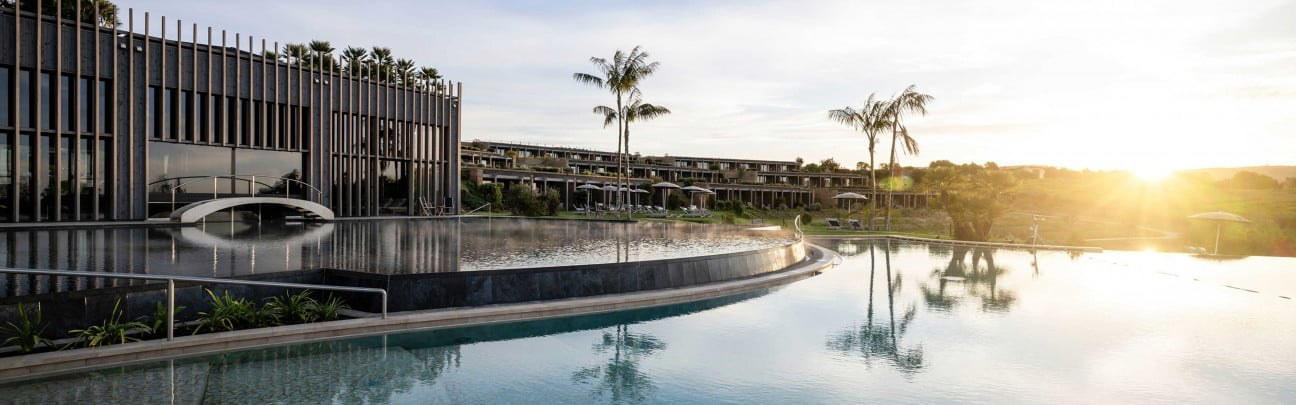
Octant Furnas pairs crisp contemporary architecture with the raw geology of Furnas Valley, creating a quietly confident hotel that foregrounds landscape rather than ornament. Clean lines and modern materials read against caldeiras and the deep green of volcanic soil, so the building feels like a deliberate foil to the primordial terrain. The steady presence of steam and hot springs gives the property a restorative, sober quality: sophisticated but unshowy, designed for guests who value design thinking and an immersive natural setting over historic pastiche. Overall, the hotel projects a serene, design-forward sensibility rooted in place.
Best For
This hotel is best for travelers drawn to design-led stays and thermal-wellness experiences. It naturally suits romantic getaways and wellness-focused visits—guests come for the Furnas Valley scenery and the continuous access to thermal pools—and it’s an easy pick for a restorative weekend escape. The setting and architectural restraint appeal to those seeking quiet contemplation, natural spectacle and a polished contemporary base from which to explore the geothermal landscape. Business or high-activity itineraries are less central; Octant Furnas prioritizes landscape immersion and thermal amenities.
Stay Tips
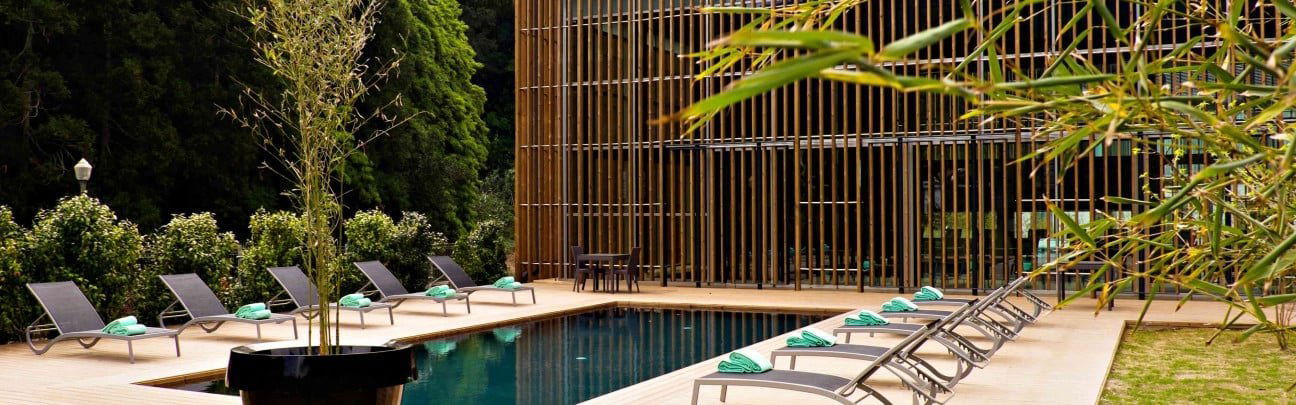
Plan your arrival and departure around the hotel's thermal-pool routine: Octant Furnas operates its hot pools continuously, indoors and outdoors, so bathing opportunities shape the daily rhythm more than set meal times or scheduled activities. Pack swimwear and a robe for late-night dips and early-morning thermal time. Because the hotel emphasizes round-the-clock pool access, guests should consider room proximity to pool facilities when booking if nighttime or early-morning bathing matters. Confirm any practical details with the hotel on arrival, but expect flexible pool access rather than timed sessions.
Venue details
Ambiance
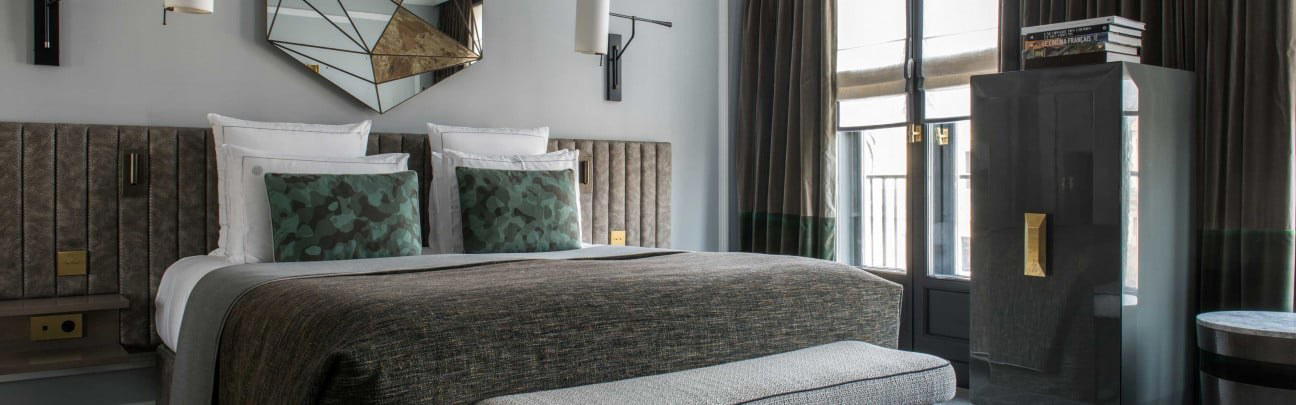
Serene and relaxing with natural green and gray tones, retro touches, and an inviting atmosphere focused on tranquility and nature reconnection.
Tags
Vibe
Best For
Experience
Amenities
View
About the Stay
- Rooms
- 55
- Check-in
- 15:00
- Check-out
- 12:00
- Property Type
- Boutique hotel
- Property Style
- Contemporary Boutique Hotel Blending Modern Luxury with Natural Volcanic Surroundings
- Design Style
- Natural Greens and Browns with Retro Vintage Elements and Simple Decor
- Airport Transfer
- Available
- Pool
- Yes
- Spa
- Yes
Know before you go
Know Before You Go
- Getting there
- AV. Dr. Manuel de Arriaga, Azores
Planning details
Location
Recognition and awards

Also consider
Also Consider
- Santa Barbara Eco-Beach Resort, Notable alternative
- Villa Sal, Notable alternative
- White Exclusive Suite & Villas, Notable alternative
- Aqua Pópulo - Eco Village, Notable alternative
- Pedras do Mar Resort & SPA, Notable alternative
Hotel context
How it compares in the Azores
Choose Octant Furnas if the priority is a quieter Furnas stay with a stronger retreat feel. Santa Barbara Eco-Beach Resort is the better cross-shop for travelers who want the trip to feel more coastal and beach-led, while White Exclusive Suite & Villas is the sharper pick for a more private, suite-driven stay.
For value-minded travelers, Aqua Pópulo - Eco Village and Pedras do Mar Resort & SPA are worth checking if the goal is an easier island base with less emphasis on Furnas itself. They make more sense when location flexibility matters more than the atmosphere of the town.
Villa Sal is the alternative to consider if the trip calls for a smaller, more independent-feeling stay. Octant Furnas is the safer recommendation for a special occasion where the hotel needs to feel polished and low-friction; Villa Sal is better for travelers who want the accommodation to feel more personal and less resort-like.
Explore Furnas
Around this place
Discover more on Pearl
Unlock the full Octant Furnas guide in Pearl, including awards, comparisons, FAQs, planning details, and nearby places.
Compare Octant Furnas
| Venue | Location | Awards |
|---|---|---|
| Octant Furnas | Furnas | 2026 Virtuoso Luxury Hotel Collection2026 Mr & Mrs Smith Luxury Hotels2025 Michelin Selected Hotels |
| Santa Barbara Eco-Beach Resort | Ribeira Grande | No published awards |
| Villa Sal | Lagoa, Azores | No published awards |
| White Exclusive Suite & Villas | Ponta Delgada | No published awards |
| Aqua Pópulo - Eco Village | Ponta Delgada | No published awards |
| Pedras do Mar Resort & SPA | Ponta Delgada | No published awards |
How Octant Furnas in Furnas compares with similar nearby venues.
FAQ
Frequently Asked Questions
Which room category is best at Octant Furnas?
When is the best time to book Octant Furnas?
Octant Furnas has the Mr & Mrs Smith Seal of Approval (2026) and is a Virtuoso Luxury Hotel Partner (2026), so travelers who value those recognition signals may want to confirm dates directly with the venue or booking channel.
How does Octant Furnas compare to other venues?
Octant Furnas is in Furnas. Other options to compare include Santa Barbara Eco-Beach Resort, White Exclusive Suite & Villas, Aqua Pópulo - Eco Village, Pedras do Mar Resort & SPA, and Villa Sal. Check current facilities, locations, and booking terms directly before choosing.
How is the dining at Octant Furnas?
Is Octant Furnas good for business travel?
Octant Furnas is in Furnas and has 2026 recognition from Mr & Mrs Smith and Virtuoso. Confirm meeting facilities, workspace, business services, and transport logistics directly with the venue.
How is the pool and spa at Octant Furnas?
How is the location of Octant Furnas?
Octant Furnas is in Furnas. Use the venue's official channels for precise directions.