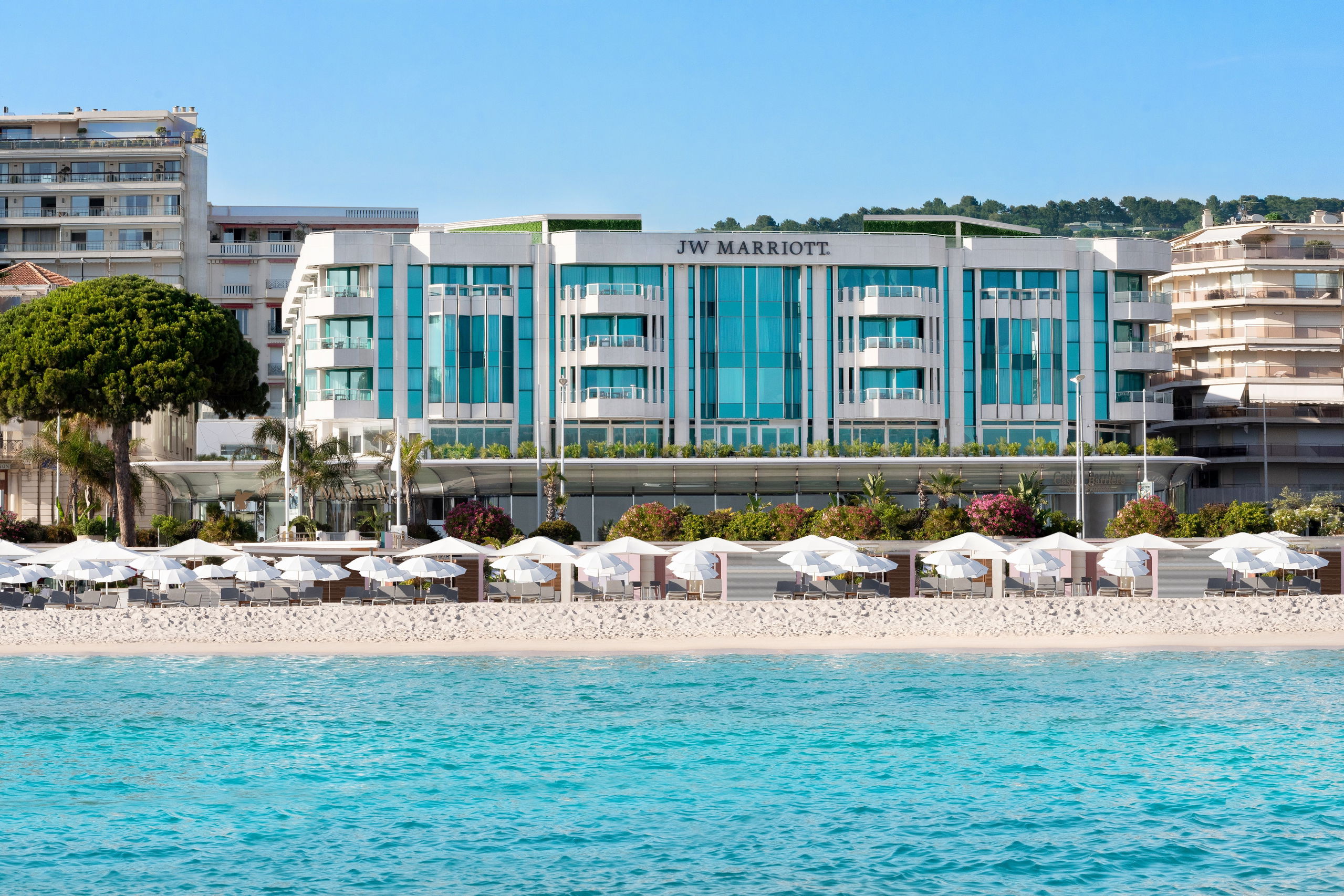

JW Marriott Cannes
Croisette, French Riviera
Hotel in French Riviera, France
 Book with Pearl
The Read
Croisette Film Heritage
Why go
JW Marriott Cannes is worth considering if the priority is a central Cannes base with Marriott International familiarity and a Forbes Recommended 2026 signal. It is better for first-timers, business-linked stays, and loyalty-minded travelers than for guests seeking a quiet Riviera resort feel. Compare rates carefully against nearby Cannes peers before committing.
About JW Marriott Cannes
JW Marriott Cannes is a French Riviera hotel to consider when you want a Cannes stay. The dress code is smart casual and the property is Forbes Recommended for 2026. These points make it a credible shortlist candidate, but it's important to check current rates, room details, and official hotel information before booking.
Worth choosing as a Cannes base
The right guest is someone who wants to stay in Cannes and compare the property against other prominent options. If your trip is built around the French Riviera more broadly, compare the stay against other hotels in the region before deciding whether Cannes is the best base.
For a Cannes-focused shortlist, compare JW Marriott Cannes with Carlton Cannes, a Regent Hotel, Gray d'Albion, Hôtel Barrière Le Majestic, Le Majestic, and Mondrian Cannes. Each may suit a different traveler depending on price, availability, style, and the specific room category offered on your dates.
The recognition helps, but check current details
Recognition supports the choice: the property is Forbes Recommended for 2026. Treat that as a useful quality signal, not a complete description of the stay. For specific room features, dining formats, service inclusions, or facilities, always confirm directly.
The smarter play is to compare live rates against other hotels, then confirm the practical details directly with the hotel. That is especially important if your trip depends on a particular room type, dining plan, accessibility need, or service arrangement.
First-timers should compare rates before locking Cannes
If this is a first Cannes trip, start with the city-specific shortlist rather than assuming one hotel is automatically the best fit. JW Marriott Cannes belongs in that comparison because it has Forbes Recommended 2026 status, but the best choice still depends on your dates, budget, and preferred style of stay.
Verdict: choose JW Marriott Cannes when you want a Cannes hotel in the French Riviera with smart-casual expectations and Forbes Recommended recognition. For a more specific decision, compare it with other Cannes hotels and confirm current details directly before booking.
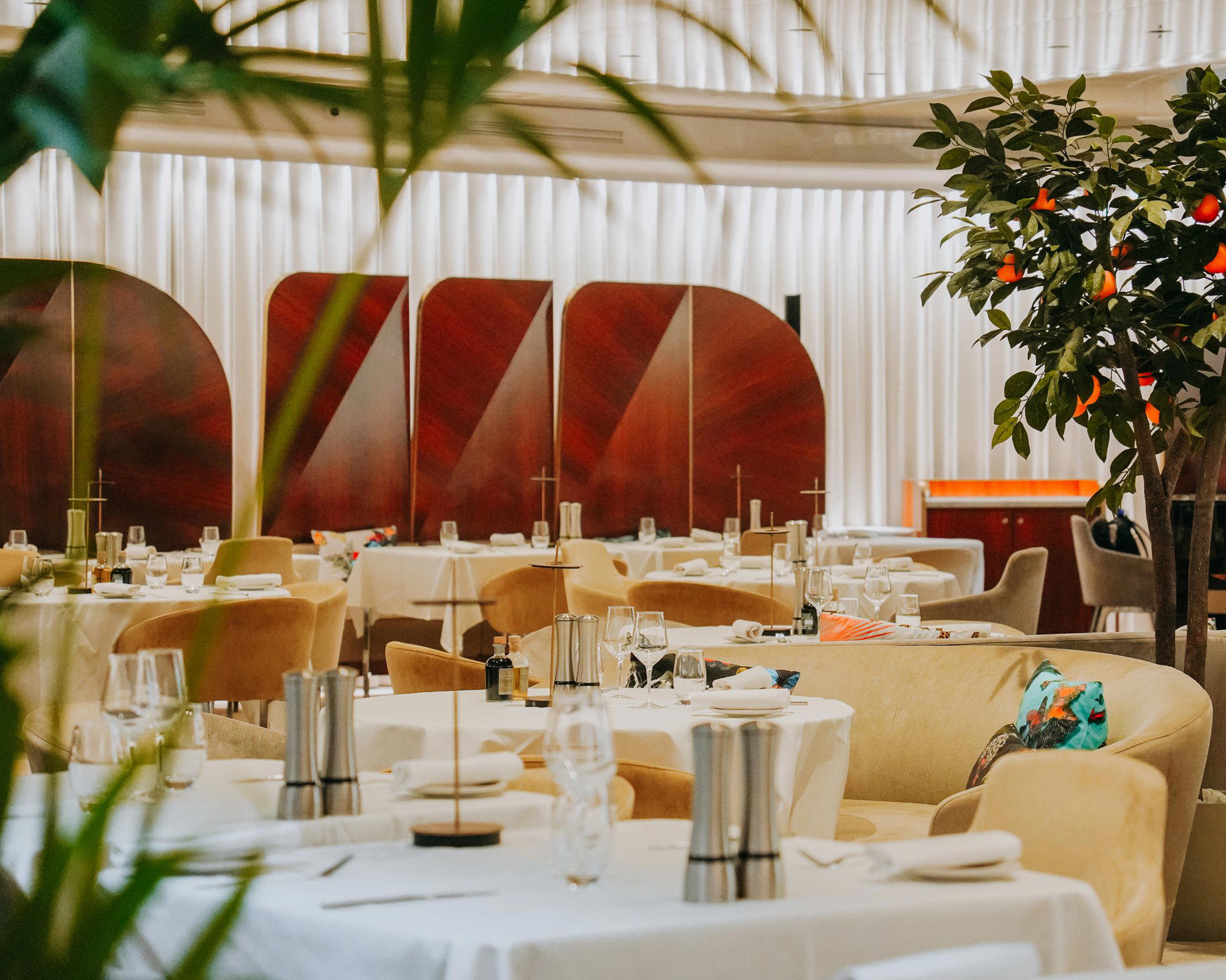
Inside JW Marriott Cannes
Planning details
- Location
- 50 Bd de la Croisette, 06400 Cannes
- Website
- marriott.com/en-us/hotels/ncejw-jw-marriott-cannes/overview/?scid=f2ae0541-1279-4f24-b197-a979c79310b0
- Phone
- +33 4 92 99 70 00
The take
The Take
The Vibe
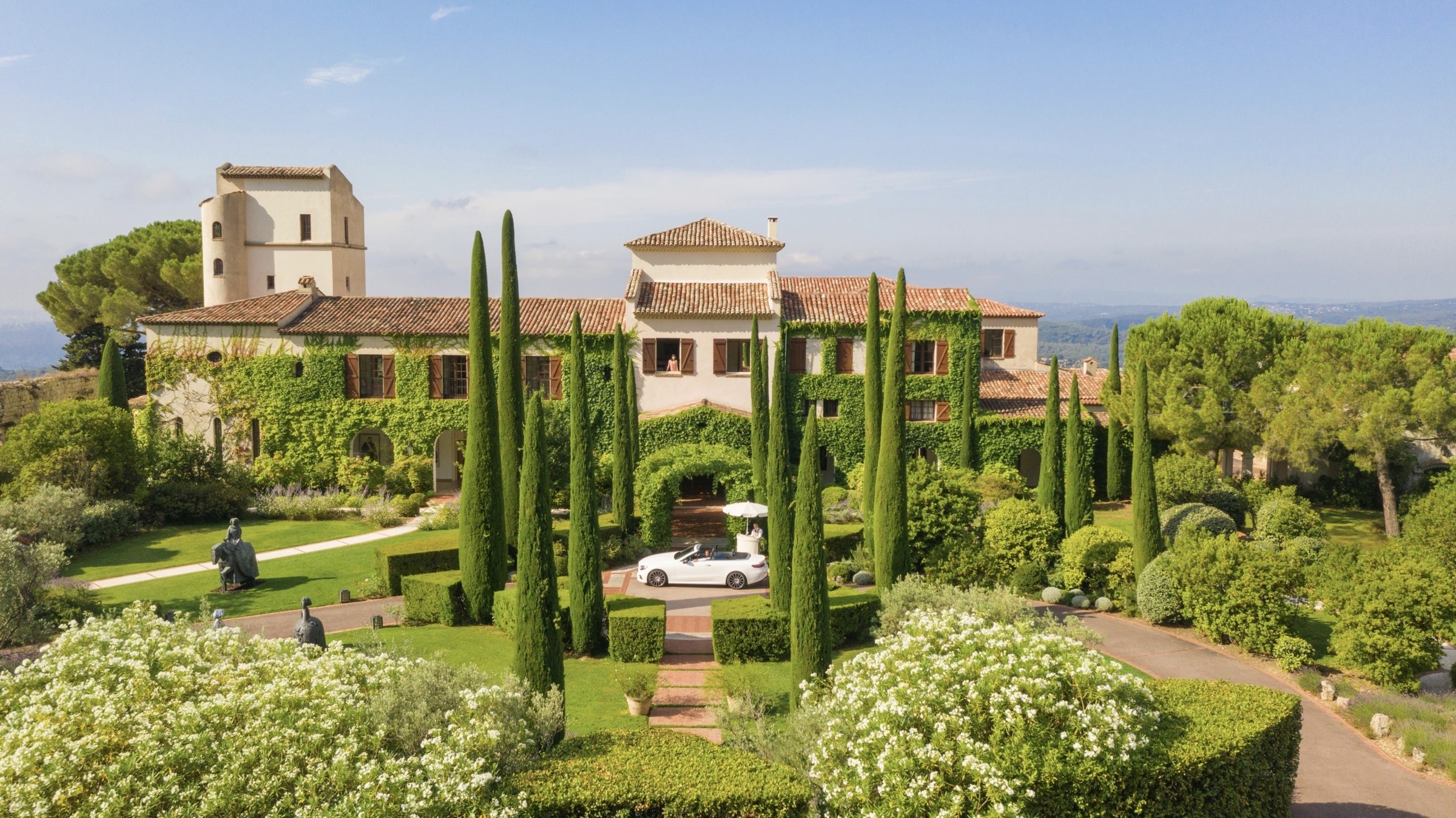
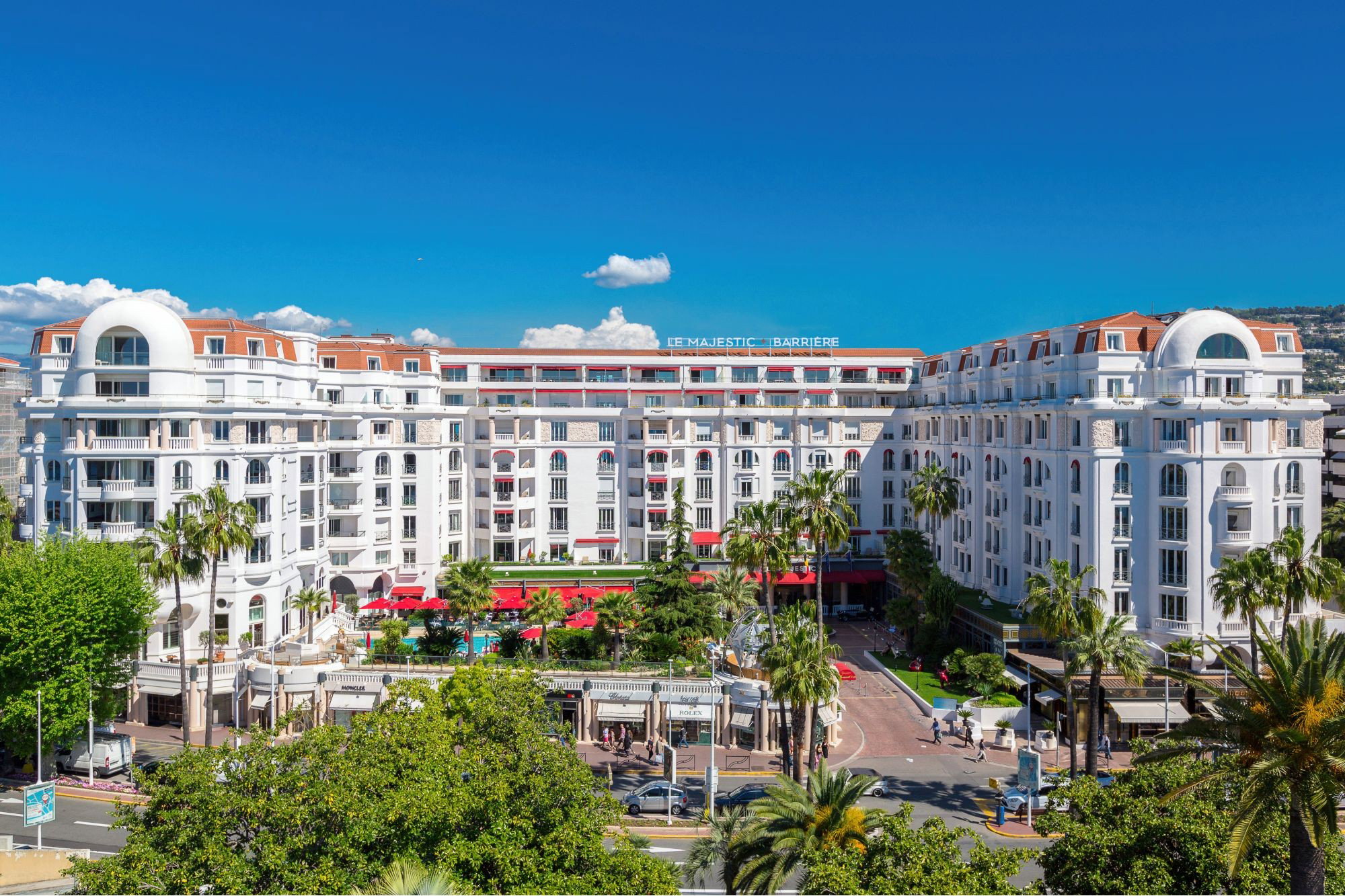
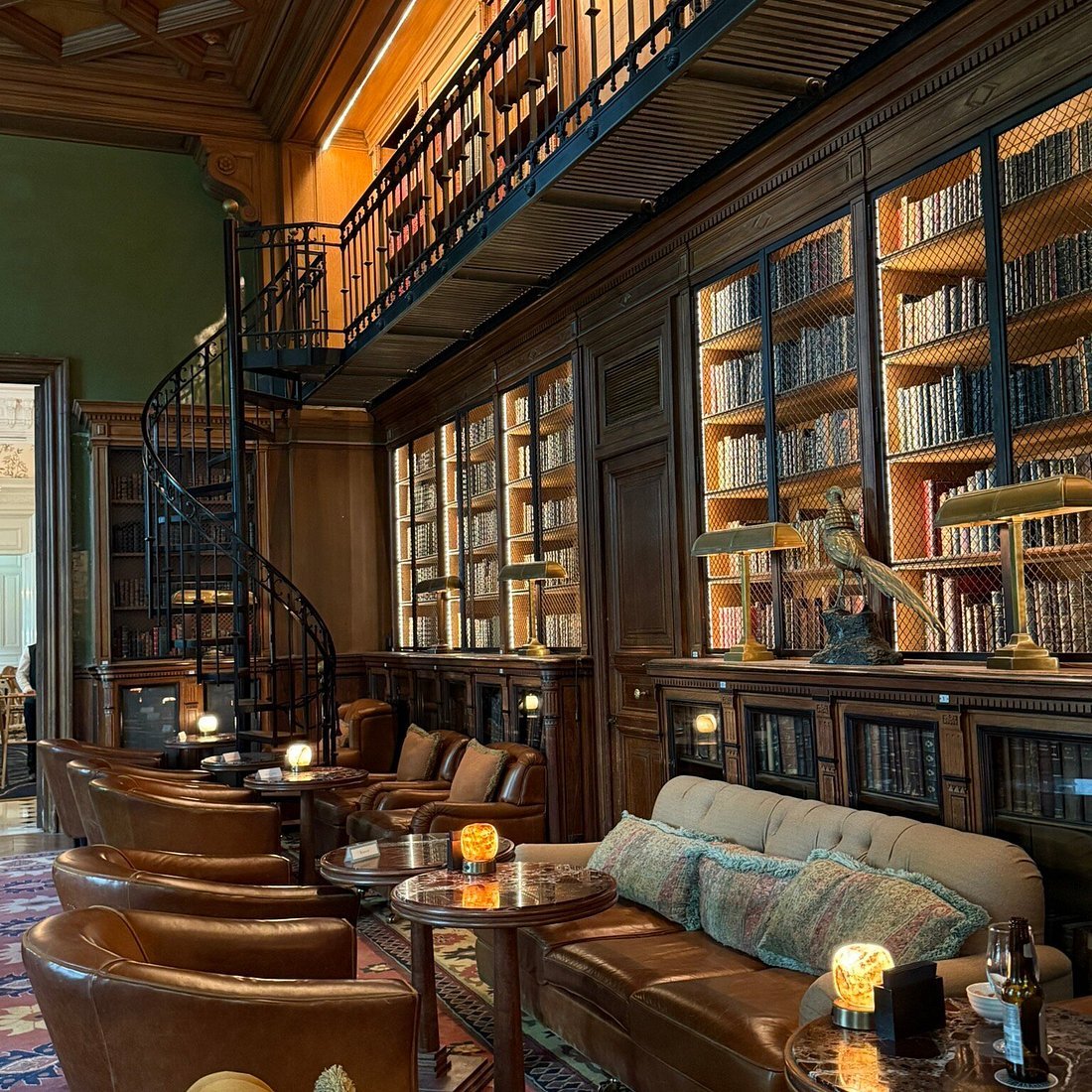
The JW Marriott Cannes reads as a contemporary statement on a famously theatrical boulevard. It leans into the Croisette’s pageantry with a bold five‑storey Carrara marble atrium, black-and-gold detailing and a dramatic golden crystal-leaf chandelier that anchors the public spaces. The hotel balances that modern, showy presentation with a tangible sense of continuity: it preserves a cinema theatre tied to the Palais des Festivals, which gives the property a rare historical credential on a strip frequently remade. The result is an opulent, historic hotel that feels purpose-built for Cannes’s festival-focused, spectacle-minded visitors.
Best For
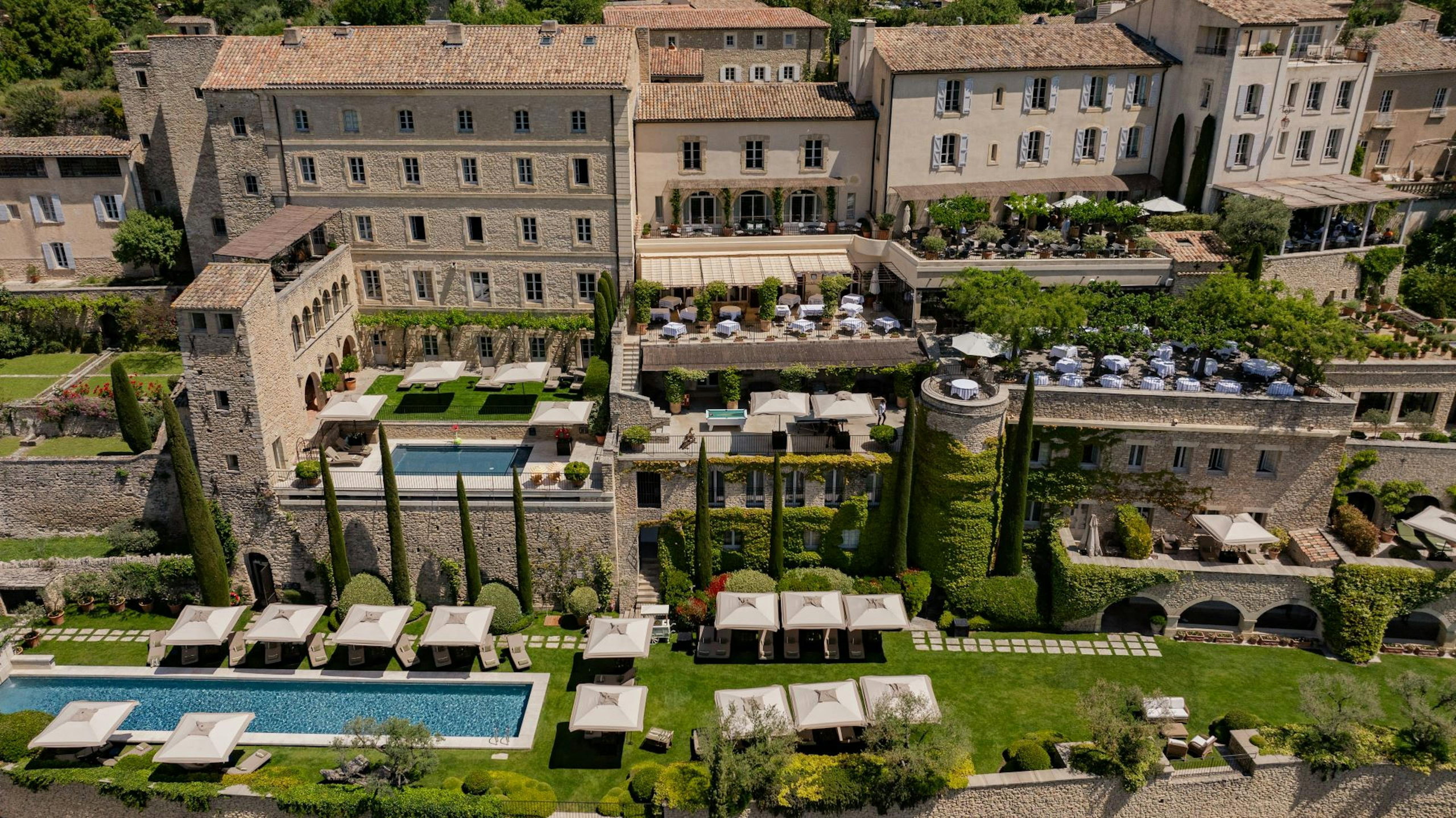
This hotel is best for travelers who want to be at the centre of Cannes’s film-and-festival life. Film‑festival attendees, visitors who prioritize a dramatic Croisette address and those seeking a luxe, design-forward base will find the JW Marriott especially suitable. The retained cinema and the rooftop pool make it appealing to guests who expect on-site programming tied to the festival calendar and a hotel that functions as part of the Croisette’s public stage rather than just a place to sleep.
Stay Tips
Book well in advance during May and other festival periods—the text notes the hotel’s cinema is still used for film festival screenings, so availability tightens during events. Confirm rooftop‑pool access and any event programming tied to screenings when you reserve. For stays outside festival dates, ask the hotel about room positioning relative to the Croisette if proximity to the boulevard is important.
Venue details
Ambiance
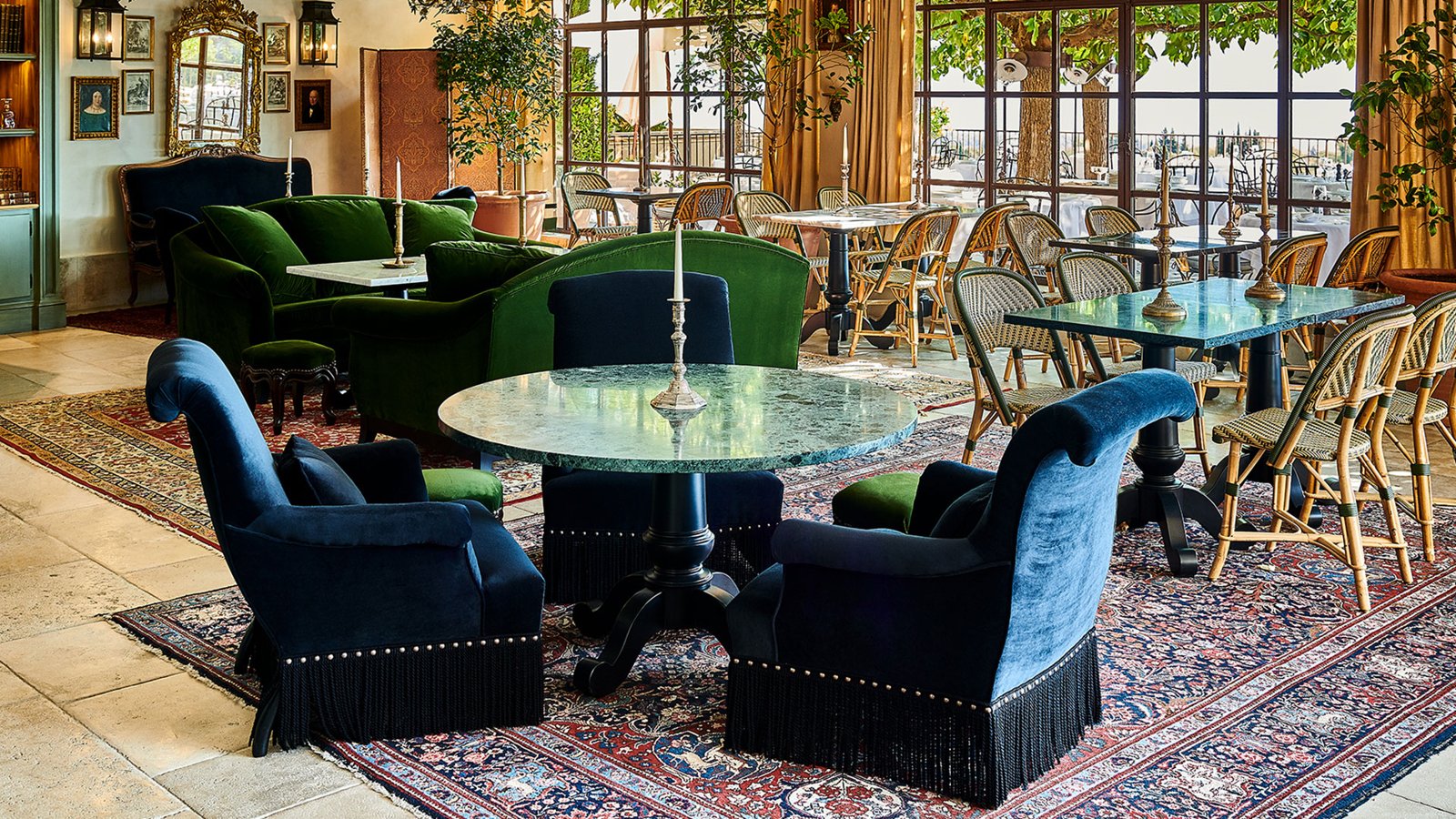
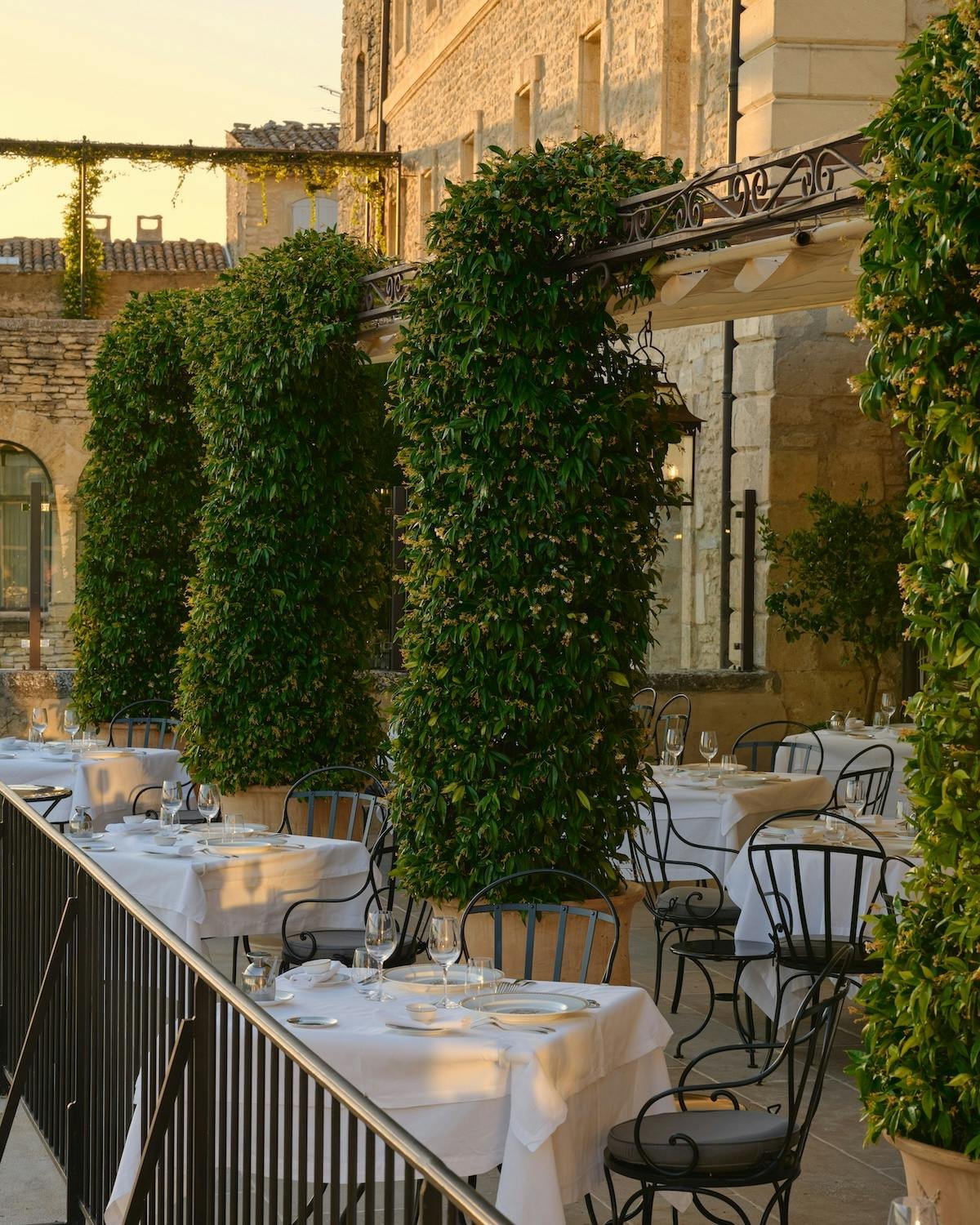
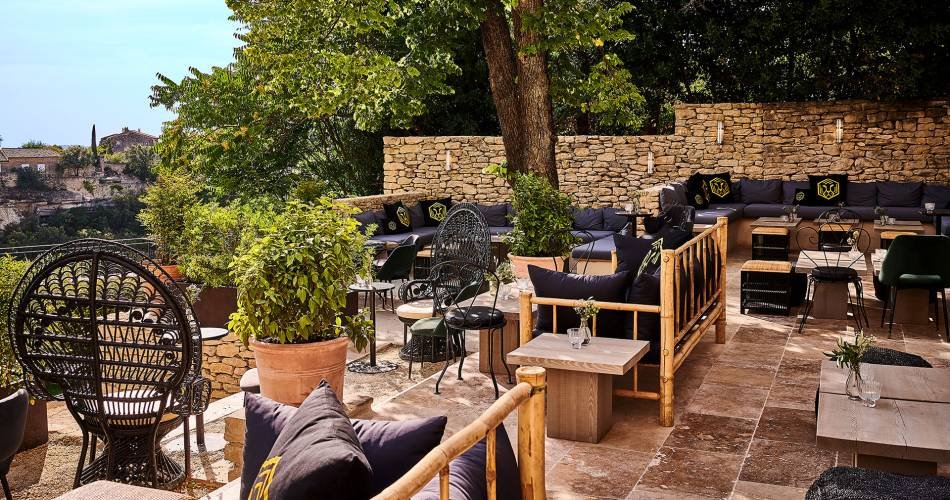
Contemporary and refined with sleek modern design, abundant natural light from expansive windows, and sophisticated evening ambiance enhanced by the Sunset Terrace overlooking the sea.
Tags
Vibe
Best For
Experience
Amenities
View
Accessibility
About the Stay
- Rooms
- 261
- Check-in
- 15:00
- Check-out
- 11:00
- Property Style
- Contemporary Luxury Beachfront Palace with Cutting Edge Design and Mediterranean Elegance Positioned as a Premier Destination on the French Riviera.
- Design Style
- Modern Minimalist with Sleek Furnishings, Marble Bathrooms, Expansive Windows, and Sophisticated Color Palettes Emphasizing Light and Sea Views.
Know before you go
Know Before You Go
- Getting there
- 50 Bd de la Croisette, 06400 Cannes
Planning details
Location
50 Bd de la Croisette, 06400 Cannes · Directions
Recognition and awards

Also consider
Where to look if it is unavailable
If JW Marriott Cannes is unavailable or priced too high, check Gray d'Albion first for a more value-sensitive Cannes stay. It is the more practical fallback when the aim is access rather than a full luxury statement.
For a more occasion-led alternative, compare Carlton Cannes, a Regent Hotel and Hôtel Barrière Le Majestic. They are stronger choices when the hotel itself needs to carry the trip, but expect tougher availability and higher rates in peak Cannes windows.
Hotel context
How JW Marriott Cannes compares in Cannes
Against Mondrian Cannes, JW Marriott Cannes is the safer choice for travelers who want brand familiarity and a more conventional luxury-hotel setup. Mondrian Cannes is the better cross-shop if the stay is more design-led and less tied to loyalty mechanics. If rates are similar, choose based on whether predictability or atmosphere matters more.
Carlton Cannes, a Regent Hotel and Hôtel Barrière Le Majestic are the more obvious splurge comparisons for travelers chasing a grand Cannes address and a higher-drama hotel experience. JW Marriott Cannes makes more sense when the rate gap is meaningful or when Marriott benefits help offset the cost. During high-demand Cannes periods, all three can become difficult to secure, so the practical move is to compare live availability early.
Gray d'Albion and Le Majestic are useful checks if value for money is the main issue. Gray d'Albion is the one to consider when the goal is a lower-friction Cannes stay without paying for the fuller luxury signal. JW Marriott Cannes is the better fit when the traveler wants central Cannes convenience plus a familiar international hotel framework.
Explore French Riviera
Around this place
Discover more on Pearl
Unlock the full JW Marriott Cannes guide in Pearl, including awards, comparisons, FAQs, planning details, and nearby places.
Compare JW Marriott Cannes
| Venue | Location | Awards |
|---|---|---|
| JW Marriott Cannes | French Riviera | 2026 Forbes Recommended2025 Forbes Recommended |
| Mondrian Cannes | Cannes | 2026 La Liste Top Hotels2025 Gault & Millau Exceptional Hotel |
| Carlton Cannes, a Regent Hotel | Cannes | 2026 World’s 50 Best Hotels 51-100 · #802026 Forbes 5-Star2026 Virtuoso Luxury Hotel Collection2026 Vogue Best Hotels on the South of France Coast2026 La Liste Top Hotels2025 Michelin Selected Hotels2025 Forbes 5-Star2025 Gault & Millau Exceptional Hotel |
| Gray d'Albion | Cannes | No published awards |
| Hôtel Barrière Le Majestic | French Riviera | 2026 Forbes 4-Star2026 Virtuoso Luxury Hotel CollectionLeading Hotels of the World 20262026 La Liste Top Hotels2025 Gault & Millau Exceptional Hotel2025 Michelin Selected Hotels2025 Forbes 4-Star |
| Le Majestic | Cannes | No published awards |








How JW Marriott Cannes compares with similar nearby venues.
FAQ
Frequently Asked Questions
When is the best time to book JW Marriott Cannes?
Book once your French Riviera dates are firm and compare live availability with other Cannes hotels. Current rates, room choices, and booking conditions should be checked directly with the hotel or your booking channel.
How is the dining at JW Marriott Cannes?
Which room category is best at JW Marriott Cannes?
Choose based on the current room descriptions, views, inclusions, and cancellation terms shown by the hotel or booking channel for your dates.
How does JW Marriott Cannes compare to nearby hotels?
JW Marriott Cannes is a Cannes option with Forbes Recommended (2026) recognition. For comparison, consider Carlton Cannes, a Regent Hotel, Gray d'Albion, Hôtel Barrière Le Majestic, Le Majestic, and Mondrian Cannes, then decide based on current pricing, availability, and the style of stay you prefer.
Is JW Marriott Cannes good for business travel?
It may be a practical choice for travelers who want a Cannes hotel in the French Riviera. Confirm meeting, workspace, and service details directly before booking for work.
How is the location of JW Marriott Cannes?
JW Marriott Cannes is in Cannes, in the French Riviera. Specific address or neighborhood details should be confirmed through the hotel's official channels if they matter for your plans.