
Villa Abbazia
Follina
Hotel in Follina, Italy
 Book with Pearl
The Read
Abbey-Facing Family Hospitality
Why go
Villa Abbazia is the Follina pick for a quiet, polished special-occasion stay rather than a facilities-first resort break. The 2026 Relais Chateaux recognition gives it a clear quality signal, but wellness-focused travellers should confirm the exact amenity package before choosing it over larger spa hotels.
About Villa Abbazia
Book Villa Abbazia if you are looking specifically at a venue in Follina. The venue is Villa Abbazia in Follina, the dress code is smart casual, and it has a Relais Chateaux Award (2026). For more detailed questions about facilities, dining, formats, or services, confirm directly before booking.
The location should be described simply as Follina. Specific street-address details are not provided, and the practical appeal depends on whether Follina itself suits your itinerary. If the visit requires particular facilities, dining formats, arrival plans, or service features, those points should be checked with the venue rather than assumed from the name or recognition alone.
A considered Follina booking
The Relais Chateaux Award (2026) is a significant trust signal. That recognition supports Villa Abbazia as a notable hospitality option in Follina, but it does not by itself confirm details such as facilities, dining format, inventory, or included services. Use the award as a quality marker, not as a substitute for confirming the practical details that matter to your booking.
For travellers comparing venue styles, Villa Abbazia is a Follina option with smart-casual dress expectations and a Relais Chateaux Award (2026). If your decision depends on specific facilities, dining arrangements, accessibility details, or service inclusions, ask the venue for the current facts before treating it as the right match.
Who should choose it over other options
Choose Villa Abbazia when Follina and the recognition matter to your decision. Consider alternatives if your priority is a specific amenity, rate structure, category, or service that is not specified. The clearest comparison is not about invented rankings or scores, but about which venue can confirm the details you need for your trip.
Reservations: confirm availability and booking conditions directly with the venue. Dress: smart casual. Budget: no price range is listed, so compare the final cost before deciding. Use it for: a Follina booking where the Relais Chateaux Award (2026) is a meaningful trust signal. Check before booking: facilities, dining setup, categories, and any service details that are essential to your itinerary.
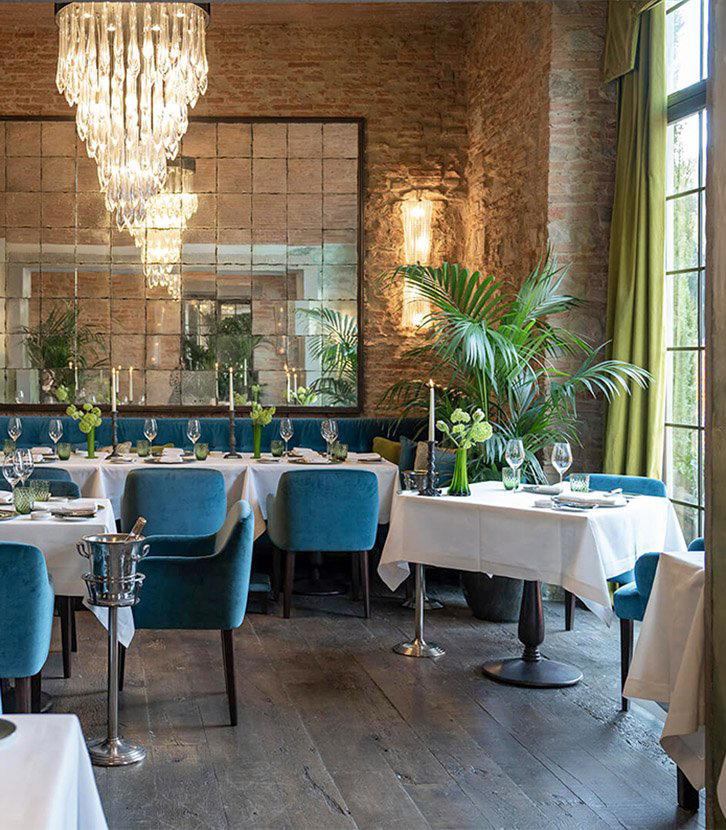
Inside Villa Abbazia
Planning details
- Location
- Via Martiri della Libertà, 4, 31051 Follina TV
- Website
- hotelabbazia.com
- Phone
- +39 0438 971277
The take
The Take
The Vibe
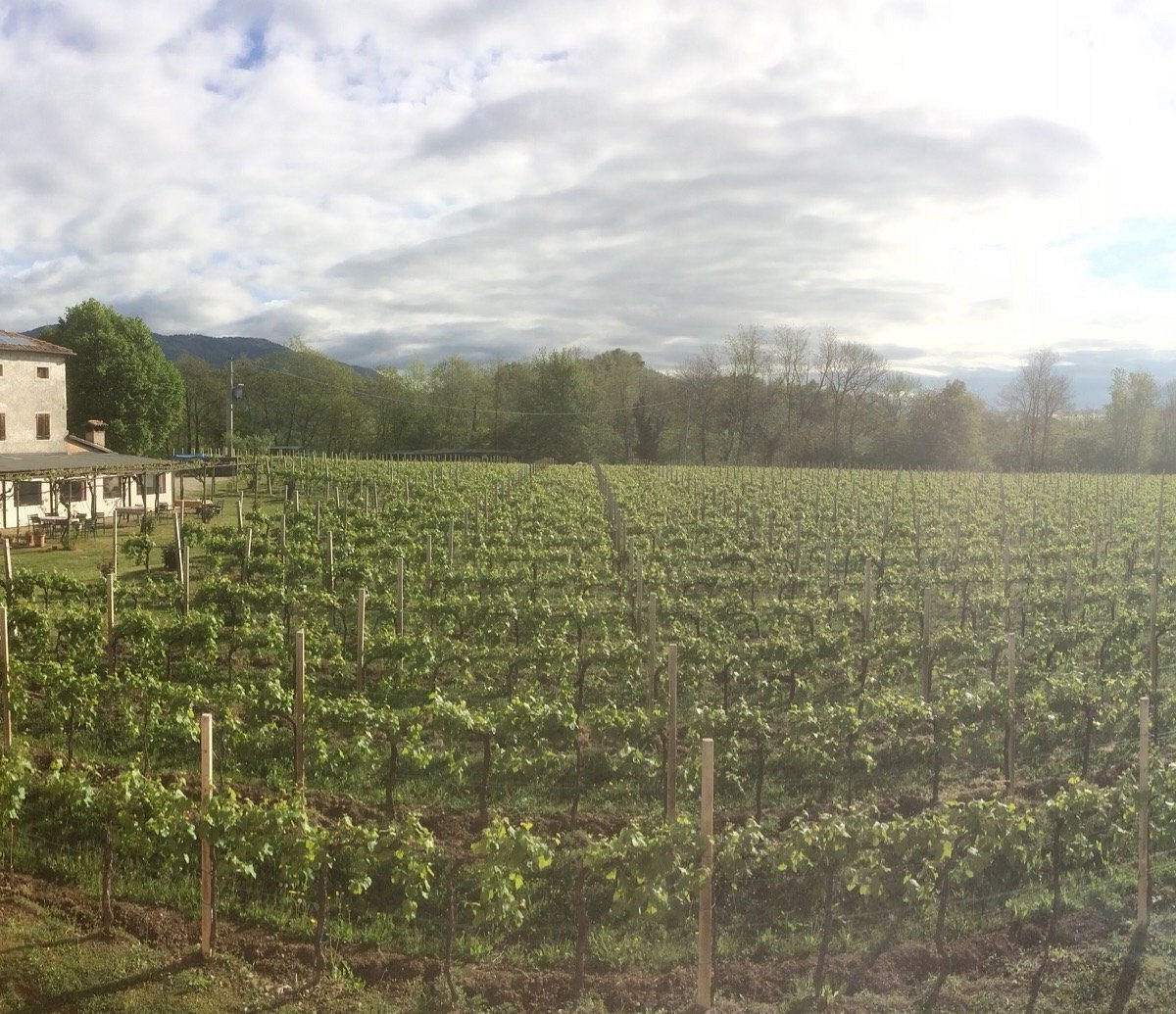
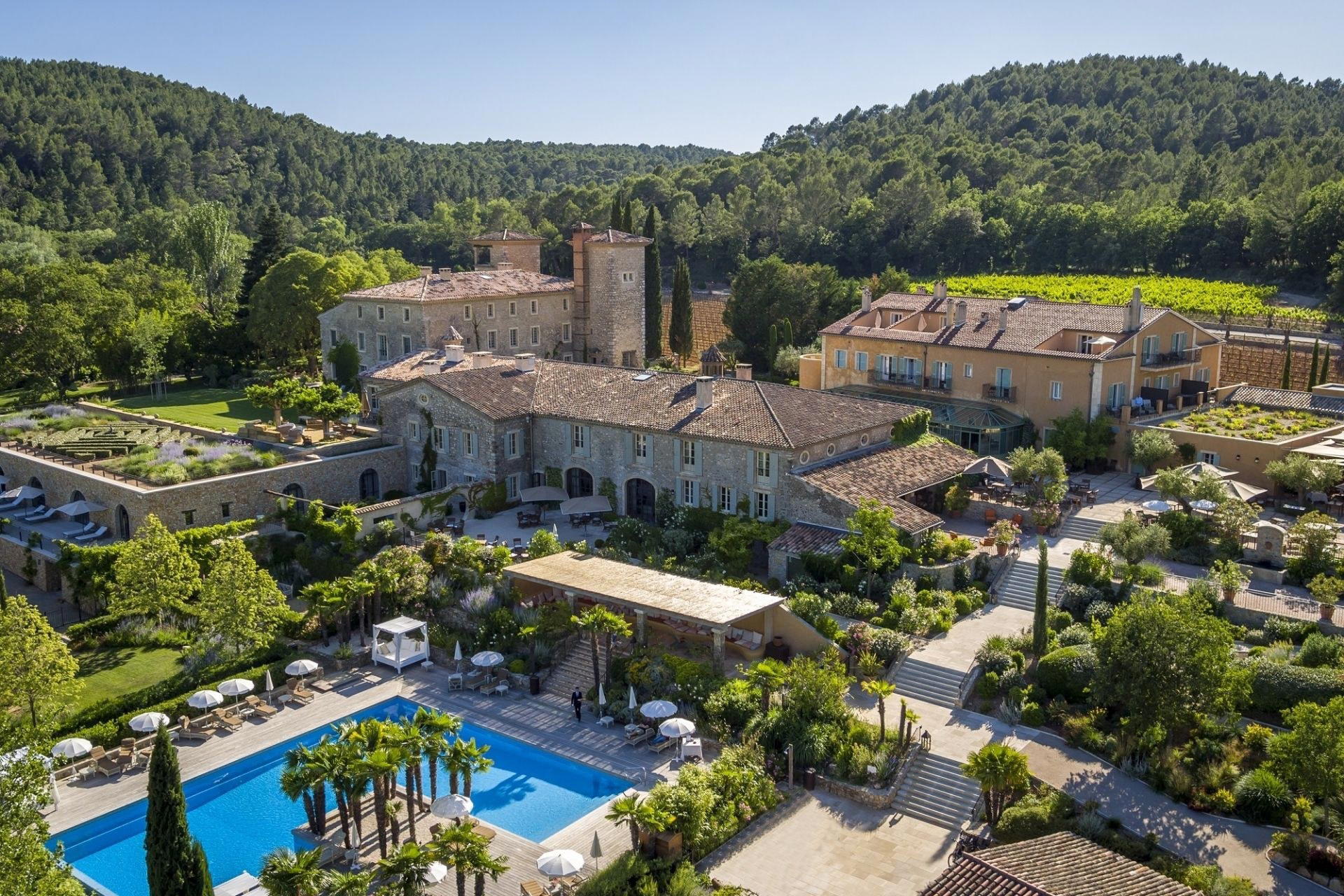
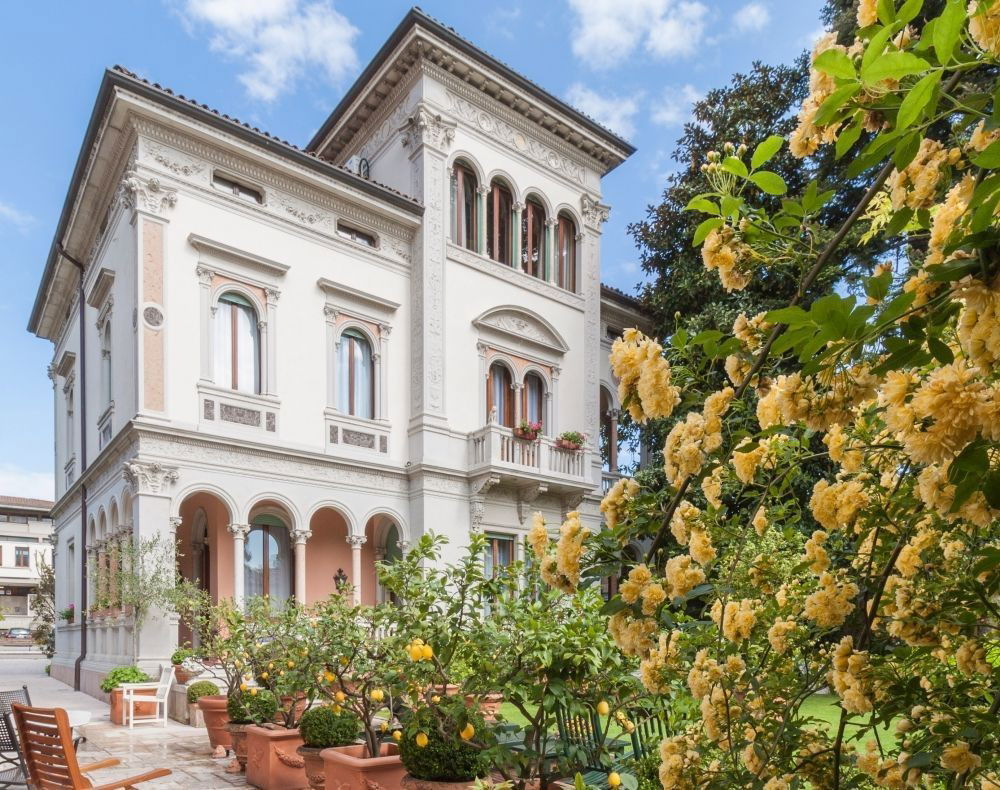
Villa Abbazia foregrounds architecture and history: a sensitive conversion of a historic abbey structure that retains thick stone walls, narrow fenestration and cloistered courtyard proportions. The property reads as a small, design‑minded Relais & Châteaux house rather than a contemporary resort, so the experience feels intimate and quietly characterful. Spaces are framed by the village’s medieval grain and the twelfth‑century Cistercian abbey nearby, and the hotel deliberately preserves original geometry while introducing contemporary comforts. Guests encounter a calm, contemplative atmosphere that privileges architectural detail and local context over flashy amenities.
Best For
This is a destination for travelers who prize history, architecture and a slow, restorative stay. Because the hotel is a restored historic building in Follina’s centre and part of the Relais & Châteaux network, it suits couples and quiet celebratory stays—honeymoons, anniversaries and weekend escapes—where the setting and careful design are the main attractions. It also appeals to culture‑minded visitors who want immediate access to the abbey and village fabric, and to anyone seeking a serene base in the Treviso hills rather than a bustling resort experience.
Stay Tips
When arranging a stay, prioritize rooms that engage with the cloistered courtyard or that face the abbey to maximize the hotel’s historic character. Ask the property about the building’s conversion and specific architectural features if that’s your interest—Relais & Châteaux membership indicates an emphasis on design and place. Because the architecture is the principal draw, plan time on the property to appreciate the cloister proportions and the village setting rather than expecting extensive on‑site programming. Inquire at booking about room location relative to the courtyard to ensure the ambiance you prefer.
Venue details
Ambiance
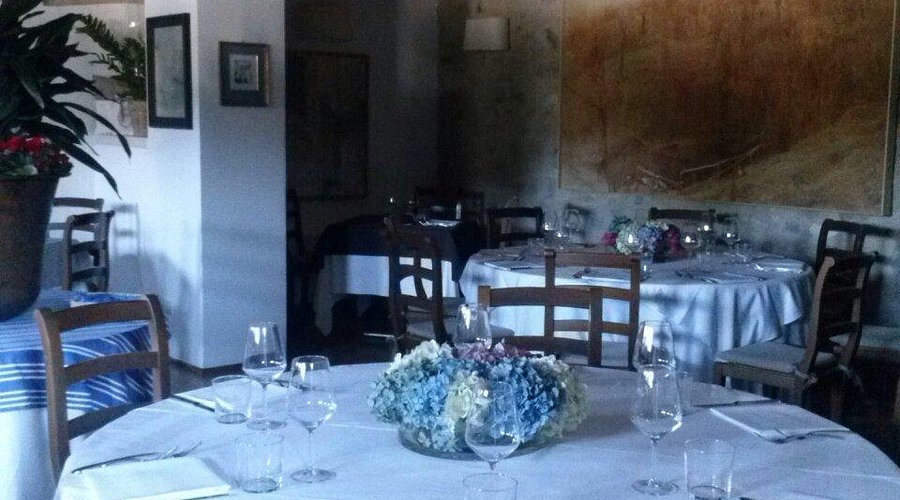
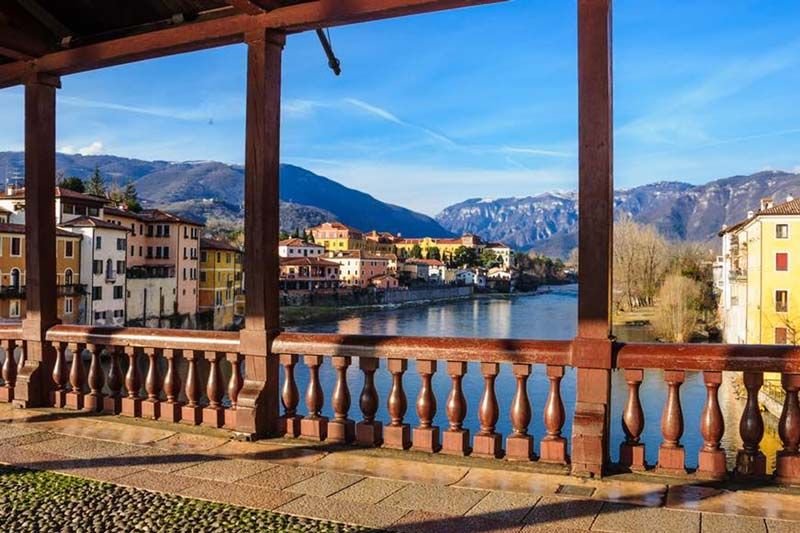
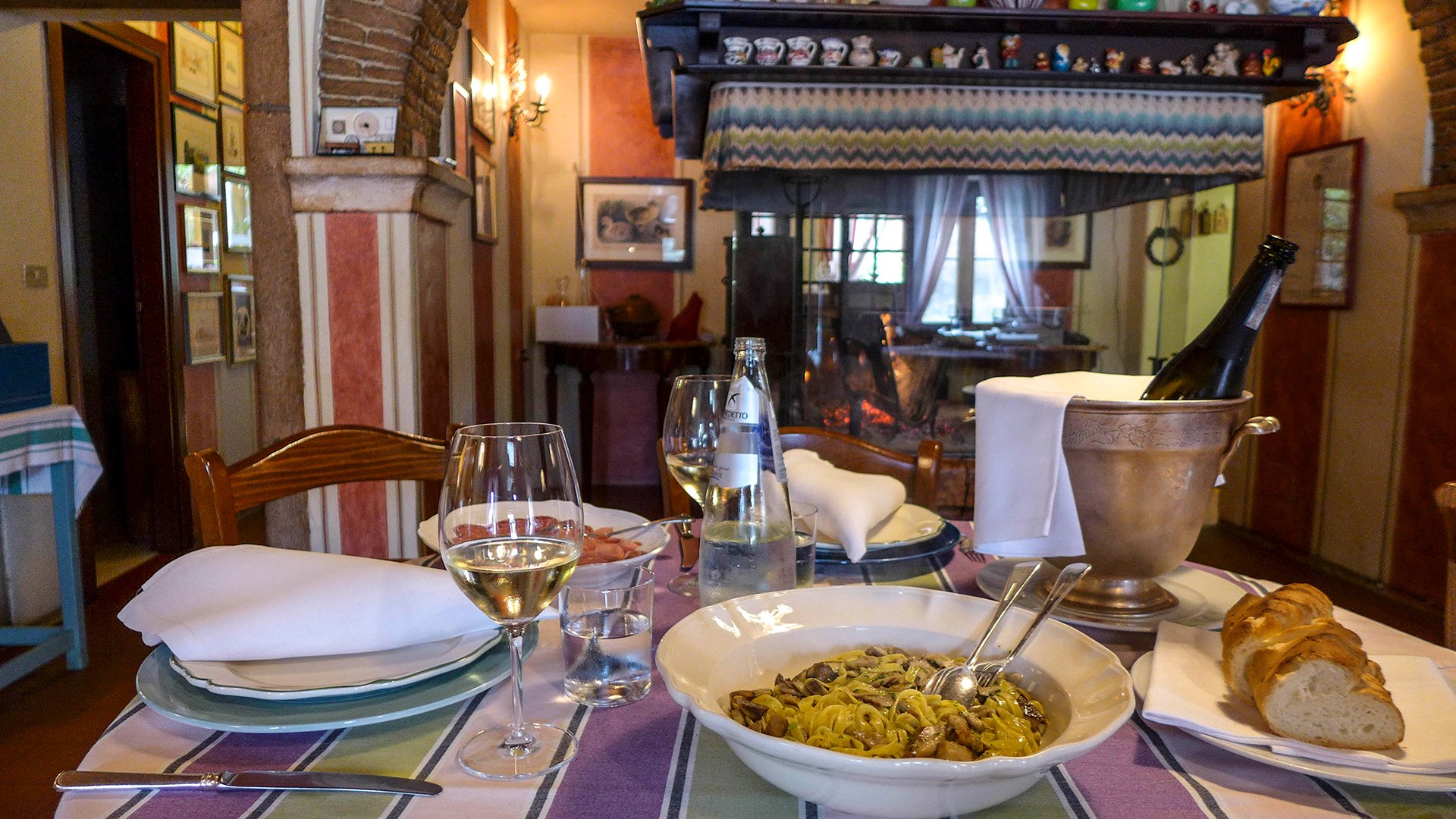
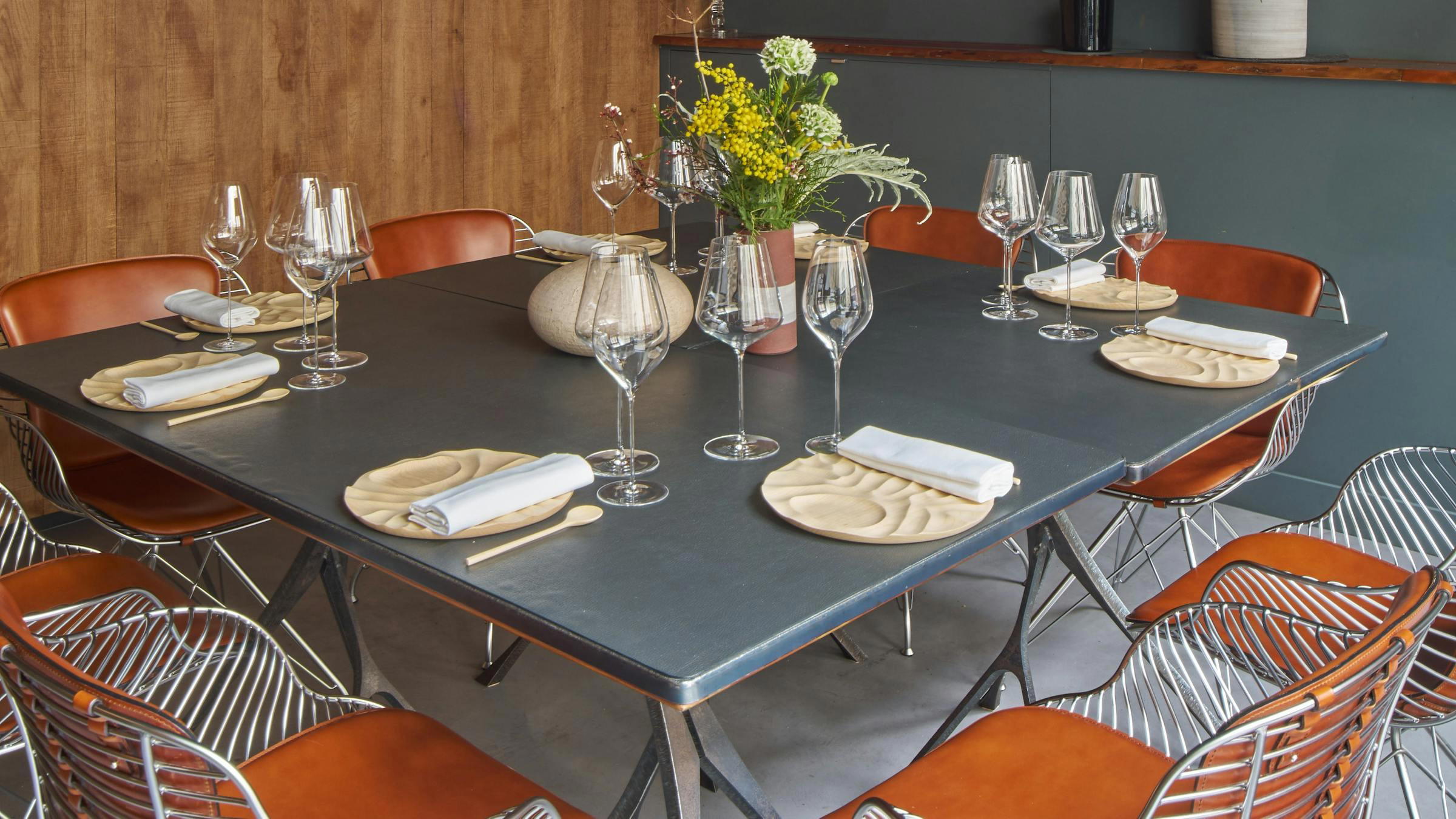
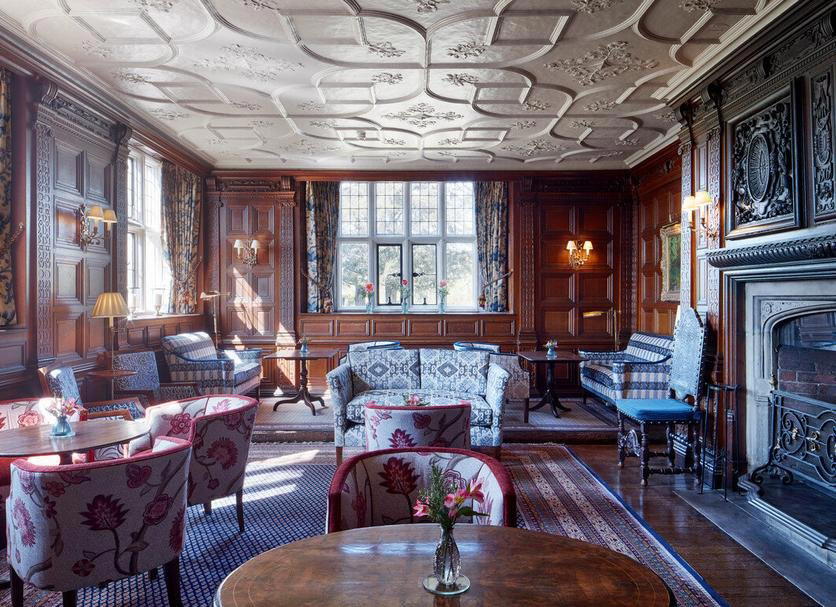
Serene elegance with historic frescoes, period furnishings, antiques, floral accents, and peaceful courtyard and river views, creating a tranquil old-world charm.
Tags
Vibe
Best For
Experience
Amenities
View
About the Stay
- Rooms
- 18
- Check-in
- 15:00
- Check-out
- 11:00
- Property Style
- Restored 12th Century Cistercian Abbey with 17th Century Palazzo and Art Nouveau Annexe
- Design Style
- Elegant Historic with Antiques, Floral Prints, Period Frescoes, and Venetian Heritage Accents
Know before you go
Know Before You Go
- Getting there
- Via Martiri della Libertà, 4, 31051 Follina TV
Planning details
Location
Recognition and awards

Also consider
Also Consider
- Villa Soligo, Notable alternative
- Albergo Al Sole, Notable alternative
- Hotel Villa Cipriani, Notable alternative
- Meltar Boutique Hotel, Notable alternative
- Locanda Cipriani, Notable alternative
Hotel context
How Villa Abbazia compares in Follina and beyond
Villa Abbazia is the better fit if the trip needs a refined village base with a stronger hospitality signal than a simple stopover. Villa Soligo is the more obvious cross-shop for travellers who want a broader villa-hotel feel, while Albergo Al Sole reads as the more practical choice if value and simplicity matter more than occasion value.
For ambiance, Hotel Villa Cipriani and Locanda Cipriani are stronger comparisons for travellers who are willing to leave the immediate Follina frame for a more established classic-hotel mood. Pick Villa Abbazia when being in Follina itself is part of the plan; look to those two when the destination hotel is the main event.
Meltar Boutique Hotel is the cross-shop for guests who prefer a smaller boutique feel and are less concerned with formal recognition. Villa Abbazia is the safer celebration choice; Meltar is the one to check when price, availability, or a lower-key mood drives the decision.
Explore Follina
Around this place
Discover more on Pearl
Unlock the full Villa Abbazia guide in Pearl, including awards, comparisons, FAQs, planning details, and nearby places.
Compare Villa Abbazia
| Venue | Location | Awards |
|---|---|---|
| Villa Abbazia | Follina | 2026 Relais Chateaux Hotels2025 Relais Chateaux Award |
| Villa Soligo | Farra di Soligo | Small Luxury Hotels Member 2025 |
| Albergo Al Sole | Asolo | No published awards |
| Hotel Villa Cipriani | Asolo | No published awards |
| Meltar Boutique Hotel | Asiago | No published awards |
| Locanda Cipriani | Venice | No published awards |

How Villa Abbazia Follina compares with similar nearby venues.
FAQ
Frequently Asked Questions
When is the best time to book Villa Abbazia?
No specific booking window is listed. If your dates are important, contact Villa Abbazia directly to confirm availability, terms, and any timing considerations for Follina.
Which category is best at Villa Abbazia?
No category details are listed. Ask Villa Abbazia directly which option best matches your needs, especially if specific practical requirements in Follina matter to your trip.
Is Villa Abbazia good for business travel?
No business-travel facilities are listed. Villa Abbazia may still work for some bookings in Follina, but confirm any work-related needs directly before booking.
How is the location of Villa Abbazia?
Villa Abbazia is in Follina. No more specific address details are provided, so use Follina as the location reference and confirm any route or arrival details directly before travelling.
How does Villa Abbazia compare to other hotels and venues?
Compare Villa Abbazia with Villa Soligo, Albergo Al Sole, Hotel Villa Cipriani, Meltar Boutique Hotel, or Locanda Cipriani based on the details each property can confirm for your dates. Villa Abbazia's key features include its Follina location, smart-casual dress code, and Relais Chateaux Award (2026).
How is the dining at Villa Abbazia?
No dining format, cuisine, menu, or service schedule is listed. Confirm the current dining setup directly with Villa Abbazia before planning a booking around a meal.