
Riad Laaroussa
Fes Medina, Fès
Hotel in Fès, Morocco
 Book with Pearl
The Read
Restorative Medina Architecture
Why go
Riad Laaroussa is a strong Fès pick for travelers who want a character-led medina stay rather than a large hotel. Families should book it for atmosphere and old-city access, not for resort convenience. Michelin 1 Key recognition helps justify choosing it over less-proven riad options.
About Riad Laaroussa
Riad Laaroussa is a Fès stay with a Michelin 1 Key recognition for 2025. Beyond that distinction and its location in Fès, the safest way to evaluate it is to compare it directly with other notable Fès stays rather than rely on assumptions about facilities, room types, dining, or service format.
The Michelin 1 Key is the main quality signal. For practical details such as arrival logistics, room configuration, meals, or on-property amenities, confirm directly with the property before committing.
A Fès stay with a Michelin Key
The most grounded reason to consider Riad Laaroussa is its Michelin 1 Key recognition in 2025. That gives the property a useful external endorsement while still leaving many trip-specific questions to confirm before booking. If you are comparing across the city, you can also use 's full Fès hotels guide to weigh other Fès options.
Riad Laaroussa is best assessed as one of several Fès choices rather than through claims about a particular facility mix or travel style. The right fit depends on what you confirm directly: room needs, arrival preferences, meal plans, and the level of hotel structure you want.
Who should cross-shop before committing
Before committing, compare Riad Laaroussa with other Fès options such as Dar Roumana and Palais Faraj Suites & Spa. Other relevant Fès comparisons include Riad Fès, Riad Jardin des Biehn, and Riad Mayfez Suites & Spa. Choose Riad Laaroussa when its Fès setting and Michelin 1 Key recognition match what you want from the trip.
Planning details
- Location
- Bechara، 3 Derb Serraj, فاس
- Website
- riad-laaroussa.com
- Phone
- +212 6 74 18 76 39
The take
The Take
The Vibe
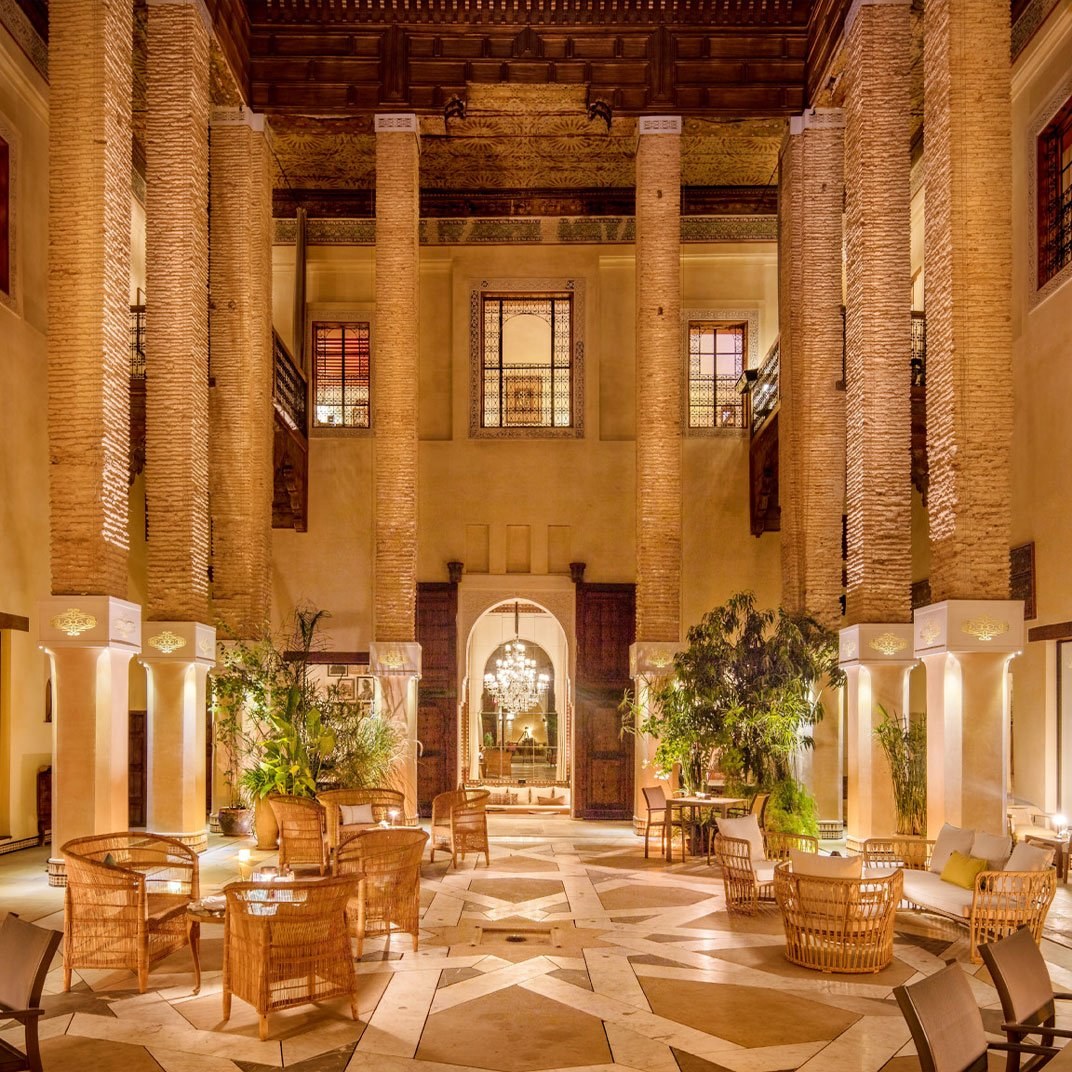
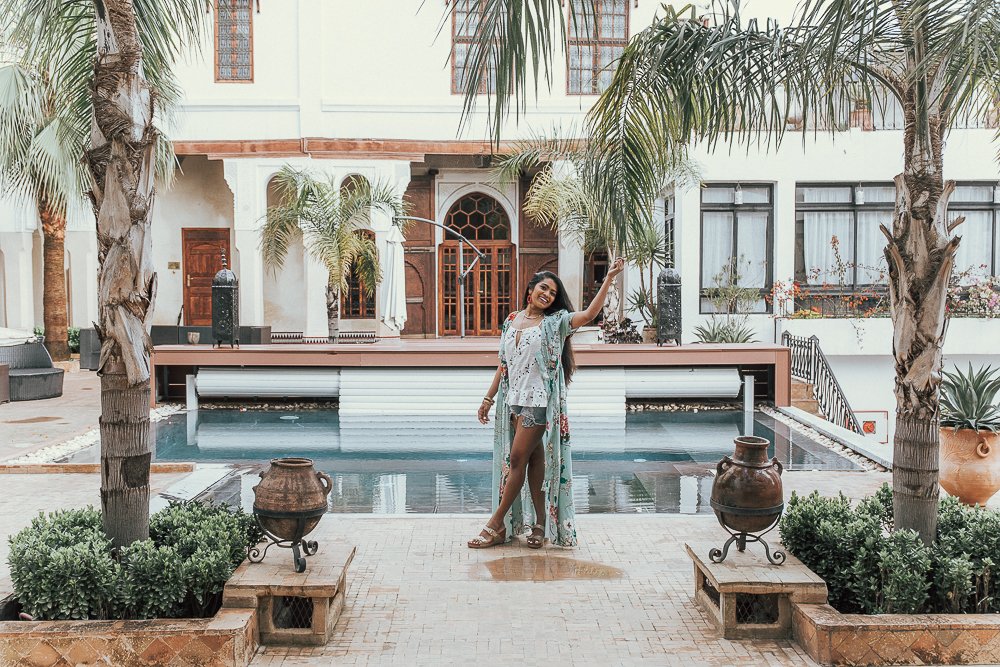
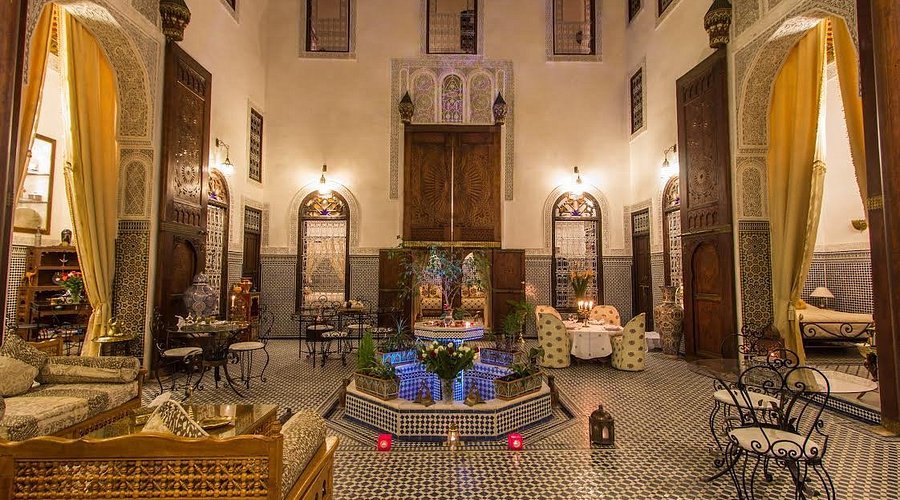
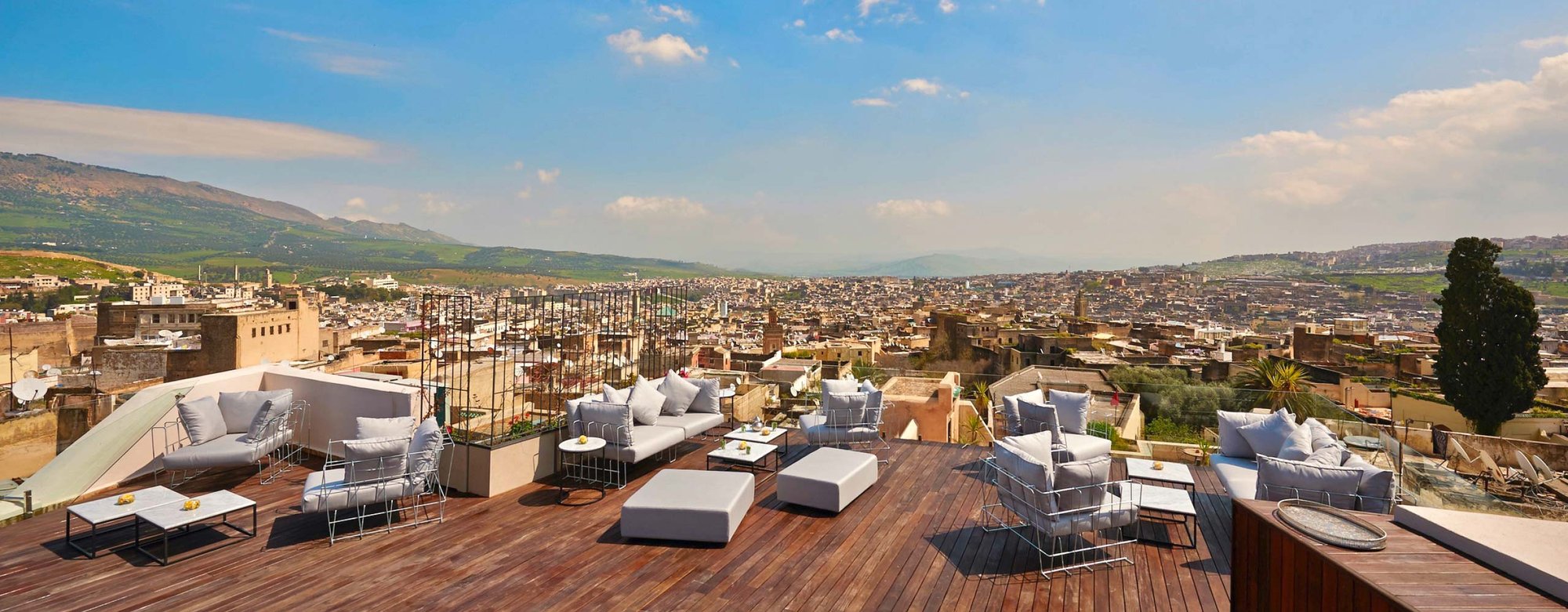
Riad Laaroussa reads like a pocket of calm in the dense medieval fabric of Fes el Bali. The riad form flips the city's compressed, bustling exterior into an inward-facing courtyard shaded by citrus trees and cooled by a fountain, creating a quietly resonant retreat. The property's placement in the Bechara quarter and its traditional architecture emphasize historic character and a charming, understated atmosphere. Rather than feeling staged for visitors, the riad is embedded in local life, offering a serene, intimate experience that feels both authentic and restorative after a day in the medina.
Best For
This riad suits travelers who want to be immersed in the medina while retaining a private refuge. Its address in the heart of Fes el Bali places souks, tanneries, and madrasas a short walk away, so independent exploration is practical. Guests who prioritize authenticity and navigability—solo explorers and couples who favor an embedded base over a tourist corridor—will find the balance appealing. After wandering the alleys, the shaded courtyard and fountain provide a restorative place to regroup without leaving the historic neighborhood.
Venue details
Ambiance
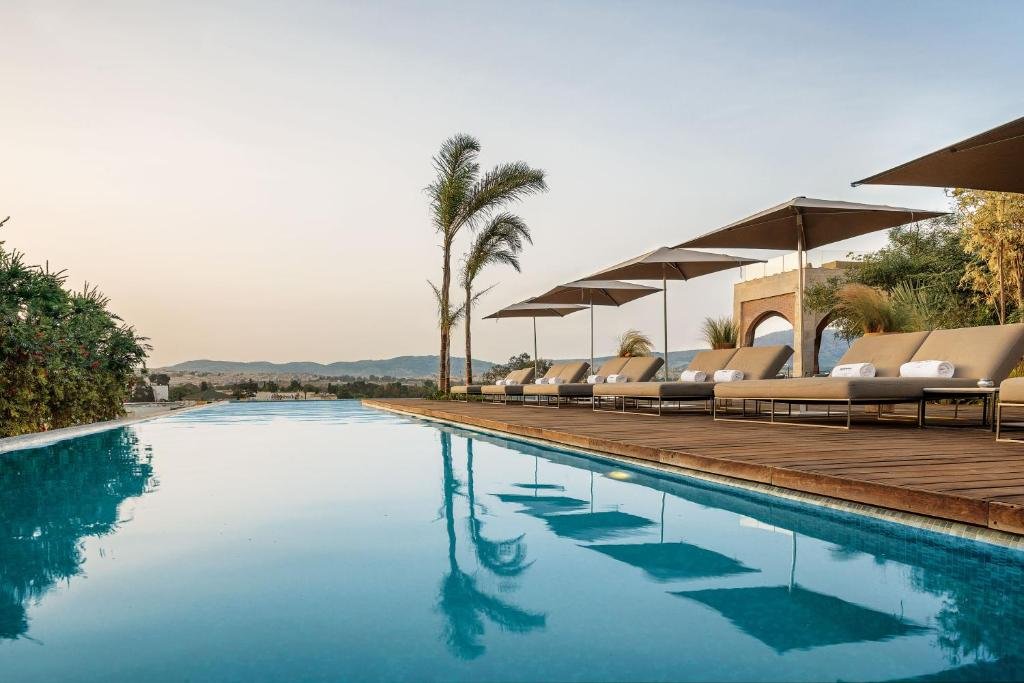
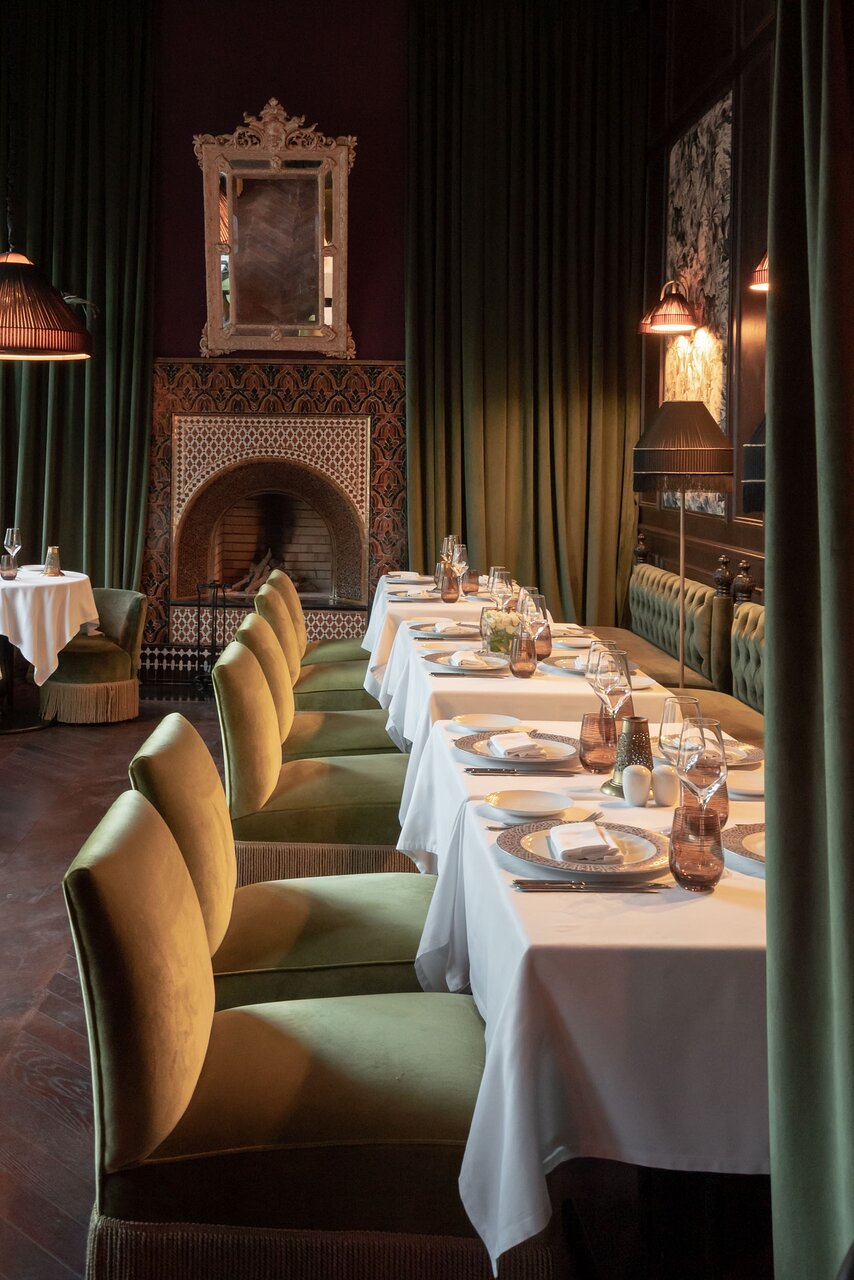
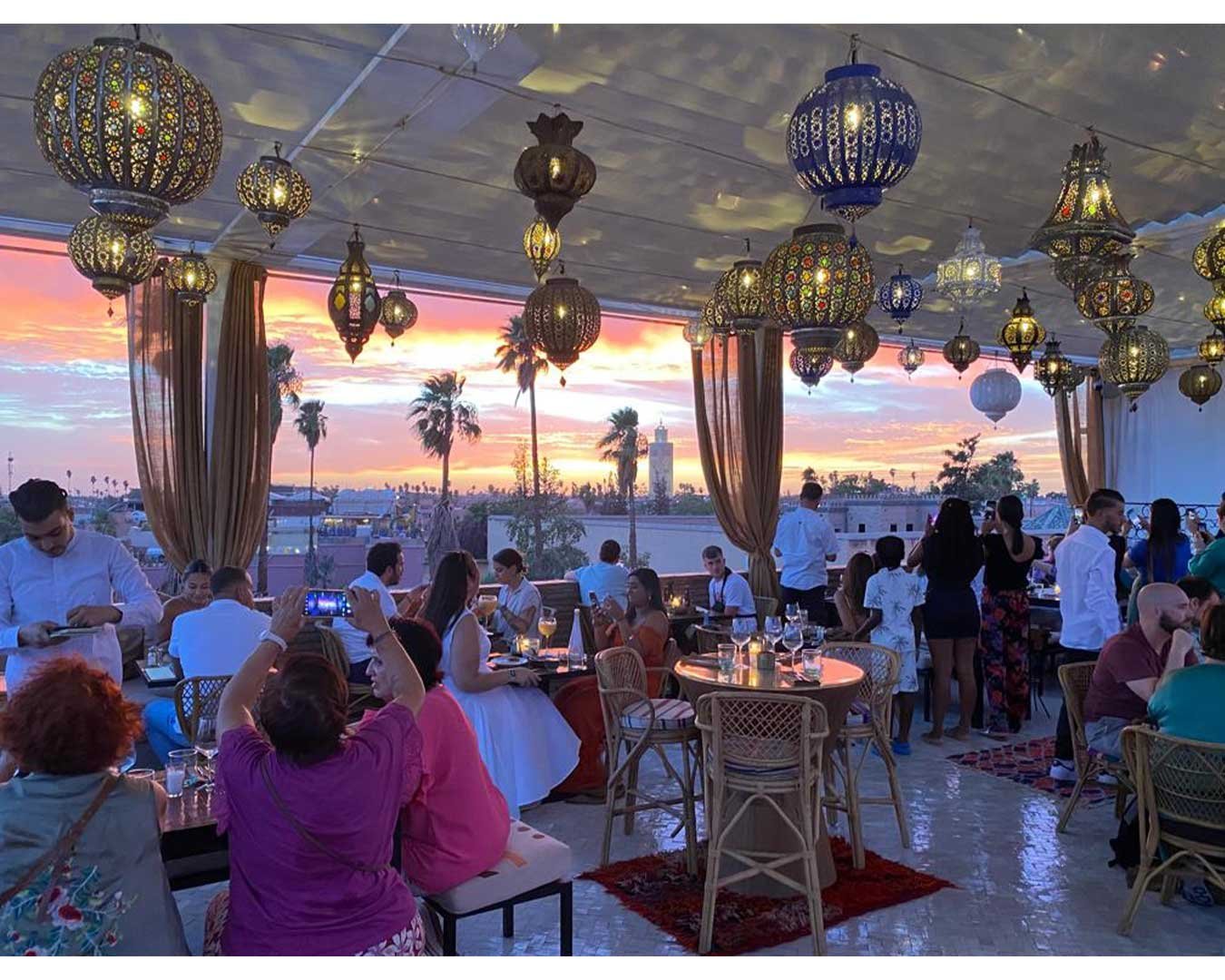
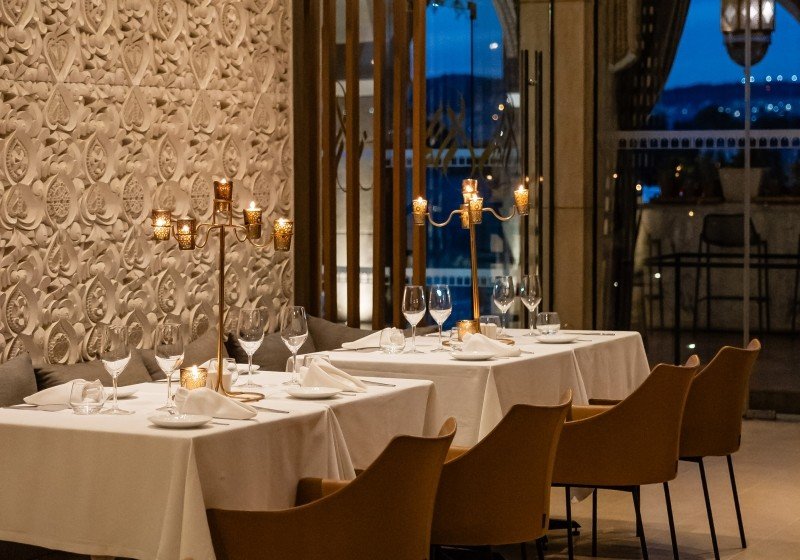
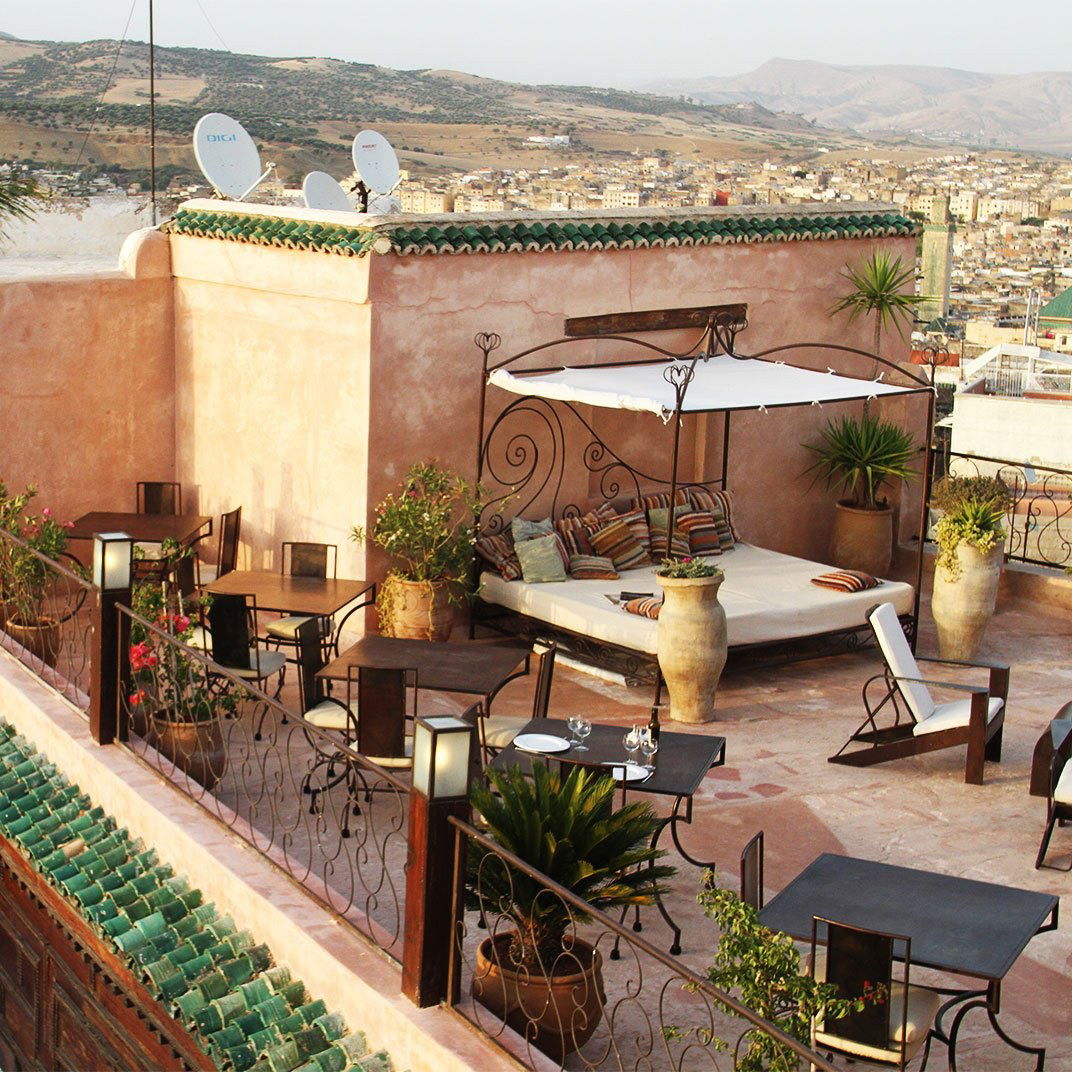
Tranquil and elegant with shaded courtyard under orange trees, cozy fireplaces in living areas, and relaxing rooftop lounging amid city views.
Tags
Vibe
Best For
Experience
Amenities
View
Accessibility
About the Stay
- Rooms
- 13
- Check-in
- 14:00
- Check-out
- 12:00
- Property Style
- 17th Century Moroccan Palace Riad with Authentic Restoration
- Design Style
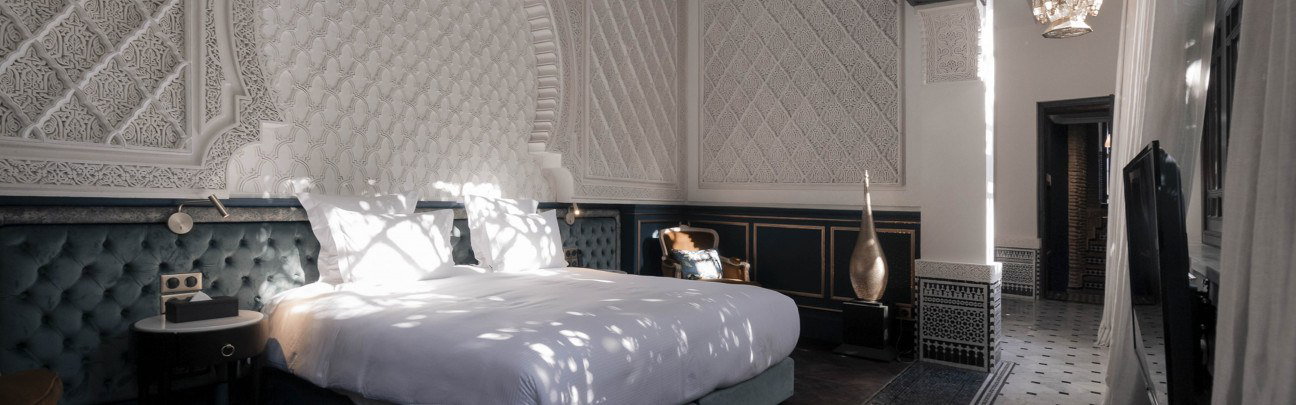
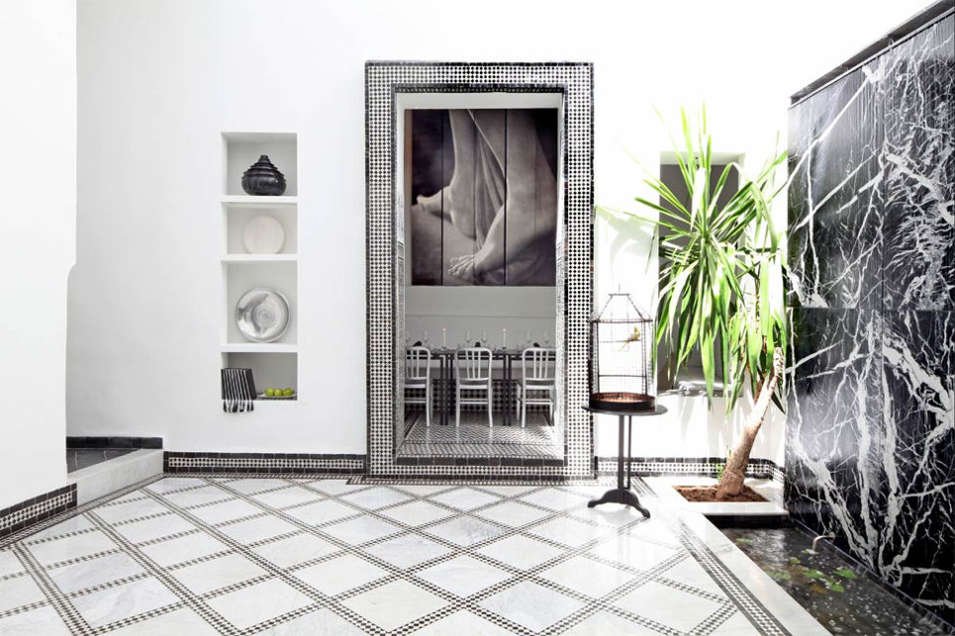
- Moroccan Traditional with Mosaic Floors, Painted Wood Ceilings, Hand Carved Plasterwork, and Hand Crafted Furnishings
Know before you go
Know Before You Go
- Getting there
- Bechara، 3 Derb Serraj, فاس
Planning details
Location
Recognition and awards
Also consider
Also Consider
- Riad Fès, Notable alternative
- Riad Jardin des Biehn, Notable alternative
- Riad Mayfez Suites & Spa, Notable alternative
- Dar Roumana, Notable alternative
- Palais Faraj Suites & Spa, Notable alternative
Hotel context
How It Compares
Choose Riad Laaroussa if the priority is a polished medina riad with a quieter, more intimate feel than a larger hotel. Against Riad Fès, it reads as the more personal choice; Riad Fès is the stronger cross-shop for travelers who want a more established luxury-hotel rhythm.
Riad Jardin des Biehn is the better fit for guests who want a more garden-led, design-forward stay. Riad Mayfez Suites & Spa makes more sense for travelers prioritising suite space and spa time over medina immersion.
If food is driving the booking, compare Dar Roumana before committing. For a grander setting and more hotel-like scale, Palais Faraj Suites & Spa is the safer alternative, especially for families who want more breathing room and a less intimate house-style stay.
Explore Fès
Around this place
Discover more on Pearl
Unlock the full Riad Laaroussa guide in Pearl, including awards, comparisons, FAQs, planning details, and nearby places.
Compare Riad Laaroussa
| Venue | Location | Awards |
|---|---|---|
| Riad Laaroussa | Fès | 2025 Michelin 1 KeyMichelin 1 Key 2025 |
| Riad Fès | Fès | 2026 Virtuoso Luxury Hotel Collection2026 Mr & Mrs Smith Luxury Hotels2026 Relais Chateaux Hotels2025 Michelin 1 Key2025 Relais Chateaux Award |
| Riad Jardin des Biehn | Fès | No published awards |
| Riad Mayfez Suites & Spa | Fez | No published awards |
| Dar Roumana | Fès | No published awards |
| Palais Faraj Suites & Spa | Fez | No published awards |


How Riad Laaroussa Fès compares with similar nearby venues.
FAQ
Frequently Asked Questions
How is the pool and spa at Riad Laaroussa?
The quality signal is Michelin 1 Key recognition in 2025, so travelers who care about particular facilities should check directly with the property before booking.
What is check-in like at Riad Laaroussa?
How is the location of Riad Laaroussa?
Riad Laaroussa is in Fès. More specific location details should be confirmed directly with the property or your booking source.
How is the dining at Riad Laaroussa?
If food is a central part of the decision, confirm current meal details directly and compare with other Fès options such as Dar Roumana, along with other dining in Fès considered generically.
Which room category is best at Riad Laaroussa?
Choose based on the room details from the property or booking platform, and confirm any needs around space, bedding, quiet, or accessibility before reserving.
Do loyalty programs work at Riad Laaroussa?
The differentiator is Riad Laaroussa's Michelin 1 Key recognition in 2025, not a points or status angle.
Is Riad Laaroussa good for business travel?
If work needs are important, confirm practical details directly and compare with Fès options such as Palais Faraj Suites & Spa and Riad Mayfez Suites & Spa.