
Karawan Riad
Fes El Bali, Fès
Hotel in Fès, Morocco
 Book with Pearl
The Read
Haute-Palatial Caravanserai
Why go
Karawan Riad is worth booking for a first-time Fès stay if medina atmosphere matters more than big-hotel infrastructure. Its 2025 Michelin 1 Key gives it a clear quality signal, but travelers prioritizing pools, spa depth, or business-hotel convenience should cross-shop larger nearby options before committing.
About Karawan Riad
Should you book Karawan Riad in Fès? Consider it if you want a Fès stay with confirmed Michelin 1 Key recognition in 2025. The public details are limited, so the safest read is to treat it as a property to evaluate on its confirmed recognition and your own booking requirements rather than on assumptions about amenities, dining, or hotel-style facilities.
The practical read is simple: treat this as a considered booking rather than a casual fallback. The 2025 Michelin 1 Key is the strongest trust signal here. That does not automatically make it the right choice for every traveler, so confirm any must-have services directly before committing.
A Fès riad with confirmed recognition
If those details matter, compare carefully before booking.
Dress expectations are smart casual. For travelers comparing other Fès stays, Palais AMANI, Palais Faraj Suites & Spa, Riad El Amine Fes, Riad Jardin des Biehn, and Riad Mayfez Suites & Spa are natural alternatives to review alongside Karawan Riad.
Who should book, and who should cross-shop
Book this if a Fès stay with Michelin 1 Key recognition is the main draw and you are comfortable confirming practical details directly. Cross-shop if the trip depends on specific facilities, accessibility requirements, meeting needs, dining arrangements, or loyalty benefits that are not here.
For broader planning, use our full Fès hotels guide alongside our full Fès restaurants guide, our full Fès bars guide, and our full Fès experiences guide. Within Fès, compare Karawan Riad with Palais AMANI, Palais Faraj Suites & Spa, Riad El Amine Fes, Riad Jardin des Biehn, and Riad Mayfez Suites & Spa.
Planning details
- Location
- 21 Derb Ourbia Makhfiya، Fes 30000
- Website
- karawanriad.com
- Phone
- +212 5 35 63 78 78
The take
The Take
The Vibe
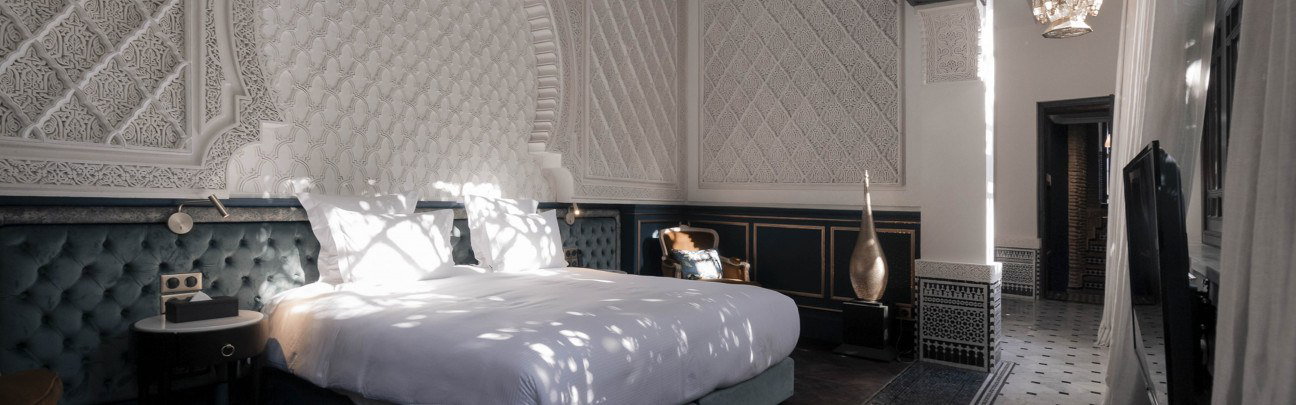
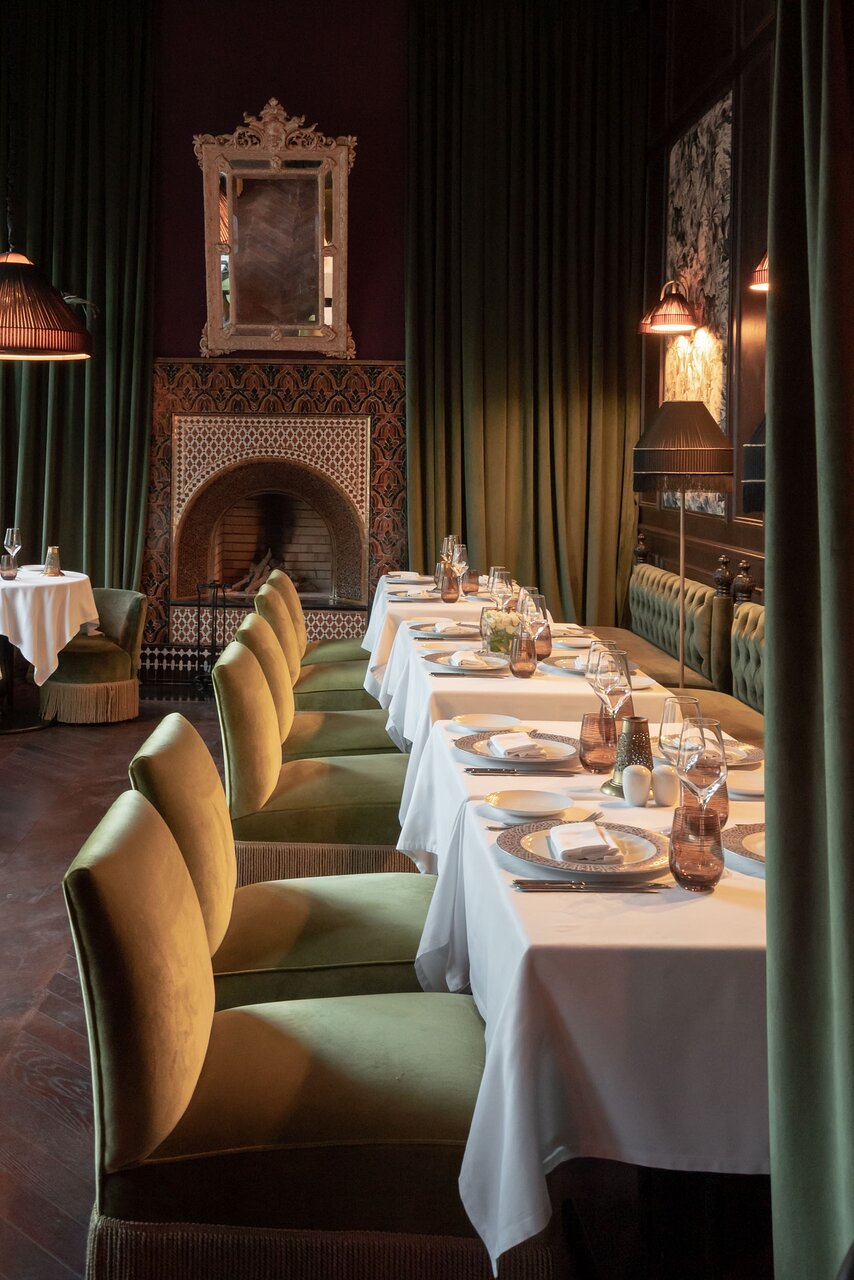
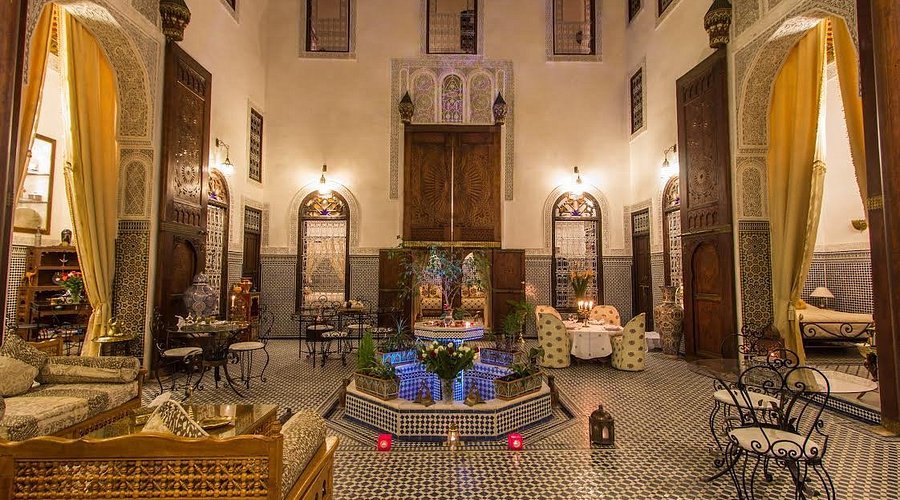
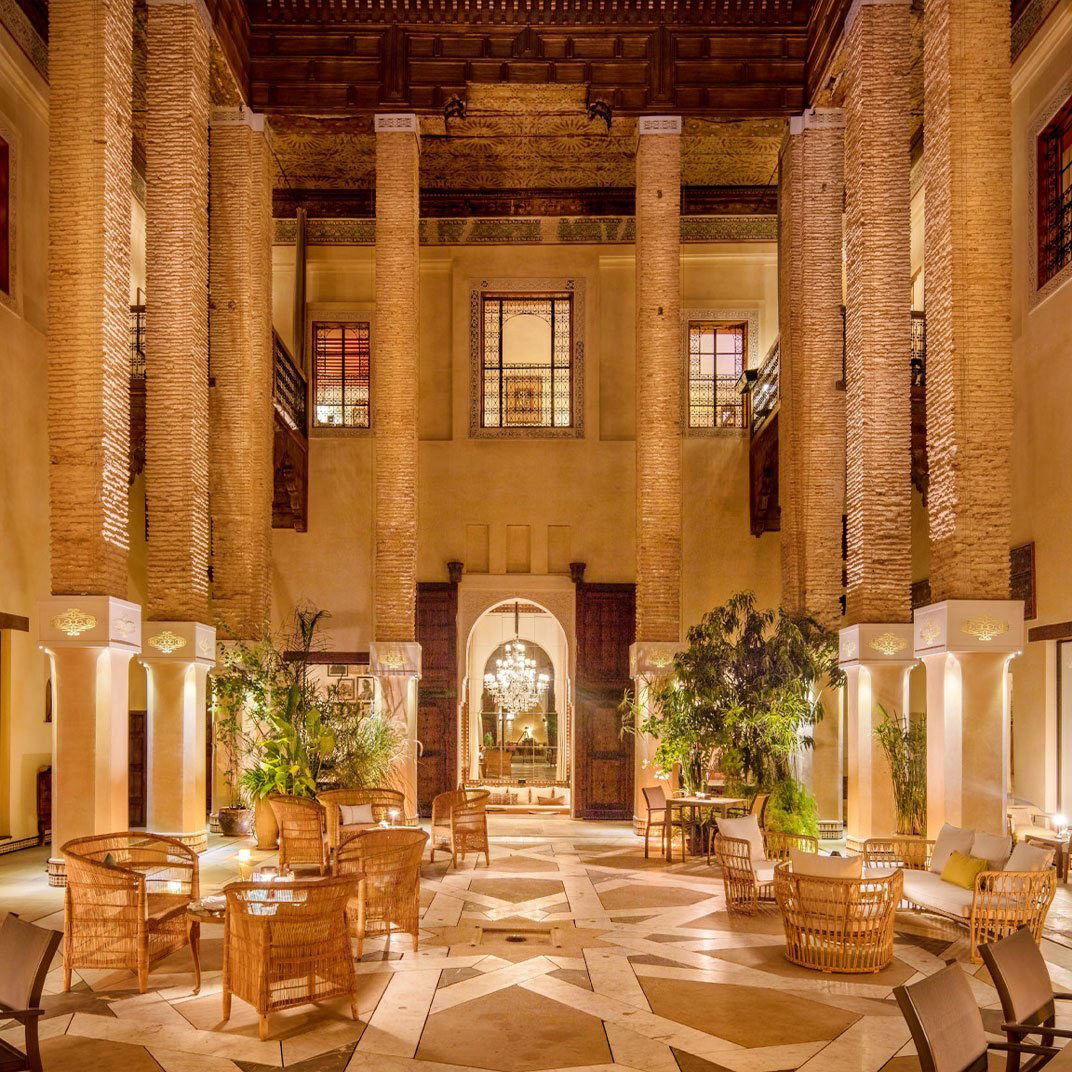
Karawan Riad reads as a quietly historic refuge inside Fès el-Bali. Housed in a 17th-century Maqfia harem-palace, the property preserves original architecture while layering careful, handcrafted finishes — carved plaster, zellij tilework and brocades — that make the interiors feel intimate and thoughtfully composed. With only seven suites the place behaves more like a private residence than a larger hotel, and the Andalous Quarter location keeps street life restrained so the building’s proportions and detailing can register. The result is a serene, characterful stay that foregrounds history and material craft rather than spectacle.
Best For
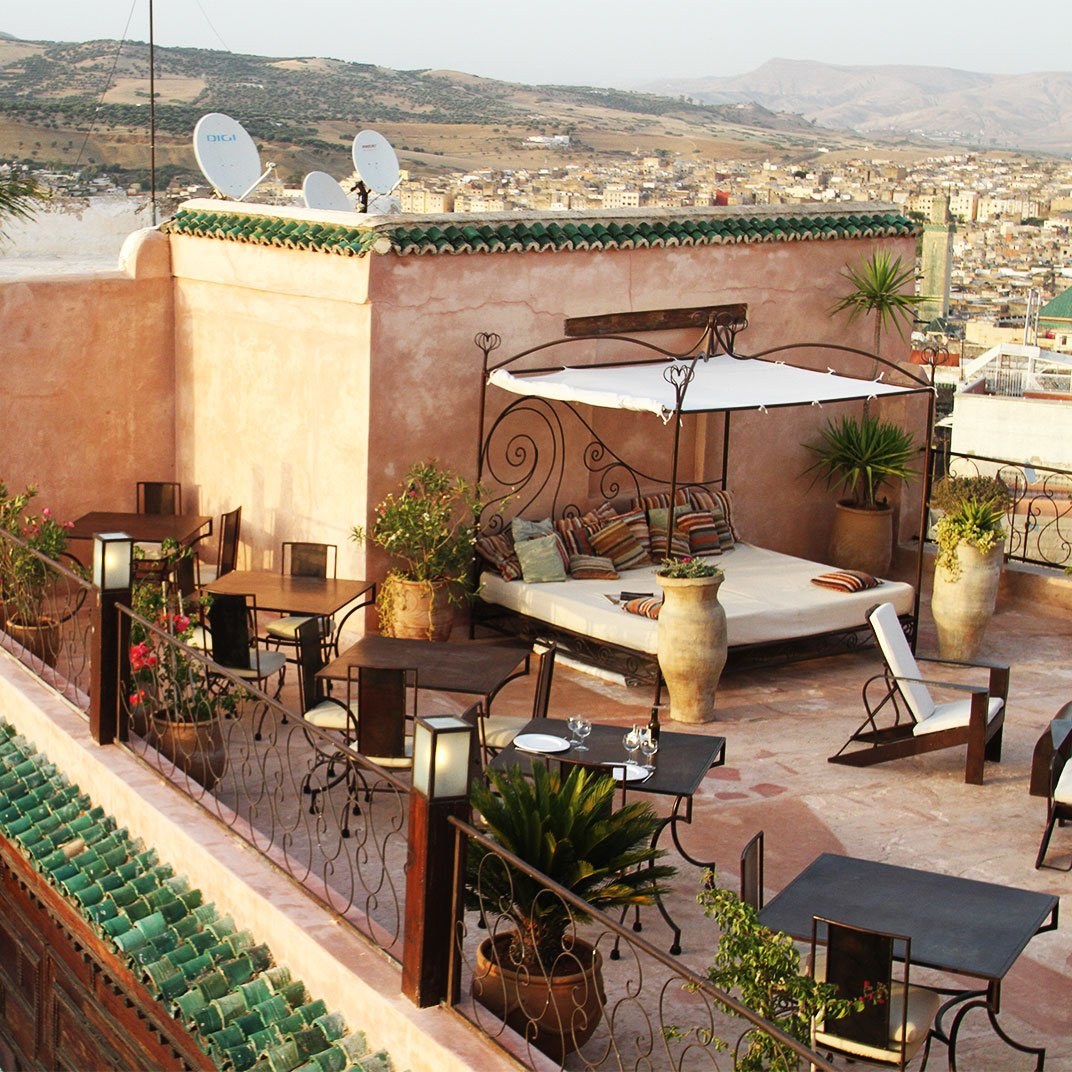
This riad suits travelers who prize privacy, architectural authenticity and a calm medina setting. The small number of suites and private-terrace layouts make it especially appropriate for guests who want an immersive, quiet base for exploring Fès’s historic fabric rather than a bustling, centrally positioned hotel. Because the property deliberately preserves original volumes and artisanal finishes, it also appeals to those who value heritage restoration and tangible craftsmanship during their stay. The Andalous Quarter location offers separation from the busiest souk corridors, so guests seeking calm after market visits will find it fitting.
Stay Tips
Book well in advance: with only seven suites the riad has limited inventory, and the text stresses the deliberate constraint of its scale. When reserving, request a suite that resolves into a private terrace if outdoor private space matters to you — the layouts are described as typically concluding in terraces rather than shared balconies. Note the Andalous Quarter location if you prefer quieter medina streets: arrivals who want to avoid the busiest tourist approaches (for example Bab Boujloud) will appreciate the different pace here.
Venue details
Ambiance
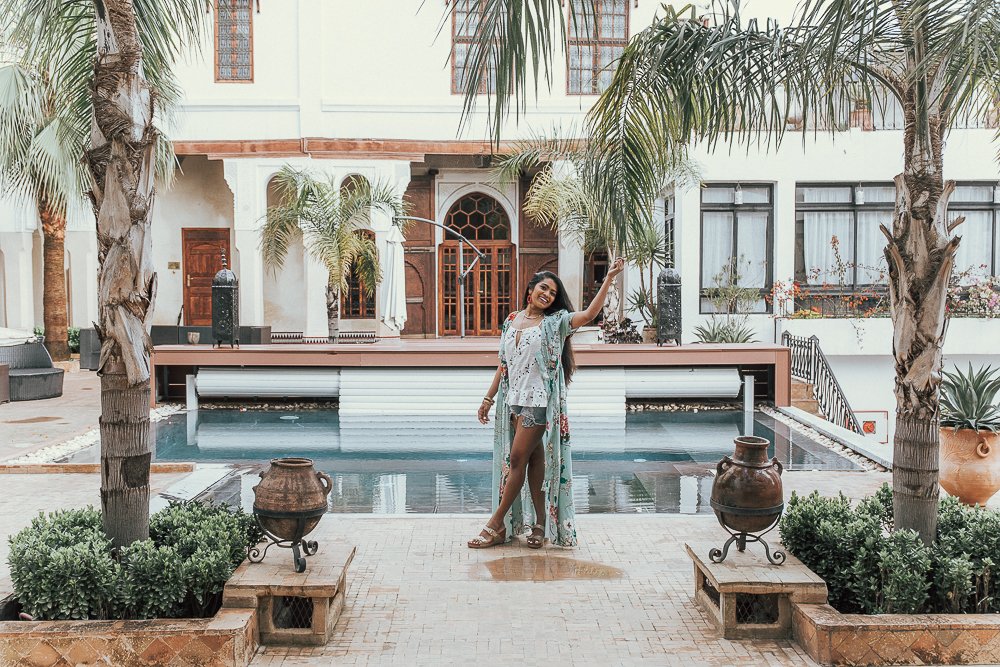
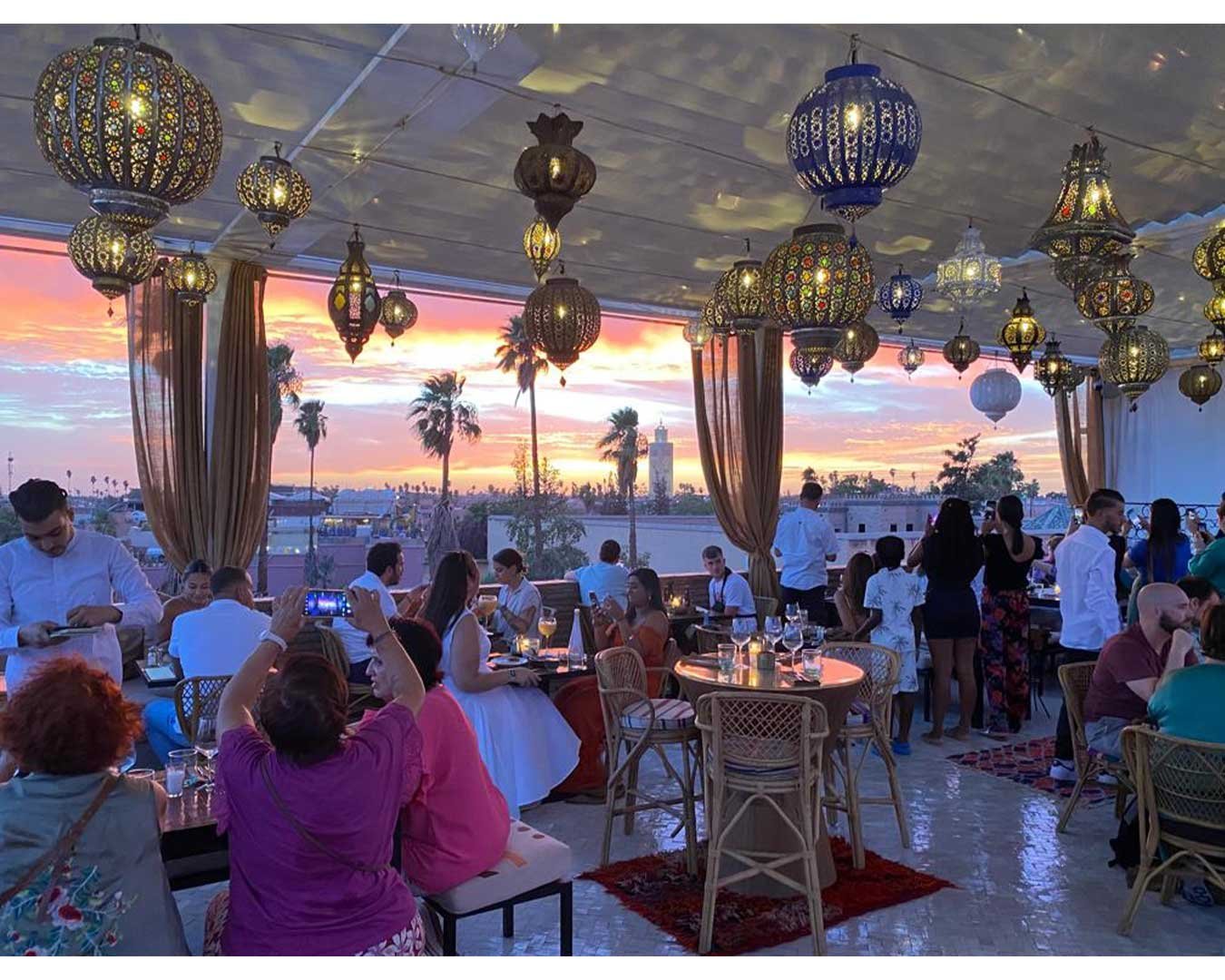
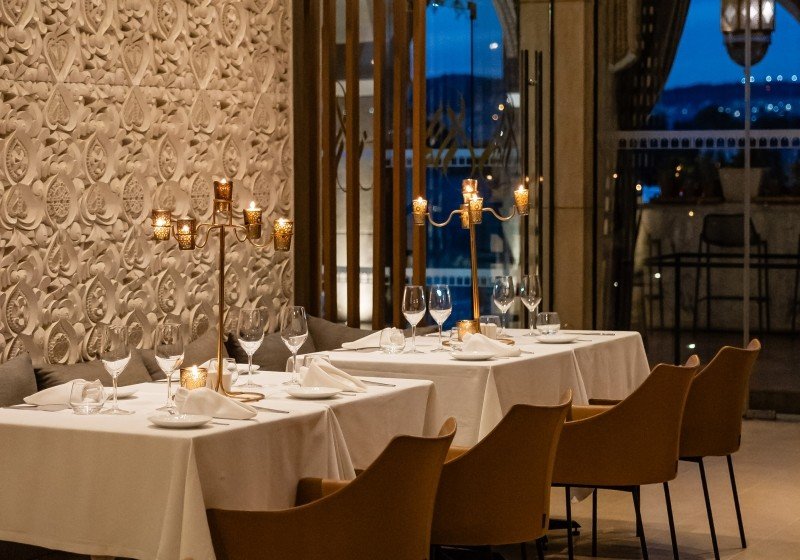
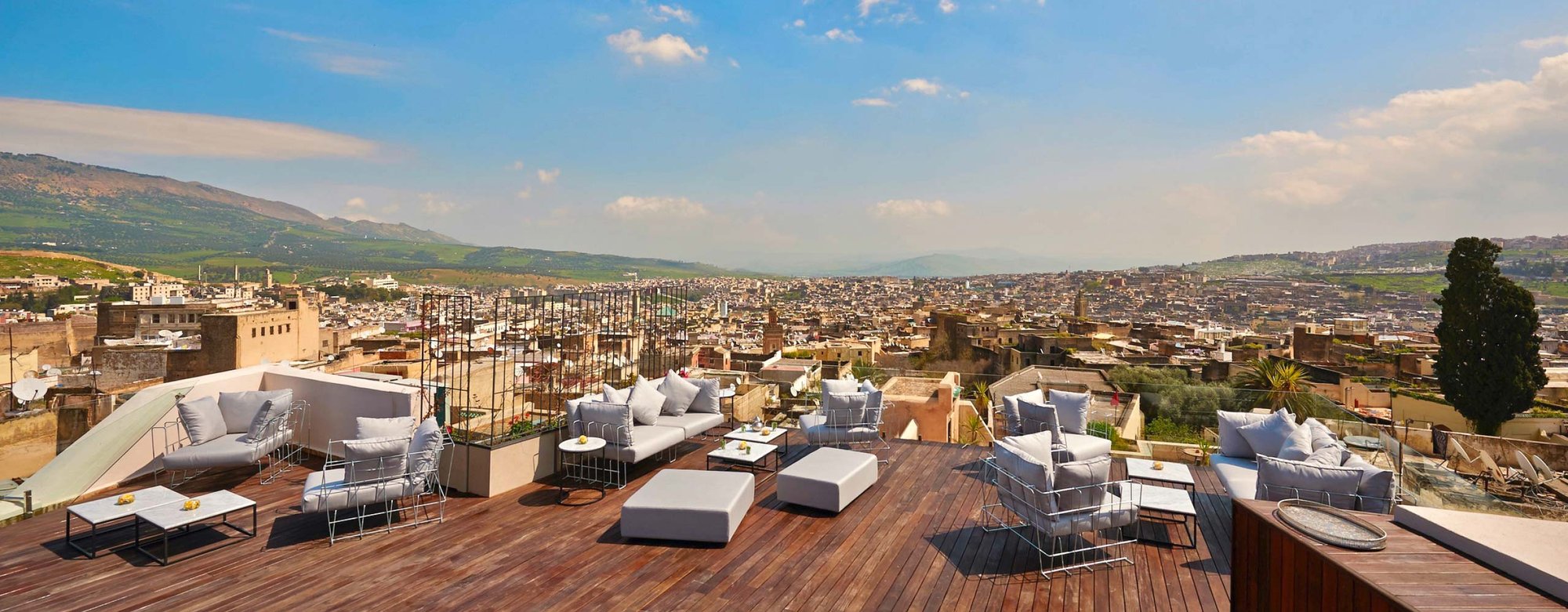
Serene and opulent with soft lighting, traditional Moroccan decor, and tranquil courtyard atmosphere praised for its oasis-like retreat in the bustling medina.
Tags
Vibe
Best For
Experience
Amenities
View
About the Stay
- Rooms
- 7
- Property Style
- Luxury Boutique Riad in a 17th Century Building Renovated in 2014 with Traditional Moroccan Architecture.
- Design Style
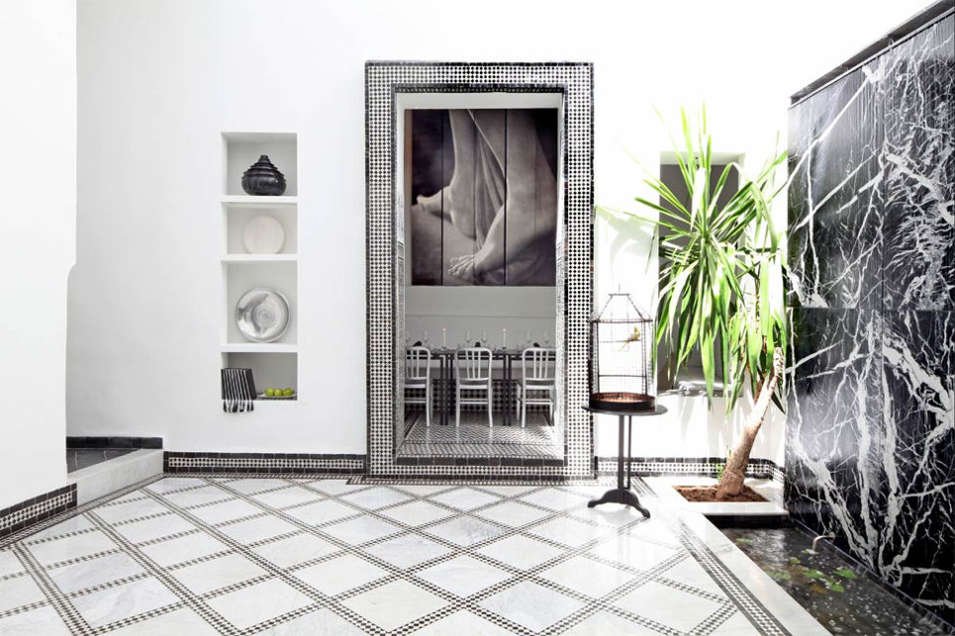
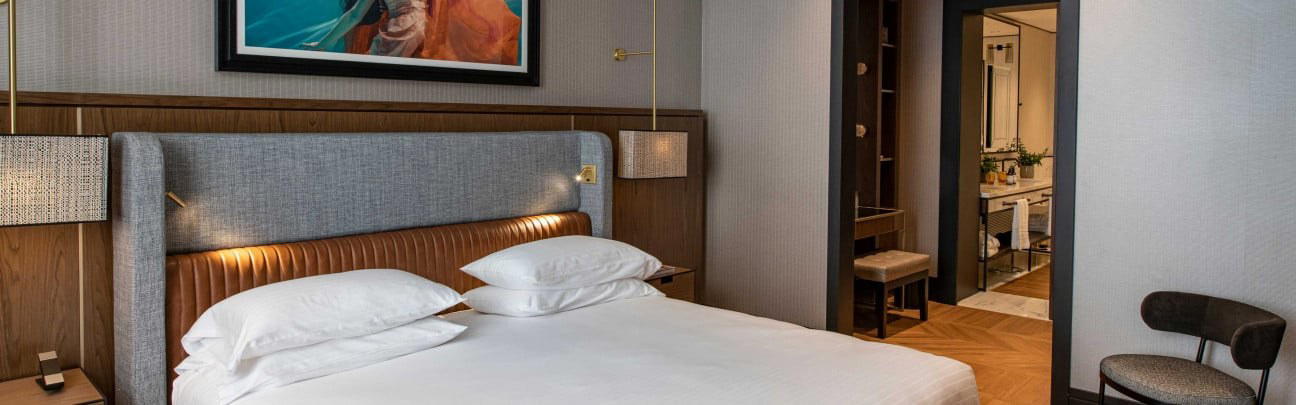
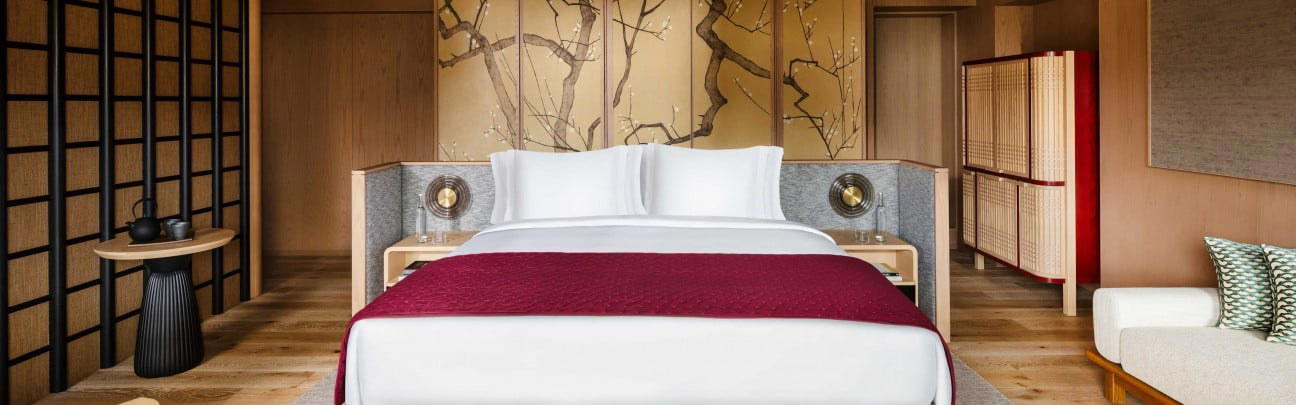
- Opulent Moroccan with Zellige Tiles, Antique Furniture, Wrought Iron Details, and Modern Touches Like Rain Showers.
Know before you go
Know Before You Go
- Getting there
- 21 Derb Ourbia Makhfiya، Fes 30000
Planning details
Location
Recognition and awards
Also consider
Also Consider
- Riad El Amine Fes, Notable alternative
- Riad Mayfez Suites & Spa, Notable alternative
- Palais Faraj Suites & Spa, Notable alternative
- Riad Jardin des Biehn, Notable alternative
- Palais AMANI, Notable alternative
Hotel context
How Karawan Riad compares in Fès
Karawan Riad is the stronger choice for travelers who want a recognized, atmosphere-led riad stay and are comfortable prioritizing medina character over hotel-scale amenities. Compared with Riad El Amine Fes and Riad Jardin des Biehn, it reads as the more credentialed pick because of its Michelin 1 Key, though price-value will depend on the rate available for your dates.
If wellness facilities are central to the trip, cross-shop Riad Mayfez Suites & Spa, Palais Faraj Suites & Spa, and Palais AMANI before booking. Those names signal a more spa-forward decision set, while Karawan Riad is the better fit when the room, setting, and quieter riad feel are the priority.
For booking difficulty, treat Karawan Riad as the harder table-to-secure equivalent in hotel form: do not leave it as the backup if the stay anchors the Fès trip. If availability is tight, Palais AMANI is the first alternate to check for a similar medina-oriented stay, while Palais Faraj Suites & Spa is the better cross-shop for travelers who want a larger-feeling property.
Explore Fès
Around this place
Discover more on Pearl
Unlock the full Karawan Riad guide in Pearl, including awards, comparisons, FAQs, planning details, and nearby places.
Compare Karawan Riad
| Venue | Location | Awards |
|---|---|---|
| Karawan Riad | Fès | 2026 Michelin 1 KeyMichelin 1 Key 20252025 Michelin 1 Key |
| Riad El Amine Fes | Fès | No published awards |
| Riad Mayfez Suites & Spa | Fez | No published awards |
| Palais Faraj Suites & Spa | Fez | No published awards |
| Riad Jardin des Biehn | Fès | No published awards |
| Palais AMANI | Fès | No published awards |

How Karawan Riad Fès compares with similar nearby venues.
FAQ
Frequently Asked Questions
What is check-in like at Karawan Riad?
The location detail is Fès. The Michelin 1 Key (2025) recognition is the main confirmed trust signal here, but the specific check-in format is not in the available facts.
Is Karawan Riad good for business travel?
It may work for some Fès trips, but business-specific facilities and services are not here. If work requirements matter, compare Karawan Riad with Palais Faraj Suites & Spa and confirm the practical details directly before booking.
Do loyalty programs work at Karawan Riad?
Loyalty-program participation is not in the available facts. Choose Karawan Riad for its confirmed Michelin 1 Key (2025) recognition, and confirm any points, benefits, or booking-channel details directly.
When is the best time to book Karawan Riad?
No booking window is available here. If Karawan Riad is a priority for a Fès stay, check availability directly and compare with Riad Jardin des Biehn if you want another Fès option to review.
How does Karawan Riad compare to other Fès stays?
Karawan Riad has confirmed Michelin 1 Key (2025) recognition. Riad El Amine Fes, Riad Jardin des Biehn, Palais Faraj Suites & Spa, Palais AMANI, and Riad Mayfez Suites & Spa are useful Fès comparisons, but specific differences in amenities or service style should be confirmed directly.