


Great Fosters
Egham
Hotel in Egham, United Kingdom
 Book with Pearl
The Read
Tudor Heritage, Deliberate Contrast
Why go
Choose Great Fosters for a family celebration or countryside-feeling stay near Egham and Windsor, especially when setting matters more than city convenience. Its Michelin 1 Key, Small Luxury Hotels of the World membership, and Virtuoso partner status make it a safer luxury pick than a generic country-house stay.
About Great Fosters
Great Fosters is a hotel in Egham with luxury-hotel recognition: Michelin 1 Key in 2025, Small Luxury Hotels of the World membership in 2025, and Virtuoso Luxury Hotel Partner status in 2026. For planning purposes, the dress code is smart casual.
Specific claims about rooms, restaurants, spa facilities, prices, service formats, menus, hours, or family programming should be checked directly before booking.
An Egham hotel with luxury recognition
The clearest reason to shortlist Great Fosters is its recognition. Michelin 1 Key, Small Luxury Hotels of the World membership, and Virtuoso Luxury Hotel Partner status are useful signals if you are looking for an Egham stay with established luxury-hotel credentials.
Great Fosters is best considered when Egham is the right base and you want a hotel with premium recognition. If your decision depends on a particular facility, dining style, or room configuration, confirm those details with the hotel before committing.
How to decide if the spend makes sense
The value case rests on its credentials: Michelin 1 Key in 2025, Small Luxury Hotels of the World membership in 2025, and Virtuoso Luxury Hotel Partner status in 2026. Those facts do not prove that Great Fosters is the right choice for every trip, but they do establish it as more than a generic Egham hotel listing.
For comparison, consider luxury options such as Coworth Park, Coworth Park, Dorchester Collection, Fairmont Windsor Park, Pennyhill Park, or Hilton London Heathrow Airport, depending on your trip priorities. For local planning after choosing where to stay, the Egham restaurants guide can help with dining options in the area.
Inside Great Fosters
Planning details
- Location
- Stroude Rd, Egham TW20 9UR
- Website
- alexanderhotels.co.uk/great-fosters
- Phone
- +44 1784 433822
The take
The Take
The Vibe
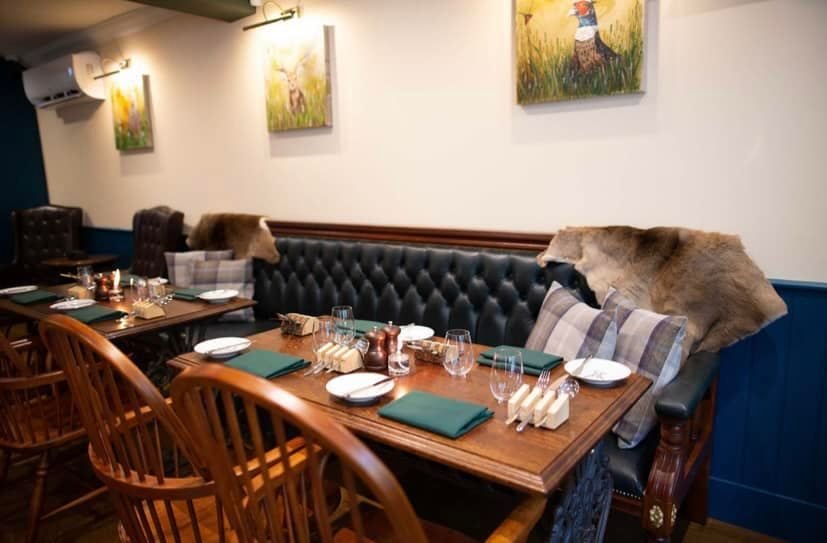
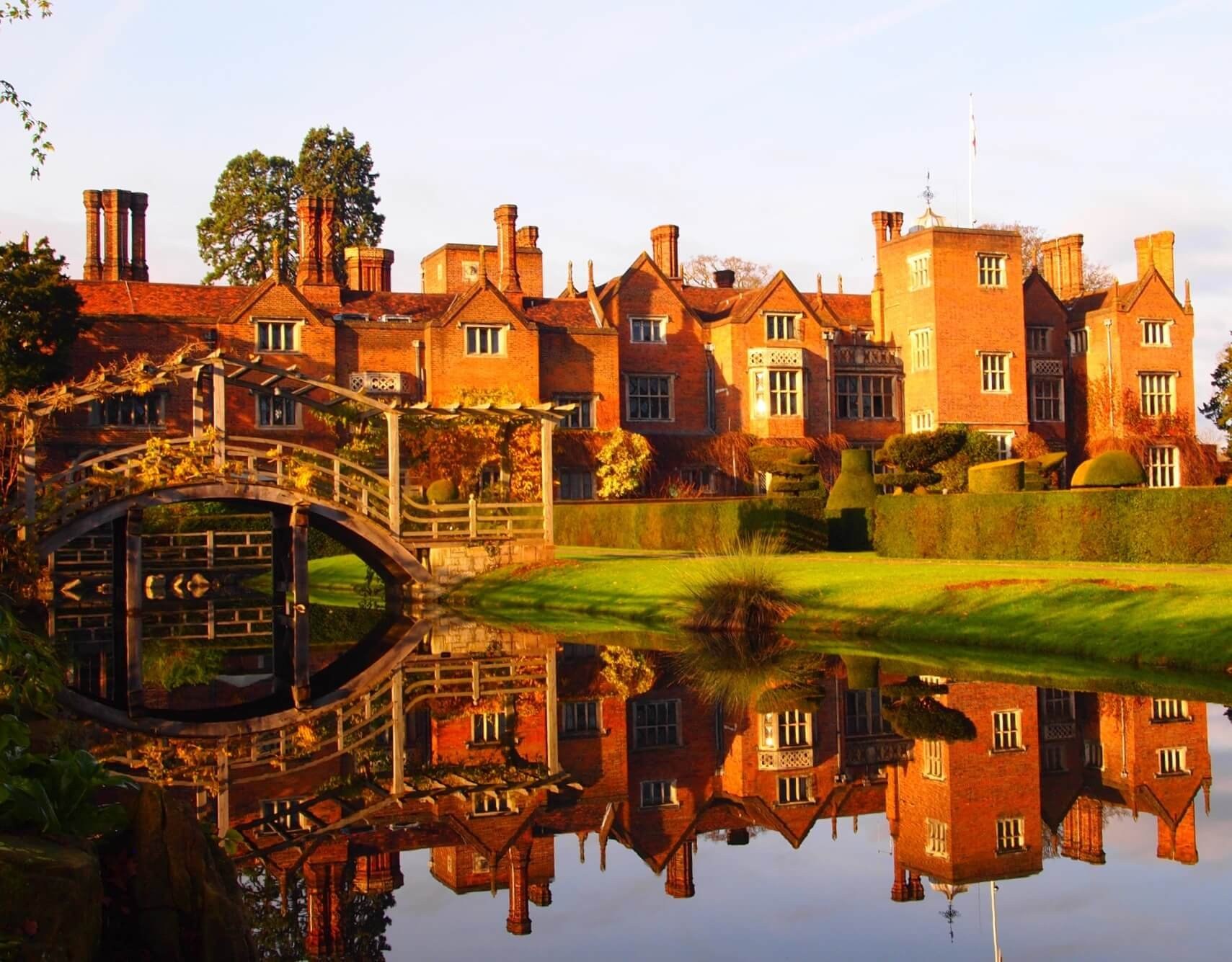
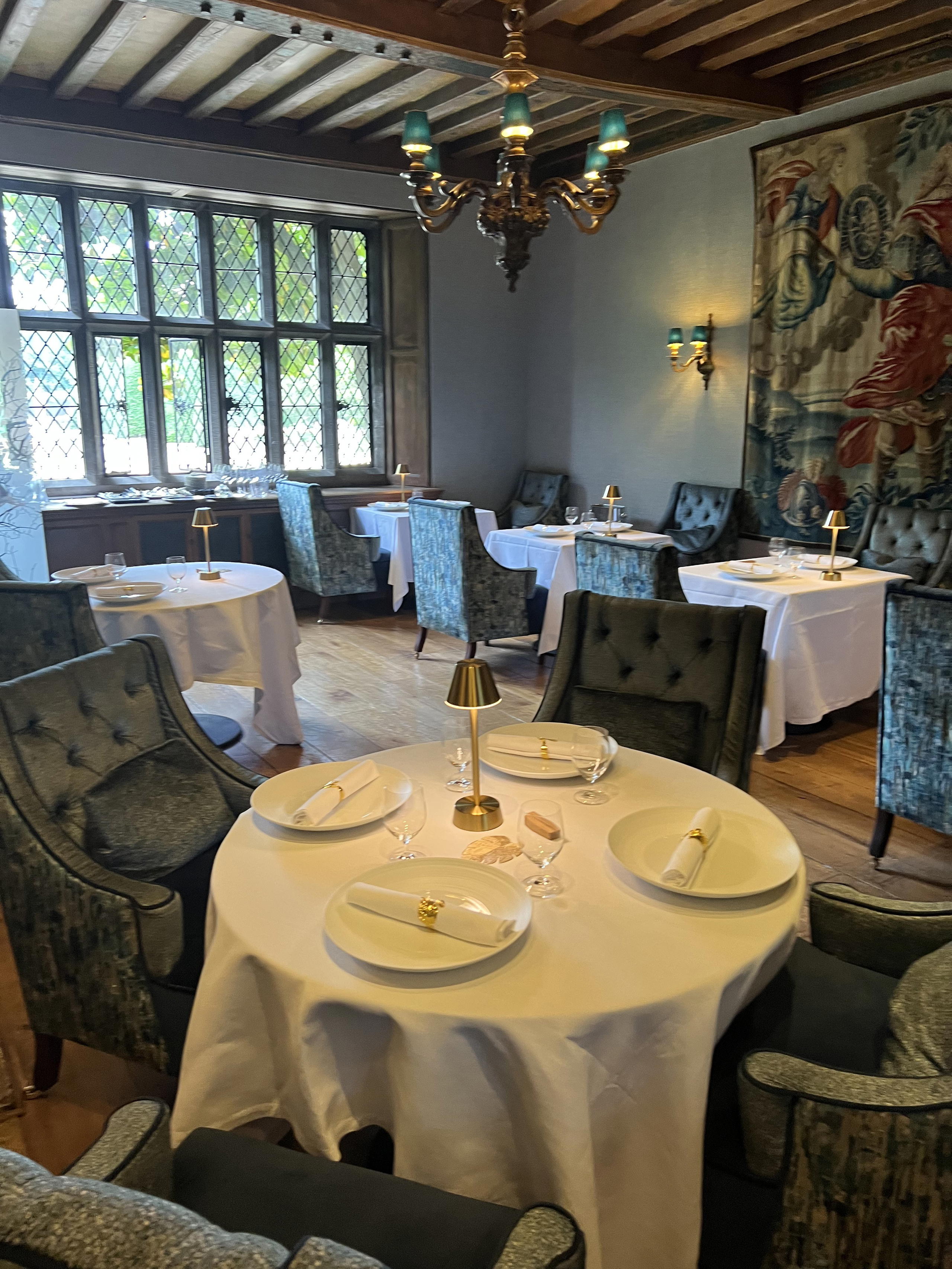
Great Fosters reads like living history. Approaching along Stroude Road, the red‑brick Tudor facade, stacked chimneys and Jacobean proportions announce a building that has accumulated four centuries of detail — royal crests in plasterwork, original ceiling beams and even a Saxon moat. Inside, the hotel leans into deliberate contrast: period elements such as Jacobean fireplaces and exposed beams sit alongside bold interiors—electric‑blue velvets and antler chandeliers—so the place feels authentically historic rather than a softened pastiche. The 50‑acre grounds, with listed parterres, a Japanese bridge and fountain, amplify the estate’s stately, gardened character.
Best For
This is a country‑house hotel for travelers who prize architectural authenticity and expansive grounds. The layered, historic interiors and formal gardens make it an ideal choice for romantic getaways, honeymoons and anniversary stays listed in the venue’s profile, as well as for anyone seeking a weekend escape steeped in history. Guests who enjoy wandering manicured parterres, pausing at a sundial with a storied provenance, or appreciating original Jacobean details will find the property particularly rewarding. It favors lingering exploration of house and grounds over hurried transit.
Venue details
Ambiance
Charming historic atmosphere with authentic decor, beautiful gardens, and relaxing poolside serenity as noted in guest reviews.
Tags
Vibe
Best For
Experience
Amenities
View
Accessibility
About the Stay
- Rooms
- 56
- Property Style
- Historic Tudor Manor with Individually Decorated Rooms and Suites
- Design Style
- Classic English Heritage with Flemish Tapestries, Four Poster Beds, and Period Features
Know before you go
Know Before You Go
- Getting there
- Stroude Rd, Egham TW20 9UR
Planning details
Location
Recognition and awards


Also consider
Also Consider
- Fairmont Windsor Park, Notable alternative
- Coworth Park, Notable alternative
- Coworth Park, Dorchester Collection, Notable alternative
- Hilton London Heathrow Airport, Notable alternative
- Pennyhill Park, Notable alternative
Hotel context
How It Compares
Choose Fairmont Windsor Park if the priority is a larger, more resort-like hotel setup; choose Great Fosters if the occasion calls for a more historic country-house mood and a tighter sense of place. For family celebrations, Fairmont Windsor Park is the more obvious pick when facilities drive the trip, while Great Fosters is stronger when ambiance and a quieter house-hotel feel matter more.
Coworth Park and Coworth Park, Dorchester Collection are the higher-polish cross-shops for readers who want a grander luxury-hotel experience and are comfortable with a more competitive booking environment. Great Fosters makes more sense if the group wants Egham/Windsor practicality with recognized luxury credentials, rather than making the hotel itself the entire destination.
Hilton London Heathrow Airport is the functional choice for an airport-first stay, not a celebration substitute. Pennyhill Park is the better comparison for spa-led weekends; Great Fosters is the better fit for a family occasion where heritage atmosphere, grounds, and proximity to Egham are doing the work.
Explore Egham
Around this place
Discover more on Pearl
Unlock the full Great Fosters guide in Pearl, including awards, comparisons, FAQs, planning details, and nearby places.
Compare Great Fosters
| Venue | Location | Awards |
|---|---|---|
| Great Fosters | Egham | 2026 Virtuoso Luxury Hotel Collection2026 Michelin 1 KeyMichelin 1 Key 20252025 Michelin 1 KeySmall Luxury Hotels Member 2025 |
| Fairmont Windsor Park | Windsor | No published awards |
| Coworth Park | Ascot | No published awards |
| Coworth Park, Dorchester Collection | Berkshire | 2026 Forbes 4-StarStar Wine Lists 20262026 La Liste Top HotelsConde Nast Gold List 20262026 Mr & Mrs Smith Luxury Hotels2026 Michelin 2 Keys2025 Forbes 4-Star2025 Michelin 2 Keys |
| Hilton London Heathrow Airport | Hounslow | No published awards |
| Pennyhill Park | London | 2026 Forbes Recommended2025 Forbes Recommended |






How Great Fosters Egham compares with similar nearby venues.
FAQ
Frequently Asked Questions
When is the best time to book Great Fosters?
There is no specific best booking window. If you want a particular date at Great Fosters in Egham, check availability directly and book according to your trip needs. If you are comparing luxury hotels, Coworth Park is another option to consider.
What is check-in like at Great Fosters?
Specific check-in details for Great Fosters are not available. Plan around the hotel's current arrival information and confirm timing directly before you travel to Egham. Hilton London Heathrow Airport may be another comparison to consider.
How does Great Fosters compare to other hotels?
Choose Great Fosters if you want an Egham hotel with luxury credentials, including Michelin 1 Key, Small Luxury Hotels of the World membership, and Virtuoso Luxury Hotel Partner status. Coworth Park, Pennyhill Park, and Fairmont Windsor Park are useful comparisons for a different setting, while Hilton London Heathrow Airport may be relevant for a different trip priority.
How is the pool and spa at Great Fosters?
Pool or spa details are not available at Great Fosters. If wellness facilities are central to your stay, confirm the current offering directly with the hotel and compare with options such as Pennyhill Park or Coworth Park.
How is the dining at Great Fosters?
A specific cuisine, chef, menu format, or dining schedule for Great Fosters is not available. The dress code is smart casual. If dining is a major part of your decision, check the hotel's current information and compare with other dining in Egham.
Do loyalty programs work at Great Fosters?
Great Fosters is a Small Luxury Hotels of the World member and a Virtuoso Luxury Hotel Partner. Any specific benefits, rates, or booking conditions should be checked through the relevant booking channel before reserving. If partner benefits are central to the choice, compare terms with Coworth Park, Dorchester Collection.