

The Roseate Edinburgh
Dalry, Edinburgh
Hotel in Edinburgh, United Kingdom
 Book with Pearl
The Read
Victorian Townhouse Retreat
Why go
A good fit for couples and special-occasion stays that need a quieter Edinburgh base rather than a busy city-centre hotel scene. The strongest case is atmosphere and service feel, backed by Small Luxury Hotels of the World membership, a Mr & Mrs Smith Seal of Approval, and MICHELIN hotel selection recognition.
About The Roseate Edinburgh
Book The Roseate Edinburgh if you want an Edinburgh hotel with confirmed hotel-selector recognition and a smart casual dress code. It holds three credentials: Small Luxury Hotels of the World Member (2025), Mr & Mrs Smith Seal of Approval (2026), and MICHELIN Guide, Hotels Selected (2025). Specific claims about facilities, service style, dining, room formats, prices, and exact location details should be checked directly with the hotel before booking.
Edinburgh has a wide range of hotel choices, so the safest way to assess The Roseate Edinburgh is by fit rather than by assuming unconfirmed details. Use its recognition as a confidence marker, then compare practical needs such as location preferences, loyalty benefits, room requirements, and on-site services through the hotel's official channels.
A hotel-selector pick in Edinburgh
The strongest reason to shortlist The Roseate Edinburgh is its confirmed recognition. It is listed as a Small Luxury Hotels of the World Member (2025), has a Mr & Mrs Smith Seal of Approval (2026), and appears in the MICHELIN Guide, Hotels Selected (2025). Those signals make it a credible Edinburgh hotel to consider, but they should not be stretched into claims about amenities, dining, service format, or room count.
The dress code is smart casual. For anything more specific, including restaurant arrangements, arrival details, accessibility, family facilities, parking, or pet policies, confirm directly with The Roseate Edinburgh before committing.
Who should book, and who should cross-shop
Choose this if you are looking for The Roseate Edinburgh specifically, or if confirmed recognition from established hotel selectors is useful in your decision. It is also worth considering if a smart casual hotel setting suits the tone of your trip. Cross-shop if your decision depends on details that require direct confirmation, such as exact facilities, room layouts, dining options, loyalty program benefits, or transport convenience.
For a tighter city scan, compare The Roseate Edinburgh with other Edinburgh options such as Eden Locke, Kimpton Charlotte Square Hotel, The Caledonian Edinburgh, Curio Collection by Hilton, and The Rutland. For broader planning, use Our full Edinburgh hotels guide, plus the city guides to restaurants, bars, wineries, and experiences.
Verdict: shortlist The Roseate Edinburgh for an Edinburgh hotel stay with confirmed recognition from Small Luxury Hotels of the World, Mr & Mrs Smith, and the MICHELIN Guide. Confirm any operational details directly with the hotel before booking.
Planning details
- Location
- The Roseate, 4 W Coates, Edinburgh EH12 5JQ
- Website
- roseatehotels.com/edinburgh/theroseate
- Phone
- +44 131 337 6169
The take
The Take
The Vibe
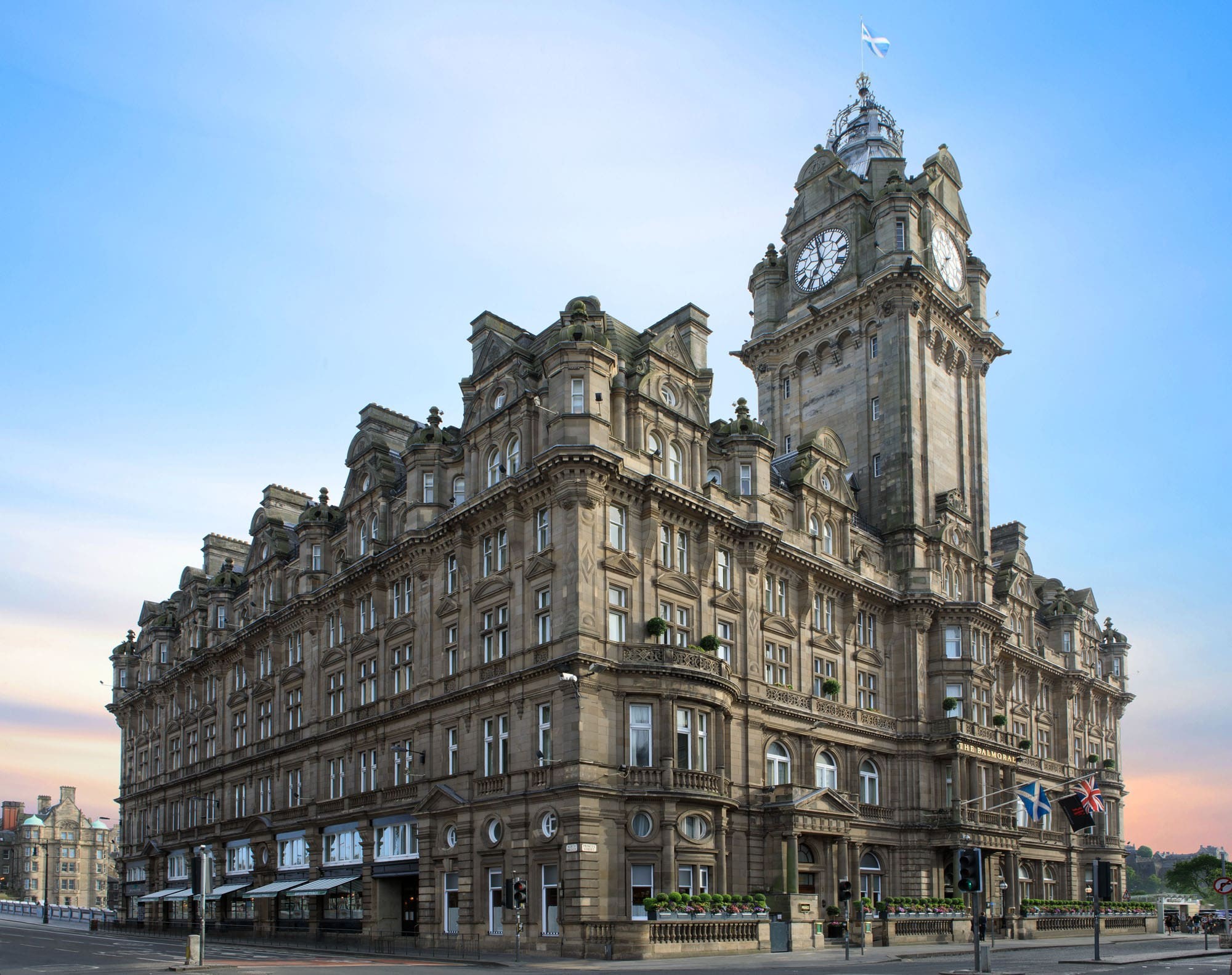
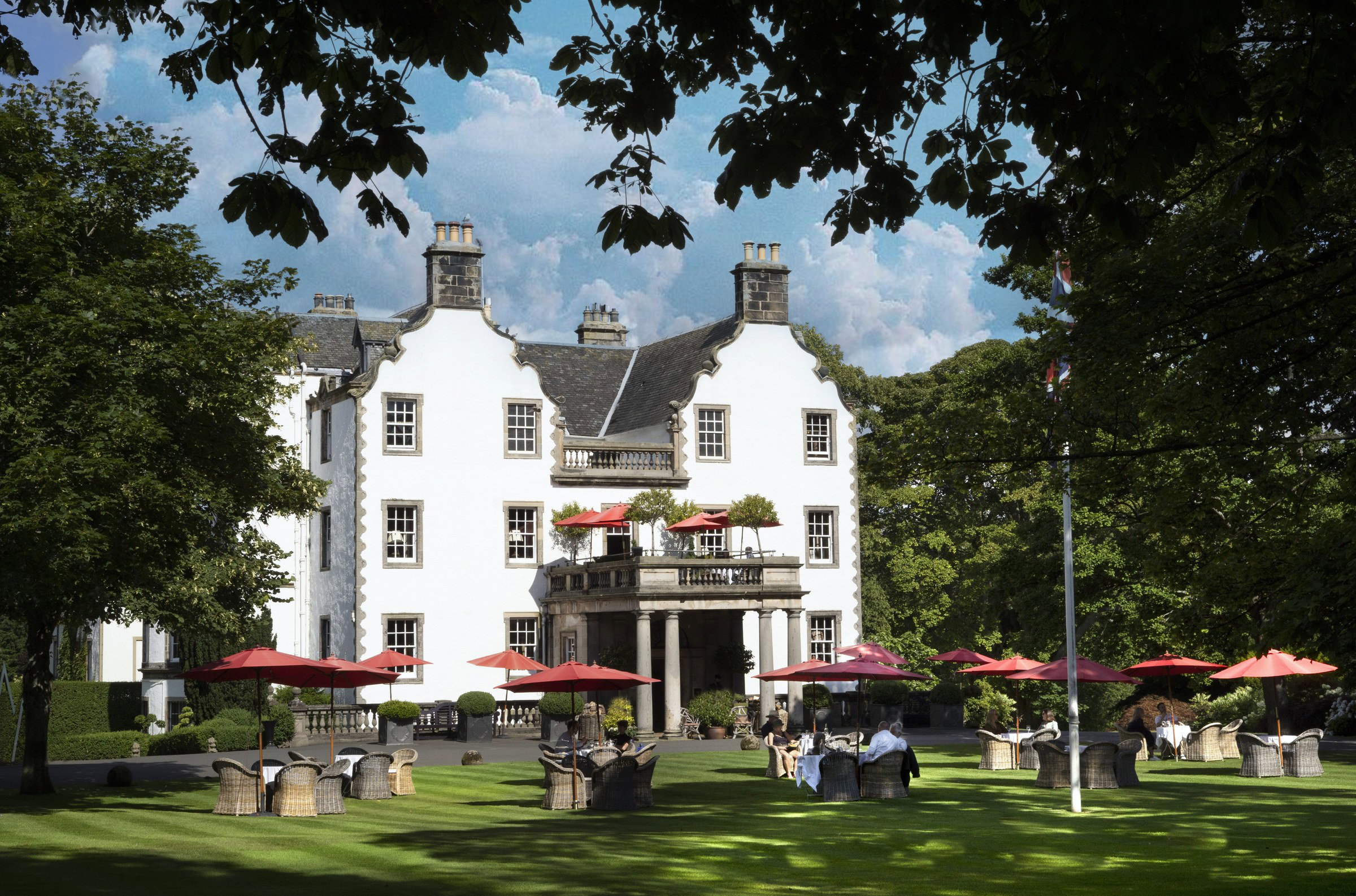
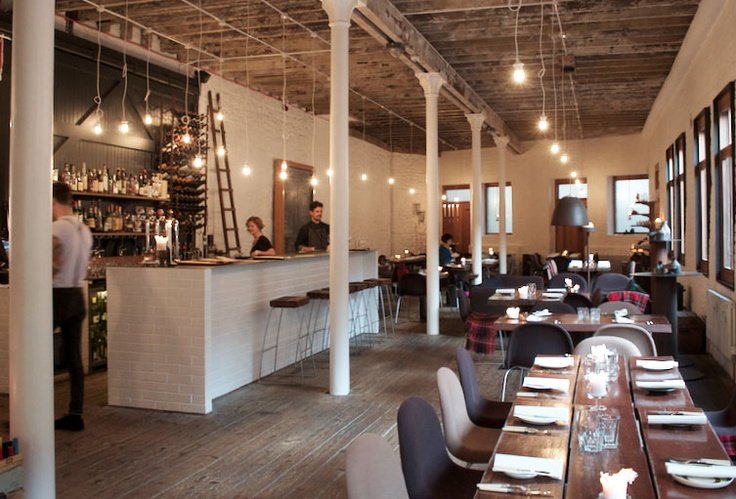
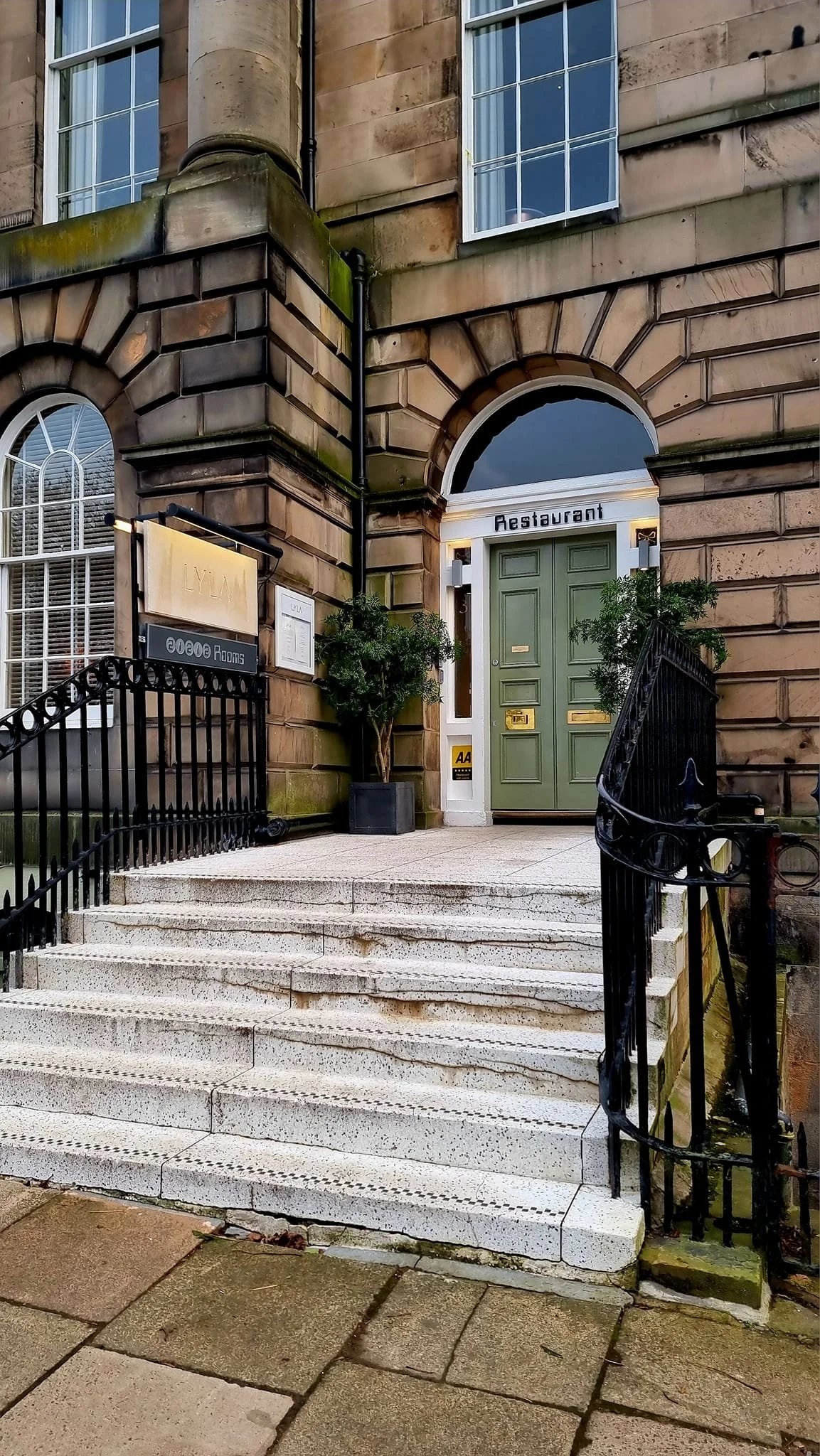
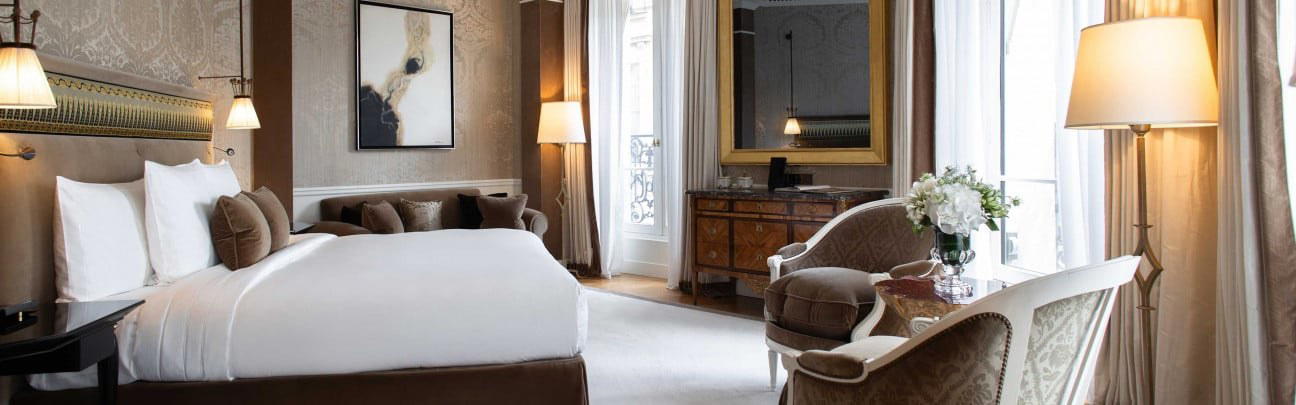
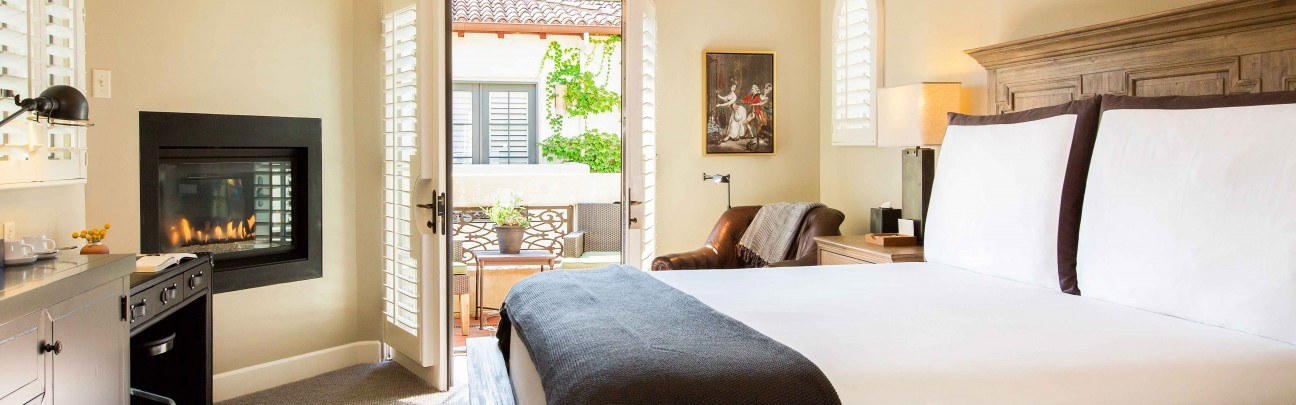
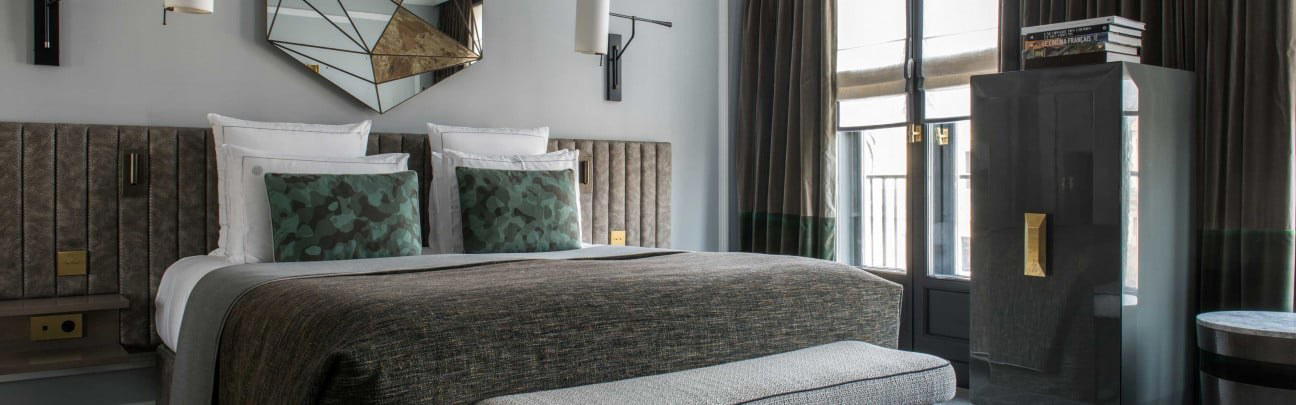
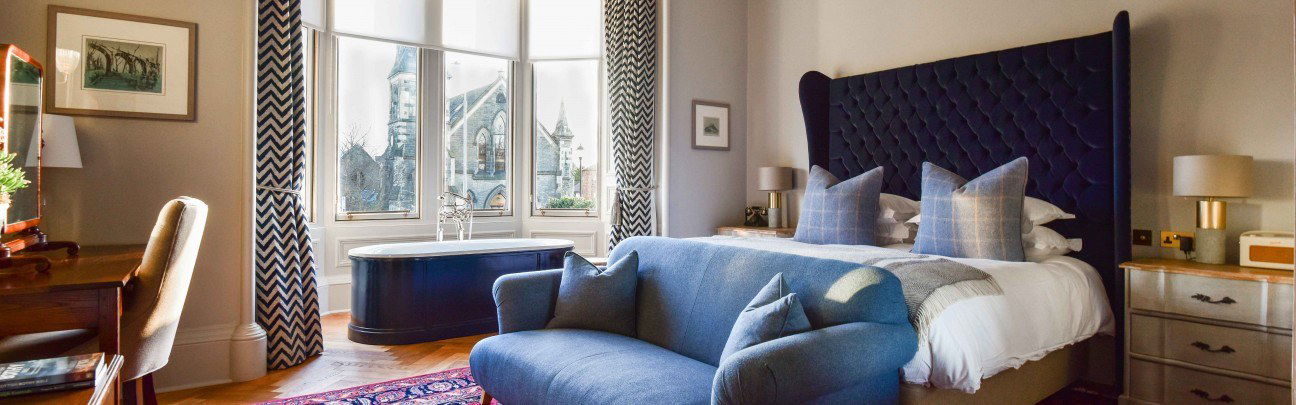
The Roseate Edinburgh pairs Victorian bones with contemporary ease, occupying two restored townhouses that feel more like a private residence than a conventional hotel. Thick stone walls, tall sash windows and carefully preserved proportions give rooms a sense of architectural weight and period detail. Service and design lean boutique rather than institutional, producing a low-key, intimate atmosphere that lets guests decompress. The Haymarket location reinforces that residential calm—this is a place that privileges quiet refinement and character over the theatrical pomp of the city’s grander flagships.
Best For
This townhouse hotel suits travellers who prize a quiet, characterful stay close to transit. Its position on West Coates, a short walk from Haymarket station and roughly ten to twelve minutes by local train from Waverley, makes it convenient for those arriving by rail while offering a calmer base than Old Town. Couples and anyone seeking a low‑key, intimate escape favor the property’s residential feel; business travellers who value proximity to transport but prefer to avoid the tourist bustle also find it practical and refreshingly relaxed.
Stay Tips
The hotel’s dual‑building townhouse format matters: rooms are housed across two restored Victorian townhouses set opposite one another, and the copy explicitly notes this layout 'shapes the experience at a practical level.' Before booking or on arrival, clarify which townhouse your room is in and ask about any steps or inter‑building access so you’re prepared for short walks between buildings. Also keep the Haymarket station connection in mind when planning arrival times—the hotel trades immediate Old Town access for a quieter, more residential neighbourhood.
Venue details
Ambiance
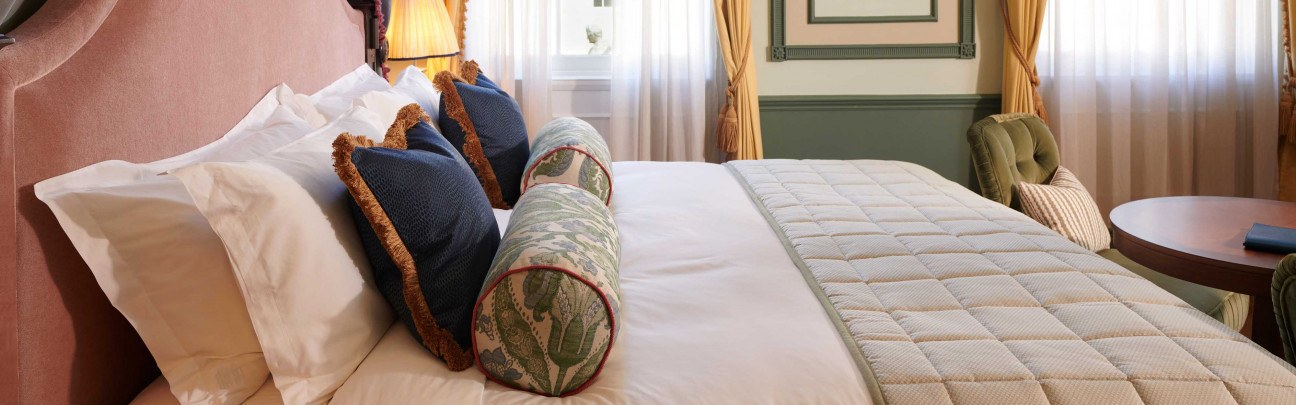
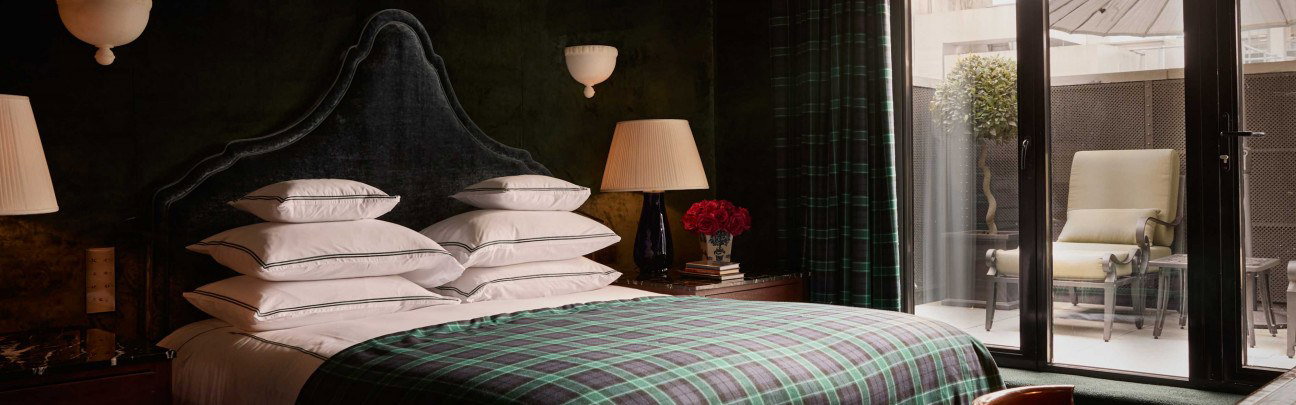
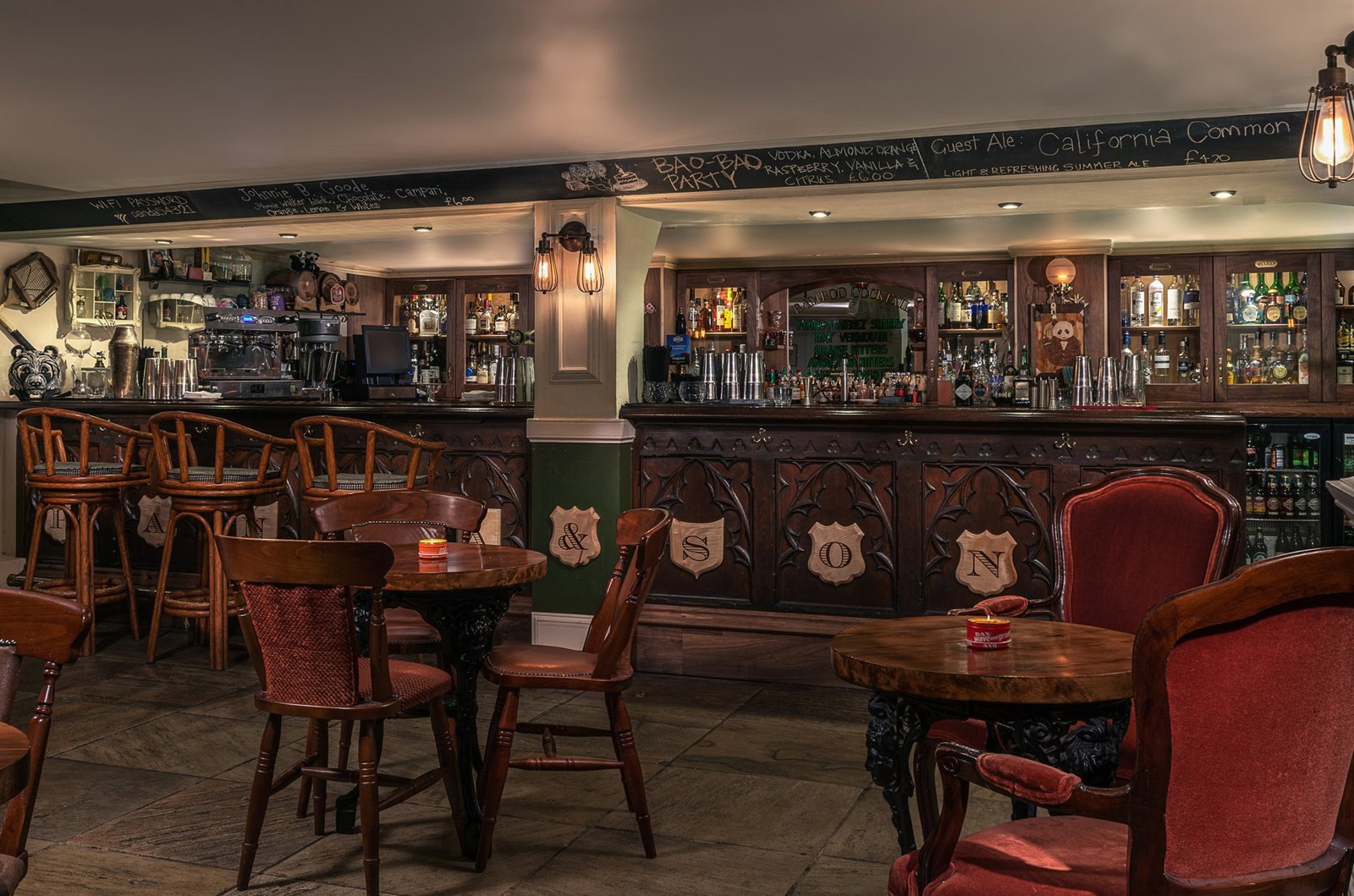
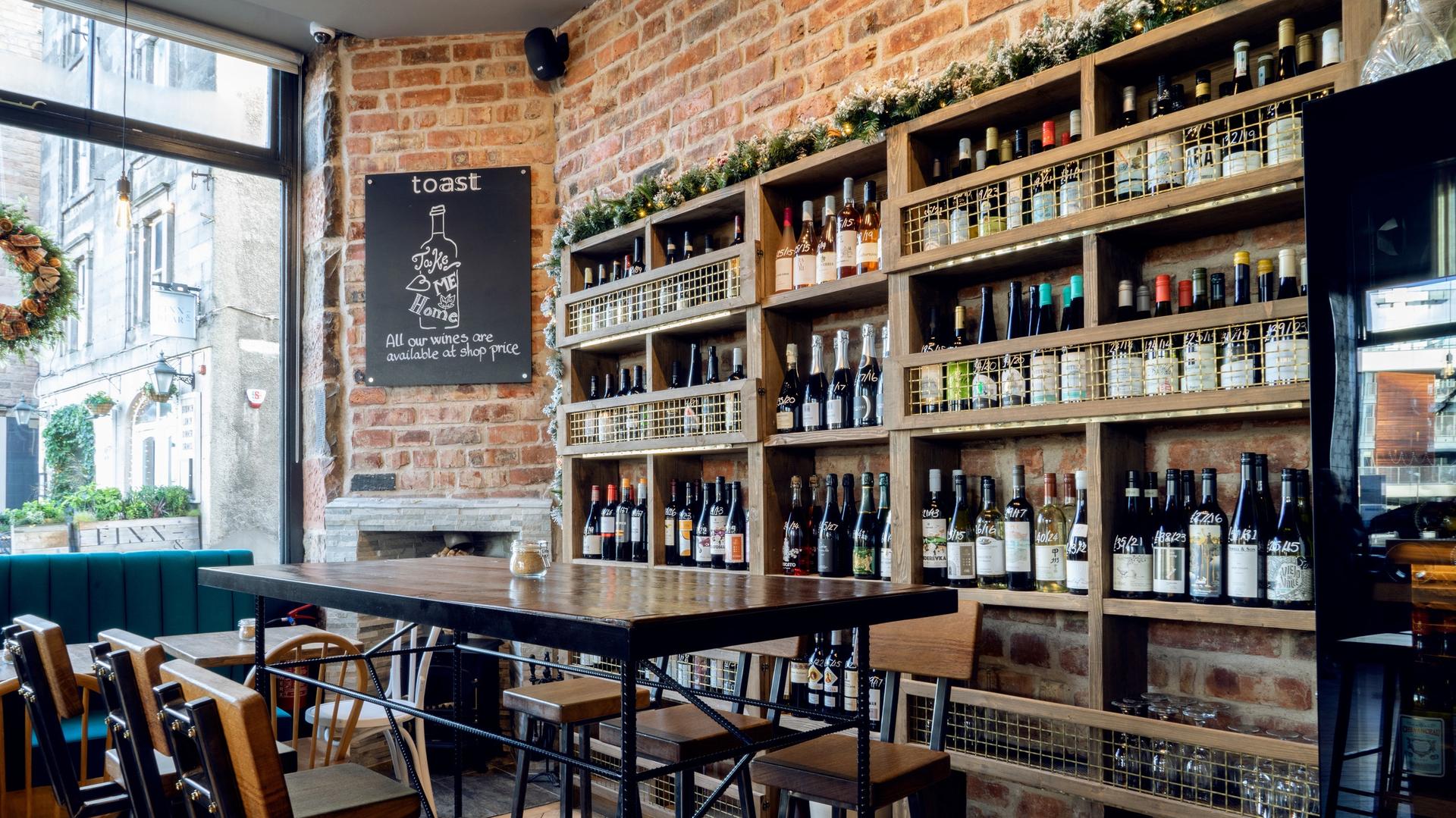
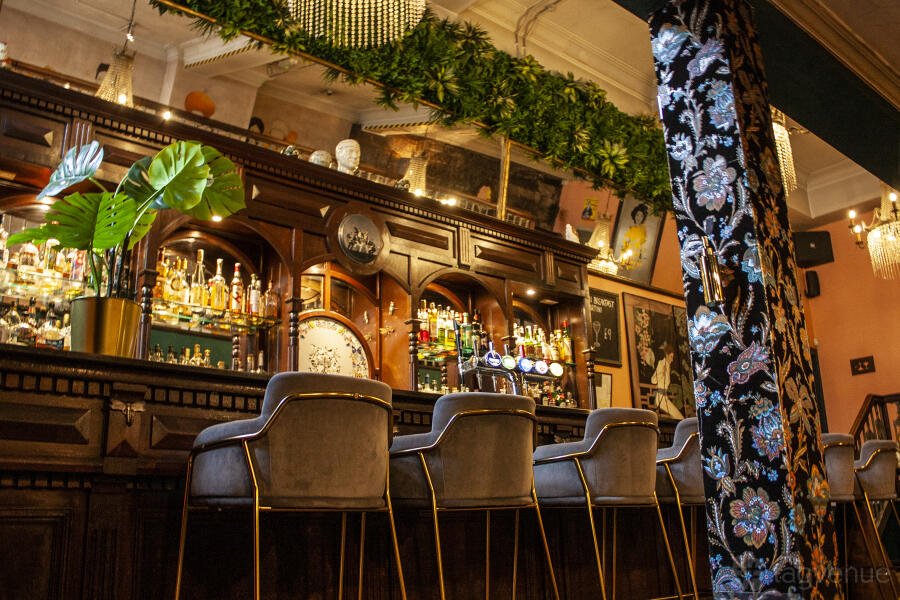
Cozy and elegant with warm lighting, plush furnishings, and a tranquil, refined atmosphere praised for comfort and serenity.
Tags
Vibe
Best For
Experience
Amenities
Accessibility
About the Stay
- Rooms
- 35
- Property Type
- Boutique hotel
- Property Style
- Restored Victorian Townhouses Offering Intimate Luxury in Edinburgh's West End.
- Design Style
- Neoclassical with Contemporary Sophistication, Hand Crafted Furnishings, and Evocative Scottish Charm.
- Pets
- Allowed
- Cancellation
- Moderate
Know before you go
Know Before You Go
- Getting there
- The Roseate, 4 W Coates, Edinburgh EH12 5JQ
Planning details
Location
The Roseate, 4 W Coates, Edinburgh EH12 5JQ · Directions

Also consider
Also Consider
- The Rutland, Notable alternative
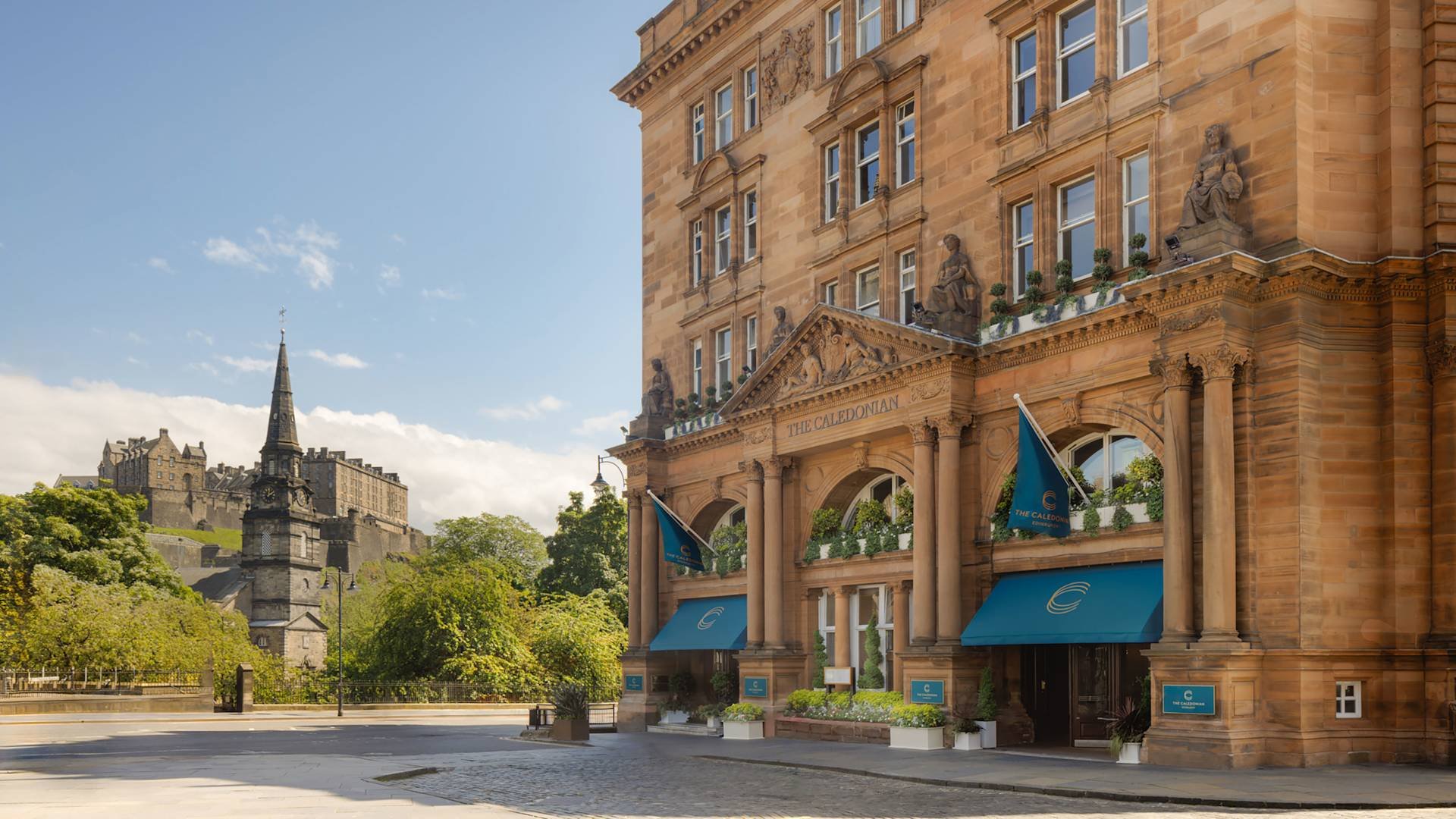
- The Caledonian Edinburgh, Curio Collection by Hilton, Notable alternative
- Kimpton Charlotte Square, Notable alternative
- Kimpton Charlotte Square Hotel, Notable alternative
- Eden Locke, Notable alternative
Hotel context
How it compares in Edinburgh
The Roseate Edinburgh is the better choice if the stay needs to feel quiet, polished, and occasion-appropriate without the scale of a larger city hotel. The Caledonian Edinburgh, Curio Collection by Hilton is the stronger cross-shop for travellers who want a bigger hotel feel and brand infrastructure, while The Rutland makes more sense for guests who want a livelier central base.
For value and flexibility, Eden Locke is the practical alternative, especially for longer stays or guests who prefer apartment-style independence. Kimpton Charlotte Square and Kimpton Charlotte Square Hotel are better fits for travellers who want a more social hotel rhythm and a broader city-hotel feel.
Booking difficulty is listed as easy, so this is not a plan-months-ahead choice unless the trip falls on a peak Edinburgh date. The decision is mainly about mood: choose The Roseate Edinburgh for a calmer, more intimate stay; choose the peers if central energy, apartment function, or larger-hotel facilities matter more.
Explore Edinburgh
Around this place
Discover more on Pearl
Unlock the full The Roseate Edinburgh guide in Pearl, including awards, comparisons, FAQs, planning details, and nearby places.
Compare The Roseate Edinburgh
| Venue | Location | Awards |
|---|---|---|
| The Roseate Edinburgh | Edinburgh | 2026 Mr & Mrs Smith Luxury Hotels2025 Michelin Selected HotelsSmall Luxury Hotels Member 2025 |
| The Rutland | Edinburgh | No published awards |
| The Caledonian Edinburgh, Curio Collection by Hilton | Edinburgh | 2026 Virtuoso Luxury Hotel Collection2026 La Liste Top HotelsWorld Luxury Hotel Awards 2025 |
| Kimpton Charlotte Square | Edinburgh | No published awards |
| Kimpton Charlotte Square Hotel | Edinburgh | No published awards |
| Eden Locke | Edinburgh | No published awards |



How The Roseate Edinburgh compares with similar nearby venues.
FAQ
Frequently Asked Questions
Do loyalty programs work at The Roseate Edinburgh?
It is recognized as a Small Luxury Hotels of the World Member (2025), has a Mr & Mrs Smith Seal of Approval (2026), and appears in the MICHELIN Guide, Hotels Selected (2025). Specific loyalty-program details should be confirmed directly with the hotel. If points or member benefits matter, compare with options such as Kimpton Charlotte Square Hotel or The Caledonian Edinburgh, Curio Collection by Hilton, and check each hotel's official channels for the latest details.
How does The Roseate Edinburgh compare to other Edinburgh hotels?
The Roseate Edinburgh is best compared on confirmed credentials and practical fit. It has recognition from Small Luxury Hotels of the World, Mr & Mrs Smith, and the MICHELIN Guide. Eden Locke, Kimpton Charlotte Square, The Caledonian Edinburgh, Curio Collection by Hilton, and The Rutland are useful Edinburgh comparisons depending on what you need from the stay.
Is The Roseate Edinburgh good for business travel?
It may be a suitable Edinburgh option if its confirmed hotel-selector recognition and smart casual setting match your needs. Specific business-travel facilities should be confirmed directly with the hotel, so confirm meeting, workspace, arrival, and transport details directly with the hotel before booking.
How is the dining at The Roseate Edinburgh?
Confirm specific dining details directly with The Roseate Edinburgh before booking, especially if restaurant availability, menus, dietary needs, or meal times are important to your stay.
When is the best time to book The Roseate Edinburgh?
Specific booking patterns and availability should be checked directly with the hotel. If you are planning travel to Edinburgh for busy dates, check The Roseate Edinburgh's official channels early and compare with alternatives such as Eden Locke, Kimpton Charlotte Square Hotel, The Caledonian Edinburgh, Curio Collection by Hilton, and The Rutland.
What is check-in like at The Roseate Edinburgh?
Specific check-in details should be confirmed directly with the hotel. Confirm arrival time, luggage handling, early check-in, and late check-out policies directly with The Roseate Edinburgh before you travel.
Is The Roseate Edinburgh family-friendly?
Family-specific facilities and policies should be confirmed directly with the hotel. If you are travelling with children, confirm room setup, extra-bed options, dining arrangements, and any age-related policies directly with The Roseate Edinburgh before booking.