

Nira Caledonia
Stockbridge, Edinburgh
Hotel in Edinburgh, United Kingdom
 Book with Pearl
The Read
New Town Townhouse Scale
Price
$300–500per night
Why go
Should you book Nira Caledonia? Yes if you want a quieter Edinburgh New Town stay with a more intimate hotel feel and credible luxury signals. Families should book carefully around room size and bedding needs; if pools, broad dining, or larger public spaces matter more, compare it with Kimpton Charlotte Square or InterContinental Edinburgh The George.
About Nira Caledonia
Nira Caledonia is an Edinburgh hotel for travellers who want a stay with clear expectations. The property is in Edinburgh, the dress code is smart casual, and it has two recognition markers for 2025: Small Luxury Hotels of the World membership and selection in the MICHELIN Guide hotels list.
Room sizes, leisure facilities, dining format, family amenities, prices, and service style should be confirmed directly with the hotel before committing. The case for Nira Caledonia rests on its Edinburgh setting and its hotel recognition, not on assumptions about a particular format or amenity set.
An Edinburgh base for travellers who want clear expectations
The practical advantage is clarity about what is actually known. Guests can rely on the smart-casual dress code and the recognition from Small Luxury Hotels of the World and the MICHELIN Guide hotels list, while treating details such as room configuration, bathroom setup, accessibility, and extra facilities as pre-booking checks.
For wider planning, use Our full Edinburgh hotels guide, then cross-check meals with Our full Edinburgh restaurants guide and evening plans with Our full Edinburgh bars guide.
Book it for confirmed hotel credentials; cross-shop if specific facilities matter
The hotel has two useful signals for cautious bookers: Small Luxury Hotels of the World membership and selection in the MICHELIN Guide hotels list. Those do not establish a specific room size, service style, dining setup, spa, pool, or family offering, but they are relevant hotel recognition markers.
For travellers deciding between comparable Edinburgh stays, the main question is what needs to be confirmed before booking. Compare Nira Caledonia with Eden Locke, Kimpton Charlotte Square, InterContinental Edinburgh The George, and 100 Princes Street if your decision depends on room layout, facilities, loyalty benefits, or a different hotel feel. Keep the comparison practical: verify the exact details that matter for your trip rather than assuming they apply.
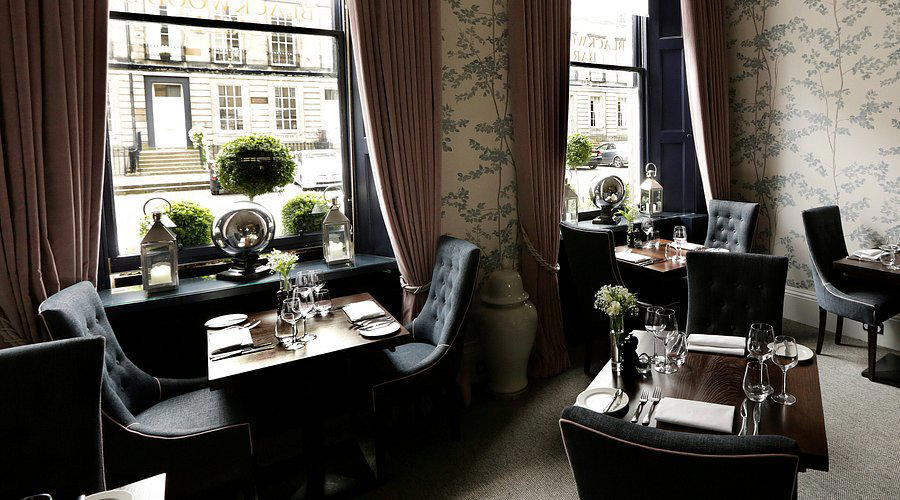
Inside Nira Caledonia
Planning details
- Location
- 6 and 10 Gloucester Pl, Edinburgh EH3 6EF
- Website
- niracaledonia.com
- Phone
- +44 131 225 2720
The take
The Take
The Vibe
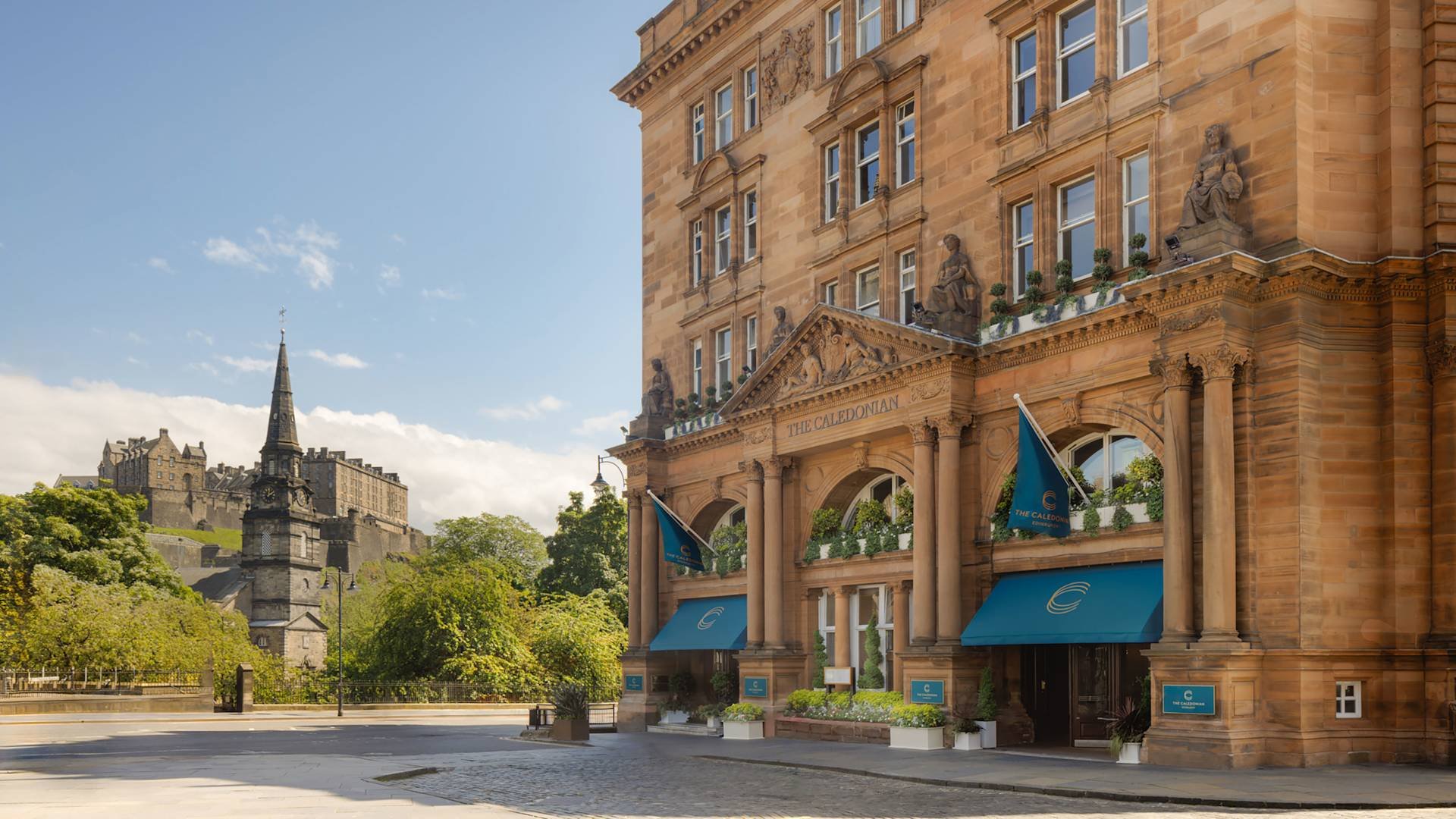
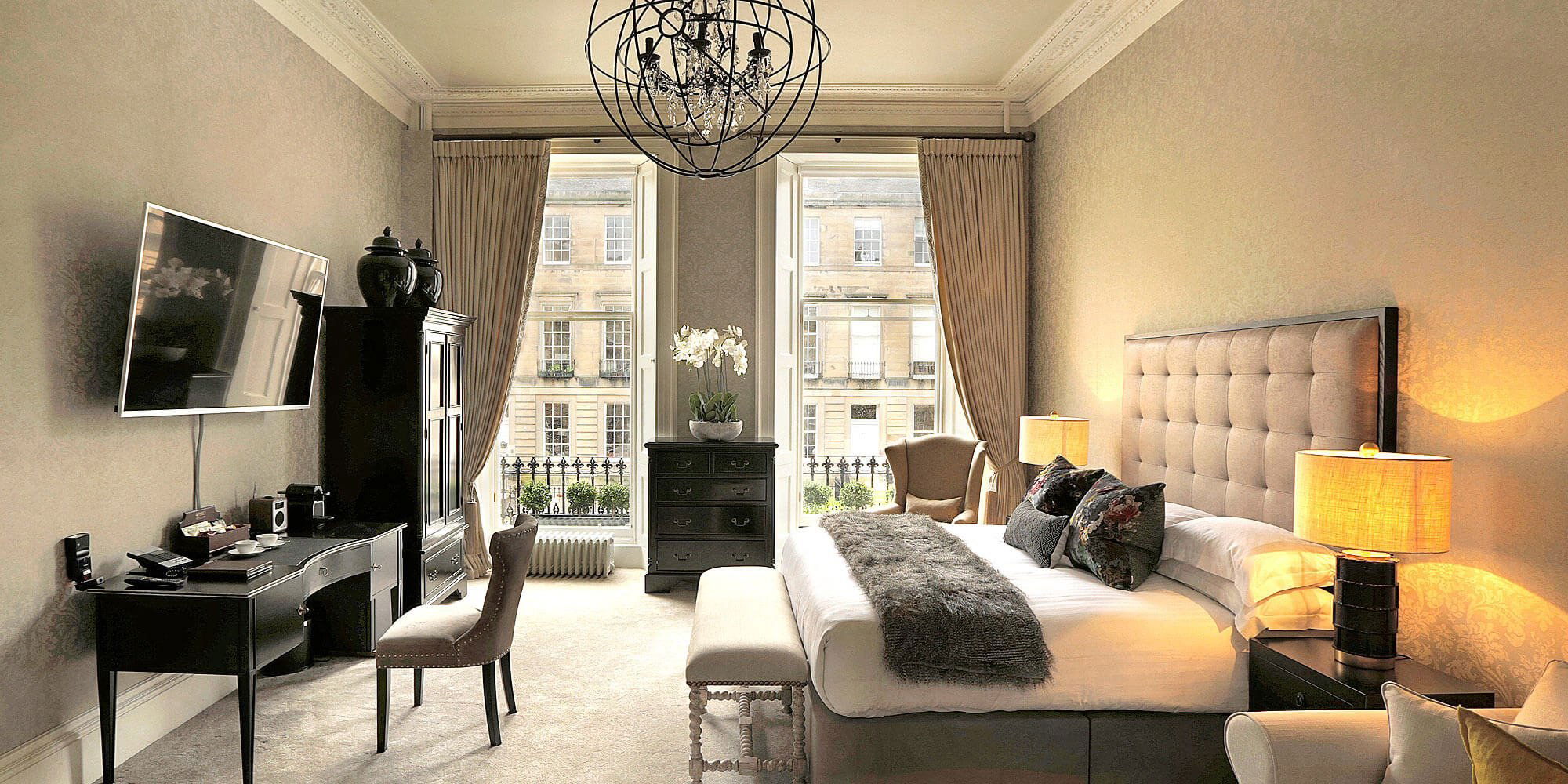
Nira Caledonia pairs eighteenth‑century townhouses with contemporary interiors, so the hotel reads like a lived‑in private home rather than a showy urban flagship. The Georgian stone facades, high ceilings and sash windows preserve a classical proportion while modern design layers in a relaxed, easy‑going sensibility. Rooms and public spaces emphasize domestic scale — fireplaces and generous rooms feel more residential than institutional — and the overall effect is quietly charming and historic. This is a property that leans into New Town calm: understated comfort and considered design that foregrounds architectural bones over theatrical presentation.
Best For
The hotel suits travelers who prefer a quieter, neighborhood experience of Edinburgh. Located on Gloucester Place in the New Town, it’s a short walk from the commercial core and the Water of Leith walkway, which makes it practical for guests mixing business and local exploration. The townhouse format appeals to those who value period details — high ceilings, fireplaces and sash windows — alongside contemporary comforts. It’s a strong choice for people seeking an authentic, calm base rather than the ceremony of grand city center flagships, and for anyone who wants to be within easy walking distance of the city’s key areas.
Stay Tips
Because the property inhabits two converted Georgian townhouses, room layouts can vary; the description warns that townhouse conversions sometimes produce awkward configurations, so ask about room size and plan if stair access is a concern. If period features matter to you, request a room that highlights sash windows, high ceilings or a fireplace, all of which the hotel preserves. Expect a modern, easy‑going interior rather than formal grandeur; book early for preferred room types and confirm accessibility or luggage assistance in advance given the building’s domestic scale.
Venue details
Ambiance
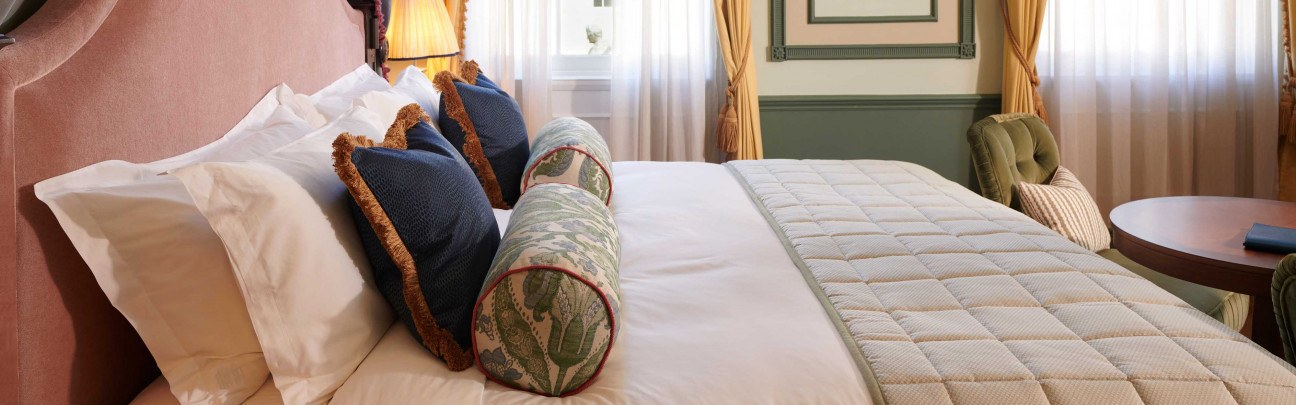
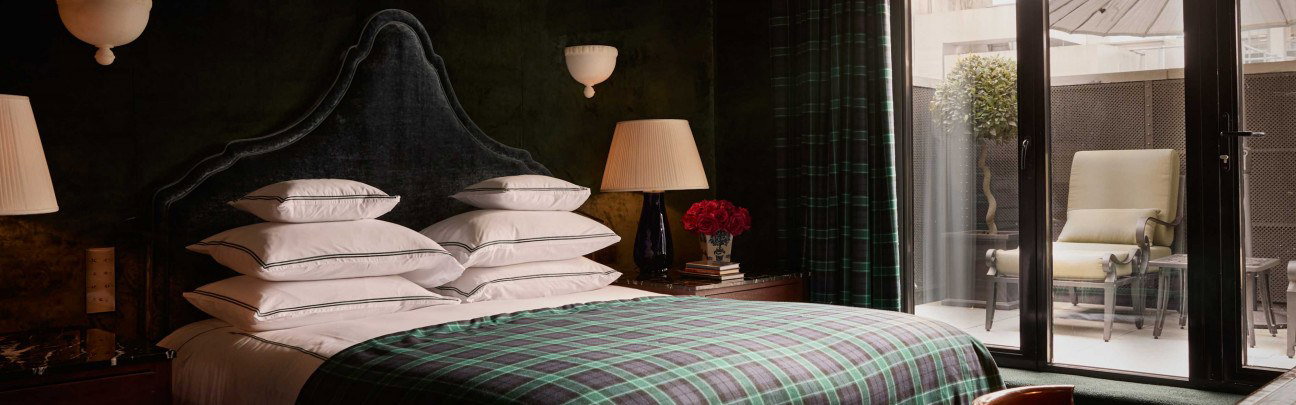
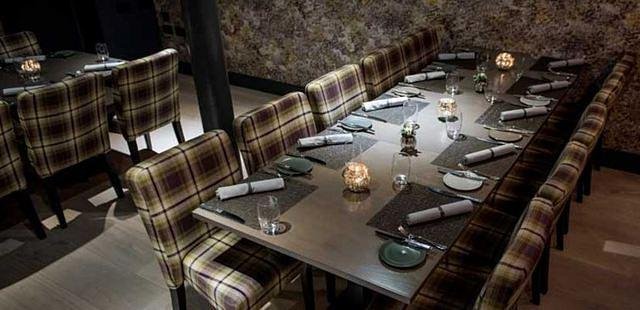
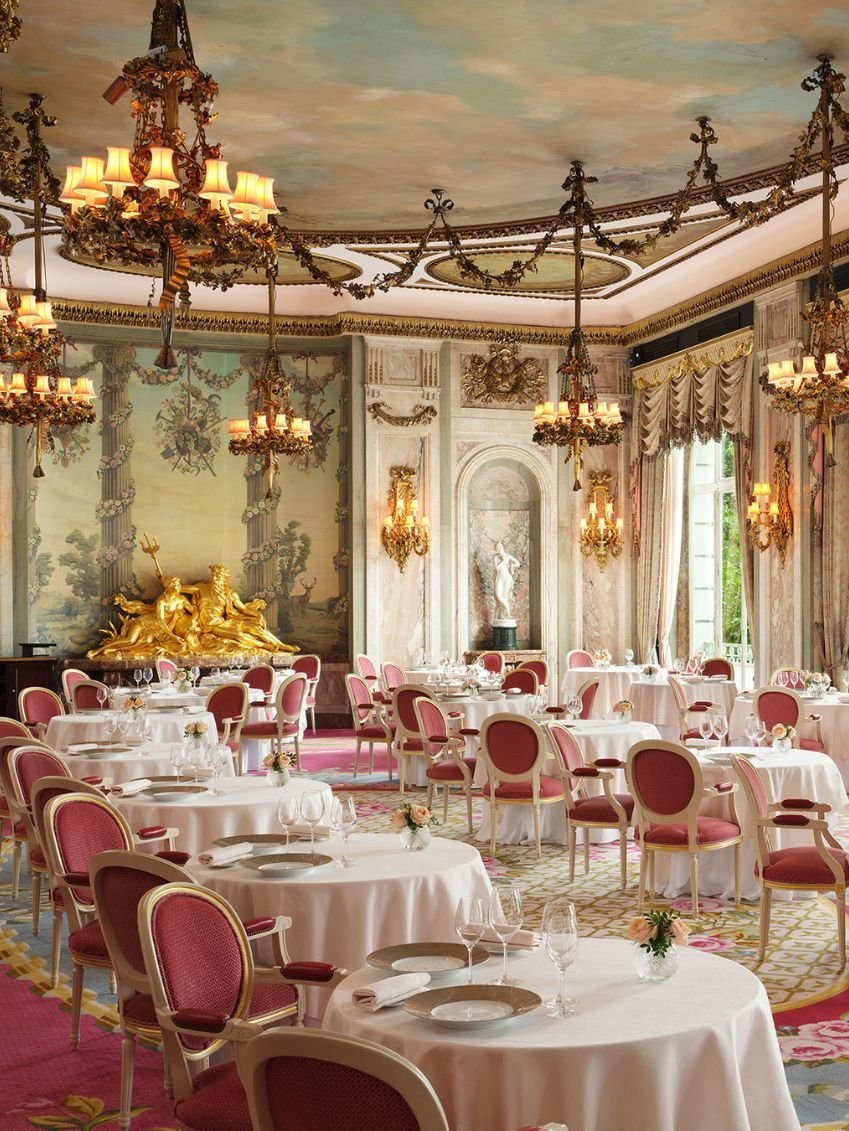
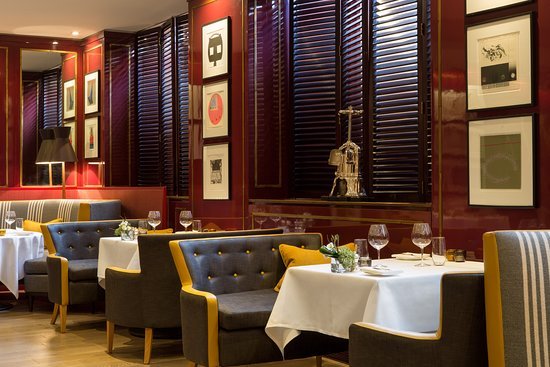
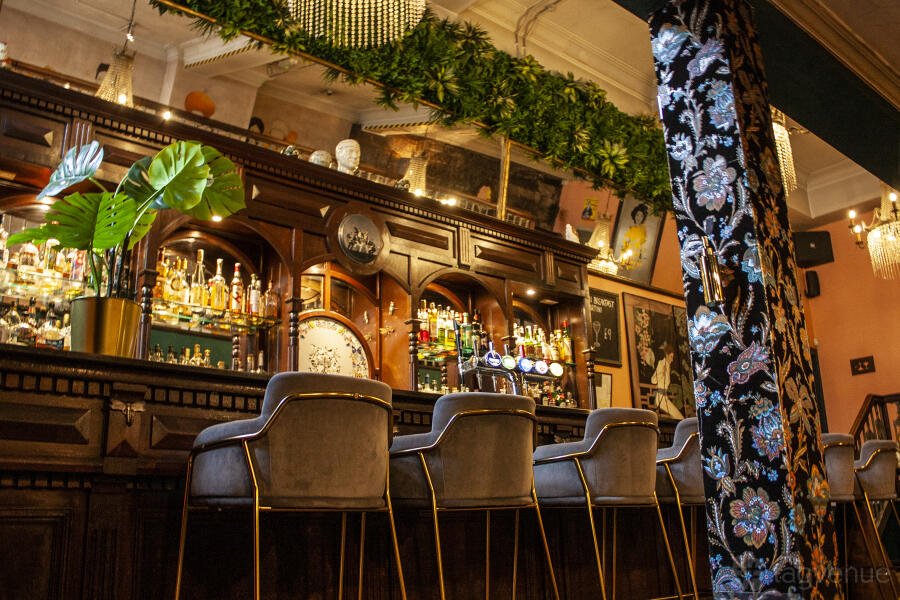
Elegant and cozy with plush textures, rich Georgian features, and a peaceful retreat atmosphere.
Tags
Vibe
Best For
Experience
Amenities
View
Accessibility
About the Stay
- Rooms
- 26
- Property Type
- Boutique hotel
- Property Style
- Georgian Townhouse Boutique
- Design Style
- Elegant Antique with Modern Touches
- Airport Transfer
- Available
- Cancellation
- Flexible
Know before you go
Know Before You Go
- Getting there
- 6 and 10 Gloucester Pl, Edinburgh EH3 6EF
Planning details
Location
Recognition and awards

Also consider
Also Consider
- Eden Locke, Notable alternative
- Kimpton Charlotte Square, Notable alternative
- Kimpton Charlotte Square Hotel, Notable alternative
- 100 Princes Street, Notable alternative
- InterContinental Edinburgh The George, Notable alternative
Hotel context
How It Compares
Nira Caledonia is the calmer pick in this Edinburgh set: better for guests who want a smaller New Town base and less hotel traffic, weaker for travellers who want a broad facilities package. Eden Locke is the better cross-shop for longer stays or families who want more independence, while Nira Caledonia makes more sense for a quieter hotel stay with a more traditional luxury signal.
Against Kimpton Charlotte Square and Kimpton Charlotte Square Hotel, the trade-off is scale. The Kimpton options are better if public spaces, a larger-hotel rhythm, and group flexibility matter. Nira Caledonia is easier to justify for couples or families who want a softer, lower-noise base and do not need the hotel to carry the whole trip.
100 Princes Street is the more obvious splurge comparison, while InterContinental Edinburgh The George is the safer choice for business travel and larger-service expectations. Pick Nira Caledonia when ambiance and a composed residential feel matter more than brand scale or a busier central-hotel scene.
Explore Edinburgh
Around this place
Discover more on Pearl
Unlock the full Nira Caledonia guide in Pearl, including awards, comparisons, FAQs, planning details, and nearby places.
Compare Nira Caledonia
| Venue | Location | Awards |
|---|---|---|
| Nira Caledonia | Edinburgh | 2025 Michelin Selected HotelsSmall Luxury Hotels Member 2025 |
| Eden Locke | Edinburgh | No published awards |
| Kimpton Charlotte Square | Edinburgh | No published awards |
| Kimpton Charlotte Square Hotel | Edinburgh | No published awards |
| 100 Princes Street | Edinburgh | 2026 Forbes 4-Star2026 Virtuoso Luxury Hotel Collection2026 Mr & Mrs Smith Luxury Hotels2026 Michelin 1 Key2025 Esquire Best New Hotels2025 Michelin 1 Key |
| InterContinental Edinburgh The George | Edinburgh | 2026 Forbes Recommended2025 Michelin Selected Hotels2025 Forbes Recommended |





How Nira Caledonia Edinburgh compares with similar nearby venues.
FAQ
Frequently Asked Questions
What is check-in like at Nira Caledonia?
Confirm arrival timing and any special requirements directly with the hotel before travel. Nira Caledonia is in Edinburgh and is a Small Luxury Hotels of the World member for 2025.
How is the pool and spa at Nira Caledonia?
Pool and spa facilities should be checked directly with the hotel. The confirmed recognition is MICHELIN Guide Hotels Selected (2025), which should not be read as proof of specific leisure facilities.
How is the dining at Nira Caledonia?
Check dining format, cuisine, menu, bar program, and meal service directly with the hotel. The confirmed case for Nira Caledonia is its Edinburgh location, smart-casual dress code, Small Luxury Hotels of the World membership, and MICHELIN Guide Hotels Selected (2025) status.
How is the location of Nira Caledonia?
Nira Caledonia is in Edinburgh. Use the hotel's current booking information or map listing for exact arrival planning.
Do loyalty programs work at Nira Caledonia?
Small Luxury Hotels of the World membership is confirmed for 2025, but specific loyalty earning, redemption, or benefit rules should be checked before reserving.
Which room category is best at Nira Caledonia?
Choose only after confirming the exact room details that matter for your trip with the hotel or booking channel.