


The Sanderling Resort
Duck
Hotel in Duck, United States
 Book with Pearl
The Read
Dual-Water Barrier Island Retreat
Price
$200–300per night
Why go
The Sanderling Resort is the safer Duck choice for travelers who want a recognized coastal resort rather than a rental-style stay. Its 2025 Conde Nast resort ranking and Michelin hotel selection give it useful credibility, but the fit is clearest for beach-focused leisure trips, couples, and travelers who want downtime built into the hotel itself.
About The Sanderling Resort
The Sanderling Resort in Duck has a casual dress code and recognition from Condé Nast Best Resorts #38 in 2025 and the MICHELIN Guide Hotels Selected in 2025.
The practical verdict: consider The Sanderling Resort if you want a recognized stay in Duck and prefer a casual setting. If your decision depends on specific amenities, dining formats, room types, prices, hours, or service details, confirm those directly with the property before booking.
A resort call for travelers who want Duck to feel easy
The strongest case for The Sanderling Resort is its Duck location and hotel recognition. Readers comparing the local area can also use Our full Duck restaurants guide to plan dining outside the property.
Recognition matters, but it should be used carefully: Condé Nast listed The Sanderling Resort as #38 among its 2025 Best Resorts, and the MICHELIN Guide included it in its 2025 Hotels Selected coverage. Those signals support the property's credibility, but travelers should still check current amenities, dining details, and pricing with the property.
What to decide before committing
The main decision is whether a recognized Duck resort is the right base for your trip. If the stay depends on particular facilities, booking policies, food and beverage options, or accessibility needs, check those details with the property before booking.
For broader comparisons, consider whether your trip is better suited to The Sanderling Resort in Duck or to a different hotel context. Hilton Norfolk The Main, The Inn at Four Eleven York, Colonial Houses, an official Colonial Williamsburg Hotel, Williamsburg Inn, and Kiln Creek Golf Club and Resort serve different trip styles outside a simple Duck resort decision.
Bottom line: choose The Sanderling Resort when a casual, recognized Duck stay is the priority. Choose elsewhere if your trip depends on a specific amenity set, dining program, price point, or service format.
Inside The Sanderling Resort
Planning details
- Location
- 1461 Duck Rd, Duck, NC 27949
- Website
- thesanderling.com
- Phone
- +1 855-412-7866
The take
The Take
The Vibe
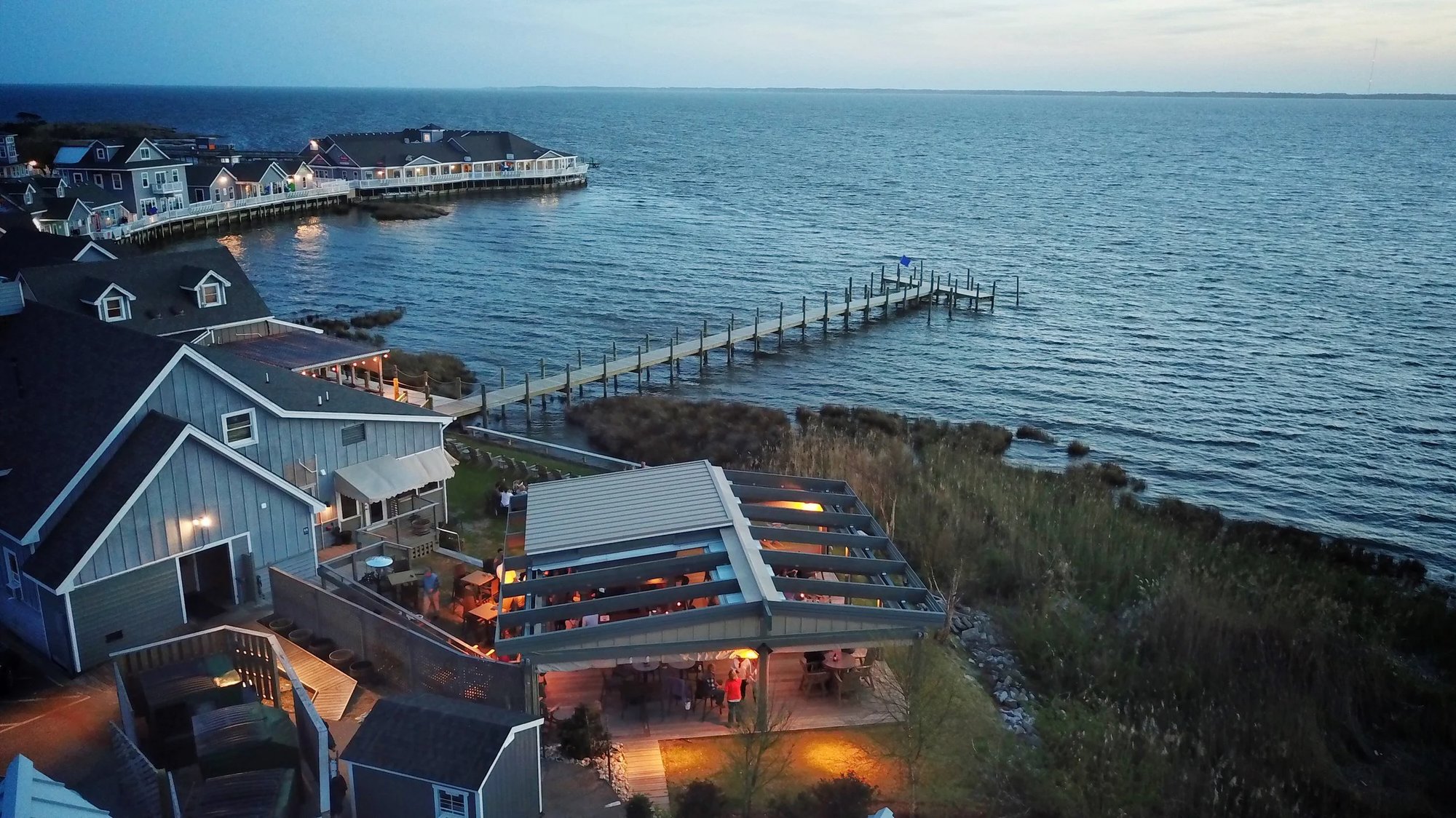
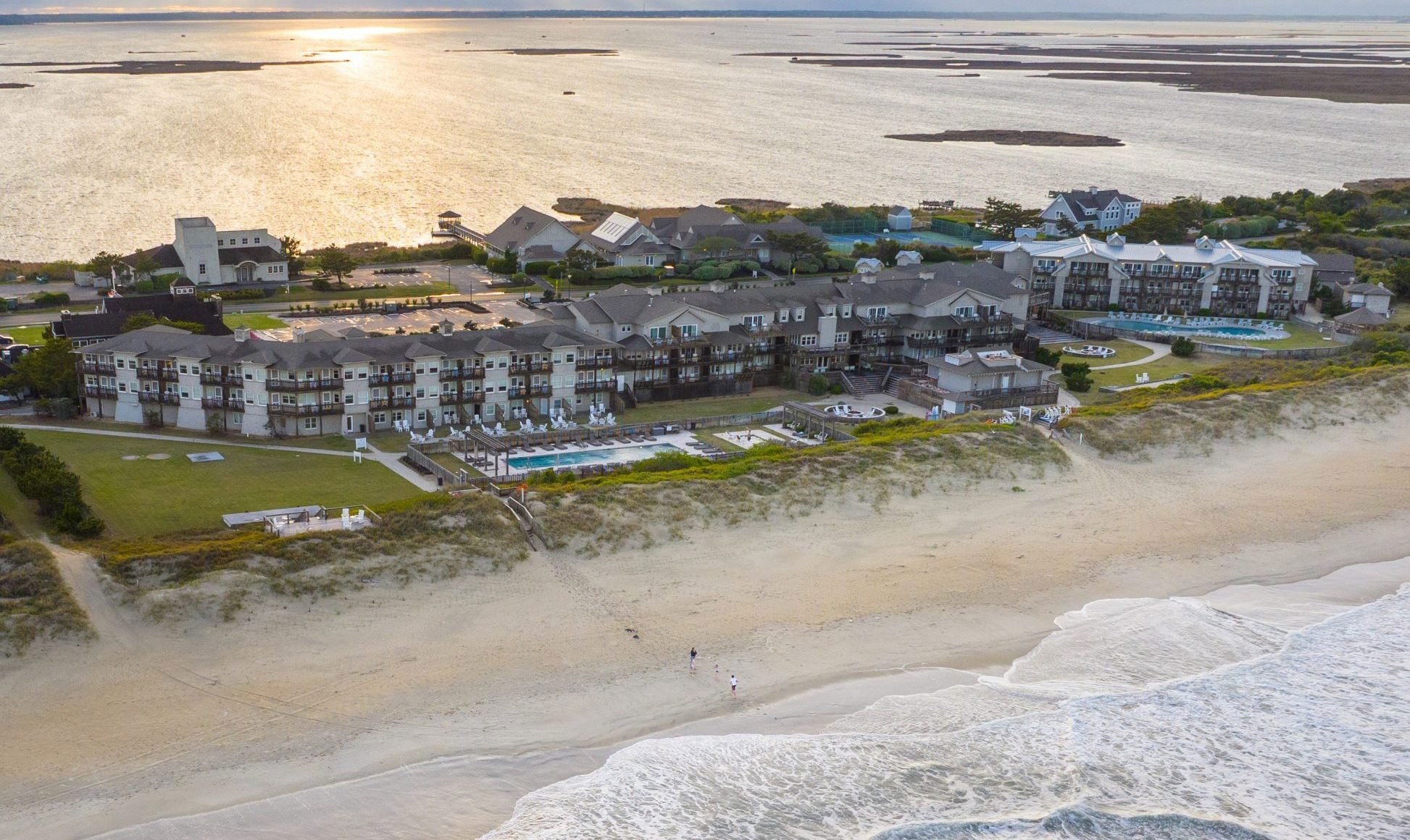
The Sanderling reads as a quietly confident coastal retreat, favoring vernacular shingle-and-cedar construction that ages into the landscape rather than competing with it. The resort’s restraint—low-rise buildings, broad dunes and open skies—creates a calm, classic atmosphere where sightlines to both ocean and sound are the principal design gestures. Instead of theatrical architecture, the property emphasizes its setting: maritime forest, dune vegetation and the sweep of horizon. The result is a relaxed, charming place that feels thoughtfully integrated with the Outer Banks rather than placed on top of it.
Best For
The Sanderling is well suited to guests seeking a low-key, nature-forward escape. Its dual orientation to the Atlantic and Currituck Sound makes it attractive for couples on a romantic getaway who favor sunsets and private moments by the water, families after a more restrained seaside pace, and wellness-minded travelers who value quiet and restorative views. The property’s deliberate small-town scale and preserved landscape also make it a good weekend escape for those who prefer scenery and calm over high-density resort activity.
Stay Tips
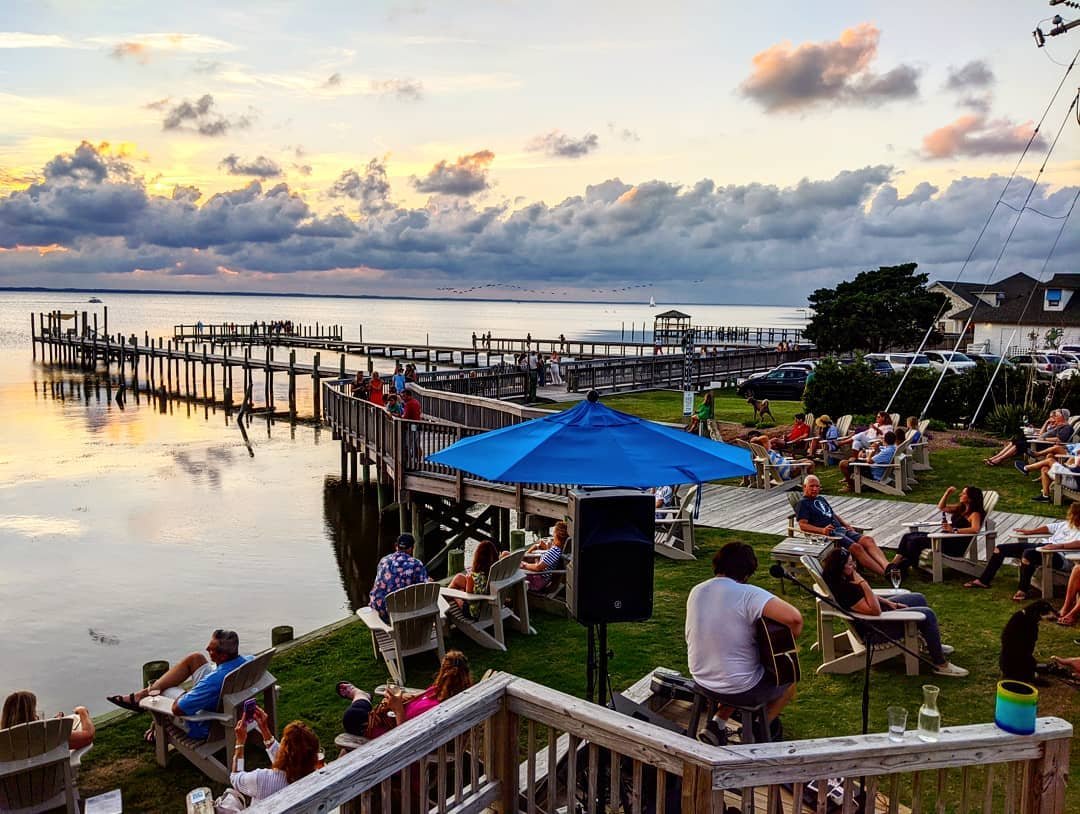
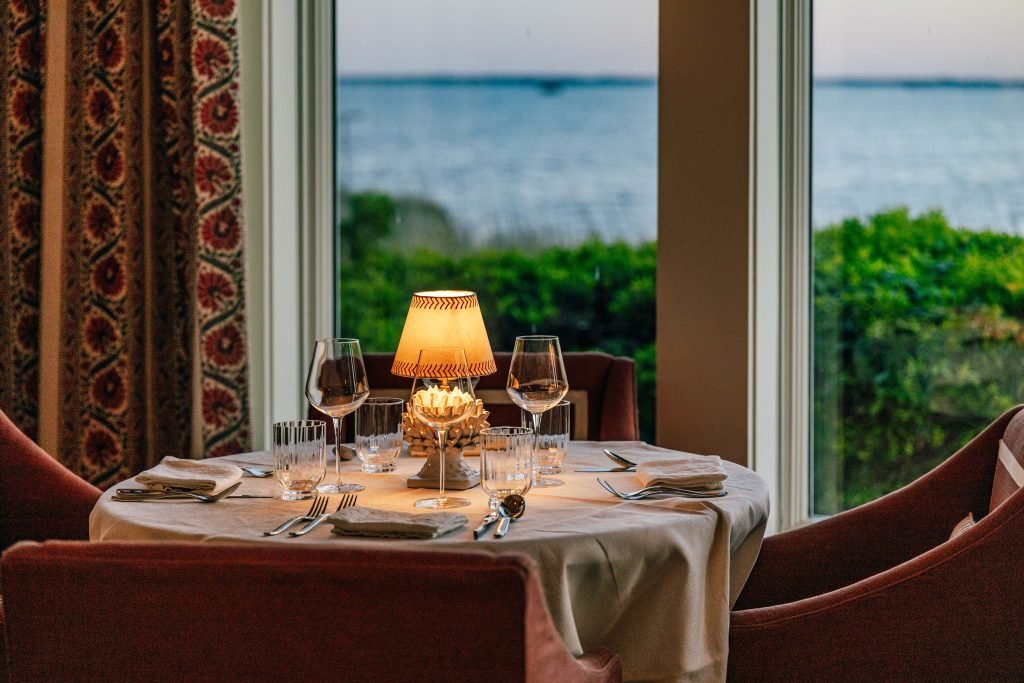
Ask for a room on the sound side if you want western light and sunset views—the description explicitly notes that sound-side accommodations catch the western light across the water. If ocean-facing horizons and dune vistas are your priority, request an Atlantic-facing room to take advantage of the broad dunes and open skies. Because the resort’s appeal is its relationship to the landscape rather than bold architectural statements, be specific about view preference when booking to ensure you get the sightline that matters most to your stay.
Venue details
Ambiance
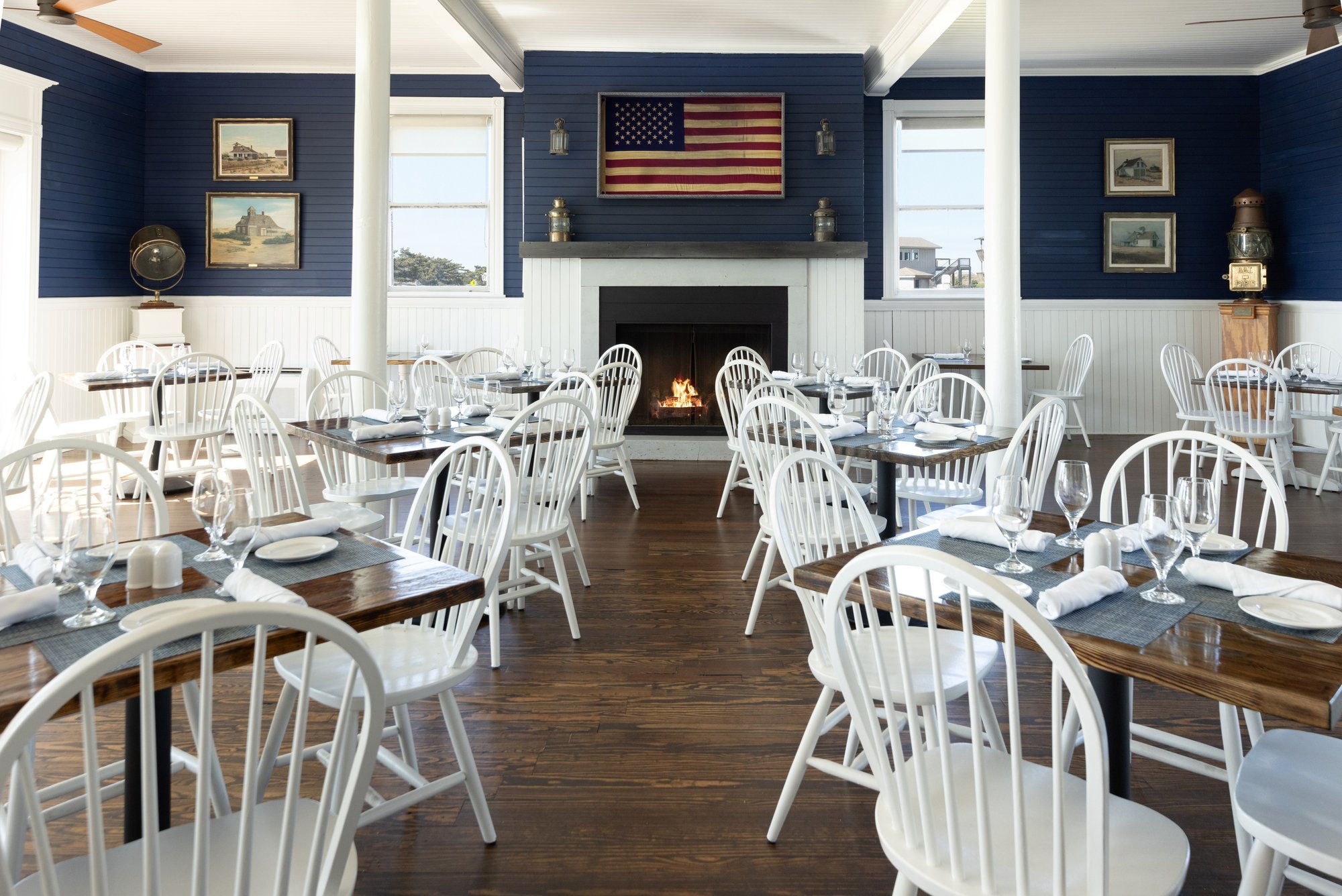
Relaxed coastal elegance with timeless sophistication, warm friendly service, and serene natural surroundings enhanced by ocean breezes and sunset views.
Tags
Vibe
Best For
Experience
Amenities
View
Accessibility
About the Stay
- Rooms
- 123
- Check-in
- 16:00
- Check-out
- 11:00
- Property Style
- Full Service Oceanfront Resort with Reimagined Coastal Accommodations and Awe Inspiring Grounds.
- Design Style
- Contemporary Coastal Elegance Blending Timeless Sophistication with Refined Charm.
- Pool
- Yes
- Spa
- Yes
- Families
- Welcome
- Cancellation
- Moderate
Know before you go
Know Before You Go
- Getting there
- 1461 Duck Rd, Duck, NC 27949
Planning details
Location
Recognition and awards


Also consider
Also Consider
- Hilton Norfolk The Main, Notable alternative
- The Inn at Four Eleven York, Notable alternative
- Kiln Creek Golf Club and Resort, Notable alternative
- Colonial Houses, an official Colonial Williamsburg Hotel, Notable alternative
- Williamsburg Inn, Notable alternative
Hotel context
How it compares with nearby hotel alternatives
Choose The Sanderling Resort if the trip is centered on Duck and the Outer Banks pace: quieter days, beach-focused downtime, and a resort stay that keeps the plan simple. Hilton Norfolk The Main is the better fit for a city base, business needs, or travelers who want Norfolk dining and downtown access instead of a beach-resort rhythm.
The Inn at Four Eleven York reads more intimate and inn-like, so cross-shop it if a smaller stay matters more than resort infrastructure. Kiln Creek Golf Club and Resort makes more sense for a golf-led trip; The Sanderling is the stronger call when the beach and spa-style downtime are the reason for traveling.
For history-focused travelers, Colonial Houses, an official Colonial Williamsburg Hotel and Williamsburg Inn are better aligned with a Williamsburg itinerary. The Sanderling is the practical pick when ambiance matters but the setting needs to be coastal, not colonial.
Explore Duck
Around this place
Discover more on Pearl
Unlock the full The Sanderling Resort guide in Pearl, including awards, comparisons, FAQs, planning details, and nearby places.
Compare The Sanderling Resort
| Venue | Location | Awards |
|---|---|---|
| The Sanderling Resort | Duck | AHEAD Americas Awards 2026 Shortlist - Resort2025 Conde Nast Best Resorts · #382025 Michelin Selected Hotels |
| Hilton Norfolk The Main | Norfolk | No published awards |
| The Inn at Four Eleven York | Norfolk | No published awards |
| Kiln Creek Golf Club and Resort | Newport News | No published awards |
| Colonial Houses, an official Colonial Williamsburg Hotel | Williamsburg | No published awards |
| Williamsburg Inn | Williamsburg | 2026 Forbes 4-Star2026 La Liste Top Hotels2025 Forbes 4-Star |


How The Sanderling Resort Duck compares with similar nearby venues.
FAQ
Frequently Asked Questions
How does The Sanderling Resort compare to other hotels?
Choose The Sanderling Resort if you want a recognized resort stay in Duck with a casual dress code. Recognition includes Condé Nast Best Resorts #38 in 2025 and MICHELIN Guide Hotels Selected in 2025. Hilton Norfolk The Main, The Inn at Four Eleven York, Colonial Houses, an official Colonial Williamsburg Hotel, Williamsburg Inn, and Kiln Creek Golf Club and Resort are better treated as different hotel contexts rather than direct Duck substitutes.
When is the best time to book The Sanderling Resort?
How is the dining at The Sanderling Resort?
What is check-in like at The Sanderling Resort?
What amenities are at The Sanderling Resort?
Do loyalty programs work at The Sanderling Resort?
Is The Sanderling Resort good for business travel?
If business-travel facilities, meeting services, and work-focused amenities matter, confirm them directly with The Sanderling Resort or compare with a more urban hotel option such as Hilton Norfolk The Main.