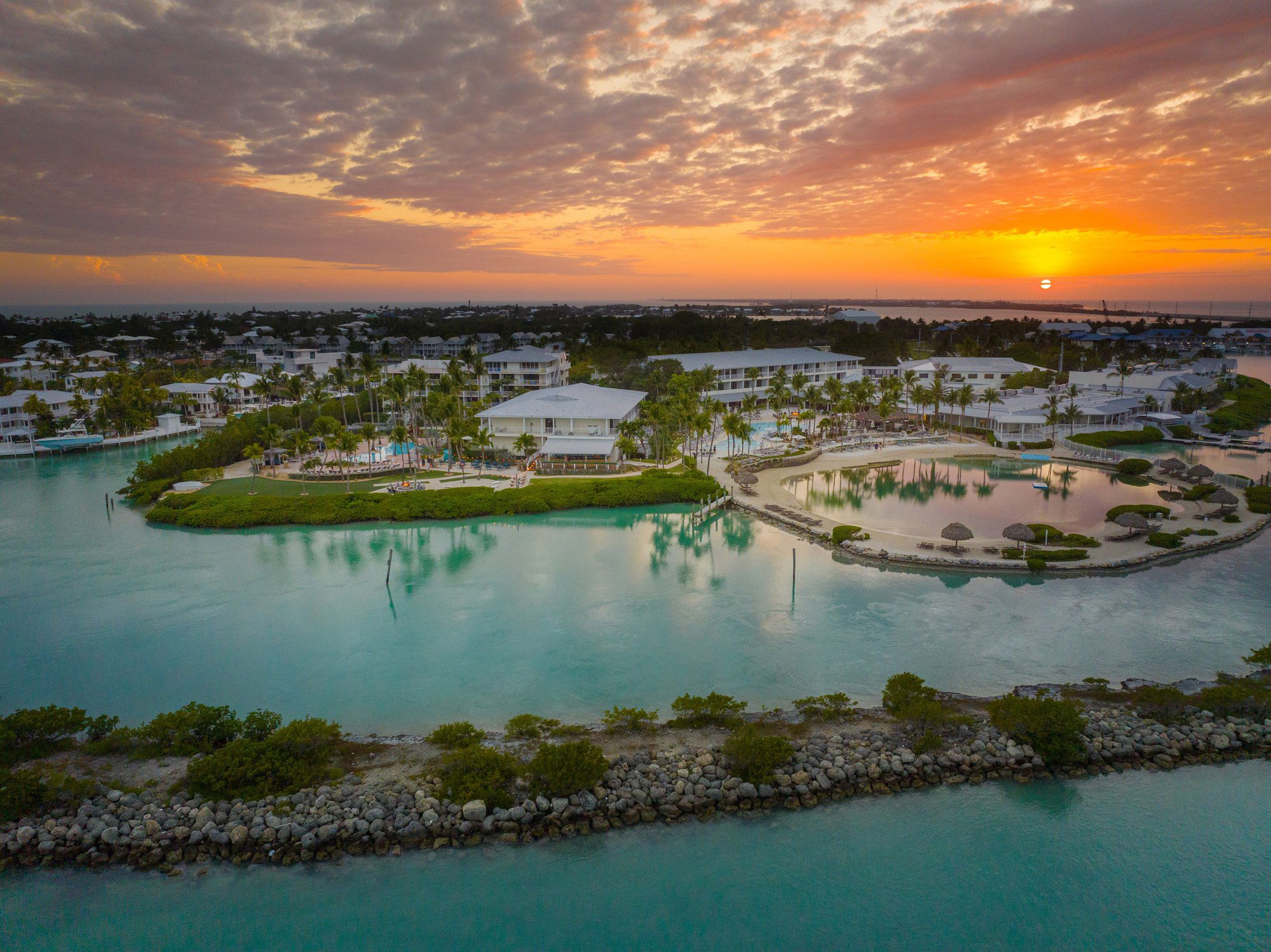

Hawks Cay Resort
Duck Key
Hotel in Duck Key, United States
 Book with Pearl
The Read
Private-Island Campus Resort
Why go
Hawks Cay Resort is the practical Duck Key choice for travelers who want a full resort base rather than a small, quiet inn. The dining should be treated as a convenience benefit, not the core reason to stay, and the easy booking profile makes it a low-friction option for first-timers comparing Middle Keys hotels.
About Hawks Cay Resort
Hawks Cay Resort is a Duck Key venue with a Preferred Hotels Preferred Residences recognition for 2025. Consider it when you want to evaluate a stay in Duck Key, and avoid building the decision around specifics such as a named restaurant format, cuisine, room category, activity program, or pricing.
Hawks Cay Resort belongs on a Duck Key shortlist for travelers comparing stay options. Beyond the recognition and casual dress code, details are limited, so the safest planning approach is to confirm current information directly before booking.
Choose it for the Duck Key context, not specific details
Without a set restaurant format, cuisine, chef, menu, hours, price, or service details to rely on, treat any dining plan as something to confirm separately. Hawks Cay Resort may still be a practical Duck Key base, but it should not be framed as a destination-dining choice without more detail.
If dining is the main event, compare options carefully before committing. Use Our full Duck Key restaurants guide for meal planning, then cross-check stay choices separately if the lodging matters as much as the table.
Booking is the easy part; choosing the right stay type is the real call
The bigger question is fit. Hawks Cay Resort is best evaluated as a Duck Key option with a 2025 Preferred Hotels Preferred Residences credential and a casual dress code. For anything more specific, including rooms, amenities, dining, policies, or current services, verify directly with the property before treating it as part of the trip plan.
For comparisons, look at Hawks Cay Resort alongside Casa Morada, Cheeca Lodge & Spa, Isla Bella Beach Resort, Little Palm Island Resort & Spa, and The Moorings Village. Use those comparisons to decide which overall stay style fits your trip, rather than relying on assumptions about amenities or dining.
Planning details
- Location
- 61 Hawks Cay Blvd, Duck Key, FL 33050
- Website
- hawkscay.com
- Phone
- +1 866-690-6422
The take
The Take
The Vibe
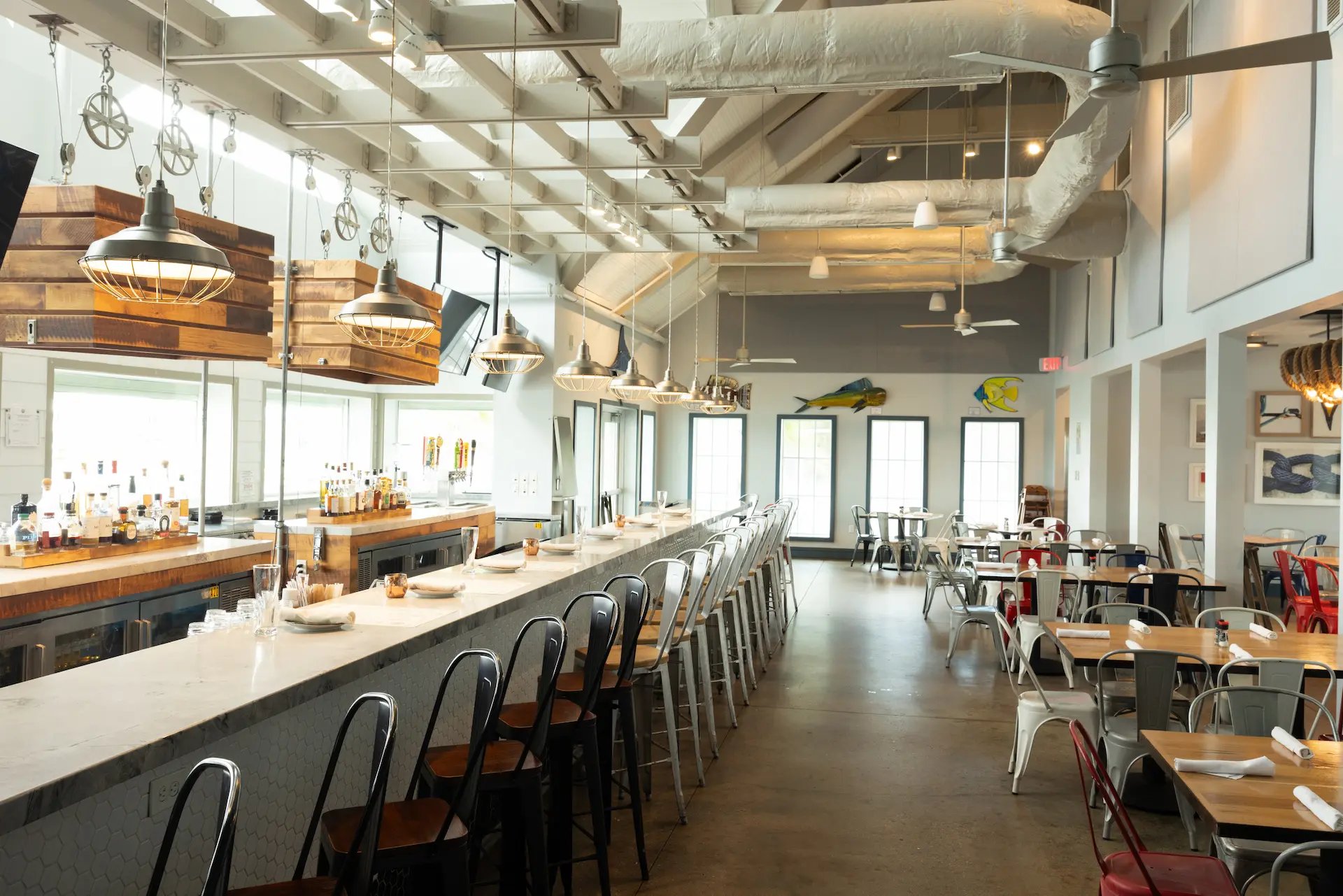
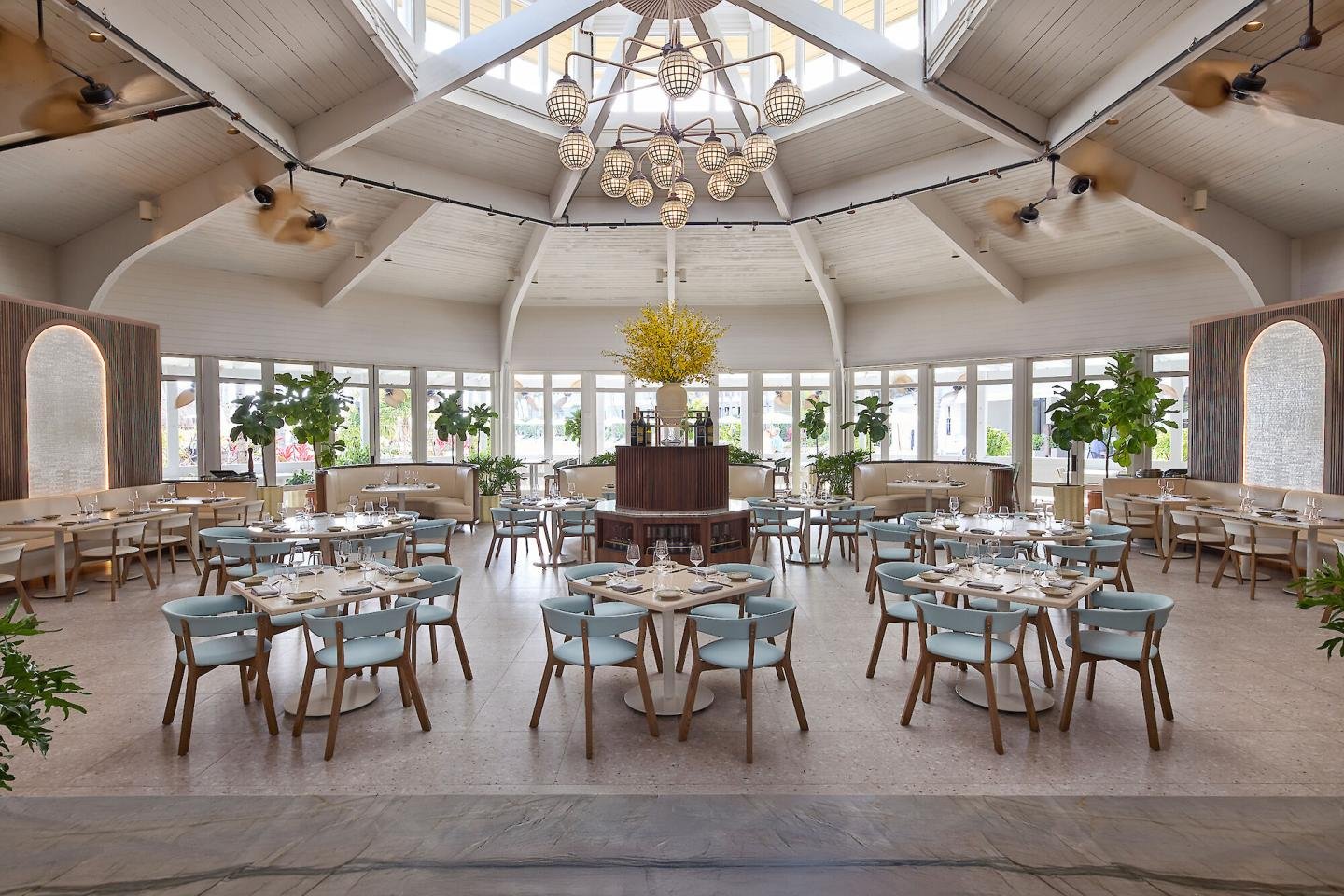
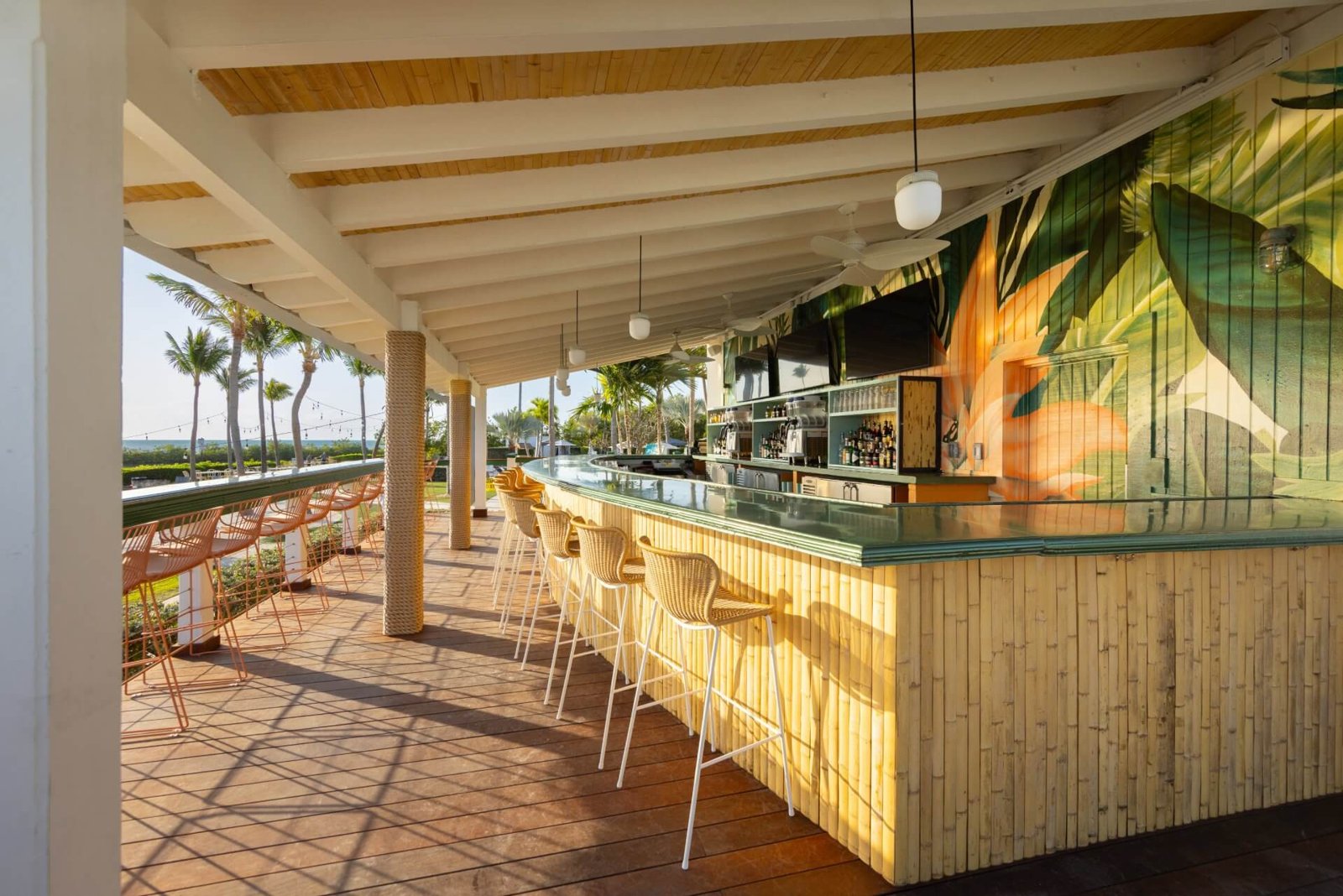
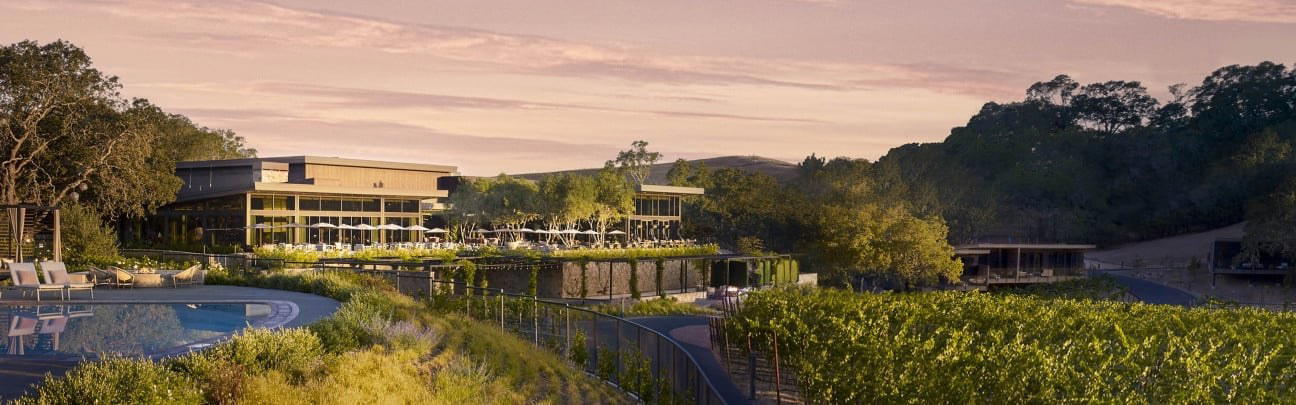
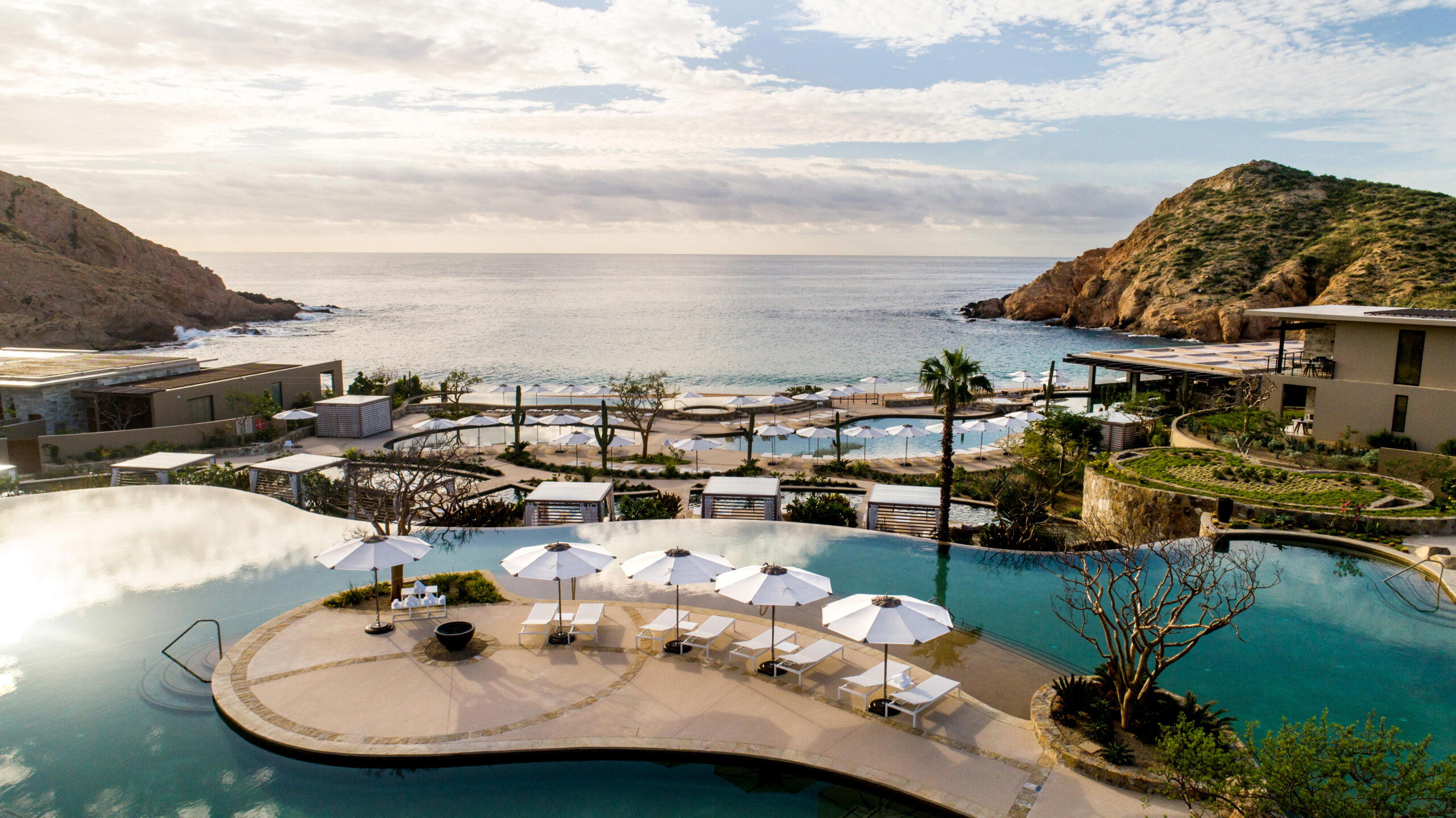
Hawks Cay reads like a private island resort rather than a typical highway-side hotel. Occupying the entirety of Duck Key, the property arranges its walkable perimeter, pool areas and boat docks around the shoreline so the relationship between land and water becomes the organizing motif. That layout gives the resort a quietly scenic, almost Caribbean quality: tropical character, broad waterfront exposure and a sense of spatial generosity despite a sizable room count. Guests experience an island rhythm — calm circulation around the edge, water-facing vistas and concentrated communal hubs — that emphasizes the setting as much as the buildings themselves.
Best For
The resort’s scale and layout make it a practical choice for families, couples and short escapes. With 374 rooms, dedicated pool areas and boat docks tucked around the island edge, Hawks Cay can accommodate family groups who prioritize water access and on-site amenities, while still offering the maritime intimacy that suits a romantic getaway. Its midpoint location on US‑1 — close enough to Marathon for logistics but far enough south for genuine tropical character — also makes it an easy weekend escape for travelers seeking a Keys experience without long transit.
Stay Tips
When booking, prioritize rooms that face the island perimeter or shoreline to maximize the property’s strongest asset: the water relationship. The description highlights boat docks and pool areas clustered around the edge, so request accommodations near those features if easy water access or quick pool walks are important. Given the resort’s size and its appeal as a weekend and family destination, book well in advance for peak dates to secure preferred room locations. Use the property’s proximity to Marathon as a planning cue for travel timing and logistics.
Venue details
Ambiance
Laid-back tropical atmosphere with lively poolside energy, serene sunset views, and relaxing spa vibes highlighted in guest reviews.
Tags
Vibe
Best For
Experience
Amenities
View
Accessibility
About the Stay
- Rooms
- 427
- Check-in
- 15:00
- Check-out
- 11:00
- Property Style
- Tropical Island Resort with Private Villas and Modern Guest Rooms Blending Keys Charm and Family Adventure.
- Design Style
- West Indies Inspired with Tropical Touches, Modern Furnishings, and Airy Spaces.
- Pool
- Yes
- Spa
- Yes
- Families
- Welcome
Know before you go
Know Before You Go
- Getting there
- 61 Hawks Cay Blvd, Duck Key, FL 33050
Planning details
Location
Recognition and awards
Also consider
Also Consider
- Isla Bella Beach Resort, Notable alternative
- The Moorings Village, Notable alternative
- Cheeca Lodge & Spa, Notable alternative
- Casa Morada, Notable alternative
- Little Palm Island Resort & Spa, Notable alternative
Hotel context
How it compares in the Middle Keys hotel set
Choose Isla Bella Beach Resort if the priority is a broader beach-resort feel closer to Marathon; choose Hawks Cay Resort if Duck Key itself is the anchor and the group wants a self-contained resort stay with easier logistics. For first-timers, Hawks Cay is the lower-friction call, while Isla Bella is the stronger cross-shop when beach setting drives the decision.
The Moorings Village and Casa Morada are better fits for travelers who want a quieter Islamorada-style stay with less resort scale. Hawks Cay is more practical for families and mixed-age groups because the decision is less dependent on a specific room mood or couples-first atmosphere.
Cheeca Lodge & Spa is the closest serious alternative for a classic Keys resort choice, while Little Palm Island Resort & Spa is the splurge cross-shop for travelers who want a more secluded, occasion-led stay. If booking ease and group practicality matter, Hawks Cay is the safer pick; if privacy and a bigger occasion matter more, look at Little Palm Island first.
Explore Duck Key
Around this place
Discover more on Pearl
Unlock the full Hawks Cay Resort guide in Pearl, including awards, comparisons, FAQs, planning details, and nearby places.
Compare Hawks Cay Resort
| Venue | Location | Awards |
|---|---|---|
| Hawks Cay Resort | Duck Key | Preferred Hotels Preferred Residences 2025 |
| Isla Bella Beach Resort | Marathon | No published awards |
| The Moorings Village | Islamorada | No published awards |
| Cheeca Lodge & Spa | Islamorada | No published awards |
| Casa Morada | Islamorada | No published awards |
| Little Palm Island Resort & Spa | Little Torch Key | 2026 Virtuoso Luxury Hotel Collection2026 Forbes Recommended2026 Mr & Mrs Smith Luxury Hotels2026 Relais Chateaux Hotels2026 La Liste Top Hotels2026 Michelin 3 KeysWorld Travel Awards 2025Michelin 3 Keys 20252025 Forbes Recommended |






How Hawks Cay Resort Duck Key: Worth Booking? compares with similar nearby venues.
FAQ
Frequently Asked Questions
How is the pool and spa at Hawks Cay Resort?
Pool and spa details are not provided here. The grounded information is that Hawks Cay Resort is in Duck Key, has a casual dress code, and has a Preferred Hotels Preferred Residences recognition for 2025. Confirm current amenities directly with the property before booking around them.
How is the location of Hawks Cay Resort?
Hawks Cay Resort is in Duck Key. If you are comparing stays, consider it alongside Casa Morada, Cheeca Lodge & Spa, Isla Bella Beach Resort, Little Palm Island Resort & Spa, and The Moorings Village based on each property's profile.
How is the dining at Hawks Cay Resort?
Dining should be confirmed directly with the property before making meal plans around the stay. Confirm current dining options directly with the property before making meal plans around the stay.
Which room category is best at Hawks Cay Resort?
Choose only after checking the resort's current room descriptions, rates, and policies directly, especially if space, views, or layout are important to your trip.
What is check-in like at Hawks Cay Resort?
How does Hawks Cay Resort compare to other hotels and resorts?
Hawks Cay Resort is a Duck Key option with a Preferred Hotels Preferred Residences recognition for 2025. Compare Casa Morada, Cheeca Lodge & Spa, Isla Bella Beach Resort, Little Palm Island Resort & Spa, and The Moorings Village according to the details that matter most for your stay.