
ME Dubai by Melia
Bussiness Bay, Dubai
Hotel in Dubai, United Arab Emirates
 Book with Pearl
The Read
Hadid-Designed Hospitality
Why go
Should you book ME Dubai by Melia? Yes, if you want a design-led Business Bay stay and are comfortable planning ahead for a harder reservation. Its Michelin 1 Key recognition in 2025 gives it a credible luxury signal, but travellers prioritising resort space or a more classic service style should compare nearby downtown options before committing.
About ME Dubai by Melia
ME Dubai by Melia is a Dubai hotel with a Michelin 1 Key (2025). Along with a smart casual dress code, that recognition makes it worth considering on the strength of its accolade and the details you can confirm directly before booking.
For travellers comparing premium hotels in Dubai, the useful starting point is simple: ME Dubai by Melia has a Michelin hotel distinction, and it should be weighed against other Dubai options according to your dates, trip purpose, and the details you confirm before booking.
Book for the confirmed recognition, not unverified extras
The strongest grounded reason to shortlist ME Dubai by Melia is its Michelin 1 Key (2025). That is a meaningful hotel recognition, but it does not by itself guarantee specific facilities, room categories, restaurant formats, transport arrangements, spa details, or a particular style of service. If any of those details matter to the trip, confirm them directly before committing.
The dress code detail is smart casual. Treat that as the clearest practical guidance for how to present yourself at the property, while avoiding assumptions about individual restaurants, bars, events, or spaces unless they are confirmed separately for your stay.
If your travel dates are fixed, compare ME Dubai by Melia with other Dubai hotels using the information that is available at the time of booking. The key is not to infer a full hotel profile from a single accolade: verify the parts of the stay that matter most to you, then decide whether this is the right Dubai base.
How to compare it with other Dubai hotels
Use ME Dubai by Melia as a serious shortlist option if a Michelin 1 Key hotel in Dubai is what you want. If you need certainty around a specific location within the city, a particular amenity, family logistics, dining arrangements, or wellness facilities, compare those details directly with other hotels before booking.
For wider planning, use Our full Dubai hotels guide alongside Our full Dubai restaurants guide, Our full Dubai bars guide, and Our full Dubai experiences guide. For named hotel comparisons in Dubai, consider Anantara Downtown Dubai Hotel, Hotel Boulevard, Autograph Collection, InterContinental Residences Dubai Business Bay, Taj Dubai, and The St. Regis Downtown Dubai alongside ME Dubai by Melia.
Planning details
- Location
- The Opus by Omniyat - Al Amal St - Business Bay - Dubai
- Website
- melia.com/en/hotels/united-arab-emirates/dubai/me-dubai
- Phone
- +971 4 525 2500
The take
The Take
The Vibe
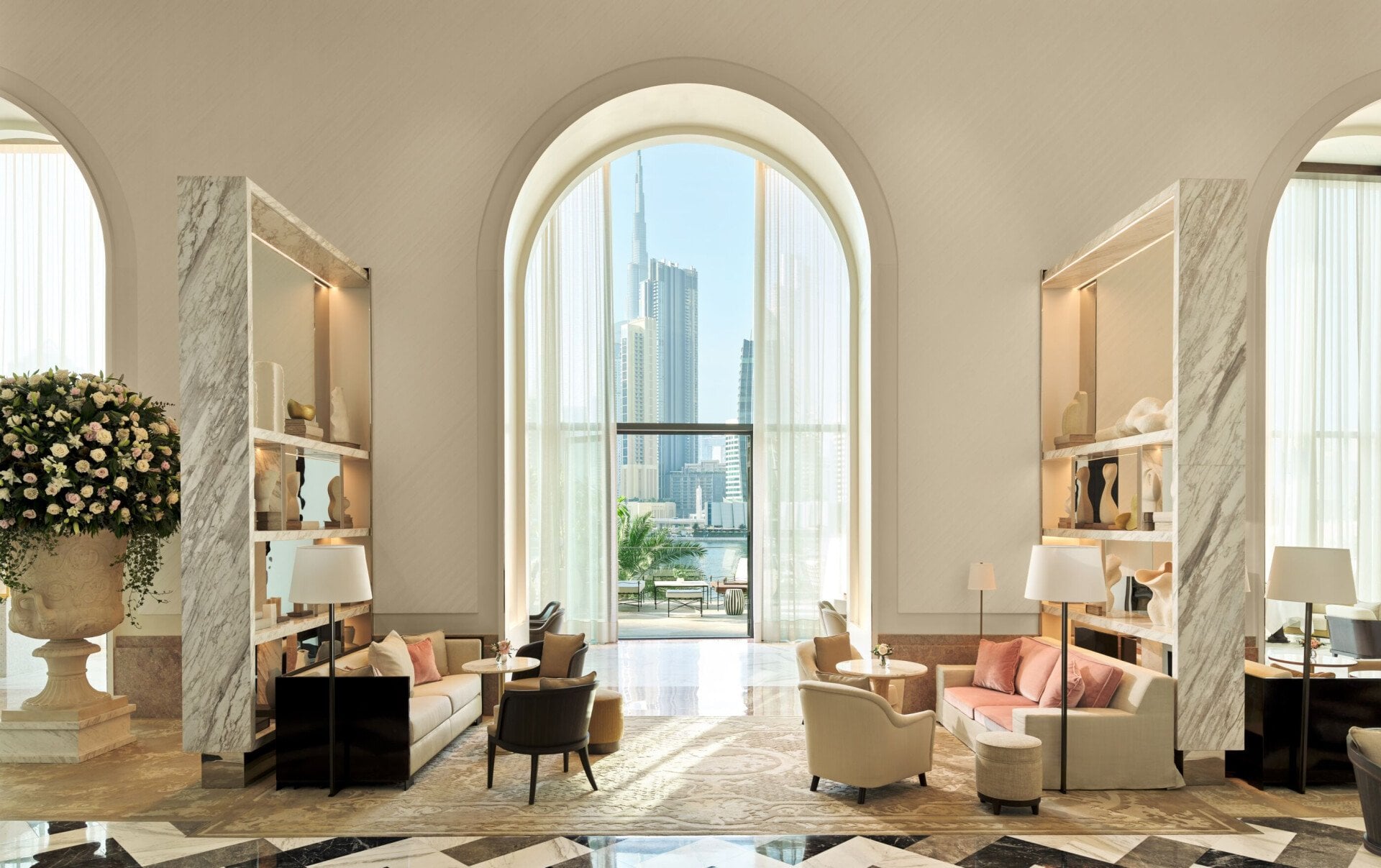
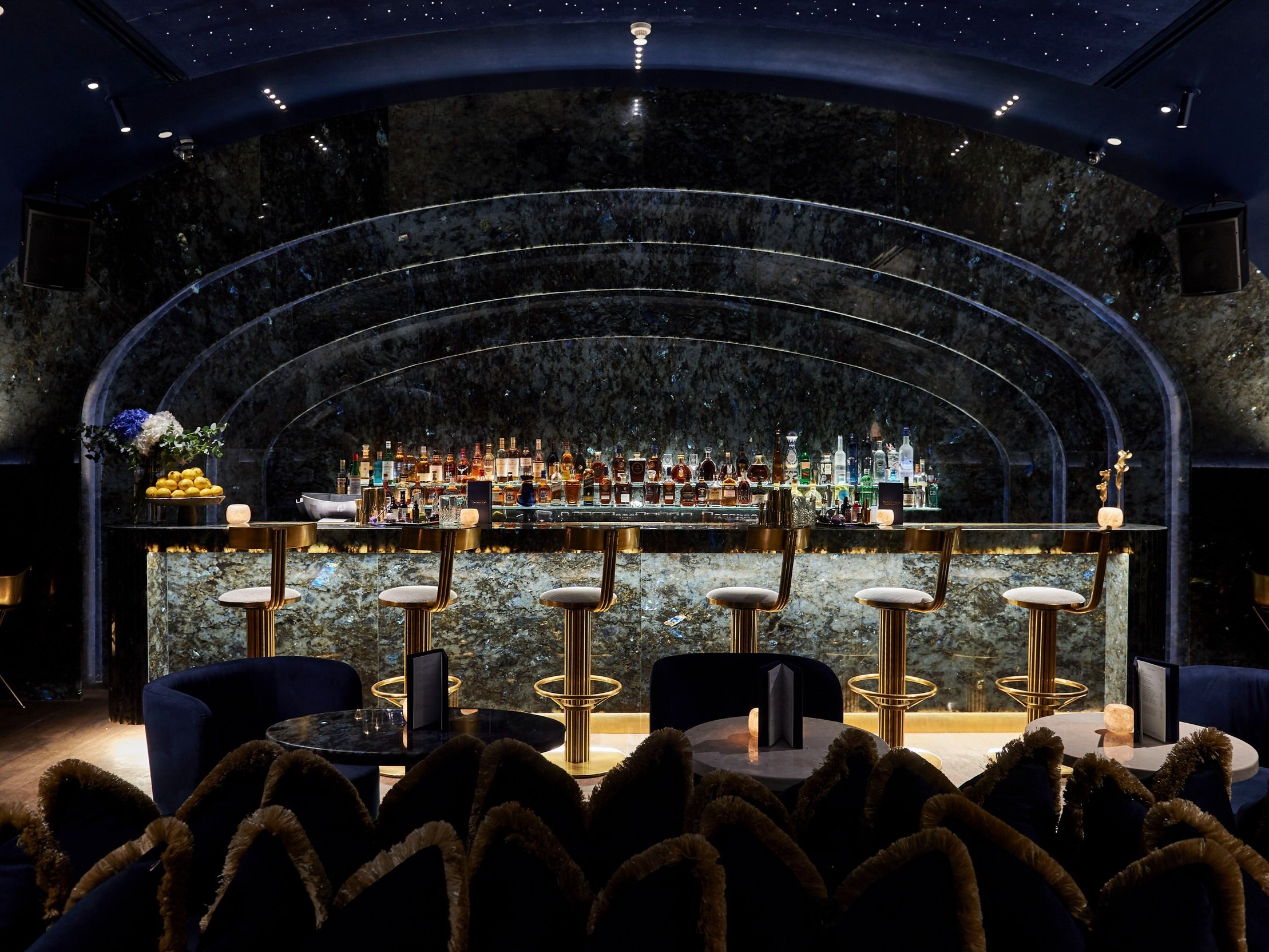
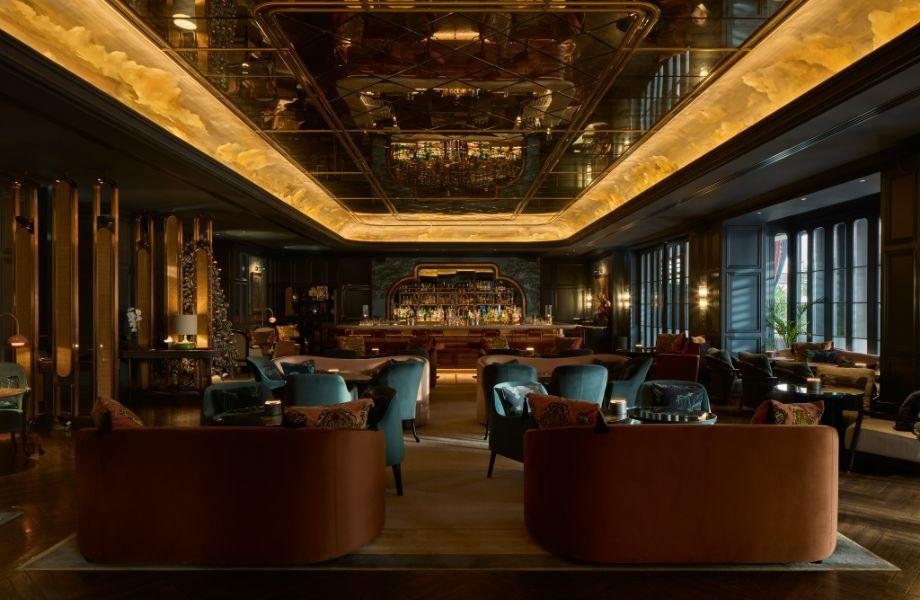
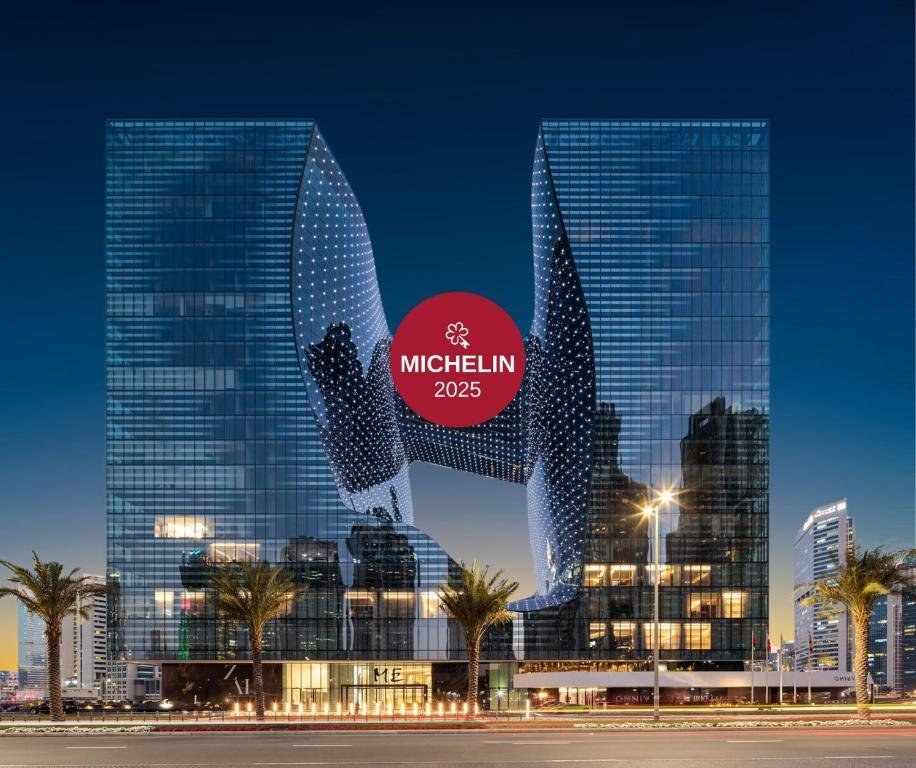
ME Dubai by Meliá articulates its personality through architecture first and hospitality second. The hotel occupies the lower half of Zaha Hadid’s Opus, and the interiors share the same authorship as the building: curved planes, fluid junctions between wall and ceiling, and furniture conceived as part of a single composition. That unity of form gives the property an unapologetically sculptural presence in Business Bay, making it feel less like a hotel grafted onto a tower and more like an immersive design statement. Travelers experience a space where architecture is the attraction rather than merely the backdrop.
Best For
This is a property for travelers who prioritize architecture and design as part of their stay. It suits business travelers who need proximity to Business Bay and Downtown Dubai, couples seeking a design-forward romantic escape, and guests marking celebrations in a distinctive setting. The hotel positions itself a short reach from the Dubai Mall and the canal without sitting directly in the densest tourist footprint, so it appeals to those who want central access with a slightly quieter immediate feel. Suites and generous room sizes support both work and leisure stays.
Stay Tips
Rooms start at a substantial 40 square metres, so booking an entry-level room already provides more space than many urban luxury properties; consider suites if you want extra living area. Because the hotel’s identity centers on Hadid’s architecture, choose accommodations and arrival times that allow you to linger in and photograph the atrium and public spaces. The location in Business Bay makes it convenient for appointments in Downtown and visits to the Dubai Mall, so coordinate reservations around your planned excursions to minimize transit across the busy city.
Venue details
Ambiance
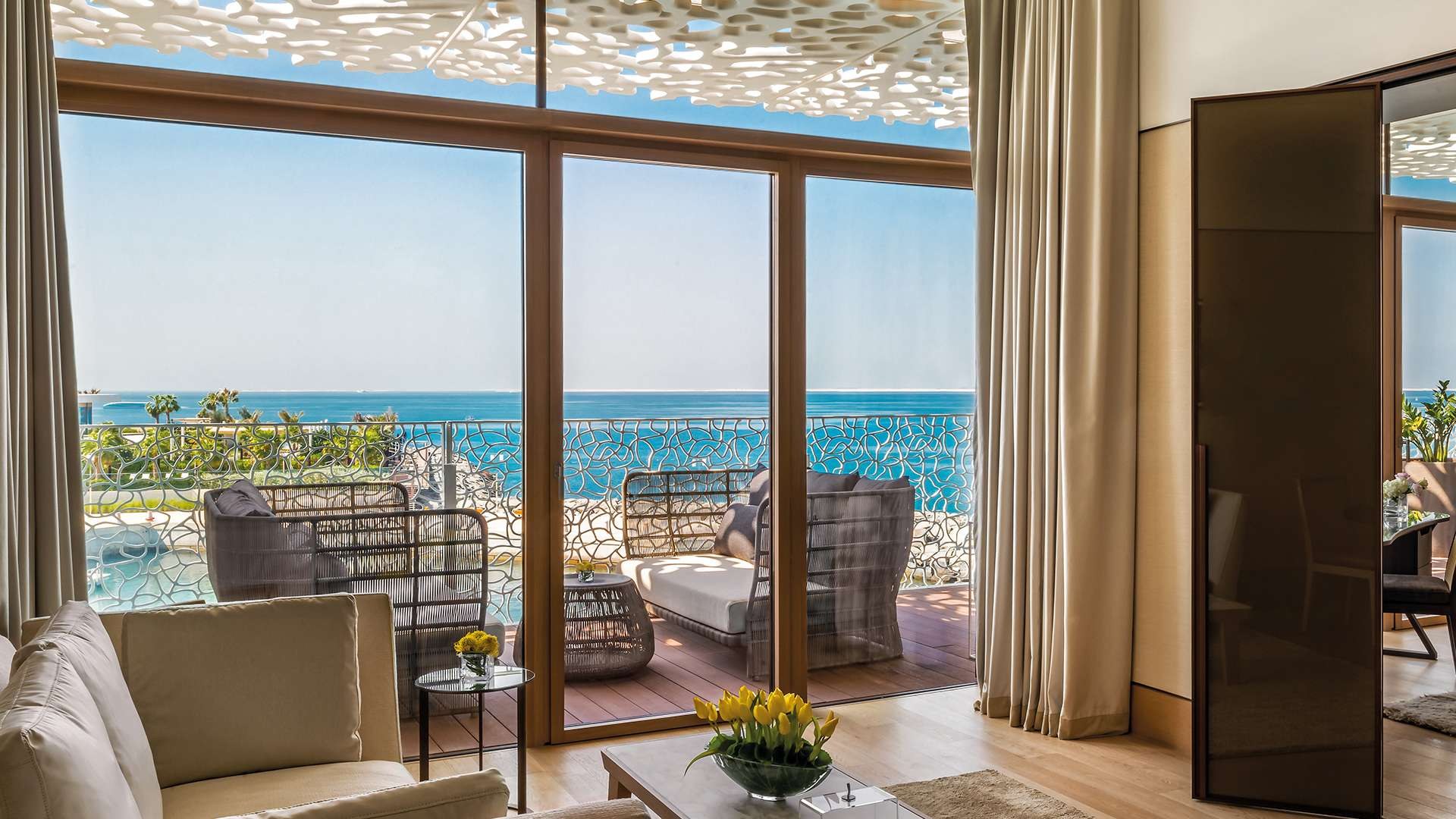
Sophisticated modern atmosphere with ambient lighting, soundproofed rooms, and stylish high-tech amenities.
Tags
Vibe
Best For
Experience
Amenities
View
Accessibility
About the Stay
- Rooms
- 93
- Check-in
- 15:00
- Check-out
- 12:00
- Property Style
- Contemporary Luxury Urban Retreat
- Design Style
- Modern Minimalist with Zaha Hadid Influences
Know before you go
Know Before You Go
- Getting there
- The Opus by Omniyat - Al Amal St - Business Bay - Dubai
Planning details
Location
The Opus by Omniyat - Al Amal St - Business Bay - Dubai · Directions
Recognition and awards
Also consider
Also Consider
- Taj Dubai, Notable alternative
- Anantara Downtown Dubai Hotel, Notable alternative
- The St. Regis Downtown Dubai, Notable alternative
- Hotel Boulevard, Autograph Collection, Notable alternative
- InterContinental Residences Dubai Business Bay, Notable alternative
Hotel context
How It Compares
Taj Dubai is the safer cross-shop if you want a more familiar luxury-hotel rhythm in Dubai, while ME Dubai by Melia is the stronger call when design and a sharper city mood are the reason for booking. Given the harder booking profile, compare live rates early rather than assuming the more visually distinctive option will be available on short notice.
Anantara Downtown Dubai Hotel and The St. Regis Downtown Dubai make sense for travellers who want a more conventional service-led stay. Choose them if the trip needs predictability, established luxury cues, and less emphasis on the room-as-design-statement factor. Choose ME Dubai by Melia if ambiance carries more weight than classic polish.
Hotel Boulevard, Autograph Collection is the more casual alternative to price-check if the goal is a downtown base without overcommitting to a luxury spend, while InterContinental Residences Dubai Business Bay is the better fit for longer stays or guests who want residence-style practicality. If the trip is short and style-led, ME Dubai by Melia remains the more compelling pick.
Explore Dubai
Around this place
Discover more on Pearl
Unlock the full ME Dubai by Melia guide in Pearl, including awards, comparisons, FAQs, planning details, and nearby places.
Compare ME Dubai by Melia
| Venue | Location | Awards |
|---|---|---|
| ME Dubai by Melia | Dubai | Michelin 1 Key 20252025 Michelin 1 Key |
| Taj Dubai | Dubai | 2026 Forbes 4-Star2026 La Liste Top Hotels2025 Forbes 4-Star2025 Michelin Selected Hotels |
| Anantara Downtown Dubai Hotel | Dubai | No published awards |
| The St. Regis Downtown Dubai | Dubai | 2026 Forbes 4-Star2025 Forbes 4-Star2025 Michelin 1 Key |
| Hotel Boulevard, Autograph Collection | Dubai | No published awards |
| InterContinental Residences Dubai Business Bay | Dubai | No published awards |



How ME Dubai by Melia compares with similar nearby venues.
FAQ
Frequently Asked Questions
What is check-in like at ME Dubai by Melia?
ME Dubai by Melia is in Dubai and holds a Michelin 1 Key (2025).
How is the location of ME Dubai by Melia?
How is the pool and spa at ME Dubai by Melia?
How is the dining at ME Dubai by Melia?
The confirmed dress code is smart casual, so use that as the practical baseline and verify any dining plans directly.
How does ME Dubai by Melia compare to other Dubai hotels?
ME Dubai by Melia has a Michelin 1 Key (2025). For a broader Dubai comparison, consider it alongside Taj Dubai, The St. Regis Downtown Dubai, Anantara Downtown Dubai Hotel, InterContinental Residences Dubai Business Bay, and Hotel Boulevard, Autograph Collection, then confirm the details that matter most for your stay.