

Al Maha, A Luxury Collection Desert Resort & Spa
Dubai Desert Conservation Reserve, Dubai
Hotel in Dubai, United Arab Emirates
 Book with Pearl
The Read
Conservation-Integrated Desert Retreat
Why go
A strong pick for a planned Dubai desert retreat, especially in cooler months, but not the practical choice for business-heavy or city-focused trips. The value case is strongest when the resort is the point of the stay, not just a room between Dubai appointments.
About Al Maha, A Luxury Collection Desert Resort & Spa
Is Al Maha, A Luxury Collection Desert Resort & Spa worth considering? It is Al Maha, A Luxury Collection Desert Resort & Spa in Dubai, with Michelin 1 Key recognition in 2025 and Virtuoso Luxury Hotel Partner recognition for 2026. The dress code is smart casual.
Evaluate Al Maha by focusing on how the resort fits the trip rather than assuming details about rooms, dining, service style, facilities, pricing, or access. Travelers comparing Dubai stays may also look at Palace Dubai Creek Harbour for a different hotel option, or compare with Bab Al Shams, A Rare Finds Desert Resort, Dubai and other resort choices.
A desert stay that makes sense when the resort is the plan
Book this when the hotel fits the trip: Al Maha, A Luxury Collection Desert Resort & Spa in Dubai, recognized with a Michelin 1 Key in 2025 and listed as a Virtuoso Luxury Hotel Partner for 2026. Those points support its premium-hotel positioning.
For value, compare the current booking terms, nightly rates, room categories, included amenities, dining formats, and activity details at the time of reservation. If the decision is between different styles of Dubai stay, compare Al Maha with alternatives such as Palace Dubai Creek Harbour, Bab Al Shams Desert Resort & Spa, or Meliá Desert Palm based on the details available for your dates.
Timing matters: plan around the kind of Dubai stay you want
Treat timing as a practical booking question: confirm the current rate, cancellation terms, inclusions, and any policies that matter before committing.
If dates are fixed, compare the booking details with Bab Al Shams Desert Resort & Spa and Meliá Desert Palm so the decision is based on the current offer rather than assumptions about the stay.
Who should skip it
Skip it if you need details about a specific room type, dining setup, family policy, activity program, or other stay requirement before booking. Consider it when a luxury hotel in Dubai with Michelin 1 Key recognition and Virtuoso partner status matches the kind of trip you are planning. The practical one-line read: Al Maha is a Dubai luxury resort option; confirm the specifics that matter for your stay before booking.
Part of
Luxury Collection87 locations on PearlPlanning details
- Location
- Dubai Desert Conservation Reserve, Dubai - Al Ain Road, Dubai, United Arab Emirates, 118887
- Website
- marriott.com/en-us/hotels/dxbam-al-maha-a-luxury-collection-desert-resort-and-spa-dubai/overview
- Phone
- +97148329900
The take
The Take
The Vibe
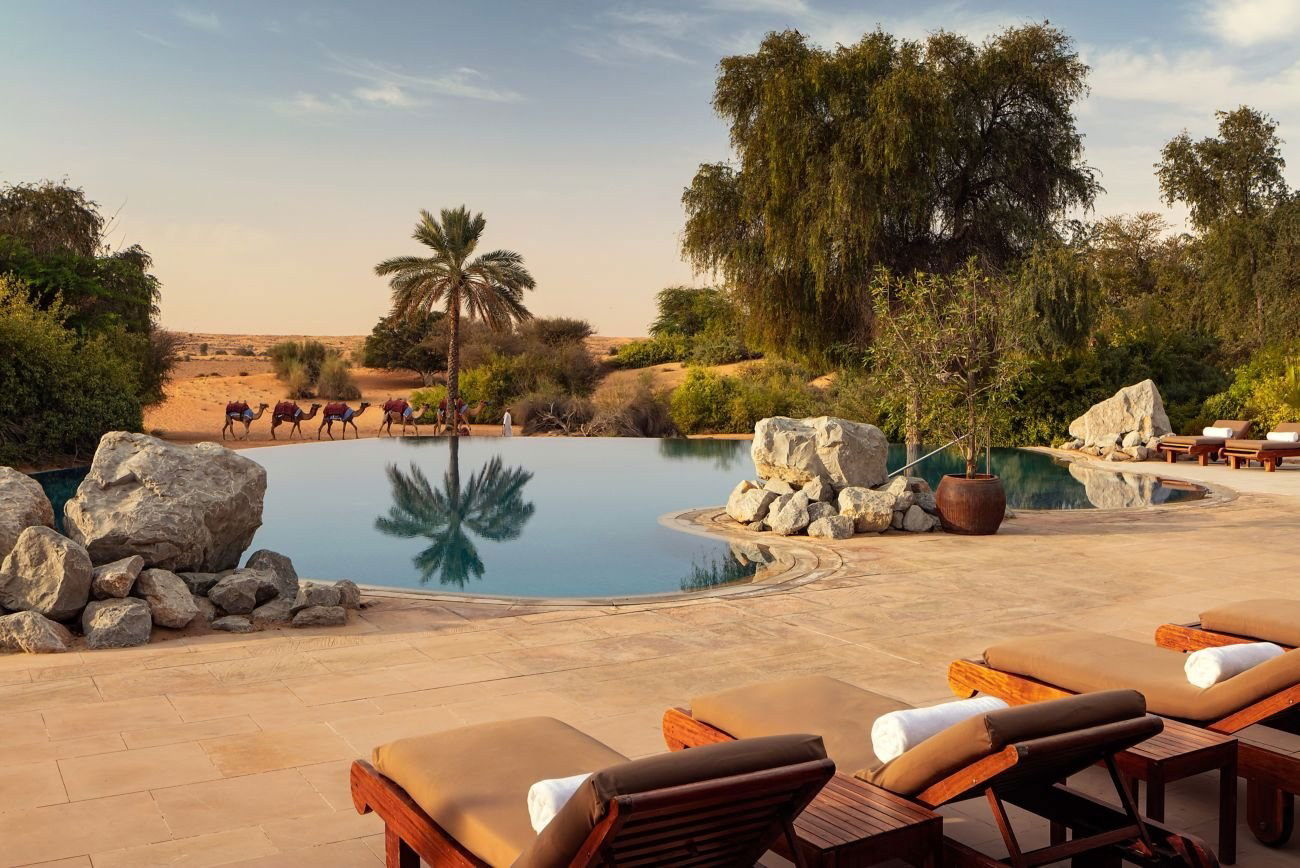
Al Maha presents a deliberately serene desert experience. Set inside the Dubai Desert Conservation Reserve, the resort treats the dunes as the central element of a stay rather than a backdrop. Low, tented structures modeled on Bedouin encampments reinforce a sense of intimacy and separation from the city's spectacle, while enforced quiet and resident wildlife keep the mood calm and contemplative. The property's Luxury Collection standing and on-site spa point to measured, refined opulence rather than flash. The overall effect is a relaxed, intimate sanctuary that foregrounds landscape and silence over urban theatre.
Best For
Al Maha is best for travelers who want a purposeful escape into the desert rather than proximity to Dubai's coastline. Couples seeking privacy and a subdued romantic setting, guests focused on wellness (the property is a resort and spa), and anyone who values wildlife and enforced quiet find its offering particularly well suited to their needs. Because the resort sits 45–50 minutes from the city centre and within a conservation reserve, it also appeals to visitors who treat travel time as part of the experience — those looking for a contemplative weekend escape, an anniversary or a honeymoon centered on landscape and seclusion.
Stay Tips
Plan arrival logistics deliberately: Al Maha is approximately 45–50 minutes from Dubai's centre and about 90 minutes from Abu Dhabi International Airport, and the copy describes that distance as part of the offering. Book reliable transfers or the resort's arranged transport rather than assuming quick city access, and allow extra time for arrivals and departures. If you want to combine a night of city dining or shopping with the desert stay, build that into your itinerary so travel doesn't feel rushed — the property intentionally removes guests from the city's dining and retail corridors.
Venue details
Ambiance
Sophisticated solitude with understated elegance, handcrafted Arabian furnishings, antiques, and serene desert views enhanced by soundproofing and privacy.
Tags
Vibe
Best For
Experience
Amenities
View
Accessibility
About the Stay
- Rooms
- 42
- Property Type
- Boutique hotel
- Property Style
- Bedouin Inspired Luxury Desert Escape with Private Villas
- Design Style
- Traditional Emirati Elegance Featuring Handcrafted Arabian Furnishings, Antiques, and Artifacts
- Pool
- Yes
- Spa
- Yes
Know before you go
Know Before You Go
- Getting there
- Dubai Desert Conservation Reserve, Dubai - Al Ain Road, Dubai, United Arab Emirates, 118887
Planning details
Location
Dubai Desert Conservation Reserve, Dubai - Al Ain Road, Dubai, United Arab Emirates, 118887 · Directions
marriott.com/en-us/hotels/dxbam-al-maha-a-luxury-collection-desert-resort-and-spa-dubai/overview
Recognition and awards

Also consider
Where to look if dates do not work
Try Bab Al Shams, A Rare Finds Desert Resort, Dubai first if the brief is still desert-focused. Choose Palace Dubai Creek Harbour if the trip needs city access more than seclusion.
Hotel context
How it compares in Dubai
Against Bab Al Shams, A Rare Finds Desert Resort, Dubai and Bab Al Shams Desert Resort & Spa, Al Maha is the more committed desert choice. Pick it when privacy and a stay-put rhythm matter more than easy movement around Dubai. Pick Bab Al Shams if the group wants desert atmosphere with a broader resort feel and a less secluded read.
Meliá Desert Palm is the better fit for travelers who want resort space while staying closer to the city's normal orbit. Palace Dubai Creek Harbour is the practical city alternative for business, dining, and sightseeing access. Al Maha is harder to treat casually: book it when the desert setting is the reason for the trip.
Al Badayer Retreat by Sharjah Collection is the cross-shop for travelers comparing desert mood beyond Dubai proper. It can make sense if location flexibility is high. For a Dubai-based luxury decision, Al Maha is the splurge-leaning pick; Palace Dubai Creek Harbour is the access pick; Bab Al Shams is the middle-ground desert-resort pick.
Explore Dubai
Around this place
Discover more on Pearl
Unlock the full Al Maha, A Luxury Collection Desert Resort & Spa guide in Pearl, including awards, comparisons, FAQs, planning details, and nearby places.
Compare Al Maha, A Luxury Collection Desert Resort & Spa
| Venue | Location | Awards |
|---|---|---|
| Al Maha, A Luxury Collection Desert Resort & Spa | Dubai | 2026 Virtuoso Luxury Hotel Collection2026 Michelin 1 Key2025 Michelin 1 KeyMichelin 1 Key 2025 |
| Al Badayer Retreat by Sharjah Collection | Sharjah | No published awards |
| Bab Al Shams Desert Resort & Spa | Dubai | No published awards |
| Bab Al Shams, A Rare Finds Desert Resort, Dubai | Dubai | No published awards |
| Meliá Desert Palm | Dubai | No published awards |
| Palace Dubai Creek Harbour | Dubai | No published awards |

How Al Maha Dubai compares with similar nearby venues.
FAQ
Frequently Asked Questions
Is Al Maha, A Luxury Collection Desert Resort & Spa good for business travel?
If business facilities, meeting spaces, or commuting details are priorities, confirm them before booking. If easier access to city appointments is a priority, compare current location and booking details with a Dubai option such as Palace Dubai Creek Harbour.
How is the dining at Al Maha, A Luxury Collection Desert Resort & Spa?
For dining, check the current cuisine, restaurant format, menu, chef, and any dining accolades before booking. Its hotel recognition includes Michelin 1 Key in 2025 and Virtuoso Luxury Hotel Partner recognition for 2026. The dress code is smart casual.
Is Al Maha, A Luxury Collection Desert Resort & Spa family-friendly?
Confirm specific family facilities or policies directly before booking. It is safest to treat Al Maha as a luxury resort in Dubai and confirm any family-specific needs directly before booking.
Which room category is best at Al Maha, A Luxury Collection Desert Resort & Spa?
When is the best time to book Al Maha, A Luxury Collection Desert Resort & Spa?
Plan it as a deliberate Dubai resort stay, compare current rates and availability for your dates, and compare it with options such as Bab Al Shams Desert Resort & Spa or Meliá Desert Palm if dates are fixed.
How is the location of Al Maha, A Luxury Collection Desert Resort & Spa?
Al Maha, A Luxury Collection Desert Resort & Spa is in Dubai. If you are comparing Dubai hotel options, Palace Dubai Creek Harbour, Bab Al Shams, A Rare Finds Desert Resort, Dubai, and other resort choices may be useful reference points.