


Rosewood Doha
Lusail Marina, Doha
Hotel in Doha, Qatar
 Book with Pearl
The Read
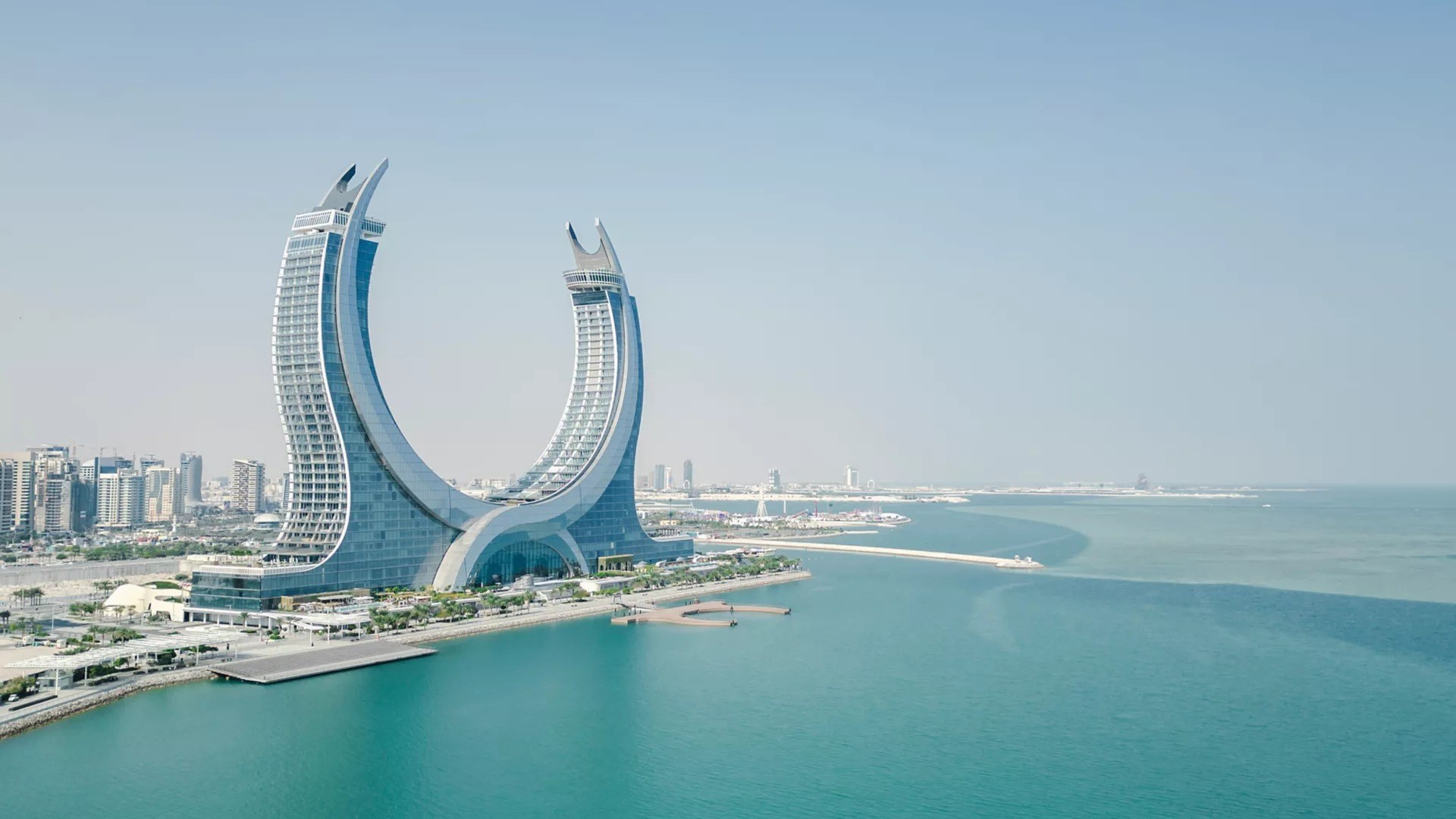
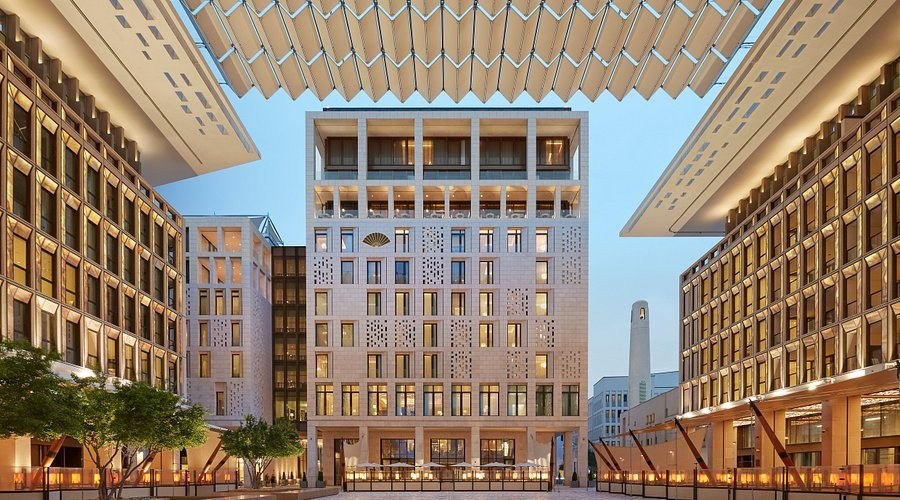
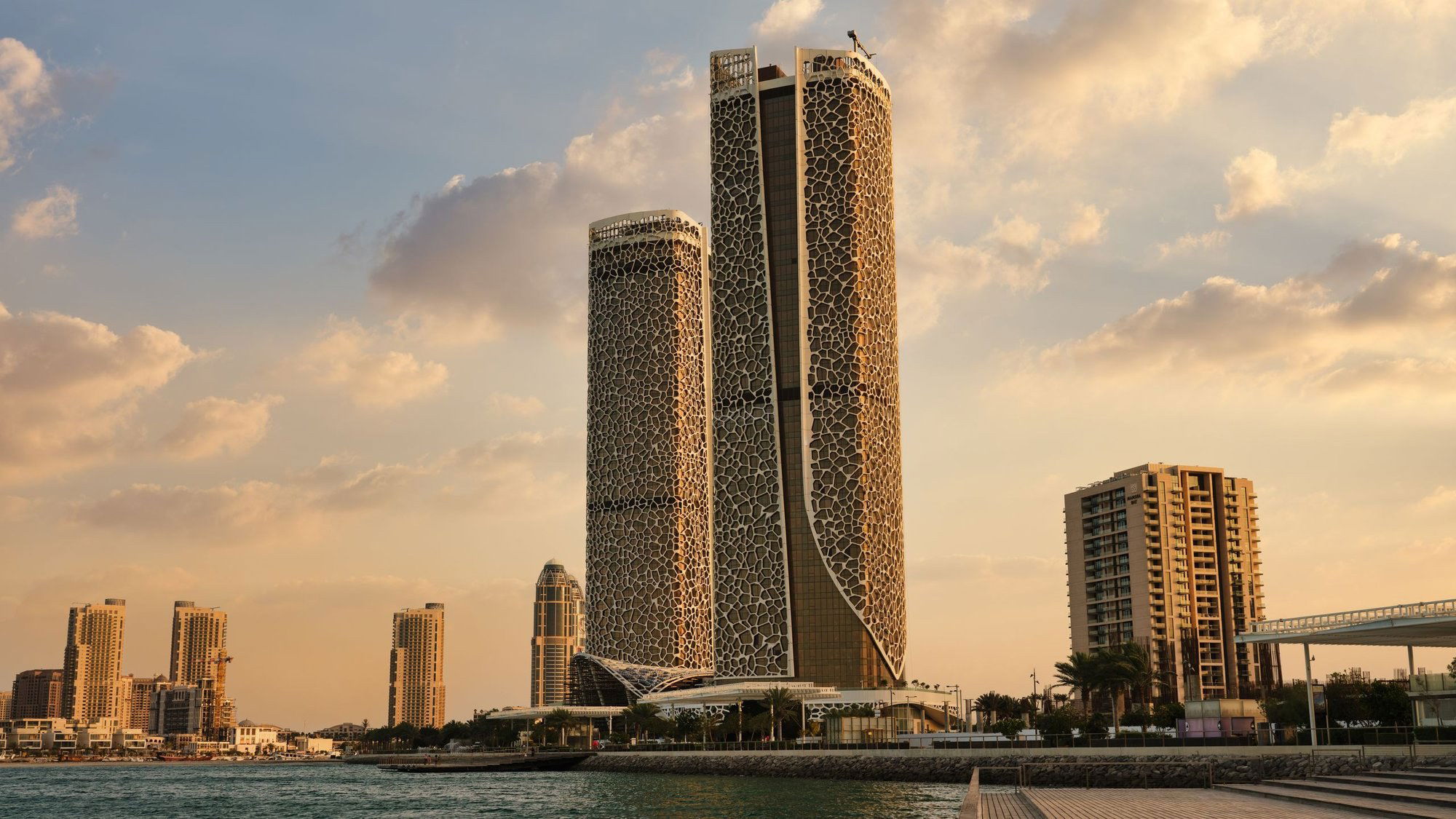
Coral-Form Architecture
Why go
A polished Lusail choice for travelers who care about service, recent luxury recognition, and a newer Doha base more than bargain pricing. Book Rosewood Doha for business travel, repeat visits, or a calmer city stay; cross-shop resort-style alternatives if space and leisure facilities matter more.
About Rosewood Doha
Rosewood Doha is a hotel in Doha, with smart casual dress guidance and recognition including Michelin 1 Key, Forbes 5-Star, and Condé Nast Hot List Hotels. For details about location within the city, amenities, service style, dining concepts, pricing, room categories, or booking difficulty, check directly.
Rosewood Doha stands out among Doha hotels with its recognized accolades. Travelers comparing stays can use those as a starting point, while still checking current rates, room types, facilities, and policies directly before booking.
Book for recognized luxury
Rosewood Doha is a Doha hotel with Michelin 1 Key, Forbes 5-Star, and Condé Nast Hot List Hotels recognition. While these facts support its inclusion in a hotel shortlist, for details about amenities, dining, room layouts, pricing, or availability, check directly.
If dates, budget, or specific facilities matter, compare current information across several Doha hotels before committing. Practical trip details should be confirmed through current booking channels.
Who should choose it next time
Choose Rosewood Doha if you want a Doha hotel with recognition and a smart casual dress code. It may suit travelers who value these credentials, but for specific details about family facilities, business amenities, leisure features, or room configurations, check directly.
For meal planning beyond the hotel, use our full Doha restaurants guide, our full Doha bars guide, and our full Doha experiences guide.
Know Before You Go
- Good fit: travelers seeking a Doha hotel with confirmed Michelin 1 Key, Forbes 5-Star, and Condé Nast Hot List Hotels recognition.
- Dress code: smart casual.
- Booking: check current rates, availability, facilities, and policies directly before committing.
- Location: Doha.
- Planning link: compare more city options in our full Doha hotels guide.
If Rosewood Doha is not available, widen the search to The Ritz-Carlton, Doha, Fairmont Doha, Raffles Doha, Grand Hyatt Doha Hotel & Villas, and Mondrian Doha. For broader planning, compare other hotel options generically based on current rates, location, and facilities.
Part of
Rosewood79 locations on PearlInside Rosewood Doha
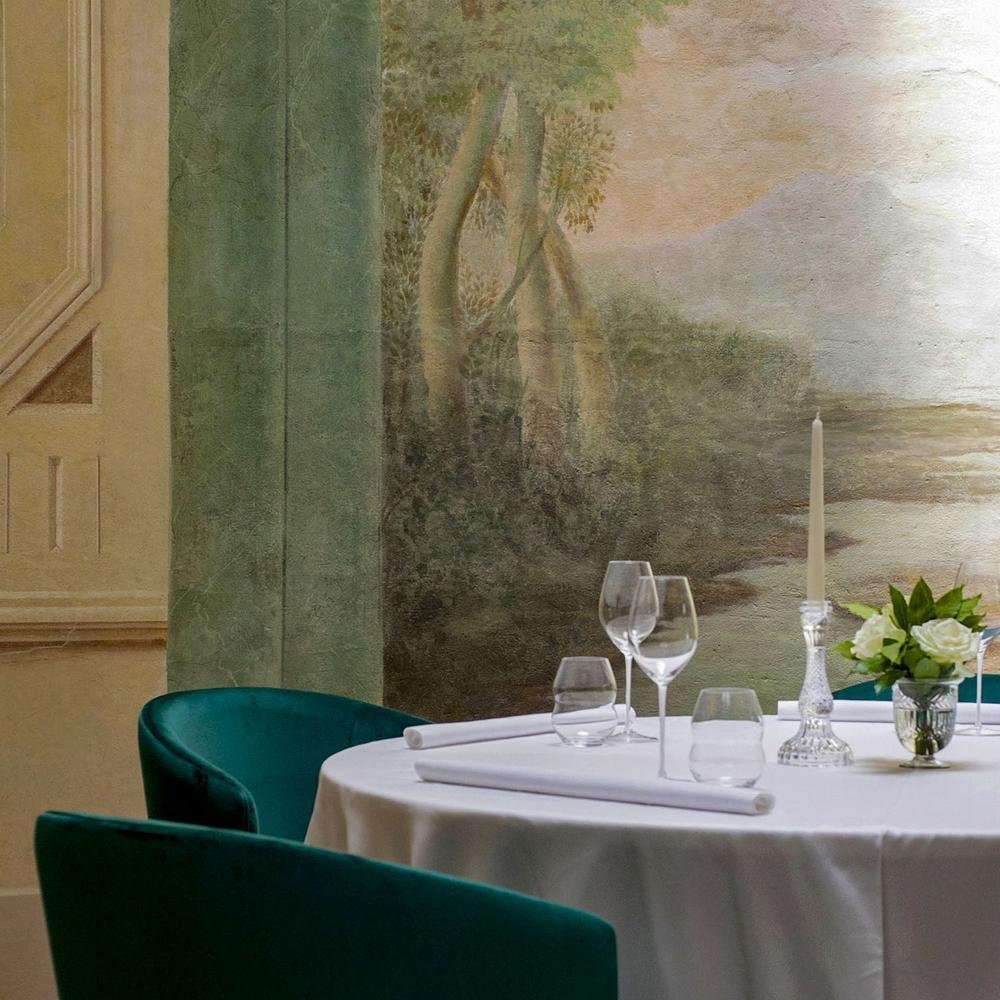
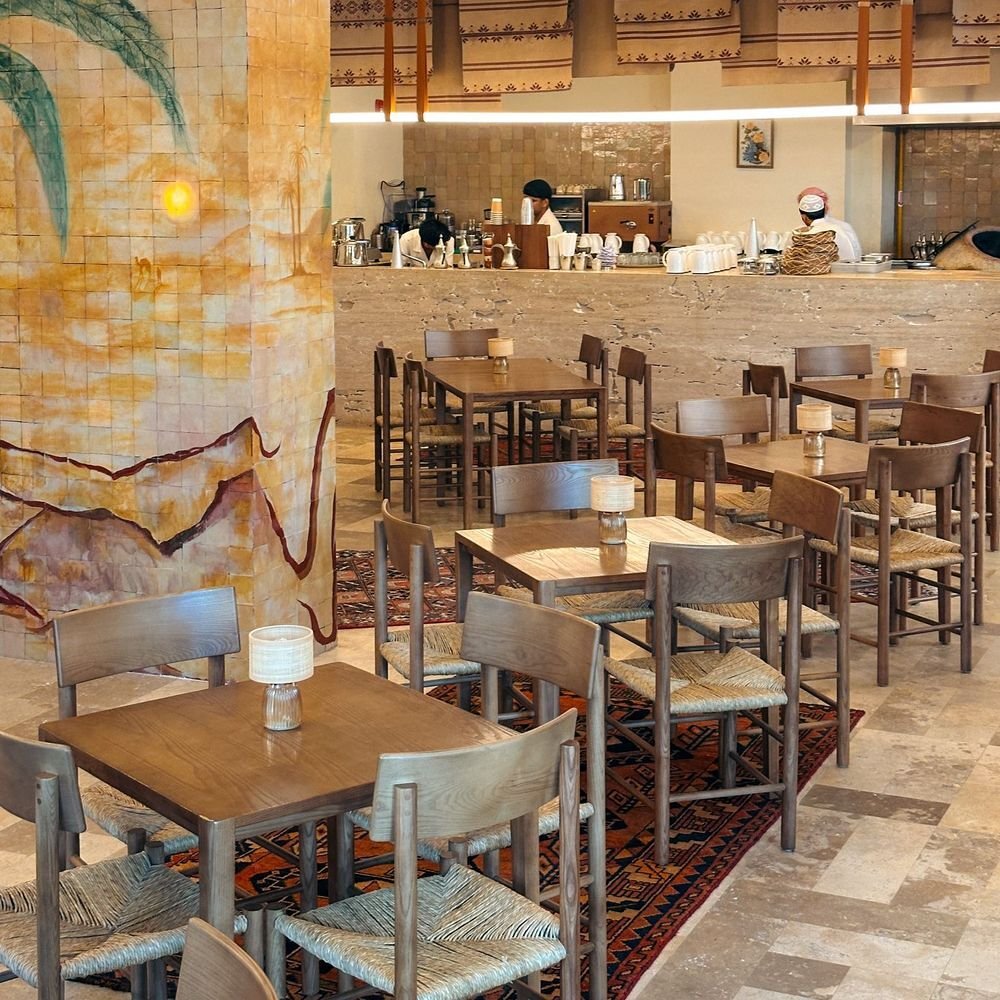
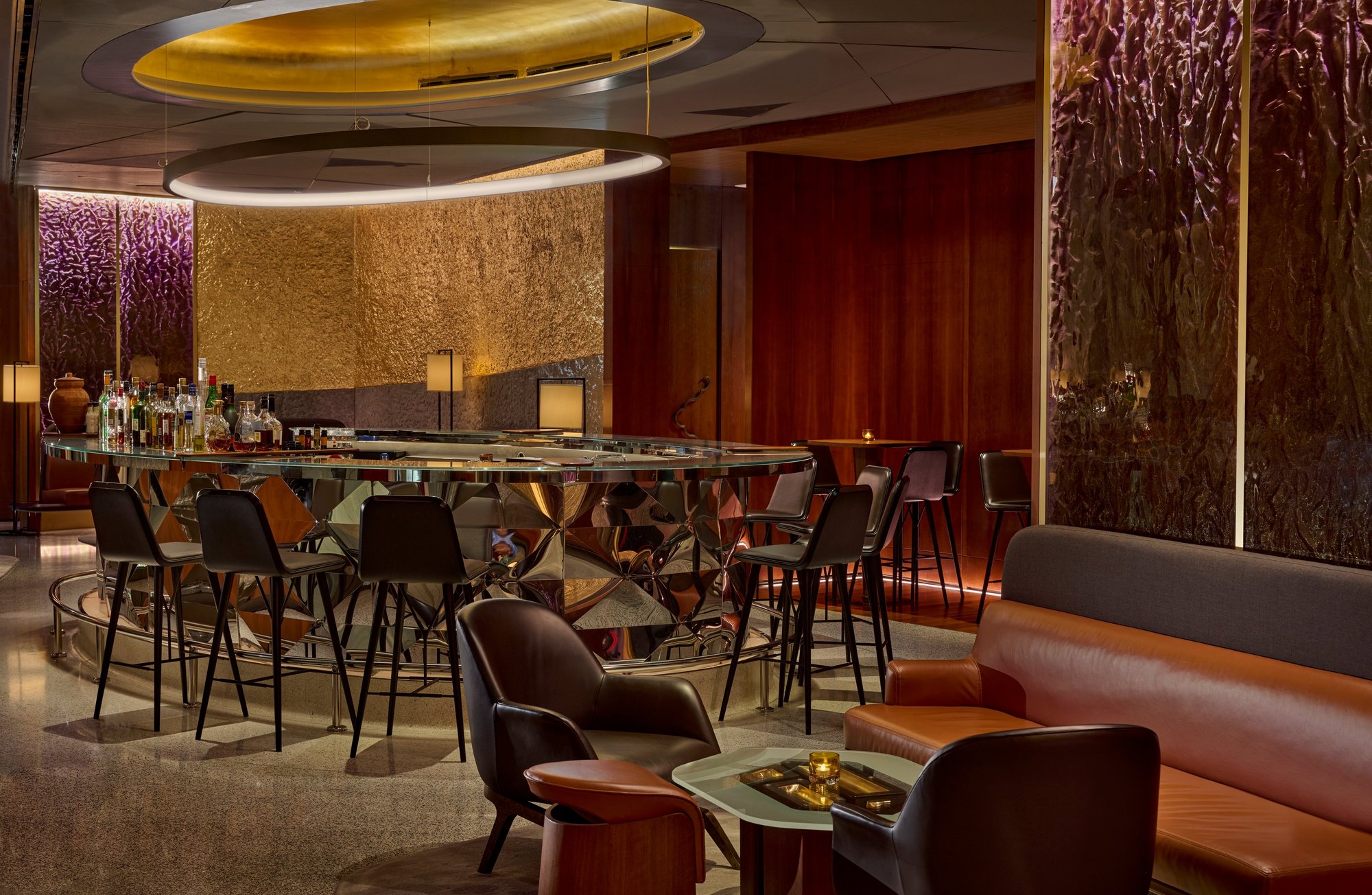
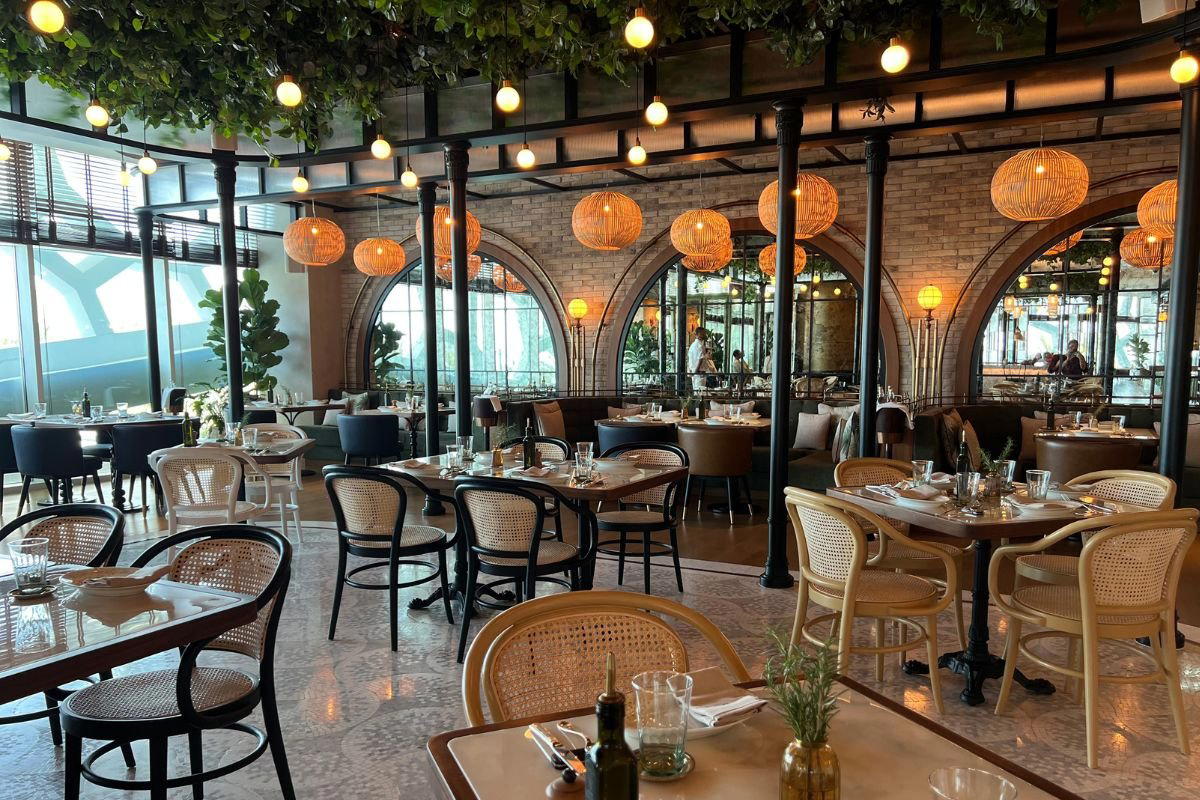 restaurantMilaAt the Rosewood Lusail, Mila delivers Mediterranean and Levantine sharing plates rooted in family recipes, filtered through a kitchen built around live-fire ovens. The courgetti wafer with feta and warm breads paired with hummus signal the kitchen's emphasis: technique applied to familiar ingredients without theatrical excess. For Doha's Lusail district, that restraint reads as a positioning statement.
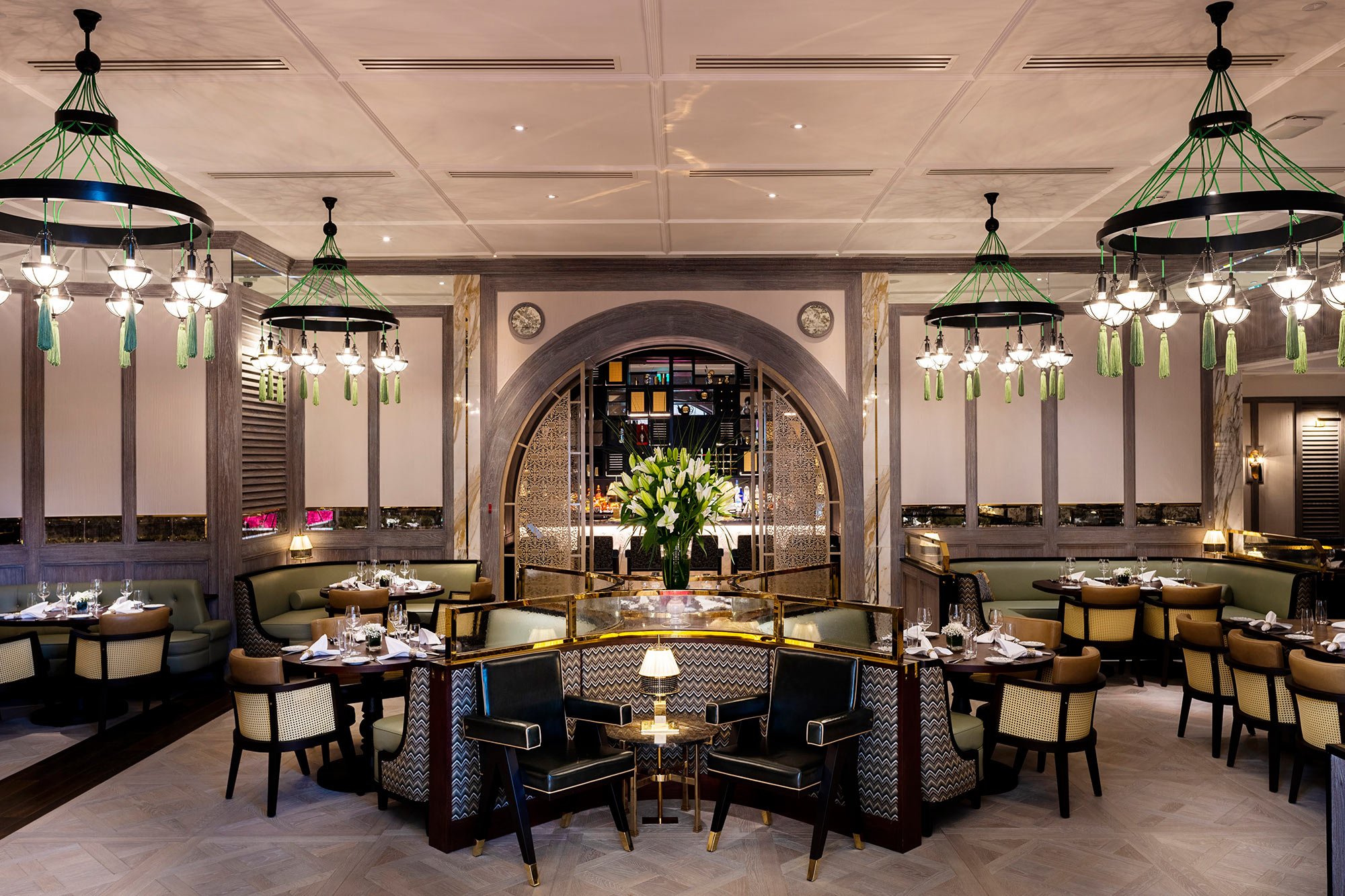
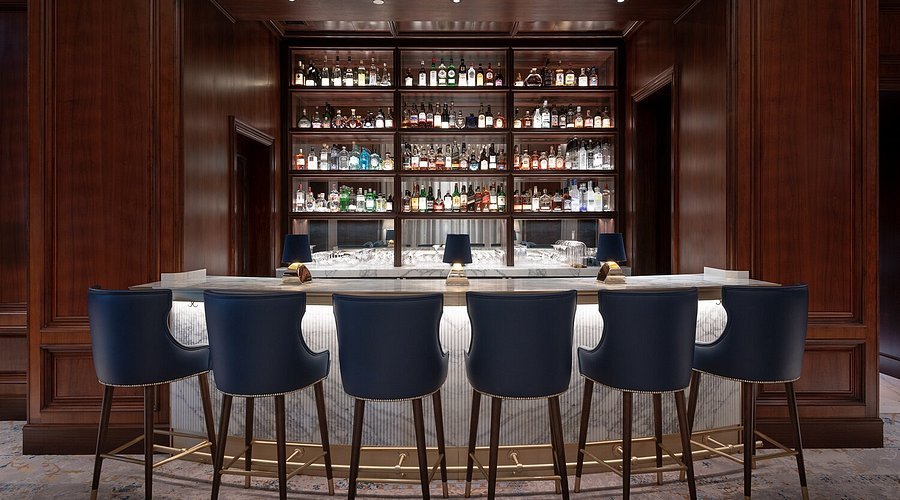
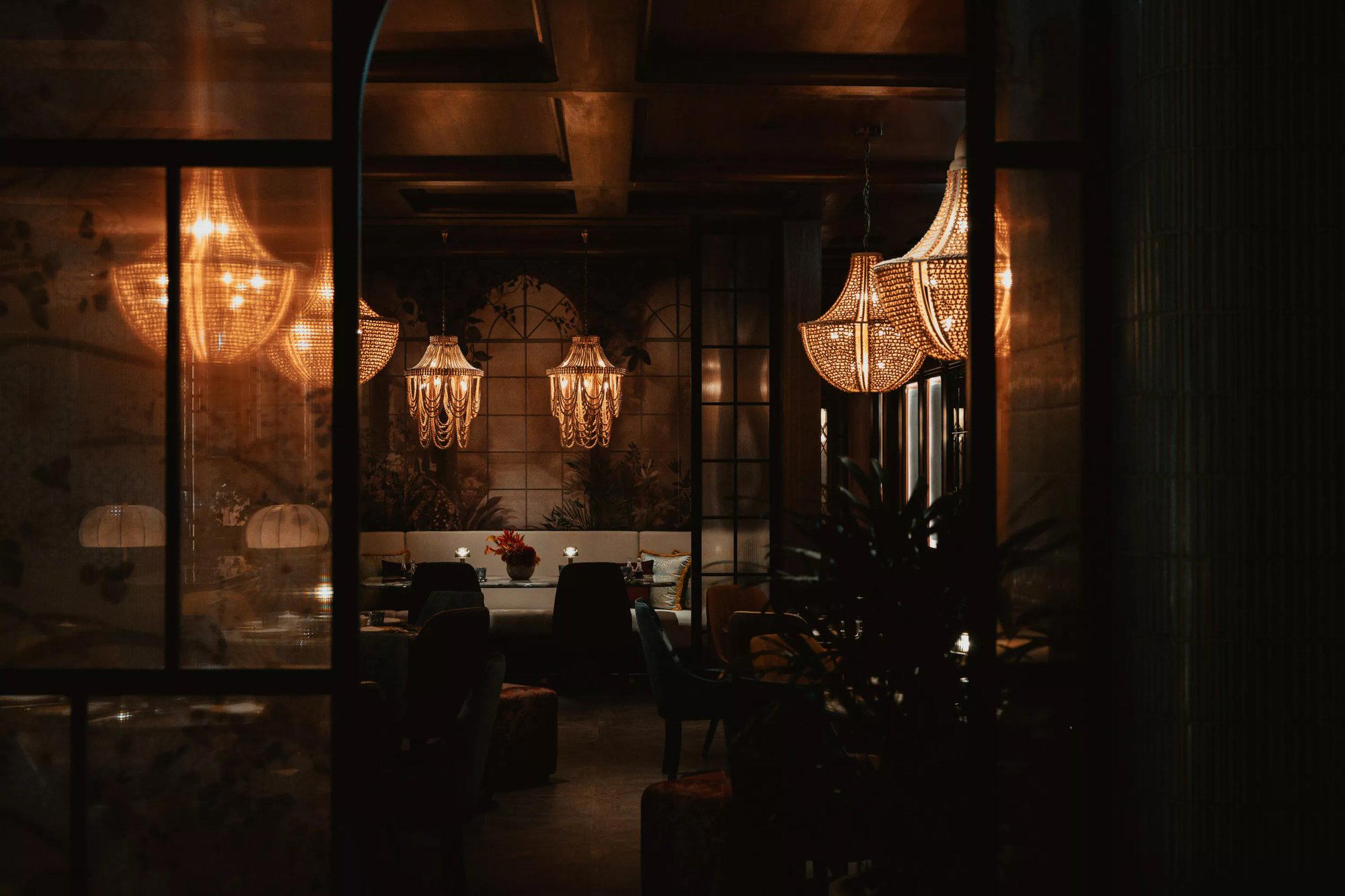 restaurantKoo MadameSet inside the Rosewood Doha in Lusail, Koo Madame is a 1920s-inspired Chinese restaurant where lacquered Beijing Duck is carved tableside, hand-pulled noodles arrive with serious technique behind them, and a curated tea selection adds an unexpected depth. Dark, atmospheric, and staffed with precision, it represents a more considered take on Chinese dining in a city still finding its footing with the cuisine.
Planning details
- Location
- First Street 69, Lusail
- Website
- rosewoodhotels.com/en/doha
- Phone
- +974 4030 3333
The take
The Take
The Vibe
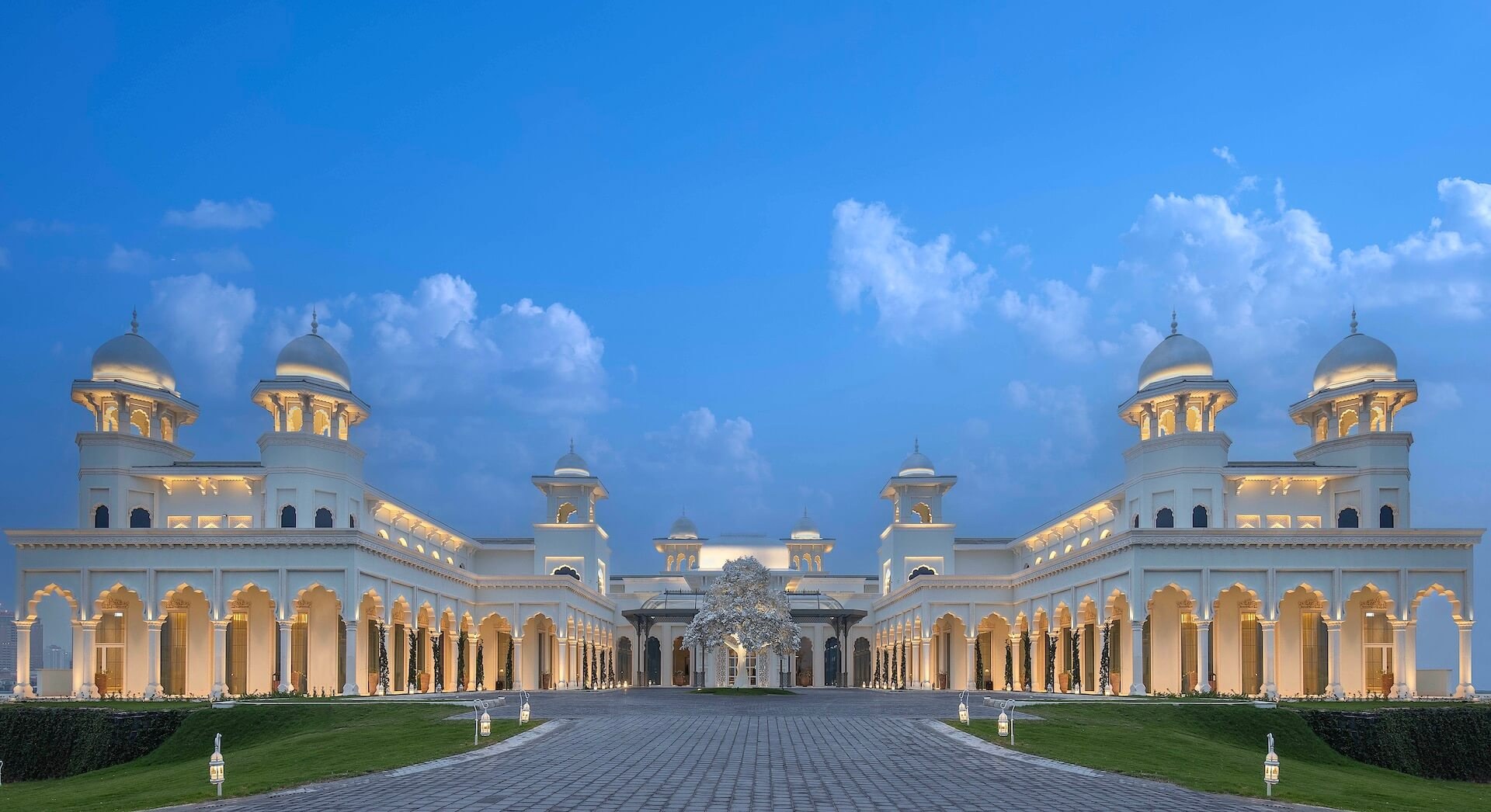
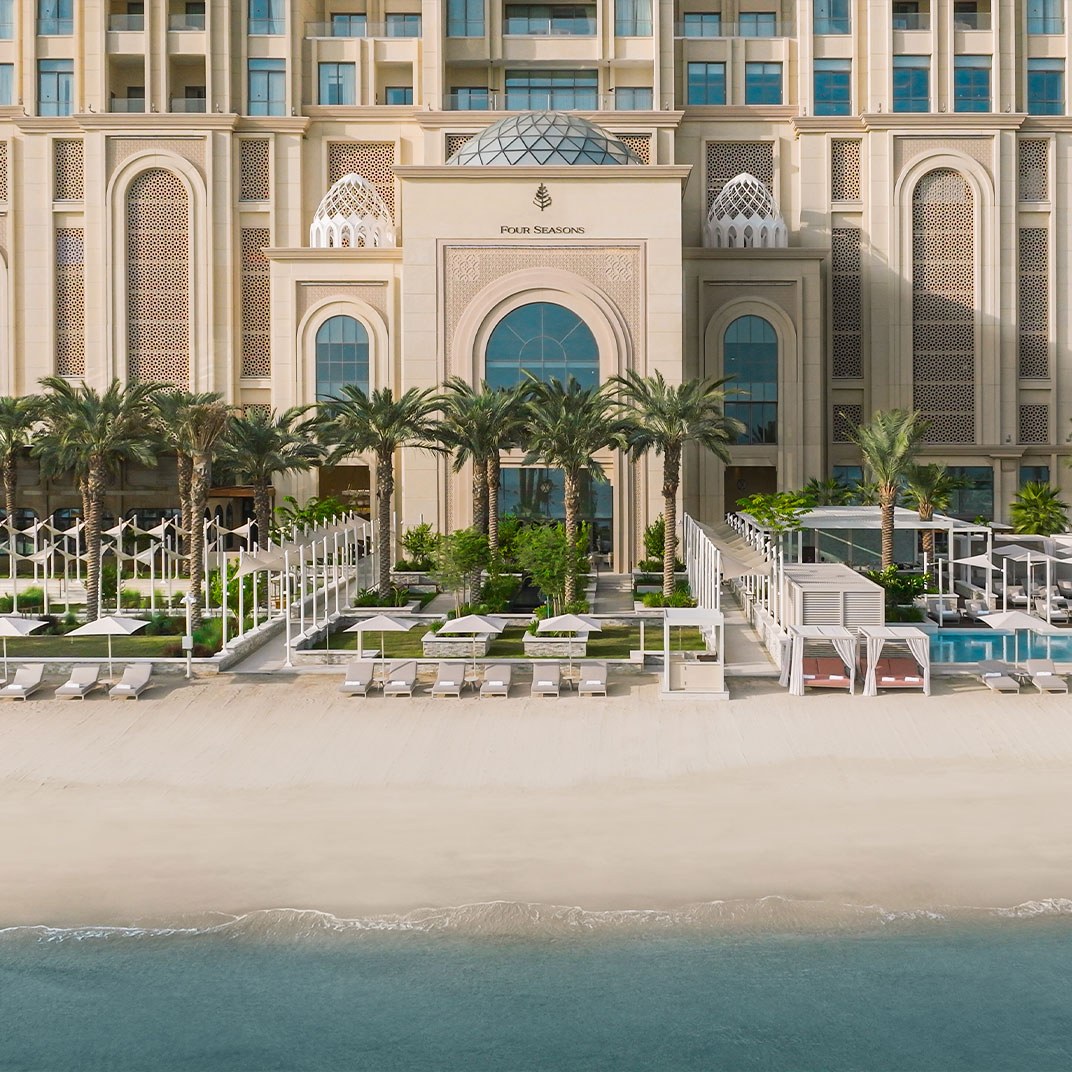
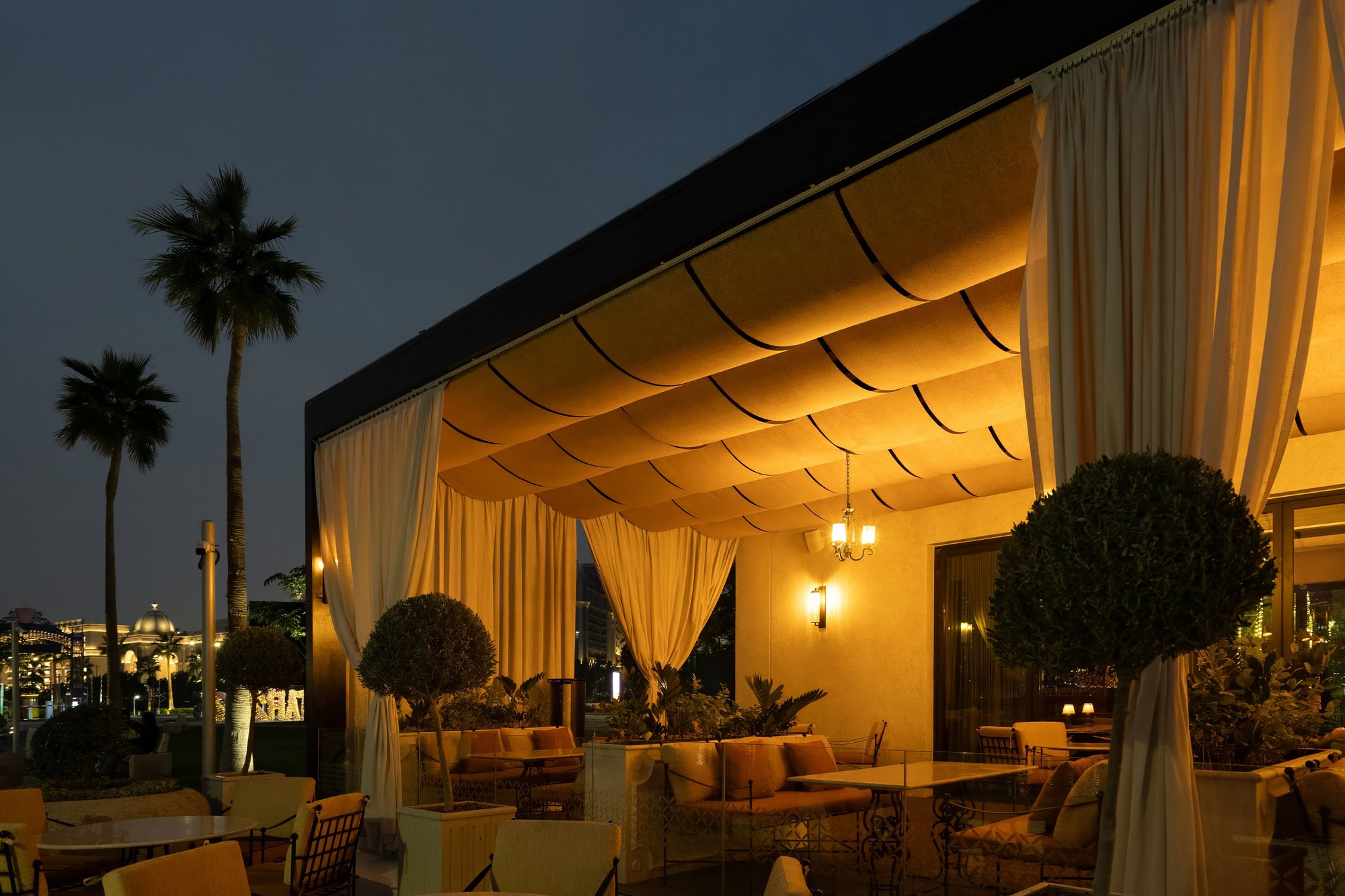
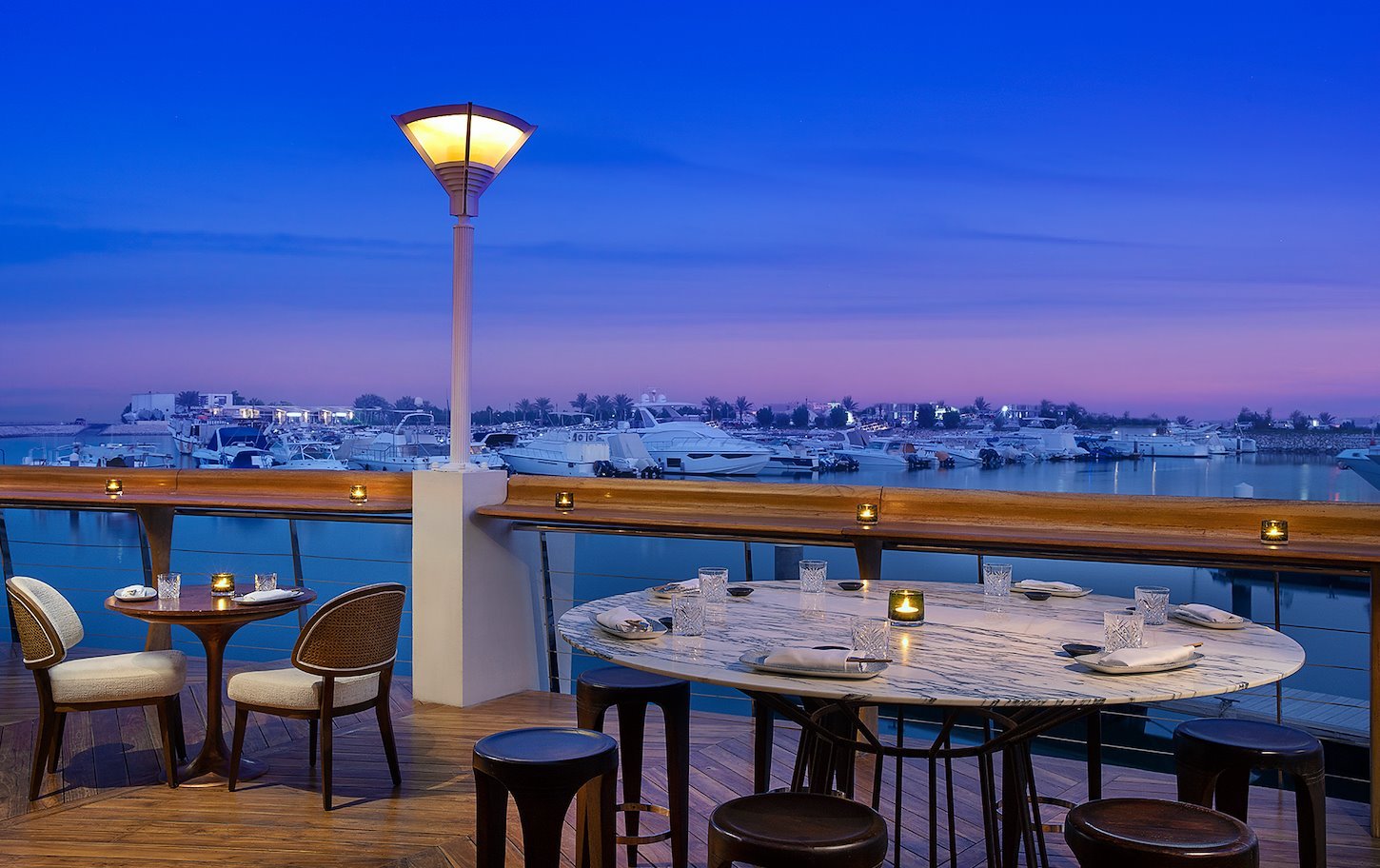
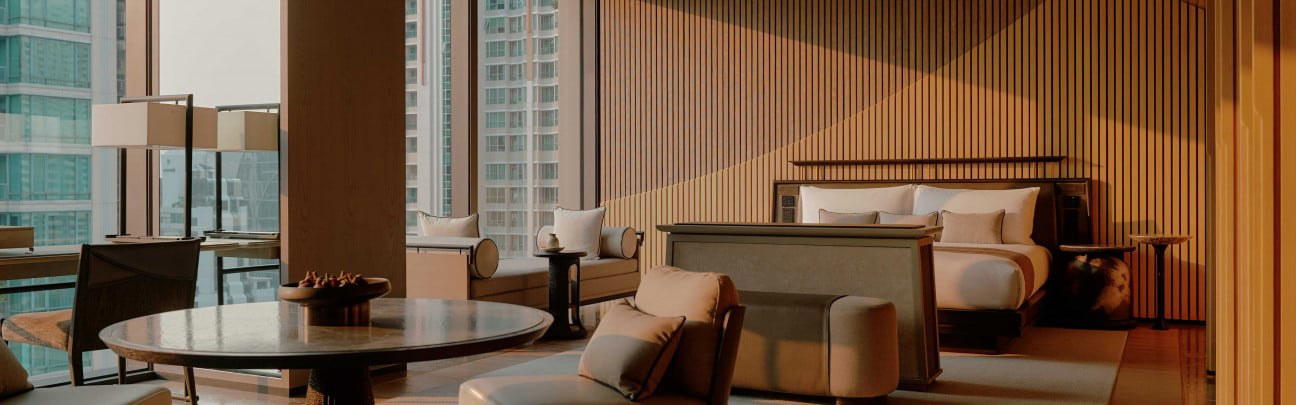
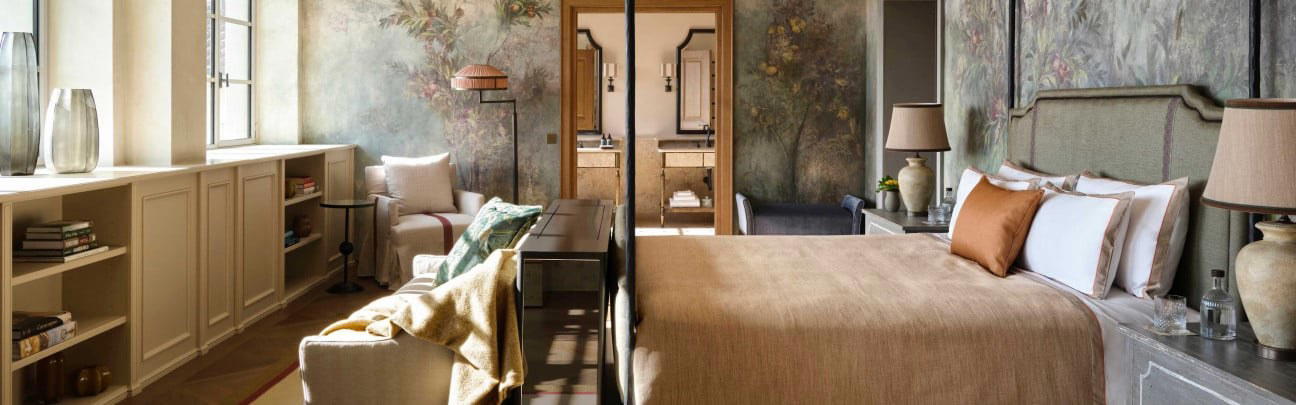
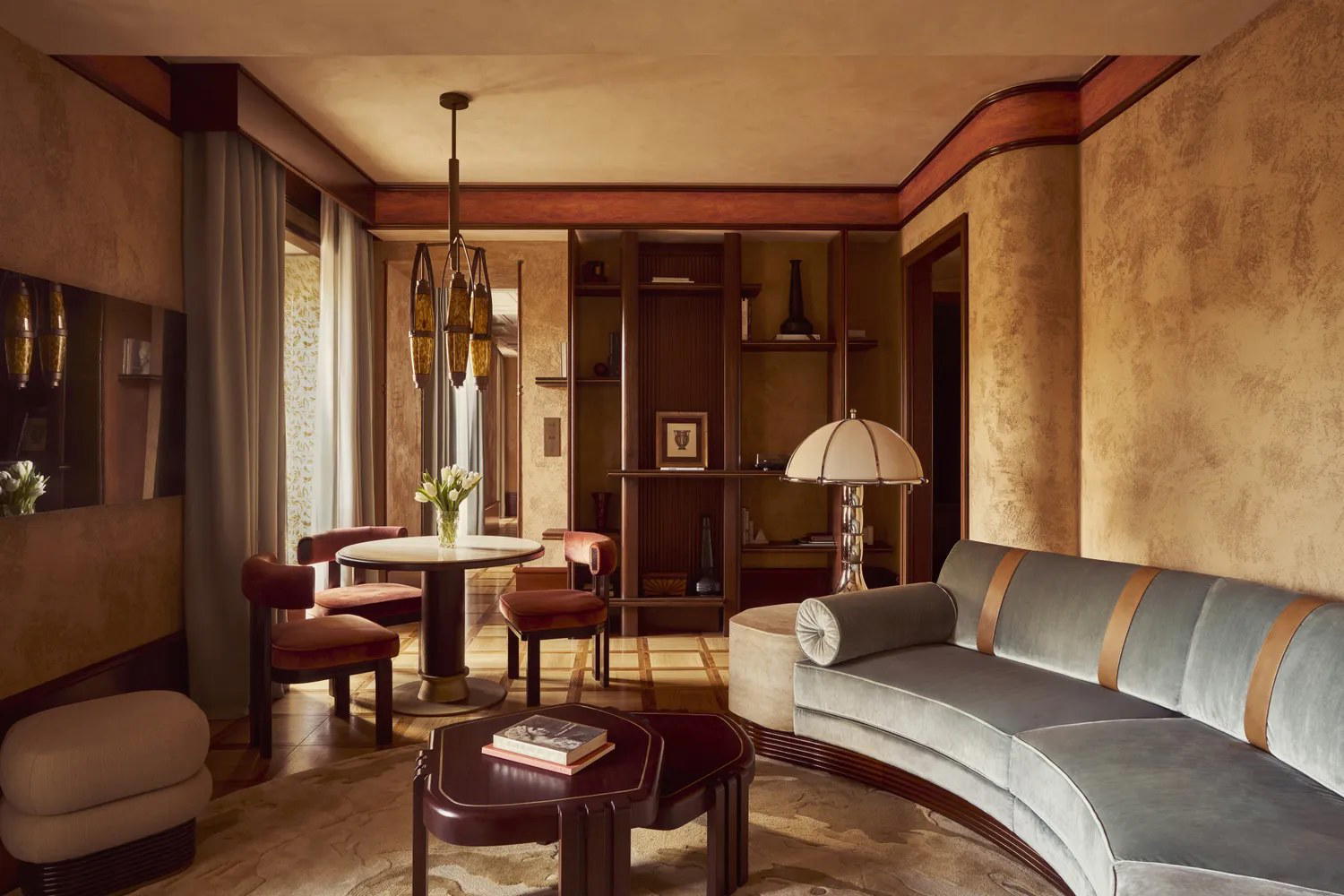
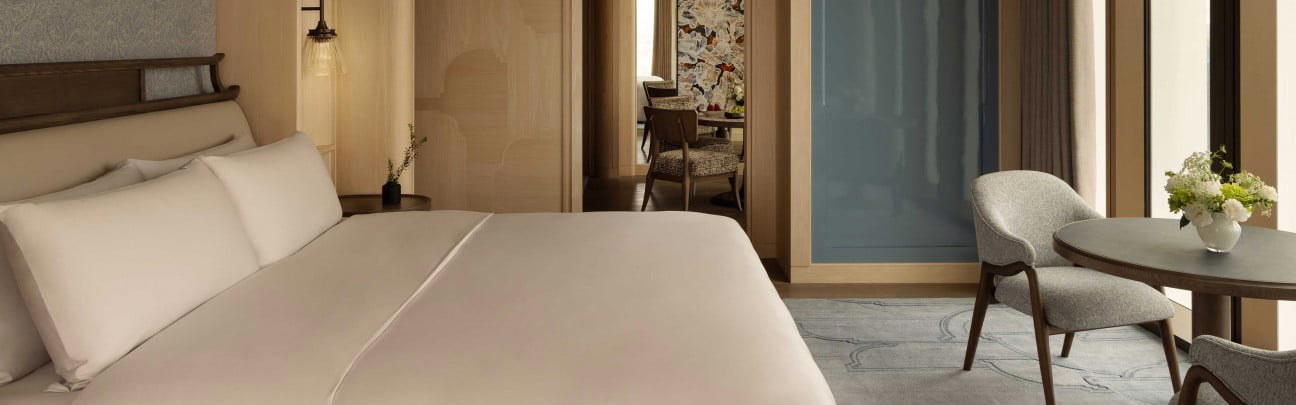
Rosewood Doha presents a design-first interpretation of Gulf luxury that feels rooted in place. The two coral-inspired towers frame the marina district, and the interiors lean on desert tones, warm stone finishes and sea-glass blues to reference both land and water. Fine details—textiles, geometric patterning and evident craftsmanship—shift the property away from the generic international template and toward a quietly considered form of elegance. Architecture and materiality are central to the experience, so guests encounter a hotel that reads as an intentional piece of the rapidly evolving Lusail waterfront.
Best For
The hotel suits travelers who value architecture and thoughtful design: couples seeking a scenic, style-forward stay, families who appreciate the range of rooms and long-stay residences, and business travelers drawn to a reputation for locally grounded luxury in a growing marina district. The property’s inventory of rooms, suites and serviced residences also makes it practical for extended stays. Design-minded guests and those visiting Lusail to explore the waterfront and new urban developments will find the hotel an apt base.
Stay Tips
When booking, request a room facing the marina or higher floors to take advantage of the property’s marina-edge location and the sculptural façade that plays with light. For longer visits consider the serviced residences mentioned in the inventory. Emphasize preferences for rooms that showcase the hotel’s material palette—warm stone and sea-glass tones—if a specific ambiance matters to you. Reserve early during busy periods in Lusail, since the hotel positions itself among the more architecturally ambitious options in the district.
Venue details
Ambiance
Tranquil and relaxing with warm attentive service, immaculate cleanliness, and sophisticated minimalist design.
Tags
Vibe
Best For
Experience
Amenities
View
Accessibility
About the Stay
- Rooms
- 317
- Property Style
- Contemporary Luxury Blending Qatari Heritage with Modern Design
- Design Style
- Elegant Minimalist with Cultural Inspirations
Know before you go
Know Before You Go
- Getting there
- First Street 69, Lusail
Planning details
Location
Recognition and awards

Also consider
Also Consider
- The Ritz-Carlton, Doha, Notable alternative
- Fairmont Doha, Notable alternative
- Raffles Doha, Notable alternative
- Grand Hyatt Doha Hotel & Villas, Notable alternative
- Mondrian Doha, Notable alternative
Hotel context
How It Compares
Rosewood Doha is the service-led, plan-ahead choice in this set. Compared with The Ritz-Carlton, Doha, it feels better suited to travelers who want a newer Lusail base rather than a familiar resort rhythm. The Ritz-Carlton is the safer pick for guests who prefer an established leisure-hotel feel; Rosewood is the sharper choice for repeat Doha visitors who want a more current luxury stay.
Fairmont Doha and Raffles Doha are the closest cross-shops for travelers focused on high-design, high-touch stays in the same broader Lusail orbit. Pick Raffles if suite-style grandeur is the priority, Fairmont if the brief is a larger luxury hotel with a strong visual identity, and Rosewood if the decision turns on staff polish and a calmer sense of control.
For easier leisure value, Grand Hyatt Doha Hotel & Villas is the more practical family and space play. Mondrian Doha is better for a bolder, more social mood. Rosewood Doha is the one to book when the trip is important enough that service quality matters more than chasing the lowest luxury rate.
Explore Doha
Around this place
Discover more on Pearl
Unlock the full Rosewood Doha guide in Pearl, including awards, comparisons, FAQs, planning details, and nearby places.
Compare Rosewood Doha
| Venue | Location | Awards |
|---|---|---|
| Rosewood Doha | Doha | 2026 Forbes 5-Star2026 Conde Nast Traveler Hot List HotelsMichelin 1 Key 20252025 Michelin 1 Key |
| The Ritz-Carlton, Doha | Doha | 2026 Forbes 4-Star2025 Michelin Selected Hotels2025 Forbes 4-Star |
| Fairmont Doha | Doha | 2026 Virtuoso Luxury Hotel Collection2026 Forbes Recommended2026 La Liste Top Hotels2025 Michelin 1 Key2025 Forbes Recommended |
| Raffles Doha | Doha | 100 Most Incredible Hotels in the World · 20262026 Virtuoso Luxury Hotel Collection2026 Forbes 5-StarConde Nast Gold List 20262026 La Liste Top HotelsWorld Travel Awards 2025 · #12025 Michelin 2 Keys2025 Forbes 5-Star |
| Grand Hyatt Doha Hotel & Villas | Doha | No published awards |
| Mondrian Doha | Doha | 100 Most Incredible Hotels in the World · 20262026 Forbes 4-Star2026 Michelin Guide New Hotels2026 La Liste Top Hotels2025 Michelin Selected Hotels2025 Forbes 4-Star |








How Rosewood Doha compares with similar nearby venues.
FAQ
Frequently Asked Questions
Which room category is best at Rosewood Doha?
Room categories, layouts, views, or upgrade value are not specified. Choose based on current availability, budget, and the room details shown at the time of booking. The Michelin 1 Key, Forbes 5-Star, and Condé Nast Hot List Hotels recognition supports Rosewood Doha as a recognized option, but there is no specific room recommendation.
How is the pool and spa at Rosewood Doha?
Pool or spa details are not available. If those facilities are important, check the hotel's current information before booking. For comparison within Doha, you can also review Grand Hyatt Doha Hotel & Villas or Fairmont Doha.
Is Rosewood Doha good for business travel?
Rosewood Doha can be considered for business travel if a Doha hotel with Michelin 1 Key, Forbes 5-Star, and Condé Nast Hot List Hotels recognition fits the trip. Meeting facilities, office amenities, transport timing, or a specific business district location are not confirmed. For another Doha comparison, Mondrian Doha may also be worth checking.