

Castelbrac
Dinard
Hotel in Dinard, France
 Book with Pearl
The Read
Museum-to-Hotel Conversion
Why go
Castelbrac is worth prioritizing for a polished Dinard celebration stay, especially if the hotel itself is part of the occasion. Michelin 2 Keys and additional hotel recognition give it a stronger trust signal than a standard coastal booking, but availability is tight, so plan early and compare nearby alternatives before locking dates.
About Castelbrac
For a trip to Dinard, Castelbrac is best framed as a hotel choice with strong recognition. Its recognition includes Michelin 2 Keys in 2024, Gault & Millau Exceptional Hotel recognition in 2025 with 5pts, and the Mr & Mrs Smith Seal of Approval in 2026.
That makes the hotel a fit for travelers who want third-party credentials to matter in the booking decision. The dress code is smart casual.
Book it for the recognized Dinard stay, not for a bargain hunt
The value case here comes from confidence, not discount logic. Michelin 2 Keys, Gault & Millau Exceptional Hotel recognition, and the Mr & Mrs Smith Seal of Approval make Castelbrac a credentialed hotel choice in Dinard. For a special stay, that kind of third-party recognition can help justify planning around the property.
Details like pricing, room categories, availability patterns, or service schedules are best confirmed directly. It's best to treat Castelbrac as a hotel to confirm directly before building the rest of the trip around it. If dates, room type, or occasion-specific needs matter, confirm those details with the property before committing.
The stay works when the hotel is part of the occasion
Castelbrac makes the most sense when the hotel itself is part of the itinerary. The choice of hotel can shape the feel of the trip, especially for travelers who want a settled base rather than a stopover. Guests comparing styles may also want to look at Emeria Dinard or Hôtel Barrière Le Grand Hôtel.
For a first Dinard trip, this is a high-conviction choice if recognition is part of what matters to you. For a return visit, it is better suited to travelers who already know they want to stay in Dinard and prefer a more deliberate hotel choice. If the hotel is only a place to sleep, compare alternatives before centering the trip on Castelbrac.
Who should choose a peer instead
Choose Villa Haute Guais if you are comparing a different style of stay. Consider Emeria Dinard, Hôtel Barrière Le Grand Hôtel, Le Grand Hôtel des Thermes, Les Charmettes, or Villa Haute Guais if you want to weigh Castelbrac against other options. Use a broader hotel comparison to compare the wider set, then pair the stay with our full Dinard restaurants guide if the trip needs more structure.
Inside Castelbrac
Planning details
- Location
- 17 Av. George V, 35800 Dinard
- Website
- castelbrac.com
- Phone
- +33 2 99 80 30 00
The take
The Take
The Vibe
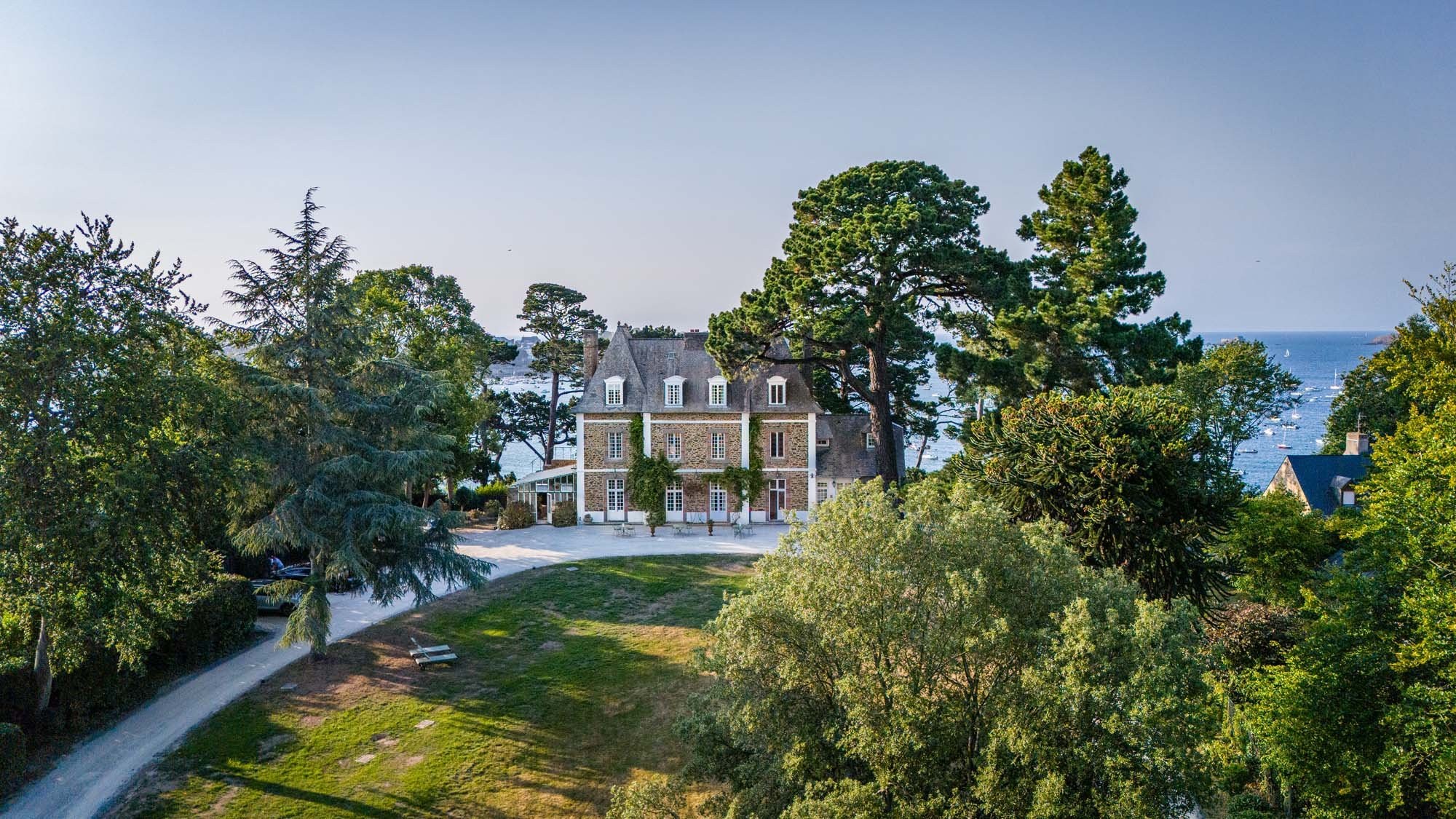
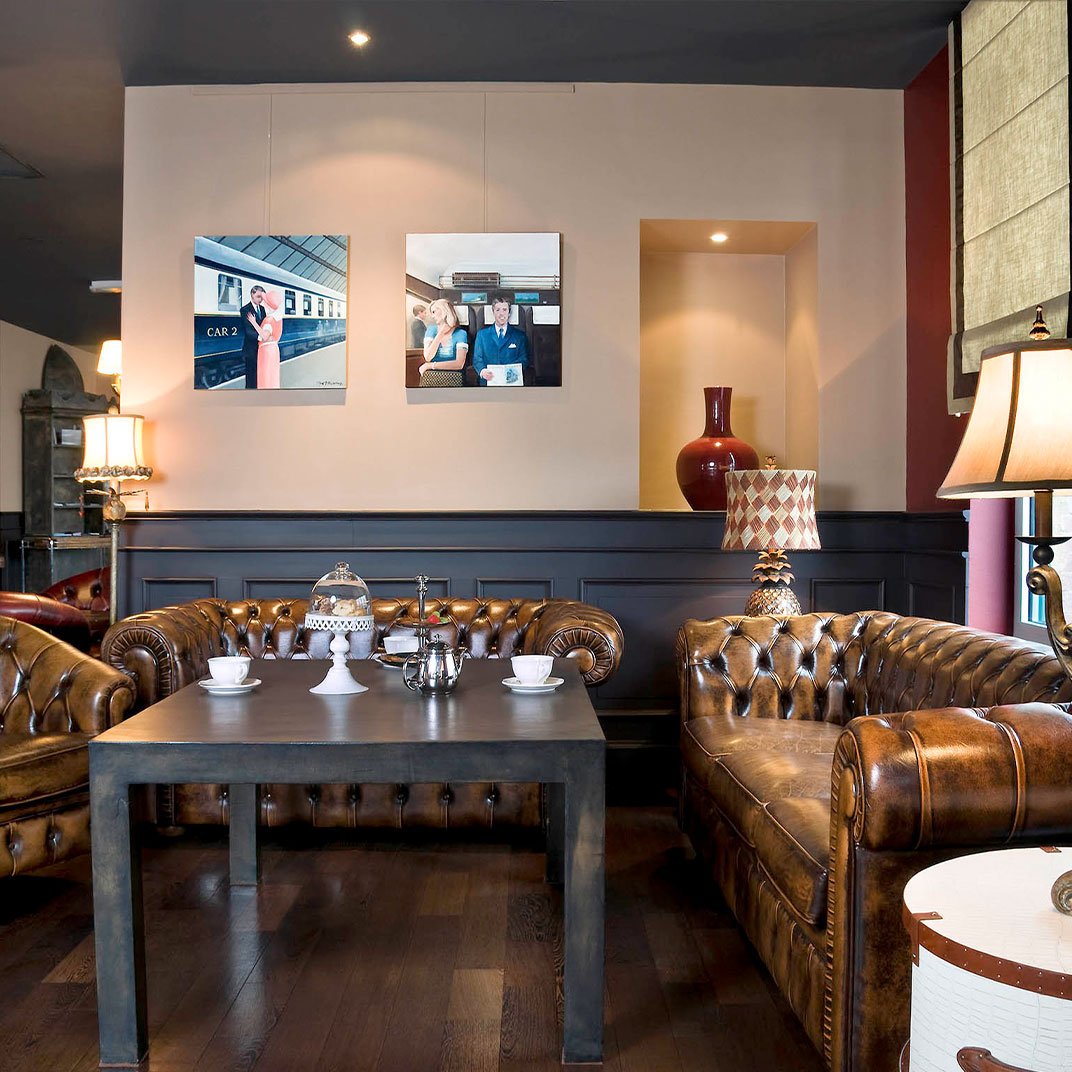
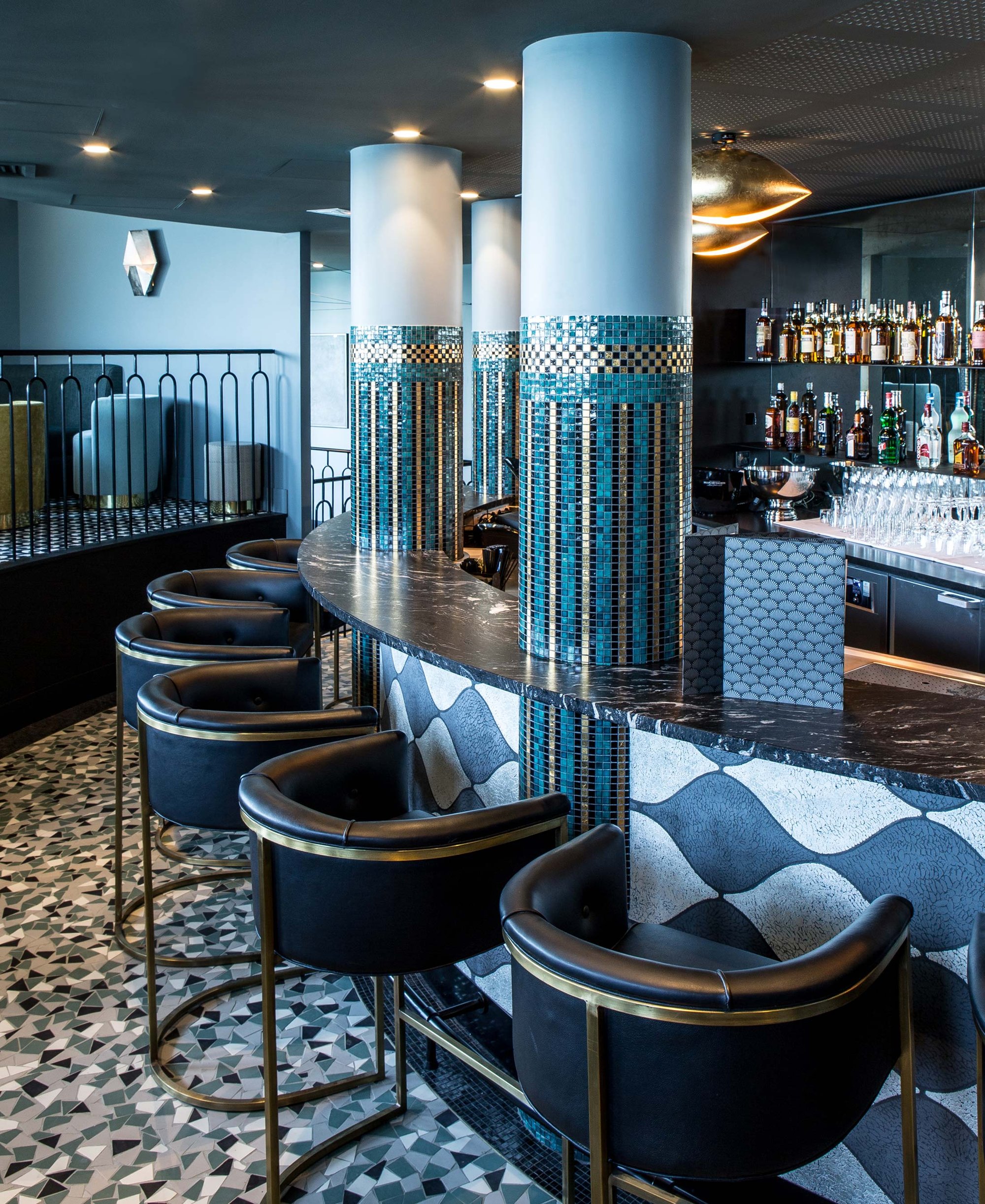
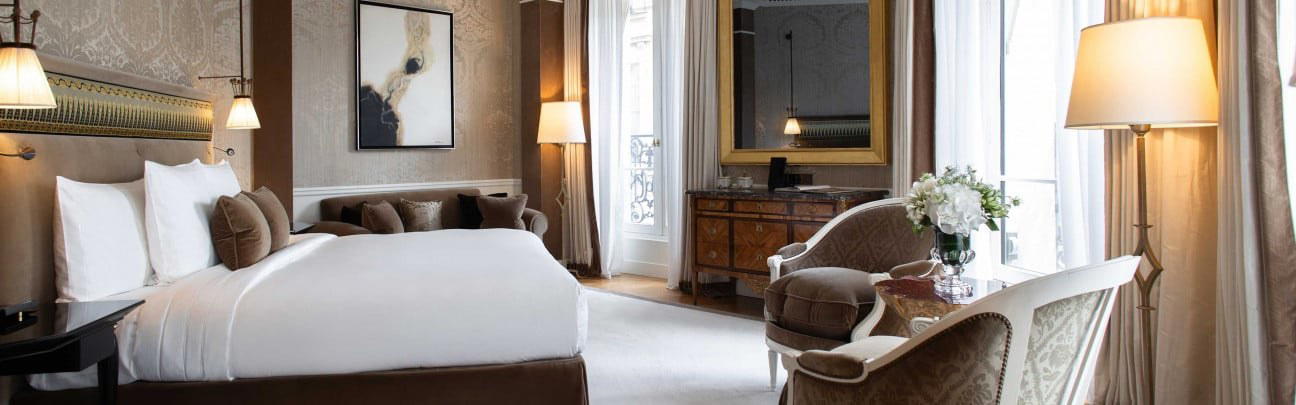
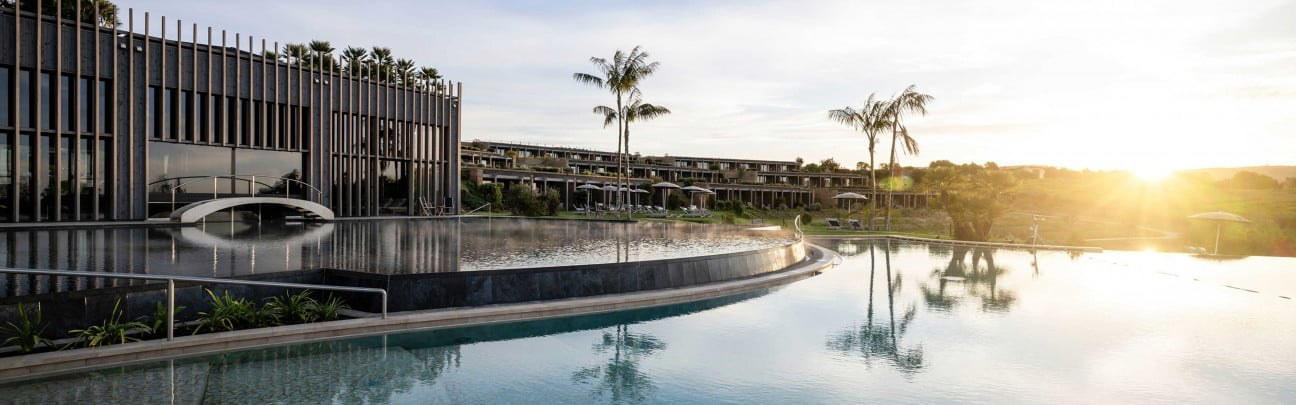
Castelbrac reads like a thoughtfully repurposed institution: a former national museum refitted with contemporary interventions while keeping Art Deco bones visible. The hotel carries architectural gravity rather than merely adopting period ornamentation; its presence on Dinard’s promenade sits comfortably among Belle Époque villas and grand beachfront properties. Coastal light and the Atlantic’s shifting palette are ever-present, so interiors and terraces feel keyed to the sea. The overall effect is refined and measured — heritage weight meets modern design — producing a quietly authoritative coastal hotel that privileges craft, history and a perceptible link to place.
Best For
Castelbrac suits travelers who prize history, design and the seaside in equal measure. Couples and honeymooners find a naturally romantic setting amid Belle Époque facades and Atlantic views, while weekend visitors appreciate easy access to Dinard’s beaches and the town’s promenade. Design-minded guests and cultural travelers will enjoy the building’s museum lineage and the adaptive-reuse story that informs the hotel’s aesthetic. The property also appeals to anyone seeking a composed, sophisticated coastal base from which to explore northern Brittany’s architecture and shoreline.
Stay Tips
When booking, prioritize rooms or suites that reference the Atlantic and promenade to make the most of the property’s waterfront setting — the description repeatedly notes water and beachfront context. Allow time on arrival for a walk along Dinard’s promenade and the town’s parade of Belle Époque villas to appreciate the hotel’s architectural neighbors and social history. Take note of the hotel’s recent distinctions (Michelin recognition and Gault & Millau designation) as an indicator of its curated approach to hospitality and design when comparing room categories or packages.
Venue details
Ambiance
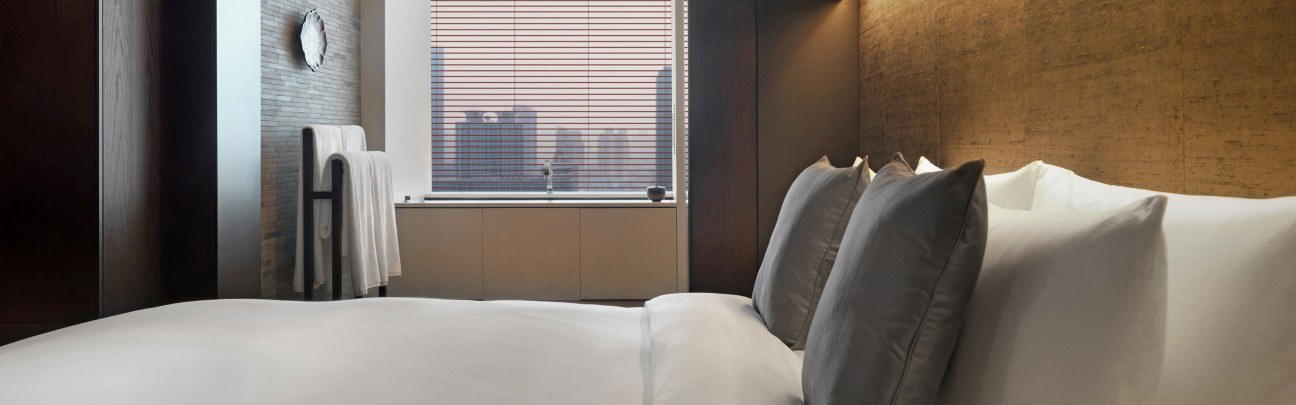
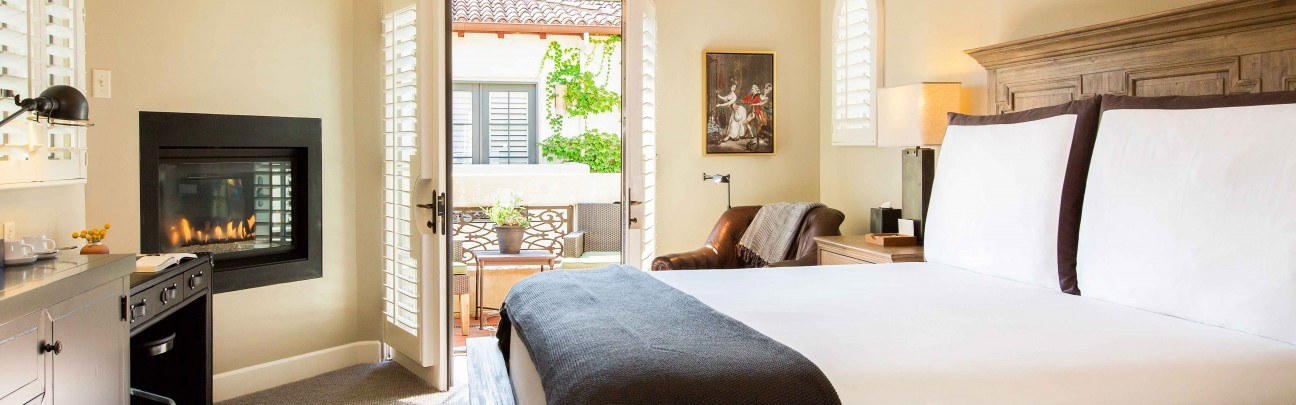
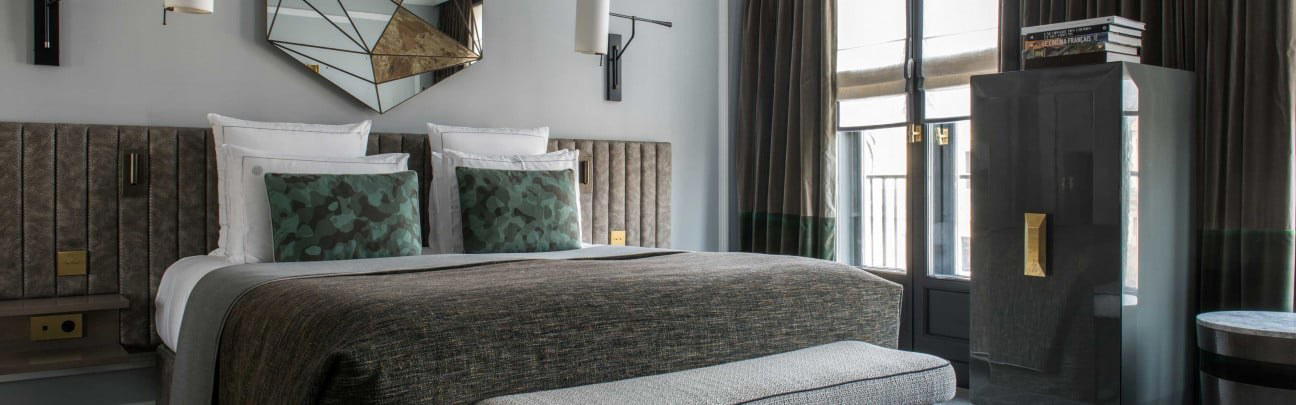
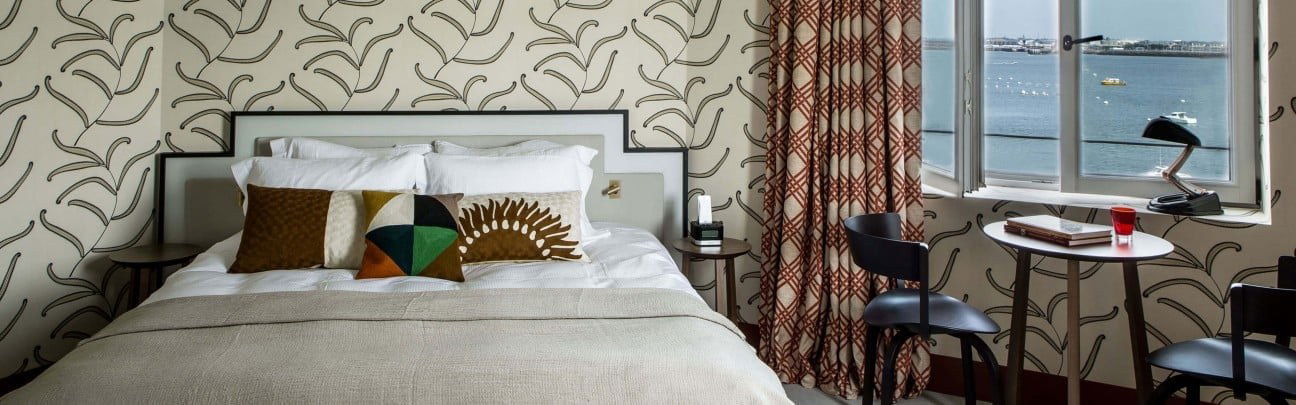
Refined and serene with bright, spacious rooms featuring eclectic design, sea views, and a tranquil atmosphere praised for its calm and intimate setting.
Tags
Vibe
Best For
Experience
Amenities
View
Accessibility
About the Stay
- Rooms
- 24
- Property Style
- Historic Art Deco Boutique Hotel with Contemporary Refinements
- Design Style
- Art Deco Reinvented with Eclectic, Bright, and Sophisticated Interiors
Know before you go
Know Before You Go
- Getting there
- 17 Av. George V, 35800 Dinard
Planning details
Location
Recognition and awards

Also consider
Also Consider
- Hôtel Barrière Le Grand Hôtel, Notable alternative
- Villa Haute Guais, Notable alternative
- Emeria Dinard, Notable alternative
- Le Grand Hôtel des Thermes, Notable alternative
- Les Charmettes, Notable alternative
Hotel context
How Castelbrac compares in Dinard
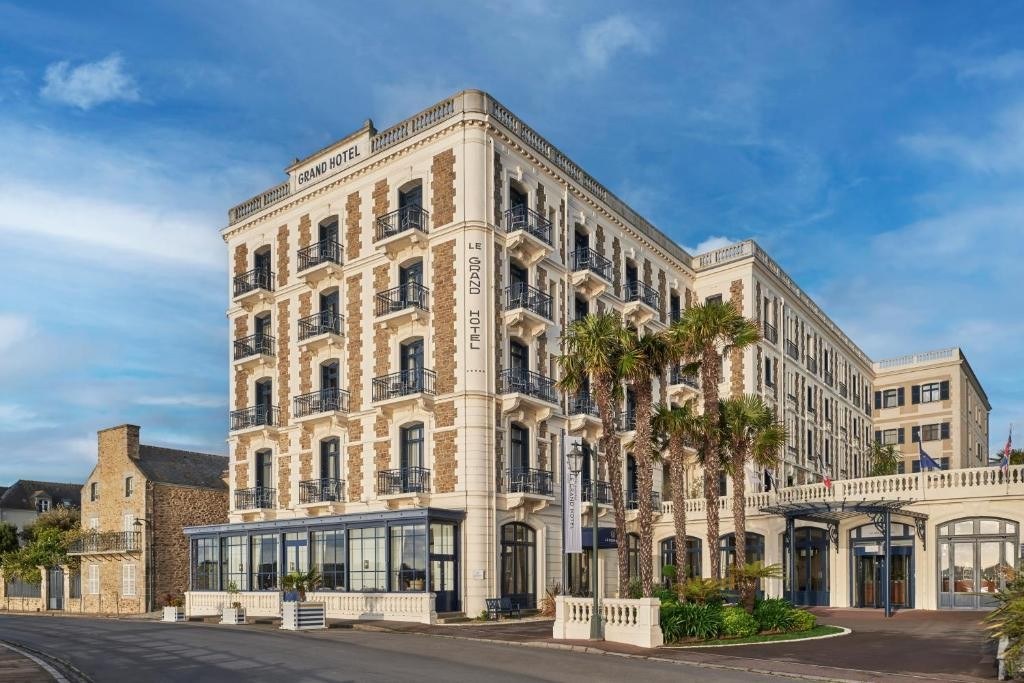
Choose Castelbrac if the stay is a celebration and hotel recognition matters. Against Hôtel Barrière Le Grand Hôtel, it reads as the more intimate high-occasion choice, while Barrière is the safer pick for travelers who prefer a classic grand-hotel setup and a more familiar resort-hotel feel.
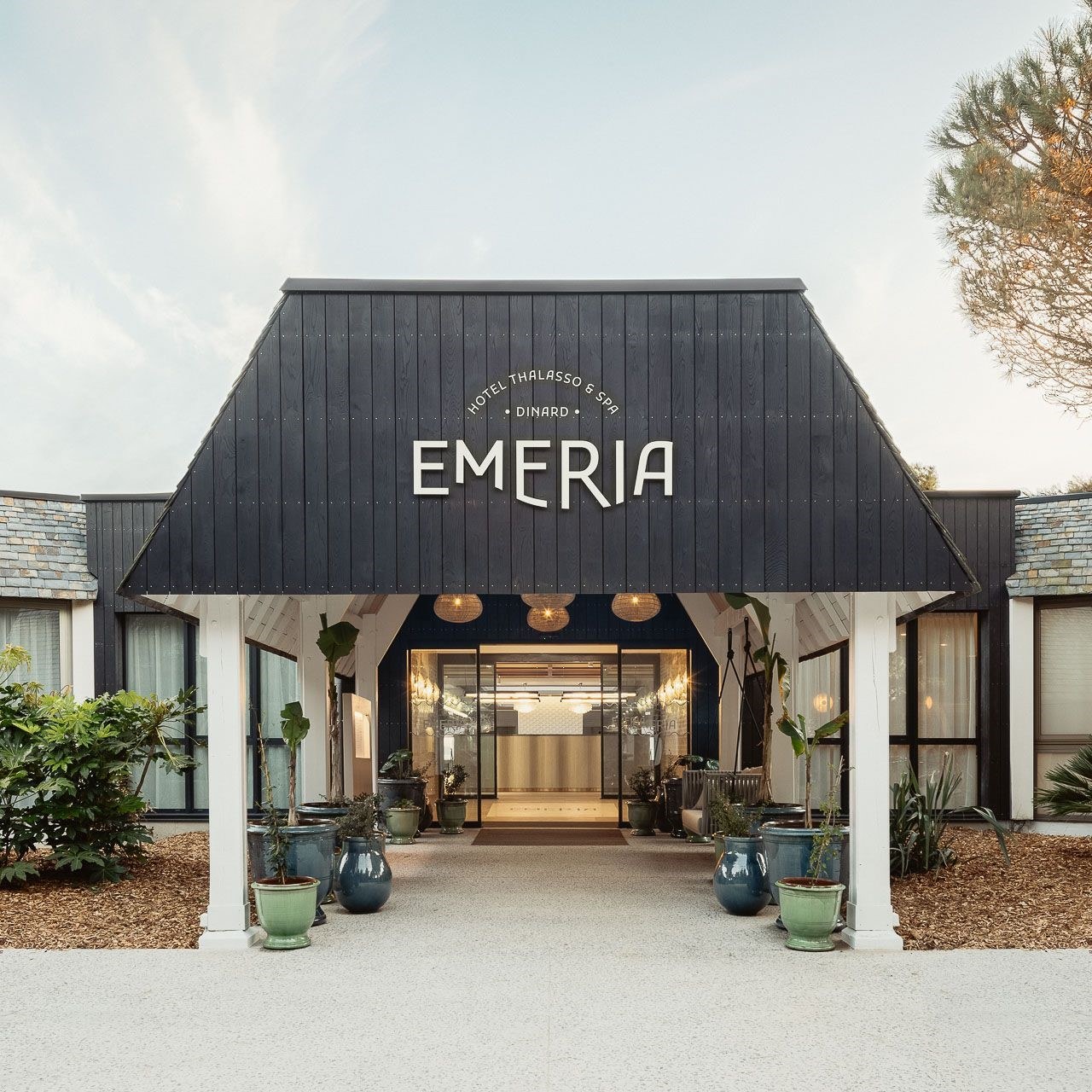
Villa Haute Guais is the better cross-shop for guests who want a quieter, more private mood and are less focused on formal hotel accolades. Emeria Dinard is the more practical comparison for travelers prioritizing wellness facilities and a broader resort rhythm over a tightly edited special-occasion stay.
If Castelbrac is unavailable, widen the search to Le Grand Hôtel des Thermes for a larger destination-hotel feel or Les Charmettes for a simpler coastal alternative. For value, the right move is not chasing the lowest rate; it is matching the hotel's mood to the trip so the room spend supports the reason for going.
Explore Dinard
Around this place
Discover more on Pearl
Unlock the full Castelbrac guide in Pearl, including awards, comparisons, FAQs, planning details, and nearby places.
Compare Castelbrac
| Venue | Location | Awards |
|---|---|---|
| Castelbrac | Dinard | 2026 Mr & Mrs Smith Luxury HotelsMichelin 2 Keys 20252025 Michelin 2 Keys2025 Gault & Millau Exceptional Hotel2024 Michelin 2 Keys |
| Hôtel Barrière Le Grand Hôtel | Dinard | 2026 Virtuoso Luxury Hotel Collection2025 Michelin Selected Hotels2025 Gault & Millau Exceptional Hotel2025 Forbes 4-Star |
| Villa Haute Guais | Dinard | 2025 Michelin 1 Key |
| Emeria Dinard | Dinard | No published awards |
| Le Grand Hôtel des Thermes | Saint Malo | 2025 Michelin Selected Hotels2025 Gault & Millau Exceptional Hotel |
| Les Charmettes | Saint Malo | No published awards |




How Castelbrac Dinard compares with similar nearby venues.
FAQ
Frequently Asked Questions
Which room category is best at Castelbrac?
How is the location of Castelbrac?
Castelbrac is in Dinard. It suits guests who want their hotel to anchor a Dinard stay, and its Michelin 2 Keys recognition supports its positioning as a credentialed hotel choice.
When is the best time to book Castelbrac?
Book once your dates are firm and confirm availability directly with the hotel. Recognition from Michelin 2 Keys, Gault & Millau Exceptional Hotel 2025 with 5pts, and Mr & Mrs Smith Seal of Approval 2026 gives Castelbrac strong credentials.
How does Castelbrac compare to other hotels?
Castelbrac makes a strong case for a recognition-led Dinard stay. Travelers comparing alternatives can also look at Villa Haute Guais, Le Grand Hôtel des Thermes, Hôtel Barrière Le Grand Hôtel, Emeria Dinard, and Les Charmettes, depending on the style of stay they prefer.