

Dwarika’s Sanctuary
Dhulikhel
Hotel in Dhulikhel, Nepal
 Book with Pearl
The Read
Newar-Rooted Wellness Retreat
Why go
Book Dwarika's Sanctuary if the trip is built around a Dhulikhel retreat rather than Kathmandu convenience. Its Michelin 1 Key and Virtuoso Luxury Hotel Partner recognition make it a credible luxury choice, but suite-level spend only makes sense if extra room time and privacy are central to the stay.
About Dwarika’s Sanctuary
Dwarika's Sanctuary is a Dhulikhel stay to consider when the trip is built around the property and its confirmed recognition. The property is in Dhulikhel, the dress code is smart casual, and it carries confirmed recognition as a Michelin 1 Key hotel in 2025 and a Virtuoso Luxury Hotel Partner in 2026.
The decision should be based on those points. If you are comparing other Nepal stays, Aloft Kathmandu Thamel, The Dwarika's Hotel, The Happy House, The Terraces Resort and Spa, and Varnabas Museum Hotel are useful reference points for different trip styles.
Choose it for a Dhulikhel stay with confirmed recognition
The strongest reason to choose Dwarika's Sanctuary is the hotel's recognition profile: Michelin 1 Key in 2025 and Virtuoso Luxury Hotel Partner status in 2026. Those signals make it more clearly documented than a generic Dhulikhel stay.
Dwarika's Sanctuary is in Dhulikhel, and the dress code is smart casual. Use our full Dhulikhel hotels guide if the goal is to compare stays in Dhulikhel, and compare other Dhulikhel dining, bars, and experiences generically if the length of stay depends on what is available beyond the hotel.
Upgrade decisions should be based on current official details
Details regarding room-category pricing, room inventory, or inclusions are not available. The sensible rule is simple: pay more only after confirming the current room details directly through official channels. Do not assume specific suite features, services, views, or benefits from this guide alone.
Travelers should also compare this against Nepal stays that solve different trip needs. The Happy House, The Terraces Resort and Spa, Varnabas Museum Hotel, The Dwarika's Hotel, and Aloft Kathmandu Thamel are natural reference points depending on the style of stay being considered. Dwarika's Sanctuary is the better fit when the confirmed recognition and Dhulikhel setting are central to the decision.
Quick reference: Book for a Dhulikhel stay with confirmed Michelin 1 Key and Virtuoso recognition; verify rooms, facilities, dining, and services directly before making plans around them.
Planning details
- Location
- Resort Marg, Dhulikhel 45200
- Website
- dwarikas.com/dwarikassanctuary
- Phone
- +977 11-490612
The take
The Take
The Vibe
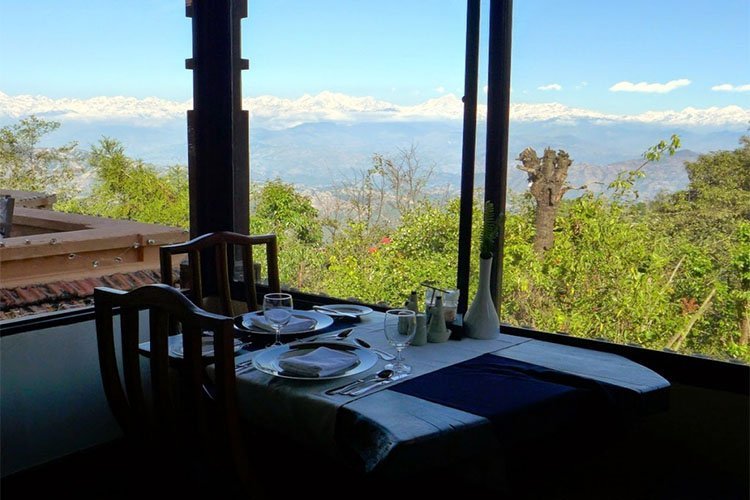
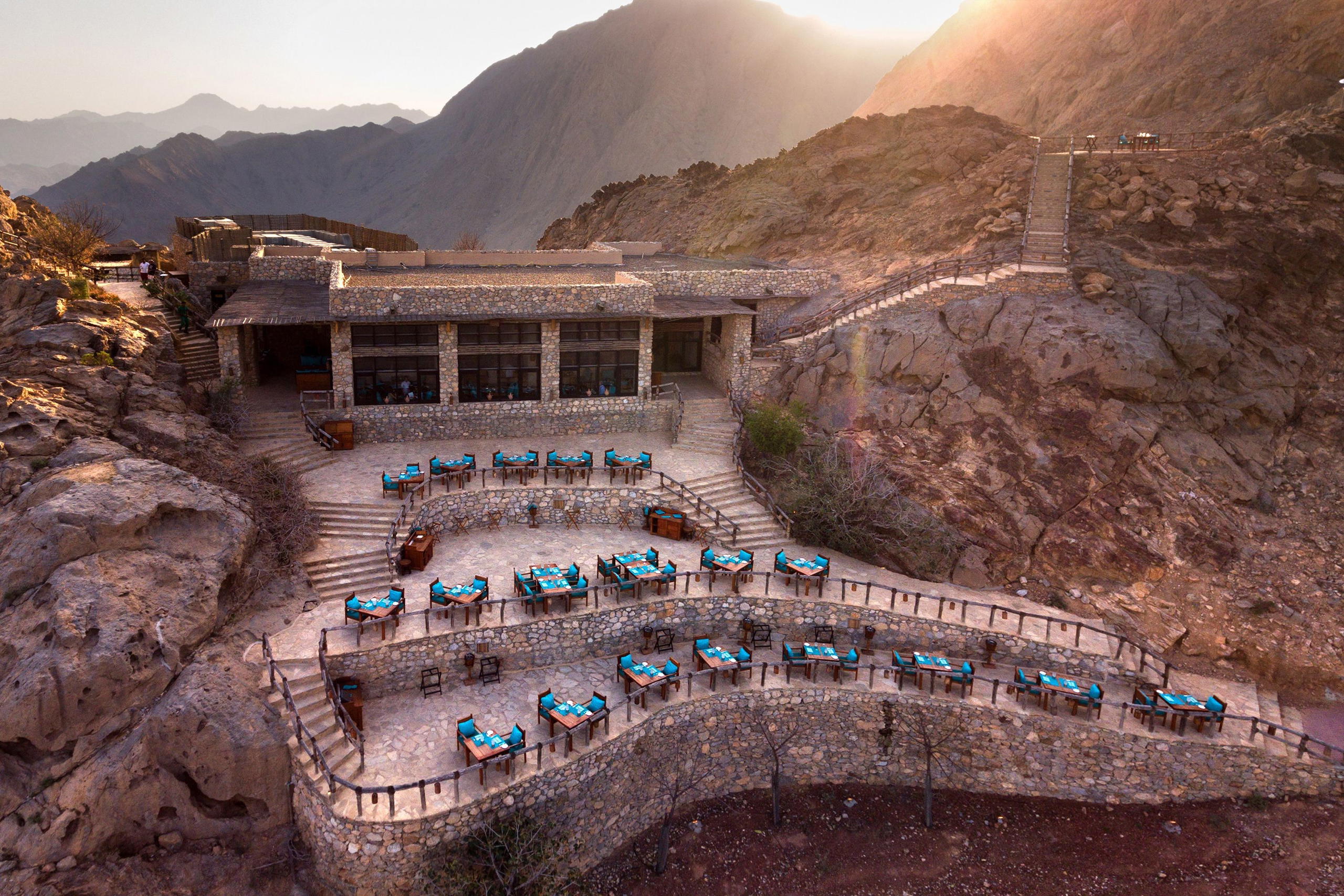
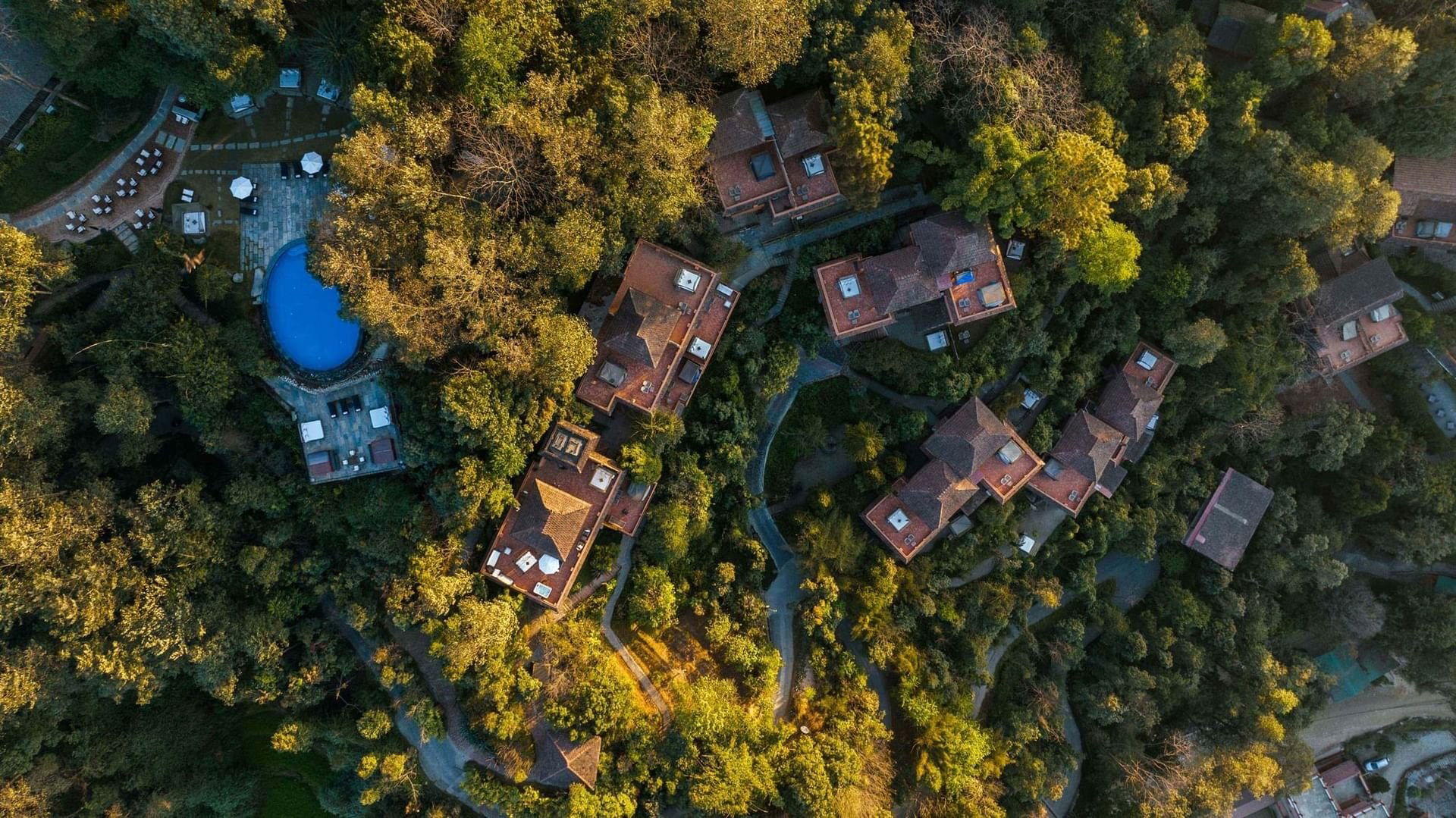
Dwarika’s Sanctuary reads like a purpose-built retreat that lets the Himalayas set the tone. The architecture channels Newar craft traditions and uses local stone and earth to root the property in place, while its forested hillside location frames sweeping mountain panoramas. The result is quietly refined rather than flashy: design choices emphasize materiality and a sense of calm borrowed from the landscape. Guests experience a composed, contemplative atmosphere where views and vernacular detail dominate the mood, making the hotel feel less like a conventional resort and more like an intentional sanctuary in the mountains.
Best For
The property is best suited to travelers seeking slow, immersive stays rather than a trekking base. With 40 rooms and programming geared toward longer visits, the resort appeals to couples on romantic getaways or anniversaries, and to wellness-minded guests who value calm and restorative scenery. The clear-morning mountain vistas and discreet scale also make it a strong pick for weekend escapes where the landscape is the primary draw. Travelers who prize design, quiet, and uninterrupted Himalayan views will find this a deliberate alternative to churn-oriented lodges.
Stay Tips
Book longer stays and aim for clear-weather mornings to get the fullest experience of the Himalayan panorama—many of the property's strengths revolve around the view. Reserve a room on the forested ridge side when possible to maximize sightlines toward Ganesh Himal and Dorje Lakpa. Because the resort is positioned for structured immersion rather than quick turnover, plan activities or spa treatments across multiple days instead of trying to fit everything into a single night. Expect a quietly paced program rather than bustling, itinerary-driven service.
Venue details
Ambiance
Sanctuary-like with calming natural light, peaceful forest surroundings, and serene mountain vistas creating a deeply restorative atmosphere.
Tags
Vibe
Best For
Experience
Amenities
View
Accessibility
About the Stay
- Rooms
- 0
- Check-in
- 15:00
- Check-out
- 11:00
- Property Style
- Himalayan Wellness Resort Seamlessly Blended Into 25 Acres of Natural Forest
- Design Style
- Natural Materials with Wood Beamed Ceilings, Parquet Floors, Nepalese Rugs, Handcrafted Textiles, and Traditional Nepalese Architecture
Know before you go
Know Before You Go
- Getting there
- Resort Marg, Dhulikhel 45200
Planning details
Location
Recognition and awards

Also consider
Also Consider
- The Terraces Resort and Spa, Notable alternative
- The Dwarika's Hotel, Notable alternative
- Varnabas Museum Hotel, Notable alternative
- Aloft Kathmandu Thamel, Notable alternative
- The Happy House, Notable alternative
Hotel context
How it compares in and around Dhulikhel
Dwarika's Sanctuary is the stronger splurge choice if external luxury recognition matters: Michelin 1 Key and Virtuoso Luxury Hotel Partner status give it clearer quality signals than The Terraces Resort and Spa or Varnabas Museum Hotel. Choose it when ambiance and retreat value are the point of the trip, not when the hotel is just a place to sleep between activities.
The Dwarika's Hotel is the better cross-shop for travelers who want the brand's heritage feel with city access. Aloft Kathmandu Thamel is the practical pick for business travel, nightlife, and easier Kathmandu logistics. Neither is the same kind of Dhulikhel retreat play, but both can make more sense if daily movement matters.
The Happy House is worth comparing if the trip is more remote-lodge than resort-wellness in spirit. For readers who cannot secure preferred dates here, start with The Terraces Resort and Spa for a nearby hill-stay alternative, then look to The Dwarika's Hotel if Kathmandu access becomes more important than Dhulikhel quiet.
Explore Dhulikhel
Around this place
Discover more on Pearl
Unlock the full Dwarika’s Sanctuary guide in Pearl, including awards, comparisons, FAQs, planning details, and nearby places.
Compare Dwarika’s Sanctuary
| Venue | Location | Awards |
|---|---|---|
| Dwarika’s Sanctuary | Dhulikhel | 2026 Virtuoso Luxury Hotel Collection2025 Michelin 1 KeyMichelin 1 Key 2025 |
| The Terraces Resort and Spa | Kathmandu | No published awards |
| The Dwarika's Hotel | Kathmandu | 100 Most Incredible Hotels in the World · 20262026 La Liste Top HotelsMichelin 1 Key 20252025 Michelin 1 Key2025 Conde Nast Hotels Gold List |
| Varnabas Museum Hotel | Kathmandu | Small Luxury Hotels Member 2025 |
| Aloft Kathmandu Thamel | Kathmandu | World Luxury Hotel Awards 2025 |
| The Happy House | Phaplu | Conde Nast Gold List 2026 |





How Dwarika's Sanctuary Dhulikhel compares with similar nearby venues.
FAQ
Frequently Asked Questions
How is the pool and spa at Dwarika's Sanctuary?
Pool and spa details are not available, so do not book on the basis of specific facilities without checking the venue's official channels. The hotel has Michelin 1 Key recognition in 2025 and Virtuoso Luxury Hotel Partner status in 2026. If facilities are important, compare the overall stay against other Nepal options such as The Terraces Resort and Spa or The Dwarika's Hotel.
How does Dwarika's Sanctuary compare to other hotels?
Pick Dwarika's Sanctuary when you want a Dhulikhel stay with confirmed recognition, including Michelin 1 Key in 2025 and Virtuoso Luxury Hotel Partner status in 2026. The Terraces Resort and Spa, The Dwarika's Hotel, Aloft Kathmandu Thamel, The Happy House, and Varnabas Museum Hotel are useful comparison points depending on the trip style.
Do loyalty programs work at Dwarika's Sanctuary?
Confirmed recognition includes Virtuoso Luxury Hotel Partner status in 2026, which may be relevant for travelers booking through advisers. Specific points earning, elite benefits, and loyalty-program rules are not available. If a conventional loyalty setup is the priority, compare against another option such as Aloft Kathmandu Thamel.
Is Dwarika's Sanctuary good for business travel?
Only if Dhulikhel itself suits the trip. Meeting facilities, business services, hours, and pricing are not available, so check directly. For comparison, Aloft Kathmandu Thamel may suit a different type of business stay.