
Bij Jef
Den Hoorn
Hotel in Den Hoorn, Netherlands
 Book with Pearl
The Read
Salt-Marsh Minimalism
Why go
Bij Jef is the Den Hoorn choice for a quieter Texel stay with a stronger sense of place than a standard hotel stop. The 2026 Relais & Châteaux recognition gives it credibility, but book for village atmosphere and a slower island rhythm rather than loyalty perks or a big facilities list.
About Bij Jef
Bij Jef in Den Hoorn has a Relais Chateaux Award (2026). Consider it as a premium Den Hoorn venue when that location and recognition matter to your trip. The dress code is smart casual.
A Den Hoorn setting
Den Hoorn is the right context for evaluating Bij Jef. Focus on the venue name, location, smart-casual dress code, and Relais Chateaux Award (2026). For cuisine, menu format, pricing, hours, rooms, wellness facilities, or service extras, check directly before booking.
The strongest case for Bij Jef is simple: it is a recognized Den Hoorn venue with a smart-casual dress code. If you need a decision based on detailed amenities, room types, menus, prices, or opening hours, confirm those points directly before booking. For a different type of Netherlands comparison, consider The July – Boat & Co, Inntel Hotels Amsterdam Zaandam, Landgoed Duin en Kruidberg, Posthoorn, or Op Oost.
Who should book, and who should cross-shop
Choose Bij Jef if Den Hoorn is central to the plan and you are comfortable making the final decision after confirming current availability and practical details directly. The smart-casual dress code suggests arriving polished without assuming a formal dress requirement.
If you are comparing across the Netherlands, keep the benchmark set practical. The July – Boat & Co and Inntel Hotels Amsterdam Zaandam offer different city-based contexts, while Landgoed Duin en Kruidberg, Posthoorn, and Op Oost may be useful alternatives depending on the kind of trip you are planning. For other dining in Den Hoorn, compare options generically rather than assuming Bij Jef matches a specific cuisine, price point, or service format.
Inside Bij Jef
Planning details
- Location
- Herenstraat 34, 1797 AJ Den Hoorn Texel
- Website
- bijjef.nl
- Phone
- +31 222 319 623
The take
The Take
The Vibe
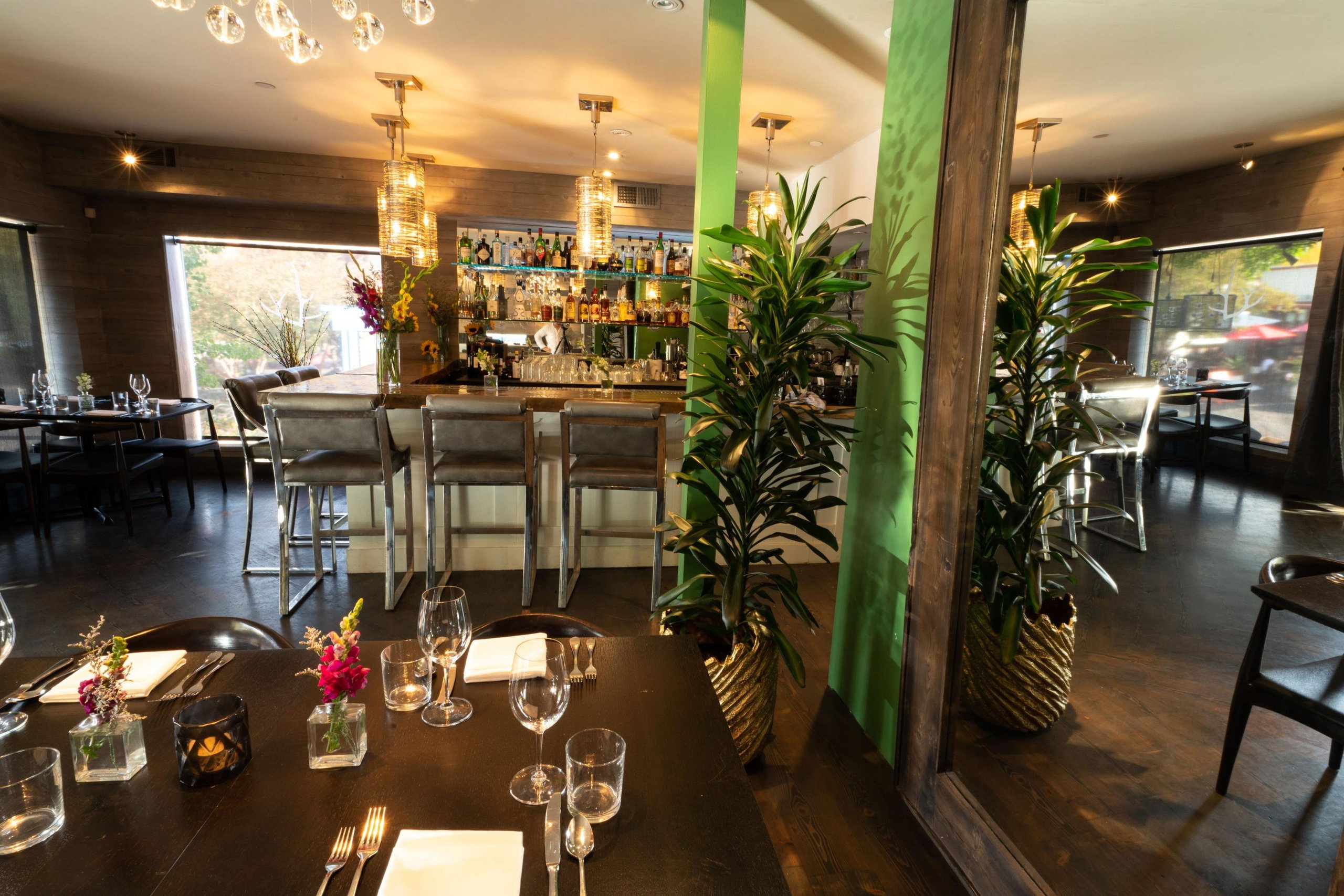
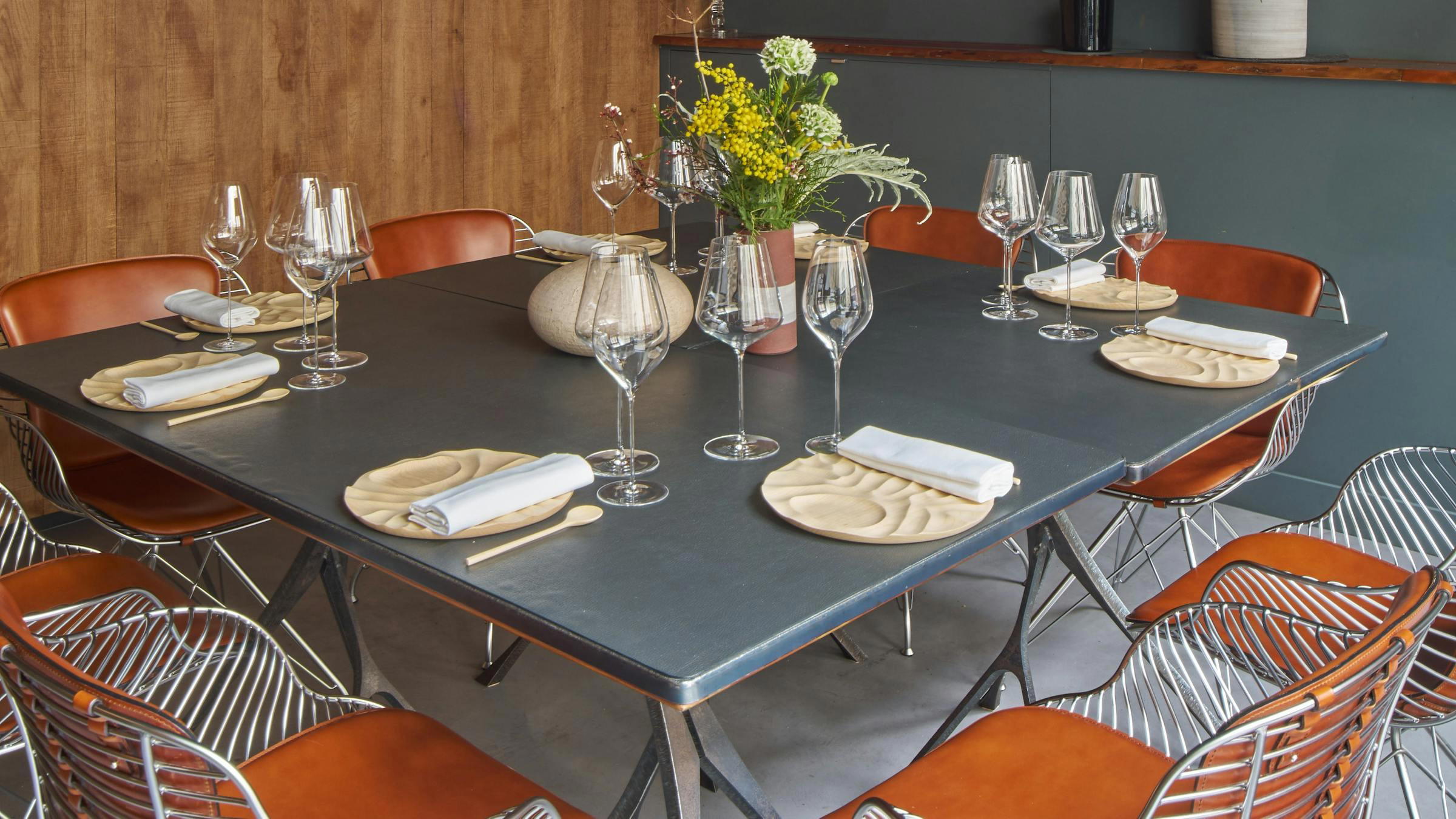
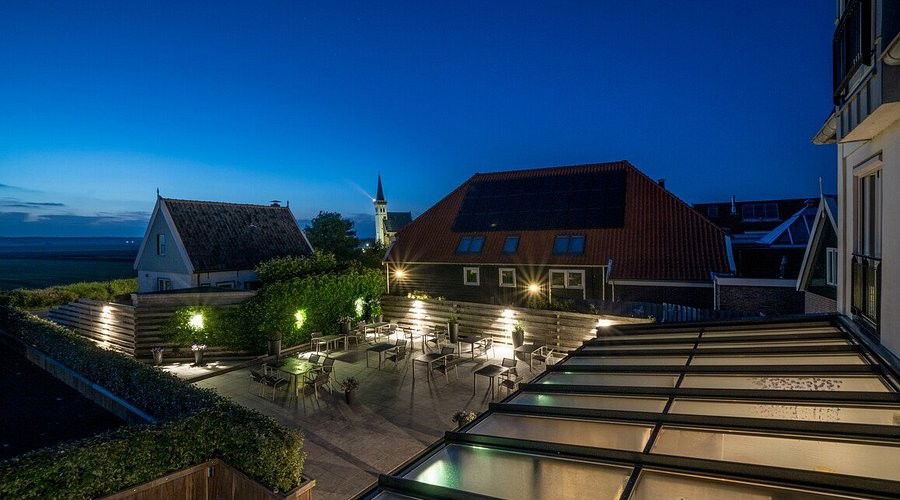
Bij Jef presents a restrained, minimalist take on island hospitality. The property leans into low-rise, white-walled architecture and pared-back interiors so that rooms and public spaces feel intentionally composed rather than decorative. That quiet, design-forward approach reads as calm and considered: the surrounding dunes, bird reserves and open farmland remain the visual focus, while interiors provide a neutral, carefully curated backdrop. Guests encounter few visual frills and instead meet a focused aesthetic that prioritizes material subtlety and measured proportion. The overall effect is serene and scenic, a small-property counterpoint to Texel’s louder coastal hotels.
Best For
Bij Jef suits travelers who seek a quiet, design-led island stay rather than busy beachside amenities. It appeals to couples and solo travelers after a slow-paced break, and to visitors interested in local ecology and food culture rather than high-volume tourism. The hotel’s small scale and deliberate interior restraint make it a good match for those who want to experience Texel’s landscapes and village life from a calm, understated base. If you’re looking for a scenic, restful place to explore the island’s nature reserves and local culinary scene, Bij Jef fits that brief.
Stay Tips
Plan your arrival with the ferry crossing from Den Helder in mind: the 20-minute crossing is part of the island experience and helps set a deliberate, unhurried pace before you reach Den Hoorn. Expect a low-key village setting on Herenstraat with limited urban bustle—Den Hoorn sits well away from the busier De Koog strip—so arrange transport or timings accordingly. The description emphasizes a small-property, design-focused approach, so anticipate a calm, pared-back stay rather than resort-style facilities.
Venue details
Ambiance
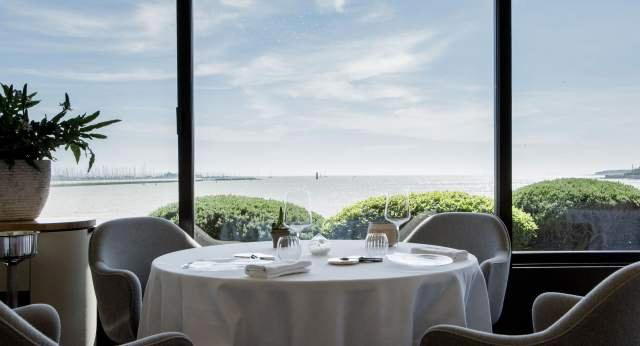
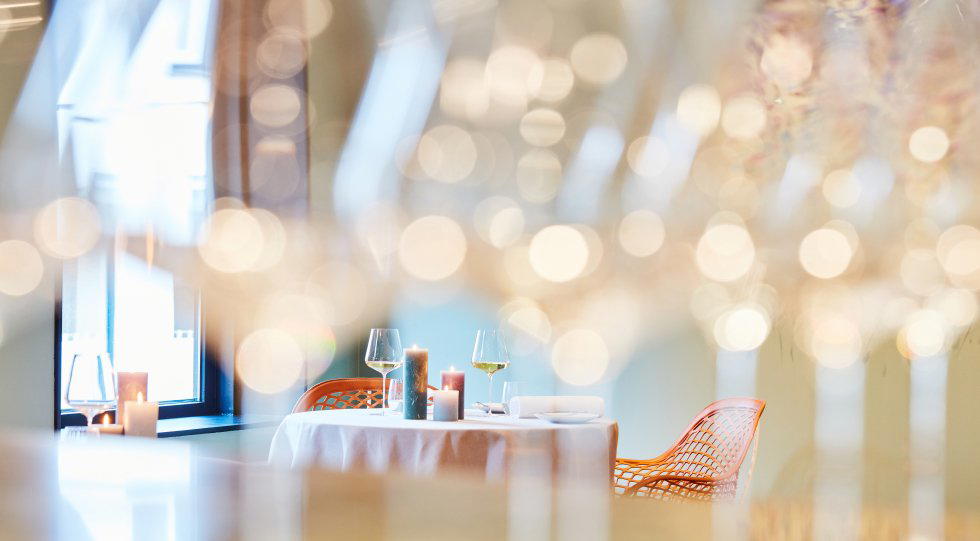
Pure design interior creating a sense of calm and space, with light-filled suites and a relaxing atmosphere praised by guests.
Tags
Vibe
Best For
Experience
Amenities
View
Accessibility
About the Stay
- Rooms
- 12
- Property Type
- Boutique hotel
- Property Style
- Modern Suites in a Historic Former Parsonage
- Design Style
- Pure, Light Filled Modern Design
Know before you go
Know Before You Go
- Getting there
- Herenstraat 34, 1797 AJ Den Hoorn Texel
Planning details
Location
Recognition and awards

Also consider
Also Consider
- Op Oost, Notable alternative
- Inntel Hotels Amsterdam Zaandam, Notable alternative
- Posthoorn, Notable alternative
- Landgoed Duin en Kruidberg, Notable alternative
- The July – Boat & Co, Notable alternative
Hotel context
How Bij Jef Compares
Op Oost is the closest cross-shop for a Texel stay: choose it if you want another island option and want to compare ambiance before committing. Bij Jef is the safer pick for readers prioritizing Den Hoorn specifically, while Op Oost makes sense when location flexibility on Texel matters more than being in the village.
Inntel Hotels Amsterdam Zaandam and The July – Boat & Co are better fits for city access, public transport convenience, and Amsterdam-area plans. They are not like-for-like substitutes for a Texel escape; they are the practical choices if the trip needs urban logistics rather than island atmosphere.
Posthoorn and Landgoed Duin en Kruidberg are the stronger mainland comparisons for readers weighing heritage mood and a slower Dutch stay. Pick Bij Jef when Texel is the point of the trip; pick Landgoed Duin en Kruidberg when estate scale matters; pick Posthoorn when a heritage-style mainland base is more useful.
Explore Den Hoorn
Around this place
Discover more on Pearl
Unlock the full Bij Jef guide in Pearl, including awards, comparisons, FAQs, planning details, and nearby places.
Compare Bij Jef
| Venue | Location | Awards |
|---|---|---|
| Bij Jef | Den Hoorn | 2026 Relais Chateaux Hotels2025 Relais Chateaux Award |
| Op Oost | Oosterend | Small Luxury Hotels Member 2025 |
| Inntel Hotels Amsterdam Zaandam | Zaandam | No published awards |
| Posthoorn | Monnickendam | No published awards |
| Landgoed Duin en Kruidberg | Santpoort Noord | No published awards |
| The July – Boat & Co | Amsterdam | No published awards |

How Bij Jef Den Hoorn compares with similar nearby venues.
FAQ
Frequently Asked Questions
When is the best time to book Bij Jef?
Bij Jef is in Den Hoorn and has a Relais Chateaux Award (2026), so it is sensible to plan ahead if it is important to your trip. Confirm current availability and opening times directly.
Is Bij Jef family-friendly?
How is the pool and spa at Bij Jef?
Do loyalty programs work at Bij Jef?
If loyalty benefits matter, check directly with the venue and compare with options such as The July – Boat & Co or Landgoed Duin en Kruidberg.
How does Bij Jef compare to other Netherlands venues?
Bij Jef is best evaluated first as a Den Hoorn venue with a smart-casual dress code and Relais Chateaux Award (2026). For broader comparisons, consider Inntel Hotels Amsterdam Zaandam, The July – Boat & Co, Posthoorn, Landgoed Duin en Kruidberg, or Op Oost based on your trip needs.
Which room category is best at Bij Jef?
Choose only after confirming current options, availability, and practical details directly with the venue.