



Six Senses Vana
Malsi, Dehradun
Hotel in Dehradun, India
 Book with Pearl
The Read
Himalayan Foothills Immersion
Why go
Six Senses Vana is worth targeting for a special-occasion wellness stay in Dehradun, especially if the hotel is meant to be the centre of the trip. Its 2025 and 2026 recognition gives it a strong luxury-retreat signal, but value depends on purpose: choose it for structure, calm service, and wellness focus, not for a quick city base.
About Six Senses Vana
Dehradun has several premium stay options, so the decision around Six Senses Vana should be based on the kind of trip you are planning. Six Senses Vana is in Dehradun, has a casual dress code, and carries notable recognition including Michelin 1 Key (2025), World Travel Awards 2025, Leading Retreat, Forbes Recommended (2026), and Mr & Mrs Smith Seal of Approval (2026).
The case for booking is strongest when those confirmed signals match the purpose of the stay. If you want a highly recognized Dehradun property with a retreat accolade, Six Senses Vana belongs on the shortlist. If the priority is simply a practical hotel base, it is worth comparing it with other options before committing.
Choose it when recognition matters
Six Senses Vana is in Dehradun. Beyond the city, street-level location details are not specified, so the safer way to assess fit is by trip purpose and confirmed recognition rather than by claims about a specific neighborhood, road, or transfer experience.
Its awards profile gives it a clear luxury signal. Michelin 1 Key (2025) and World Travel Awards 2025, Leading Retreat are the strongest confirmed hooks, while Forbes Recommended (2026) and Mr & Mrs Smith Seal of Approval (2026) add further recognition. The casual dress code also means there is no formal dress requirement.
The value question is about purpose
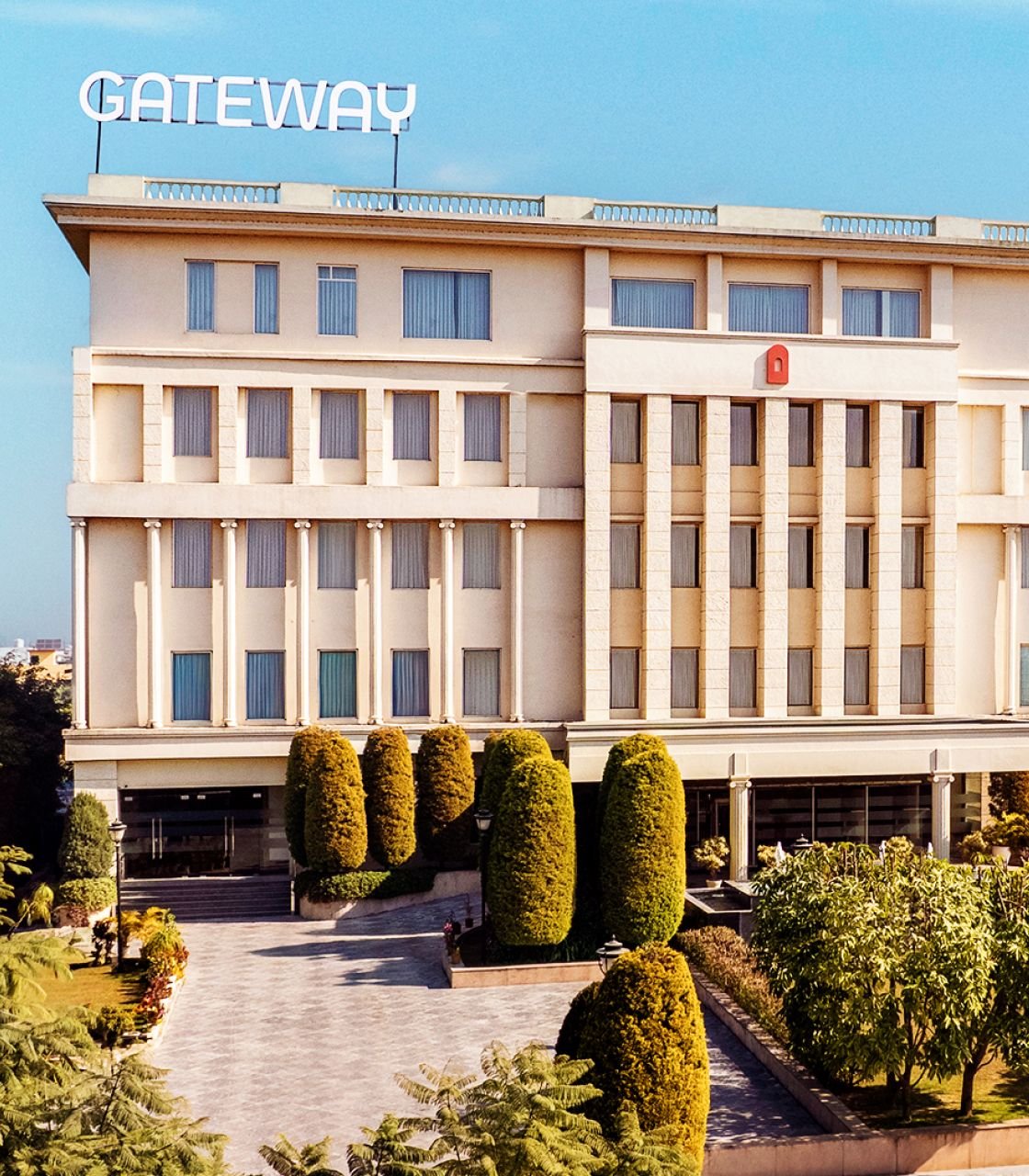
Value should be judged by use case rather than by a stated rate. If the trip is mainly about a direct Dehradun base, Gateway Dehradun is a practical comparison. If the brief is a recognized retreat-style stay, Ananda in the Himalayas is another relevant cross-shop. Six Senses Vana is best evaluated as a Dehradun property with confirmed retreat recognition.
Book it if the confirmed awards and retreat recognition are central to the trip. Compare more widely if you need a specific service, room type, dining format, business setup, or price point. Other relevant options to consider include Kinwani House by Aalia Collection, Taj Rishikesh Resort & Spa, Uttarakhand, The Claridges Nabha Residence Mussoorie, and other dining or hotel choices in Dehradun depending on the itinerary.
Part of
Six Senses37 locations on PearlPlanning details
- Location
- Mussoorie Rd, Malsi, Dehradun, Uttarakhand 248009
- Website
- sixsenses.com/en/hotels-resorts/asia-the-pacific/india/vana
- Phone
- +91 135 351 1111
The take
The Take
The Vibe
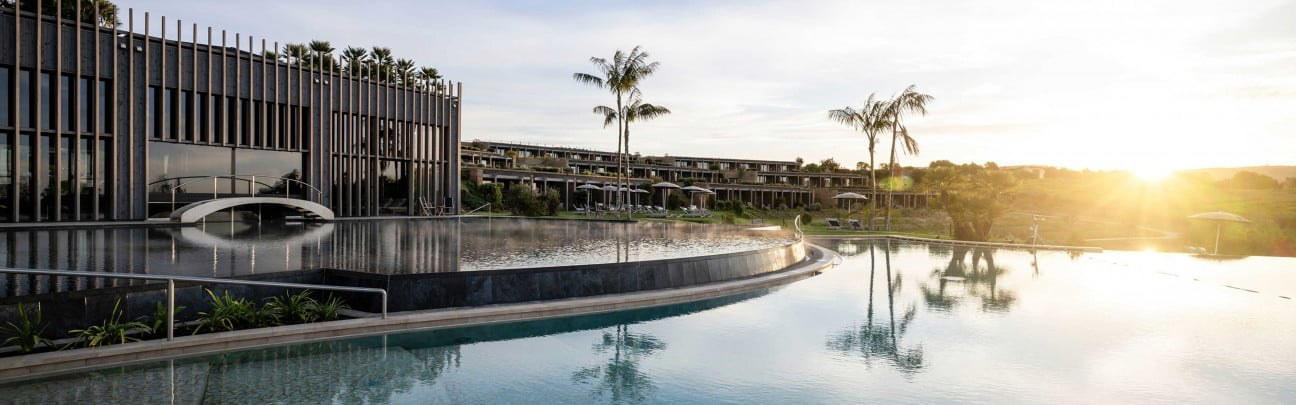
Six Senses Vana presents a deliberately unshowy take on luxury: low-slung stone pavilions sit at woodland height, matched to the sal forest that filters afternoon light. The architecture reads as anti-resort rather than theatrical, and arrival is engineered as a moment of deceleration. That quiet, restrained approach makes the property feel intimate and restorative rather than ostentatious. The setting in the Himalayan foothills and the campus’s horizontal lines create a calm, grounded atmosphere where nature and architecture are aligned to encourage slow, reflective stays.
Best For
This is a place for people seeking an immersive wellness experience first and conventional hotel trappings second. The property explicitly positions itself as a therapeutic retreat, so it suits travellers who prioritise structured programmes, spa therapies and nutrition-led dining over sightseeing or nightlife. Guests looking to unplug, follow guided wellness regimens, or use food as part of a therapeutic plan find the setting particularly well suited. Because the design resists spectacle, it’s less a venue for party groups and more for deliberate, restorative stays.
Stay Tips
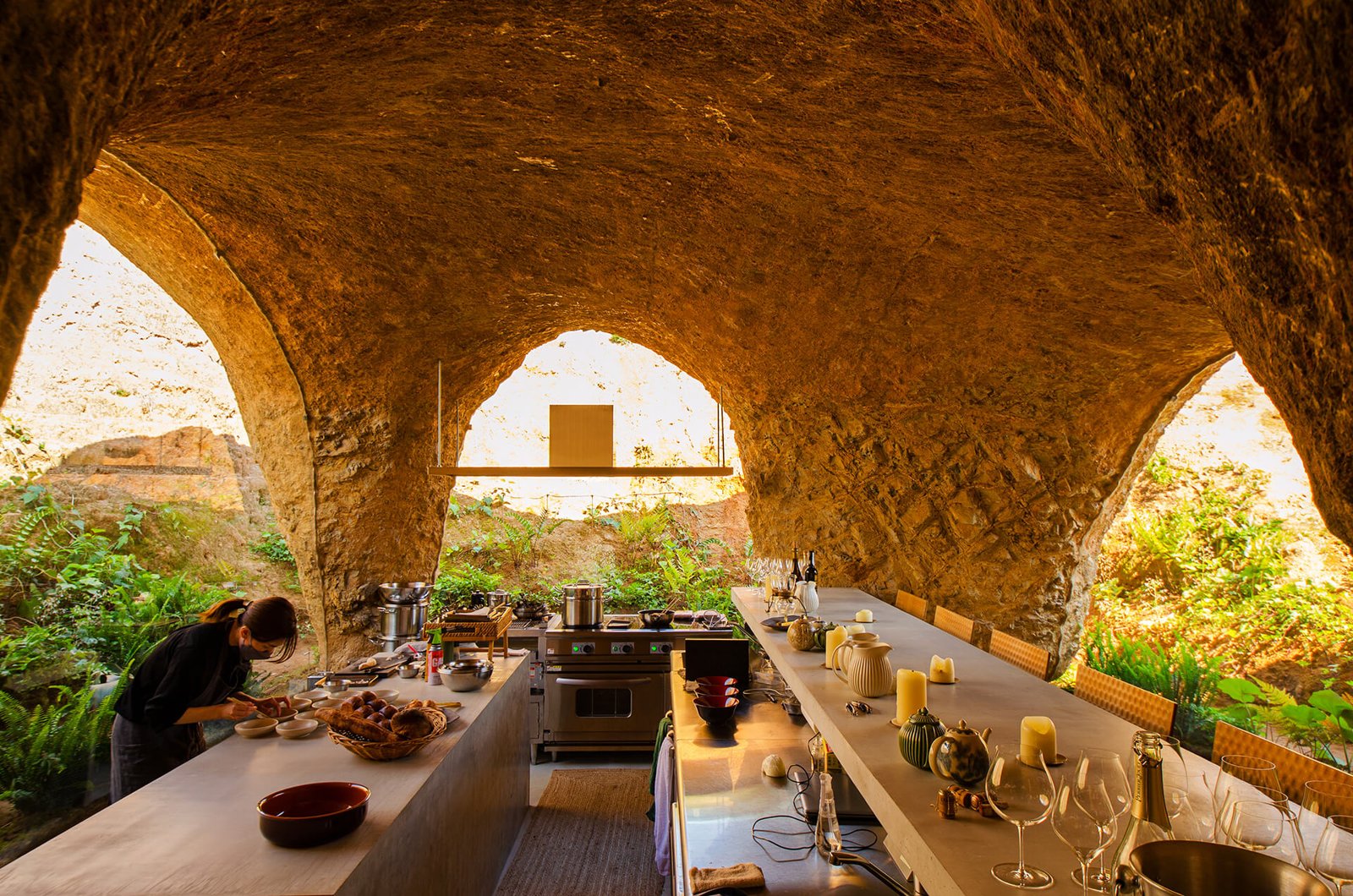
The dining programme is framed as part of the retreat’s therapeutic architecture: considered Indian cuisine functions as cultural grounding and nutritional design rather than purely indulgent fare. Expect menus that are intentionally composed to support wellness goals and to sit between clinical austerity and conventional fine dining. When planning a stay, treat meals as part of the programme—consult the wellness team about how the restaurant’s offerings align with therapies and dietary prescriptions so your dining choices reinforce your treatment plan.
Venue details
Ambiance
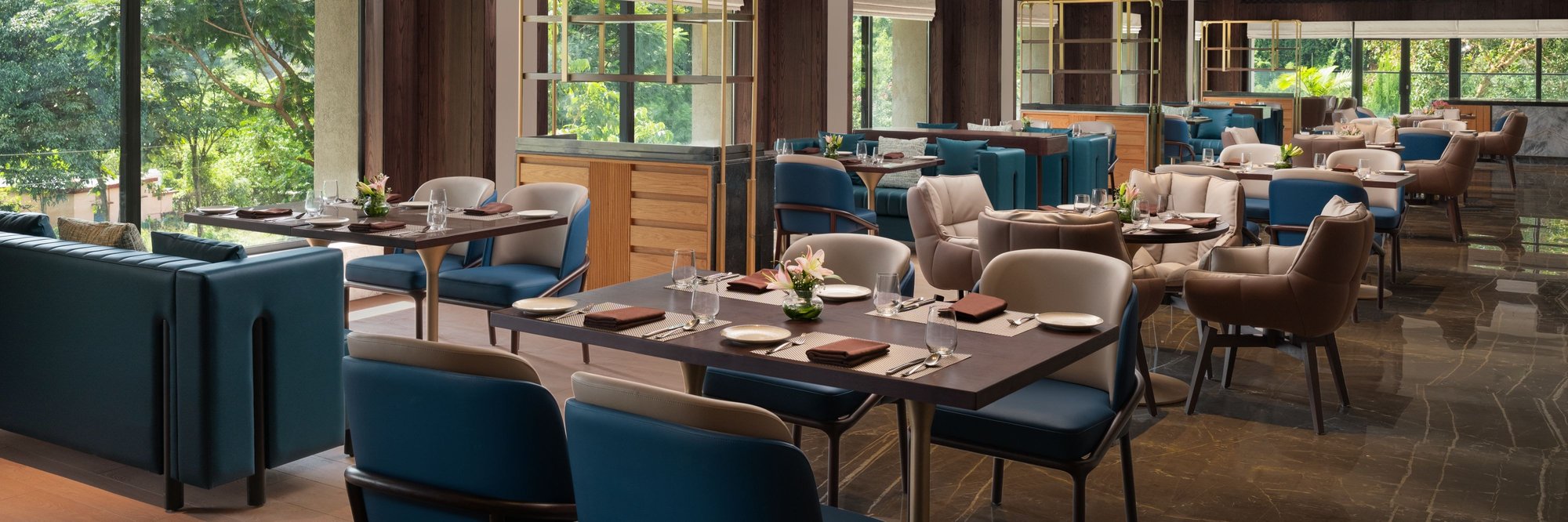
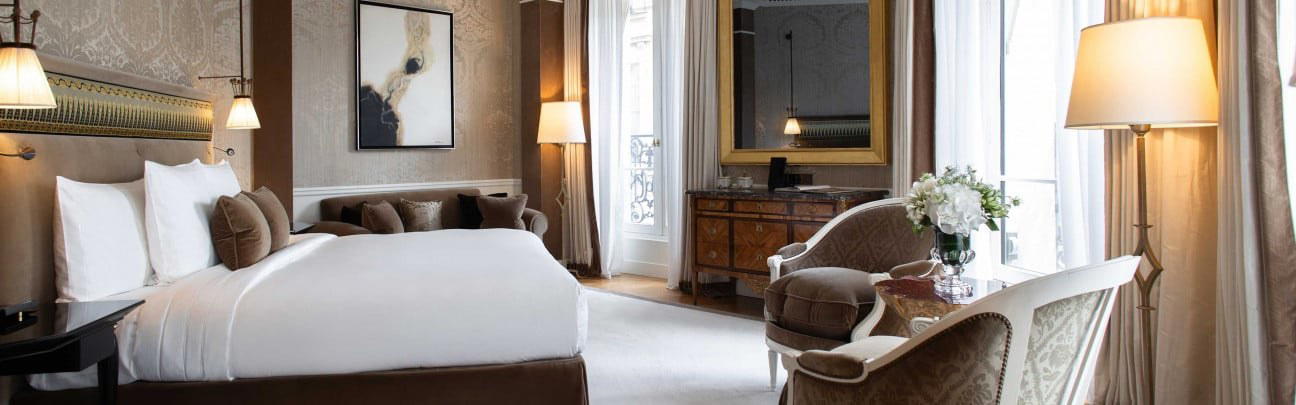
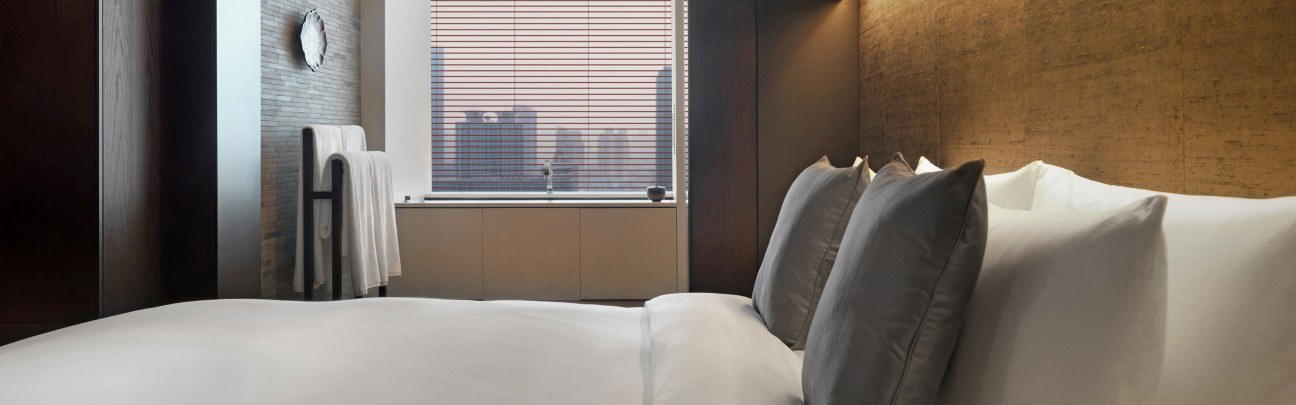
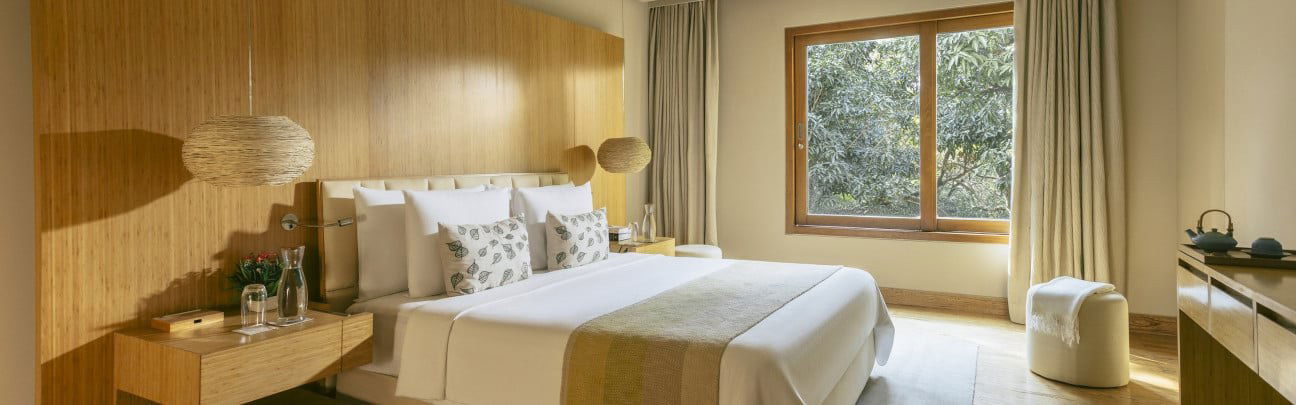
Serene and meditative with natural light, muted tones, floor-to-ceiling windows overlooking forests and gardens, fostering deep relaxation.
Tags
Vibe
Best For
Experience
Amenities
View
Accessibility
About the Stay
- Rooms
- 86
- Check-in
- 10:00
- Check-out
- 16:00
- Property Style
- Wellness Oriented Luxury Resort Harmoniously Integrated with Himalayan Nature
- Design Style
- Contemporary Minimalist with Natural Materials and Meditative Aesthetics
Know before you go
Know Before You Go
- Getting there
- Mussoorie Rd, Malsi, Dehradun, Uttarakhand 248009
Planning details
Location
Mussoorie Rd, Malsi, Dehradun, Uttarakhand 248009 · Directions



Also consider
Where to look if this is not the right fit
If the priority is a simpler Dehradun base, consider Gateway Dehradun. If the priority is a destination wellness retreat elsewhere in Uttarakhand, compare dates with Ananda in the Himalayas.
Hotel context
How it compares in Dehradun and nearby Uttarakhand
Six Senses Vana is the stronger choice when the trip is built around wellness and a high-touch retreat format. Gateway Dehradun is the easier practical pick for a Dehradun stay where access and simplicity matter more than retreat depth. For a special occasion, Six Senses Vana is the more occasion-worthy call; for a functional night in the city, Gateway Dehradun is the cleaner value move.
Ananda in the Himalayas is the closest serious cross-shop for guests comparing wellness-led luxury in Uttarakhand. Choose Ananda if the priority is a more established destination-spa frame outside Dehradun; choose Six Senses Vana if staying closer to Dehradun while keeping a retreat-led format is more useful. Taj Rishikesh Resort & Spa, Uttarakhand makes more sense for guests who want a broader resort setting around Rishikesh rather than a Dehradun-based wellness stay.
The Claridges Nabha Residence Mussoorie and Kinwani House by Aalia Collection are better fits for travellers who want heritage-style ambiance or a more private-house feel outside the city. Six Senses Vana is the stronger choice when service structure and retreat credibility matter more than heritage character.
Explore Dehradun
Around this place
Discover more on Pearl
Unlock the full Six Senses Vana guide in Pearl, including awards, comparisons, FAQs, planning details, and nearby places.
Compare Six Senses Vana
| Venue | Location | Awards |
|---|---|---|
| Six Senses Vana | Dehradun | 2026 Forbes Recommended2026 Mr & Mrs Smith Luxury Hotels2026 Robb Report The 50 Greatest Luxury Hotels on EarthWorld Travel Awards 2025Michelin 1 Key 20252025 Michelin 1 Key |
| The Claridges Nabha Residence Mussoorie | Mussoorie | Preferred Hotels Member 2025 |
| Gateway Dehradun | Dehradun | No published awards |
| Ananda in the Himalayas | Narendra Nagar | 2026 Virtuoso Luxury Hotel Collection2026 Mr & Mrs Smith Luxury Hotels2025 Robb Report The 50 Greatest Luxury Hotels on Earth · #35Tatler Best Hotels Asia-Pacific 2025 |
| Kinwani House by Aalia Collection | Rishikesh | Preferred Hotels Member 2025 |
| Taj Rishikesh Resort & Spa, Uttarakhand | Rishikesh | 2025 Michelin 1 Key |



How Six Senses Vana Dehradun compares with similar nearby venues.
FAQ
Frequently Asked Questions
Which room category is best at Six Senses Vana?
Choose room category based on your own length of stay, budget, and space needs after checking the current booking details. If comparing with Taj Rishikesh Resort & Spa, Uttarakhand, focus on which destination and trip style fits better.
What facilities are confirmed at Six Senses Vana?
Specific facility details are not available. Six Senses Vana has Michelin 1 Key (2025) recognition and was named World Travel Awards 2025, Leading Retreat. If particular facilities matter, confirm them directly before booking.
How is the location of Six Senses Vana?
Six Senses Vana is in Dehradun. Street address or neighborhood details are not available, so consider the location at a city level when comparing it with Ananda in the Himalayas or other regional stays.
When is the best time to book Six Senses Vana?
Specific booking patterns and seasonal demand are not available. The safest approach is to book once your dates are firm, especially if the confirmed recognition, including Forbes Recommended (2026), makes the property important to your trip.
Do loyalty programs work at Six Senses Vana?
Check the booking channel and rate terms for loyalty program treatment before paying. The confirmed recognition includes Mr & Mrs Smith Seal of Approval (2026), but any points, benefits, or elite-treatment details should be confirmed directly.
How is the dining at Six Senses Vana?
Specific dining details, cuisine, chef, menu format, and pricing are not available. If dining is a major reason for the trip, confirm current offerings directly or compare with other properties such as Taj Rishikesh Resort & Spa, Uttarakhand and other Dehradun dining options.
Is Six Senses Vana good for business travel?
Business-travel facilities and services are not available. Six Senses Vana may still suit some Dehradun trips, but if efficiency, meeting facilities, or loyalty value are the priorities, compare the current details with Gateway Dehradun and confirm what is available before booking.