
Aranwa Cusco Boutique Hotel
Cusco Historic Center, Cusco
Hotel in Cusco, Peru
 Book with Pearl
Why go
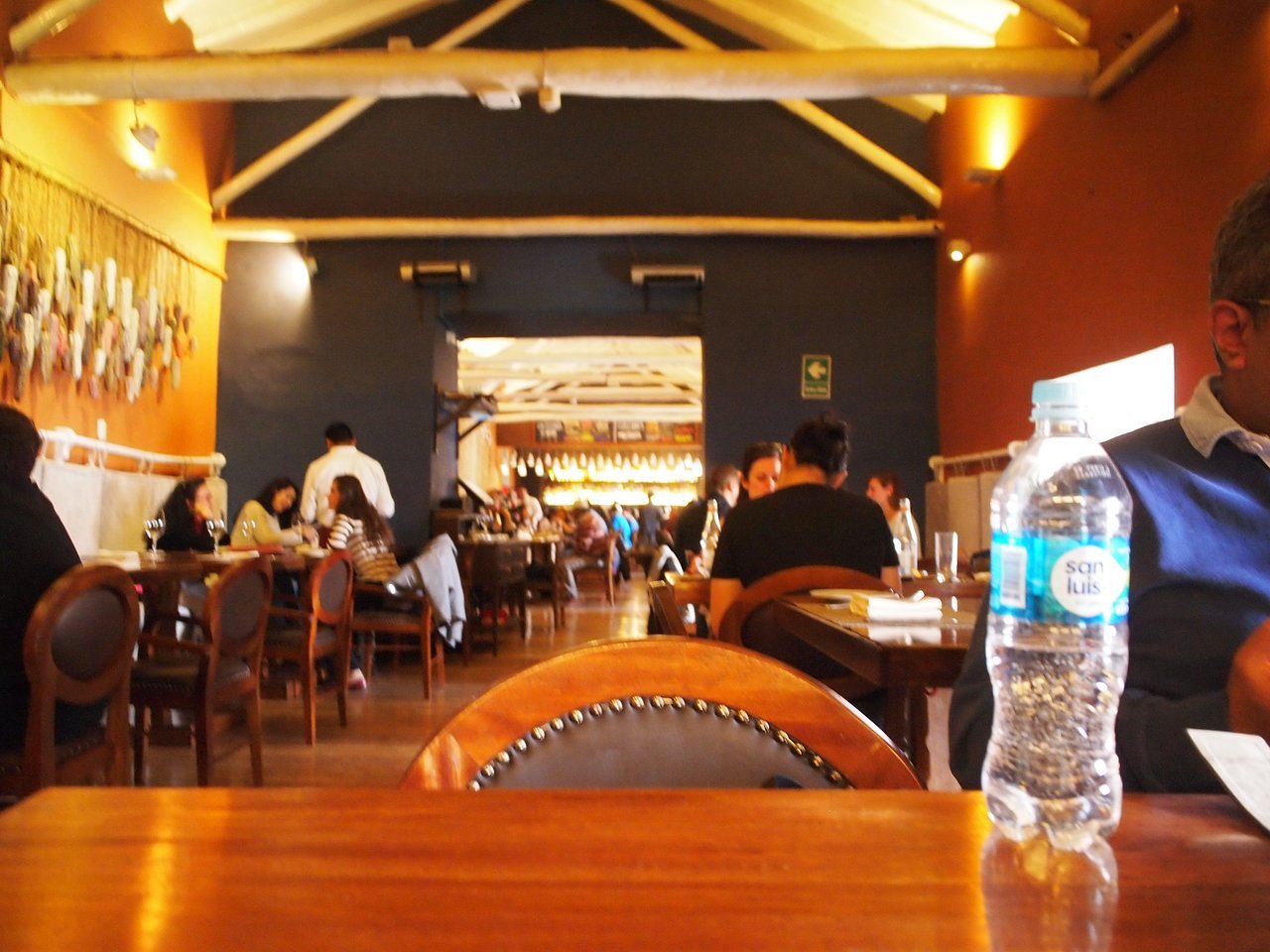
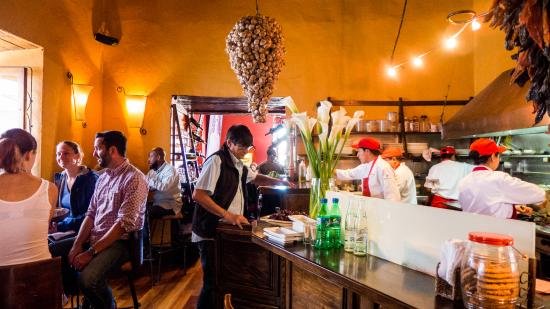
A strong boutique-luxury pick for travelers who want a calmer Cusco base rather than a large landmark hotel. Book it for atmosphere and access to the historic center, not as a dining-led stay; serious food travelers should plan restaurants separately. Its World Travel Awards 2025 recognition gives it a clear luxury signal among Cusco peers.
About Aranwa Cusco Boutique Hotel
Aranwa Cusco Boutique Hotel is best approached as a boutique hotel choice in Cusco, with a notable accolade: World Travel Awards 2025, Leading Luxury Boutique Hotel. Beyond that recognition and its smart casual dress code, confirm specific service details directly with the hotel before booking.
If you are weighing it for a Cusco stay, the honest case is simple: consider it when you want a boutique hotel rather than choosing solely for restaurant, business, or resort-style amenities. For dining plans outside the hotel, use Our full Cusco restaurants guide and confirm current options separately.
A boutique hotel choice in Cusco
In Cusco, the decision among hotel options often comes down to which style of stay suits the trip. Aranwa Cusco Boutique Hotel is recognized by World Travel Awards 2025 as Leading Luxury Boutique Hotel, making it a natural option to consider for travelers specifically looking at boutique properties in the city.
For comparison, travelers can also look at Belmond Hotel Monasterio, Palacio Nazarenas, Inkaterra La Casona, JW Marriott El Convento Cusco, and Casa Andina Standard Cusco Catedral. The right choice depends on the type of hotel experience you prefer, so compare current details such as dining, facilities, room count, and service format directly with each property.
Book it for the hotel stay, then confirm the details
The clearest booking advice is to choose Aranwa Cusco Boutique Hotel if a recognized boutique hotel in Cusco fits your trip. Do not book it based on assumptions about restaurant quality, specific amenities, or a particular service style. Check those details with the hotel directly.
If the hotel is part of a broader Peru itinerary, use it as a starting point for deciding whether a boutique Cusco stay is the right fit. Compare it with other Cusco hotels according to the practical details that matter to you, such as current availability, policies, and services confirmed by the property.
Quick reference: Aranwa Cusco Boutique Hotel is a Cusco boutique hotel with World Travel Awards 2025 Leading Luxury Boutique Hotel recognition and a smart casual dress code. Confirm all other specifics directly before booking.
Planning details
- Location
- C. San Juan de Dios 255, Cusco 08000, Peru
- Website
- aranwahotels.com/es/aranwa-cusco-boutique-hotel
- Phone
- +51 84 604444
The take
The Take
The Vibe
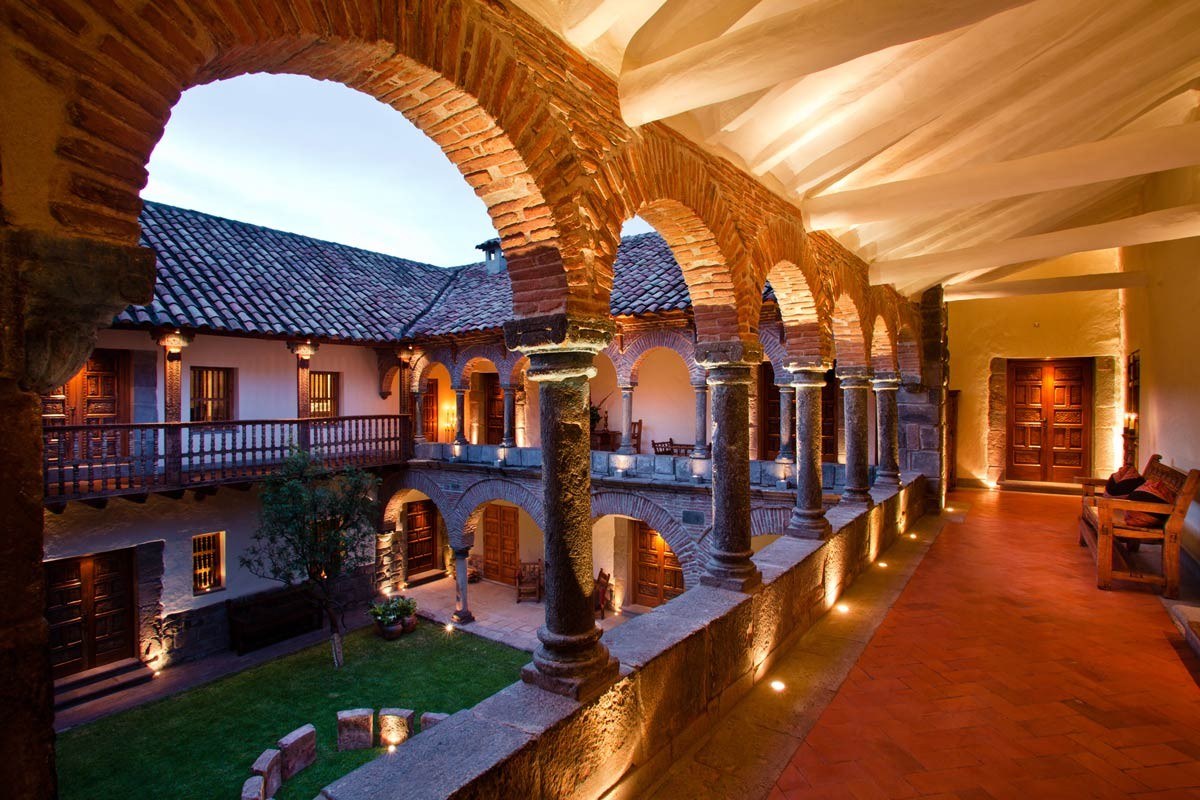
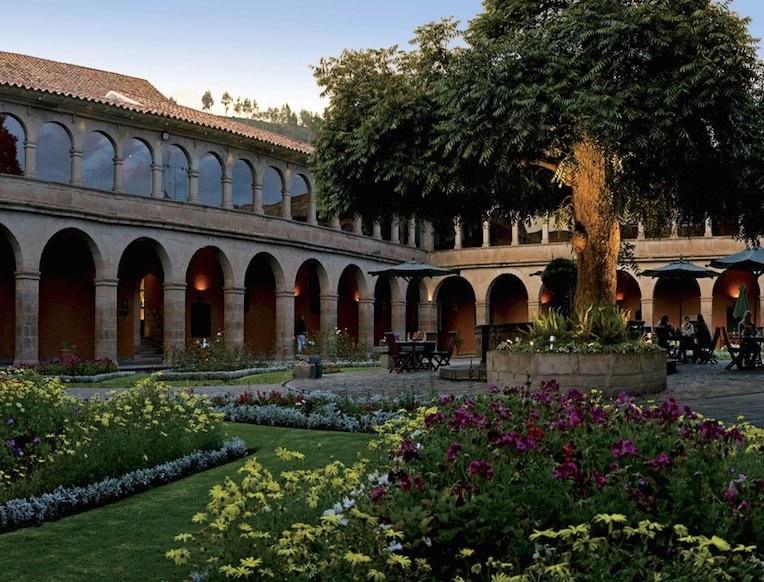
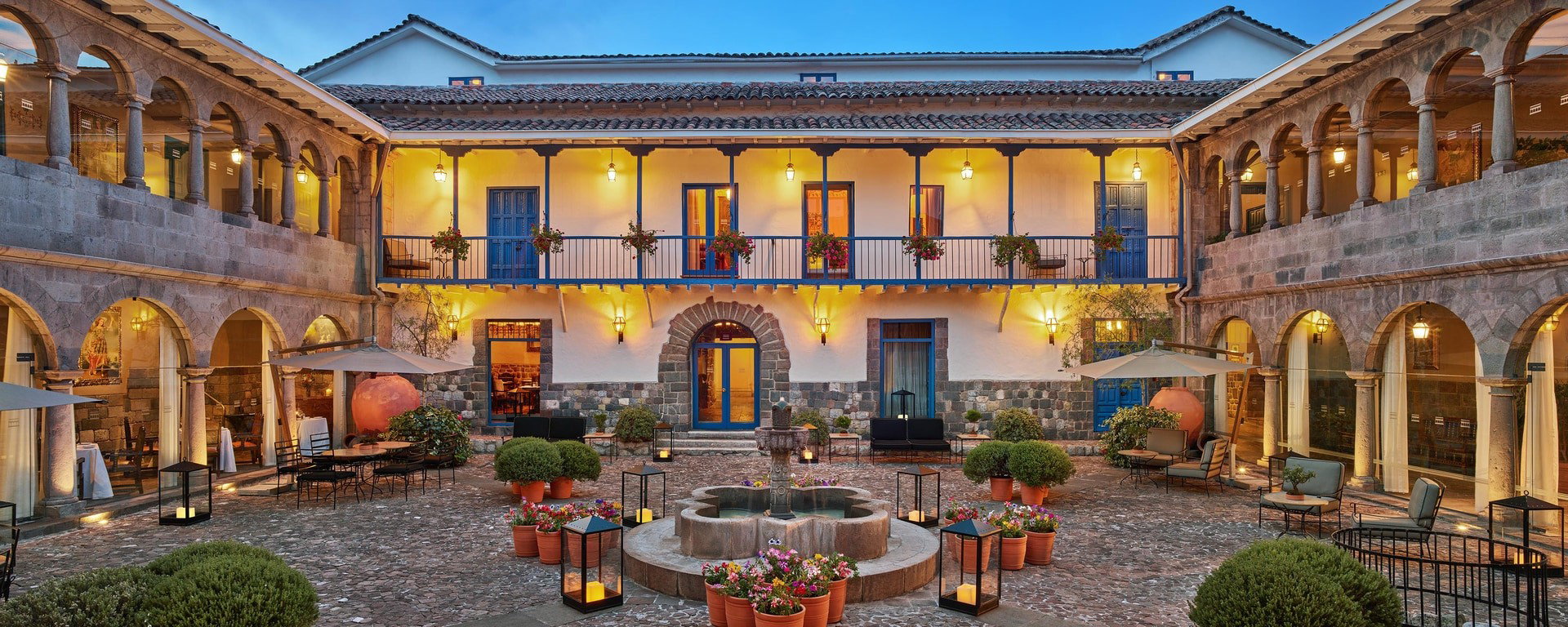
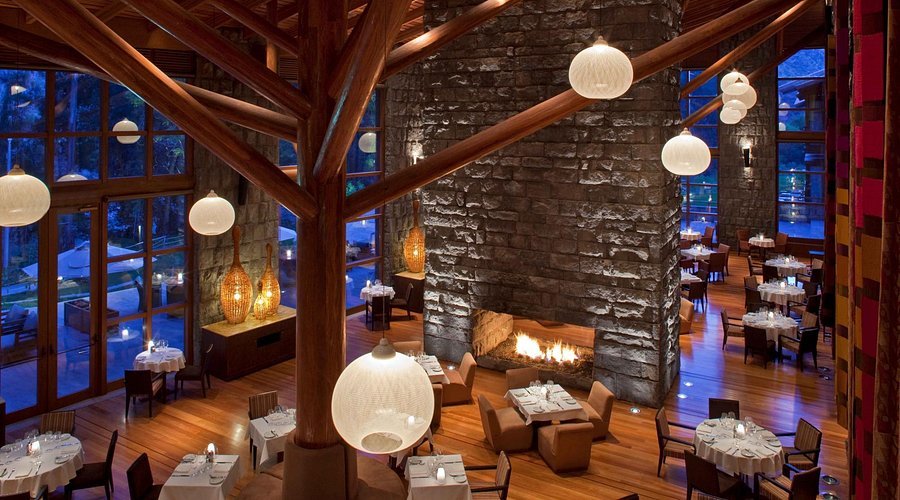
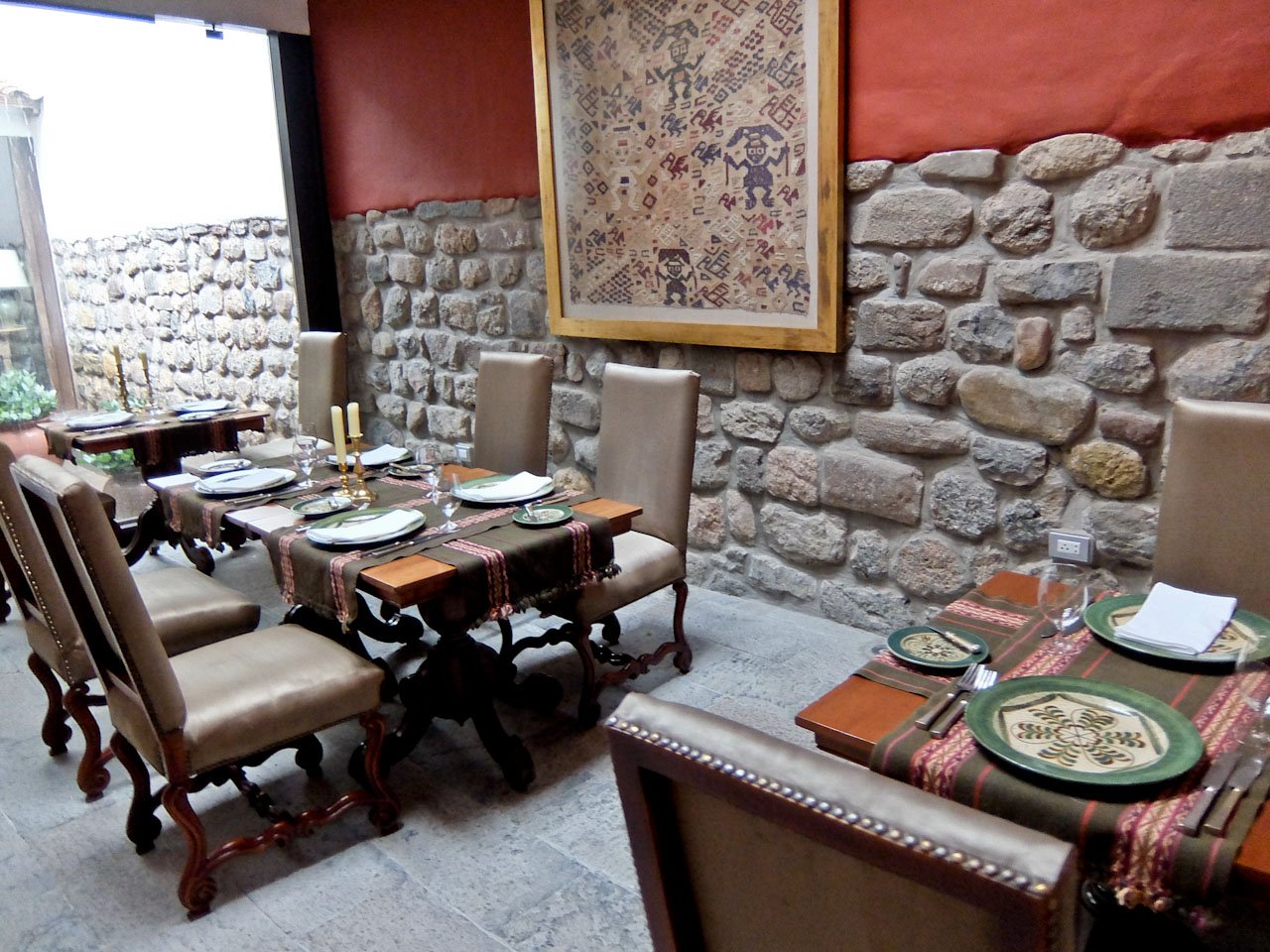
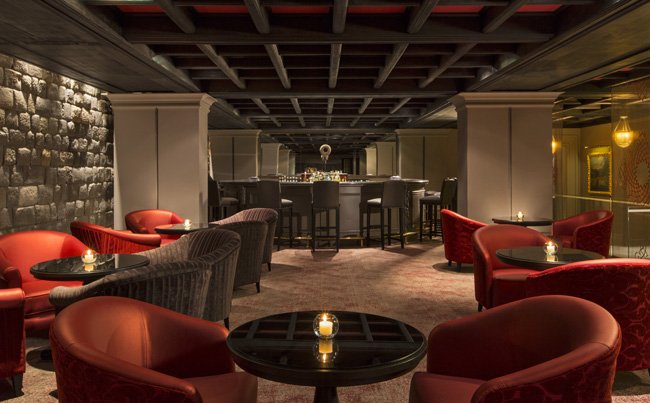
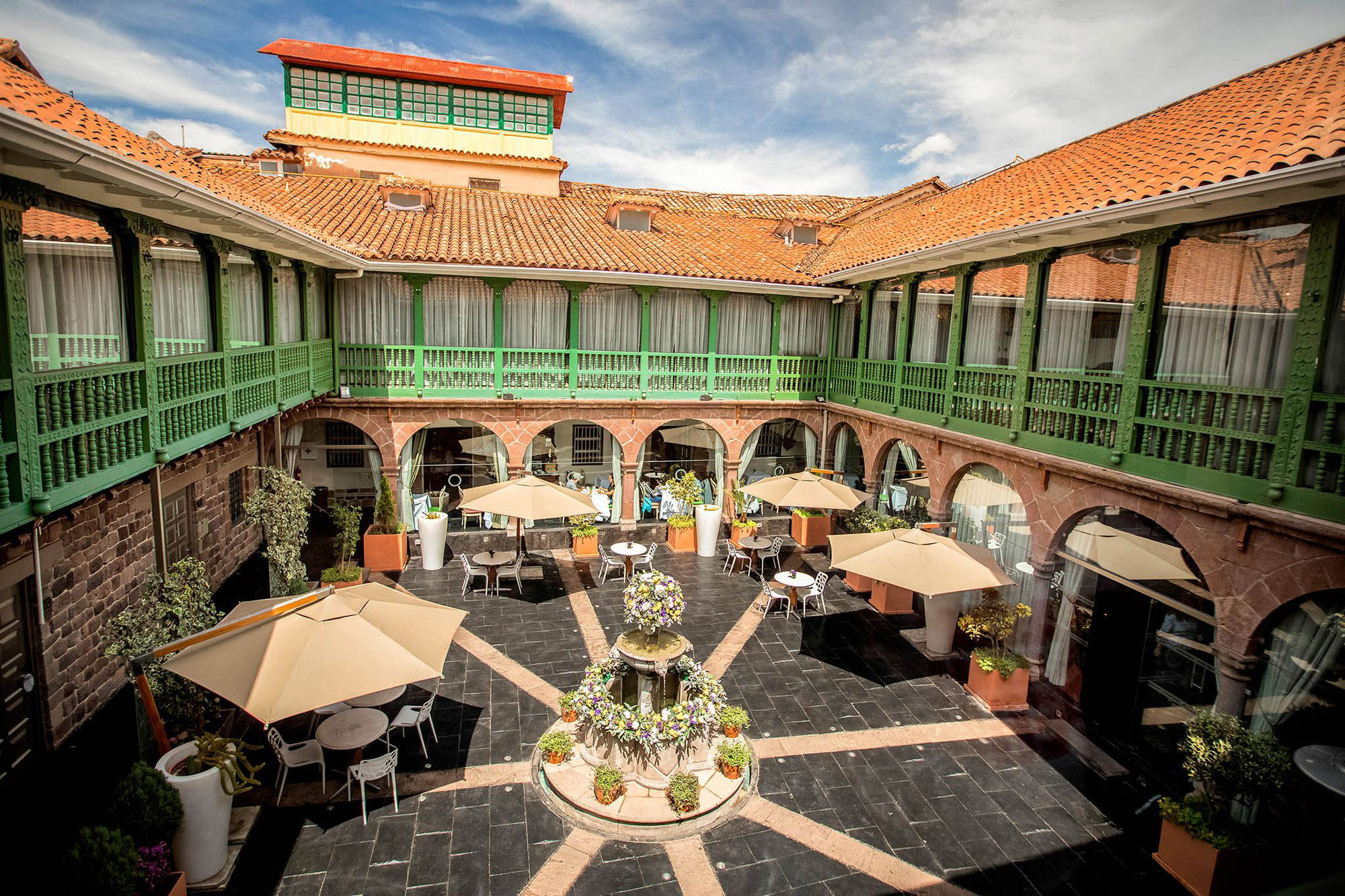
Aranwa Cusco Boutique Hotel foregrounds its 16th-century colonial fabric: stone walls, carved wooden detailing and interior courtyards shape every guest experience. The property deliberately privileges architectural integrity and a compact scale, so the hotel feels measured and classic rather than sprawling. That courtyard-first design creates sheltered micro-climates and a slower pace, lending the property a serene, contained quality that contrasts with larger resort-style competitors. Its 2025 World Travel Award for South America’s Leading Luxury Boutique Hotel underlines the focused, high-end character of a stay that is more about place and provenance than a dizzying menu of modern amenities.
Best For
This hotel suits travellers who want an immersive experience of Cusco’s colonial heart rather than a full-service resort. It works particularly well for couples and small parties seeking a quiet, architecturally rich base in the historic centre—already popular for romantic getaways, honeymoons and anniversaries. The boutique scale and award-winning designation make it a good pick for guests who value handcrafted details and a measured pace: expect intimate courtyards, historic stonework and a stay that feels curated around the building itself rather than around multiple outlets or conference infrastructure.
Stay Tips
Book early: the property emphasises limited keys and architectural preservation over scale, so rooms can fill quickly, especially during peak travel seasons. Note the hotel’s altitude — Cusco sits at roughly 3,400 metres above sea level — and allow time to acclimatise on arrival. Manage expectations about amenities: the description contrasts this boutique approach with larger conversions that offer multiple restaurants, spas and meeting infrastructure, so plan dining and activities in advance if you need broader resort-style services.
Venue details
Ambiance
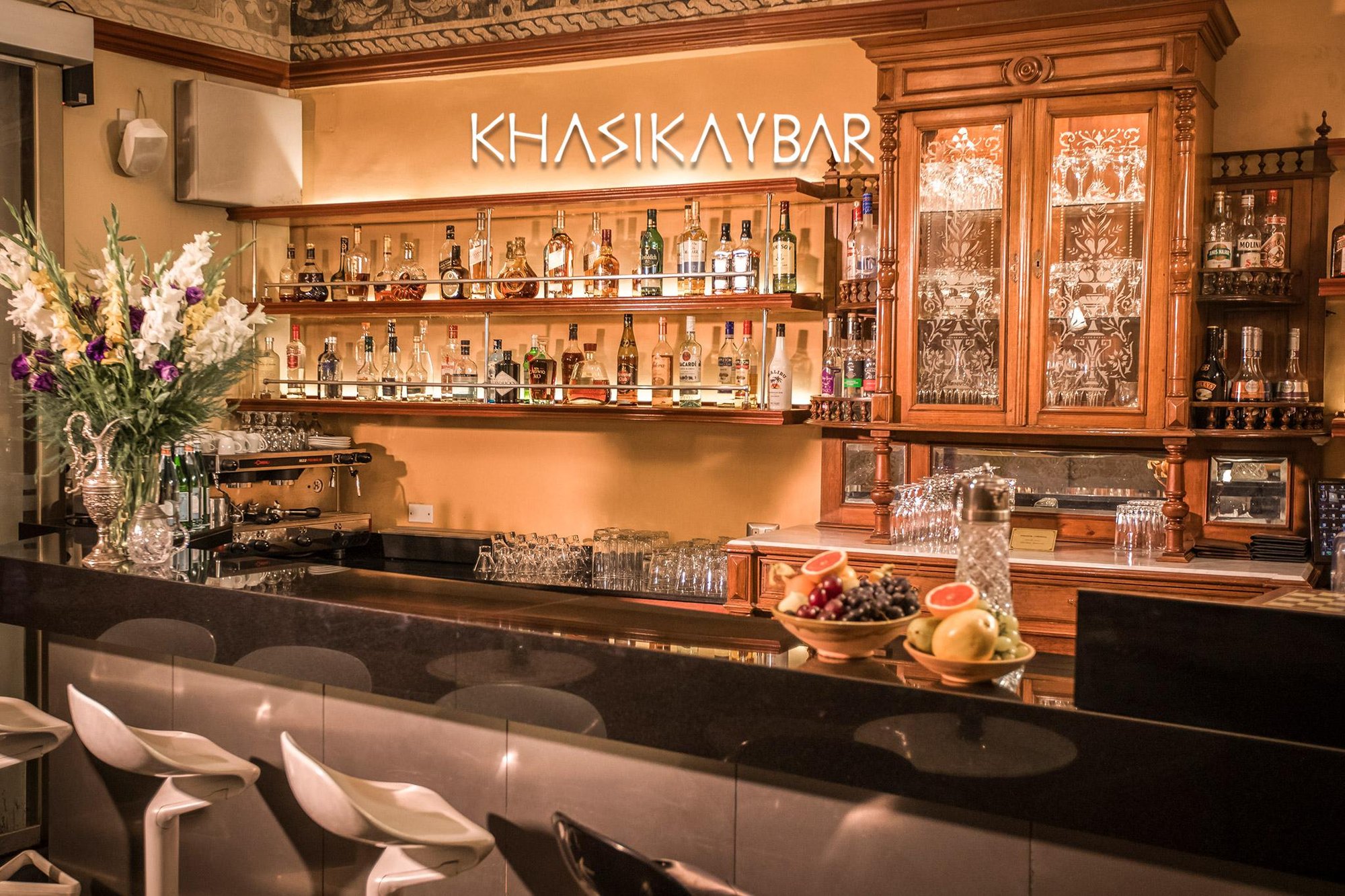
Opulent colonial atmosphere with chandelier lighting, antique furnishings, and a serene courtyard patio, praised for its quiet elegance despite central location.
Tags
Vibe
Best For
Experience
Amenities
Accessibility
About the Stay
- Rooms
- 43
- Property Style
- Colonial Mansion Boutique Hotel Museum with Inca Heritage Fusion
- Design Style
- Elegant Colonial with Antiques, Chandeliers, and Modern Spa Bathrooms
Know before you go
Know Before You Go
- Getting there
- C. San Juan de Dios 255, Cusco 08000, Peru
Planning details
Location
C. San Juan de Dios 255, Cusco 08000, Peru · Directions
Recognition and awards

Also consider
Good alternatives if this is not the right fit
If the goal is a grander luxury stay, cross-shop Palacio Nazarenas or Belmond Hotel Monasterio. Both make more sense when the hotel experience is central to the trip.
If value or business predictability matters more, look at Casa Andina Standard Cusco Catedral for a simpler central base or JW Marriott El Convento Cusco for a larger international-hotel setup.
Hotel context
How it compares with Cusco peers
Aranwa Cusco Boutique Hotel is the practical choice for travelers who want boutique luxury without defaulting to the bigger names. Casa Andina Standard Cusco Catedral is the value-conscious alternative, better for travelers who care more about location and simplicity than a luxury-boutique feel. Aranwa is the stronger fit when ambiance matters and the hotel needs to feel more polished.
Inkaterra La Casona, Palacio Nazarenas, and Belmond Hotel Monasterio are the more obvious splurge comparisons. Choose those if the property itself is meant to be a major part of the trip, with a stronger sense of occasion. Aranwa is better when the hotel should feel refined but not dominate the itinerary.
JW Marriott El Convento Cusco is the safer business-travel and brand-comfort cross-shop, especially for guests who prefer a larger hotel format. For easier booking and a quieter boutique mood, Aranwa is the more personal-feeling option; for predictable systems and broader facilities, JW Marriott has the edge.
Explore Cusco
Around this place
Discover more on Pearl
Unlock the full Aranwa Cusco Boutique Hotel guide in Pearl, including awards, comparisons, FAQs, planning details, and nearby places.
Compare Aranwa Cusco Boutique Hotel
| Venue | Location | Awards |
|---|---|---|
| Aranwa Cusco Boutique Hotel | Cusco | World Travel Awards 2025 |
| Casa Andina Standard Cusco Catedral | Cusco | No published awards |
| Inkaterra La Casona | Cusco | 2026 Relais Chateaux Hotels2026 La Liste Top HotelsConde Nast Gold List 20262025 Relais Chateaux Award2025 Michelin 2 Keys |
| Palacio Nazarenas | Cusco | 2026 World’s 50 Best Hotels 51-100 · #542026 Virtuoso Luxury Hotel Collection2026 Forbes 4-Star2026 La Liste Top Hotels2025 World’s 50 Best Hotels · #87Michelin 1 Key 20252025 Michelin 1 Key |
| Belmond Hotel Monasterio | Cusco | 2026 Forbes 4-Star2026 La Liste Top Hotels2025 Robb Report The 50 Greatest Luxury Hotels on Earth · #22World Travel Awards 2025Michelin 1 Key 20252025 Michelin 1 Key |
| JW Marriott El Convento Cusco | Cusco | 2026 Forbes Recommended2026 La Liste Top Hotels2025 Michelin Selected Hotels2025 Forbes Recommended |










How Aranwa Cusco Boutique Hotel compares with similar nearby venues.
FAQ
Frequently Asked Questions
What is check-in like at Aranwa Cusco Boutique Hotel?
Aranwa Cusco Boutique Hotel is in Cusco and is recognized by World Travel Awards 2025 as Leading Luxury Boutique Hotel. Confirm arrival procedures directly with the hotel before your stay.
Is Aranwa Cusco Boutique Hotel family-friendly?
If you are traveling with children, contact Aranwa Cusco Boutique Hotel directly to confirm room setup, services, and any current policies before booking.
How is the location of Aranwa Cusco Boutique Hotel?
Aranwa Cusco Boutique Hotel is in Cusco. Use the hotel's official channels for the most current arrival and navigation information.
Which room category is best at Aranwa Cusco Boutique Hotel?
Is Aranwa Cusco Boutique Hotel good for business travel?
Aranwa Cusco Boutique Hotel may be considered as a boutique hotel in Cusco, while travelers with meeting or work requirements should confirm the relevant services directly with the property.