


Bethlen Estates Transylvania
Cris
Hotel in Cris, Romania
 Book with Pearl
The Read
Ancestral Restoration Hospitality
Why go
Book Bethlen Estates Transylvania if the trip is built around a polished rural stay in Criș, not if the goal is city convenience. The case is strongest for design-focused travelers: Michelin 2 Keys, Small Luxury Hotels of the World membership, and a Tablet Hotels design award make it a serious countryside splurge, but hard booking demand means it is not a last-minute backup.
About Bethlen Estates Transylvania
For a Cris hotel choice, Bethlen Estates Transylvania stands out with Michelin 2 Keys in 2025, Small Luxury Hotels of the World membership in 2025, and a Tablet Hotels Best New Hotel Designs (Europe) recognition for 2026. The practical details are limited here, so it is best to research the property directly before booking.
The practical verdict is simple: shortlist Bethlen Estates Transylvania if you specifically want to stay in Cris and value its hotel recognition. If your trip depends on precise logistics, room features, dining options, spa facilities, or transport timing, confirm those details with the property before committing.
Worth it for Cris if the confirmed hotel recognition matters
The strongest trust signal is external recognition: Michelin 2 Keys in 2025, Small Luxury Hotels of the World membership in 2025, and a 2026 Tablet Hotels design award. Those credentials support taking the hotel seriously as a premium stay, but they do not confirm every practical detail a traveler may need. Use the accolades as a reason to investigate further, not as a substitute for checking current availability, services, and policies.
Because the information here is narrow, compare Bethlen Estates Transylvania against your itinerary needs rather than against assumptions about format or amenities. Plan around current Cris options directly and confirm any hotel, dining, or activity details that matter to your trip.
Planning details
- Location
- 157, Transylvania, 547201 Criș
- Website
- bethlenestates.com
- Phone
- +40 767 374 998
The take
The Take
The Vibe
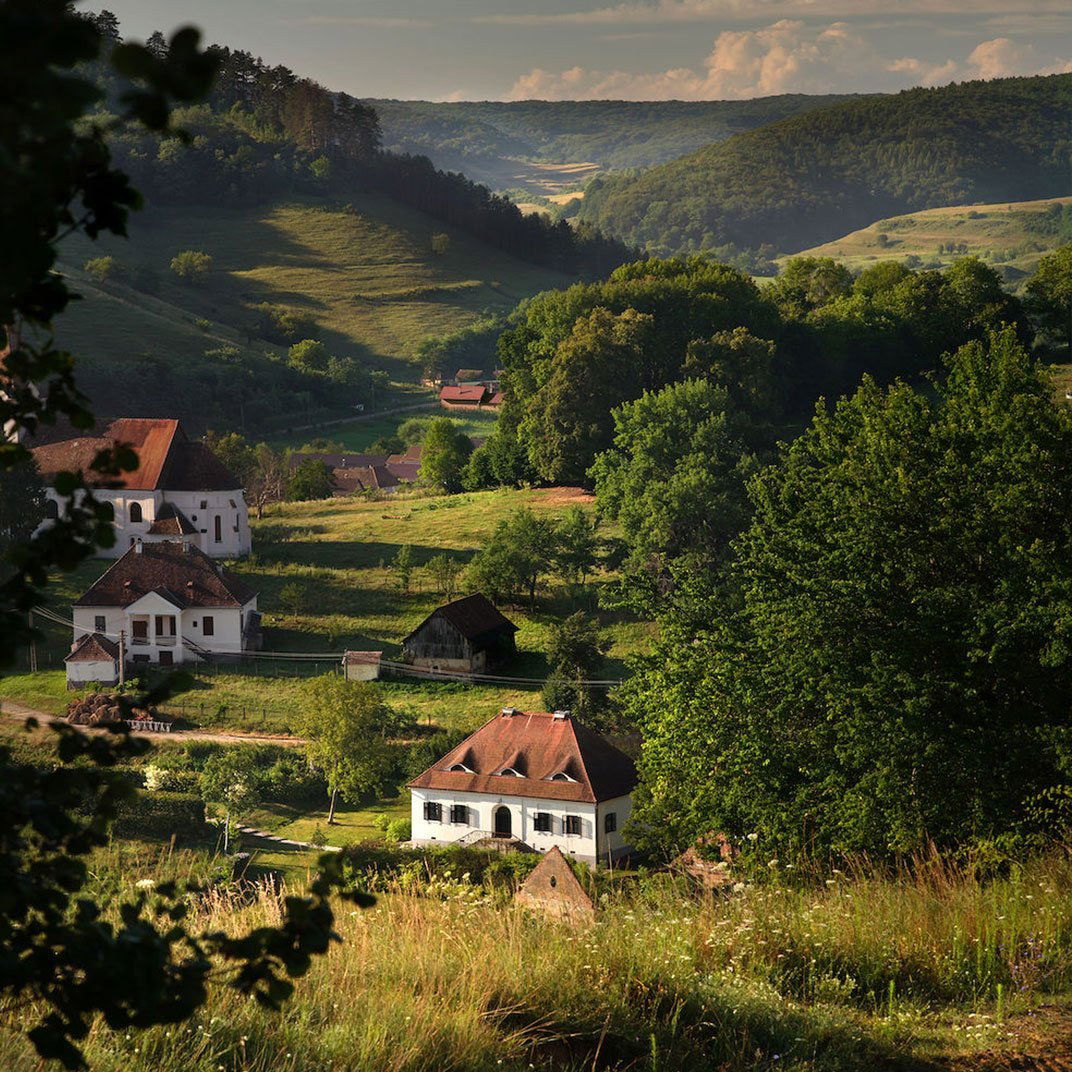
Bethlen Estates presents architecture as its central argument: centuries-old Saxon, Hungarian and Romanian structures are carefully restored rather than replicated. The property deliberately preserves the distinctive DNA of three separate buildings—Depner House, the Caretaker’s House and the Corner Barn—so the estate reads as a stitched-together conversation between different eras and uses. With just ten rooms and an emphasis on whole-unit stays, the atmosphere is intimate and quietly deliberate, favouring slow, considered experiences over slick modern intervention. The result is a compact, historically minded retreat that foregrounds material authenticity and the measured logic of preservation.
Best For
The estate is best suited to small groups and multigenerational families who want a private, heritage-forward base in rural Transylvania. Because Depner House and the Caretaker’s House are reserved as whole-unit bookings, the property accommodates families or friend groups seeking consolidated, private quarters; the Corner Barn offers individually bookable bedrooms for single-room stays within the working-estate context. It also appeals to travellers interested in architectural history and quiet village life—those who prioritise place, preservation and a restrained, intimate pace over conventional hotel amenities.
Stay Tips
When planning a stay, choose accommodation according to how you travel: book Depner House (two bedrooms) or the Caretaker’s House (four bedrooms) when you want an entire house for a family or group, and select rooms in the Corner Barn when you need single-room bookings within the estate. The property’s distribution of rooms across three buildings is a central feature, so confirm which building you are reserving and whether you require the privacy of a whole-unit booking. Keep the estate’s small scale in mind when arranging group logistics.
Venue details
Ambiance
Cozy and homely with open fires, wooden beams, and bright airy spaces; warm, relaxing atmosphere enhanced by natural light, fireplaces, and scenic countryside views.
Tags
Vibe
Best For
Experience
Amenities
View
Accessibility
About the Stay
- Rooms
- 10
- Check-in
- 16:00
- Check-out
- 11:00
- Property Style
- Restored Historic Estate with Contemporary Comforts
- Design Style
- Rustic Elegance Featuring Original Wooden Beams, Tiled Stoves, and Bespoke Furnishings
Know before you go
Know Before You Go
- Getting there
- 157, Transylvania, 547201 Criș
Planning details
Location


Also consider
Where to look if this is booked
Try Matca Hotel first if the goal is a similar Romanian countryside escape with a less constrained booking path. For a more practical city-linked stay, Kronwell Brasov Hotel is the cleaner alternative for travelers who need Brasov access more than an estate-style retreat.
Hotel context
How it compares
Bethlen Estates Transylvania is the more destination-led choice against Kronwell Brasov Hotel and Swissôtel Poiana Brașov. Pick it for rural atmosphere and design recognition; pick the Brasov-area options if convenience, ski access, or a shorter logistics chain matters more.
Matca Hotel is the closest peer for travelers weighing a countryside Romanian escape over a city stay. Bethlen Estates Transylvania has the stronger awards signal, while Matca is the sensible cross-shop if the booking calendar here is too tight.
Hotel Snagov Club and Radisson Blu Hotel, Bucharest serve different trips. Choose them for easier access to Bucharest plans; choose Bethlen Estates Transylvania when the hotel experience carries the trip.
Explore Cris
Around this place
Discover more on Pearl
Unlock the full Bethlen Estates Transylvania guide in Pearl, including awards, comparisons, FAQs, planning details, and nearby places.
Compare Bethlen Estates Transylvania
How it compares
Bethlen Estates Transylvania is the more destination-led choice against Kronwell Brasov Hotel and Swissôtel Poiana Brașov. Pick it for rural atmosphere and design recognition; pick the Brasov-area options if convenience, ski access, or a shorter logistics chain matters more.
Matca Hotel is the closest peer for travelers weighing a countryside Romanian escape over a city stay. Bethlen Estates Transylvania has the stronger awards signal, while Matca is the sensible cross-shop if the booking calendar here is too tight.
Hotel Snagov Club and Radisson Blu Hotel, Bucharest serve different trips. Choose them for easier access to Bucharest plans; choose Bethlen Estates Transylvania when the hotel experience carries the trip.
FAQ
Frequently Asked Questions
What is check-in like at Bethlen Estates Transylvania?
The location is Cris, and no specific check-in procedure is given. Contact Bethlen Estates Transylvania directly for arrival timing, access details, and any current requirements before you travel.
When is the best time to book Bethlen Estates Transylvania?
Book once your Cris plans are firm, especially if the Michelin 2 Keys recognition and Small Luxury Hotels of the World membership are part of why you are considering it. Availability patterns are not given here, so confirm dates and terms directly. If your route also includes other Romanian destinations, you can compare it with Kronwell Brasov Hotel or Radisson Blu Hotel, Bucharest.
Which room category is best at Bethlen Estates Transylvania?
No specific room categories or room features are given here. Choose based on the current options shown by Bethlen Estates Transylvania at the time of booking, and confirm any priorities such as space, views, accessibility, or bed setup directly with the property. If you are comparing other hotel options, Matca Hotel is another Romanian property to review.
How does Bethlen Estates Transylvania compare to other hotels?
Bethlen Estates Transylvania is the Cris option in this comparison, with recognition including Michelin 2 Keys, Small Luxury Hotels of the World membership, and a Tablet Hotels design award. Kronwell Brasov Hotel, Swissôtel Poiana Brașov, and Radisson Blu Hotel, Bucharest may suit different routes or city plans, but their locations should be considered separately from Cris.
How is the pool and spa at Bethlen Estates Transylvania?
Pool and spa details are not given here. If wellness facilities are important to your stay, ask Bethlen Estates Transylvania directly what is currently available before booking. You can also compare with Swissôtel Poiana Brașov or Radisson Blu Hotel, Bucharest if your trip includes those areas.