
Kapsaliana Village Hotel
Kapsaliana, Crete
Hotel in Crete, Greece
 Book with Pearl
Why go
A quiet inland Crete hotel to book for a slower, more atmospheric trip rather than a beach-resort stay. Kapsaliana Village Hotel is strongest for couples, special occasions, and families with older children who value calm and setting over constant resort programming; its Michelin Guide 1 Key recognition in 2025 adds a credible quality signal.
About Kapsaliana Village Hotel
Kapsaliana Village Hotel is a hotel in Crete recognized with a MICHELIN Guide Hotels 1 Key for 2025. Travelers interested in current pricing, amenities, dining format, services, room count, or seasonal programming should contact the hotel directly.
Use Kapsaliana Village Hotel as a Crete hotel option to shortlist when the MICHELIN Key distinction matters to your planning. The dress code is smart casual, and details such as restaurant menus, bar program, family facilities, beach access, and activity offerings should be checked with the property before booking.
A Crete hotel shortlist option
Kapsaliana Village Hotel may be considered as part of a Crete hotel search. Travelers should contact the hotel directly about family amenities, children's programming, beach access, pool details, and resort services to decide whether the stay fits their needs.
The hotel's MICHELIN Guide 1 Key recognition in 2025 is a key quality signal. That recognition supports including it on a selective Crete shortlist, while the final decision should be based on details from the property.
When to choose it for a Crete hotel shortlist
Choose Kapsaliana Village Hotel for your shortlist if a MICHELIN Guide Hotels 1 Key property in Crete is the priority. If you are comparing different hotel styles, consider other named options such as Nautilux by Mage Hotels & Resorts, OROS LUXURY BEACH RESORT, Rimondi Boutique Hotel, The Royal Blue Resort, and Ventale Island Breeze Resort.
For planning around meals and other dining in Crete, use Our full Crete restaurants guide. For current specifics about Kapsaliana Village Hotel, contact the hotel before relying on them for a booking decision.
Planning details
- Location
- Καψαλιανά 741 50, Greece
- Website
- kapsalianavillage.gr
- Phone
- +30 2831 083400
The take
The Take
The Vibe
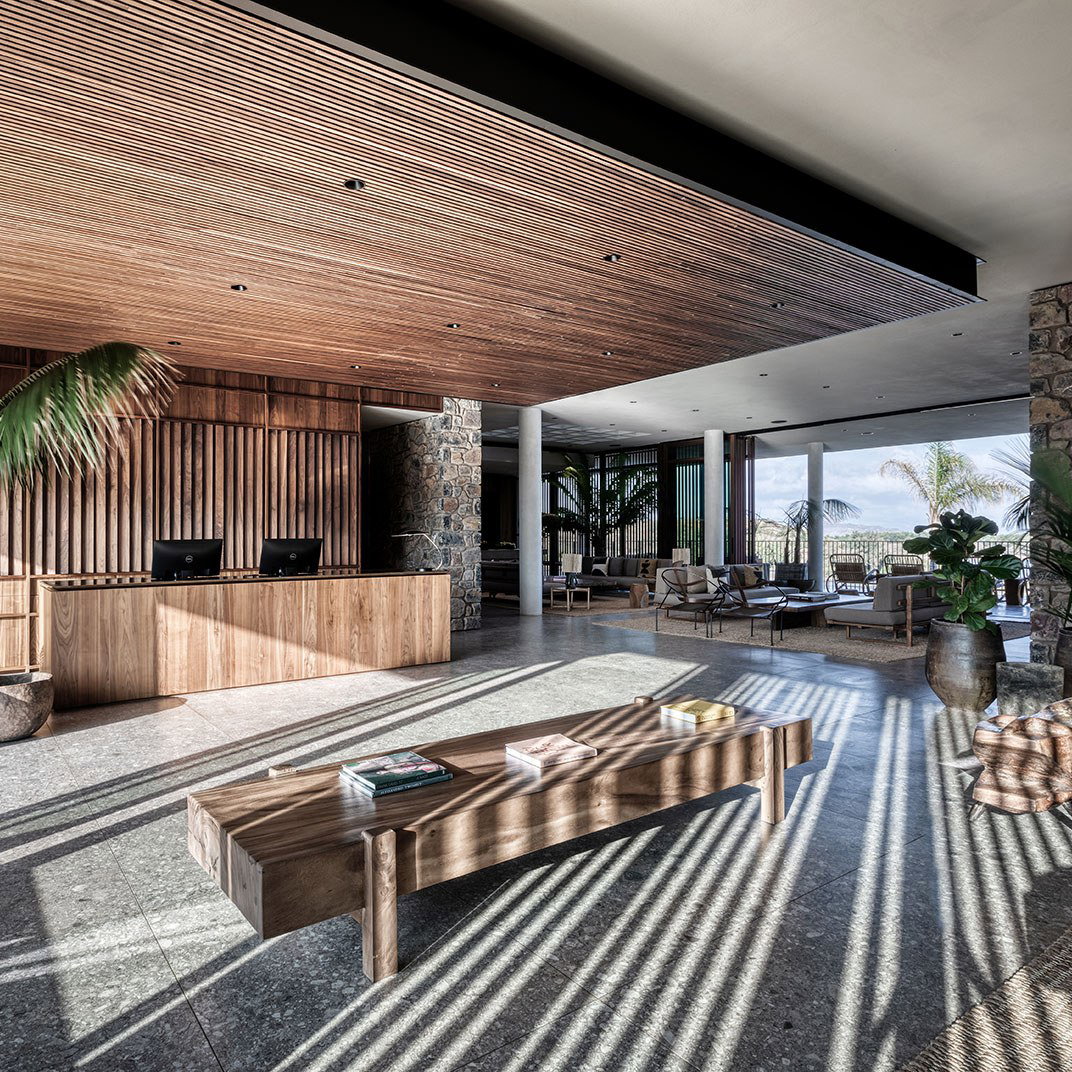
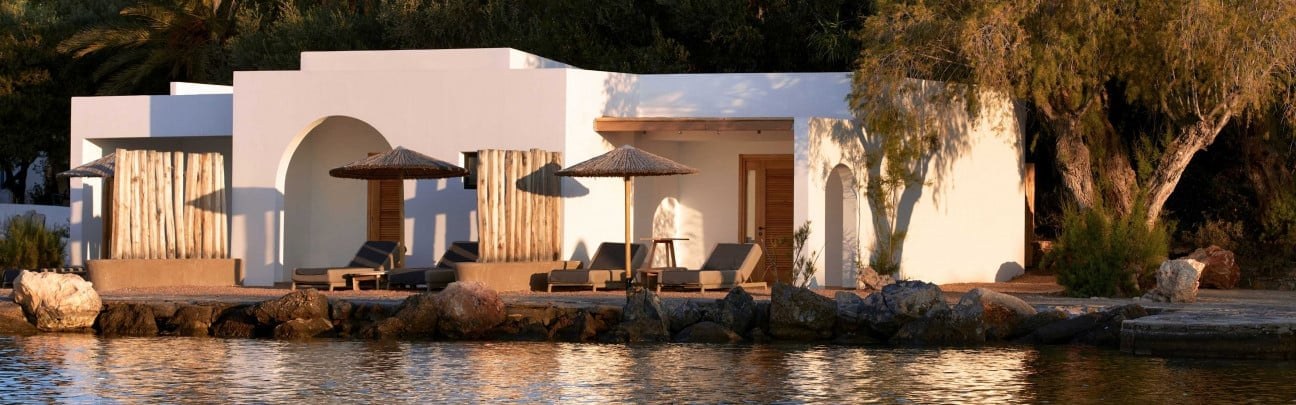
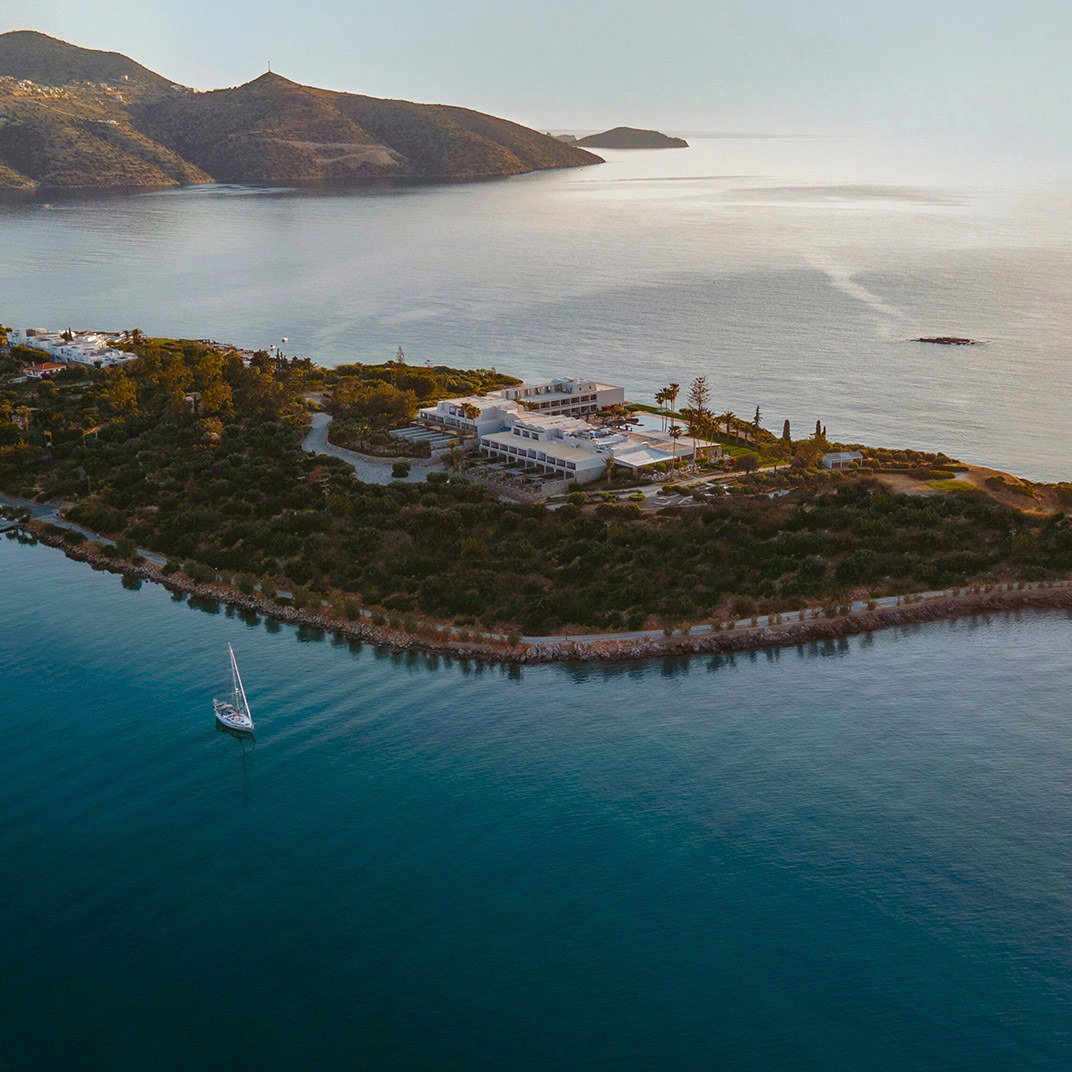
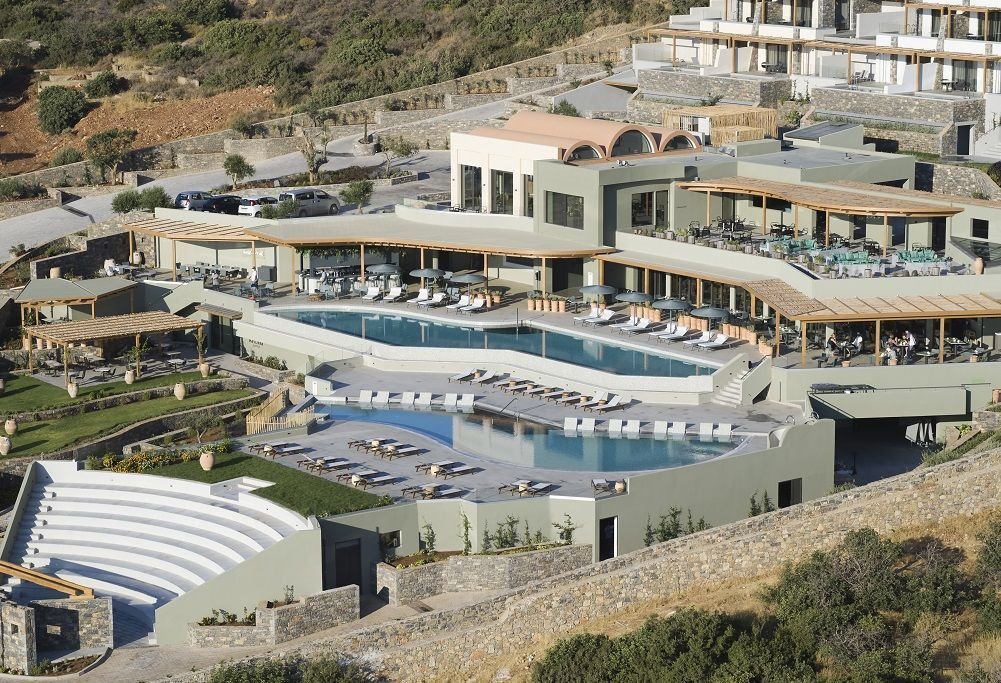
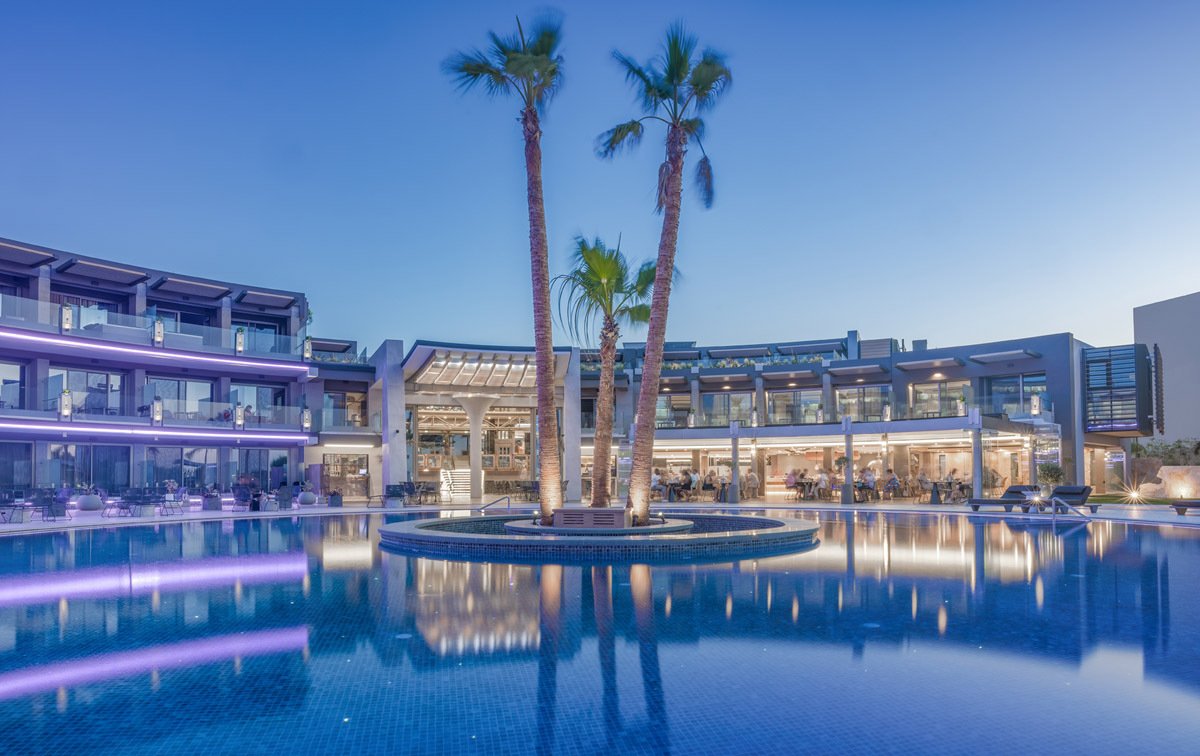
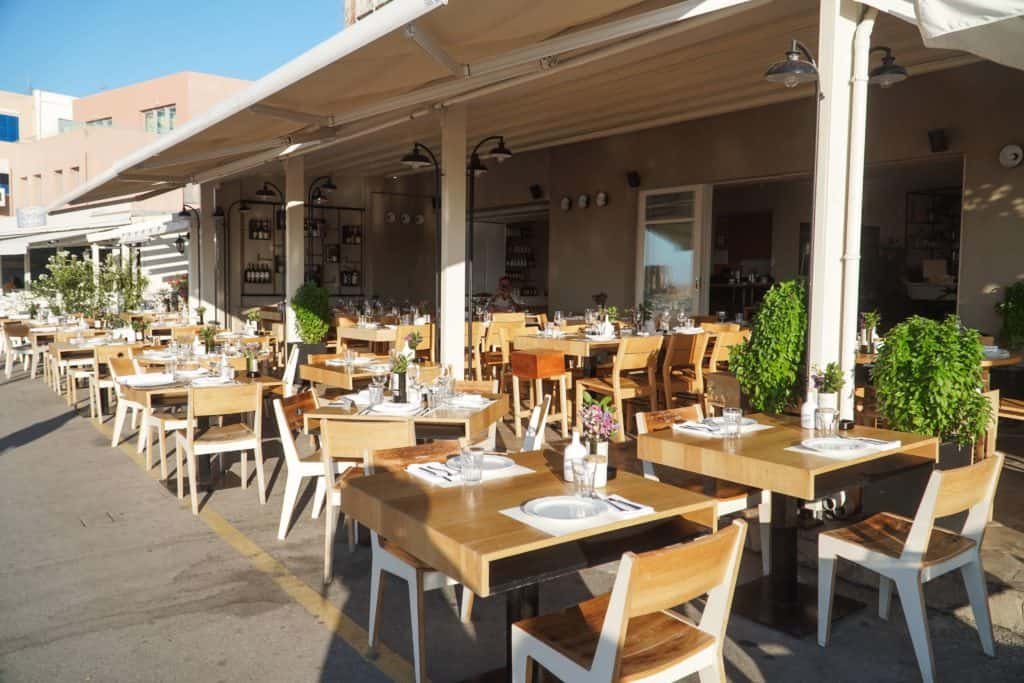
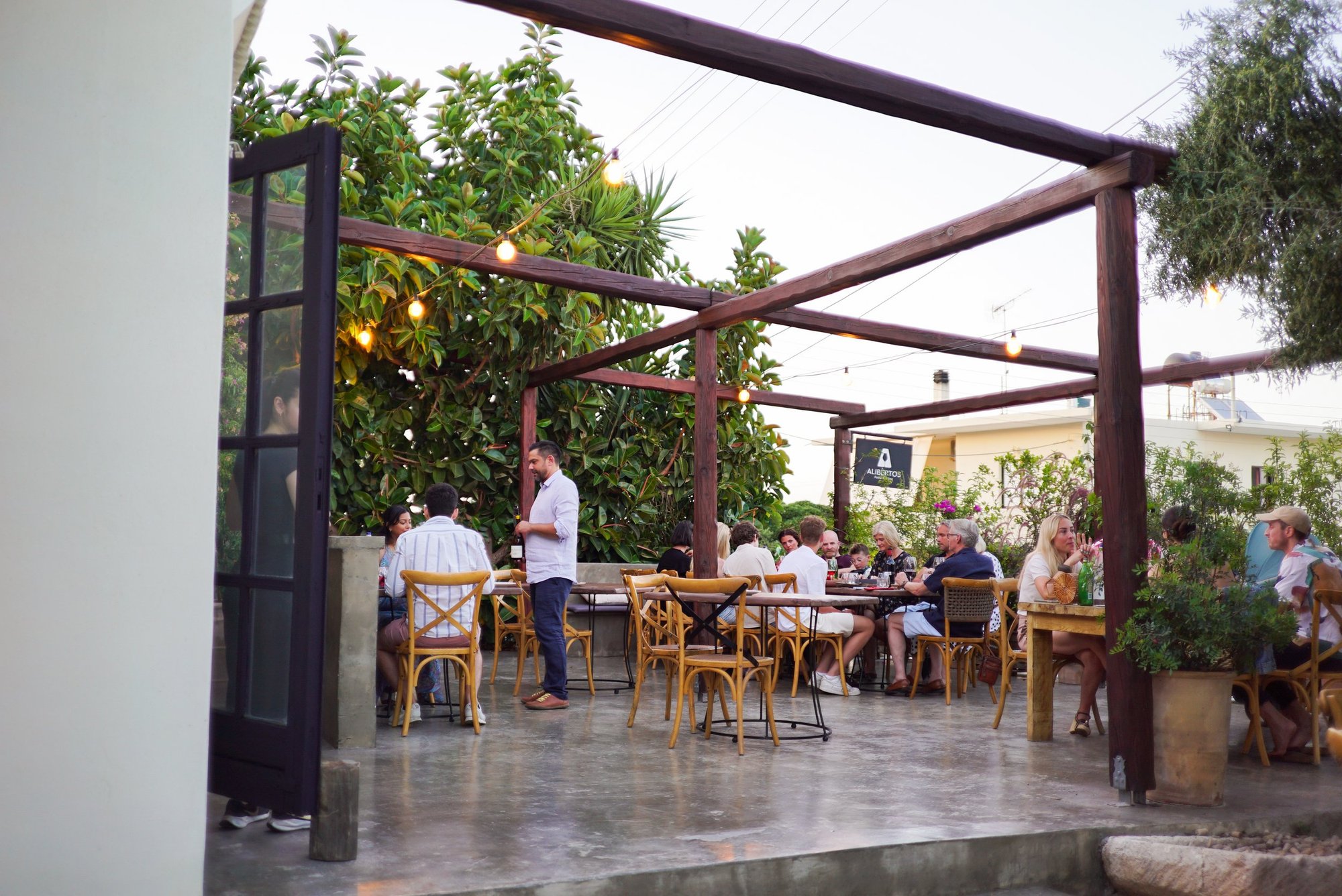
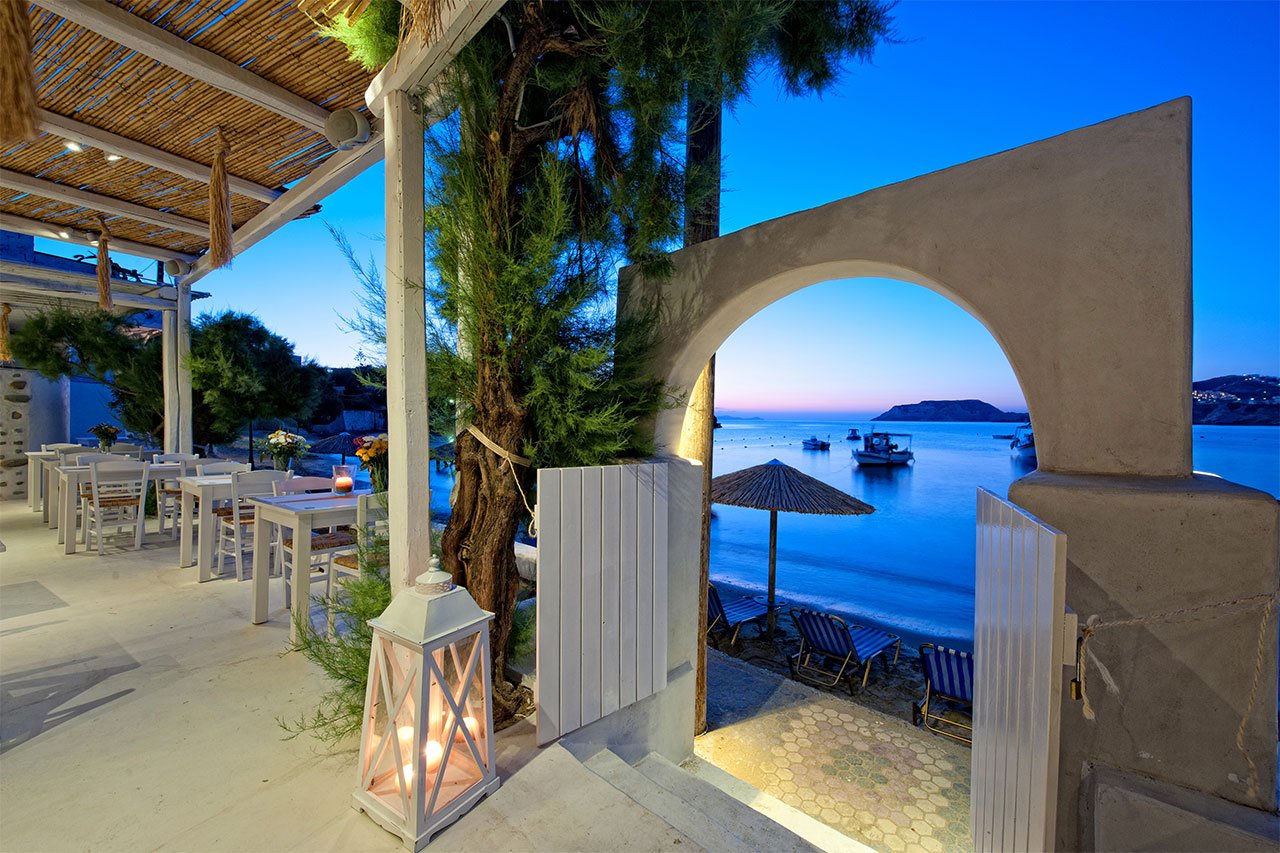
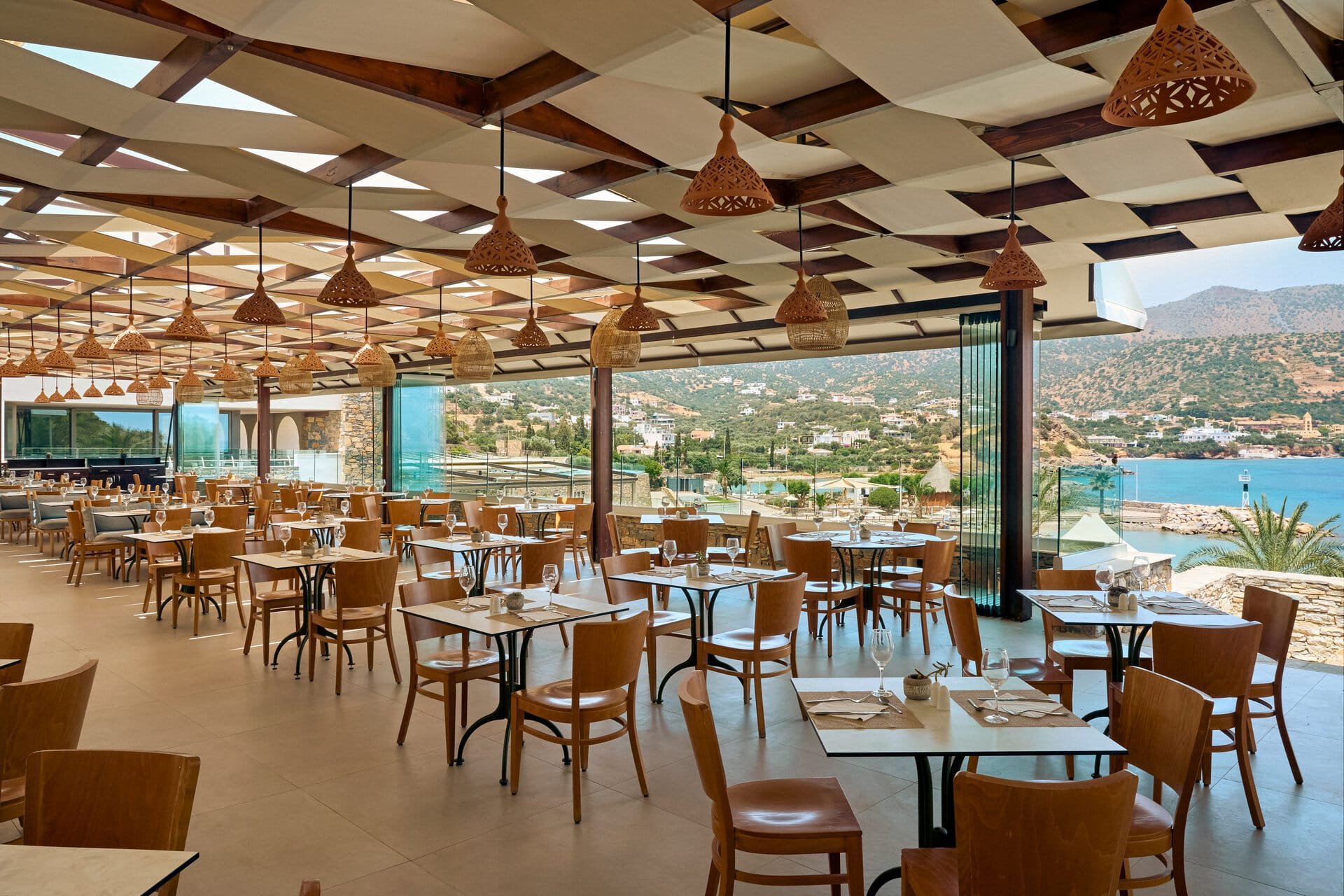
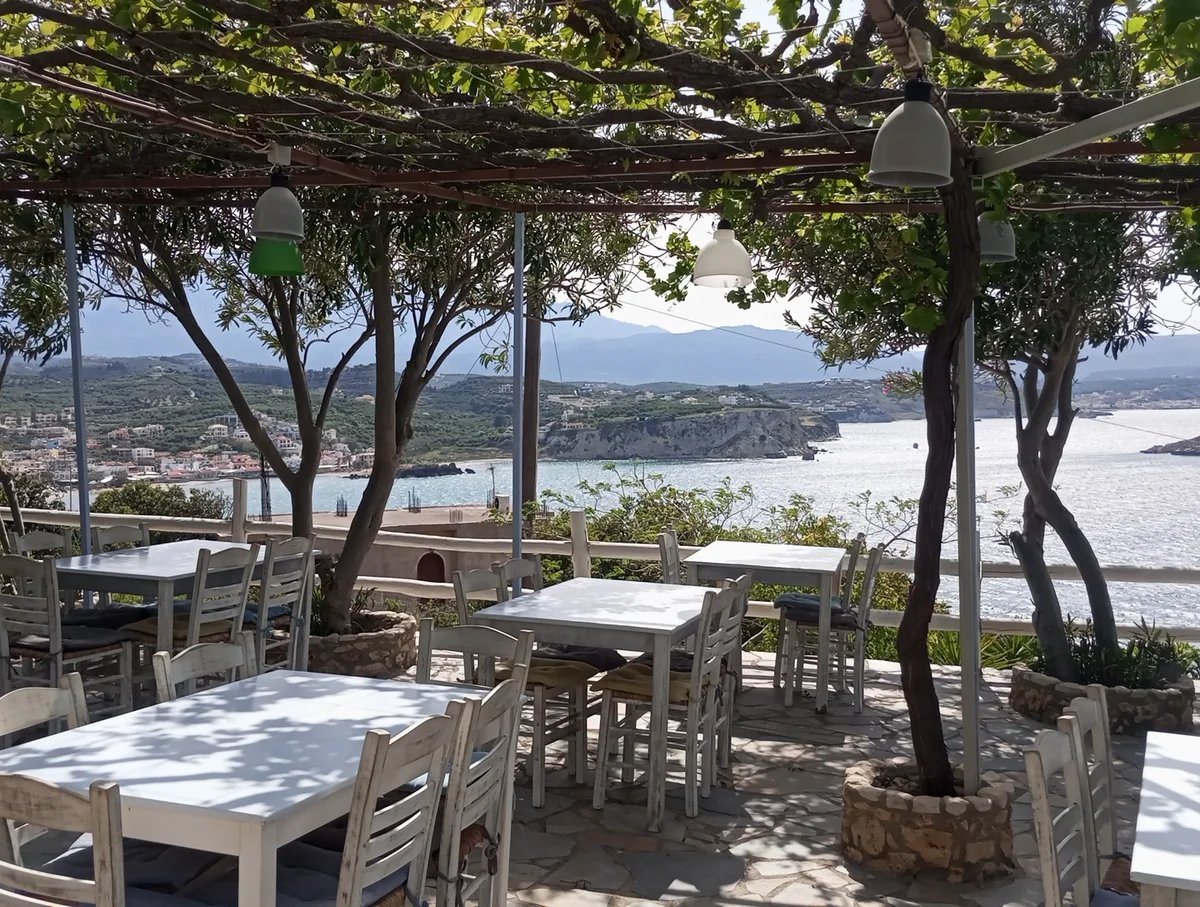
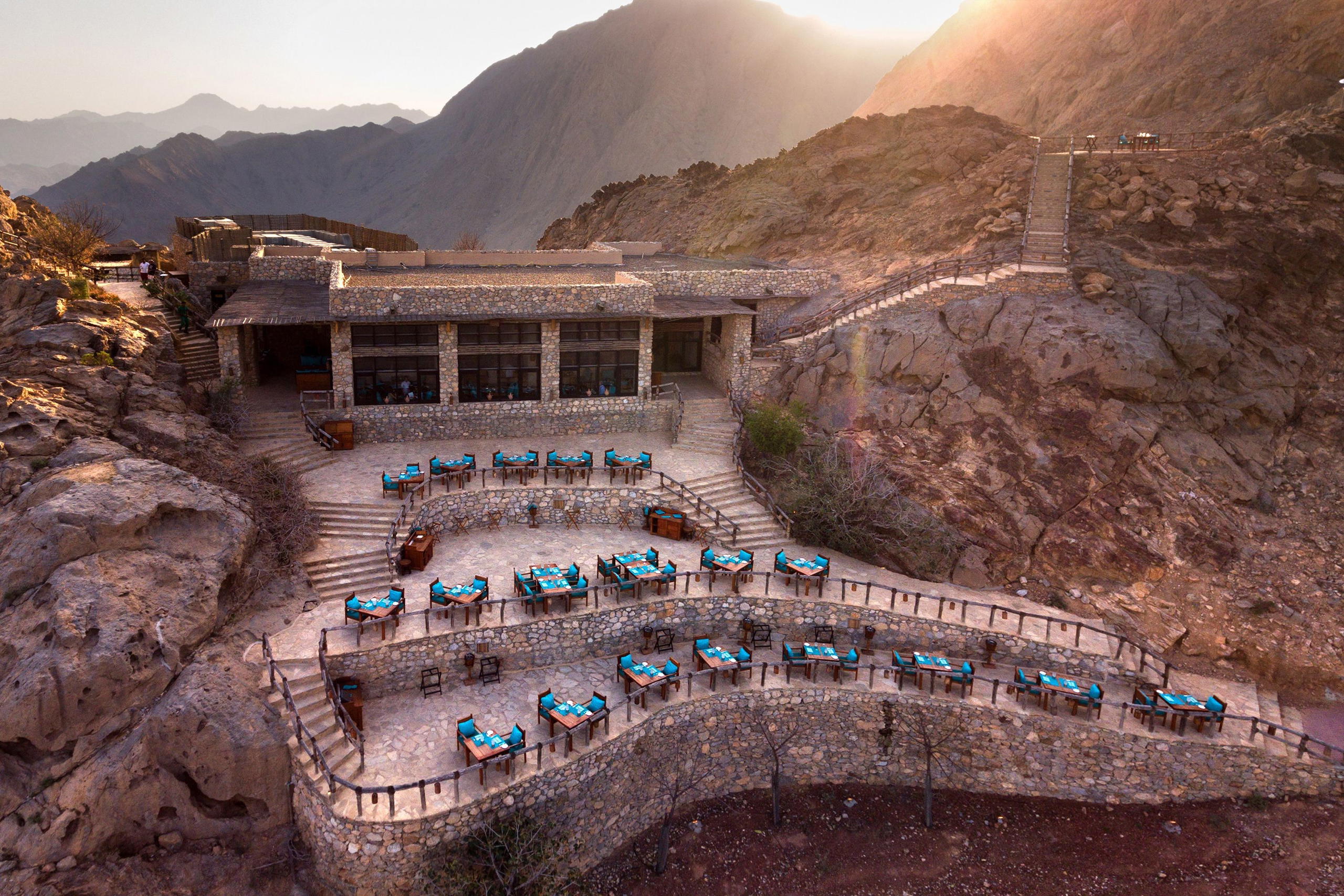
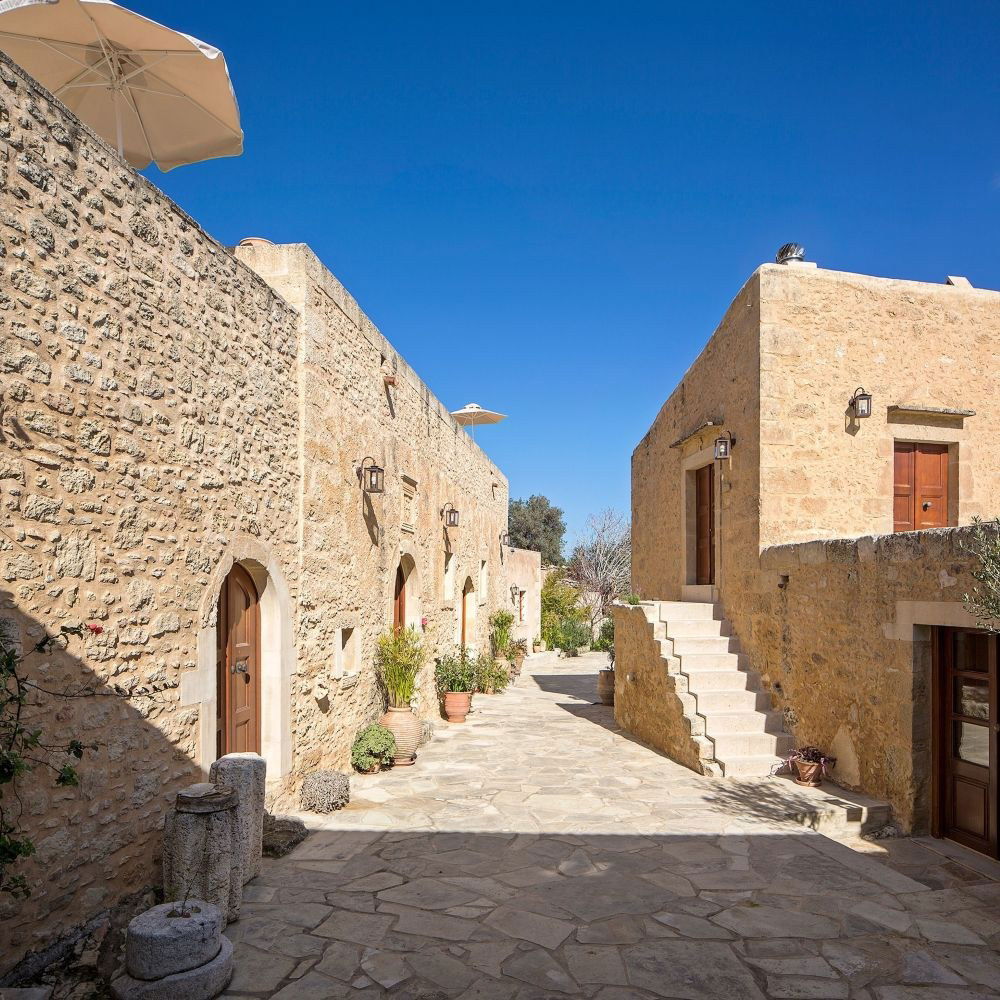
Kapsaliana Village Hotel reads like a restored 16th-century settlement, where stone archways, vaulted ceilings and compact courtyards shape the guest experience. The hotel leans on authenticity rather than resort gloss: buildings and village fabric are what distinguish a stay here. Its placement in the olive-growing hills above Rethymno produces a quieter, more contemplative mood, and a 2025 Michelin Key highlights the property’s architectural ambition and hosting quality. The overall effect is sophisticated and classic without feeling ostentatious — a serene, historically rooted retreat for travelers who value place and craftsmanship.
Best For
Kapsaliana is best for travelers seeking a calm, architecture-forward escape: it suits romantic getaways, wellness-focused stays, family vacations and short weekend escapes. Guests who appreciate historic buildings and quiet rural settings find the hotel especially rewarding; the scale and village layout favor relaxed exploration of courtyards and surrounding olive groves rather than poolside resort activity. The Michelin recognition also makes it a good pick for visitors who prioritize design, character and attentive hosting over generic luxury amenities.
Venue details
Ambiance
Tranquil and relaxing with stone architecture, minimalist design, fireplaces, and natural surroundings.
Tags
Vibe
Best For
Experience
Amenities
View
Accessibility
About the Stay
- Rooms
- 25
- Check-in
- 15:00
- Check-out
- 11:00
- Property Style
- Restored 18th Century Cretan Village with Modern Minimalist Interiors
- Design Style
- Rustic Stone Architecture Blended with Minimalist Modern Design
Know before you go
Know Before You Go
- Getting there
- Καψαλιανά 741 50, Greece
Planning details
Location
Recognition and awards
Also consider
Also Consider
- The Royal Blue Resort, Notable alternative
- Nautilux by Mage Hotels & Resorts, Notable alternative
- Rimondi Boutique Hotel, Notable alternative
- OROS LUXURY BEACH RESORT, Notable alternative
- Ventale Island Breeze Resort, Notable alternative
Hotel context
How it compares in Crete
Choose Kapsaliana Village Hotel over The Royal Blue Resort if the trip is built around quiet, inland atmosphere rather than a coastal resort setup. The Royal Blue Resort is the more obvious pick for travelers who want a larger resort feel and easier beach-led days; Kapsaliana is the better call for a special occasion where calm matters more than facilities.
Nautilux by Mage Hotels & Resorts and OROS LUXURY BEACH RESORT are stronger cross-shops for guests prioritizing a contemporary resort mood. Kapsaliana is harder to book and less plug-and-play for families who want built-in entertainment, but it should feel more personal for couples or multi-generation travelers who prefer a quieter base.
Rimondi Boutique Hotel is the better alternative for travelers who want a boutique stay closer to town rhythms, while Ventale Island Breeze Resort is the safer comparison for a more resort-leaning island break. If Kapsaliana is full, start with Rimondi for boutique character or The Royal Blue Resort for a broader family-friendly resort experience.
Explore Crete
Around this place
Discover more on Pearl
Unlock the full Kapsaliana Village Hotel guide in Pearl, including awards, comparisons, FAQs, planning details, and nearby places.
Compare Kapsaliana Village Hotel
| Venue | Location | Awards |
|---|---|---|
| Kapsaliana Village Hotel | Crete | Michelin 1 Key 20252025 Michelin 1 Key |
| The Royal Blue Resort | Crete | No published awards |
| Nautilux by Mage Hotels & Resorts | Crete | No published awards |
| Rimondi Boutique Hotel | Rethymno | 2025 Michelin Selected HotelsSmall Luxury Hotels Member 2025 |
| OROS LUXURY BEACH RESORT | Rethymno | Preferred Hotels L.V.X. Collection 2025 |
| Ventale Island Breeze Resort | Chania | No published awards |



How Kapsaliana Village Hotel Crete compares with similar nearby venues.
FAQ
Frequently Asked Questions
When is the best time to book Kapsaliana Village Hotel?
Booking timing depends on your travel dates. Kapsaliana Village Hotel is a MICHELIN Guide Hotels 1 Key property in Crete for 2025, so contact the hotel for availability and seasonal details.
Is Kapsaliana Village Hotel family-friendly?
For family-friendly stays, ask Kapsaliana Village Hotel directly about family amenities. If you are comparing hotel options, you can also look at The Royal Blue Resort or Ventale Island Breeze Resort and confirm family facilities directly with each property.
What is Kapsaliana Village Hotel known for?
Kapsaliana Village Hotel is a hotel in Crete recognized with a MICHELIN Guide Hotels 1 Key for 2025. Its dress code is smart casual.
Where is Kapsaliana Village Hotel located?
Kapsaliana Village Hotel is located in Crete.