
Nordelaia
Cremolino
Hotel in Cremolino, Italy
 Book with Pearl
The Read
Monferrato Hill Retreat
Why go
Nordelaia is worth prioritizing for a slower Piedmont stay where the hotel itself matters, not just as a base between wine-country stops. The Michelin 1 Key and Mr & Mrs Smith Seal of Approval make it a stronger choice for couples and design-led leisure trips than for business travel or tightly scheduled itineraries.
About Nordelaia
Nordelaia is a hotel in Cremolino with a smart casual dress code and two recognition signals: Michelin 1 Key in 2024 and the Mr & Mrs Smith Seal of Approval in 2026.
The clearest reason to consider Nordelaia is that its recognition is tied to the stay experience. If Cremolino is central to the trip, it is worth comparing Nordelaia with other hotel options before deciding where to base yourself.
Book for the season, not just the room
Confirm the current room, service, and booking details directly with the property before committing. The Michelin 1 Key recognition is a useful quality signal, but it should not be treated as a substitute for checking the specifics that matter to your trip.
For Cremolino planning, start with the local guides that match your itinerary needs: Our full Cremolino restaurants guide. If you are comparing stays beyond Nordelaia, keep the comparison focused on hotel fit rather than assumed amenities or dining programs.
Who should choose it over another hotel base
Choose Nordelaia if you want a Cremolino stay with Michelin 1 Key recognition and a smart casual dress code. The Mr & Mrs Smith Seal of Approval adds another quality signal for travelers who value curated hotels. Amenities, services, menus, and room categories should be checked directly with the hotel.
For a broader hotel comparison, consider Nordelaia alongside La Villa Hotel, Le Marne Relais, Relais Almaranto, Relais San Maurizio, and Villa La Madonna. Each should be checked on its own current terms, especially if your decision depends on logistics, facilities, dining, or loyalty benefits.
Planning details
- Location
- Via Piazze, 14, 15010 Cremolino AL
- Website
- nordelaia.com
- Phone
- +39 0143 038045
The take
The Take
The Vibe
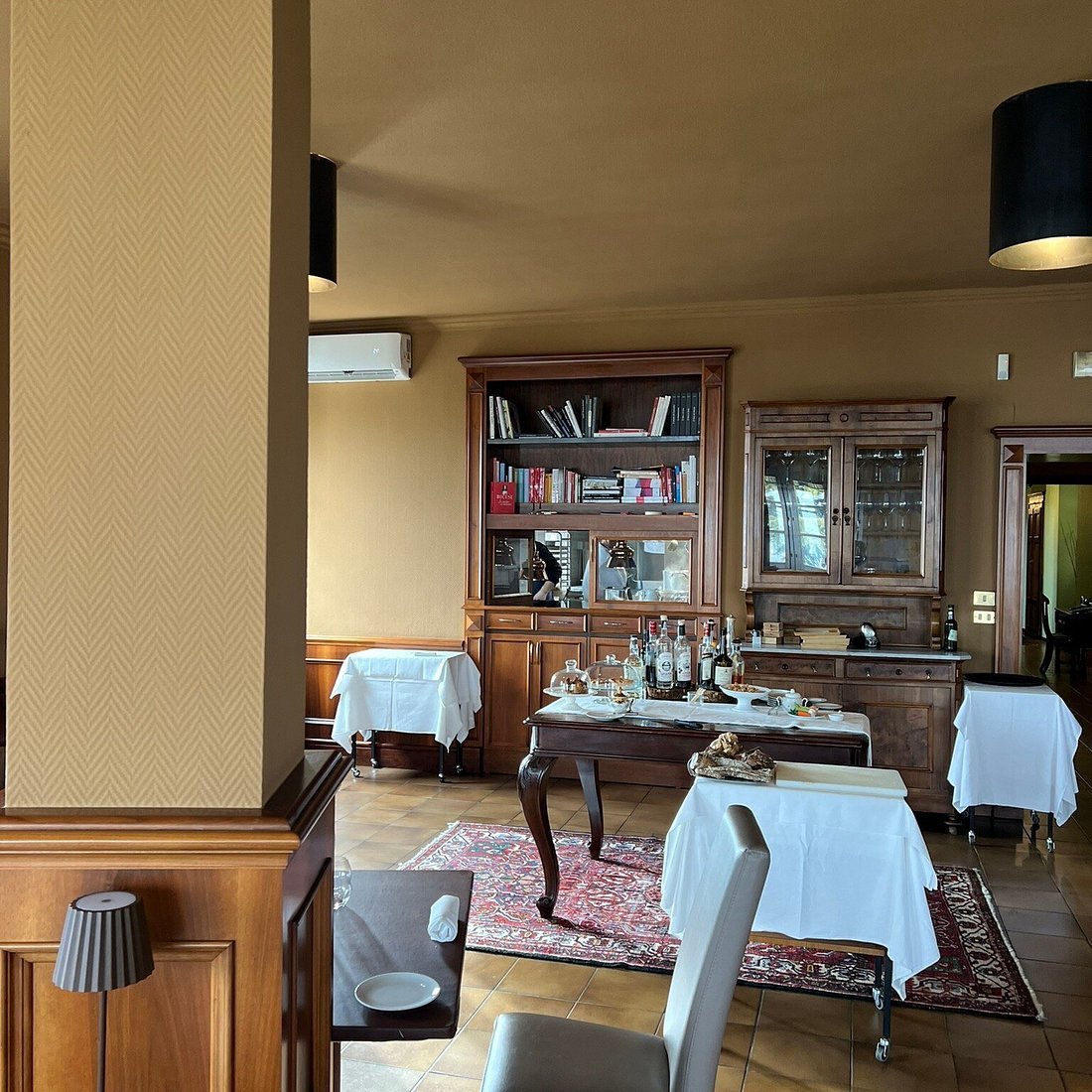
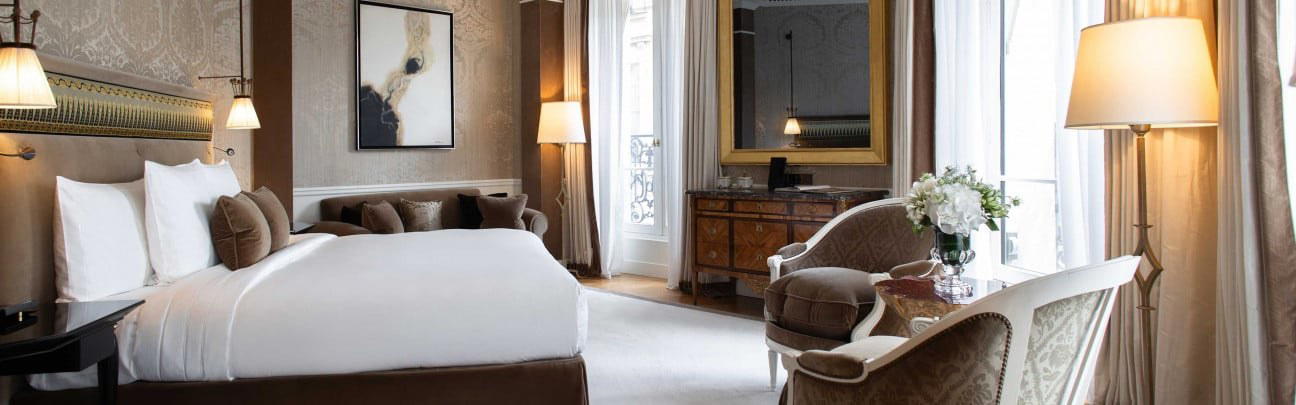
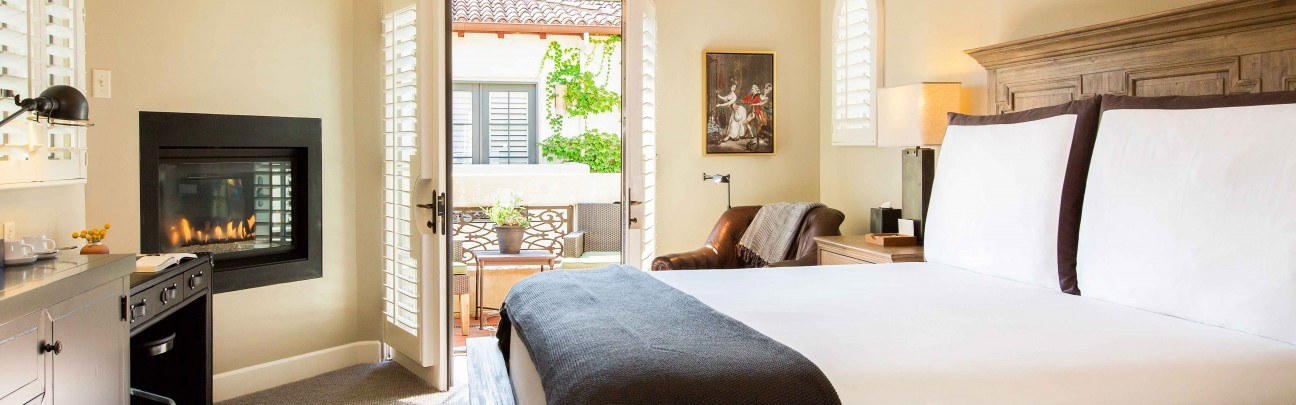
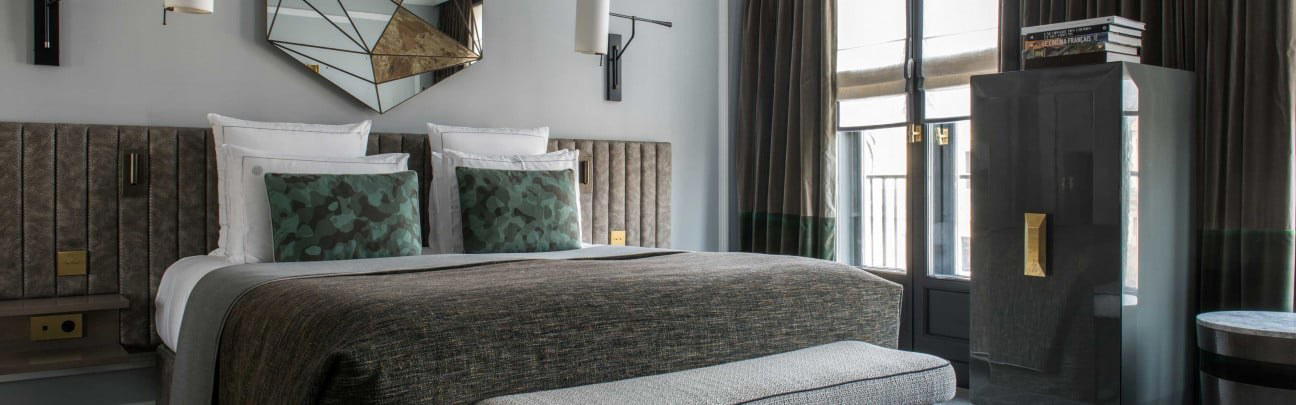
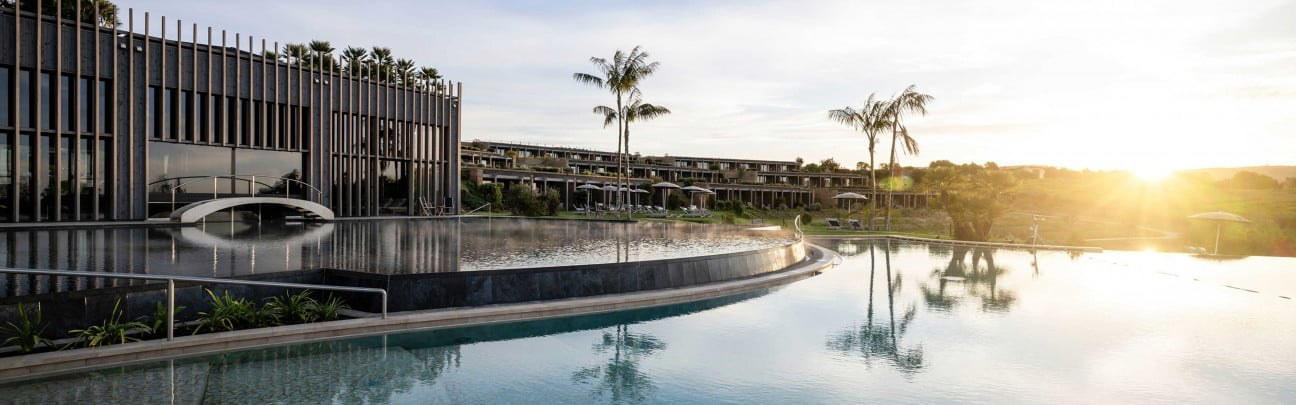
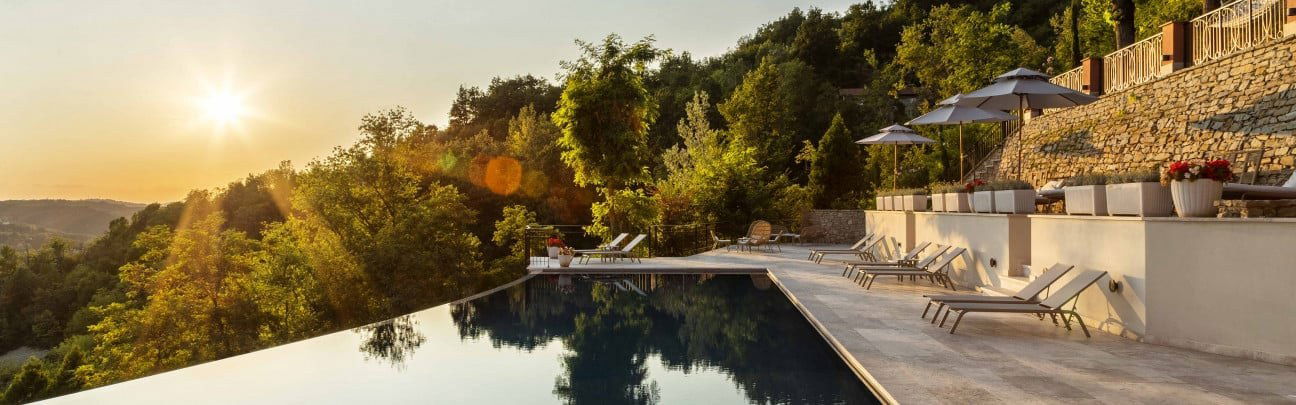
Nordelaia reads as an architectural conversation between medieval fabric and contemporary design. The core farmhouse—traced back roughly twelve centuries—remains legible in stone and timber, while These White Walls inserts modern fixtures and objects that deliberately sit alongside rather than erase the original. With just 12 rooms and suites, the property feels intimate and meticulously composed: each surface and object answers to the layered design argument at the hotel's heart. The surrounding Monferrato hills lend a slow, rural calm, so the overall impression is of a quietly theatrical, historically layered hotel that privileges materiality and restraint over period pastiche.
Best For
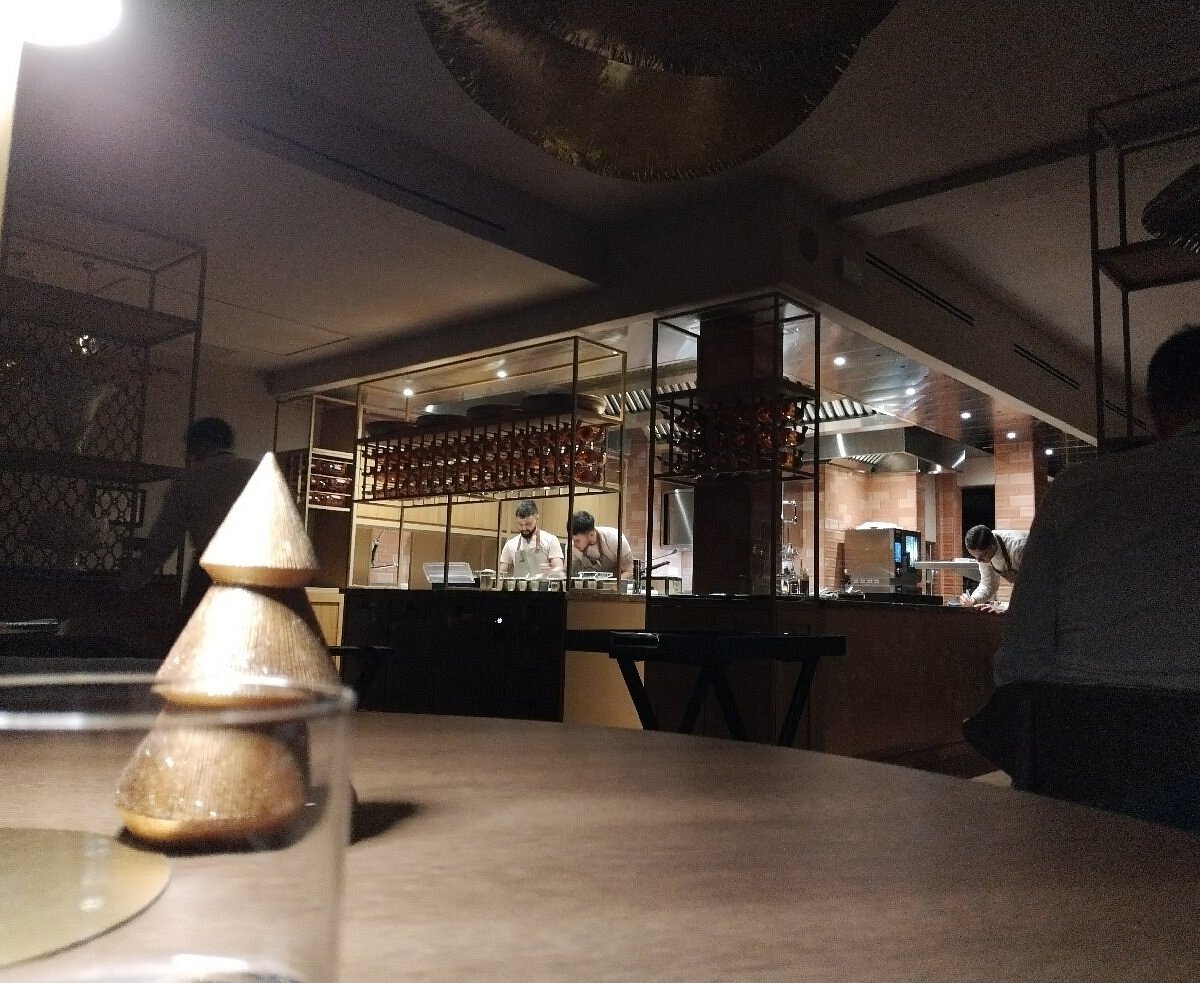
This is a destination for travelers who prize design and serious dining in a low-traffic pocket of Piedmont. It suits couples and small groups seeking an intimate, quiet escape where architecture and curated interiors are as much the draw as proximity to Barolo, Alba and the Langhe. Food-focused visitors who chase Michelin-recognized kitchens will find Nordelaia a natural base, and the compact scale makes it well matched to weekend stays or short wellness-minded getaways that favor privacy and considered design rather than bustling resort amenities.
Venue details
Ambiance
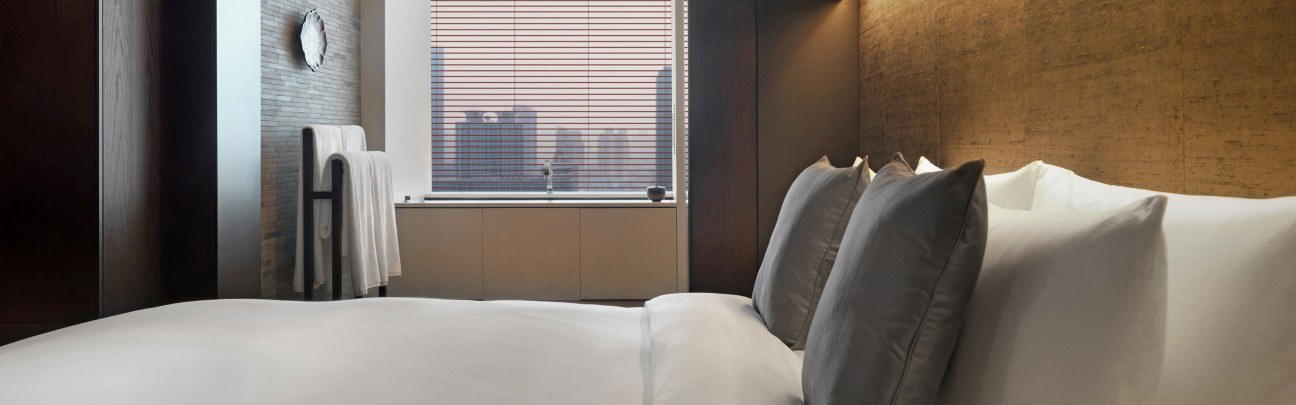
Tranquil and relaxing with natural light, wooden interiors, breathtaking hill views, and a serene connection to nature.
Tags
Vibe
Best For
Experience
Amenities
View
Accessibility
About the Stay
- Rooms
- 12
- Check-in
- 14:00
- Check-out
- 11:00
- Property Style
- Restored 800 Year Old Farmhouse Blending Heritage with Modern Design
- Design Style
- Wooden Cedar Interiors with Natural, Italian Inspired Elegance
Know before you go
Know Before You Go
- Getting there
- Via Piazze, 14, 15010 Cremolino AL
Planning details
Location
Recognition and awards
Also consider
Also Consider
- La Villa Hotel, Notable alternative
- Villa La Madonna, Notable alternative
- Relais Almaranto, Notable alternative
- Relais San Maurizio, Notable alternative
- Le Marne Relais, Notable alternative
Hotel context
How Nordelaia compares with nearby stays
Nordelaia is the stronger pick if the trip is built around the hotel experience itself. Against La Villa Hotel and Villa La Madonna, it has the clearest external quality signals, with Michelin 1 Key recognition and a Mr & Mrs Smith Seal of Approval. That makes it easier to justify for a special countryside stay, especially when booking demand is high in peak wine-travel periods.
For value, cross-shop Relais Almaranto and Le Marne Relais before committing. They are better candidates if the itinerary is packed with tastings, meals, and day trips, because paying a premium for a hotel-led stay makes less sense when the room is mostly used at night.
Relais San Maurizio is the peer to check when the priority is a more established resort feel. Nordelaia is the better fit for a quieter, design-forward Piedmont break; Relais San Maurizio is the safer cross-shop when a broader hospitality setup matters more than intimacy.
Explore Cremolino
Around this place
Discover more on Pearl
Unlock the full Nordelaia guide in Pearl, including awards, comparisons, FAQs, planning details, and nearby places.
Compare Nordelaia
| Venue | Location | Awards |
|---|---|---|
| Nordelaia | Cremolino | 2026 Mr & Mrs Smith Luxury HotelsMichelin 1 Key 20252025 Michelin 1 Key2024 Michelin 1 Key |
| La Villa Hotel | Mombaruzzo | No published awards |
| Villa La Madonna | Monastero Bormida | 2026 Mr & Mrs Smith Luxury HotelsSmall Luxury Hotels Member 2025 |
| Relais Almaranto | Calamandrana | No published awards |
| Relais San Maurizio | Santo Stefano Belbo | Leading Hotels of the World 20262025 Michelin Selected Hotels |
| Le Marne Relais | Costigliole d'Asti | 2026 Mr & Mrs Smith Luxury Hotels2025 Michelin Selected HotelsSmall Luxury Hotels Member 2025 |



How Nordelaia Cremolino compares with similar nearby venues.
FAQ
Frequently Asked Questions
How does Nordelaia compare to other hotels?
Choose Nordelaia if you want a Cremolino stay with Michelin 1 Key recognition from 2024. La Villa Hotel and Villa La Madonna are other options to compare if your priority is overall trip fit rather than a single recognition signal.
Is Nordelaia good for business travel?
Nordelaia is in Cremolino. If work logistics are important, confirm the current services directly with the property and compare the fit with Le Marne Relais or Relais Almaranto.
What is check-in like at Nordelaia?
Which room category is best at Nordelaia?
Do loyalty programs work at Nordelaia?
Do not assume points, upgrades, or benefits apply unless Nordelaia confirms them directly; Relais San Maurizio may be another comparison if loyalty value is part of your decision.