
THREE BARS RANCH
Cranbrook
Hotel in Cranbrook, Canada
 Book with Pearl
The Read
Full-Geography Guest Ranch
Why go
Book THREE BARS RANCH if the trip is meant to revolve around a ranch stay near Cranbrook, not a conventional hotel base. Its Top 50 Ranches (2026) recognition is the main reason to take it seriously; couples should avoid overbuying room size, while families should prioritize space and layout.
About THREE BARS RANCH
THREE BARS RANCH is a Cranbrook venue with a casual dress code and Top 50 Ranches (2026) recognition. It is best assessed as a ranch-focused Cranbrook option, rather than by assuming specific rooms, dining, activities, pricing, or amenities.
Before booking, confirm the details that matter for your trip directly with the venue: current availability, on-site offerings, meals, accessibility needs, and any seasonal considerations.
Choose this for a ranch-focused Cranbrook option
THREE BARS RANCH is best considered by travelers who specifically want a Cranbrook ranch setting. The casual dress code suggests a relaxed approach to attire, but guests should confirm the exact service style, amenities, room categories, or activity schedule.
Avoid making a decision based on assumed features such as spa facilities, dining format, room size, or included programming. Use the venue's current information to check what is available for your dates.
What the recognition actually tells you
Its inclusion in Top 50 Ranches (2026) supports considering THREE BARS RANCH within a ranch context. However, travelers should confirm exact room quality, dining details, pricing, activity options, or service format directly with the venue.
For comparison, Western Pleasure Guest Ranch and BULL HILL RANCH are also ranch-style options to consider, while Lamphouse Hotel, Basecamp Lodge Canmore, and Banff Sunshine Village Ski & Snowboard Resort fit different travel needs. If you are focused specifically on Cranbrook, compare THREE BARS RANCH with other Cranbrook options and confirm current details before deciding.
For broader trip planning, use Cranbrook venue, dining, and activity resources as starting points, then confirm the details that matter directly with each venue. THREE BARS RANCH is in Cranbrook, the dress code is casual, and it has Top 50 Ranches (2026) recognition.
Planning details
- Location
- Wycliffe Perry Creek Rd, Ta Ta Creek, BC V1C 7C7
- Website
- threebarsranch.com
- Phone
- +1 250-426-5230
The take
The Take
The Vibe
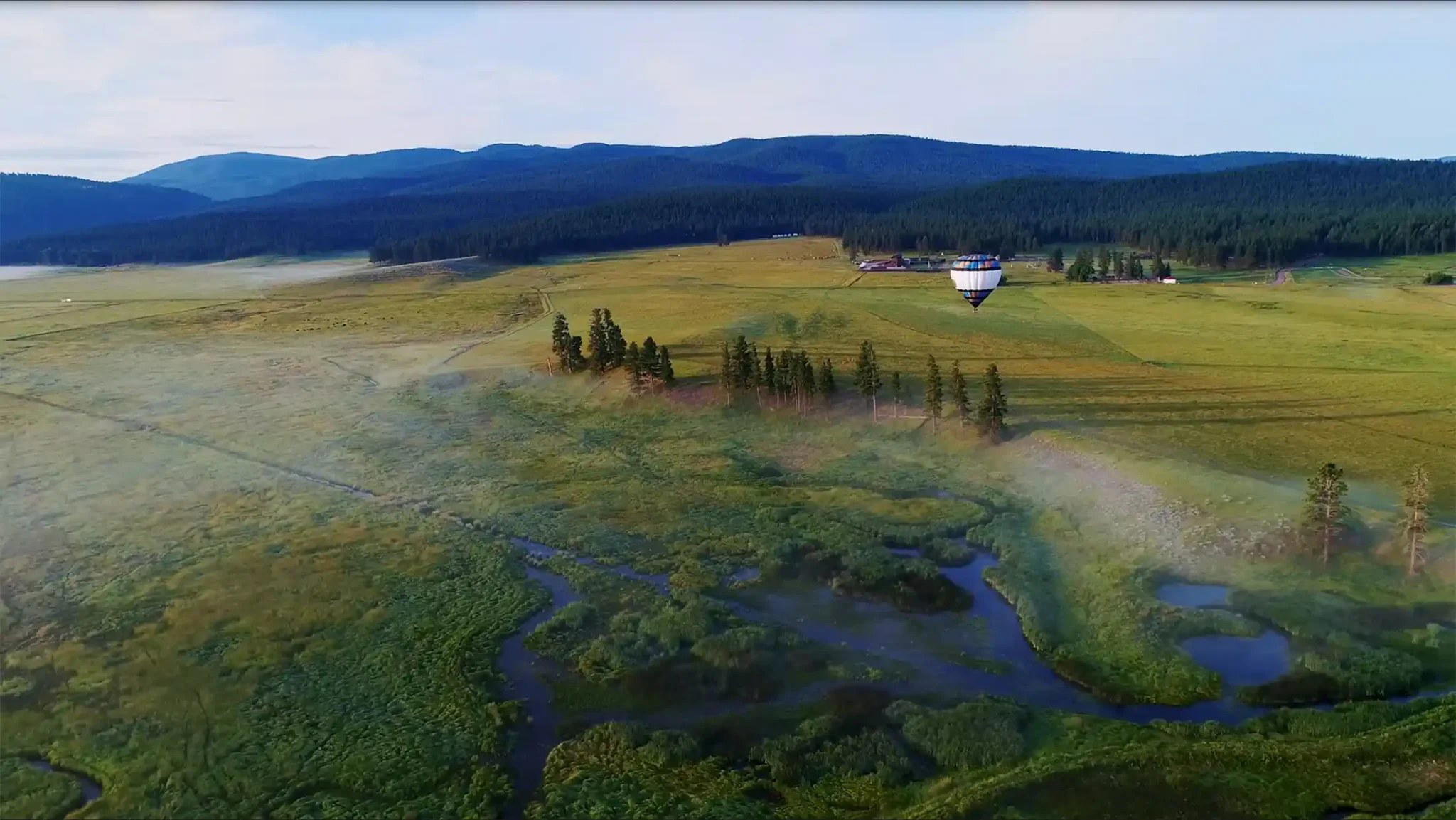
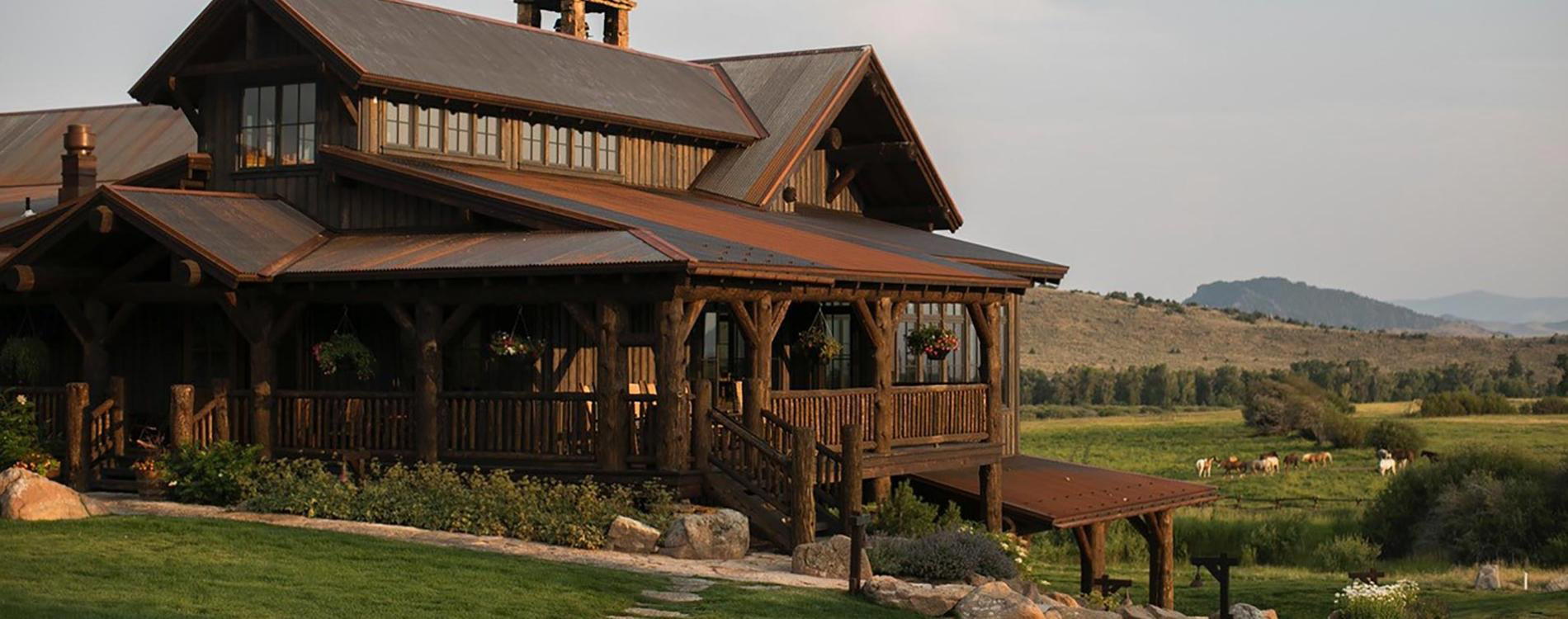
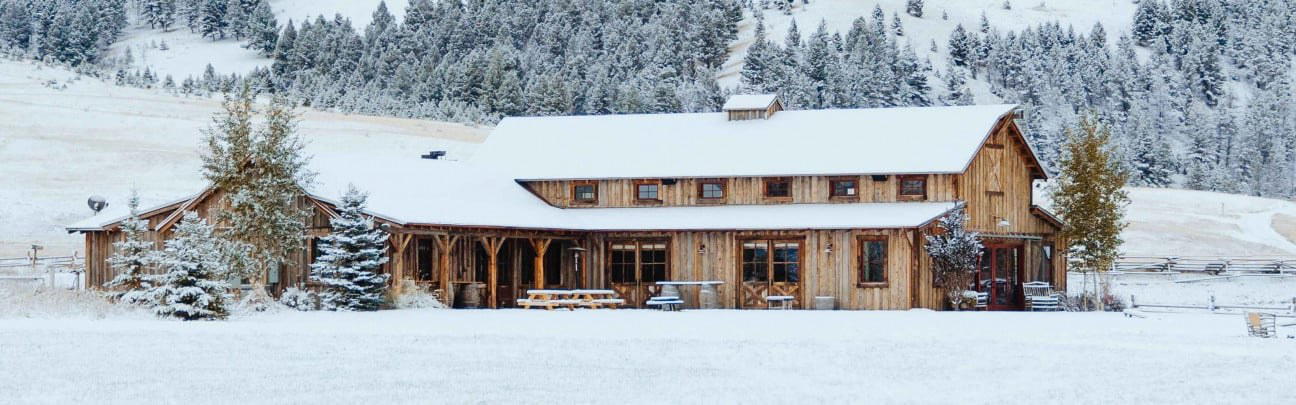
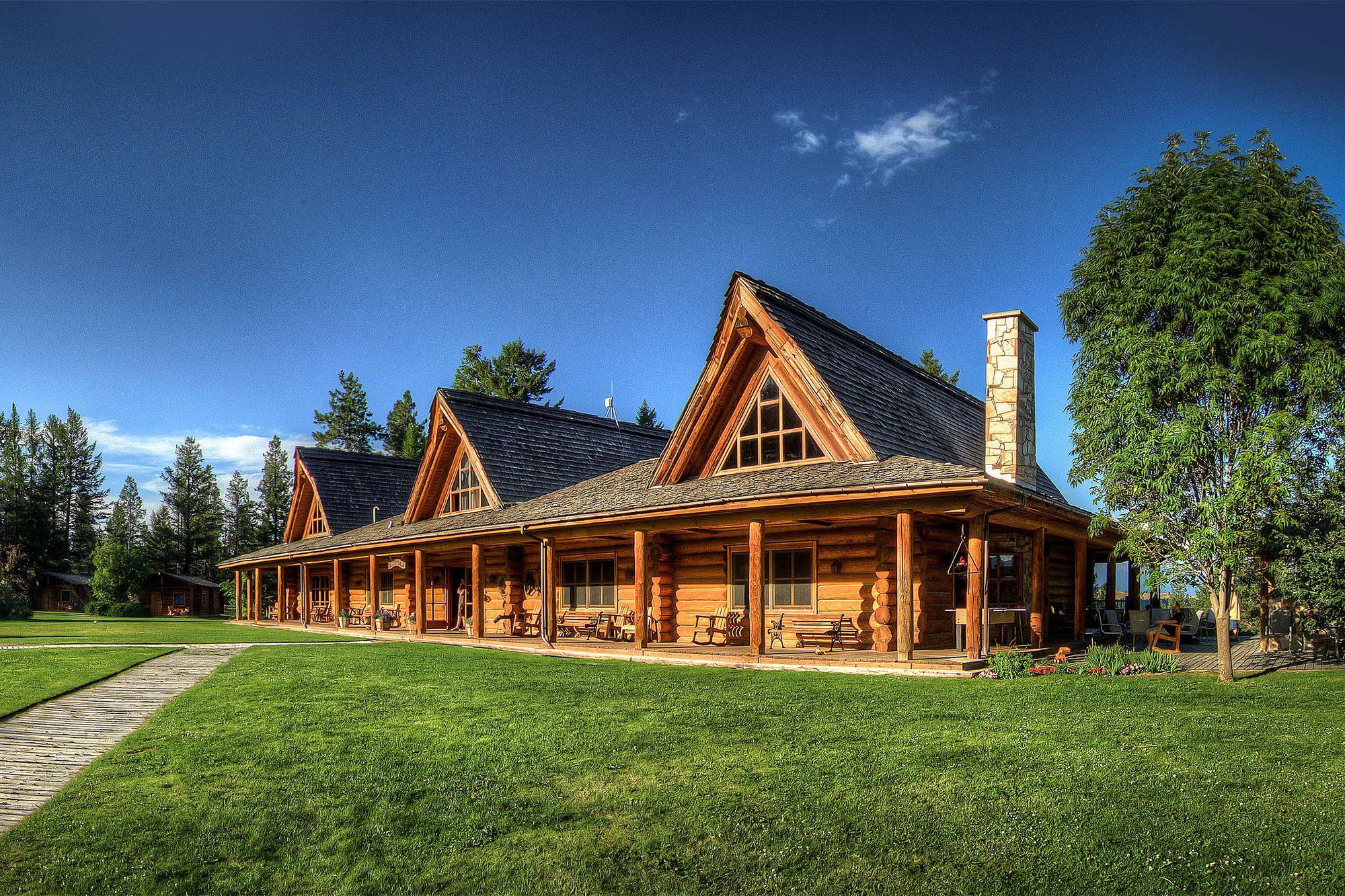
Three Bars Ranch presents as a purpose-built wilderness property where architecture answers the land. Buildings lean on functional vernacular — log construction, covered verandas and simple, site-forward design — so the structures feel embedded rather than imposed. Programming follows the terrain: river flats, pine and fir forest, and open grazing shape the guest experience as much as any interior detail. The tone is unforced and quietly appealing, favoring hands-on outdoor pursuits over polished resort theatricality. Expect a classic, relaxed ranch atmosphere that privileges scenery and activity over frills.
Best For
Three Bars Ranch is best for travelers who prize outdoor activity and a rural setting: families seeking an active getaway, groups arranging a weekend escape, and small retreats that want substantive programming tied to the land. The ranch’s roster — horseback riding, fly fishing, river rafting, shooting sports, hiking, ATVs and mountain biking — caters to guests who come for guided and self-directed field time rather than urban amenities. Its location near Cranbrook’s airport makes it accessible while still feeling remote, so it suits people planning short but immersive nature-focused trips.
Stay Tips
Book activities in advance and plan around seasonality: the ranch’s programme is built from what the landscape supports, so popular offerings like horseback riding, river rafting and guided fly-fishing can fill quickly. Expect an outdoors-first rhythm — bring layered clothing, sturdy footwear and any specialized personal gear recommended by the property. Contact the ranch ahead of arrival to sequence multi-day outings and confirm difficulty levels for rides and hikes. Also ask about veranda-facing rooms or lodging to take advantage of the property’s siting and mountain outlooks.
Venue details
Ambiance
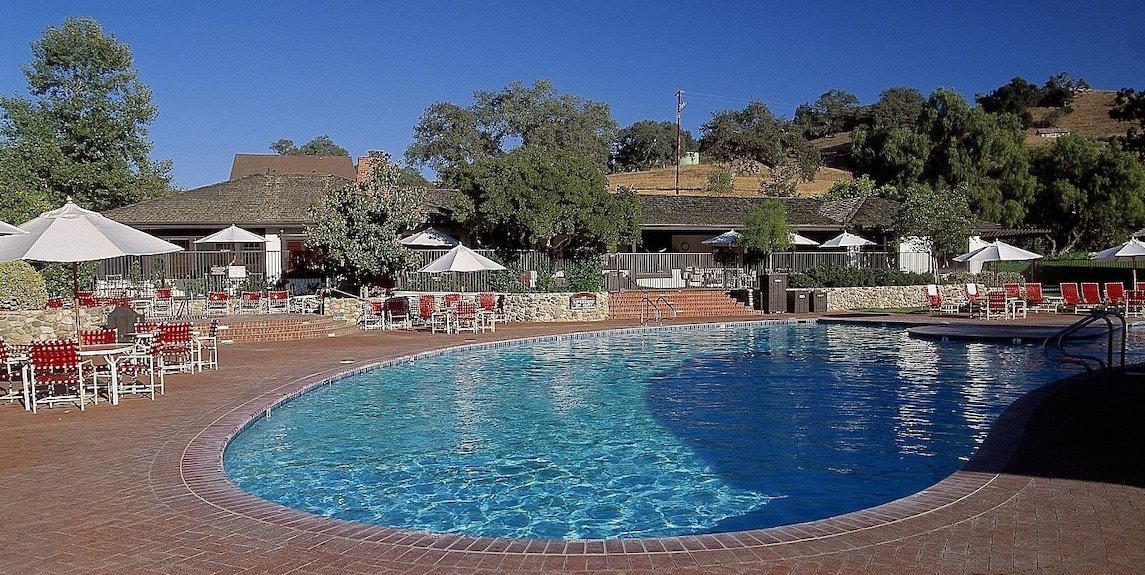
Comfortable log cabins with western charm, cozy seating areas, and relaxing porches overlooking ranch scenery; sociable evenings in the saloon and recreation lounge.
Tags
Vibe
Best For
Experience
Amenities
View
About the Stay
- Rooms
- 21
- Check-in
- 15:00
- Check-out
- 10:30
- Property Style
- Upscale Working Cattle Guest Ranch with Modern Log Cabins and Private Amenities.
- Design Style
- Rustic Log Construction with Hand Built Furniture, Spa Linens, and Western Charm.
Know before you go
Know Before You Go
- Getting there
- Wycliffe Perry Creek Rd, Ta Ta Creek, BC V1C 7C7
Planning details
Location
Recognition and awards

Also consider
Also Consider
- WESTERN PLEASURE GUEST RANCH, Notable alternative
- Banff Sunshine Village Ski & Snowboard Resort, Notable alternative
- BULL HILL RANCH, Notable alternative
- Lamphouse Hotel, Notable alternative
- Basecamp Lodge Canmore, Notable alternative
Hotel context
How It Compares
THREE BARS RANCH is the right pick when the ranch setting is the main reason for the trip. WESTERN PLEASURE GUEST RANCH and BULL HILL RANCH are the closest conceptual cross-shops: choose them if their location or availability fits better, but keep this one high on the list if Cranbrook access matters.
Banff Sunshine Village Ski & Snowboard Resort is a different kind of trip, better for travelers prioritizing a mountain-resort framework over a ranch stay. Basecamp Lodge Canmore is the easier choice for a Canmore base with more independent dining and town access, while Lamphouse Hotel fits travelers who want a simpler hotel-style stay rather than a property-led ranch experience.
For value, the decision comes down to how much time will be spent on-site. If the answer is most of the trip, a ranch format earns its keep better than a standard room elsewhere. If the room is mainly a place to sleep between drives, cross-shop Lamphouse Hotel or Basecamp Lodge Canmore instead.
Explore Cranbrook
Around this place
Discover more on Pearl
Unlock the full THREE BARS RANCH guide in Pearl, including awards, comparisons, FAQs, planning details, and nearby places.
Compare THREE BARS RANCH
| Venue | Location | Awards |
|---|---|---|
| THREE BARS RANCH | Cranbrook | Top 50 Ranches 2026 |
| WESTERN PLEASURE GUEST RANCH | Sandpoint | Top 50 Ranches 2026 |
| Banff Sunshine Village Ski & Snowboard Resort | I D No 9 | No published awards |
| BULL HILL RANCH | Kettle Falls | No published awards |
| Lamphouse Hotel | Canmore | No published awards |
| Basecamp Lodge Canmore | Canmore | No published awards |
How THREE BARS RANCH Cranbrook compares with similar nearby venues.
FAQ
Frequently Asked Questions
How is the pool and spa at THREE BARS RANCH?
Guests should confirm pool and spa details directly with the venue. Do not choose it specifically for those amenities unless the venue confirms them for your visit.
How is the location of THREE BARS RANCH?
How is the dining at THREE BARS RANCH?
Is THREE BARS RANCH family-friendly?
Which option is best at THREE BARS RANCH?
Choose only after confirming the current options, including specific categories, layouts, and capacity details, directly with the venue.
How does THREE BARS RANCH compare to other venues?
THREE BARS RANCH is a Cranbrook option with a casual dress code and Top 50 Ranches (2026) recognition. Lamphouse Hotel, Basecamp Lodge Canmore, Banff Sunshine Village Ski & Snowboard Resort, Western Pleasure Guest Ranch, and BULL HILL RANCH may suit different trip styles, so compare them based on current location, format, and amenities.