


Sequoia Lodge
Crafers, Adelaide Hills, Crafers
Hotel in Crafers, Australia
 Book with Pearl
The Read
Price
$1,000–1,500per night
Why go
Sequoia Lodge is worth booking if the trip calls for a quiet Adelaide Hills base with credible luxury recognition rather than a city-hotel setup. It suits couples and families with older children better than groups needing resort-style programming or quick Adelaide logistics.
About Sequoia Lodge
Is Sequoia Lodge worth considering for a Crafers stay? The property has clear recognition signals: Relais Chateaux Award, Virtuoso Luxury Hotel Partner, and Mr & Mrs Smith Seal of Approval, each listed for 2026. The dress code is smart casual.
As room types, dining details, family facilities, prices, and service formats are not provided, it is best to assess Sequoia Lodge as a Crafers accommodation option with recognition credentials, then confirm trip-specific needs directly before booking.
Book for a Crafers stay with recognition signals
A clear reason to consider Sequoia Lodge is its Crafers location and its 2026 recognition from Relais Chateaux, Virtuoso Luxury Hotel Partner, and Mr & Mrs Smith Seal of Approval. This supports its positioning as a premium stay, but specific facilities, room categories, dining formats, or family amenities are not detailed.
If your plans depend on particular services, confirm them directly with the property before committing. The information provided supports a short-list decision, not a detailed guarantee about the stay experience.
Where it sits against Crafers and other options
Among comparable names, Mount Lofty House and Mount Lofty House & Estate are natural alternatives to review when planning a stay around Crafers. Sequoia Lodge should be considered on its own merits: Crafers location, smart-casual dress code, and the listed 2026 recognition signals.
Adelaide Marriott and Eos by SkyCity may be relevant alternatives to compare separately. For broader planning around Crafers, you can also consult Our full Crafers restaurants guide and other general Crafers travel resources.
Know before choosing it for a family trip
- Location: Crafers.
- Dress code: Smart casual.
- Recognition: Relais Chateaux Award, Virtuoso Luxury Hotel Partner, and Mr & Mrs Smith Seal of Approval, each listed for 2026.
- Check before booking: Room setup, dining availability, family facilities, prices, and any other trip-specific requirements should be confirmed directly.
Planning details
- Location
- 1 Mawson Drive, South Australia
- Website
- sequoialodge.com.au
- Phone
- 08 8130 9230
The take
The Take
The Vibe
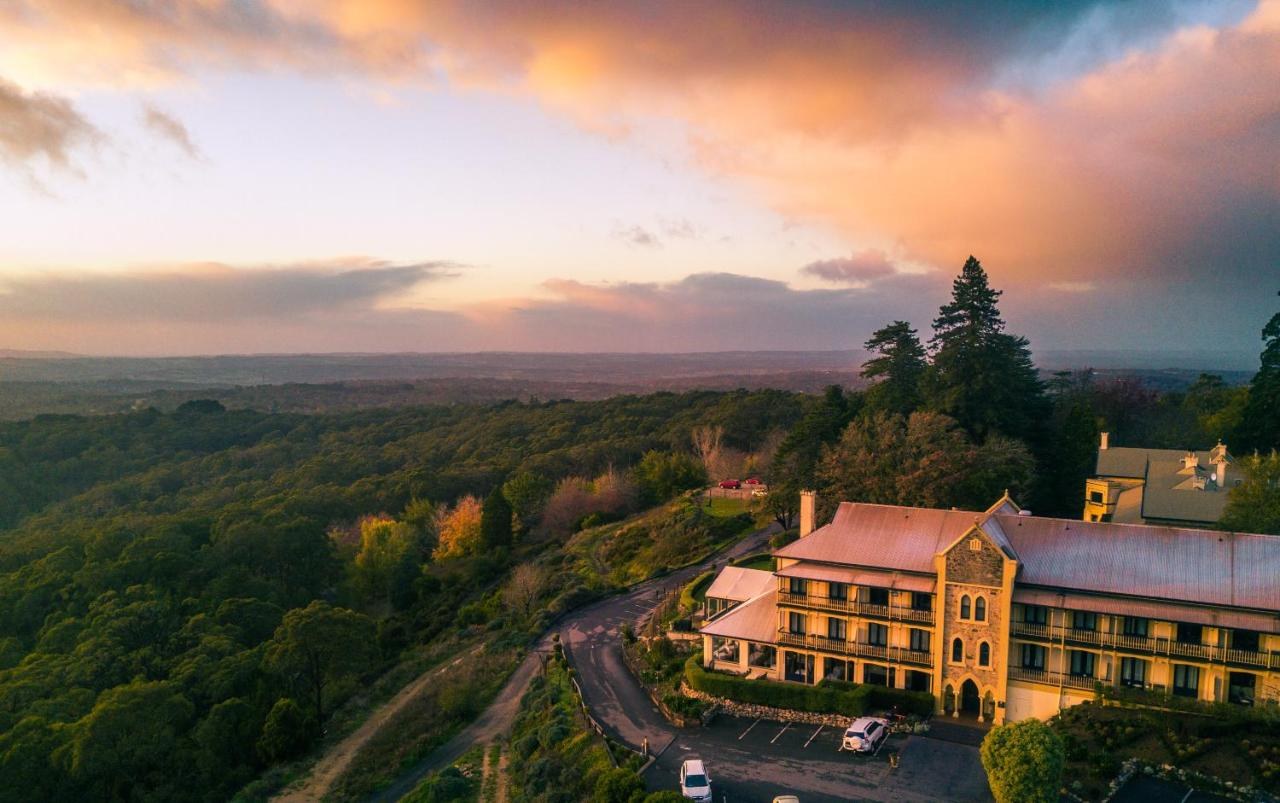
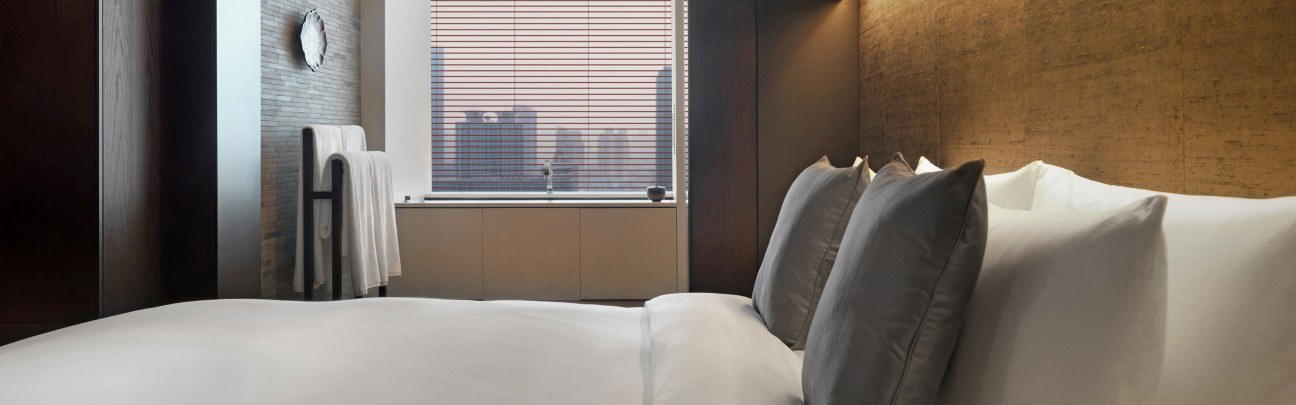
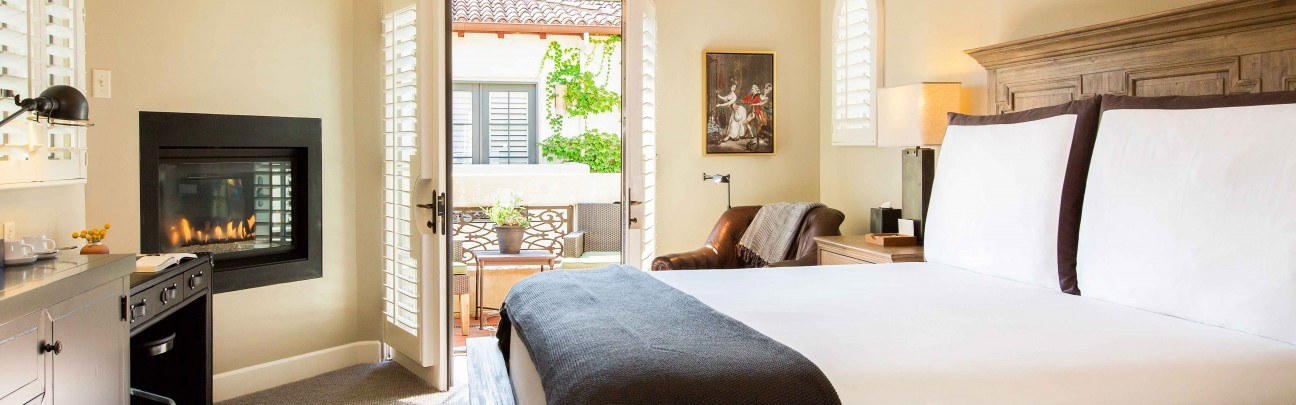
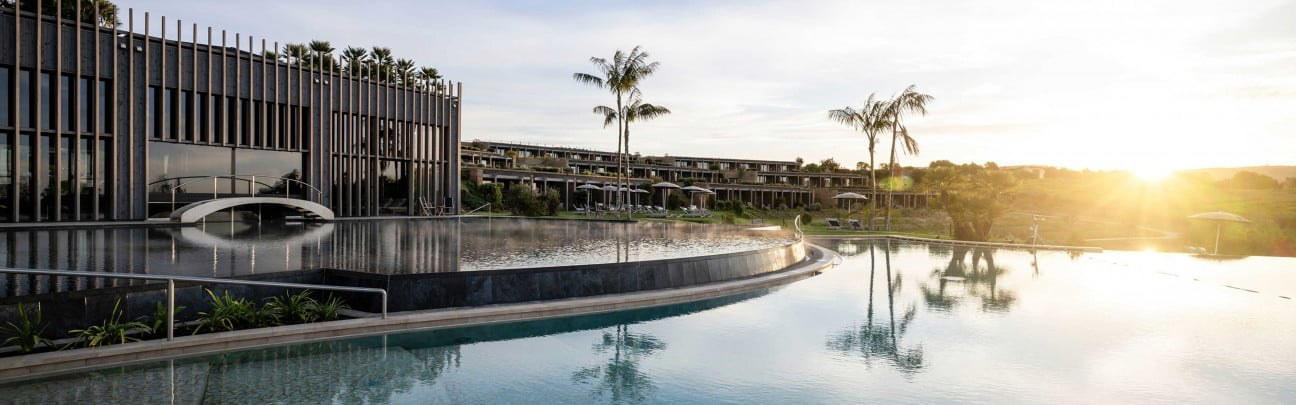
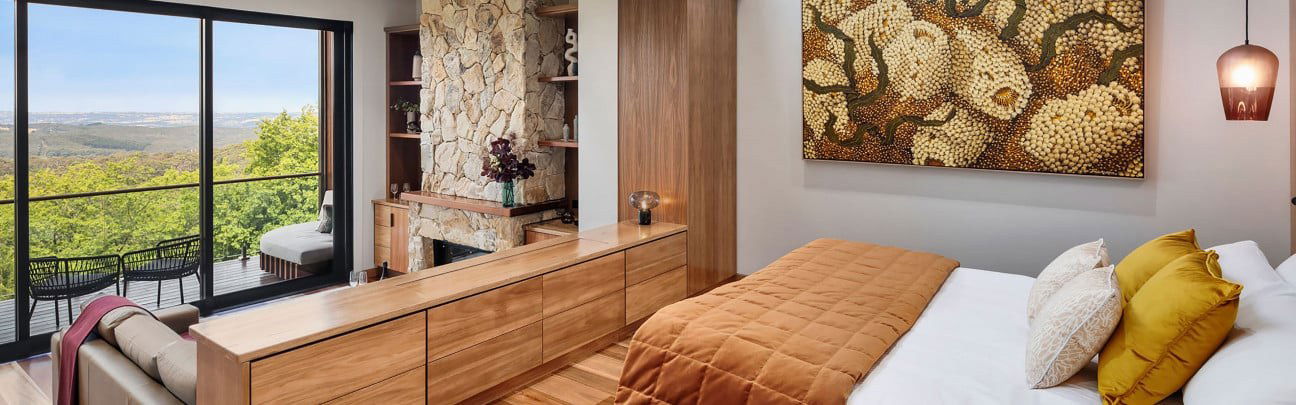
Sequoia Lodge reads as an intimate, design-led retreat: fourteen suites, a strictly adults-only policy and a low-key, high-exclusivity format keep the scale deliberately small. Interiors are grounded in local Basket Range sandstone — used on fireplaces and exterior walls — which gives a tactile, lodge-like warmth to the rooms. Perched high in the Mount Lofty Ranges, the property opens onto largely uninterrupted views across the Adelaide Hills from a private lounge deck and a heated plunge pool. The tone is considered rather than boisterous, favouring thoughtful service and a pace that suits guests seeking calm, scenic seclusion.
Best For
Sequoia suits milestone and restorative stays: anniversaries, romantic getaways, weekend escapes and wellness retreats are all in its wheelhouse. The adults-only policy and boutique scale make it particularly well suited to couples or travellers after privacy and low-density service. Its attachment to the Mount Lofty House estate places guests close to cool-climate wine country and local gourmet produce trails in the Adelaide Hills, so it also works as a quiet base for tasting itineraries and slow regional exploration.
Stay Tips
Book early — Sequoia has just fourteen suites and operates on an intentionally small scale, so weekends and special dates fill quickly. Note the adults-only policy when reserving. Ask about access to the property’s private lounge deck and heated plunge pool, both called out in the lodge description as primary spots for the best outlook over the Mount Lofty Ranges. Bear in mind Crafers’ elevation and cooler temperature range when packing: layers are useful for crisp mornings and cooler evenings.
Venue details
Ambiance
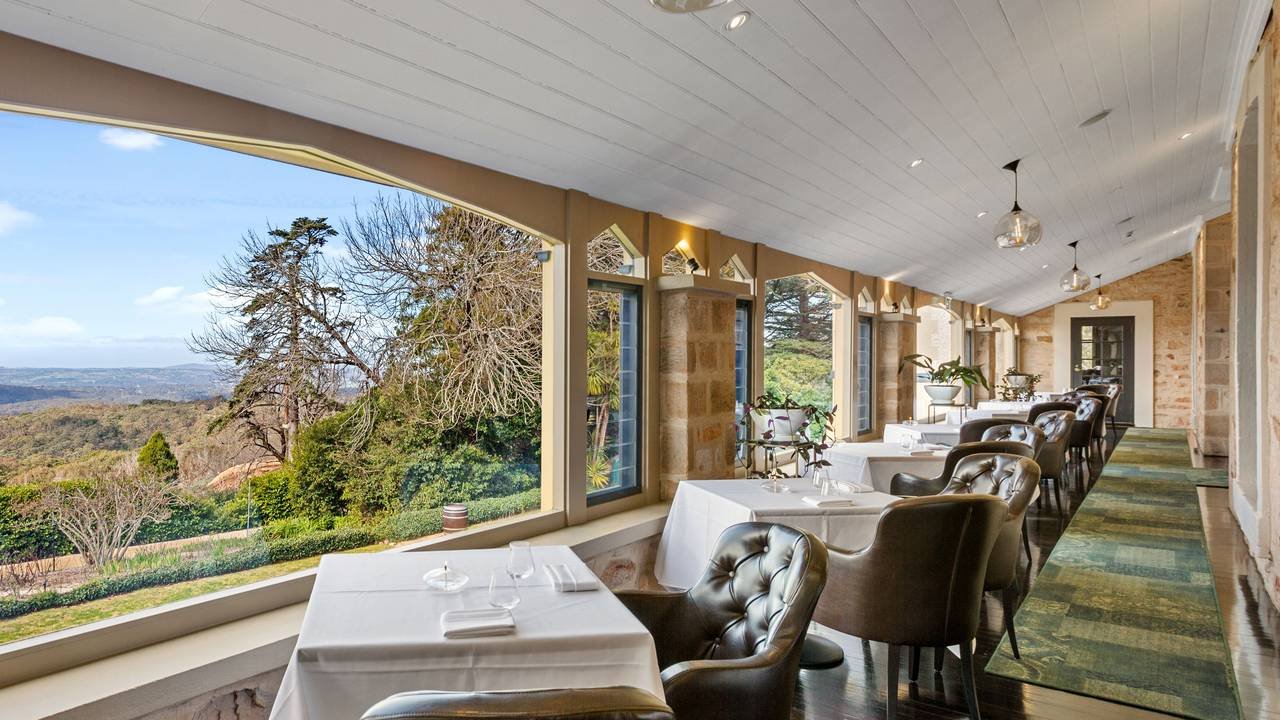
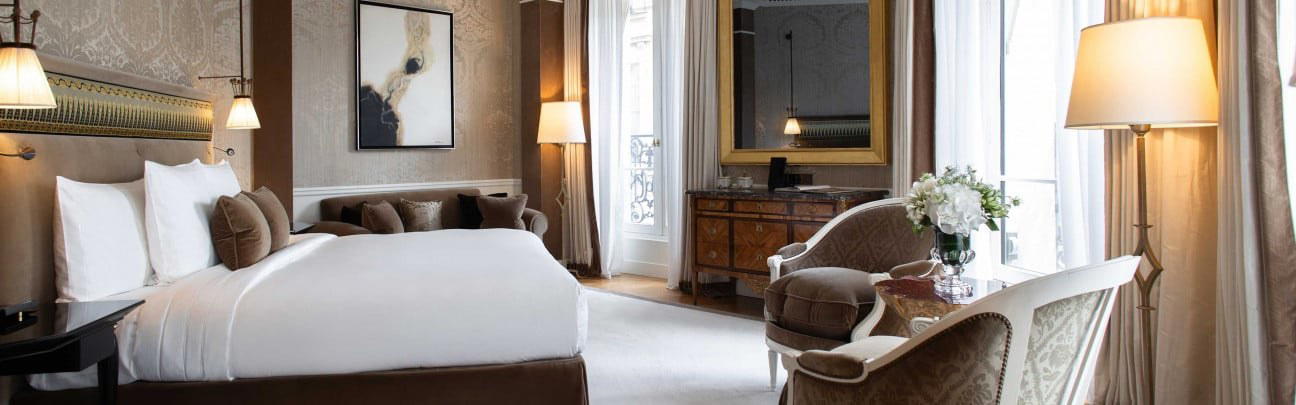
Serene and luxurious with warm natural materials, soft lighting from fireplaces, and floor-to-ceiling windows framing Adelaide Hills views; guests describe it as a peaceful sanctuary with elegant yet inviting atmosphere.
Tags
Vibe
Best For
Experience
Amenities
View
Accessibility
About the Stay
- Rooms
- 14
- Check-in
- 15:00
- Check-out
- 11:00
- Property Type
- Boutique hotel
- Property Style
- Contemporary Luxury Lodge Seamlessly Integrated Into Natural Landscape with Emphasis on Wellness, Wine Culture, and Nature Immersion.
- Design Style
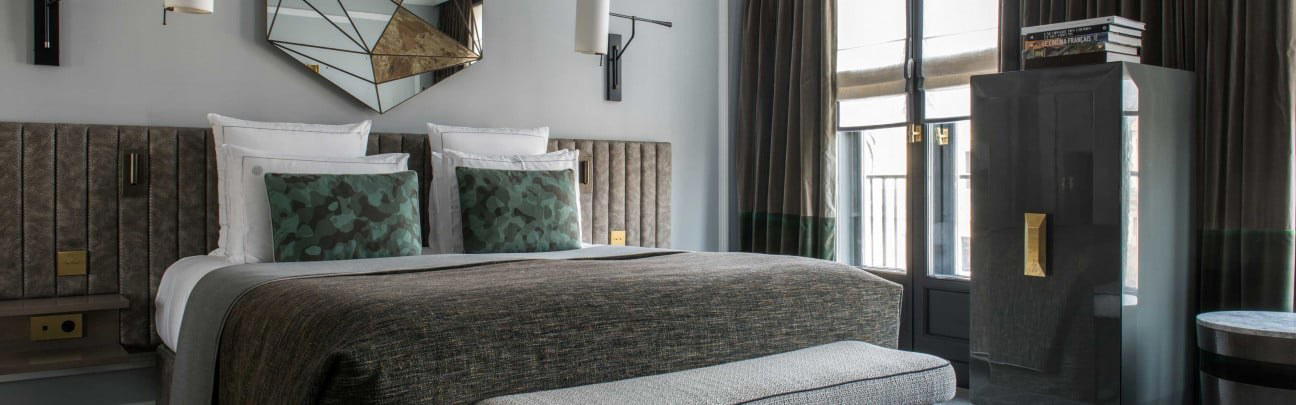
- Modern Minimalist with Warm Natural Materials Including Blonde Sandstone, Gum Timber, and Glass; Neutral Color Palette Allowing Valley Views to Dominate; Features Smart Home Automation and Contemporary Furnishings.
- Breakfast
- Included
- Airport Transfer
- Available
- Pool
- Yes
- Spa
- Yes
- Cancellation
- Moderate
Know before you go
Know Before You Go
- Getting there
- 1 Mawson Drive, South Australia
Planning details
Location
Recognition and awards


Also consider
Where to look if this is not the right fit
If the group wants to stay in Crafers but needs a more conventional hotel feel, try Mount Lofty House. If city logistics matter more than the hills setting, Adelaide Marriott is the easier fallback.
Hotel context
How It Compares
For a Crafers stay, Sequoia Lodge is the more retreat-led choice, while Mount Lofty House and Mount Lofty House & Estate are the safer picks if the group wants a broader hotel or estate feel. Sequoia Lodge has the stronger luxury-recognition signal, with Relais & Châteaux, Virtuoso, and Mr & Mrs Smith recognition in 2026, but Mount Lofty House may be easier for guests who prefer a more conventional hotel rhythm.
Thorngrove Manor is the better cross-shop for travellers who want a character-heavy, highly individual stay. Choose Sequoia Lodge when the priority is calm, polished hills lodging; choose Thorngrove Manor when ambiance matters more than predictable hotel structure.
For families or business-leaning trips, Adelaide Marriott and Eos by SkyCity are easier city options. They make more sense if Adelaide access, dining choice, and logistics matter more than the Adelaide Hills setting. Sequoia Lodge is the splurge-style choice when the location itself is the reason to travel.
Explore Crafers
Around this place
Discover more on Pearl
Unlock the full Sequoia Lodge guide in Pearl, including awards, comparisons, FAQs, planning details, and nearby places.
Compare Sequoia Lodge
| Venue | Location | Awards |
|---|---|---|
| Sequoia Lodge | Crafers | 2026 Virtuoso Luxury Hotel Collection2026 Mr & Mrs Smith Luxury Hotels2026 Relais Chateaux Hotels2026 Michelin 2 Keys2025 Michelin Selected Hotels |
| Mount Lofty House | Crafers | No published awards |
| Mount Lofty House & Estate | Adelaide | No published awards |
| Thorngrove Manor | Adelaide | 2026 Michelin 2 Keys2025 Michelin 2 Keys |
| Adelaide Marriott | Adelaide | No published awards |
| Eos by SkyCity | Adelaide | No published awards |


How Sequoia Lodge Crafers compares with similar nearby venues.
FAQ
Frequently Asked Questions
What is check-in like at Sequoia Lodge?
How does Sequoia Lodge compare to other hotels?
Sequoia Lodge is a Crafers option with 2026 recognition from Relais Chateaux, Virtuoso Luxury Hotel Partner, and Mr & Mrs Smith Seal of Approval. Mount Lofty House and Mount Lofty House & Estate are relevant names to compare, while Adelaide Marriott and Eos by SkyCity can be considered separately.
Which room category is best at Sequoia Lodge?
How is the dining at Sequoia Lodge?
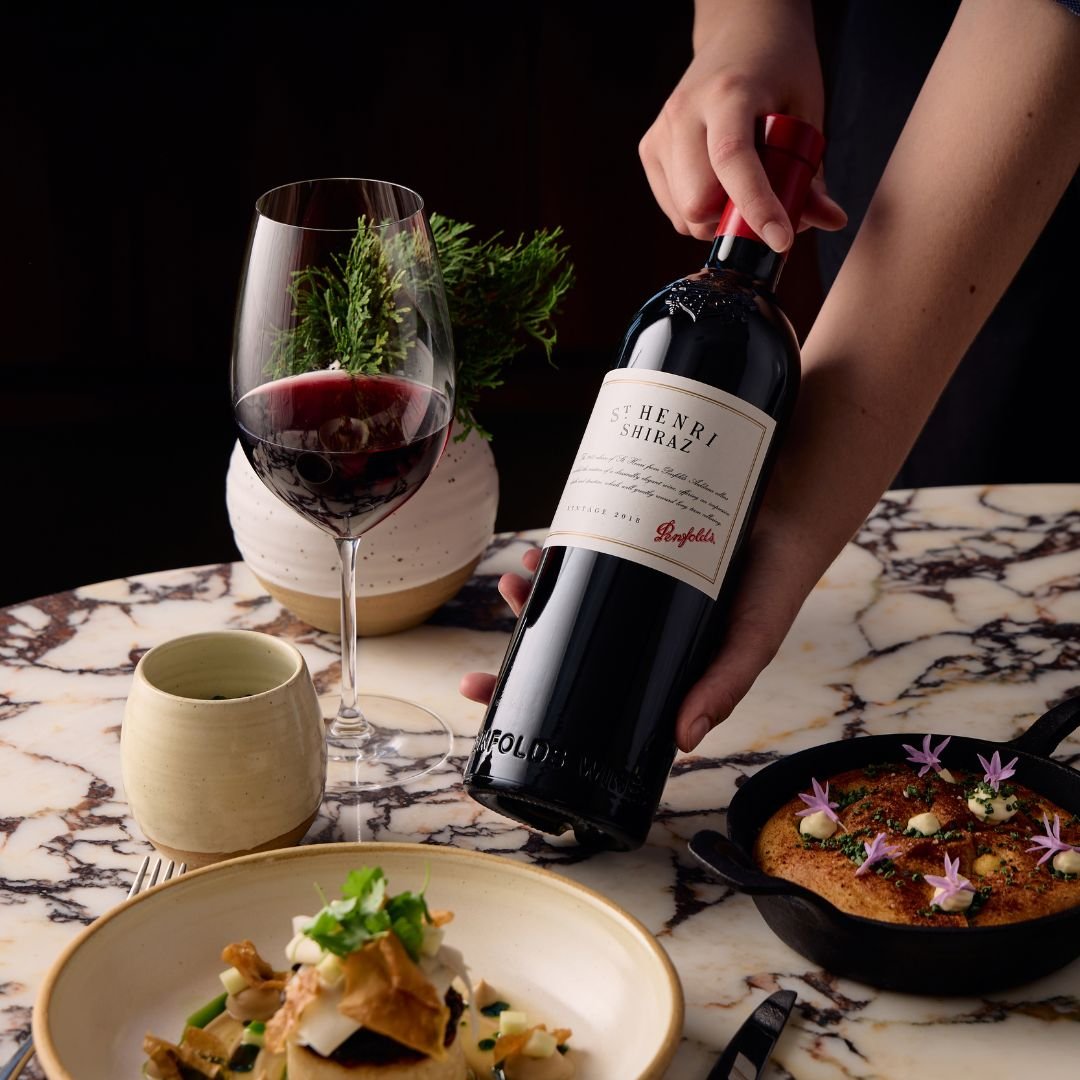
Specific dining details are not provided. The dress code is smart casual, but menu, service format, and dining availability should be checked directly with the venue.
Is Sequoia Lodge family-friendly?
Family facilities and child-specific services are not provided. If travelling with children, confirm room setup, policies, and practical requirements directly with Sequoia Lodge before booking.