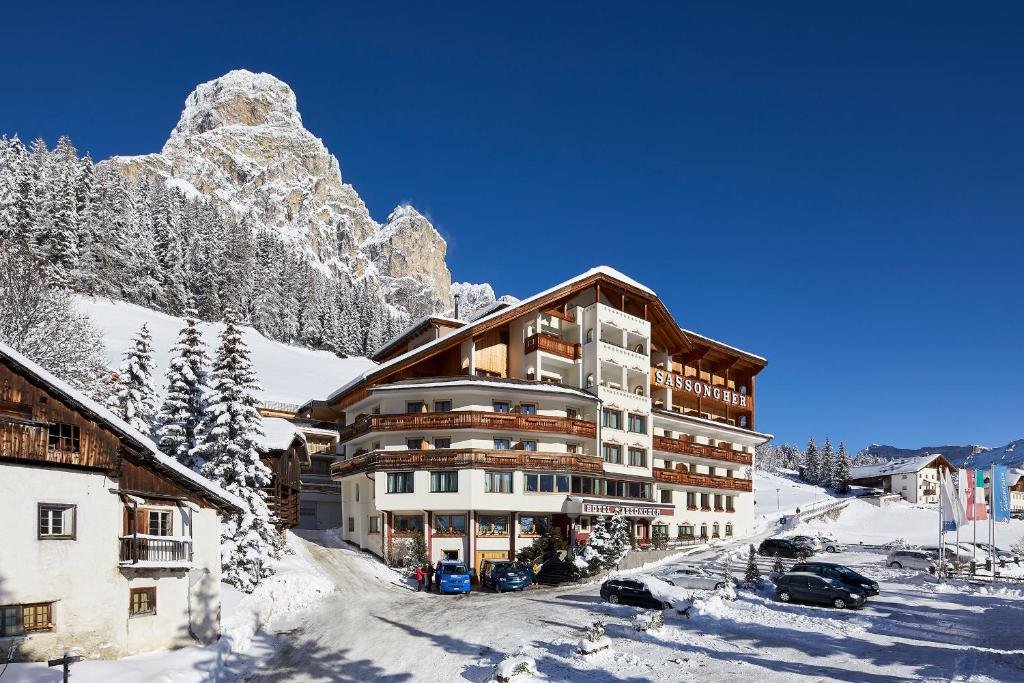

Hotel Sassongher
Corvara in Badia, Corvara
Hotel in Corvara, Italy
 Book with Pearl
The Read
Dolomite Family Scale
Why go
Hotel Sassongher is worth shortlisting for a calmer Corvara mountain stay, especially for ski or summer weeks where room size, view, and comfort matter more than a scene. Its 2025 Preferred Hotels L.V.X. Collection recognition gives it a useful trust signal, but compare room categories carefully before paying up.
About Hotel Sassongher
Hotel Sassongher is a hotel in Corvara with a smart casual dress code and Preferred Hotels L.V.X. Collection recognition in 2025. It belongs on a shortlist for travelers who already want to stay in Corvara and are looking for a recognized hotel rather than a heavily documented concept property.
Choose it for a Corvara stay, not for a hyper-detailed design brief
The clearest reason to consider Hotel Sassongher is direct: it is in Corvara and carries Preferred Hotels L.V.X. Collection recognition in 2025. For room categories, dining format, service style, amenities, or seasonal programming, check directly with the hotel before booking.
The practical move is to treat the booking as a Corvara hotel choice first. Confirm the room type, arrival details, services, and any trip-specific needs directly with the property rather than relying on assumptions about what is included.
Where it fits in a Corvara hotel shortlist
Compared with Hotel La Perla, Hotel Sassongher is best evaluated as another recognized Corvara option rather than through broad assumptions about style, amenities, or programming. Readers comparing the area should also use our full Corvara hotels guide before locking dates, especially if the trip depends on specific facilities or services.
If meals are central to the stay, build the hotel decision alongside our full Corvara restaurants guide rather than assuming any particular dining format at the hotel. For other plans in Corvara, use the relevant Corvara guides and confirm current details directly before booking.
The recommendation: book this if Corvara is already the right destination and the L.V.X. Collection recognition matters to the shortlist. Cross-shop carefully if the stay depends on specific dining, room, wellness, or service details.
Planning details
- Location
- Strada Sassongher, 45, 39033 Corvara in Badia BZ
- Website
- sassongher.it
- Phone
- +39 0471 836085
The take
The Take
The Vibe
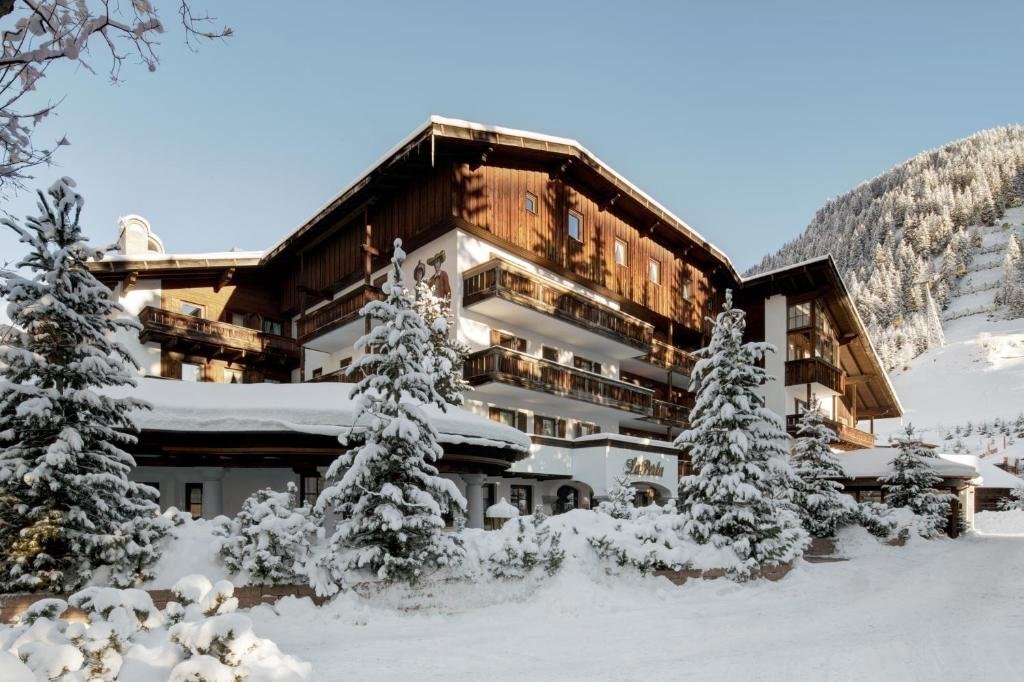
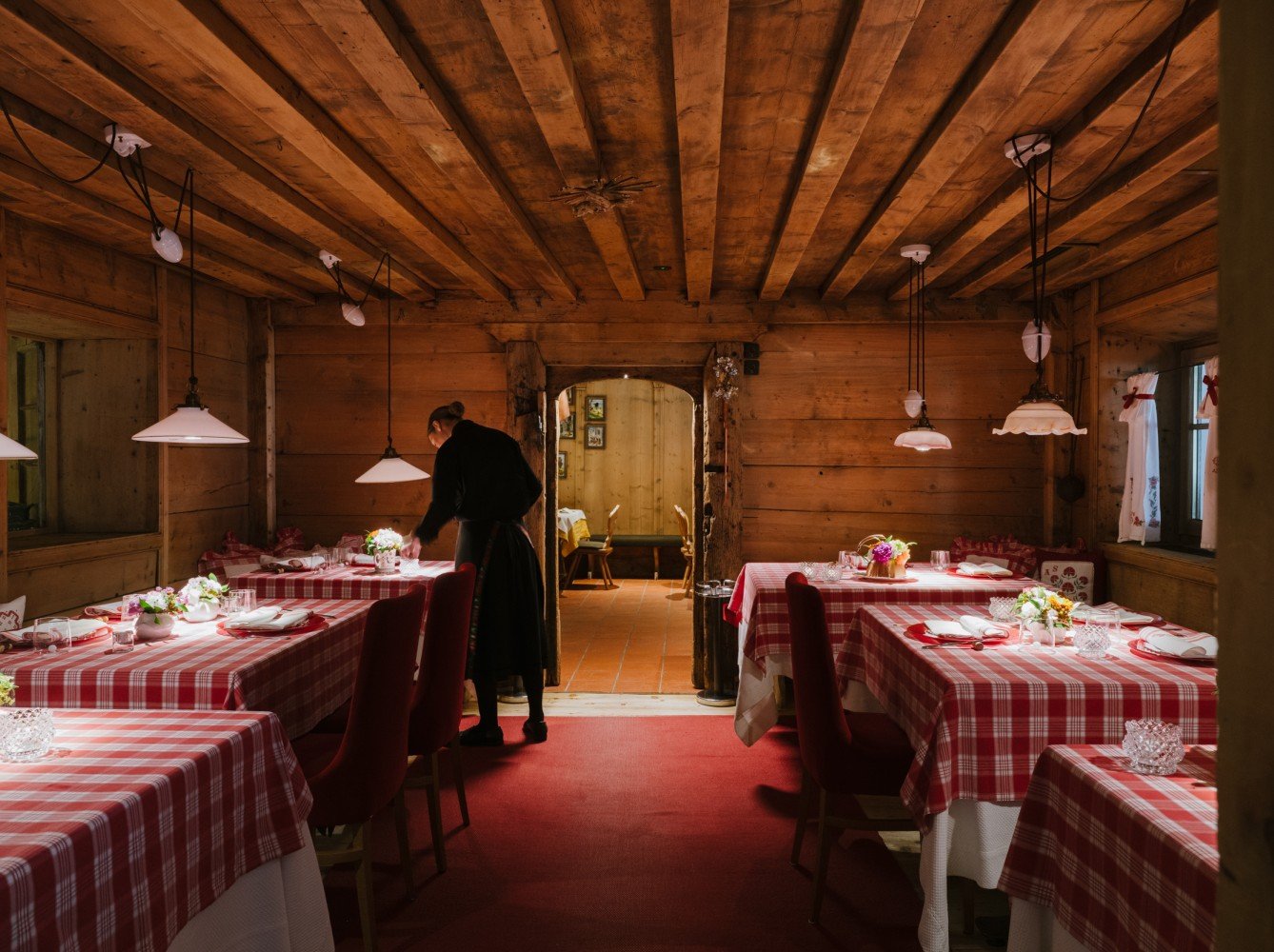
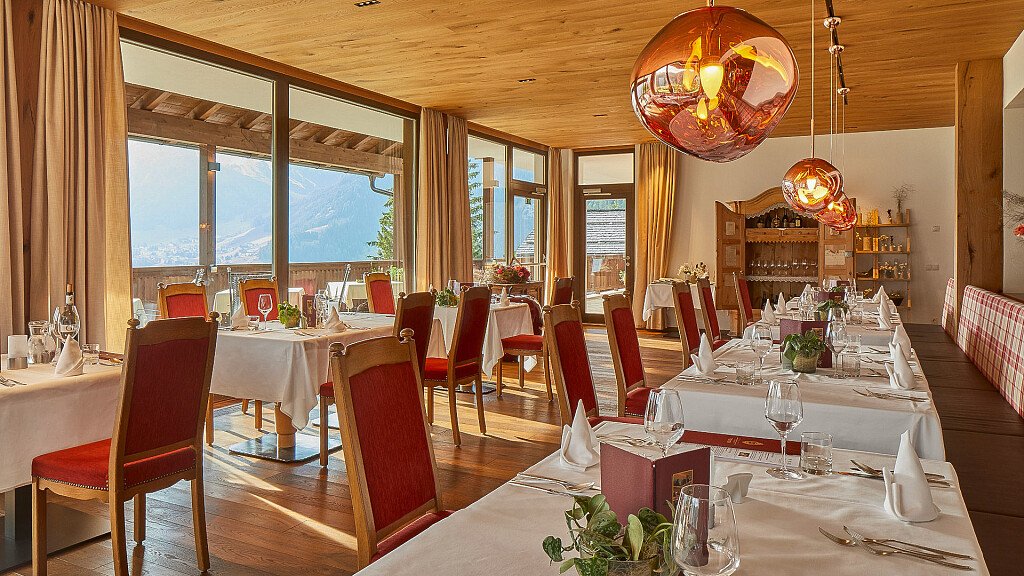
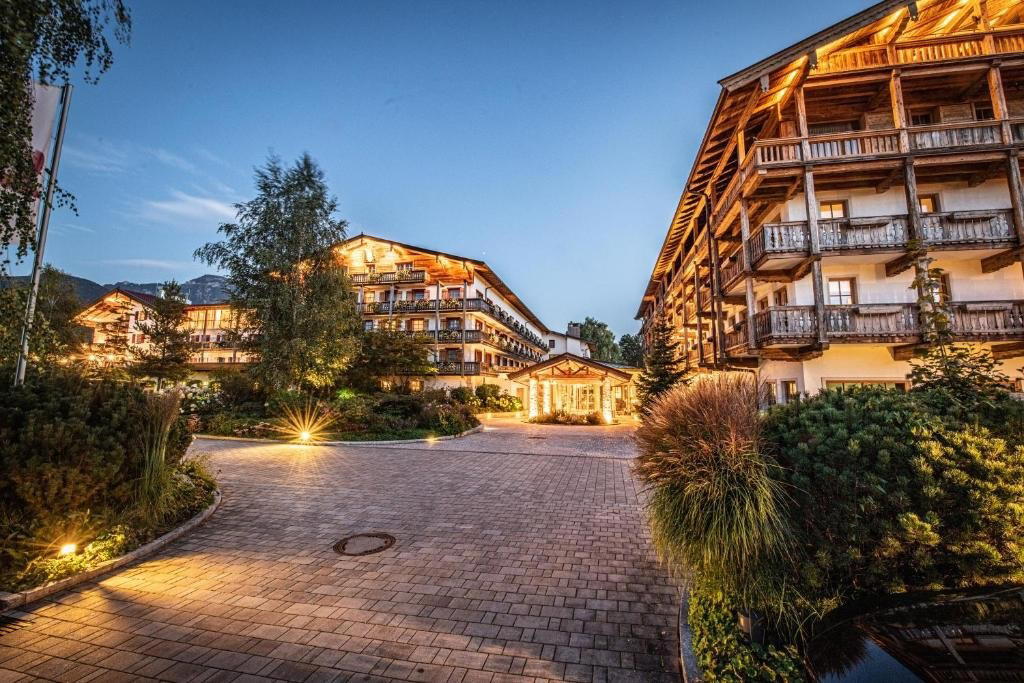
Hotel Sassongher sits high in the Alta Badia valley and reads like a classic mountain inn updated for a premium ski clientele. The writing frames the property inside the Dolomites — flanked by the Sassongher peak and the Sella massif — and the food culture is as much a part of the character as the rooms. Rather than urban pretension, the hotel leans into regional solidity: hearty Tyrolean and Ladin influences, game-focused menus, and a village scale that feels charming and rooted. Guests encounter a refined but rustic alpine personality where the dining room anchors the atmosphere.
Best For
This hotel is best for travelers who put the mountains and the table at the center of a trip. Skiers and short-stay mountain visitors benefit from its altitude and timing around ski schedules, while food-minded guests appreciate Alta Badia’s concentration of high-altitude restaurants and the trio of Italian, Austrian and Ladin influences. The property’s mid-scale-to-premium positioning and wellness offering also make it suitable for guests seeking an active getaway with restorative amenities; families and couples who value hearty regional cooking and easy access to the slopes find it especially appropriate.
Stay Tips
When you eat at Sassongher, treat the menu as a primer in Alta Badia traditions: prioritize regional preparations and substantial alpine plates. The copy explicitly points to canederli, speck and game as part of the local repertoire, so sample those specialties to understand the area’s Germanic, Ladin and Italian crossover. Keep in mind that kitchen and dining rhythms follow ski schedules, so plan meals around slope times rather than standard city dining hours; aim for filling, warming dishes after a day outside and ask staff about local ingredient sourcing to get the most authentic experience.
Venue details
Ambiance
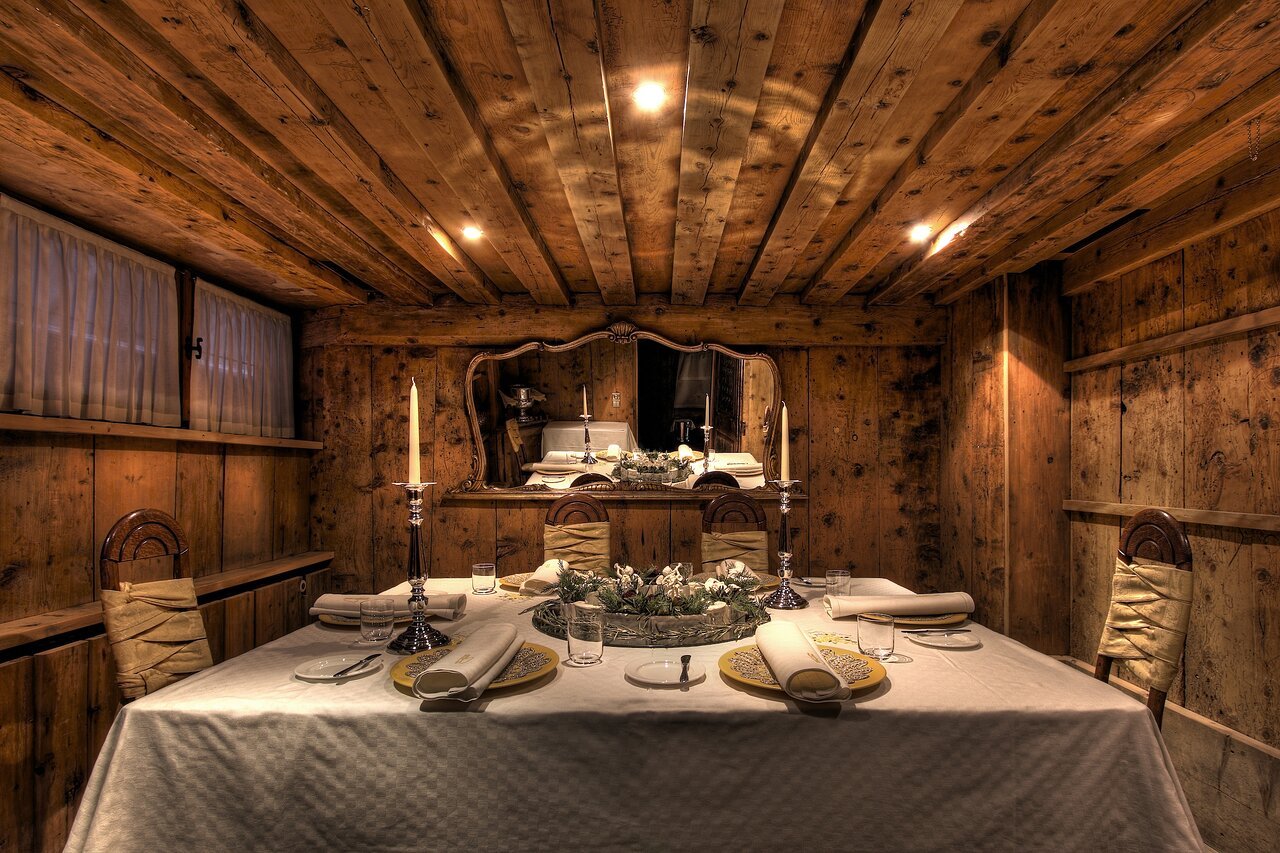
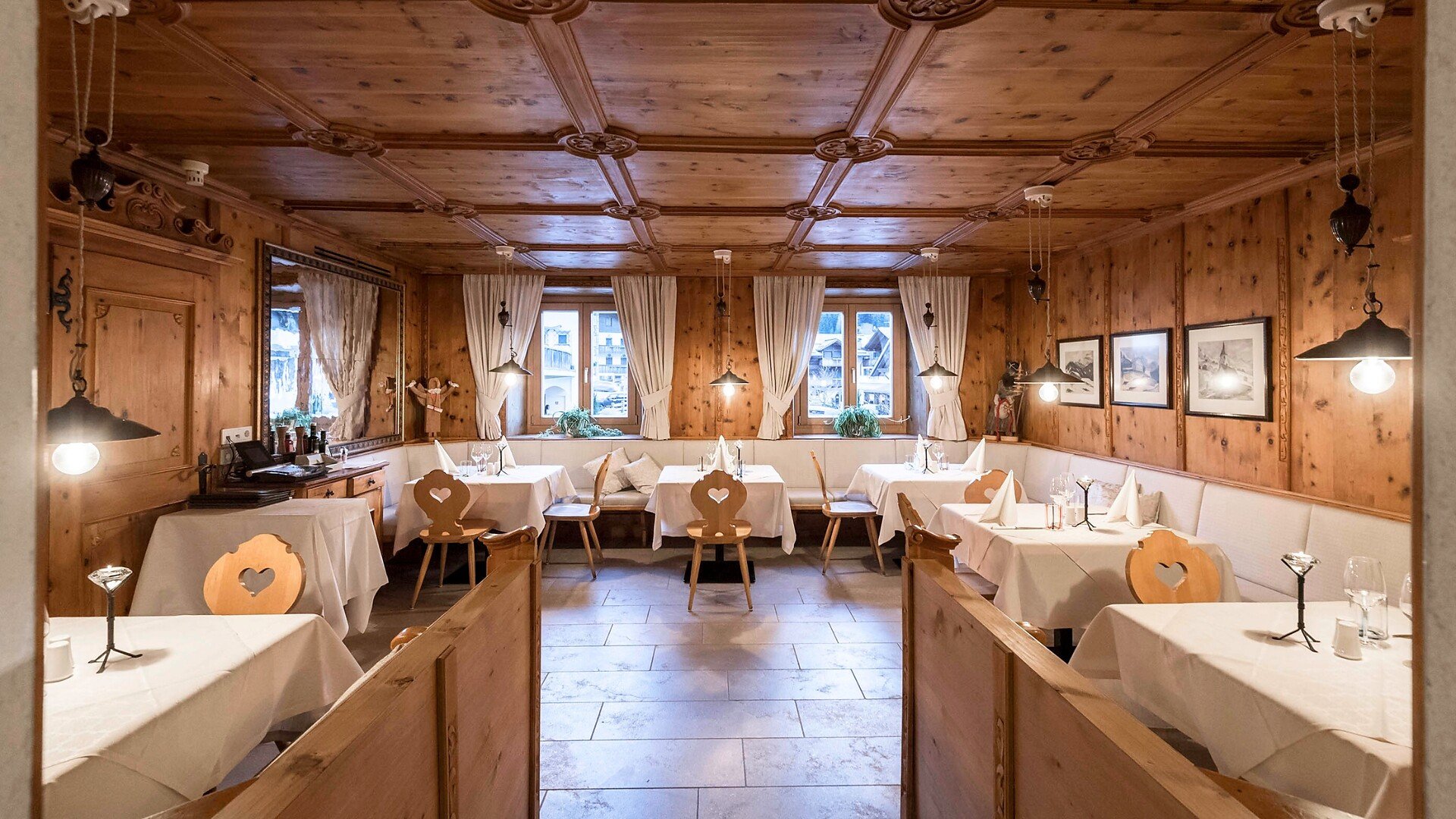
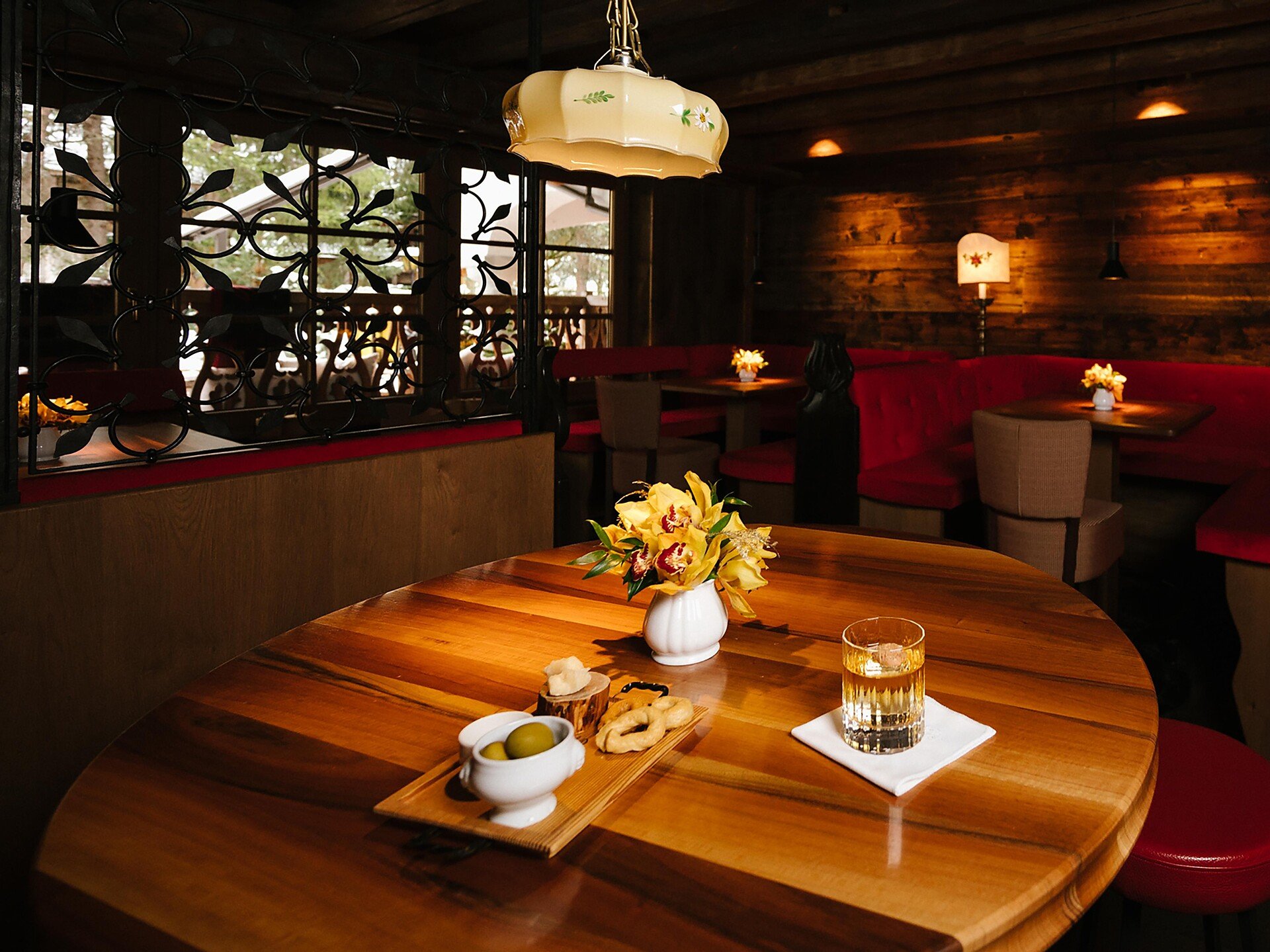
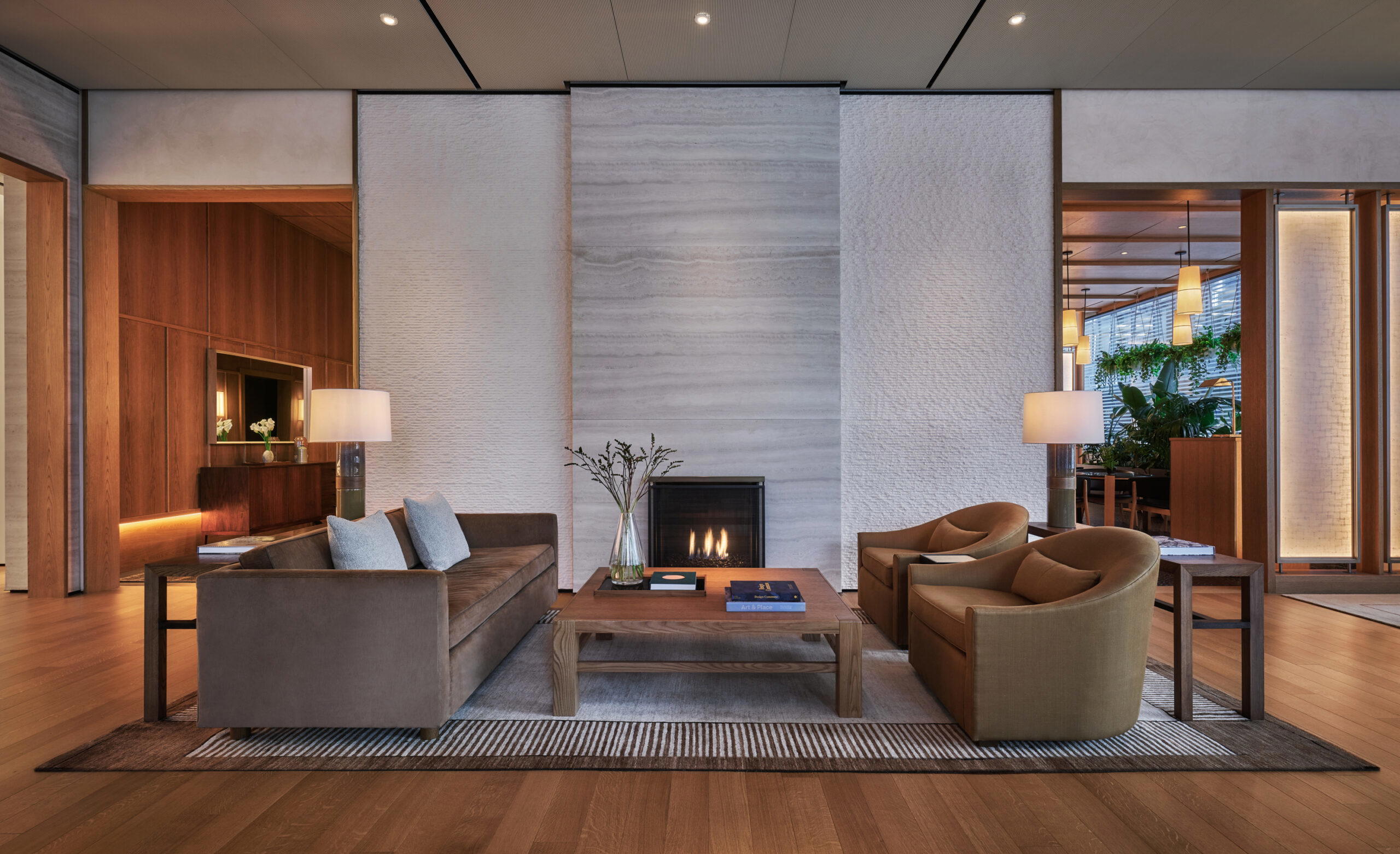
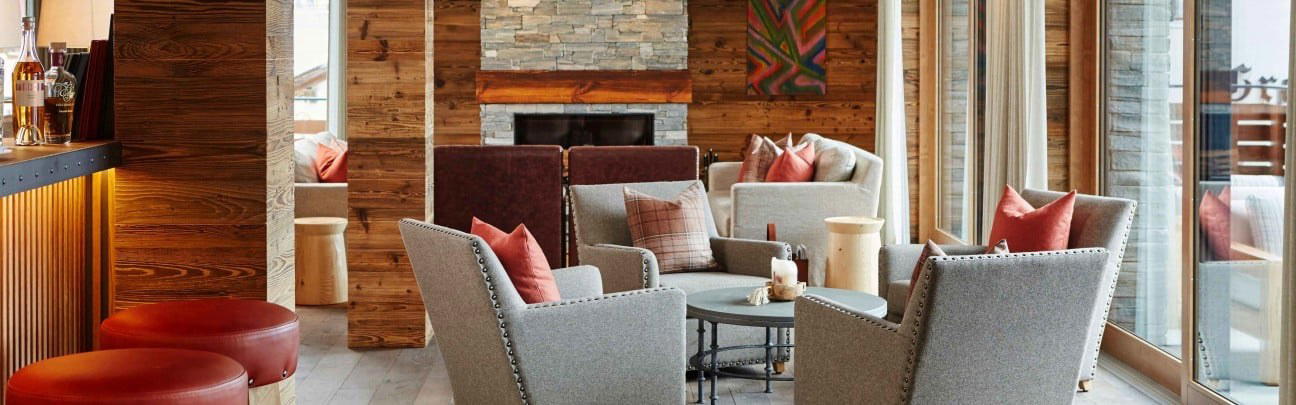
Elegant and intimate with crackling fireplaces, wood-paneled historic Stube lounge, and panoramic wellness areas fostering a cozy yet sophisticated mountain retreat atmosphere.
Tags
Vibe
Best For
Experience
Amenities
View
Accessibility
About the Stay
- Rooms
- 52
- Check-in
- 15:00
- Check-out
- 11:00
- Property Style
- Historic Luxury Alpine Hotel Blending 16th Century Charm with Contemporary Wellness.
- Design Style
- Classic Elegant with Rustic Wood Elements and Modern Spa Luxury.
Know before you go
Know Before You Go
- Getting there
- Strada Sassongher, 45, 39033 Corvara in Badia BZ
Planning details
Location
Recognition and awards
Also consider
Also Consider
- Hotel La Perla, Notable alternative
- Hotel Cappella, Notable alternative
- Hotel ChristiAnia, Notable alternative
- Rosa Alpina, Notable alternative
- Aman Rosa Alpina, Notable alternative
Hotel context
How it compares in Corvara and Alta Badia
Against Hotel La Perla, Hotel Sassongher is the quieter, less name-driven choice. La Perla is the stronger cross-shop for travelers who want a more established Corvara address with a higher-profile feel; Sassongher makes more sense when the stay is about a comfortable base and the room category delivers enough space for the length of trip.
Hotel Cappella and Hotel ChristiAnia are useful alternatives if the preferred dates or room type here do not line up. With an easy booking profile, Sassongher should be considered first by travelers who want less friction; compare Cappella and ChristiAnia when location within the wider Alta Badia area matters more than staying specifically in Corvara.
Rosa Alpina and Aman Rosa Alpina sit in a more luxury-coded peer lane. Choose those for a higher-touch splurge; choose Sassongher when the value case is a recognized mountain hotel in Corvara without making the hotel brand the main event.
Explore Corvara
Around this place
Discover more on Pearl
Unlock the full Hotel Sassongher guide in Pearl, including awards, comparisons, FAQs, planning details, and nearby places.
Compare Hotel Sassongher
| Venue | Location | Awards |
|---|---|---|
| Hotel Sassongher | Corvara | Preferred Hotels L.V.X. Collection 2025 |
| Hotel La Perla | Corvara | 2026 Virtuoso Luxury Hotel Collection2026 La Liste Top HotelsLeading Hotels of the World 20262025 Michelin Selected Hotels |
| Hotel Cappella | Colfosco | 2026 Relais Chateaux Hotels2025 Relais Chateaux Award |
| Hotel ChristiAnia | La Villa | Tablet Hotels Top 40 New Hotels 2025 · #222025 Michelin Selected Hotels |
| Rosa Alpina | San Cassiano | 2026 Virtuoso Luxury Hotel Collection2026 Travel + Leisure It List Hotels2026 Mr & Mrs Smith Luxury HotelsTown & Country Hotel Awards 20262026 La Liste Top Hotels2025 Michelin 2 Keys |
| Aman Rosa Alpina | Dolomites | No published awards |









How Hotel Sassongher Corvara: L.V.X. Collection Hotel compares with similar nearby venues.
FAQ
Frequently Asked Questions
Is Hotel Sassongher good for business travel?
It may work for a stay in Corvara; ask the hotel directly about business-travel facilities. The clearest trust signal is its Preferred Hotels L.V.X. Collection recognition in 2025.
What is check-in like at Hotel Sassongher?
Do loyalty programs work at Hotel Sassongher?
Hotel Sassongher is recognised in the Preferred Hotels L.V.X. Collection for 2025. Any loyalty-program benefits, earning, or redemption details should be confirmed directly with the relevant program or the hotel.
When is the best time to book Hotel Sassongher?
How does Hotel Sassongher compare with other area hotels?
Choose Hotel Sassongher if you want a Corvara hotel with Preferred Hotels L.V.X. Collection recognition in 2025. Compare it with Hotel La Perla, Rosa Alpina, Hotel Cappella, Aman Rosa Alpina, and Hotel ChristiAnia based on the specific services and room details each property confirms for your dates.