

The Montenotte
Tivoli A, Cork
Hotel in Cork, Ireland
 Book with Pearl
The Read
Victorian Heights, Rooftop Drinking
Why go
The Montenotte is a strong Cork shortlist pick if you want a calmer hotel stay rather than a city-centre crash pad. Its 2025 Small Luxury Hotels of the World membership and MICHELIN Guide hotel selection add confidence, but food-focused travellers should treat dining as convenient rather than the main reason to book.
About The Montenotte
The Montenotte is a hotel in Cork. It is listed as a Small Luxury Hotels of the World member in 2025 and as a MICHELIN Guide hotel selection in 2025. Its dress code is smart casual.
Choose it for the hotel experience, not for a standalone restaurant trip
The Montenotte should be considered as a Cork hotel, not for a restaurant-led booking. Its 2025 recognition as a Small Luxury Hotels of the World member and MICHELIN Guide hotel selection supports the hotel proposition. Details about cuisine, menus, chefs, service style, or prices are not specified.
For a food-first itinerary, use our full Cork restaurants guide alongside the hotel choice. For drinks-led planning, pair it with our full Cork bars guide; for a broader city plan, our full Cork experiences guide is the more useful companion.
Who should book, and who should cross-shop
Book this if the hotel recognition is enough to put The Montenotte on your Cork shortlist. Details about room categories, spa facilities, dining, pricing, or exact location within Cork are not available, so those should be checked directly before treating it as the right fit for a specific trip style.
Cross-shop The River Lee, The Imperial Hotel & SPA, and Hayfield Manor if you are comparing other Cork hotel options. For a simpler Cork stay, Clayton Hotel Cork City and Hotel Isaacs Cork are also practical alternatives to check. For the wider hotel set, use our full Cork hotels guide.
Planning details
- Location
- Middle Glanmire Rd, Montenotte, Cork, T23 E9DX
- Website
- themontenottehotel.com
- Phone
- +353 21 453 0050
The take
The Take
The Vibe
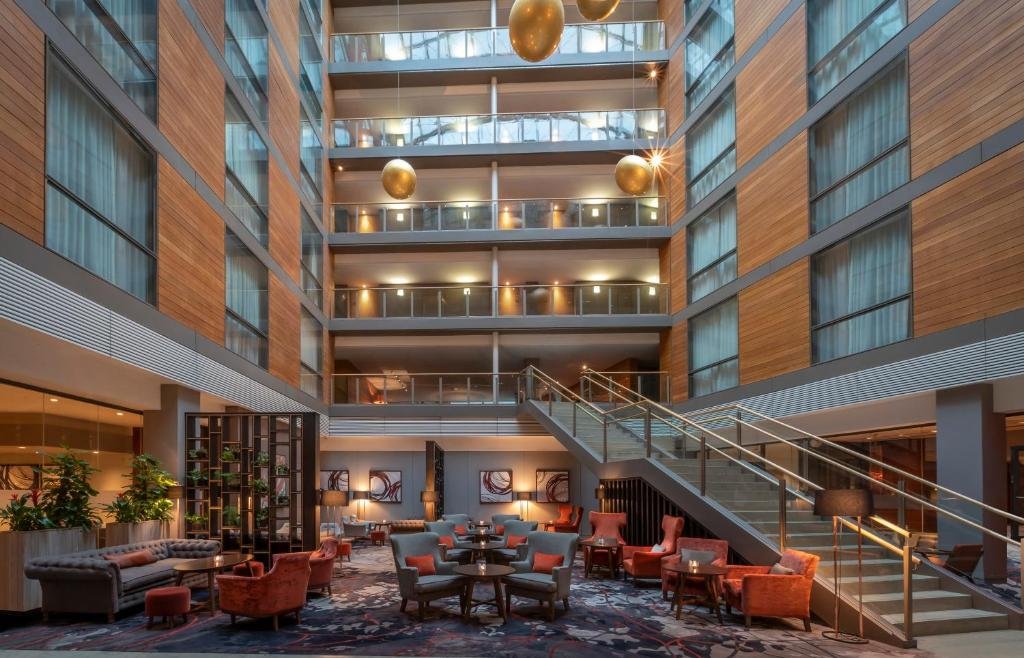
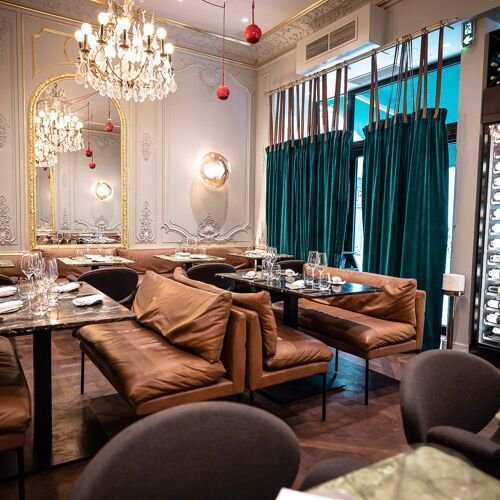
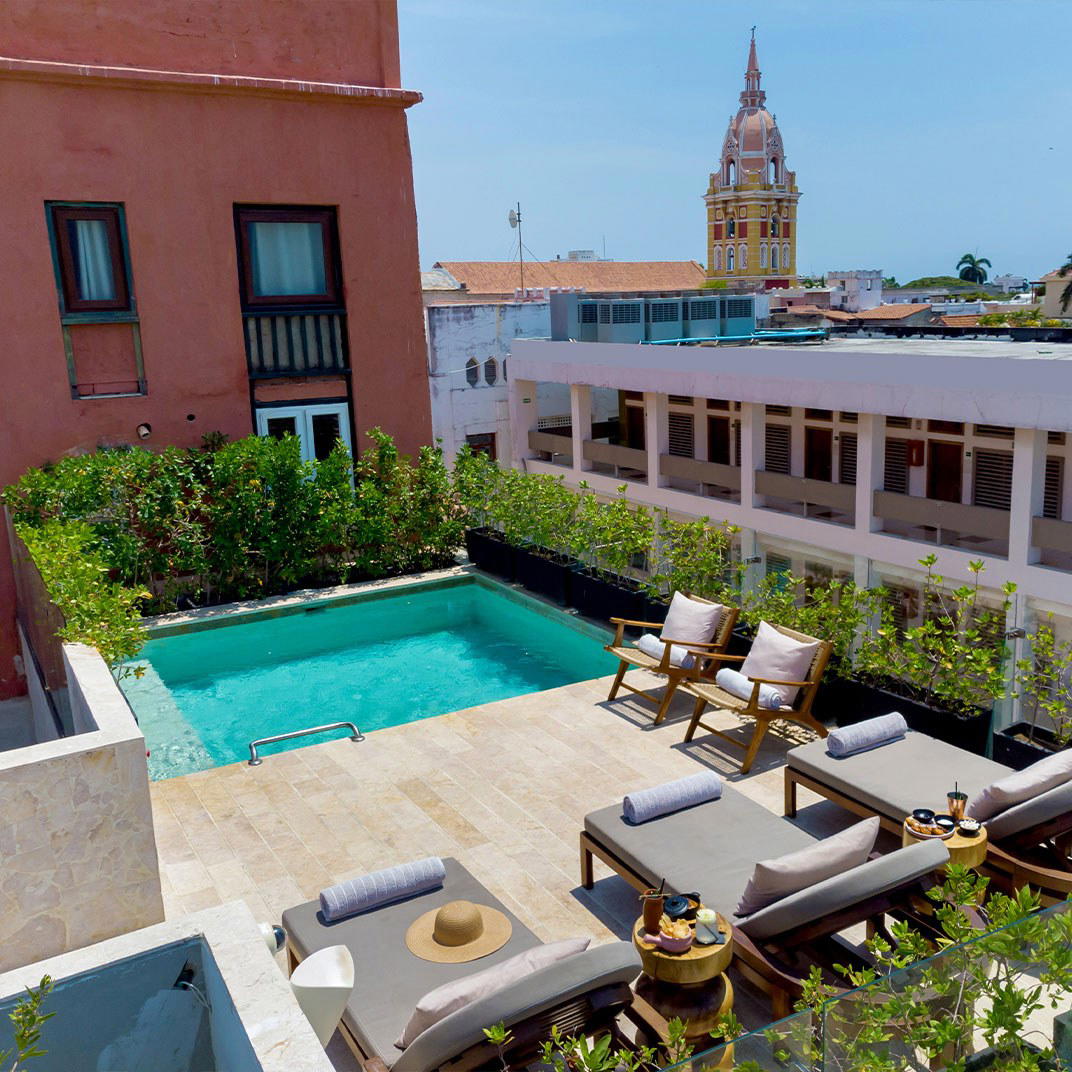
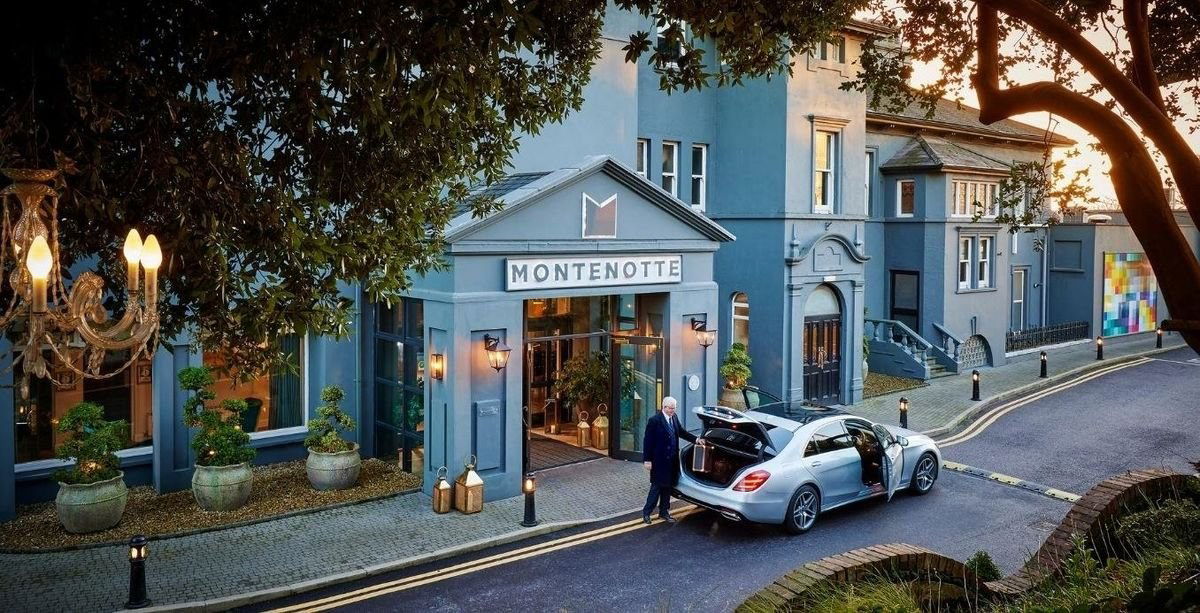
The Montenotte reads like a hilltop drawing room: nineteenth-century context and Georgian and Victorian neighbours give it a historic, classic texture, while interior touches layer old-world reference material against contemporary furniture. The building’s blue exterior marks a deliberate departure from the stone-grey palette common in Cork, and the approach — whether on foot or by taxi — delivers a real sense of arrival. Perched above the city, the hotel pairs intimate, residential calm with elevated outlooks; design choices favour a quietly refined charm rather than flashy spectacle, so the overall feeling is composed, considered and quietly memorable.
Best For
The Montenotte suits travellers who want a residential, away-from-the-street base while remaining close to Cork’s centre. Its hilltop position and rooftop vantage make it a natural pick for couples or visitors who prioritise views and a measured sense of arrival, and its quieter neighbourhood setting appeals to those seeking a restful stay with easy access to the city. Weekend visitors and anyone after a scenic perch for exploring Cork will find the hotel’s balance of proximity and separation especially attractive.
Stay Tips
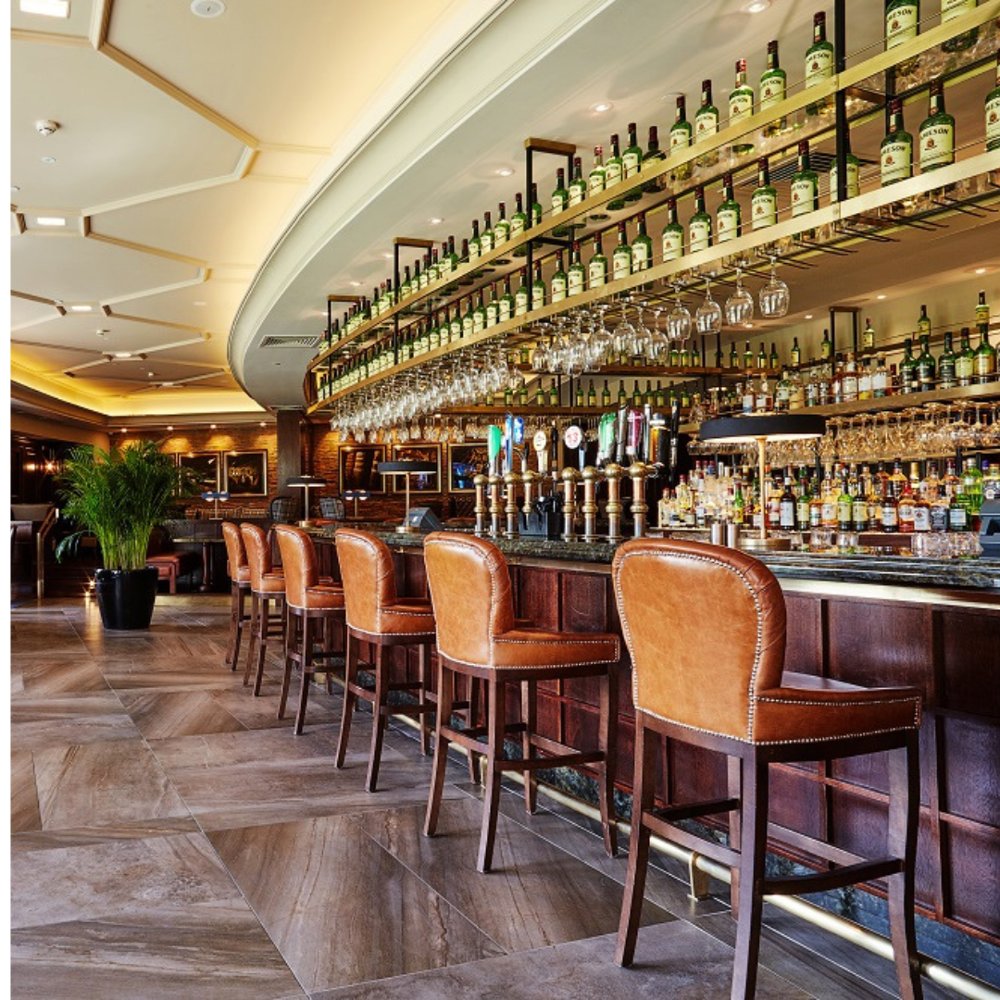
Make time for the rooftop bar: the property’s defining vantage point is best enjoyed around sunset when the cityscape comes into focus. Approach by foot or taxi to experience the deliberately staged sense of arrival referenced in the hotel’s profile, and request a room facing the city if views are a priority. The building’s distinctive blue exterior and layered interior styling reward a slow, observant arrival rather than a rushed check-in; allow a little extra time to take in the outlook before heading into town.
Venue details
Ambiance
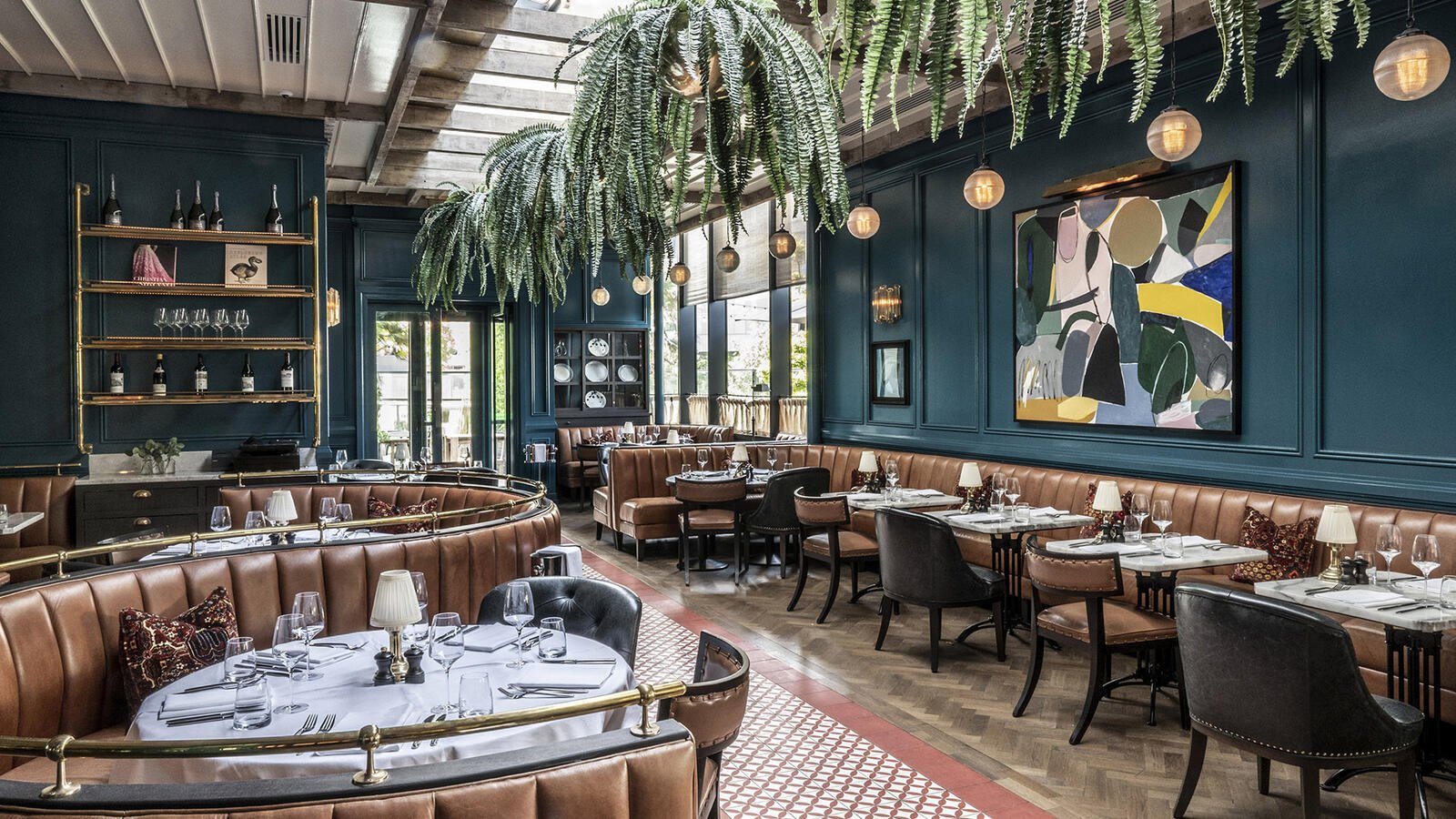
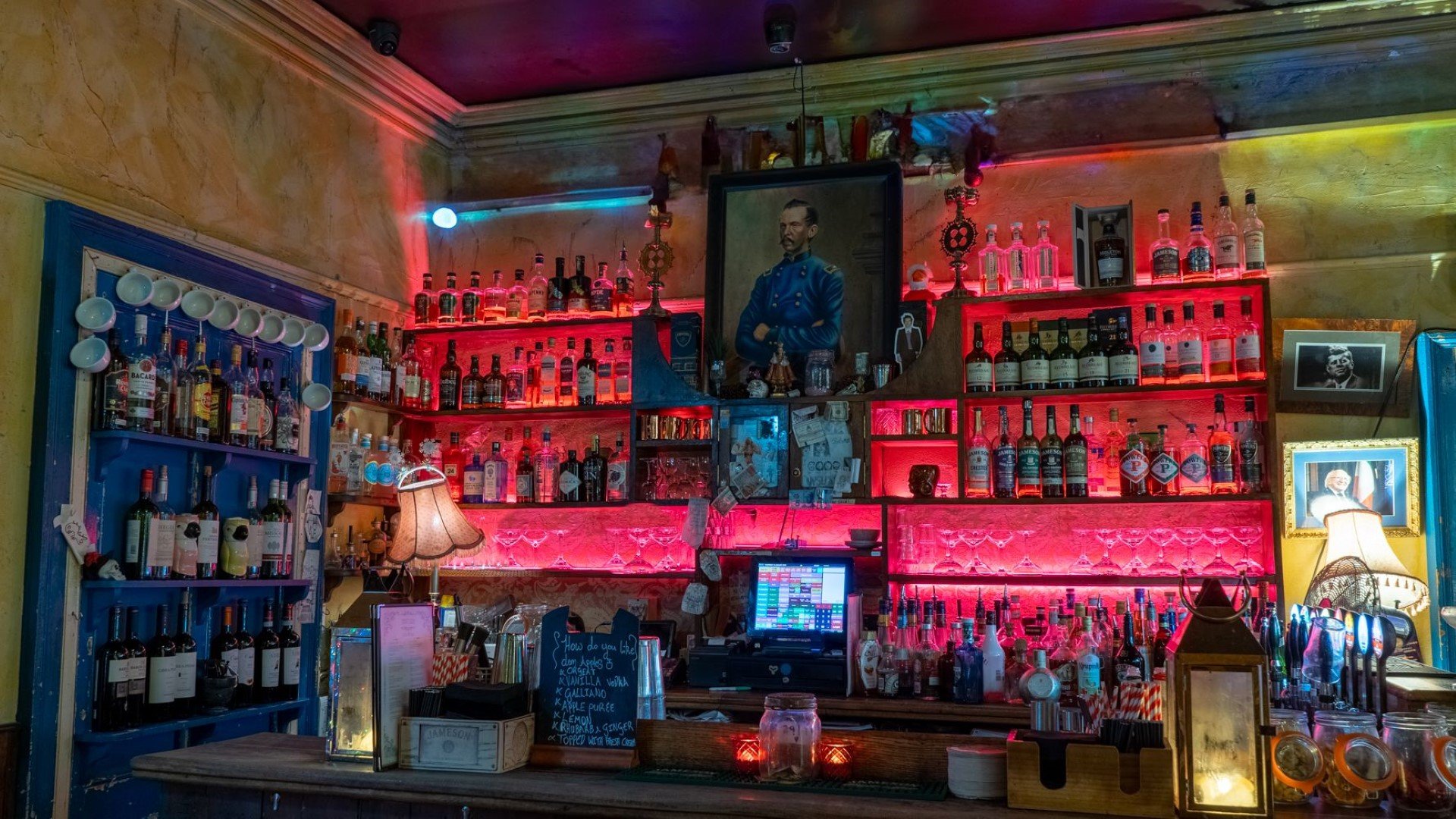
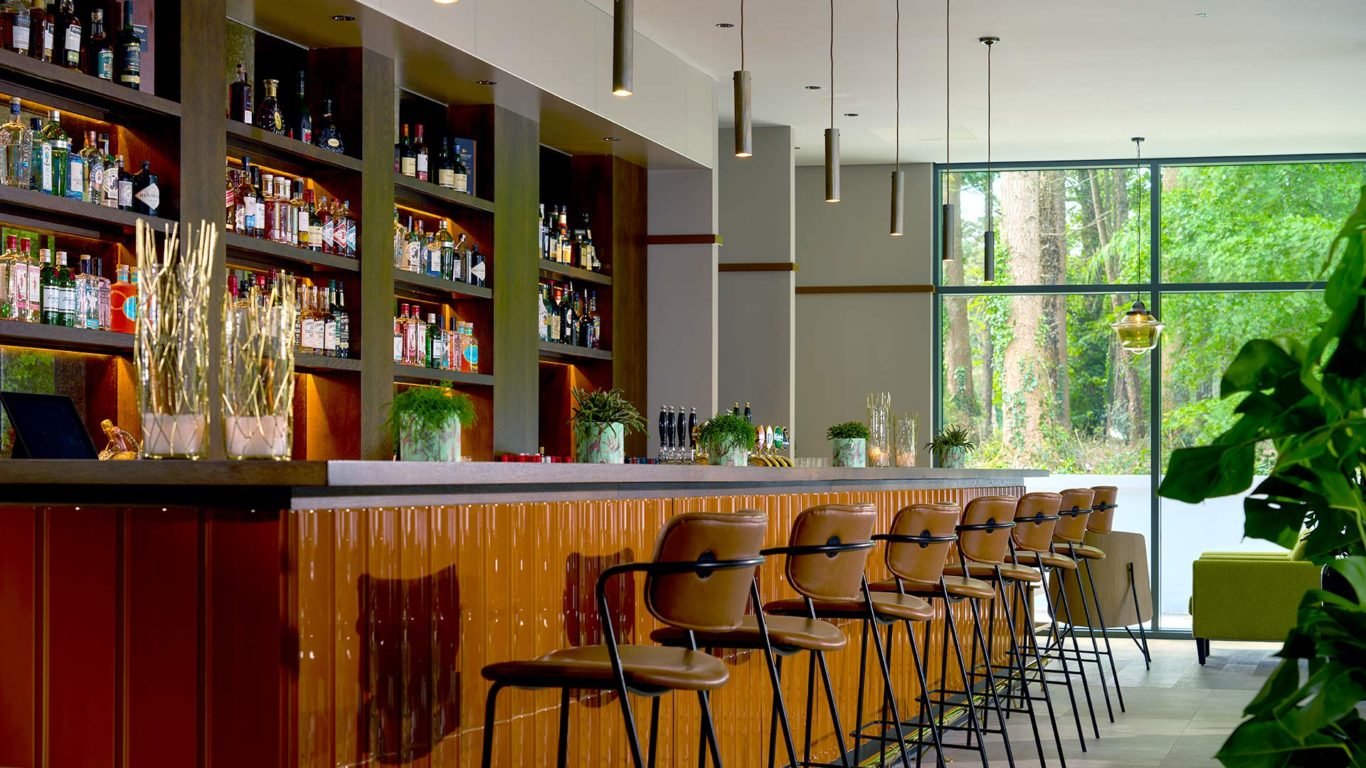
Chic and eclectic with bold art, sophisticated lighting, and a relaxing atmosphere enhanced by stunning city views from terraces and gardens.
Tags
Vibe
Best For
Experience
Amenities
View
Accessibility
About the Stay
- Rooms
- 133
- Check-in
- 16:00
- Check-out
- 11:00
- Property Style
- Luxury Urban Resort
- Design Style
- Eclectic Urban Chic with Bold Art and Distinctive Details
Know before you go
Know Before You Go
- Getting there
- Middle Glanmire Rd, Montenotte, Cork, T23 E9DX
Planning details
Location
Recognition and awards

Also consider
Where to Look If This Is Not the Right Fit
Choose The River Lee if a central riverside location is more important than a quieter hotel mood. Choose The Imperial Hotel & SPA if the trip needs spa access and city-centre convenience in one booking.
For a more traditional luxury stay, compare Hayfield Manor. For simpler Cork logistics, start with Clayton Hotel Cork City or Hotel Isaacs Cork.
Hotel context
How It Compares
Clayton Hotel Cork City is the easier practical choice if location and business convenience matter more than atmosphere. The Montenotte is the better fit for a quieter, more stay-led Cork break, while Clayton is the safer pick for travellers who want city access with minimal friction.
Hotel Isaacs Cork suits a simpler, more central stay. The Imperial Hotel & SPA is the stronger cross-shop if spa time and central Cork access are priorities. The Montenotte wins for a more removed, calmer mood; the Imperial wins when the plan is to spend less time moving around the city.
The River Lee is the peer to choose for a polished riverside base, while Hayfield Manor is the more traditional luxury comparison. Pick The Montenotte when the brief is boutique-leaning and atmospheric; pick Hayfield Manor when classic hotel formality is the priority.
Explore Cork
Around this place
Discover more on Pearl
Unlock the full The Montenotte guide in Pearl, including awards, comparisons, FAQs, planning details, and nearby places.
Compare The Montenotte
| Venue | Location | Awards |
|---|---|---|
| The Montenotte | Cork | 2025 Michelin Selected HotelsSmall Luxury Hotels Member 2025 |
| Clayton Hotel Cork City | Cork | No published awards |
| Hotel Isaacs Cork | Cork | No published awards |
| The Imperial Hotel & SPA | Cork | No published awards |
| The River Lee | Cork | No published awards |
| Hayfield Manor | Cork | 2026 Virtuoso Luxury Hotel Collection2026 Forbes Recommended2026 La Liste Top HotelsWorld Luxury Hotel Awards 20252025 Michelin Selected Hotels2025 Forbes RecommendedPreferred Hotels Member 2025 |





How The Montenotte Cork compares with similar nearby venues.
FAQ
Frequently Asked Questions
How is the pool and spa at The Montenotte?
Specific pool or spa details for The Montenotte are not available. It is a Cork hotel listed as a Small Luxury Hotels of the World member in 2025 and as a MICHELIN Guide hotel selection in 2025.
How does The Montenotte compare to nearby hotels?
The Montenotte can be compared with Clayton Hotel Cork City, Hotel Isaacs Cork, The River Lee, Hayfield Manor, and The Imperial Hotel & SPA when building a Cork hotel shortlist. Its distinction is its 2025 Small Luxury Hotels of the World membership and 2025 MICHELIN Guide hotel selection.
Do loyalty programs work at The Montenotte?
The Montenotte is a Small Luxury Hotels of the World member and a MICHELIN Guide hotel selection in Cork. Specific loyalty-program benefits, eligibility, or booking conditions are not detailed, so confirm those directly before reserving.
Which room category is best at The Montenotte?
Specific room categories or room-by-room value differences at The Montenotte are not available. Choose based on current availability, your budget, and details confirmed directly by the hotel.
Is The Montenotte family-friendly?
Specific family facilities, policies, or room configurations at The Montenotte are not available. Families should confirm practical requirements directly with the hotel before booking a Cork stay.
Is The Montenotte good for business travel?
Specific business-travel facilities or meeting convenience at The Montenotte are not available. Business travellers should confirm the practical details they need directly with the hotel before booking in Cork.