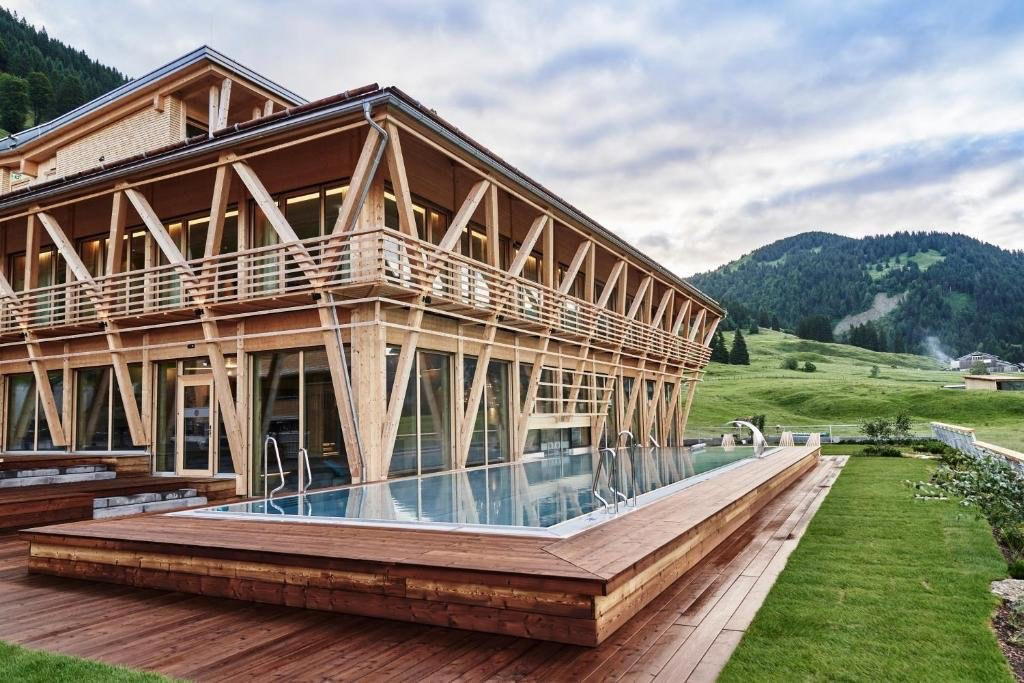



Castlemartyr Resort
Castlemartyr, Cork
Hotel in Cork, Ireland
 Book with Pearl
The Read
Templar Parkland Heritage
Why go
Book Castlemartyr Resort for a Cork special-occasion stay where space, calm, and resort time matter more than city convenience. Suite-level rooms are worth considering when the room is part of the celebration; standard rooms make more sense for short stops or guests spending most of the trip off property.
About Castlemartyr Resort
Castlemartyr Resort is a Cork hotel for travellers who want the property to be a meaningful part of the trip rather than just a place to sleep. It holds Michelin 1 Key recognition in 2025, Preferred Hotels Preferred Residences recognition in 2025, and Virtuoso Luxury Hotel Partner recognition in 2026. The dress code is smart casual.
Before booking, confirm the practical details directly, especially room, dining, pricing, and service arrangements. If the trip depends on a particular room type, dining arrangement, or on-property service, check the venue's official channels for the latest information.
Book it when the property is part of the occasion
Castlemartyr Resort makes the most sense when the hotel itself is an important part of the trip. Its recognition gives the booking a stronger hotel-quality signal than a generic Cork stay, while guests who need specific facilities, menus, room layouts, or service formats should check those details before booking. For guests comparing Cork and other notable stays in the wider region, Ballymaloe House Hotel, an SLH Hotel, Ballymaloe House Hotel, Ballyvolane House, Cliff House Hotel, and Fota Island Resort are natural names to consider alongside Castlemartyr Resort.
The practical decision is whether you want Castlemartyr Resort specifically, rather than simply a base in Cork. If your plans depend heavily on location, compare other Cork hotels and make sure the setting suits the itinerary. If your plans are centred on the hotel itself, Castlemartyr Resort is easier to justify.
Who should choose it for a Cork stay
Choose Castlemartyr Resort if the trip is built around a Cork hotel stay with a recognised profile. It is a less obvious fit for travellers whose plans depend on a specific location or transport setup; confirm those details before booking. For Cork planning beyond the hotel, compare other dining, hotel, bar, winery, and experience options generically to decide whether the hotel choice fits the rest of the trip.
The strongest planning signals are the recognition profile and the smart-casual dress code. Do not assume cuisine, chef, prices, room categories, facilities, or detailed services without checking them directly. Book here when Castlemartyr Resort itself is the reason for the stay, and confirm any trip-critical details directly before committing.
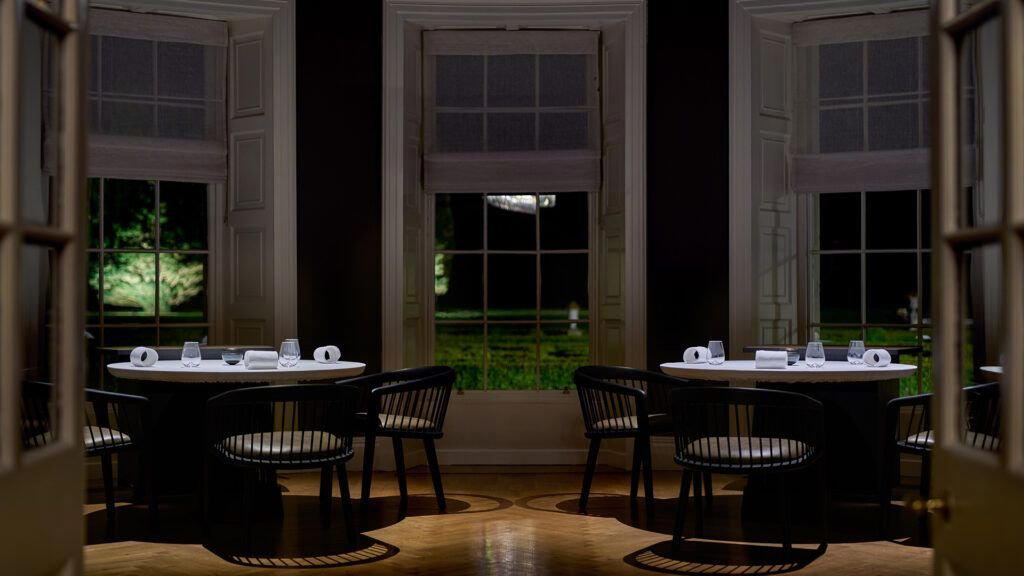
Inside Castlemartyr Resort
Planning details
- Location
- Castlemartyr Resort, Castlemartyr, Cork, P25 X300
- Website
- castlemartyrresort.ie
- Phone
- +353 21 421 9000
The take
The Take
The Vibe
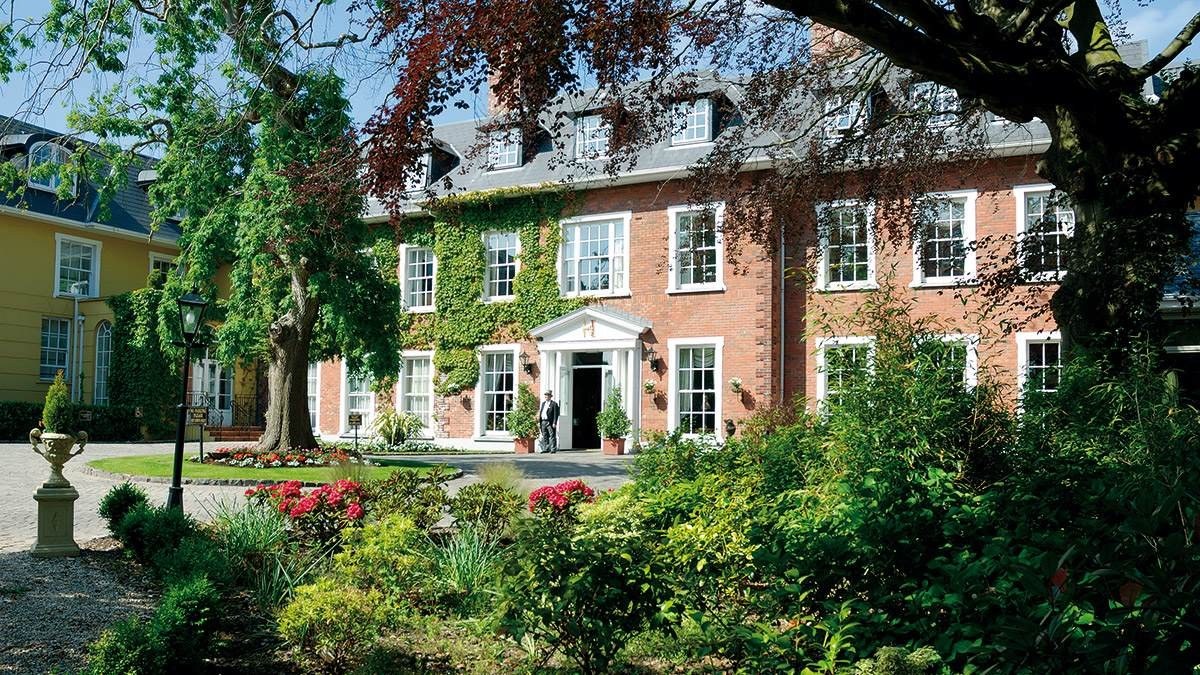
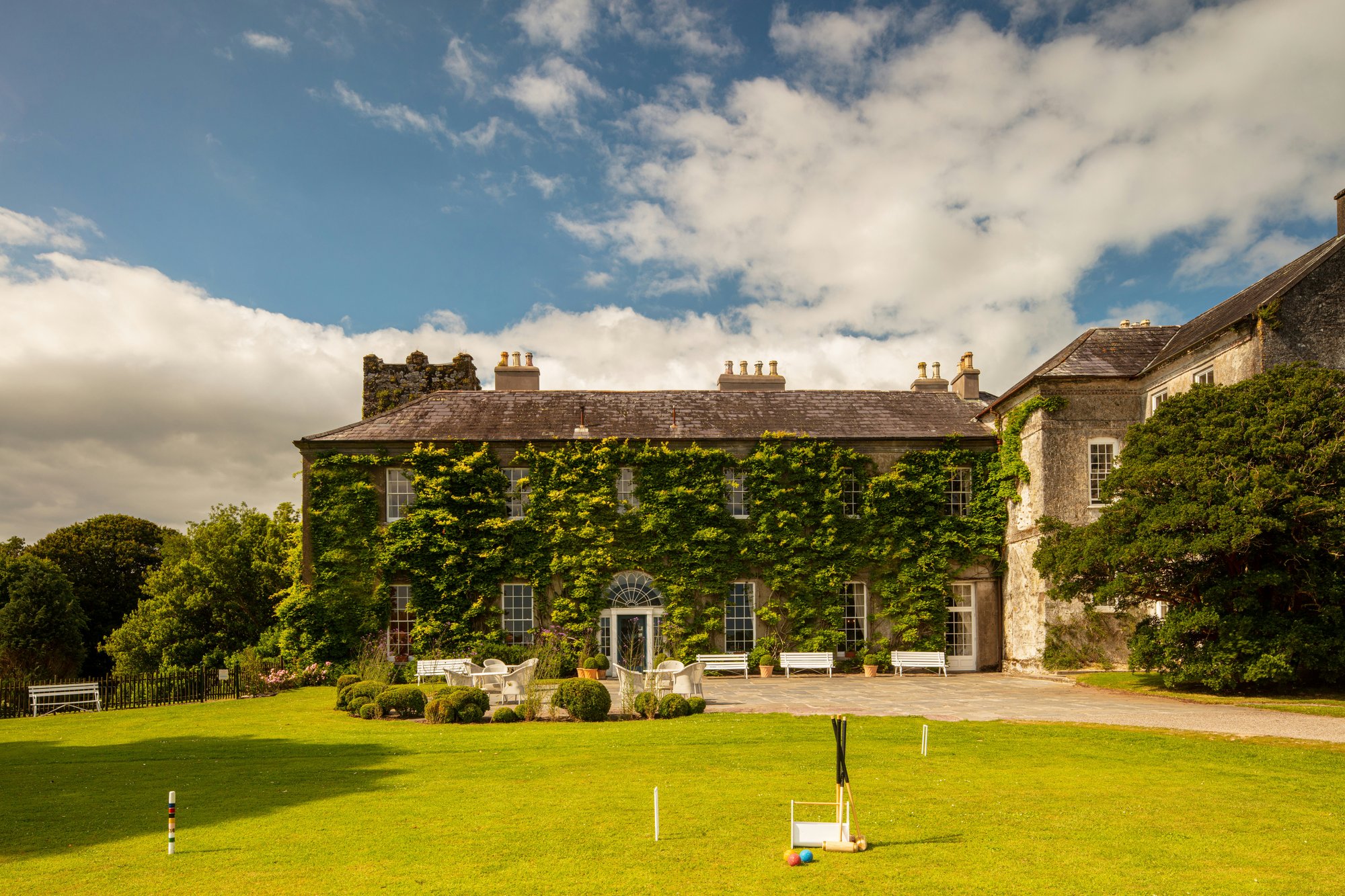
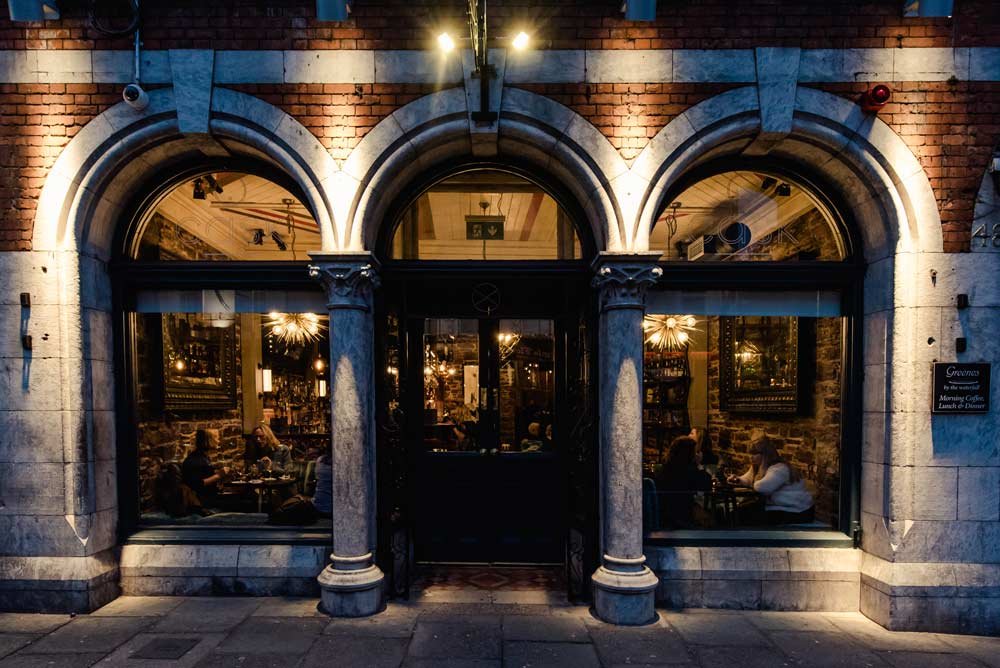
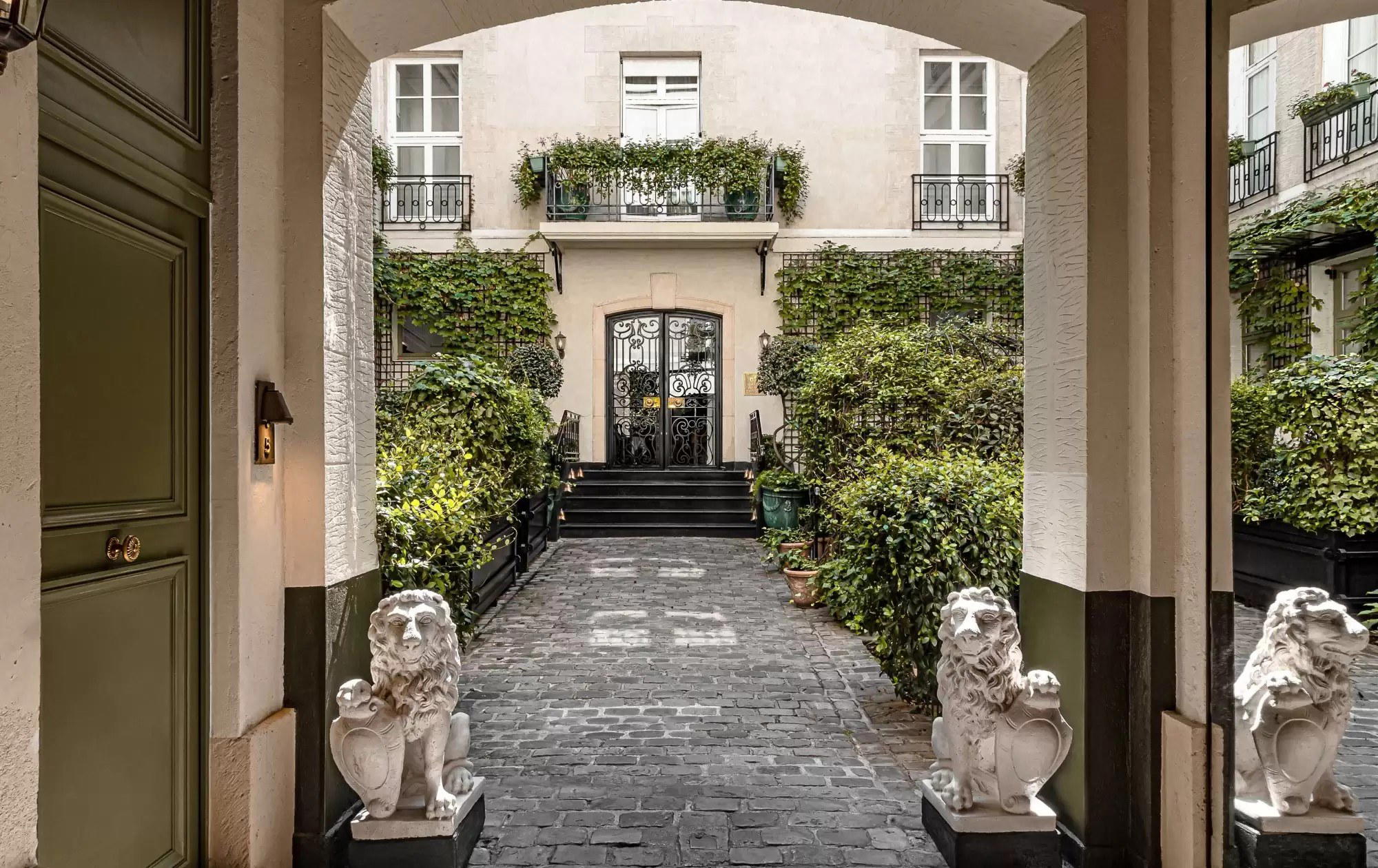
Castlemartyr reads as an Irish country estate first and a hotel second: the property’s identity is rooted in a 13th‑century Templar ruin, a classical manor house and 220 acres of parkland and woodland. Arrival unfolds along an avenue, and the scale of the grounds gives the resort a calmly grand, historically anchored presence. Contemporary five‑star comforts sit quietly within that frame—an ESPA spa, a Michelin‑starred restaurant and a golf course—but never overwhelm it. The result is serene, historically resonant luxury where the landscape and built heritage set the tone for every guest experience.
Best For
This is a property built for milestone moments and restorative stays: couples seeking a romantic or anniversary escape, families looking for spacious grounds and leisure amenities, and guests focused on wellness or country pursuits all find strengths here. The estate’s spa programme and golf course make it well suited to wellness retreats and active weekend escapes, while the Michelin‑starred dining and sweeping grounds position the resort as a destination for celebrations and destination weddings. The combination of acreage, heritage and high‑end service makes it especially appropriate when the setting matters as much as the amenities.
Stay Tips
When planning a stay at Castlemartyr, prioritize the few offerings the description highlights: allow time for the Michelin‑starred dining experience and the ESPA spa programme, and set aside a slot for the golf course if that interests you. Given the resort’s five‑star positioning and its reputation within the Irish country‑house cohort, inquire early about restaurant availability and spa treatments and reserve tee times in advance. If you want a stronger sense of the estate, request accommodation with closer proximity to the manor and the castle ruins to make the most of the parkland setting during your visit.
Venue details
Ambiance
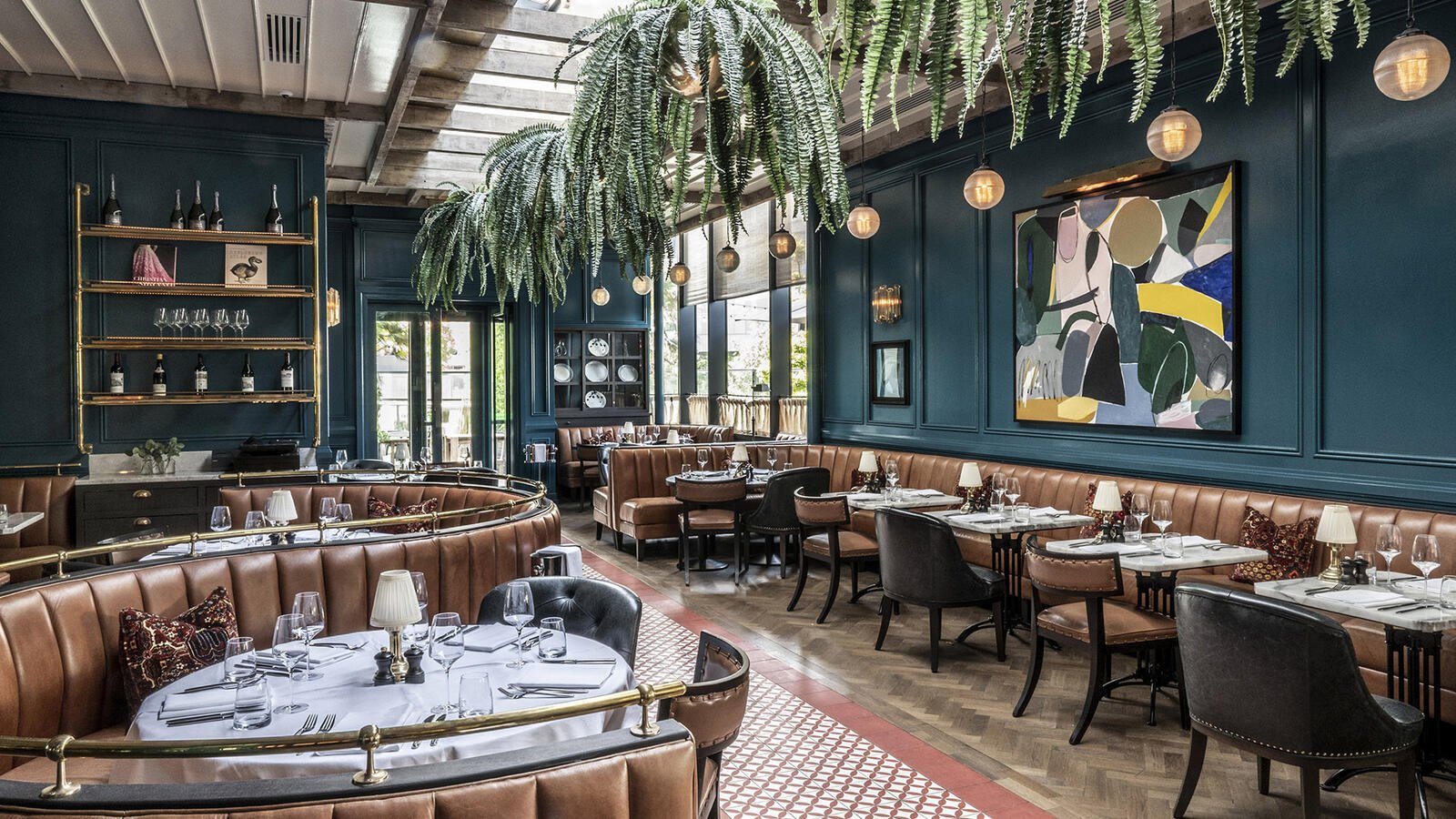
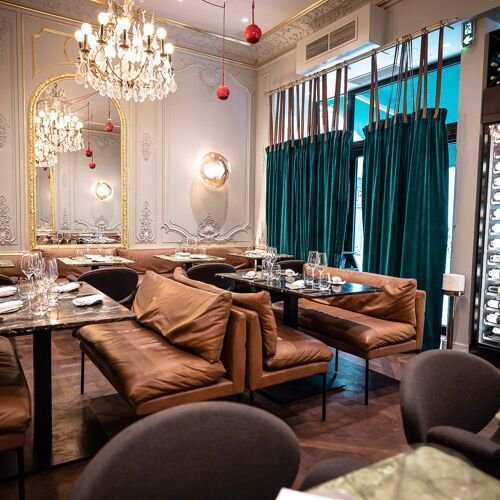
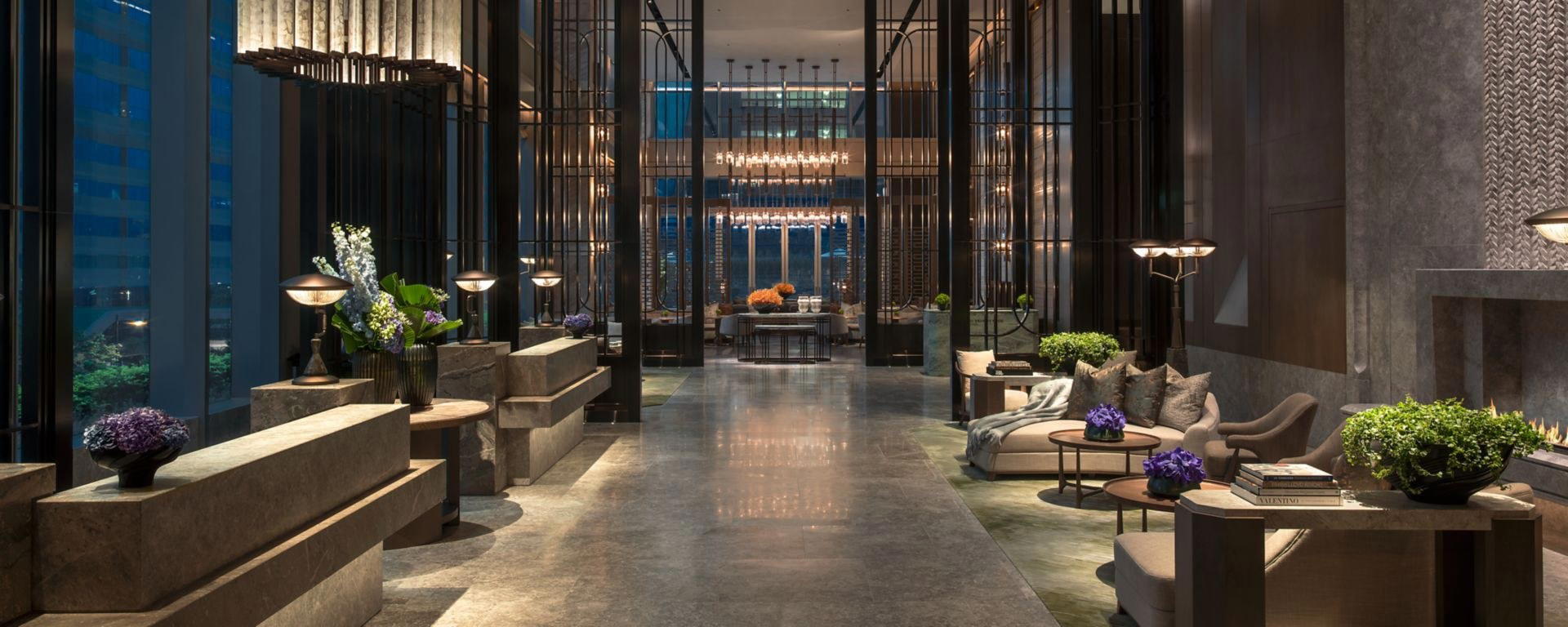
Elegant and tranquil atmosphere with classical decor in public areas, modern luxury in rooms, warm garden and golf course views, and a calming spa environment praised for wellbeing.
Tags
Vibe
Best For
Experience
Amenities
View
Accessibility
About the Stay
- Rooms
- 108
- Check-in
- 15:00
- Check-out
- 12:00
- Property Type
- Heritage hotel
- Property Style
- Restored 17th Century Manor House with Contemporary Luxury Wing and Self Catering Residences on Extensive Estate.
- Design Style
- Classical Elegance Blended with Modern Luxury, Featuring Muted Creams, Green Accents, Marble Bathrooms, and Historic Manor Styling.
- Pool
- Yes
- Spa
- Yes
- Pets
- Allowed
- Families
- Welcome
Know before you go
Know Before You Go
- Getting there
- Castlemartyr Resort, Castlemartyr, Cork, P25 X300
Planning details
Location
Recognition and awards

Also consider
Where to look if dates do not work
If Castlemartyr Resort is full on your preferred weekend, try Fota Island Resort first for a similar Cork resort decision. If the trip is more food-focused than spa-focused, Ballymaloe House Hotel, an SLH Hotel is the more useful alternative.
Hotel context
How it compares in Cork
Ballymaloe House Hotel, an SLH Hotel is the stronger pick for a food-led country-house stay, while Castlemartyr Resort is the safer choice when resort scale, spa time, and a quieter celebration setup matter more. Ballymaloe House Hotel serves a similar countryside decision, but the draw is more house-style character than resort infrastructure.
Fota Island Resort is the closest practical cross-shop for guests who want a Cork resort format. Choose Fota if golf or broader resort activity is the lead reason for the trip; choose Castlemartyr Resort if the stay is more about a composed special-occasion base. Both are stronger fits than city hotels for guests who do not need to be walkable to Cork nightlife.
Ballyvolane House is better for a smaller country-house mood, while Cliff House Hotel is the one to consider if sea views and a coastal setting outrank Cork access. Castlemartyr Resort sits in the middle: more resort-like than Ballyvolane, less coastal than Cliff House, and more suited to guests who want East Cork as the base.
Explore Cork
Around this place
Discover more on Pearl
Unlock the full Castlemartyr Resort guide in Pearl, including awards, comparisons, FAQs, planning details, and nearby places.
Compare Castlemartyr Resort
| Venue | Location | Awards |
|---|---|---|
| Castlemartyr Resort | Cork | 2026 Virtuoso Luxury Hotel Collection2026 Michelin 1 Key2025 Michelin 1 KeyMichelin 1 Key 2025Preferred Hotels Preferred Residences 2025 |
| Ballymaloe House Hotel, an SLH Hotel | Cork | No published awards |
| Ballymaloe House Hotel | Shanagarry | Small Luxury Hotels Member 2025 |
| Fota Island Resort | Cork | No published awards |
| Ballyvolane House | Castlelyons | 2026 La Liste Top Hotels |
| Cliff House Hotel | Ardmore | 2026 La Liste Top Hotels2025 Michelin Selected HotelsSmall Luxury Hotels Member 2025 |




How Castlemartyr Resort Cork compares with similar nearby venues.
FAQ
Frequently Asked Questions
Which room category is best at Castlemartyr Resort?
When is the best time to book Castlemartyr Resort?
Castlemartyr Resort carries Michelin 1 Key recognition for 2025, so availability and pricing should be checked directly with the venue before booking.
Is Castlemartyr Resort family-friendly?
Castlemartyr Resort may be worth considering for a Cork stay, but travellers should confirm room setup, policies, and any family-related services directly before booking. Ballyvolane House, Fota Island Resort, and other notable options may also be worth comparing depending on the trip.
How is the location of Castlemartyr Resort?
Castlemartyr Resort is in Cork. If location is central to the trip, confirm the exact setting and transport plans directly before booking. Compared with Cliff House Hotel, Ballymaloe House Hotel, and Fota Island Resort, the best choice depends on the kind of stay you want.