
DEEP CANYON GUEST RANCH
Teton Canyon, Choteau
Hotel in Choteau, United States
 Book with Pearl
The Read
Rocky Front Ranch Immersion
Why go
DEEP CANYON GUEST RANCH is a ranch-first Montana choice near Choteau, better for travelers who value setting and quiet over hotel-style amenities. Its Top 50 Ranches recognition in 2026 is the main trust signal; compare carefully against Paws Up or The Green O if polished luxury matters more.
About DEEP CANYON GUEST RANCH
Consider DEEP CANYON GUEST RANCH as a Choteau guest-ranch option rather than as a standard hotel comparison. The safest way to evaluate it is by the basic fit: whether a ranch-style stay in Choteau is the kind of trip you want.
The dress code is casual, which points to a low-key planning expectation. DEEP CANYON GUEST RANCH is also associated with Top 50 Ranches (2026). Beyond that, confirm specific claims about rooms, dining, amenities, pricing, or service style directly before booking.
Choose the ranch format for place, not suite-level polish
Confirm room-category details directly. The safer decision rule is simple: pay more only if the added space or privacy is clearly confirmed and needed for the party size. Couples and solo travelers should avoid overbuying unless the stay is meant to be slow and room-heavy. Families or longer-stay guests may get more practical value from extra space, but the main reason to consider this property remains the guest-ranch format in Choteau.
Comparison shopping should start with the type of trip rather than specific room amenities. For a broader scan of the area, use Our full Choteau hotels guide; for non-lodging planning around town, Our full Choteau restaurants guide, Our full Choteau bars guide, Our full Choteau wineries guide, and Our full Choteau experiences guide are more useful than comparing it with urban boutique hotels.
Who should pick it over a resort or camp
Pick this if the trip needs a guest-ranch stay in Choteau and a casual atmosphere. If you want to compare it with other stays, Paws Up, The Green O, and Under Canvas Glacier are different options to research directly. For other ranch or lodge comparisons, look at Rocking Z Guest Ranch and AVERILL'S FLATHEAD LAKE LODGE.
The verdict: DEEP CANYON GUEST RANCH is a sensible shortlist option for travelers specifically considering a casual guest-ranch stay in Choteau. Before committing, confirm the current room details, dining arrangements, amenities, and booking terms directly.
Planning details
- Location
- 2055 Teton Canyon Rd, Choteau, MT 59422
- Website
- deepcanyonguestranch.com
- Phone
- +1 406-466-2044
The take
The Take
The Vibe
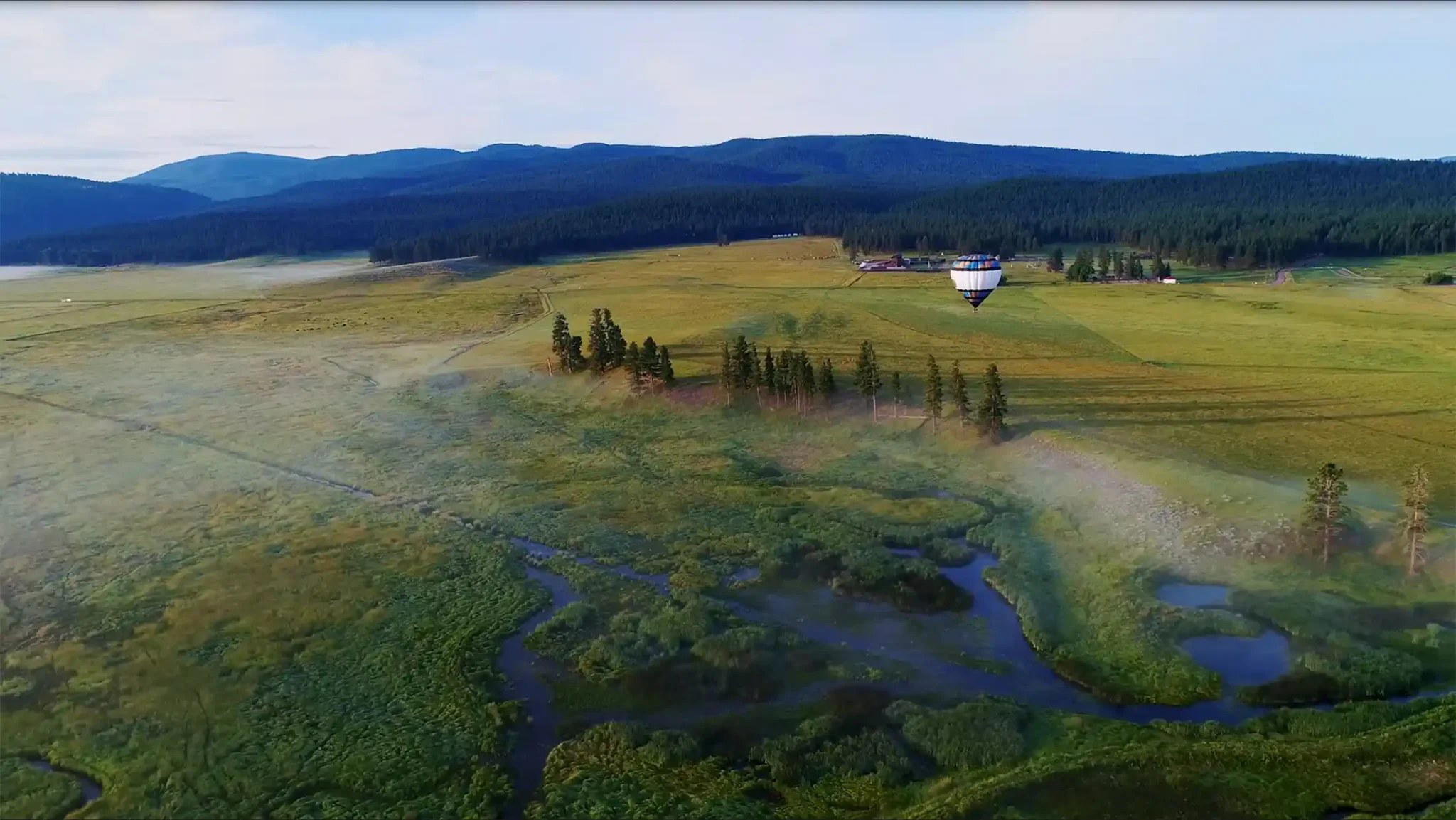
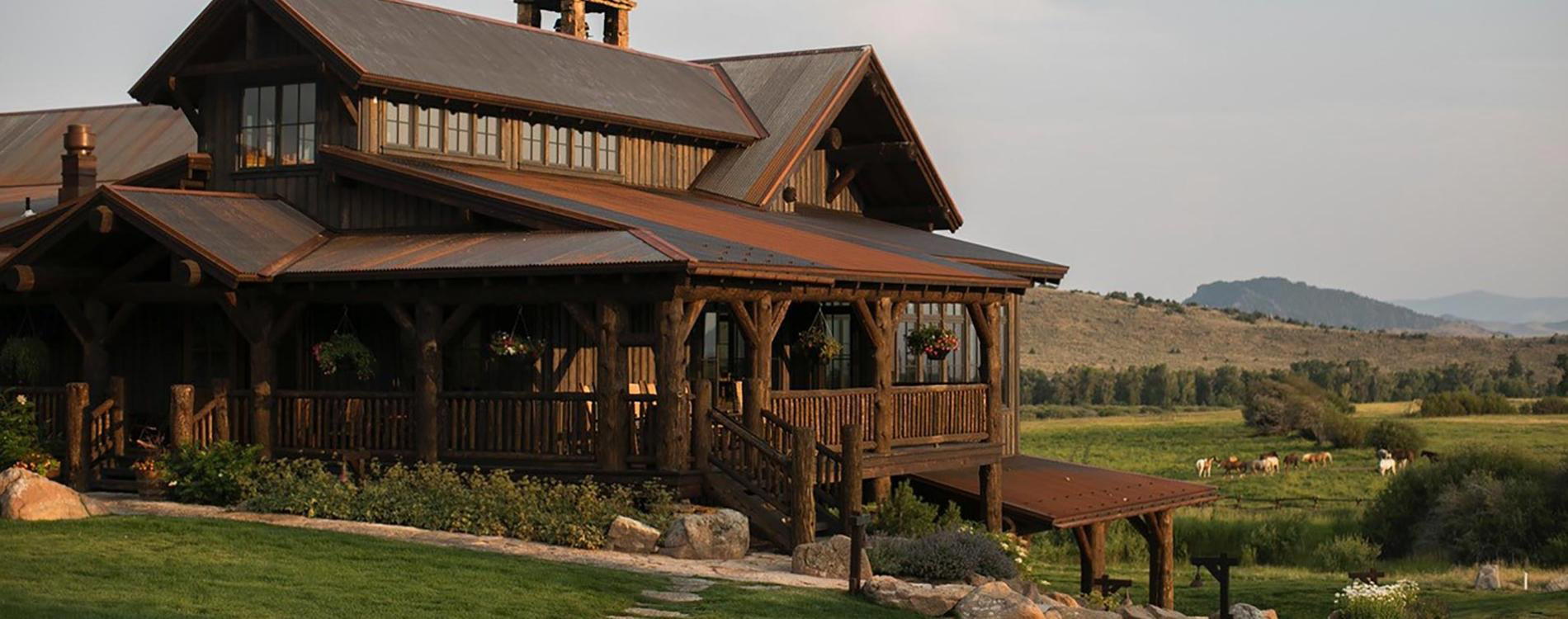
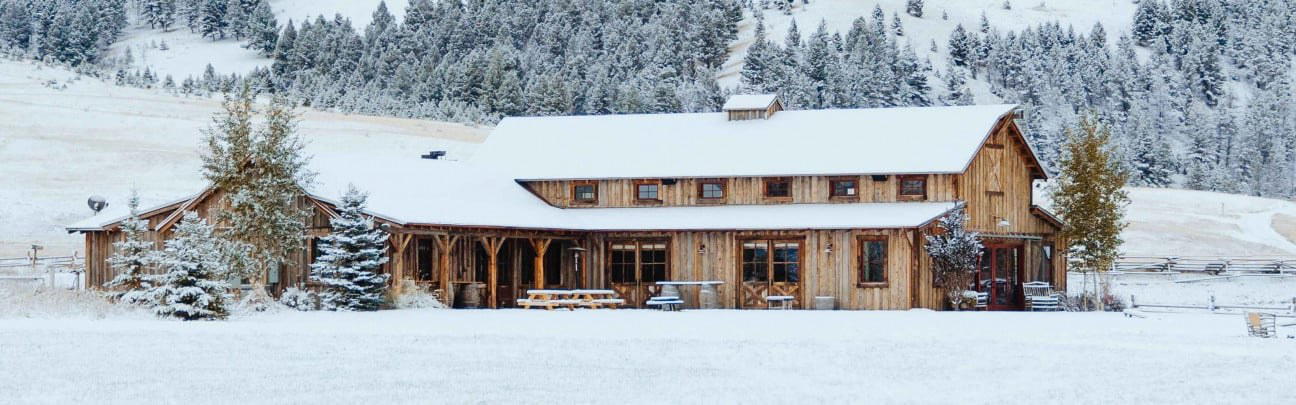
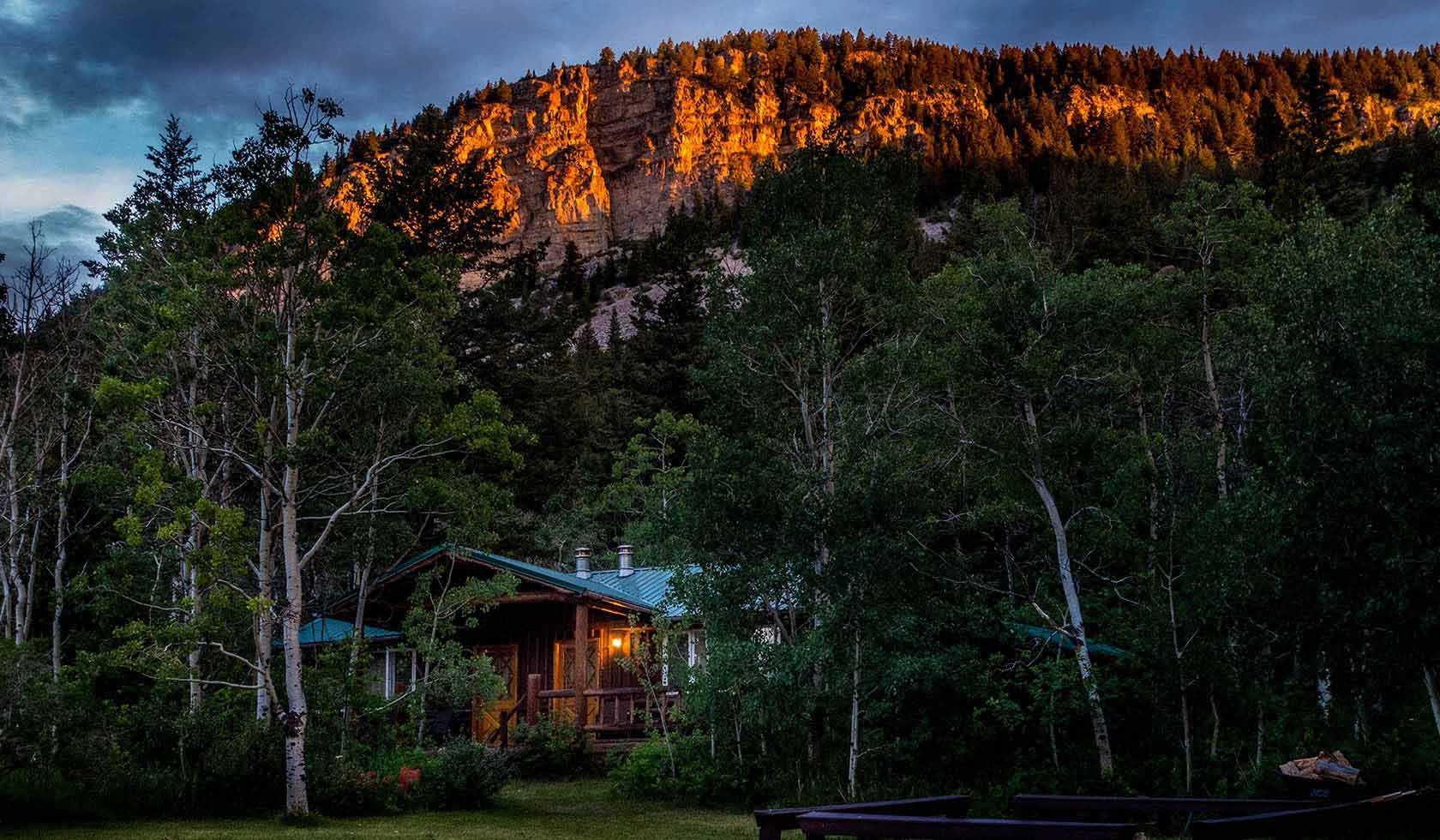
Deep Canyon Guest Ranch presents a terrain-first, unvarnished ranch experience where the Front Range rises from the property line and defines every view. Architecture follows function — low-slung timber framing, metal roofs and covered porches — and the built environment exists to shelter and orient rather than to perform. The result is a quietly charming, historic-feeling stay that foregrounds the landscape: guests come here for proximity to the mountains and the sense of place that comes from staying in structures evolved from working-ranch tradition rather than boutique resort design.
Best For
This property is best for travelers who prioritize access to raw mountain landscape over resort-style amenities. Families and groups looking for a hands-on ranch or outdoor escape find it especially fitting: the setting makes it easy to center days on hikes, exploration and the Front Range itself. Weekend visitors who want a close-to-nature break also benefit from the ranch’s immediate mountain context. If you seek sculptural architecture or an amenity-heavy stay, this is not the place — instead expect a purposeful, landscape-driven ranch rhythm.
Stay Tips
Treat Deep Canyon as an outdoors-first ranch: choose lodging that faces the Front Range or has a covered porch to make the most of the immediate mountain setting. Prepare for a pared-back property rather than a high-service resort — the writeup emphasizes terrain access over amenity density — so pack layers and gear for mountain weather and activities. Book early for peak-season access, and plan days around the landscape (trails, viewpoints and outdoor time) rather than on-site luxury facilities, which are not the primary focus here.
Venue details
Ambiance
Cozy and welcoming lodge with warm lighting from fireplaces, historic decor, and a peaceful atmosphere fostering family connections amid stunning mountain views.
Tags
Vibe
Best For
Experience
Amenities
View
Accessibility
About the Stay
- Rooms
- 20
- Property Style
- Rustic Dude Ranch with Historic Log Cabins
- Design Style
- Western Rustic with Cozy Log Interiors and Mountain Porches
Know before you go
Know Before You Go
- Getting there
- 2055 Teton Canyon Rd, Choteau, MT 59422
Planning details
Location
Recognition and awards

Also consider
Also Consider
- AVERILL'S FLATHEAD LAKE LODGE, Notable alternative
- Under Canvas Glacier, Notable alternative
- Rocking Z Guest Ranch, Notable alternative
- Paws Up, Notable alternative
- The Green O, Notable alternative
Hotel context
How it compares with Montana ranch and outdoor stays
DEEP CANYON GUEST RANCH is the more ranch-forward choice for travelers who want a quieter Choteau-area base and do not need the layered service model of Paws Up or The Green O. Those two are better fits for a splurge where design, managed amenities, and a more polished luxury rhythm matter. Choose this instead when the value equation is about place and calm rather than a long amenity list.
Under Canvas Glacier is the better cross-shop for travelers who want a lighter outdoor format and a Glacier-focused trip. It is less of a ranch comparison and more of an outdoors-lodging alternative. Rocking Z Guest Ranch is the closer peer for a classic guest-ranch decision, while AVERILL'S FLATHEAD LAKE LODGE makes more sense if a lake setting is more important than being near Choteau.
For booking ease, DEEP CANYON GUEST RANCH is the lower-friction pick in this set when the trip does not require a heavily packaged luxury stay. Value-seekers should start here or Rocking Z Guest Ranch; travelers planning a higher-budget Montana escape should compare Paws Up and The Green O first.
Explore Choteau
Around this place
Discover more on Pearl
Unlock the full DEEP CANYON GUEST RANCH guide in Pearl, including awards, comparisons, FAQs, planning details, and nearby places.
Compare DEEP CANYON GUEST RANCH
| Venue | Location | Awards |
|---|---|---|
| DEEP CANYON GUEST RANCH | Choteau | Top 50 Ranches 2026 |
| AVERILL'S FLATHEAD LAKE LODGE | Bigfork | 2026 USA Today Best Ranches · #6Top 50 Ranches 2026 |
| Under Canvas Glacier | Glacier National Park | No published awards |
| Rocking Z Guest Ranch | Wolf Creek | No published awards |
| Paws Up | Greenough | 2026 USA Today Best Ranches · #12Top 50 Ranches 2026Star Wine Lists 20262026 Forbes 4-Star2026 Virtuoso Luxury Hotel Collection2026 La Liste Top Hotels2025 Conde Nast Best Resorts · #8Michelin 2 Keys 20252025 Michelin 2 Keys |
| The Green O | Greenough | 2026 Forbes 4-Star2025 Forbes 4-StarPearl Recommended Hotels |








How DEEP CANYON GUEST RANCH in Choteau: Book It? compares with similar nearby venues.
FAQ
Frequently Asked Questions
When is the best time to book DEEP CANYON GUEST RANCH?
DEEP CANYON GUEST RANCH is associated with Top 50 Ranches (2026). If your dates are fixed, it is sensible to confirm availability directly rather than relying on last-minute options.
How is the dining at DEEP CANYON GUEST RANCH?
Confirm specific dining details, including cuisine type, chef, meal format, and pricing, directly with DEEP CANYON GUEST RANCH before booking.
How is the location of DEEP CANYON GUEST RANCH?
How is the pool and spa at DEEP CANYON GUEST RANCH?
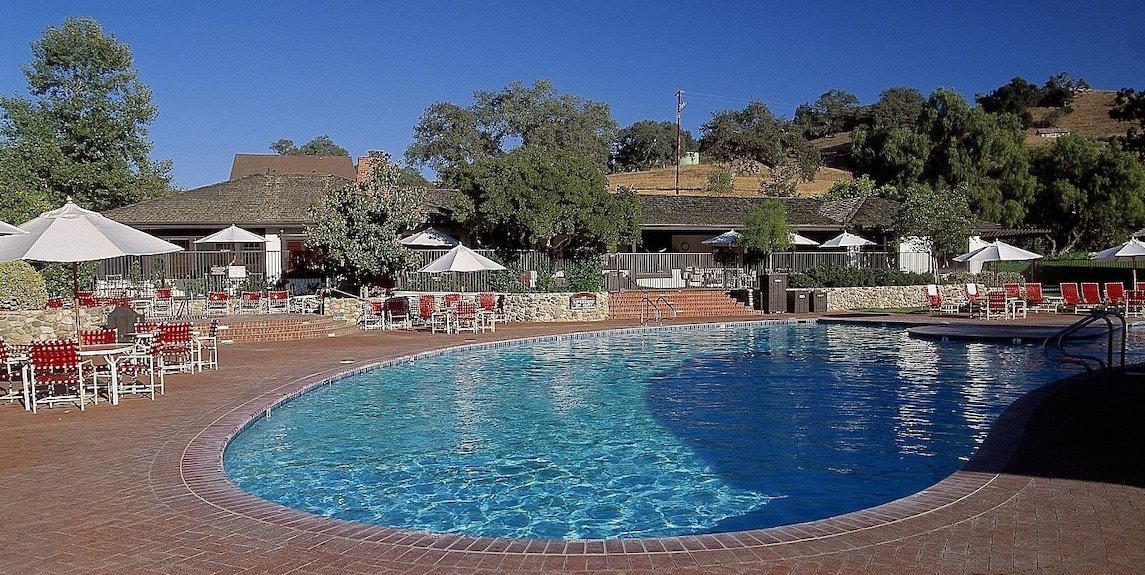
If pool and spa amenities matter to your trip, ask DEEP CANYON GUEST RANCH directly before booking.