
SpiceTree Munnar
Chinnakanal
Hotel in Chinnakanal, India
 Book with Pearl
The Read
Price
$100–200per night
Why go
Book SpiceTree Munnar if the priority is a quieter Chinnakanal base with boutique-hotel appeal, not chain loyalty benefits or city-style convenience. Its strongest public trust signal is World Travel Awards 2025 recognition as a Leading Boutique Hotel, so the value case is about atmosphere and setting more than points, upgrades, or a heavily documented dining program.
About SpiceTree Munnar
SpiceTree Munnar is a Chinnakanal hotel to shortlist when the trip specifically calls for staying in that area. Guests should primarily consider its location, dress code, and recognition, as details about facilities, dining, or service style are not widely available.
The dress code is smart casual, and the property is associated with the World Travel Awards 2025 recognition for Leading Boutique Hotel.
Book it for Chinnakanal, not for other extras
The clearest grounded reason to consider SpiceTree Munnar is that it places the stay in Chinnakanal.
Its confirmed boutique-hotel recognition gives the hotel a credible positioning point, but it does not replace the need to check the basics that matter for a particular trip. If loyalty benefits, upgrades, transport arrangements, or a particular meal plan are decisive, confirm those details before committing.
Use timing and trip purpose to decide
SpiceTree Munnar makes the most sense when Chinnakanal itself fits the itinerary. If the trip involves frequent travel elsewhere, late arrivals, or tightly scheduled workdays, assess the location carefully before booking, as specific details about transfer convenience, meeting facilities, or a business-travel setup are not available.
Information about cuisine, named chefs, menu formats, lunch service, price points, or a destination-restaurant program is not available. Guests who care deeply about a specific dining experience should check the hotel's current information directly and compare it with other dining in Chinnakanal or with broader hotel options.
Planning details
- Location
- P.O, Muttukad-Periakanal Road, Nadukkurissu, Chinnakkanal, Munnar, Kerala 685613, India
- Website
- spicetreemunnar.com
The take
The Take
The Vibe
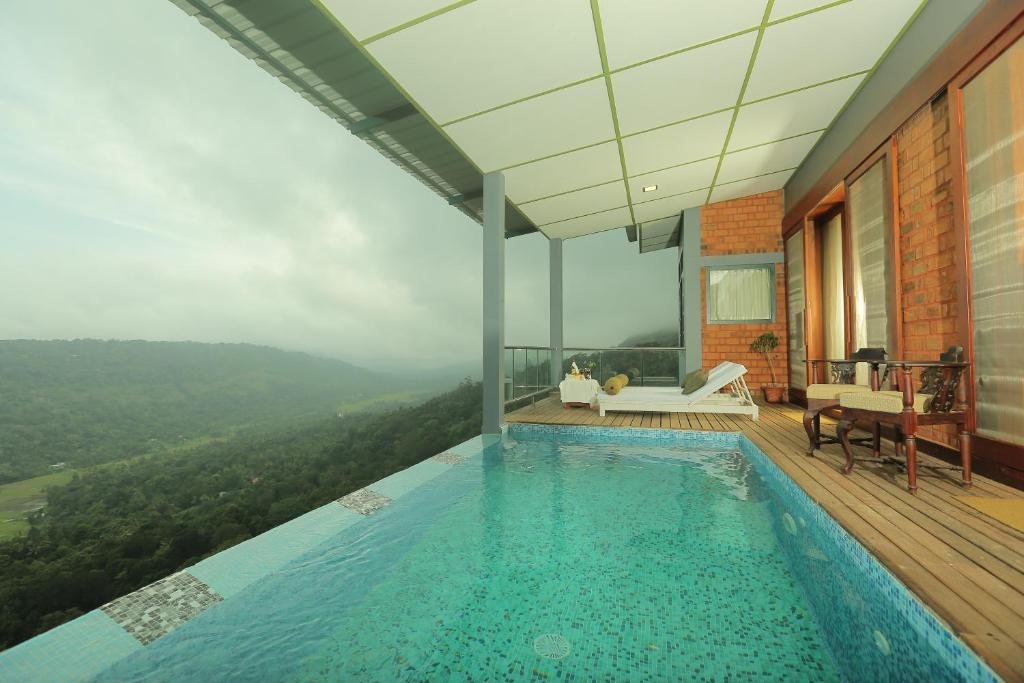
SpiceTree Munnar reads as a design-led, site-responsive hill retreat that privileges the surrounding tea-country terrain above interior ornament. The architecture is a series of cascading levels, with rooms and clusters positioned to preserve sightlines to the plantation canopy and the valley below. Industry recognition, most notably a 2025 World Travel Award, reinforces the hotel’s refined, boutique character. The result is a quietly sophisticated, intimate property that feels more like a deliberate gesture to place than a conventionally branded resort: calm, carefully composed and anchored to its Western Ghats setting.
Best For
The hotel suits travelers who prize landscape-first design and a quiet mountain escape. Its placement in upper Munnar tea country and the emphasis on preserved sightlines make it a strong choice for couples seeking a romantic or honeymoon retreat, for travelers chasing scenic quiet, and for guests who treat a short stay as a restorative weekend or wellness-focused pause. Because the property operates at a smaller scale and foregrounds its site, it’s best for visitors who value views, architecture and a contemplative hill-station atmosphere over large-resort amenities.
Stay Tips
When booking, prioritize accommodations that emphasize valley- or plantation-facing sightlines: architecture at SpiceTree is specifically arranged to preserve those views, so request rooms described as having direct outlooks over the canopy. Pay attention to descriptions that reference cascading levels or terraces, as those placements are the ones most intentionally sited for scenery. The write-up stresses the property’s topography-responsive design, so expect staggered layouts; ask the hotel for specifics about access and room positioning if mobility or proximity to common areas matters to your stay.
Venue details
Ambiance
Tranquil and serene with natural lighting, lush greenery views, soundproof rooms, and a peaceful spa-like atmosphere praised for its calming oasis feel.
Tags
Vibe
Best For
Experience
Amenities
View
Accessibility
About the Stay
- Rooms
- 17
- Check-in
- 15:00
- Check-out
- 11:00
- Property Type
- Boutique hotel
- Property Style
- Intimate Hillside Retreat Nestled in Tea Plantations with Wooden Cottages and Modern Comforts.
- Design Style
- Elegant Natural Aesthetic with Wooden Elements, Spacious Layouts, and Valley View Balconies.
- Breakfast
- Included
- Airport Transfer
- Available
- Pool
- Yes
- Spa
- Yes
- Families
- Welcome
- Cancellation
- Moderate
Know before you go
Know Before You Go
- Getting there
- P.O, Muttukad-Periakanal Road, Nadukkurissu, Chinnakkanal, Munnar, Kerala 685613, India
Planning details
Location
P.O, Muttukad-Periakanal Road, Nadukkurissu, Chinnakkanal, Munnar, Kerala 685613, India · Directions
Recognition and awards

Also consider
Also Consider
- Kumarakom Lake Resort, Notable alternative
- Kairali – The Ayurvedic Healing Village, Notable alternative
- The Postcard Mandalay Hall, Notable alternative
- Taj Malabar Resort and Spa, Cochin, Notable alternative
- The Malabar House, Notable alternative
Hotel context
How SpiceTree Munnar compares with Kerala boutique and resort peers
Choose SpiceTree Munnar if the trip is centered on Chinnakanal and the goal is a quieter Munnar stay with boutique positioning. Kumarakom Lake Resort is the cleaner comparison for travelers who want Kerala as a resort escape rather than a hill-station base; it makes more sense when water, resort pacing, and a destination-style stay matter more than being in the Munnar hills.
For wellness-first travelers, Kairali – The Ayurvedic Healing Village is the sharper cross-shop because its identity is more directly tied to Ayurvedic stays. SpiceTree Munnar is better for a scenic boutique-hotel brief; Kairali is better when the trip's main purpose is structured wellness rather than a general hill-country retreat.
If the itinerary is closer to Cochin, Taj Malabar Resort and Spa, Cochin, The Malabar House, and The Postcard Mandalay Hall are easier alternatives to justify logistically. Pick SpiceTree Munnar when the location itself is the reason for the trip; pick the Cochin-area options when airport access, shorter transfers, or a coastal-city stop matter more.
Explore Chinnakanal
Around this place
Discover more on Pearl
Unlock the full SpiceTree Munnar guide in Pearl, including awards, comparisons, FAQs, planning details, and nearby places.
Compare SpiceTree Munnar
| Venue | Location | Awards |
|---|---|---|
| SpiceTree Munnar | Chinnakanal | World Travel Awards 2025 |
| Kumarakom Lake Resort | Kumarakom | No published awards |
| Kairali – The Ayurvedic Healing Village | Kerala | No published awards |
| The Postcard Mandalay Hall | Kochi | No published awards |
| Taj Malabar Resort and Spa, Cochin | Kochi | No published awards |
| The Malabar House | Fort Cochin | 2026 Relais Chateaux Hotels2025 Michelin Selected Hotels2025 Relais Chateaux Award |


How SpiceTree Munnar compares with similar nearby venues.
FAQ
Frequently Asked Questions
Do loyalty programs work at SpiceTree Munnar?
Its strongest points are its Chinnakanal location, smart-casual dress code, and World Travel Awards 2025 Leading Boutique Hotel recognition. For a separate hotel comparison, Taj Malabar Resort and Spa, Cochin may be worth checking separately.
How does SpiceTree Munnar compare to other hotels?
SpiceTree Munnar is the Chinnakanal option among these comparisons. Kumarakom Lake Resort, Kairali – The Ayurvedic Healing Village, The Malabar House, The Postcard Mandalay Hall, and Taj Malabar Resort and Spa, Cochin are separate alternatives to consider depending on the wider itinerary and trip purpose.